
Inactive· since Jun 16, 2026
- 6
- days it ran
- 0
- relaunches
Ad copy
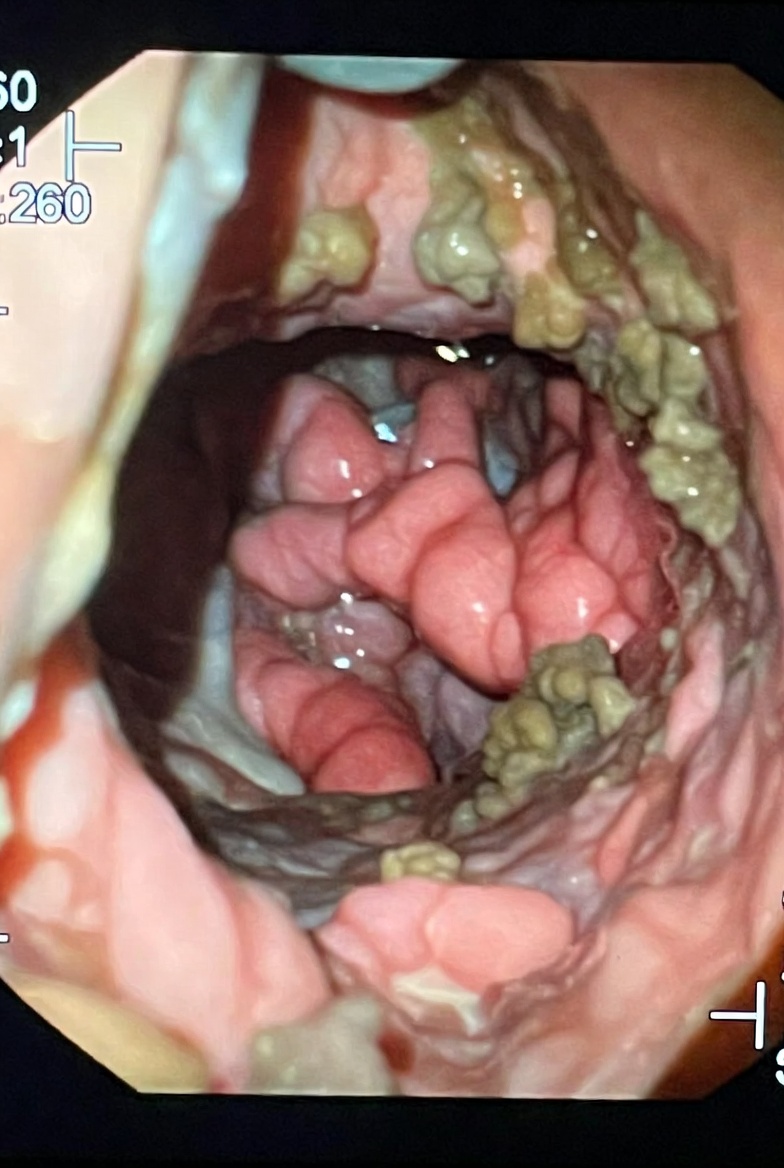
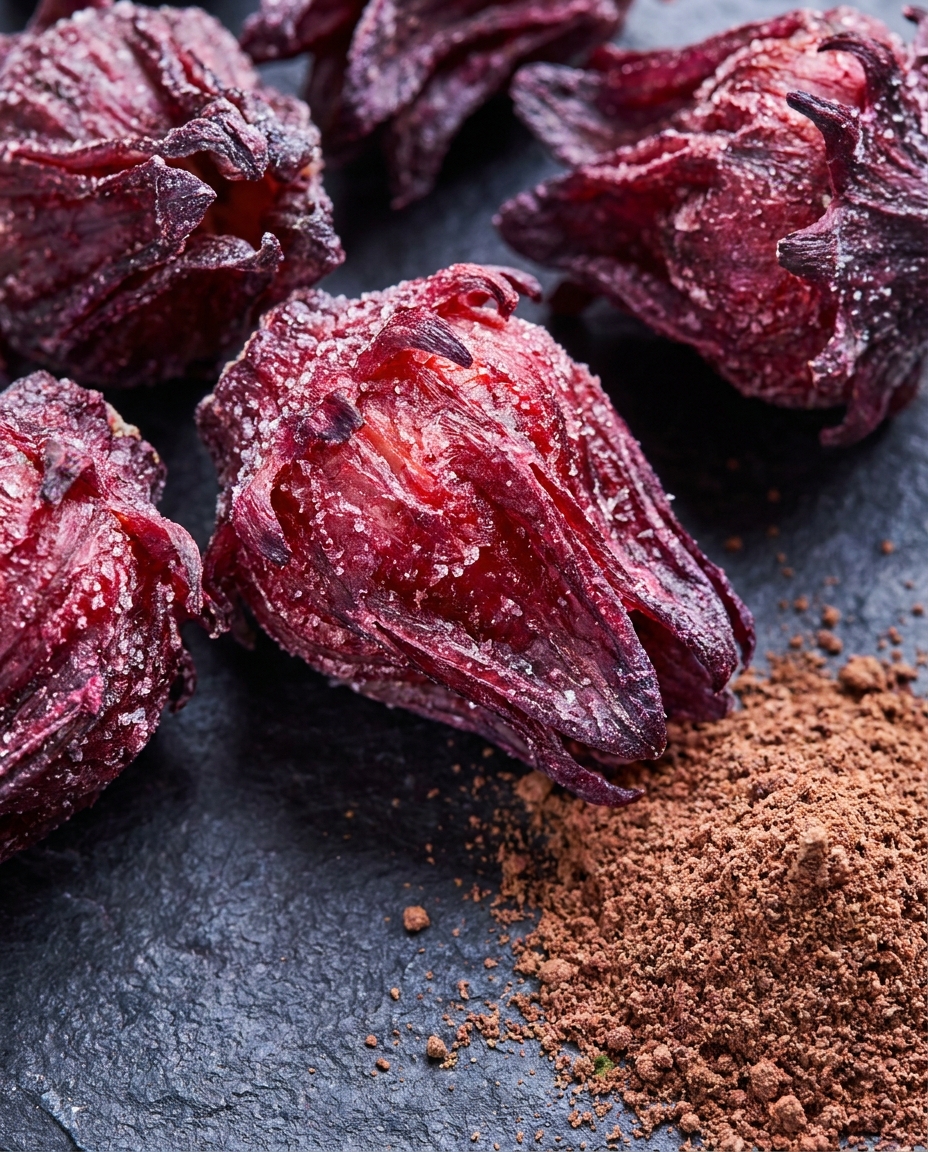
I quit a job I was good at. Sixteen years as a dialysis and transplant technician, gone, because I couldn't keep standing next to that chair and pretending "managed" meant "okay." Nobody fired me. I walked. And I'm going to tell you exactly why — because three years later it was my own lab results on the screen, and I almost made the same quiet mistake I'd watched hundreds of people make. Nobody's paying me to tell you this. I left the job. I have no lab coat to protect and no supplement company to answer to. My name is Maria Delgado. For sixteen years I set up the machines. I carefully watched the numbers. I helped patients in and out of the chair three days a week, four hours a session, and I learned their grandkids' names because you do, when you see someone that often. Here is the thing I could not unsee, and the thing that finally made me leave. The people in that chair were not careless people. Most of them had done everything they were told. They took the ACE inhibitor. They followed the renal diet — the one that fights with the diabetic diet, so half their kitchen became forbidden. They came back every three months like clockwork. And I watched their eGFR slide anyway. 52. Then 47. Then 38. Then a conversation about access placement. Then the chair. "Managed." That was the word on the chart. Their numbers were managed. And they kept getting worse the whole time they were being managed. There was a man named Walt. Retired electrician, sharp as a tack, brought me coffee on Tuesdays. He did everything right for eleven years. I set up his machine the week before I quit. He looked up at me and said, "Maria, I thought if I followed the plan this wasn't supposed to happen." I didn't have an answer for him. That was the day I knew I was done. I left because I was tired of being the calm face next to a slow-motion thing nobody was actually stopping. Monitoring is not a plan. Watching a number fall is not the same as doing something about it. I want to be careful here. I am not anti-doctor. Doctors are working inside a system built to treat kidney failure — the part that pays, the part the machines are for. They get fifteen rushed minutes and a protocol. The protocol is to monitor and to manage the numbers from the outside. That's real medicine and it matters. It's just not the same thing as protecting the filters underneath. Your doctor has fifteen minutes, a protocol, and a liability structure that was not built around botanical compounds. It's not that they're holding out — it's that this pathway was never in the workflow. And then it was me. Routine physical, three years after I walked out. eGFR 49. Protein in the urine. I'm 53. I'd spent sixteen years on the staff side of that chair. And I sat in my car in the parking lot reading my own results and I felt the floor go out from under me, because I knew exactly what this number meant and exactly how the story usually ends. I wasn't in crisis. But I was not okay. And I was the one who was going to lie awake doing the worrying, the same way every patient I'd ever set up had lain awake. That night I checked my morning urine the way I'd told a hundred patients to. The foam was there. Every morning for two weeks. Less of a number on a screen and more of a thing I could see in the bowl. So I made a decision. I was not going to sit in the "come back in three months" chair and just watch. I'd watched enough. I was going to find the active lever — the thing that supports the part the monitoring leaves alone — or I was going to prove to myself one didn't exist. Here's the mechanism I'd never had explained to me properly, in sixteen years on the inside. Your kidneys filter your blood through millions of tiny units called nephrons. When they're healthy, they hold the protein your body needs in your blood and send the waste out in your urine. You don't think about it. It just works. But those filters take a beating. Every blood-sugar spike, every point of high pressure, every year of low-grade inflammation runs straight through them. Over time that produces oxidative stress — strain that scars and stiffens the filters. The filters that used to hold protein start leaking it. That's the foam. The filters that used to clear waste fall behind. That's the fatigue sleep doesn't fix, the puffy ankles, the brain fog. And here is the line I keep coming back to, the one Walt deserved to hear: the nephrons that are gone are gone. You don't get those back. Which is exactly why the strain on the ones you still have is the whole ballgame — and exactly why "wait and watch them go" was never going to be enough for me. Standard medication takes pressure off the system from the outside. It manages the number. It doesn't do much for the oxidative strain chewing on the filters underneath. That's the part the monitoring doesn't reach. That's the part I went looking for. Step one. I tried the cheap stuff first, and it failed. Cranberry, because everyone says cranberry. Did nothing for my numbers. A "kidney detox" tea off the internet that tasted like lawn clippings. A twenty-seven-ingredient kidney blend where every active was a sprinkle too small to matter. Three months, real money, and my foam didn't budge. For a while I felt foolish. The classic supplement shame. Maybe I'm the gullible one now. Step two. Then I realized I'd had the wrong criteria the whole time, not the wrong category. Going back through what actually had antioxidant evidence behind it for the oxidative-strain pathway, the same plant kept surfacing: hibiscus. Whole-flower hibiscus — the deep red one — is loaded with anthocyanins, the compounds that go after the oxidative stress straining the filters, and it's been studied for the blood-pressure pathway that drives so much kidney strain in the first place. So why had I never gotten anywhere with it? Because almost everything sold as "hibiscus" is garbage for this. Cheap dried dust, often the stems and leaves swept up with the flower. Low-altitude, heat-blasted, sitting on a shelf for two years with the actives long gone. A hibiscus tea bag from the grocery store is mostly color and flavor. The wrong form of the right plant. That's when I built five criteria. I would not buy hibiscus unless it was: 1. Organic — no point fighting oxidative stress while drinking pesticide residue. 2. Whole-flower — the actual calyx, not stem-and-leaf filler. 3. High-altitude grown — the stress of altitude is what drives the anthocyanin content up. 4. Hand-picked and not heat-processed — so the active compounds survive into the cup. 5. Third-party tested for purity and potency — because heavy-metal contamination is a real risk with cheaply sourced botanicals, and a kidney is the last organ you want filtering that. Step three. The only thing I found that checked all five boxes was PiPi Tea — organic, whole-flower hibiscus, high-altitude grown, hand-picked, tested. Not dust. Not a grocery bag. The form of the plant that actually keeps the actives intact by the time it reaches you. I have no relationship with PiPi Tea. I found it the same way you're finding it now — through my own research, with my own labs on the line. I started one cup every morning. I kept my nephrologist in the loop — I did not stop anything, I added one thing. And I tracked it like the tech I used to be. The first two weeks, I didn't feel a fireworks show, and once I understood the mechanism I knew not to expect one. This isn't a stimulant. What I noticed first wasn't a number — it was the puffiness around my eyes easing and sleeping through the night without getting up. Day 24, I looked in the bowl and the foam was thinner. Less of it. I didn't trust it, so I watched another week. It kept going the right direction. Week 7, I ran my own labs. eGFR 53, up from 49. Protein down for the first time since this started. Week 11, last set: eGFR 57. Protein barely registering. The morning foam essentially gone. My nephrologist looked at the trend at my follow-up and asked what I'd changed. I told her. She didn't roll her eyes. She wrote the name down and told me to keep doing exactly what I was doing and keep coming in. And I called Dana — a tech I trained with who's still on the floor — and read her my numbers. She went quiet for a second and said, "Maria, I see the opposite of that chart every single day in here. Send me the link." That's the validation I trust. Not a testimonial on a website. A nephrologist who watched the actual trend, and a tech still inside who knows what the other direction looks like. So. If you're reading your own eGFR like a countdown, and the plan you were handed is "monitor and come back in three months" — I'm telling you what I learned from sixteen years on the staff side of that chair. The monitoring is real. It's just not an active lever. There's a part it doesn't reach. If you've tried cranberry, the detox teas, the twenty-seven-ingredient blends, and nothing moved — you weren't foolish. You had the wrong form of the right idea. Whole-flower, high-altitude, tested hibiscus is a different thing than the dust in a grocery bag. PiPi Tea. One cup every morning. It supports the oxidative-strain part the monitoring leaves alone — the same tea that moved my own foam and my own numbers while I kept working with my doctor. https://shop.pipitea.com/hbt/kd/sp-nm I left that job because I was tired of being silent next to that chair. And when it was my own labs, I almost stayed silent again — almost just monitored and waited like a good patient. I couldn't stay silent anymore. Not after Walt. Not when there was something I could actually do every morning instead of watch. PiPi Tea comes with a 90-day money-back guarantee. If your numbers don't move, you send it back and you're refunded — no questions. In sixteen years next to that chair I never once saw a treatment offer your money back if it didn't work. Sit with that. It's high-altitude, hand-picked, small-batch hibiscus, so the harvest is genuinely limited — they can't just print more of a mountainside. If you've got a blood draw coming up in the next month or two and you want to give your body a real shot at a better trend before that visit, get it in your hands now rather than next month. Every quarter you spend just watching is another quarter the strain keeps running. The nephrons that are gone are gone. The ones you still have are the ones worth protecting today. https://shop.pipitea.com/hbt/kd/sp-nm You still have time to act on a number you can still move. Walt was out of moves. You're not. ~ Maria Delgado, former dialysis & transplant technician, 16 years P.S. Do not stop your medication on your own. Bring this to your next appointment and ask your doctor to recheck your numbers in 8 weeks — that's exactly what I did, and my nephrologist is the one monitoring me. The point isn't to fight your doctor. The point is to add the one thing the protocol leaves out: an active, daily lever for the strain underneath. P.P.S. The 90-day guarantee covers the full window. Most people watching their own trend see changes between week 4 and week 8. If you don't, you send it back and PiPi Tea refunds you. The only thing you're risking is the cost of two months of the coffee you'd drink anyway. P.P.P.S. Small-batch, high-altitude harvest means they sell out and the next picking can take weeks. If you want this in your routine before your next blood draw, today beats next month. https://shop.pipitea.com/hbt/kd/sp-nm
Natural Relief in Weeks
LEARN MORELike this ad? Make it yours.
Crush rebuilds this exact creative around your product — your brand, your colors, your offer — in about a minute.