
Active· since Jul 6, 2026
- 74
- days running
- 0
- relaunches
Ad copy
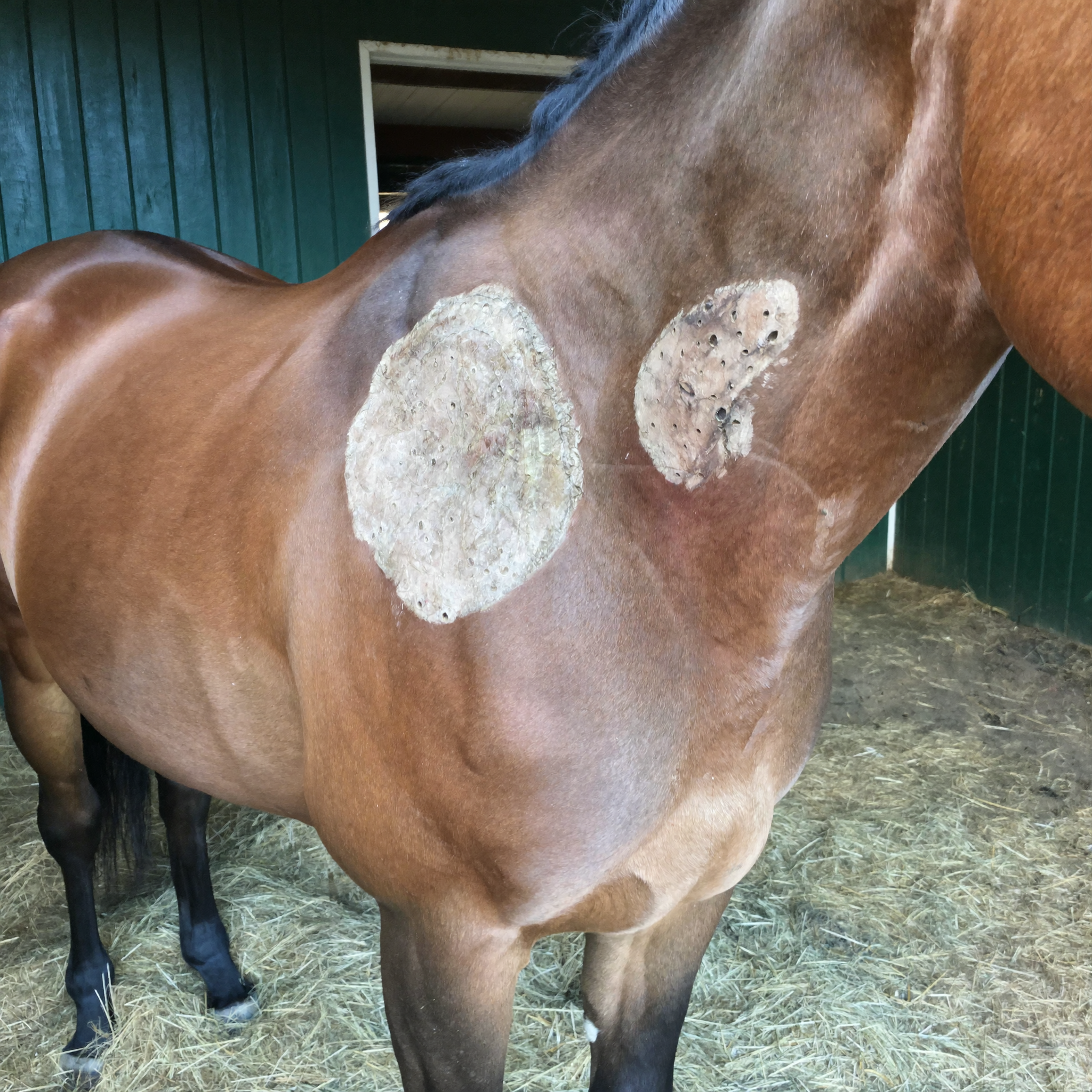
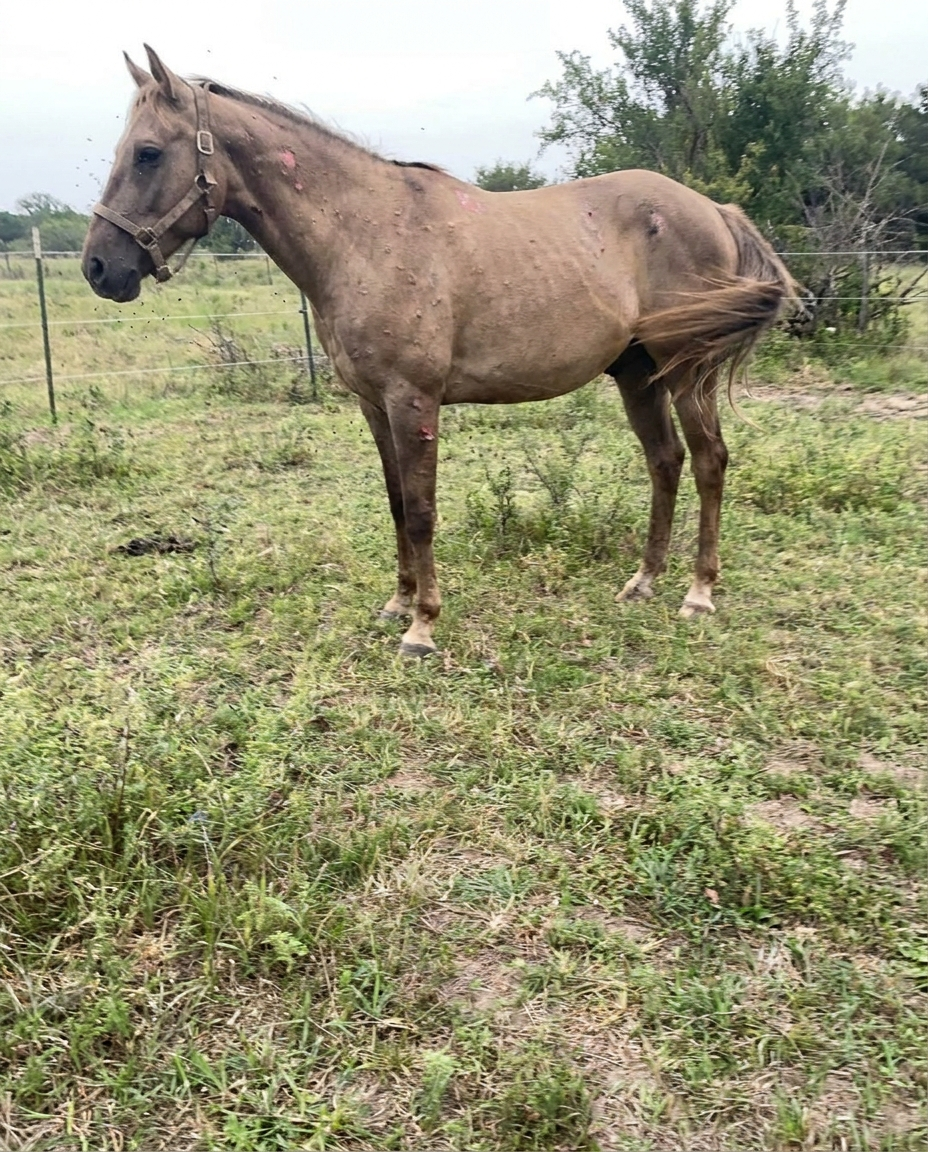
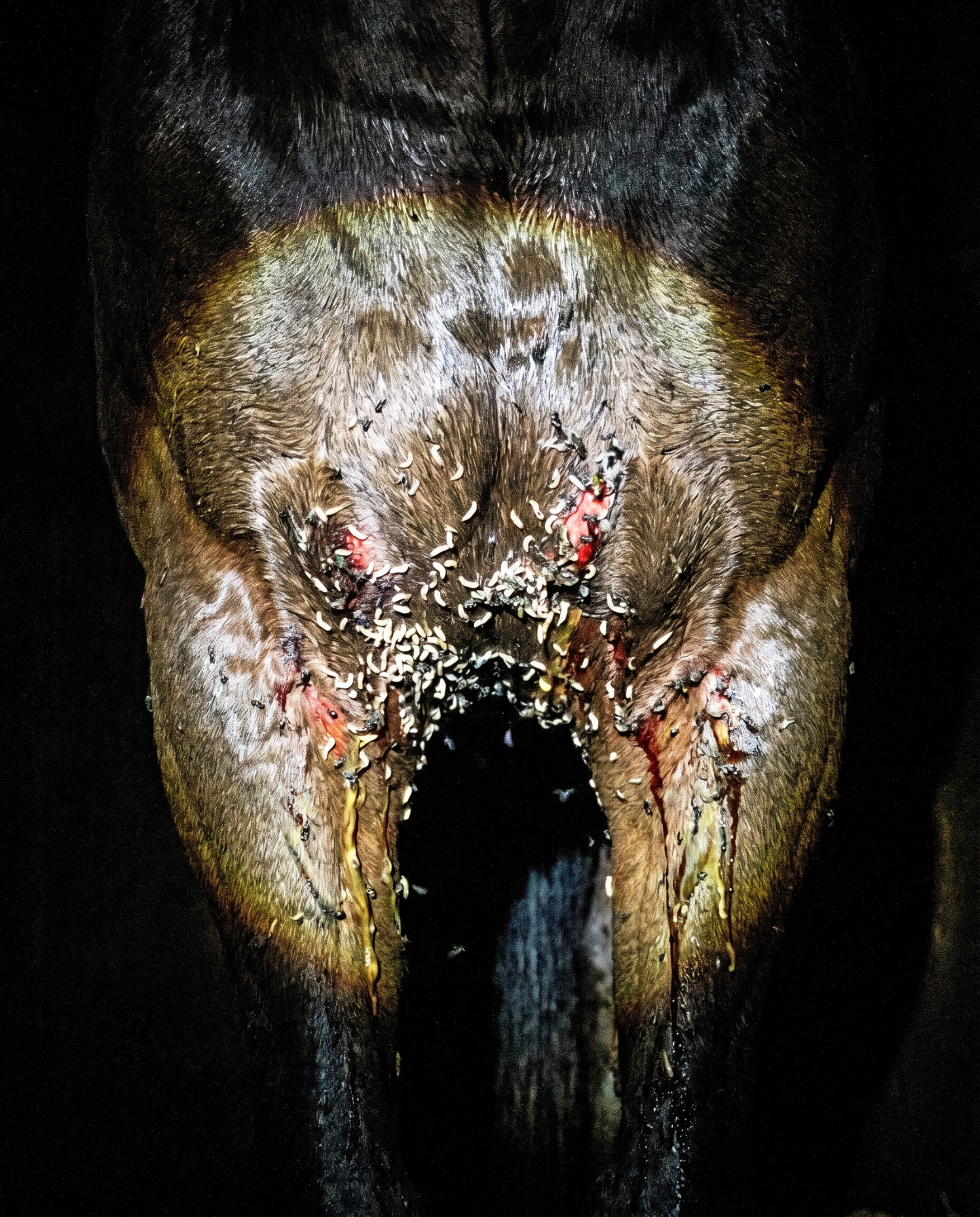
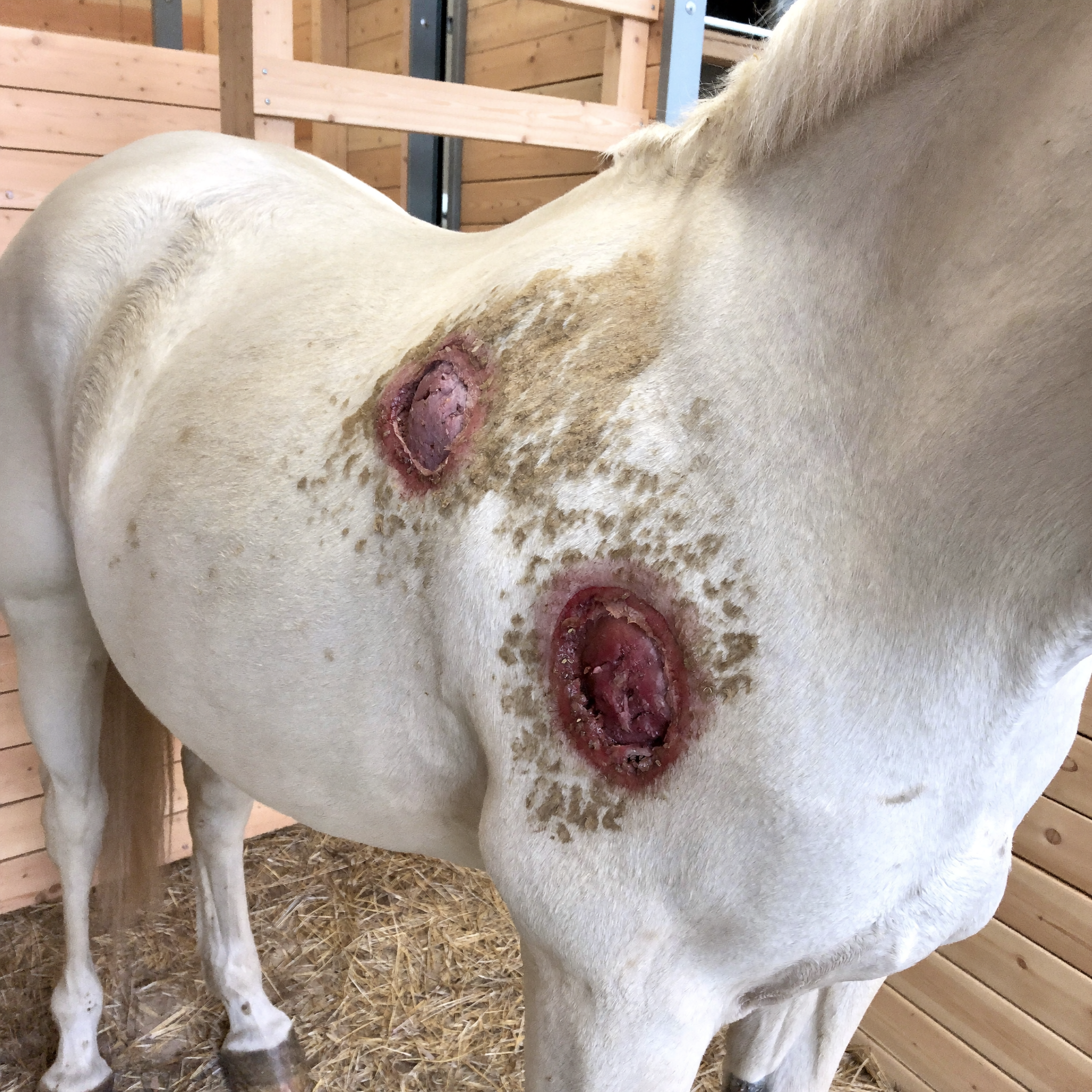
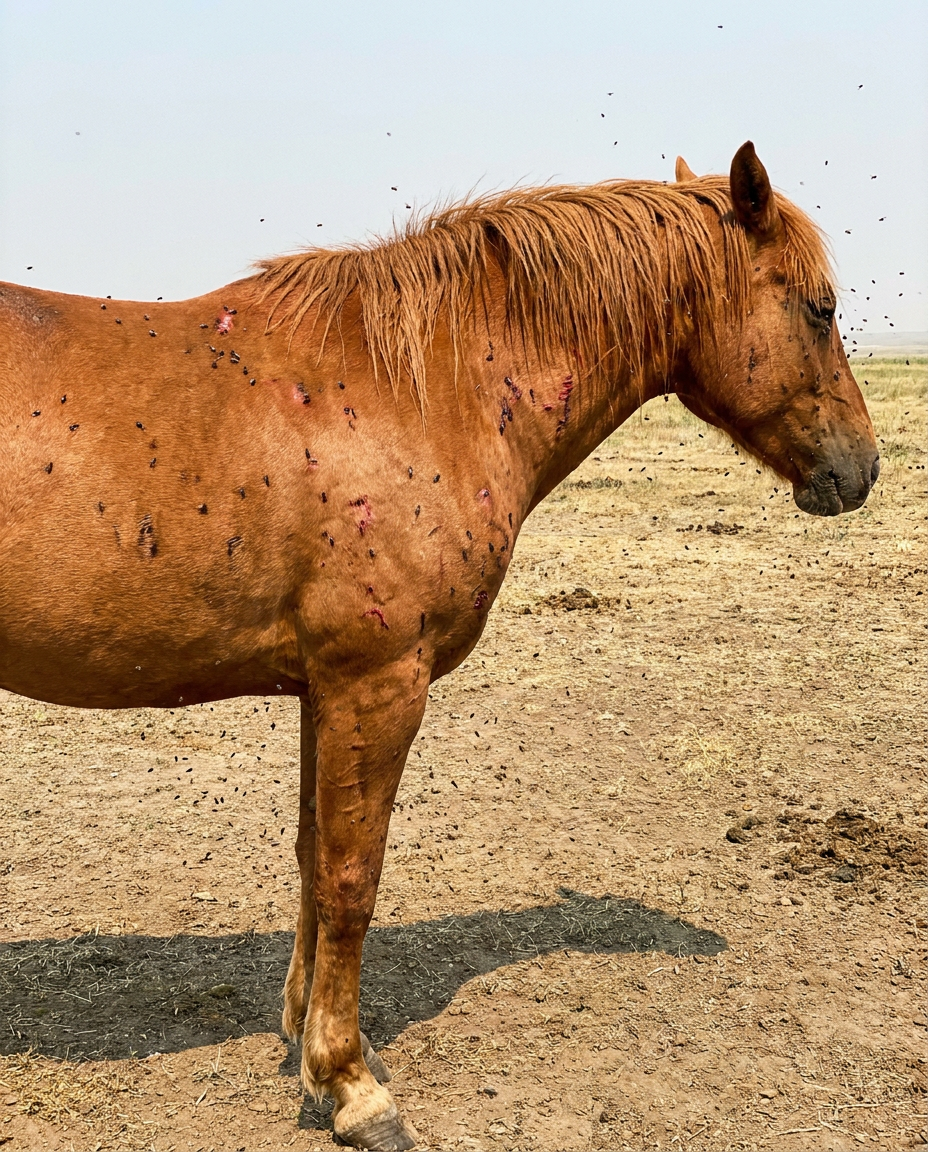
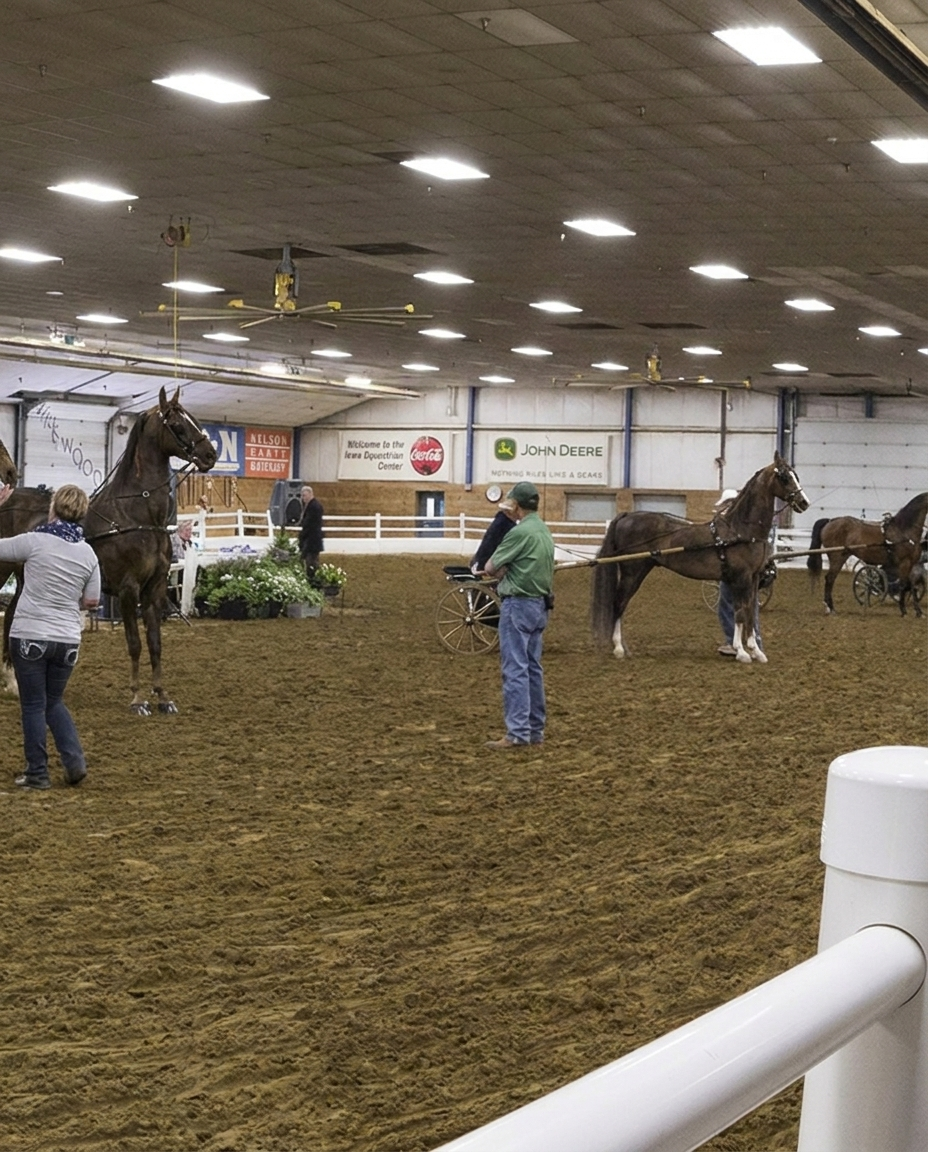
My horse was losing points before I even entered the ring because of welts from flies. Then a 30-year horseman showed me what I'd been missing. I show for a living. That means two things run my whole summer: how my horse looks, and how well he works. And for a couple of seasons, flies were quietly wrecking both. Let me tell you how it plays out, because if you compete, you already know. You spend months getting a horse legged up and polished. Clipped, conditioned, coat gleaming. Then fly season hits, and he starts rubbing. Welts come up across his belly and chest. He scratches his mane out on the fence. He stomps holes in his hocks. By the time you haul to a show, the horse you spent all winter perfecting has bite marks and rubbed patches and a scruffy tail — and a judge notices that from across the arena. Presentation is points. A horse that looks bitten-up and uncomfortable is already behind before he takes a step. And that's just the look. The bigger problem is the work. You cannot school a horse properly when he's getting eaten alive. I'd be drilling a pattern, trying to get a transition clean, and a horsefly would land and he'd fling his head or kick out and blow the whole thing. Focus gone. Rhythm gone. Half my training rides all summer got interrupted by bugs. And a horse that learns to brace and thrash against flies carries a little of that tension into the ring, whether the flies are there or not. So I did what every competitor does. I threw money at it. I bought every fly spray there is. The name brands, the show-ring "invisible" stuff, the expensive imported bottles. I'd spray him down before every ride and before every class. Within an hour those flies were right back on him. I bought the sheets, the masks, the boots — but you can't show in a fly sheet, and the second it came off, they'd swarm him again. I even had my own mixes made up. None of it lasted a full session, let alone a full show day. After a couple seasons of it, I figured that was just the tax you pay for competing in the summer. Everybody deals with it. You spray, you cross your fingers, you move on. Then at a show this past summer, I got to talking with an older horseman. Thirty-some years in the business, the kind of guy who's forgotten more than most of us know. His horse was tied at the trailer next to mine, and I noticed it right away, because it was the middle of a hot show day and that horse was standing there slick, quiet, and clean. Not stomping. Not a bite on him. Coat like glass. I asked him what he was using, because when your horse looks like that in July, I want to know. And he told me something I'd never heard in all my years of showing. He said it started with his vet. He'd had her out and got to complaining about the flies, and she told him she'd been reading up on certain plant oils — that there was real research showing they help keep biting bugs off a horse. She was clear it wasn't a medicine and it didn't replace good fly control, but she said as a side help, it was worth looking into. So he did. And here's what stuck with me. He said flies don't find your horse by luck. They find him by scent. Your horse gives off a smell, it drifts on the air, and the fly reads it and tracks it right to him. That's how one fly finds one horse across a whole show grounds. Then he laid it out plain. Every spray I'd ever bought was built to kill or run off the fly after it landed. Not one of them did a thing about the scent pulling the flies in to begin with. I'd been fighting the fly the entire time. Nobody ever told me the real move was to hide the horse. Years of showing, and I'd never once heard it explained that way. Now, I'm competitive, and I'm skeptical by nature. My first thought was, plant oils, sure. Sounds like something that smells nice and does nothing. I'd already wasted money on a homemade version of exactly that. He must've read it on my face, because he said, "Don't take my word for it. Go home and look it up." So I did. And it held up. There's a real body of research on these oils and how they keep biting bugs off. But I learned the one thing that finally explained why my own mixes always failed. It's not about just using "plant oils." A splash of citronella won't cut it. It's the right combination of the specific oils, together, in the right amounts. One oil alone barely does anything. The right blend, working together, is what actually hides the horse. I'd just been throwing one thing in a bottle and hoping — no wonder it never worked. So I went looking for something built on the right combination, not just a token splash of citronella for the label. And I kept landing on the same name. Renoura. It had the exact oils I'd been reading about. Citronella, litsea cubeba, clove, thyme, and more, all together in one spray. Not one thing doing a little. All of them, doing the job right. For once, I wasn't buying on a promise. I was buying on something I'd checked myself. I put it to the test the way I test everything — under pressure, on a show string, in the heat. The first horse I sprayed and took to the schooling arena, I kept waiting for him to start stomping and checking out on me. He didn't. He stood. He worked. I got a full, clean session — every transition, every movement — without a bug blowing it up. That alone was worth it. But the part that really got me was the look. By the end of the first week, the welts on his belly were gone. The rubbed spots started filling back in. His mane quit getting torn out on the fence. By the time we hauled to the next show, he wasn't a horse I had to apologize for. He walked in there slick, clean, and comfortable — the way all that winter conditioning was supposed to show. No bite marks for a judge to catch. No stomping in the lineup. Just a horse presenting like the athlete he is. And he worked like it, too. Clean schooling sessions all week leading up. No flies interrupting a pattern. No tension carried into the ring from a summer of bracing against bugs. He went in relaxed and focused, because he wasn't fighting anything. That's the whole game. Presentation and performance. Flies were costing me both, quietly, every summer — and I'd just accepted it. I've got horses out there right now, deep in fly season, standing slick and quiet in the heat. And when I school this evening, I'm going to get the whole ride. When we haul this weekend, they're going to walk in looking the part. If you compete and you've watched flies chip away at how your horse looks and works all summer, I'm not going to tell you what to do. I'm just going to tell you what that old horseman told me. Don't take my word for it. Look up how flies really find your horse. Look up the oils. I'll leave a link below, if you want to see what I found.
Like this ad? Make it yours.
Crush rebuilds this exact creative around your product — your brand, your colors, your offer — in about a minute.