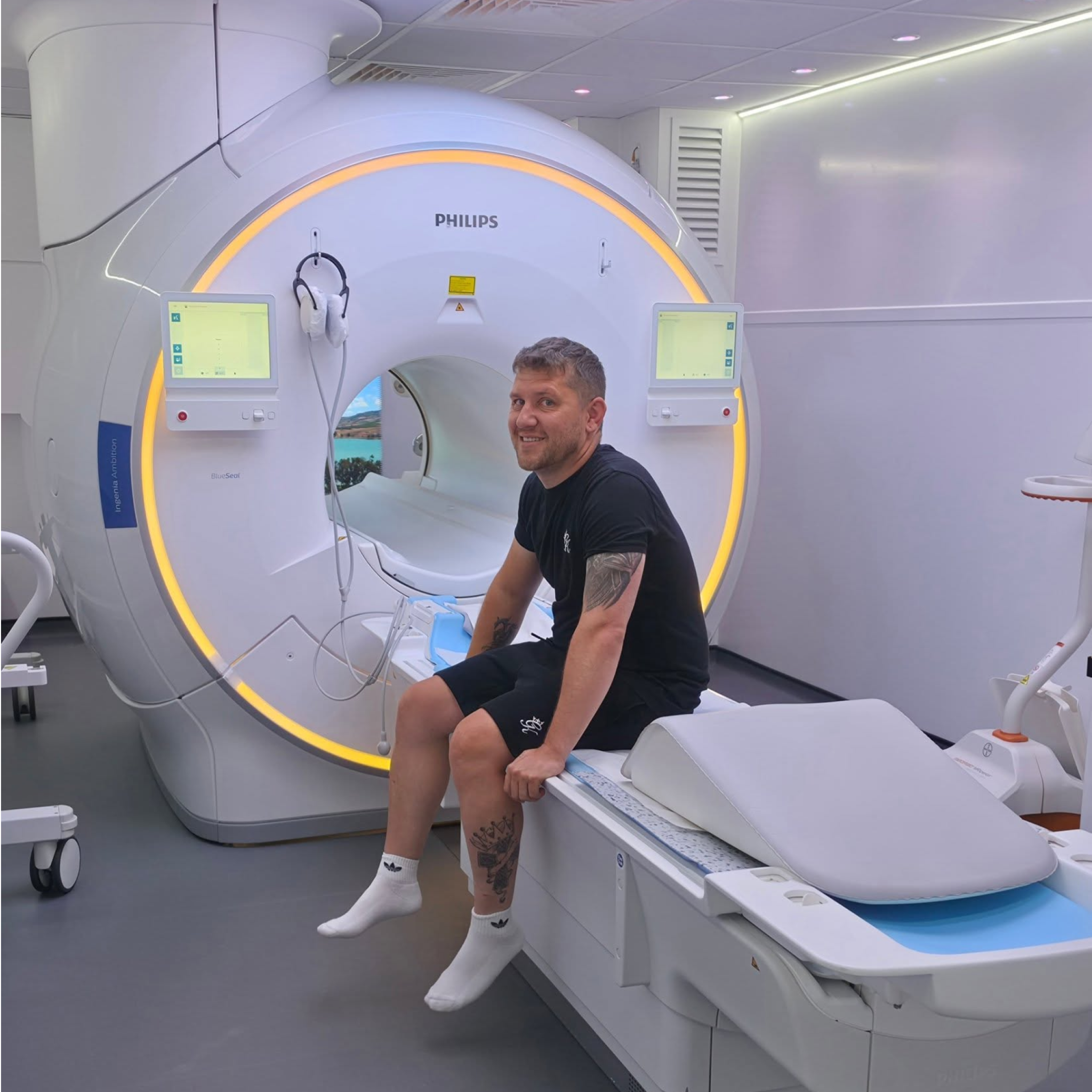
Michael Anderson, PhD.
Michael Anderson, PhD. Facebook ad: “The B12 in most supplements never reaches your nerve…”

Ran for 8 days, from June 22 to June 29, 2026, the last day Crush saw it.
Run by Michael Anderson, PhD. on Facebook. Crush is not the advertiser and does not verify its claims. See this ad in Meta's Ad Library(opens in a new tab)
Want an ad like this for your product?
Crush makes new ad images for your product from this ad: your logo, your product photo, your offer.
Trials from $19.95 USD, then $79.95 USD a month. Cancel anytime.
About this ad
- Meta Ad Library ID
- 1333015185472291
- Platforms
- Facebook, Instagram and Messenger
- Relaunches
- 0
Ad text
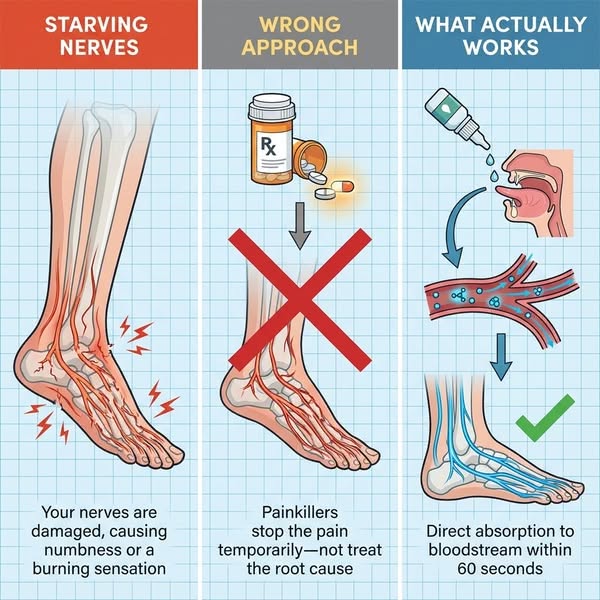
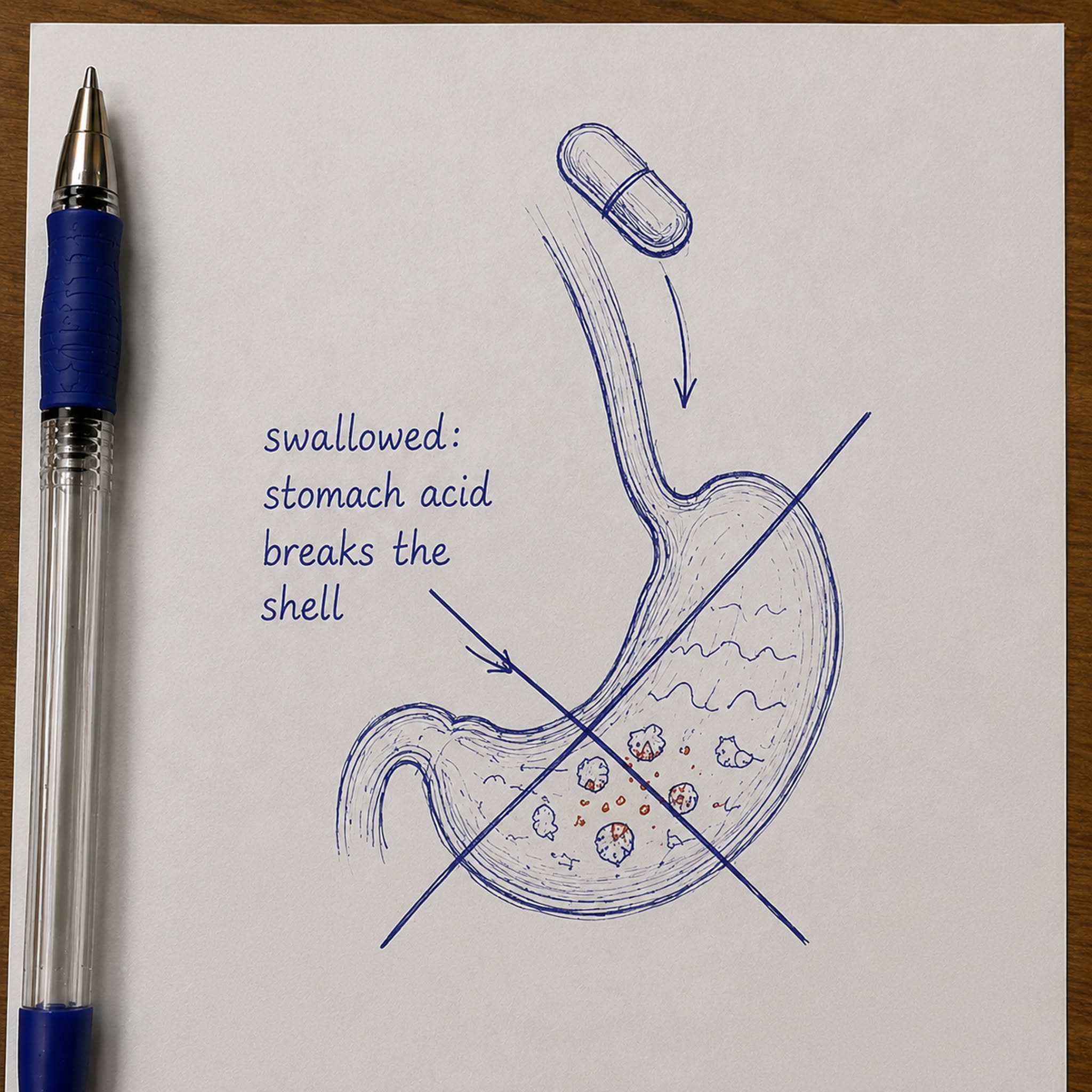
The medication I prescribe most often for nerve pain works for fewer than 4 in 10 patients but the vitamin almost nobody gets tested for works for nearly everyone, once it's actually absorbed. If you've taken a B12 supplement and felt nothing, it's not because B12 doesn't work. It's because there are two things working against you. I'm going to explain them. First, B12 absorption depends on a protein called intrinsic factor, made in your stomach. But your body's production of it drops significantly with age, and stomach acid (which B12 needs just to start the absorption process) cuts off significantly after 50. So the same B pill that worked fine at 35 is doing almost nothing at 55. Second, if you're one of the roughly 90 million Americans on metformin, there's another issue. In 2025 a study following over 14,000 people with type 2 diabetes found long-term metformin users had a 67% higher likelihood of vitamin B12 deficiency than non-users, and 39% higher rates of peripheral neuropathy. It's listed in the drug's own prescribing information but most patients are never told to get their B12 checked alongside their A1C. So you end up with a supplement that can't get past your stomach, taken by a body that's losing the ability to absorb it in the first place, while a common medication works against it too. None of that is your fault, and none of it shows up on a standard blood panel, which only measures circulating B12, not what's actually reaching your nerve tissue. Lastly, not all B12 is the same once it's in your body. Most supplements on Amazon CVS and Walmart use cyanocobalamin, a synthetic form your liver has to convert before your cells can use it. That extra conversion step is one more place things often fail, especially as you get older. So if you want your B12 to work, here is what I would look for. #1 The form matters. Most B12 supplements on the market use cyanocobalamin, which I already mentioned. What you want is methylcobalamin. It's the active form. Your body does not need to convert it. #2 The dose matters more than most people realize. The studies showing real nerve-related relief use doses in the 5,000 mcg range. The standard 500 to 1,000 mcg you see on most drugstore shelves does not come close. #3 B12 does not work in isolation. Your body uses it alongside folate to maintain the protective coating around your nerve fibers. It is a two-step process. B12 does the first step. Folate does the second. If folate is not there, the process stops halfway. You can have plenty of B12 and still get nothing out of it if folate is missing from the formula. #4 There are other B vitamins in the complex and they are not filler. There should be B6 because it is involved in how nerves communicate. B3 to support the energy production that nerve cells depend on and B1 plays a role in how glucose gets used inside nerve cells, which matters if you are managing blood sugar. They are all essential and belong in the same formula. #5 And this is the one most people overlook: how you take it matters as much as what you take. A pill, even a good one, still has to survive your stomach. If your intrinsic factor production has dropped or your stomach acid is lower than it used to be, that pill is not going to absorb the way the label assumes. What you want is sublingual delivery. A liquid that goes under the tongue. It absorbs through the blood vessels there and enters your bloodstream in about 60 seconds. It never touches your stomach. That means it bypasses the intrinsic factor problem and the stomach acid problem entirely. If your B12 has been "normal" on tests but you still have neuropathy symptoms, or if you have tried B12 before and noticed nothing, that delivery route is the most likely explanation for why nothing changed. There are very few brands that checked all of these boxes, made in the USA, with the right form, the right dose, and sublingual delivery. One brand I see getting it right is : https://trynuvel.com/pages/nerve-repair One more thing: give it time. B12 does not produce dramatic changes in a week. The research suggests a meaningful window is closer to 90 days.
Where the ad sends people
trynuvel.com
The B12 in most supplements never reaches your nerve tissue. A doctor explains why and what to look for instead.
Most people take B12 for years before anyone explains why it stopped working. This breaks down what the research actually says about form, dose, and delivery.
Learn more: trynuvel.com(opens in a new tab)