Michael Anderson, PhD.
Michael Anderson, PhD. Facebook ad: “Stable MRI. Still Getting Worse? Stop Blaming Yourself.”
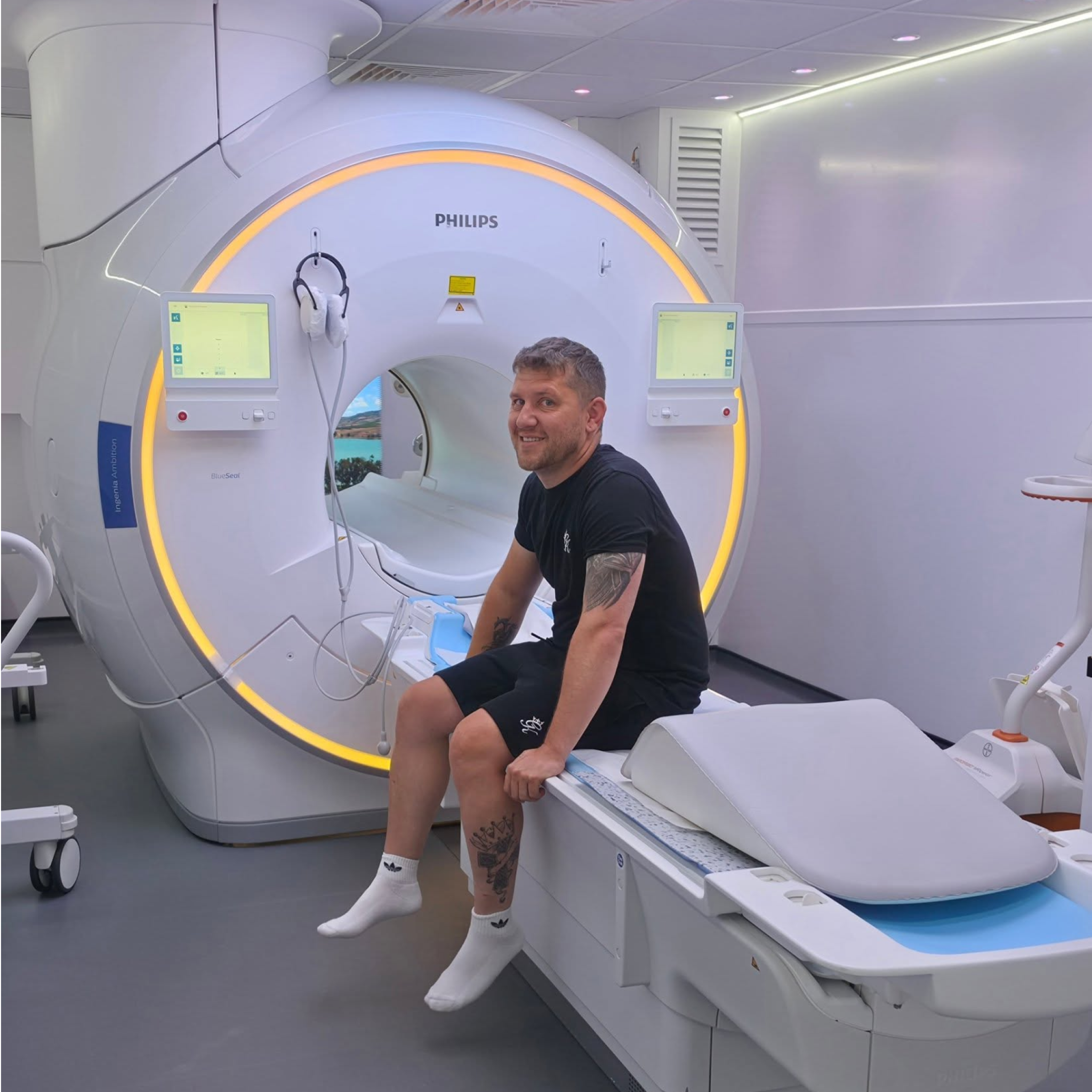
Ran for 15 days, from September 15 to September 30, 2026, the last day Crush saw it.
Run by Michael Anderson, PhD. on Facebook. Crush is not the advertiser and does not verify its claims. See this ad in Meta's Ad Library(opens in a new tab)
Want an ad like this for your product?
Crush makes new ad images for your product from this ad: your logo, your product photo, your offer.
Trials from $19.95 USD, then $79.95 USD a month. Cancel anytime.
About this ad
- Meta Ad Library ID
- 1079551034457352
- Platforms
- Facebook, Instagram, Audience Network and Threads
- Relaunches
- 1
Ad text
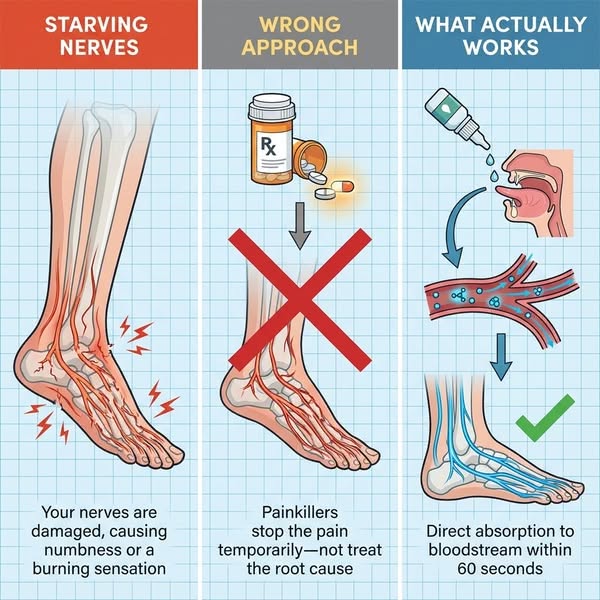
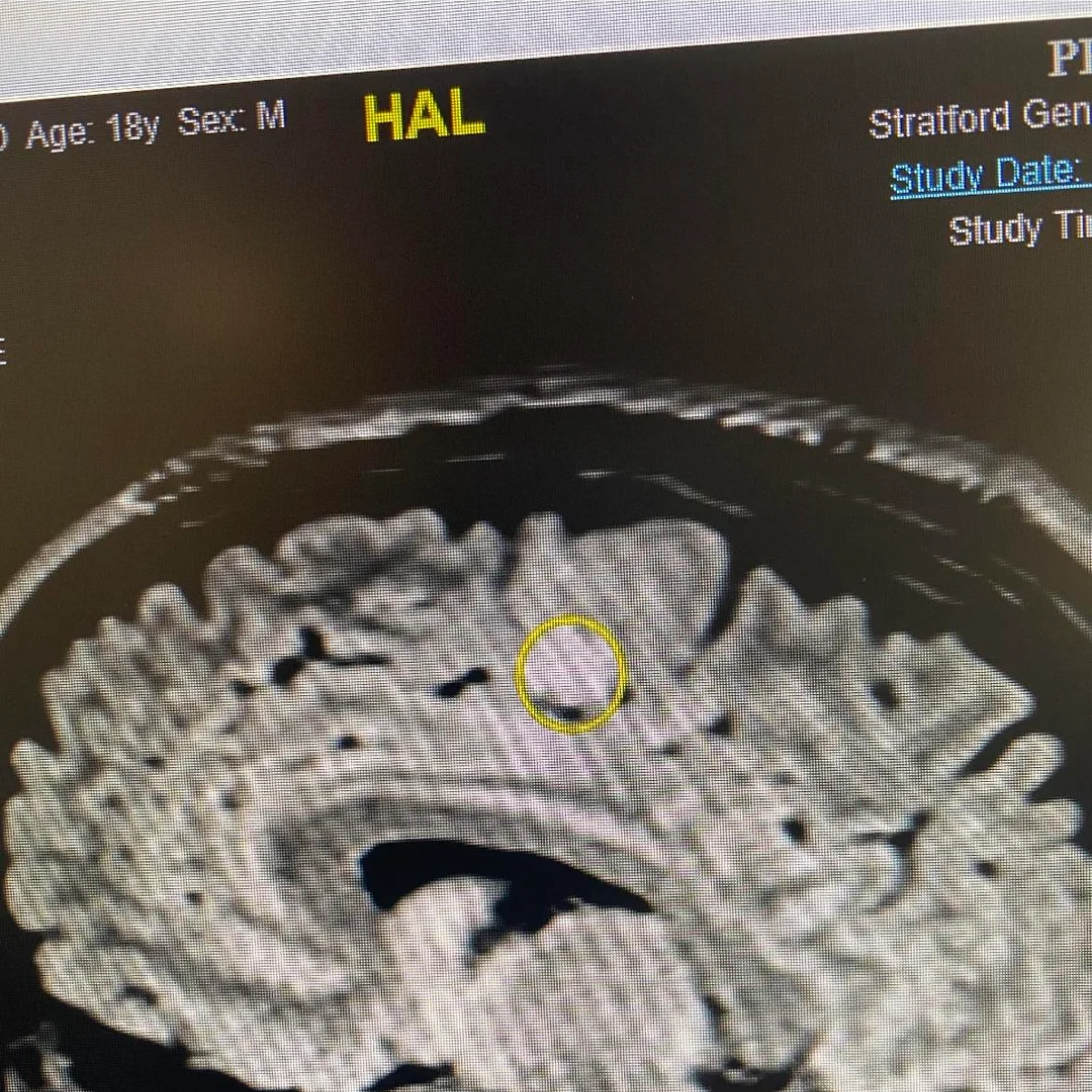
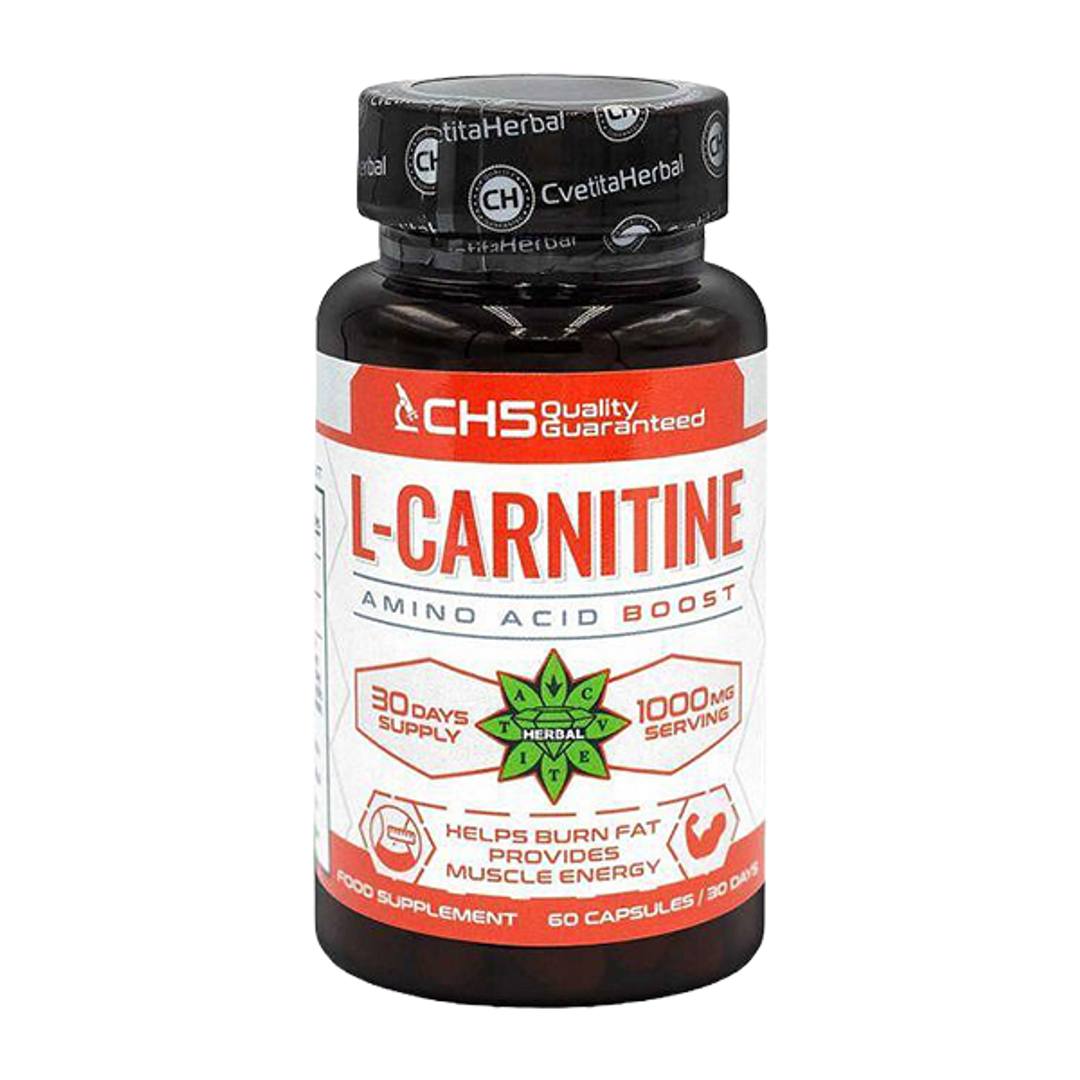
I'm going to lose my f*cking mind if one more person posts, “My MRI is stable and I'm STILL getting worse. What am I doing wrong?” and gets flooded with comments saying, “Cut gluten,” and, “Maybe you need to switch your DMT.” YOU'RE NOT DOING ANYTHING WRONG. YOUR DMT ISN'T THE PROBLEM. Your DMT reduces new immune attacks. It was never designed to rebuild the myelin those attacks already stripped. Stable means no new lesions. It does not mean the myelin stripped by previous attacks was rebuilt. And changing your diet does not fix a repair failure. My name is Michael Anderson, MD. I am a board-certified neurologist with an MS subspecialty. I have treated people with MS for 19 years. In that time, I have treated more than 1,500 people with MS and reviewed 8,340 MRI scans. And I need to tell you something about stable scans and worsening symptoms that will change everything you think you know. Because for 12 years, I watched the same pattern repeat itself. A patient would come back to my clinic. Their MRI looked exactly like the one from the year before. Then they would tell me what had changed. “Dr. Anderson, I don't understand. My scan is stable, but my right foot keeps catching. I always need to use the handrail now. I drop things. By two in the afternoon, I am completely exhausted. Should I change my DMT?” I would tell them, “Sure. Try more physical therapy. Check your vitamin D. Let me give you something for the stiffness or fatigue.” They would do it. Three months later: Still getting worse. “Try cutting gluten.” Still getting worse. “Try exercising in a cooler room.” Still getting worse. “Try another round of physical therapy.” Still getting worse. This conversation happened so many times I lost count. And every time, I gave the same answer: Keep controlling the attacks and keep managing each symptom. Because that is what we are taught. New lesions mean active MS. No new lesions mean the treatment is working. Problem solved. Except the problem was not being solved. My patients were still getting worse. In 2022, I decided to do something different. I started tracking every patient with a stable MRI and a slower timed 25-foot walk. Over 18 months, I collected data on 94 people. All of them had stable MRI scans. All of them needed at least 20% more time to walk 25 feet. That change had happened over two years. I brought them back for follow-up exams. And I ran a test I had never used to answer this question before. An evoked-potential test. It measures how long an electrical signal takes to travel along a nerve pathway. Out of 94 people, 87 had slower nerve signals than they had on their earlier tests. That was 93% of the people I tested. Their MRI scans had not changed. But the electrical signals traveling through their nerves had become slower. And here is what made me angry with myself. The nerve fibers in your brain and spinal cord have a protective fatty coating. That coating is called myelin. MS strips that coating off. Without enough myelin, electrical signals slow down. Some signals fail to get through. Your body does try to repair the damage. But the inflammation eventually overwhelms the repair cells, leading to permanent damage and progressing symptoms. The DMT was reducing new immune attacks. The MRI report listed no new lesions. Neither one measured whether your body had rebuilt the myelin stripped by previous attacks. That was the repair failure. Let me tell you about one patient. She made me understand how serious this was. Her name was Naomi. She was 58 and had been diagnosed with MS eleven years earlier. Her MRI had remained stable for four years. But her right foot caught on the floor every few steps. She used a cane outside her home. Her feet burned at night, and the fatigue became severe every afternoon. Naomi sat across from me holding another physical-therapy referral. She was crying. “Dr. Anderson, I've tried everything. My scan is stable. I haven't had a relapse. But I need more help to walk every year. What am I doing wrong?” “How long does it take you to walk 25 feet?” “They tested me this morning. 9.4 seconds.” “What was it four years ago?” “Just over six.”* I ordered an evoked-potential test. The results came back three days later. The signal from Naomi's right leg took longer to reach her brain. It was 18 milliseconds slower than four years earlier. Her MRI was stable. Her right-leg signal took longer to reach her brain. I called Naomi. “Your DMT is reducing new attacks.” “But the myelin stripped by previous attacks was never fully rebuilt.” “That is why the signal is slower.” “So what do I do?” “Change medication?” “No.” “Your MS is not just an attack problem.” “It is also a repair failure.” “What does my body need to repair it?” I hesitated. Because I was not sure yet. But I had a theory. I had been reading research on three specific vitamins, which are B6, B1, and B12. Together, these are called the neurotropic vitamins because they support nerve health specifically. B12 supplies material your body uses to rebuild myelin. B1 helps the nerve cell make the energy required to carry out that repair. B6 helps your body make the chemical messengers that carry a clear nerve signal. Research published in 2025 found that all three taken together were 26 times more effective than B12 alone at supporting nerve health. I pulled up Naomi's latest bloodwork. Her B12 level was normal. “Then B12 cannot be the issue,” she said. “The blood test only tells me how much B12 is circulating in your blood.” “It does not tell me how much B12, B1, or B6 reached the inside of a nerve cell.” “And the repair work happens inside the cell.” “What do we do?” “Start with a formula that contains all three neurotropic vitamins.” “It should support the repair process over the next eight to twelve weeks.” “That is it?” “That is it.” Naomi went home and immediately ordered the first nerve formula she found online. $19. Great reviews. “Maximum Strength Nerve Support.” It had 4.7 stars and more than 3,000 reviews. She started taking it every morning. Week one: Still getting worse. Week two: Still getting worse. Week three: Still getting worse. Week four: Naomi called me, frustrated. “Dr. Anderson, the formula is not working. My foot still catches. My feet still burn. I am still exhausted by two. Should I try a different brand?” I was confused. The formula claimed to contain all three neurotropic vitamins. It should have supported the repair process. “Bring it in. Let me repeat your tests.” Her timed 25-foot walk was still 9.4 seconds. Her fatigue score was still 64. Nothing had changed. “Naomi, what brand are you using?” She pulled up the listing on her phone and showed me. “Maximum Strength Nerve Support. 4.7 stars. More than 3,000 reviews.” I took a photo of the listing. “Can you bring me the bottle?” She brought it in the next day. I sent it to an independent lab for analysis. The results made me furious. The formula contained the three vitamins listed on the label. But the vitamin forms were wrong. It used cheap, synthetic cyanocobalamin instead of active methylcobalamin. It used cheap, synthetic pyridoxine hydrochloride instead of active P-5-P. These synthetic forms are far less bioavailable. That means your body can barely process them. And the delivery format was wrong. It was a standard swallowed capsule. A standard capsule releases the vitamins into your digestive system. The vitamins can reach your blood and improve the number on a blood test. But very little reaches the inside of the nerve cell. Under 1% of a swallowed dose gets inside the cell. No wonder Naomi's timed walk had not changed. No wonder her fatigue score had not changed. I called Naomi immediately. “The front says maximum strength. But it uses cheap, synthetic forms, and it releases them into your digestive system. That is why it is not working.” “But the reviews were so good.” “I know. But reviews do not change the vitamin forms or the delivery format.” “So what do I do?” “Let me compare the other formulas. I will find one with active forms and liposomal delivery.” I went online and ordered nine of the best-selling products marketed for nerve support. Nine different formulas. All claiming to be “maximum strength,” “high absorption,” or “made for nerves.” I compared the labels and sent them all to the same independent lab. What came back destroyed any remaining faith I had in the supplement industry. The formula Naomi tried was formula one. Formula one: Cheap, synthetic cyanocobalamin and pyridoxine hydrochloride in a standard swallowed capsule. Formula two: Cheap, synthetic pyridoxine hydrochloride at 100 milligrams, a dose that can damage nerves. Formula three: No B1 at all. Formula four: B12 alone, without the B1 needed for repair energy or the B6 needed for clear signaling. Formula five: A proprietary blend that did not disclose the amount of each vitamin. Formula six: Active forms, but delivered in a standard swallowed capsule. Formula seven: 43% less B12 than the amount printed on the label. Formula eight: The label said liposomal, but the lab found no intact liposomes in the finished product. Eight out of nine formulas failed. Wrong forms. Wrong amounts. Missing vitamins. Wrong delivery format. All of them had strong reviews. All of them claimed to support nerves. The ninth formula was different. Nuvel Liposomal Neurotropic Vitamins. I had ordered it skeptically. It was another supplement making claims about nerve health. But when the results came back, I read them twice. All three neurotropic vitamins were present in the amounts printed on the label. B12: Active methylcobalamin, 5,000 micrograms. B1: Active thiamine, 2.4 milligrams. B6: Active P-5-P, 3.4 milligrams, not the cheap synthetic form sold at nerve-damaging doses. No proprietary blend. No unlisted fillers. No heavy-metal contamination. Intact liposomes confirmed in the finished product. Liposomal delivery took bioavailability above 90%. A liposome is a microscopic sphere with the vitamins sealed inside. Its shell is made from the same fatty material as the cell membrane. When the liposome reaches the cell, the two fatty layers fuse and release the vitamins inside the cell, where the repair work occurs. It was the only formula that passed every criterion. I called Naomi immediately. “Stop the first formula. I am sending you one with all three vitamins in their active forms and liposomal delivery.” “What is it called?” “Nuvel.” I overnighted her a bottle of Nuvel. She started taking the drops under her tongue the day it arrived. Week one: Her timed walk had not changed. But she finished two afternoons without the severe fatigue. Week two: The burning in her feet woke her once instead of every night. Week three: Her right foot caught fewer times as she crossed her living room. Week six: Her timed 25-foot walk was 7.4 seconds. Week twelve: 6.1 seconds. Her fatigue score went from 64 to 19. Four weeks on the first formula: 9.4 seconds and a fatigue score of 64. Twelve weeks on Nuvel: 6.1 seconds and a fatigue score of 19. The difference was night and day. Her MRI report was unchanged. No new lesions. Stable. Naomi called me crying. “Dr. Anderson, my scan is the same.” “But I walked through the grocery store without using the cart for balance.” “Nothing else changed.” “I know.” “Your DMT kept reducing new attacks. This supported the repair side.” “Why did nobody explain the difference?” I did not have an answer for that. After Naomi, I made a decision. I was only going to recommend Nuvel. Not because I was getting paid. Not because I had a deal with them. Because it was the only formula in my comparison with all three neurotropic vitamins in their active forms and liposomal delivery. I started telling every patient who asked about stable scans and worsening symptoms: “Your DMT reduces new attacks. But if you want to support the repair side, use Nuvel. It was the only formula in my comparison that passed every criterion.” Over the next three months, fourteen people with MS in my practice started using it. All of them had stable scans. All of them were still getting worse. Some needed more time to walk. Some had more fatigue. Some relied more often on a cane or rollator. After three months: Nine improved their timed 25-foot walk. Seven reduced their fatigue score by more than twelve points. One stopped using a rollator they had relied on for over a year. These were not miracle cases. This was basic nerve biology plus vitamins in forms the cells could use. Give the body material for myelin, energy for repair, and support for the chemical messengers that carry nerve signals. Then carry all three vitamins inside the cell where the repair work happens. Their DMTs kept reducing new immune attacks. Nuvel supported the repair side. But here is what frightened me. I started reviewing the research on worsening disability without a relapse. One study forced me to think about every patient I had called stable. Researchers call it progression independent of relapse activity, or PIRA. It means your disability gets worse without a new attack. Researchers followed more than 27,000 people with MS. They separated disability that followed a relapse from disability that got worse without one. The result: Relapse-free progression was a major driver of disability. Other research looked at typical relapsing-remitting MS. At least half of the disability-worsening events happened without a relapse. I sat there thinking about every person who had told me the same thing. Their foot caught more often. They needed the handrail. They dropped mugs. They were exhausted by the afternoon. How many times had I said, “Your scan looks good”? How many times had I failed to measure the function they said was getting worse? How many people had myelin stripped by previous attacks that was never rebuilt? I made a decision that day. Every patient who reports worsening function gets that change measured. If they are taking longer to walk, I record a timed 25-foot walk. If they are dropping more things, I test their hand function. If they become exhausted earlier, I record a fatigue score. Then I compare each result with the previous one. Because “stable” does not mean repaired. I am writing this because I see so many of you posting the same things my patients told me. “My MRI is stable, but my foot keeps catching and I need the handrail.” “No new lesions, but I keep dropping things and my hands burn every night.” “My neurologist says my DMT is working, but I am completely exhausted by two every afternoon.” Different symptoms. Same repair failure. Your DMT is not the problem. It is doing the job it was designed to do. But stopping new attacks and rebuilding the myelin stripped by previous attacks are two different jobs. Your MS is not just an attack problem. It is also a repair failure. If your MRI is stable but you are still getting worse, ask your neurologist to measure the function that changed. Ask for a timed walk, a hand-function test, or a fatigue score. Ask them to compare each result with your previous one. If they say the MRI is enough, ask again. Ask them to record what changed. Because I have seen what happens when nobody tracks it. More time to cross a room becomes a cane outside the house. Dropping things more often becomes needing help with buttons and jars. Afternoon exhaustion becomes choosing between taking a shower and buying groceries. And none of those changes require a new relapse. Or you measure the change early. You keep treating the immune attacks, support the repair side, and keep more of your ability to walk, use your hands, and finish the day. You do not need to change your DMT to start supporting the repair side. These are vitamins. Not another disease-modifying drug. You can start supporting the repair side today. But this is critical. Do not buy a random B-complex. “Nerve support” on the label is not enough. I compared nine formulas. Eight failed because of cheap synthetic forms, missing vitamins, unsafe B6 amounts, or standard swallowed delivery. A standard swallowed formula can raise a blood-test number. But it does not get enough inside the nerve cell. Naomi spent four weeks on a highly reviewed formula like that. Her timed walk stayed at 9.4 seconds. Her fatigue score stayed at 64. The only formula that passed my comparison was Nuvel Liposomal Neurotropic Vitamins. All three neurotropic vitamins. All three in their active forms. 5,000 micrograms of active B12 for the material used to rebuild myelin. 2.4 milligrams of active B1 for the energy needed to carry out that repair. 3.4 milligrams of active B6 for a clear nerve signal. Liposomal delivery to carry them inside the cell. Drops taken under the tongue. Use one daily serving in the morning. Give the repair process the full 90 days. Most people notice the first changes between weeks three and four. The larger changes take eight to twelve weeks because rebuilding myelin takes time. Fourteen people with stable scans started using it in my practice. Nine reduced their walk time. Seven reduced their fatigue score by more than twelve points. One stopped using a rollator. Their prescribed treatment did not change. Naomi's timed walk improved from 9.4 seconds to 6.1. Her MRI remained stable. Your stable MRI does not mean you are imagining the changes in your body. It means your MRI report and your functional tests measure different things. Your scan counts new lesions. A timed walk, a hand-function test, or a fatigue score shows what is changing in your daily life. Start today. Not next month. Not after another month of catching your foot, dropping things, or becoming exhausted by the afternoon. Today. Because each month of worsening is another month when myelin stripped by previous attacks remains unrepaired. Address the repair failure now. Get the active, liposomal neurotropic-vitamin formula I mention when patients ask what supports the repair side of MS. It was the only formula in my comparison that passed every criterion: https://trynuvel.com/products/vitamin-b-complex-liposomal Because Naomi had stable MRI scans for four years while her symptoms kept getting worse. Four weeks on the first formula: Still 9.4 seconds. Still a fatigue score of 64. Twelve weeks supporting the repair side: 9.4 seconds to 6.1. Same DMT. Same MRI. Different forms. Different delivery. P.S. Standard swallowed B-complexes deliver under 1% of the dose inside the cell. Nuvel's liposomal delivery takes bioavailability above 90%. It uses active B12, B1, and B6 inside liposomes designed to release them inside the cell. Do not risk cheap synthetic forms or standard swallowed delivery. Only buy it here: https://trynuvel.com/products/vitamin-b-complex-liposomal P.P.S. Research involving more than 27,000 people with MS found that disability can continue getting worse without a relapse. Naomi spent four weeks on a highly reviewed nerve formula and her timed walk and fatigue score did not change. I compared nine formulas and eight failed. Nuvel was the only one with all three active neurotropic vitamins and liposomal delivery. Among the fourteen people in my practice who started Nuvel, nine improved their timed walk, seven reduced their fatigue score by more than twelve points, and one stopped using a rollator. Stable does not mean repaired. Only buy it here: https://trynuvel.com/products/vitamin-b-complex-liposomal
Where the ad sends people
trynuvel.com
Stable MRI. Still Getting Worse? Stop Blaming Yourself.
Clinical Formula Proven In Studies
Learn more: trynuvel.com(opens in a new tab)