
Inactive· since Aug 5, 2026
- 6
- days it ran
- 2
- relaunches
Ad copy
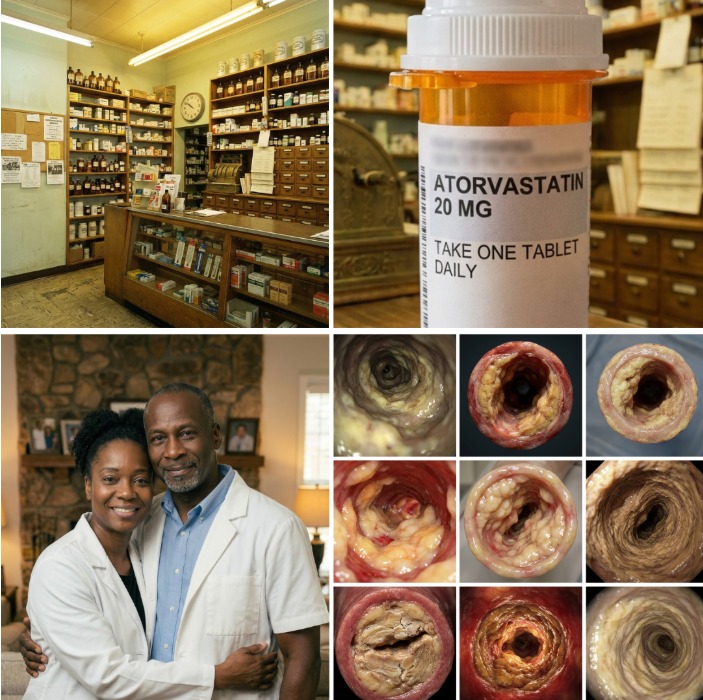
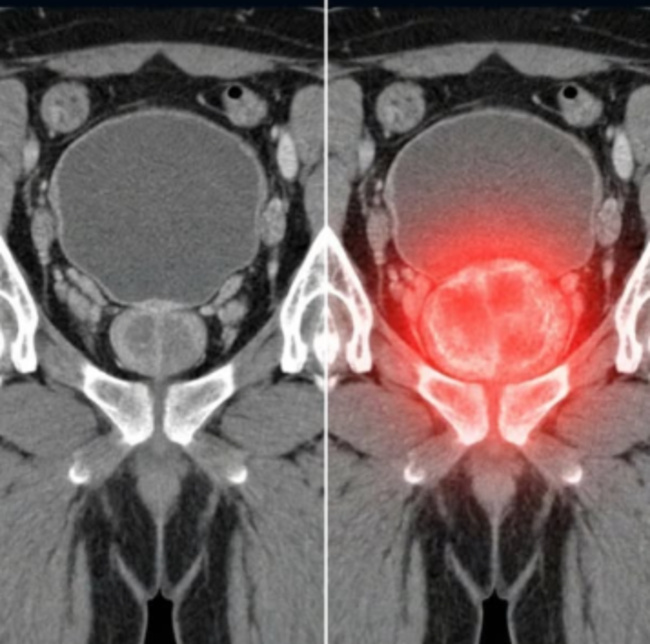
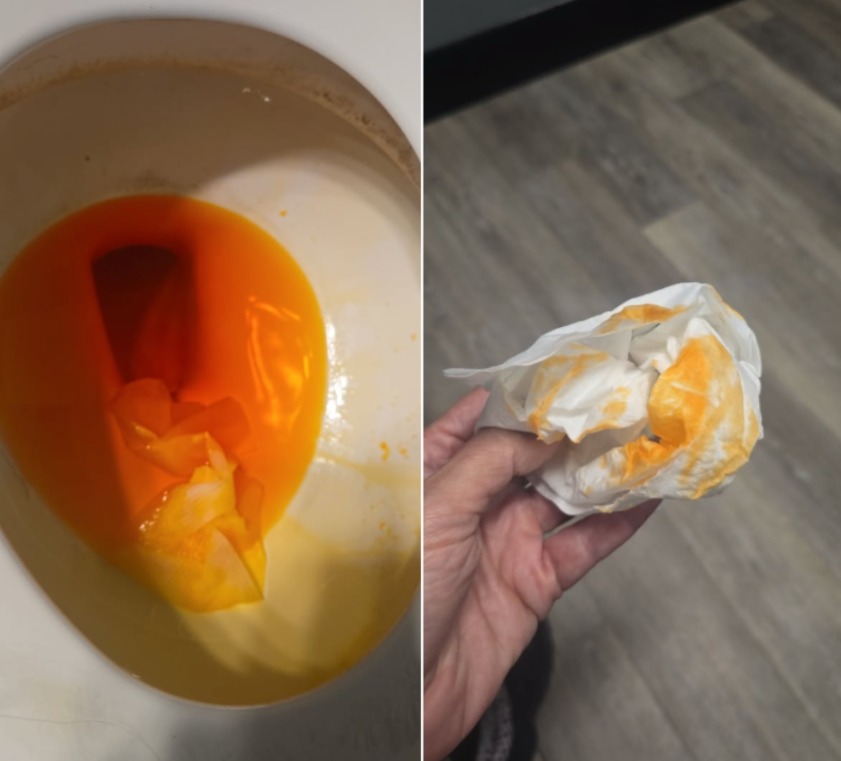
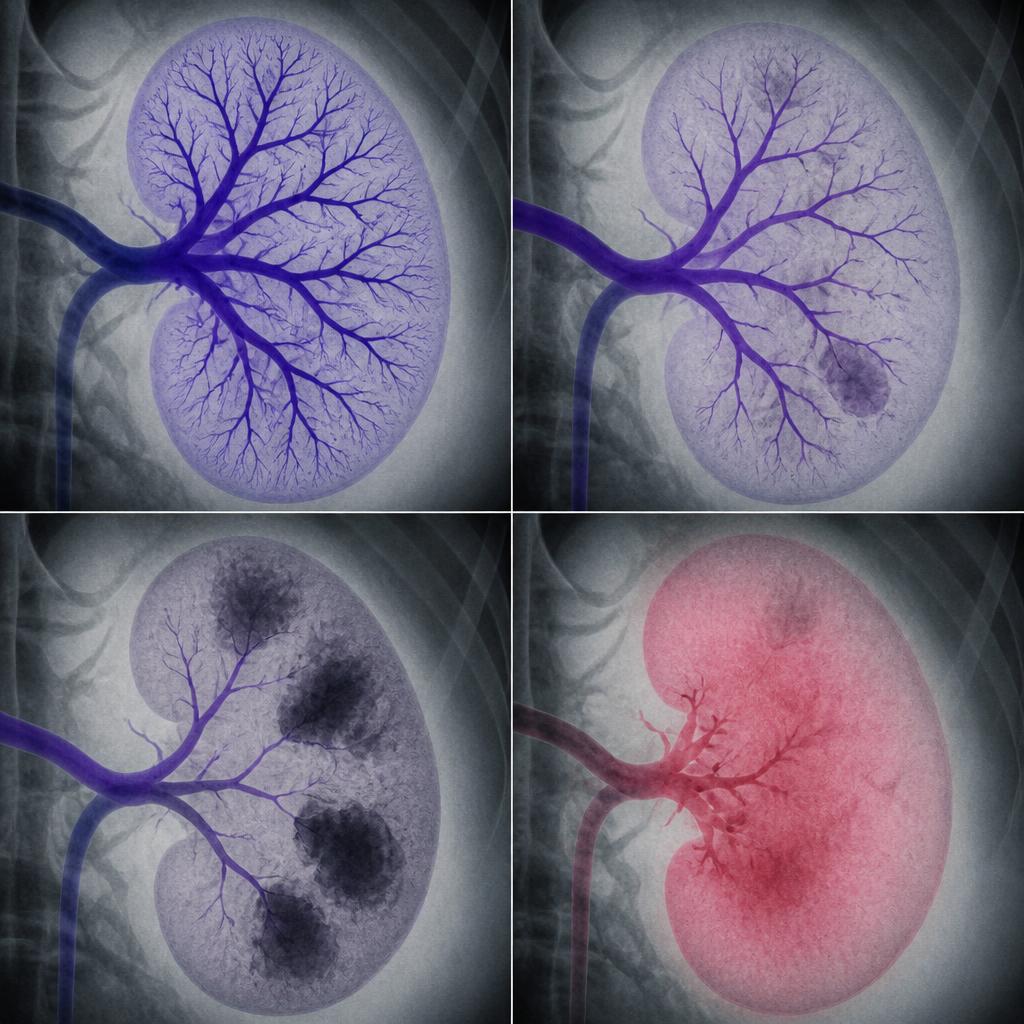
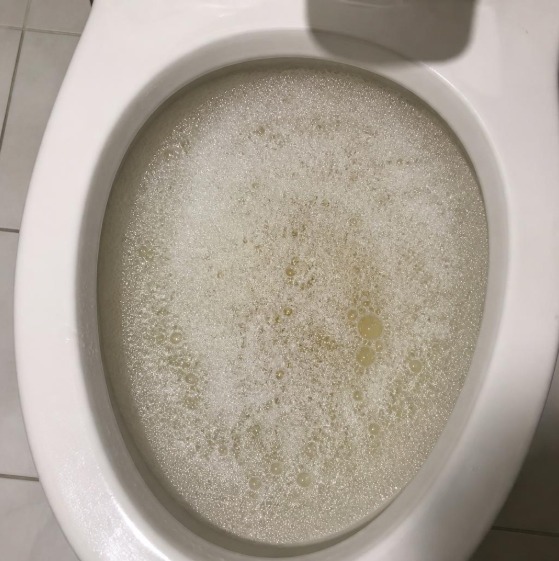
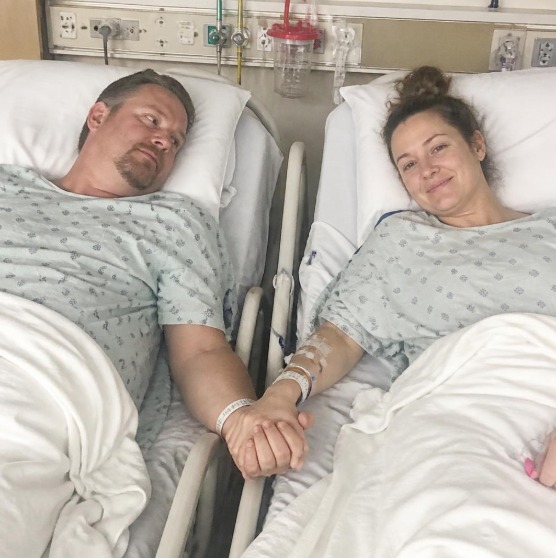
I almost had a heart attack on a Caribbean cruise. The ship's doctor was from Japan. She asked me ONE question that made my American doctor look 15 years behind. I'm 64 years old. My husband David and I had been saving for this trip for almost three years. Caribbean cruise. Ten days. Puerto Rico, St. Thomas, St. Lucia. We'd talked about this trip since the kids were in college. The kind of trip you plan in your forties for your sixties. The reason you keep showing up to a job you stopped loving years ago. But before I tell you what happened on that trip, I need to tell you about my father. Because what happened to me on a cobblestone street in Charlotte Amalie started in his kitchen thirty years ago. My father made eggs every Sunday morning. Not because anyone asked him to. Because Sunday was the morning the family showed up. His kitchen, his stove, his cast iron skillet that nobody else was allowed to touch. He seasoned that pan once a year on New Year's Day with Crisco and a paper towel and would not let my mother wash it with soap for the other 364. He'd be up before anyone. I could hear him through the floor of my old bedroom when we stayed over — cabinet door, faucet, the click of the gas burner. By the time we came downstairs the coffee was poured and the eggs were done. Over easy for my mother. Scrambled with cheese for the grandkids. Poached for himself — the man poached his own eggs every Sunday morning for forty years, standing over a pot of water with a slotted spoon, like he had all the time in the world. I can still see his hands on that spoon. Big hands. Steady hands. The blue pill organizer was always open on the counter next to the stove. Seven compartments, labeled with the days. He filled it every Sunday night after dinner. Metformin. A blood pressure pill. A baby aspirin. He'd been Type 2 diabetic for nine years by then. His doctor said he was doing great. A1C under 7. Numbers stable. Everything managed. There's a Saturday I remember with so much detail it scares me. October. The last warm weekend before everything turned cold. I pulled into his driveway and my Camry was already up on the ramps. His legs were sticking out from under the front end. He was 68 years old, lying on a piece of cardboard on the concrete, changing my oil because he said the shop puts in the cheap filter. I brought him a glass of iced tea and set it on the driveway next to his shoulder. He slid out from under the car, looked at the glass, and slid back under without touching it. Didn't want to get grease on my glass. His knees cracked when he finally stood up twenty minutes later. He wiped his hands on a rag and drank the tea in one long pull, standing there in the driveway with oil on his forearms. Those hands. Under the car, on the slotted spoon, gripping the rag. The steadiest hands I have ever known. After Sunday dinners, when the dishes were done and the grandkids were in the living room, he'd sit in his chair by the window and listen to me play piano. I've played since I was eight. Played at my church for thirty years. Played for my kids when they were small and for his grandkids when they came along. But the person I really played for, the one I always knew was listening, was my father. He never clapped. He'd just close his eyes and lean his head back against the chair and when I finished he'd say, "Play the other one, Caroline." Every Sunday. That was it. "Play the other one." I never asked which one. I just played the next one. He died on a Sunday morning. He was sitting at his kitchen table reading the sports section. The eggs were on the stove. The coffee was poured. My mother was upstairs getting dressed for church. She heard the chair scrape against the tile and came down and found him slumped forward with the sports section under his face. I was 39 when that happened. The pill organizer was full. He'd filled it the night before, after dinner, the way he always did. Seven compartments. Every pill in its place. Nine years of compliance. And it was full the morning they found him. I played at his funeral. "How Great Thou Art." His favorite. My hands shook the whole way through. I have never played that song since. I sat in the front pew after and didn't move until the sanctuary was empty. The death certificate said cardiac event. My mother's pastor said the Lord called him home. My doctor — the same one I still see — told me at my next appointment that heart disease runs in families and we should keep an eye on my numbers. I accepted that. I accepted it for twenty-five years. My father had a bad heart. I might have a bad heart. The Metformin keeps my sugar managed. We watch the numbers. That's what you do. I was wrong about all of it. But I didn't know that yet. For the last thirteen years I have been a Type 2 diabetic taking Metformin twice a day, seeing my doctor twice a year, getting my blood drawn every six months, and hearing the same thing at every appointment. I keep a pill organizer on my kitchen counter. Not blue like my father's — white, from CVS. But the same compartments. The same Sunday night routine. I fill it the way he filled his. I don't think about that. I try not to think about that. "A1C is 6.8. We're right where we want to be." "A1C is 7.0. Just a tick up. Let's keep doing what we're doing." "6.9. Good. We'll stay the course." I walked out of every one of those appointments relieved. I remember one evening about a year before the cruise. David and I were sitting at the kitchen table after dinner. He'd cleared the plates. I was still sitting there. "What did he say about the blood pressure?" David asked. "He said we'll watch it. Might add something next year if it doesn't come down." "And the sugar?" "A1C is 6.8. He said we're right where we want to be." David nodded. Picked up the sponge. Started wiping down the counter. "So we're fine," he said. Not a question. A decision. "We're fine." We went to bed that night the way you go to bed when the doctor says you're fine. We believed it. Both of us. We believed it completely. There were things I noticed. Small things. Things I mentioned and things I didn't. The tingling started maybe three years ago. Maybe four. It's hard to say when exactly because it crept in so slowly. First my feet. I'd be lying in bed at night and they'd buzz. Not pain. Just this low hum, like static in a bad signal. I'd rub one foot against the other under the covers and it would ease up for a minute, then come back. I mentioned it at my next appointment. My doctor typed something into the computer. "Neuropathy can happen with diabetes," he said. "It's common. We'll keep monitoring." I accepted that too. Then it moved to my fingers. That was six months before the cruise. A tingling in my fingertips that came and went. Some days fine. Some days like my hands had been asleep and were trying to wake up. I noticed it most at the piano. I've played the same hymns at my church for thirty years. My hands know those songs the way your lungs know how to breathe — I don't think about the keys. But I started dropping notes. Not wrong notes — dropped notes. Keys my fingers landed on a fraction of a second late, or not hard enough, or not at all. Notes I'd hit ten thousand times slipping through my fingers like water. I didn't tell anyone. Not David. Not my pastor. Not my doctor. I sat on the bench after practice one Wednesday evening and looked at my hands. Opened and closed them. They looked the same. They felt different. I told myself it was age. The same body, the same trajectory. My father's hands had slowed down in his sixties too. His grip on the spoon. The oil changes stopping. Of course my hands were slowing down. I'm 64. It runs in the family. The foam in the toilet started around the same time as the feet. I'd get up in the morning, use the bathroom, and the water would have this ring of foam on the surface. Not every morning. Maybe three or four mornings a week. Like someone had squirted a drop of dish soap in the bowl. I never mentioned that one to anyone. It didn't seem like a medical thing. It seemed like a plumbing thing. Or a nothing thing. I'd flush it and forget about it until the next morning. The blurry vision I blamed on my reading glasses. The fatigue I noticed most on Thursdays. I keep my grandchildren on Thursdays — have since my daughter went back to work. I used to take them to the park. Push the swings. Chase them around the sandbox until they wore out before I did. Somewhere in the last year it had shifted. I'd pick them up from school and put on a movie by 4:00. Sit in the chair. Let the television do what my body used to do. My daughter asked me once if the Thursdays were too much. I told her no. I lied. The blood pressure had been creeping up at every annual for five years. My doctor said we'd watch it. It never came down. But the number — the A1C — was managed. So I was managed. So I was fine. My father had been fine too. Then we got on the cruise. First morning. David and I went down to the buffet. I found a table by the window. He said he'd get our plates. He came back ten minutes later with two plates. He set mine down in front of me. Scrambled eggs. Grilled chicken sausage — not the pork links. A small cup of mixed berries. No toast. No pastries. And a glass of water where the orange juice used to be. He'd stopped pouring me juice two years ago without ever explaining why. I never asked. I knew why. Every item on that plate was a quiet calculation about my blood sugar. He'd walked the entire buffet line and built it without asking me what I wanted, because he already knew. He'd been doing this for years — reading menus ahead of me, steering us away from the bread basket, swapping my juice for water. Caring without naming it. I looked at the plate. Then I looked at him. He was already eating. Day two. San Juan. We walked the cobblestones of Old San Juan for three hours. The blue and yellow buildings, the bougainvillea, the cats sleeping in doorways. I felt fine. We walked slowly. The hills were gentle. I told myself: see? The doctor was right. I'm fine. Thirteen years of Metformin. Numbers managed. I can walk hills in the Caribbean at 64. Two days later that belief died on a cobblestone street. Day four. Charlotte Amalie, St. Thomas. We were walking up toward Blackbeard's Castle for sunset. You've seen the pictures. White and coral colonial buildings climbing the hillside. Red tin rooftops in the sun. The turquoise Caribbean spread out below. Cobblestones underfoot worn smooth by two hundred years of Danish, then American, then tourist feet. David was walking ahead of me. Maybe thirty feet. He had his phone out taking pictures. Laughing at something a vendor had said. I'd noticed the climbing starting to get to me about halfway up. My heart was pounding hard. Not the regular hard you'd expect on a hill. The deep pounding that I'd been feeling at home for the last six months walking up the stairs to our bedroom. I stopped on the cobblestones to catch my breath. Put my hand on a stone wall. Tried to slow my breathing. It didn't slow. The pounding got worse. My chest started to feel tight — not painful exactly — but like someone was pressing a hand against my sternum. I started to sweat through my blouse. I felt the blood drain out of my face. I sat down on the wall. I tried to call out to David but my voice wouldn't come. Tourists kept walking around me. Stepping over my feet. Taking pictures of the view behind me. I sat there with my hand on my chest thinking about my father. Sunday morning. Sports section. Chair scraping against the tile. The eggs still on the stove. David turned around. I will never forget his face. He'd been laughing one second. The next second he dropped his phone on the cobblestones and ran back to me. "Caroline. Caroline what's happening." I couldn't speak. He grabbed my arm. Yelled for someone to help. A local man from a nearby cafe came running with a chair. They got me into the chair. Somebody brought water. The cafe owner called for a vehicle. The streets are too narrow for ambulances in the old town. They had a small cart that could navigate the cobblestones. They got me onto it and drove us down to the port. David held my hand the whole way down. He didn't say anything. Just held my hand and looked at me with the face I had been seeing in nightmares for twenty-five years since my father died. We got onto the tender boat back to the ship. He kept his hand on my chest the whole way across the water. I told him I was okay. I wasn't. The ship's doctor was waiting for us when we got on board. Someone had radioed ahead. Her name was Dr. Tanaka. Japanese. Black hair pulled back. Maybe early sixties. Calm in a way that made me trust her before she said a word. She had me lie down on the exam table in the medical center on Deck 3. Hooked me up to a monitor. Took my blood pressure twice. Frowned at the reading. Drew blood. Ran a finger-prick glucose. Looked at the numbers. "You did not have a heart attack today," she said. "But you came close." I was lying there with David sitting next to me holding my hand. I just looked at the ceiling. "Your blood pressure is 178 over 104. Your pulse is irregular. Your blood sugar is 264. You are diabetic, yes?" "Type 2. Thirteen years. I'm on Metformin." "And how long has your American doctor been calling your A1C managed?" The question hit me sideways. I started to answer — something about how my A1C had been between 6.6 and 7.1 for years and my doctor always said we were right where we wanted to be. She stopped me. "Has there been foam in your urine?" I stared at her. "In the morning. When you use the bathroom. Foam on the surface of the water." "How did you — yes. For a while now. I thought it was —" "It is not plumbing," she said. "It is protein. Leaking through the small vessels filtering your kidneys. Vessels that have been quietly damaged for years while your doctor watched your A1C and called it managed." I could feel David's hand tighten on mine. "Your feet," she said. "Do they tingle at night?" "Yes." "Your hands?" I didn't answer right away. "Your hands," she repeated. "Your fingers. Tingling. Numbness. Loss of fine control." "Yes," I said. "For about six months." "Your doctor knows this?" "I didn't tell him about the hands." She nodded. Not surprised. Not judging. Just confirming what she already knew. "The tingling in your feet. The tingling in your hands. The foam in your toilet. The blurry vision. The blood pressure climbing for years while your doctor said he would watch it. The fatigue you have blamed on aging. And what just happened to your heart on that hill." She sat down. "These are not seven different problems. They are seven locations of one disease. And your American doctor has been treating each one in isolation for thirteen years." She let that land. "I trained in Tokyo. I practiced for twenty years before I took this ship contract. And what I see when I treat American diabetic patients is the same thing every time. Their A1C is managed. Their doctor has been monitoring them for years. They are doing everything they were told." "And every one of them is sitting in front of me with their nerves dying, their kidneys leaking, their blood pressure climbing, and their hearts straining to push blood through vessels that have been damaged for a decade." "Monitoring is not treating. Your doctor watches the damage and writes it down. That is the protocol. And the protocol is what is failing you." She held up her hand. "I want to show you what is actually happening inside your body. Because your doctor has never explained it, and it explains everything — the feet, the hands, the kidneys, the eyes, the heart. All of it." "You have seen what happens when you leave an apple on the counter. You cut it in half. Come back an hour later. It has turned brown. That is the air corroding the exposed flesh." "The same thing is happening inside you right now. And it has been happening for thirteen years." "After years of elevated blood sugar, your body generates enormous amounts of a specific type of damage." She paused. "The most destructive molecules your body produces. I will give you the medical term once because you may see it in the research later, and then I will give you the word you will actually remember." "Hydroxyl radicals." "Now forget that term. What they do is rust. They corrode. They do to the inside of your body what the air does to the apple. And they have been doing it for thirteen years." She drew a simple circle on the whiteboard behind the exam table. "Every cell in your body has doors. When insulin arrives after a meal, it knocks on those doors. The doors open so sugar can enter the cell and be burned for energy. That is how a healthy body works." "But the rust has been corroding the hinges on those doors for thirteen years. Damaging them. So when insulin knocks now, the doors do not swing open. The hinges are too corroded." "So the sugar from every meal you eat cannot get into your cells. It stays in your blood. Trapped." She tapped the whiteboard. "And trapped sugar does not stay still. It circulates with every heartbeat. It scrapes the inside walls of your blood vessels. It damages the lining. It narrows the smallest vessels first. Then the larger ones. Then the arteries. And eventually —" She looked at me. "Your heart." "And the damage feeds itself," she said. "The more sugar stays trapped in your blood, the more rust your body produces. The more rust, the more hinges corrode. The more hinges corrode, the more sugar stays trapped. It is a circle. It accelerates. Your doctor sees the blood pressure climbing, the kidney numbers creeping up, the liver enzymes rising on successive lab reports and thinks the disease is progressing naturally. It is not progressing naturally. It is feeding itself." I thought about my father. His hands getting slower. His grip loosening on the slotted spoon. The oil changes stopping a year and a half before the end. I'd told myself his hands were getting old. They weren't getting old. They were losing their nerves. The smallest vessels first. "The smallest vessels go first," she said. "The ones feeding the nerves in your feet. Then the ones in your hands — the fine motor nerves, the ones that control precision grip." I thought about the piano. The dropped notes. The keys slipping through my fingers for six months while I told myself it was age. It was not age. "Then the ones filtering your kidneys. That is the foam. Then the vessels in the back of your eyes. Then your liver. Then the arteries feeding your heart muscle." "What happened to you on that hill was not a new problem. It was the last address. The same disease that has been taking your hands and your feet and your kidneys for years reached your heart today." David was crying silently next to me. I could feel his hand shaking against mine. "My father died of a heart attack at 72," I said. "He was Type 2 diabetic. He was on Metformin. His doctor said he was doing great." Dr. Tanaka was quiet for a moment. "Then it was not a family heart. It was the same failure. The same protocol. The same doors corroding for years while his doctor watched the number and called it managed." My chart says managed. My feet say otherwise. That sentence arrived in my head fully formed and I have not been able to get rid of it since. "Your Metformin," she continued. "It tells your liver to produce less new sugar. The supply coming in slows. The number on your chart drops. Your doctor is satisfied." "But it does not repair the hinges. The doors are still corroded shut. The sugar already trapped in your blood still cannot get into your cells. The grinding through your vessels continues whether you take the pill or not." "You can shut off the faucet. If the drain is rusted shut, the water does not go down." I sat with that. "And the Ozempic?" I said. "My doctor wanted to add Ozempic at my last appointment." She nodded slowly. "All the GLP-1 shots. Ozempic. Mounjaro. Wegovy. They slow how fast your stomach empties so less new sugar enters your blood after a meal. Some patients see real benefits. But they cannot repair the corroded hinges. The trapped sugar is still trapped. The grinding does not stop." "And the lawsuits stacking up right now — the gastroparesis, the muscle wasting, the bone density loss — those are real problems showing up in real patients. They reduce what comes in. They do not repair what is already damaged." She let that land. "I have seen patients who came to me after Ozempic. Good initial response. Real weight loss. And 12 months later the same damage building underneath. Because nothing had repaired the doors." I asked her what does repair them, if the medications don't. She was quiet for a moment. "Do you know what suiso means?" I shook my head. "In Japanese, suiso means the essence of water. It is our word for hydrogen. The lightest element. The smallest molecule in existence." "In the volcanic highlands of Japan, there are springs where the water filters through mineral beds. Families have traveled to them for generations. The men in those communities work into their nineties. The rates of diabetic complications — a fraction of anywhere else. For decades, researchers assumed it was the diet. It was not the diet. The water was saturated with dissolved hydrogen. H2. The springs had been producing it naturally through the mineral beds for centuries." She pulled her chair closer. "Japanese universities spent decades studying it. Not months. Decades. Over 2,000 published papers now. Hospitals in Japan use hydrogen therapy as clinical protocol. Not as a supplement. As medicine." "H2 is what we call a selective antioxidant. Most antioxidants — Vitamin C, Vitamin E — are not selective. They neutralize everything, including the molecules your body needs for immune signaling. Setting off a fire extinguisher in every room because one room has a candle." I thought about the Vitamin C capsules sitting in my kitchen cabinet. The ones I'd been taking for eight years because my mother said antioxidants were good for you. "H2 does not do that. It targets only the rust. The exact corrosion that has been destroying the hinges on your doors for thirteen years. It neutralizes those molecules and converts them into water. Harmless water. While leaving everything your body needs untouched." She tapped the whiteboard. "And because hydrogen is the smallest molecule that exists — smaller than water, smaller than oxygen — it goes everywhere. It crosses into the smallest capillaries feeding the nerves in your feet and your hands. It reaches the tiny filtering vessels in your kidneys that no medication you have ever taken can penetrate. It crosses into your brain. Into the walls of your arteries." "Nothing your doctor has prescribed can do that. Metformin works in your liver. Ozempic works in your stomach. Neither reaches the hinges on the doors. Neither reaches the vessels in your kidneys. Neither reaches the nerves feeding your fingertips." "H2 does. Because it is so small that nothing can keep it out." "When the rust clears, the hinges start working again. The doors open. And when the doors open — sugar moves out of your blood and into your cells where it belongs. Not because you reduced the supply. Because you repaired the mechanism." She sat back. "There is a second element. Magnesium. Up to 75 percent of Americans are deficient. Magnesium is required for over 300 processes in your body — including the enzymes that regulate insulin signaling, the enzymes that maintain blood vessel tone, and the enzymes that support nerve function and kidney filtration." She looked at me. "I would stake everything I have that your American doctor has never tested your magnesium in thirteen years." He hadn't. Not once. She paused. Then she said something that made me grip the side of the exam table. "And your Metformin — the drug you have been taking for thirteen years — is a known magnesium depleter. Published research. Well documented. The drug treating your diabetes has been draining the mineral your cells need to process insulin. The same switch. You cannot take one without losing the other." I stared at her. "So the drug fails twice," she said. "It never repairs the corroded hinges. And it drains the mineral the hinges need to function. Your doctor has been prescribing a drug that manages a number while actively depleting the resource your cells need to respond to insulin. For thirteen years." I thought about my father. Nine years of Metformin. Nine years of the drug draining the mineral his cells needed while his doctor called it managed. "Two elements. From one tablet. The hydrogen removes the rust from the hinges so the doors start opening again. The magnesium restores what the Metformin has been taking — the mineral foundation your cells need for insulin signaling, nerve repair, and vascular function." I looked at the ceiling of the exam room. Thirteen years. Thirteen years of pills that never reached the doors. And now a woman I'd known for twenty minutes was telling me something could. "The American supplement industry saw the Japanese research," she continued. "Saw the headlines. And did what it always does — made the cheapest version it could sell. Put hydrogen on the label and sold millions of units that could never do what the spring water did." "Hydrogen is the smallest molecule in existence. It escapes through almost anything. Plastic bottles. Metal containers. Glass. When a company bottles hydrogen water, by the time it reaches you, most of the H2 is gone. Escaped through the container. Into the air. You are drinking almost nothing." I thought about the hydrogen water bottle I'd seen advertised on Instagram two months ago. The one with the crystal-looking base. Forty dollars. I'd almost bought it. "And the machines people buy to make hydrogen water at home — same problem. The hydrogen rises out of the glass while you lift it to your lips. Trace amounts. Not enough to matter." "The Japanese clinical standard — the concentration used in hospital protocols — is 10 to 12 parts per million. Most American products deliver 2 to 3 by the time they reach your stomach. One-fifth of a dose." "There is one delivery method that works. Effervescent tablets made with magnesium. You drop the tablet in water. It reacts with the magnesium and generates hydrogen directly. You drink it immediately while the reaction is still happening. The H2 generates inside your body. Absorbs through your stomach lining. No time to escape. The full dose reaches your cells." She pulled a notepad from her coat pocket. Started writing. "There is one company I have verified myself. A colleague at Tokyo Medical University — a cardiologist who has studied hydrogen therapy for fifteen years — tested dozens of products before he found one that met the clinical standard." She tore off the page and handed it to me. "PrimeCell H2. Made by Amala Health. 12 parts per million at the moment of absorption. Magnesium-based effervescent formula — the delivery method used in clinical research. Third-party lab tested. Certificate of Analysis on their website. Made in the USA." "I called this company myself before I recommended it to anyone. The concentration was real. The magnesium was real. The labs were clean. 12 PPM — the clinical threshold. When most products deliver a fraction." She looked at me one more time. "Your body is not failing you. The protocol treating your compliance as the solution is failing you." I asked her what I should do for the rest of the cruise. She told me to take it easy. No more hills. She gave me a beta blocker to bring the blood pressure down. Grilled fish or chicken at dinner. Plenty of water. Then she said the thing I have not been able to forget. "You did not have a heart attack today. But your body is telling you it is preparing for one. Your father filled his pill organizer every Sunday night for nine years. You have been filling yours for thirteen. The compliance is not the question. The question is whether the thing you are complying with can save you. In his case, it could not." She connected in twenty minutes what my doctor had been looking at for thirteen years. David and I went back to our cabin. I sat on the edge of the bed for a long time and just stared at the wall. David sat next to me without saying anything. He finally said, "Your father died at 72. We have eight years if we do nothing different." I told him I knew. We did not go on the St. Lucia excursion the next day. We sat on the ship's deck and watched the island go by from the railing. I did not feel sorry for the missed excursion. I felt sorry for the thirteen years. I had been treating everything as separate problems while the same rust corroded the same doors at every address in my body. Two different doctors, twenty-five years apart, writing "managed" in two different charts while the same disease did the same thing to father and daughter. I wasn't getting older. I was rusting. And David. David who had been building my plates for two years. Swapping juice for water. Steering me away from bread. Fighting for me with every meal he made me. And all of it — every plate, every substitution, every glass of water where the juice used to be — none of it could reach where the damage actually lived. He'd been trying to save me with a fork and knife. And I loved him for it. And it was never going to be enough. We got home on a Sunday. That night I could not sleep. David was already in bed. I went downstairs at 11:30 PM and opened my laptop. I typed in what Dr. Tanaka had written down. Hydrogen. The rust. Damaged cellular doors. Diabetic complications. I went down the rabbit hole. Over 2,000 peer-reviewed studies. Research from Japan, Korea, China, Germany, the United States. Published in real medical journals — Nature Medicine, the Journal of Clinical Biochemistry and Nutrition. Not wellness blogs. Not supplement marketing pages. The mechanism was exactly what Dr. Tanaka had described. The corroded doors. The trapped sugar. The grinding through the vessels. A molecule that targets the rust and nothing else. Sitting there in the medical literature while my doctor wrote Metformin scripts for thirteen years. I sat at my kitchen table at 1 AM reading study after study. I felt something rising in my chest. Not anger. Something older. The same thing I had felt sitting on that wall in Charlotte Amalie while tourists stepped over my feet. By 2 AM I was searching for hydrogen products. I found one on Amazon with over 4,000 reviews. Hydrogen tablets. $24.99. Five stars. The label said "Molecular Hydrogen — Clinical Strength." I ordered it with one-day shipping because I couldn't wait another night to start. It arrived the next afternoon. I dropped the first tablet in a glass of water. Watched it fizz. Drank it immediately. I felt something. Subtle. A slight lift in the fog. A small clearing. Enough to think: this might be working. I took it every morning for a week. The lift was there, faint, at the edges. Not the shift Dr. Tanaka had described. Not the clarity the studies documented. But something. Something small. I told David I thought it was working. On day seven I bought a glucose meter. Tested my fasting glucose that morning. I stared at the number. Before the cruise it had been 152. One point. In a week. I had felt the lift. My brain was clearer by afternoon. The fog was thinner. And the number had not moved. My body was telling me one thing. The meter was telling me the truth. Then I found a forum. A thread where a retired pharmacist from Ohio — a man who'd spent thirty years behind a counter filling Metformin prescriptions — had tested eleven hydrogen tablets from Amazon and posted the lab results. Actual parts per million, measured at the point of consumption. Most products were between 1.5 and 3.5 PPM. One was 0.8. The clinical threshold Dr. Tanaka had described — the concentration Japanese hospitals use — was 10 to 12 PPM. I was taking one-fifth of a dose. Maybe less. The pharmacist explained it the way you'd explain it to a friend: the slight lift people feel on the cheap tablets is real. Even a fraction of the dose moves the needle enough that your body notices. And that's exactly how the cheap ones fool you. You feel a little something and you think it's working. Meanwhile the rust never gets touched. The feeling is not the proof. The lab sheet is the proof. I went back to my Amazon order. Pulled up the product page. No Certificate of Analysis. No third-party lab results. No PPM listed anywhere. Just "Clinical Strength" on the label and 4,000 reviews. I sat at my kitchen table at midnight for the second time in a week, but this time I felt sick. I had almost settled for a product that would have let me believe I was doing something while the rust kept building on every hinge in my body. The same trick as the Metformin — just enough improvement to call it managed while the disease finishes what it started. I went back to the brand Dr. Tanaka had written down. PrimeCell H2. Everything she had described. Effervescent tablets — the kind that fizz. Made with magnesium. 12 parts per million — the concentration the Japanese hospitals actually use. And right there on their website, the lab report. Third-party tested. Verified by an independent lab. Posted for anyone to check. Not hidden. Not missing. Posted. I pulled up the Amazon product I'd been taking. No lab report anywhere. No verification. No PPM. One of these was medicine. The other was a marketing label. I ordered three boxes of PrimeCell at 2:15 AM. I was not going to do this halfway. Not again. The boxes arrived four days later. I had one Amazon tablet left in the bottle. I set two glasses on my kitchen counter, side by side. Filled both with water. Dropped the Amazon tablet in the left glass and the PrimeCell tablet in the right. The Amazon tablet fizzed weakly. A thin stream of small bubbles. It sat at the bottom dissolving slowly, like an antacid running out of energy. The PrimeCell tablet erupted. The water churned white. Bubbles rising fast and hard, the magnesium reacting aggressively, the glass alive in my hand. I could hear it from across the counter. I stood there looking at both glasses. One-fifth of a dose on the left. The real thing on the right. I had been drinking the left glass for a week and telling David it was working. I poured the left glass down the sink. I drank the right glass immediately, the way Dr. Tanaka had said. While the reaction was still happening. While the hydrogen was still generating. Sat on my back porch. Waited. Nineteen minutes. That's when I felt it. Not the faint lift I'd felt on the Amazon tablets. This was different in kind, not degree. A clearing. Like someone had turned up the oxygen in my blood. The fog that usually settled over my brain by evening didn't just thin — it lifted. The heaviness in my limbs — lighter. Not gone. But lighter. Like a window I didn't know was dirty had been wiped clean. I sat there for a long time just feeling the difference between one-fifth of a dose and the real thing. Week one. The first week beyond that initial lift was subtle. No buzz. No surge. Hydrogen isn't caffeine. It doesn't announce itself. I dropped the tablet in water every morning. Drank it while it fizzed. Went about my day. But the clarity stayed. And by day five, the afternoon fatigue I had been pushing through for years was different. I came home from work on a Wednesday and did not collapse into the chair like I had every weekday for the last decade. I cooked dinner with David. Sat at the table. Watched a full movie awake. Week two. The tingling in my feet. I lay in bed one night and realized my feet were just my feet. Not buzzing. Not static. Just warm and quiet. I reached over and grabbed David's arm in the dark. He woke up. "My feet aren't tingling." He didn't say anything for a minute. Then he said, "Good." That was all he said. But I could hear him breathing differently. Week three. My fingers. I noticed it on a Wednesday evening at church practice. I was playing "Great Is Thy Faithfulness" — a hymn I've played a hundred times. My hands moved through the first verse and I realized halfway through the chorus that I hadn't dropped a note. Not one. Every key landed where it was supposed to, when it was supposed to, with the pressure it needed. I stopped playing. Held my hands up in front of me. Turned them over. They were the same hands that had been failing me for six months. They didn't feel the same. Played it again from the top. Clean. Every note. Like something had been restored to the wiring between my brain and my fingertips. Like the signal that had been breaking up for six months was coming through whole again. I sat on the bench after practice for a long time. The sanctuary was empty. Late sun through the stained glass making colored squares on the floor. I thought about my father. His chair by the window. "Play the other one, Caroline." I played "How Great Thou Art." My hands didn't shake. Week four. I tested my fasting glucose again. The same meter I'd used on the Amazon tablets. The meter that had read 151 a month ago while I told David the cheap ones were working. I stared at the number. Tested again the next morning. 114. Again. 112. The numbers were moving. Not a faint shift. Not a feeling I had to talk myself into. Moving. Down from the 151 that hadn't budged on one-fifth of a dose. Week five. The foam. I got up in the morning. Used the bathroom. Looked down. Clear. No foam. No ring of bubbles. No protein leaking through damaged walls. I stood in the bathroom staring at the bowl for a full minute. For three years I had flushed that foam without knowing what it meant. I had watched my kidneys leaking and thought it was the plumbing. Week six. 96 fasting. Then 92 the next morning. Then 89. Week eight. The stairs. I came up the stairs to our bedroom one night and realized halfway up that my heart was not pounding. The same stairs that had been making me stop at the landing for months. The same pounding that had nearly killed me on the hill in Charlotte Amalie. I went up. Then back down. Then up again. David was already in bed reading. He looked up at me confused. I told him what I had just done. He set his book down. We both just sat there for a minute. Week twelve. I went to my regular doctor's office for a follow-up. Full panel. A1C: 5.7. Down from the 7.0 that was on my chart the last time it was checked before the cruise. Fasting glucose: averaging 91 across two weeks of morning tests. Blood pressure: 124 over 76. LDL: down 22 points. Liver enzymes: back in normal range for the first time in four years. Kidney numbers: back in the normal range. The nurse ran the A1C twice because the first one came back so different from my prior numbers she thought the lab made a mistake. My doctor walked in. Pulled up my chart. Stopped. Scrolled. Looked at me. "Caroline. What did you change?" I told him everything. The Japanese ship doctor. The hill in Charlotte Amalie. The rust. The corroded doors. The 2,000 published studies. The molecule that reaches where his medications never could. I talked for twenty minutes. He did not interrupt once. He was quiet for a long time. Then he said, "I have not been trained on this. But your numbers have come down significantly. Let's cut your Metformin in half and see where they hold at the next panel." He did not endorse anything. He stared at numbers he could not explain using the tools he had been trained on, and he did the only honest thing — he acknowledged what was in front of him. I walked out of his office with my Metformin halved. I never started the Ozempic. I am writing this because I almost died on a hill in Charlotte Amalie and my American doctor would never have known why. If I had had the heart attack that day, David would have flown my body home and buried me next to my father. The autopsy would have said the same thing my father's said. Cardiac event in a Type 2 diabetic patient with managed A1C. Common in patients her age. Nothing that could have been done. The number was never the problem. It took a Japanese ship doctor twenty minutes to explain what my American doctor never explained in thirteen years. It took a hill in Charlotte Amalie to make me listen. If you are a Type 2 diabetic and your A1C has been "managed" for years while you have been quietly losing function — tingling feet, tingling hands, climbing blood pressure, foam you've been flushing without asking what it means, blurry vision, fatigue you've been calling age, a heart that pounds on stairs it didn't used to notice — please listen. Clear the rust. The doors open. You're standing at a crossroads right now. The same crossroads I stood at the night I came home from that cruise. One path looks like my father's last decade. Pill organizer on the counter. Numbers managed. Doctor satisfied. And underneath the managed number, the same rust corroding the same doors year after year. The tingling spreads from your feet to your hands. You stop trusting your grip. The kidneys leak more. The blood pressure climbs until someone adds another pill. The fatigue deepens until you stop making plans for the evening. You sit down at a piano or pick up a tool or reach for a grandchild and your hands aren't yours anymore. And one Sunday morning the chair scrapes against the tile. That is not a scare tactic. That is what I watched happen. That is what almost happened to me. That is what the protocol is designed to let happen — slowly, compliantly, with good numbers the whole way down. The other path looks like my last twelve weeks. A glass of water every morning. A tablet that fizzes. A molecule so small it reaches the doors no medication can get to. The tingling stops. The foam clears. The hands come back. The numbers drop — not because you reduced the supply, but because the doors opened and the sugar finally went where it belongs. You track it yourself. You verify the results. You walk into your doctor's office and watch him scroll through numbers he can't explain. I chose the second path. David didn't find PrimeCell. I did. At 2:15 in the morning, sitting at the kitchen table while he slept. That is how it works in most households I've heard from since. The wife finds it. She orders it at some hour she shouldn't be awake. She puts it on the counter next to his coffee the next morning and doesn't say anything except "try this." If you're that wife right now — reading this at midnight because something on his last lab report scared you more than it scared him — trust what you're feeling. He won't look this up himself. You know that. That's why you're here. And I sit on my back porch every evening now, drinking my water, feeling the clarity I didn't know I'd lost, thinking about my father. About his hands on the slotted spoon. About the eggs he made every Sunday morning. About the pill organizer that was full the morning he died. I cannot go back and give him what I found. But I can tell you it exists. PrimeCell H2 is the product Dr. Tanaka wrote down for me on a piece of paper in the medical center of that cruise ship. The same product her colleague at Tokyo Medical University had been recommending for years. One tablet in a glass of water every morning. Drink it while it fizzes. That is the whole protocol. 90-day money-back guarantee. If your numbers do not move, you get a full refund. I have been ordering PrimeCell monthly since I got home from that cruise. It is backordered more often than not. They produce in small batches to keep the concentration at the clinical threshold. 👉 https://track.getamalahealth.com/5548c06d-d9c3-4785-b466-fec64a6fdb28 P.S. — David started taking PrimeCell the same week I did. He's not diabetic. But after what Dr. Tanaka explained about the rust — that it corrodes every body, not just diabetic ones, that the same corrosion destroying the doors in my cells was aging his arteries and his brain and his joints — he didn't want to wait for his own numbers to give him a reason. His blood pressure has dropped 14 points. His energy is different. He sleeps through the night. The rust doesn't check whether you have a diagnosis before it starts corroding. If you're reading this for your husband, PrimeCell is not a diabetes product. It's a human product. The rust is building inside his cells too. P.P.S. — You'll feel it working within 20 minutes of your first glass. Not the A1C improvement — that takes weeks to show up on bloodwork. But the clarity. The fog lifting. The heaviness easing. That's the rust in your brain being cleared in real time — something no diabetes medication has ever been designed to do. Metformin works in your liver. Ozempic works in your stomach. Hydrogen reaches your brain, your kidneys, your arteries — everywhere the rust has been building. When you feel that shift, you'll know something has finally gotten where it needed to go. That's not placebo. That's the smallest molecule in existence doing what thirteen years of prescriptions never could. P.P.P.S. — PrimeCell has a 90-day money-back guarantee. If your numbers don't improve, you get every penny back. No questions asked. Compare that to the Metformin on your counter right now — which comes with a lifetime commitment, no guarantee it will stop a single complication, and a doctor who watches your kidney numbers climb and writes "we'll keep monitoring" in the chart. Compare it to the Ozempic your doctor wants to add — $1,000 a month, lawsuits mounting, and a mechanism that cannot repair a single corroded hinge on a single door. I spent thirteen years on a medication that managed a number while the disease it was supposed to treat corroded me from the inside. Don't burn your timeline the way I burned mine. Your next A1C is coming. Give your body a real shot at better numbers before that blood draw. P.P.P.P.S. — And if your doctor has used the word "borderline" or "pre-diabetic" — the rust is already building. There is no borderline corrosion. The hinges are corroding now, before the diagnosis, before the prescription, before anyone calls it a disease. You are earlier in the timeline than I was. That is not a comfort. That is a head start. P.P.P.P.P.S. — If your doctor just handed you your first Metformin prescription and something in you knows there has to be another way — you're not wrong. You're earlier in the timeline than I was. I burned thirteen years trusting a number that was never the problem. Don't start counting yours. P.P.P.P.P.P.S. — I tried to reorder my second month and had to wait for a restock. That is not a sales tactic — it is a small company making something most companies do not bother making correctly. There are also cheap hydrogen products flooding Amazon — I know because I bought one first and wasted a week on one-fifth of a dose while the rust kept building. Hydrogen water bottles that lose their H2 before you open them. Low-concentration tablets that could never match the Japanese clinical dose. Knockoff brands with no third-party testing. If it does not have a published Certificate of Analysis showing 12 PPM, it is not what the research used. Only order through the official site. If it is in stock when you click, do not wait. P.P.P.P.P.P.P.S. — If you have a doctor's appointment in the next 30 or 60 days and you want to give your body a real chance before that visit, check availability now. Every day the rust keeps building on the hinges is another day the doors stay shut. Another day the sugar stays trapped. Another day closer to the prescription escalation your doctor is already planning. And another day closer to the hill that might not have a Japanese ship doctor at the bottom of it. Don't forget their 90-day money-back guarantee. 👉 https://track.getamalahealth.com/5548c06d-d9c3-4785-b466-fec64a6fdb28 — Caroline M.
Fix Yourself at the Cellular Level
PrimeCell H2 is a next-generation molecular hydrogen tablet formulated to support your body's natural antioxidant defenses — helping you feel sharper, more energized, and more like yourself.
LEARN MORELike this ad? Make it yours.
Crush rebuilds this exact creative around your product — your brand, your colors, your offer — in about a minute.