
Inactive· since May 29, 2026
- 64
- days it ran
- 0
- relaunches
- 223
- EU reach
Ad copy
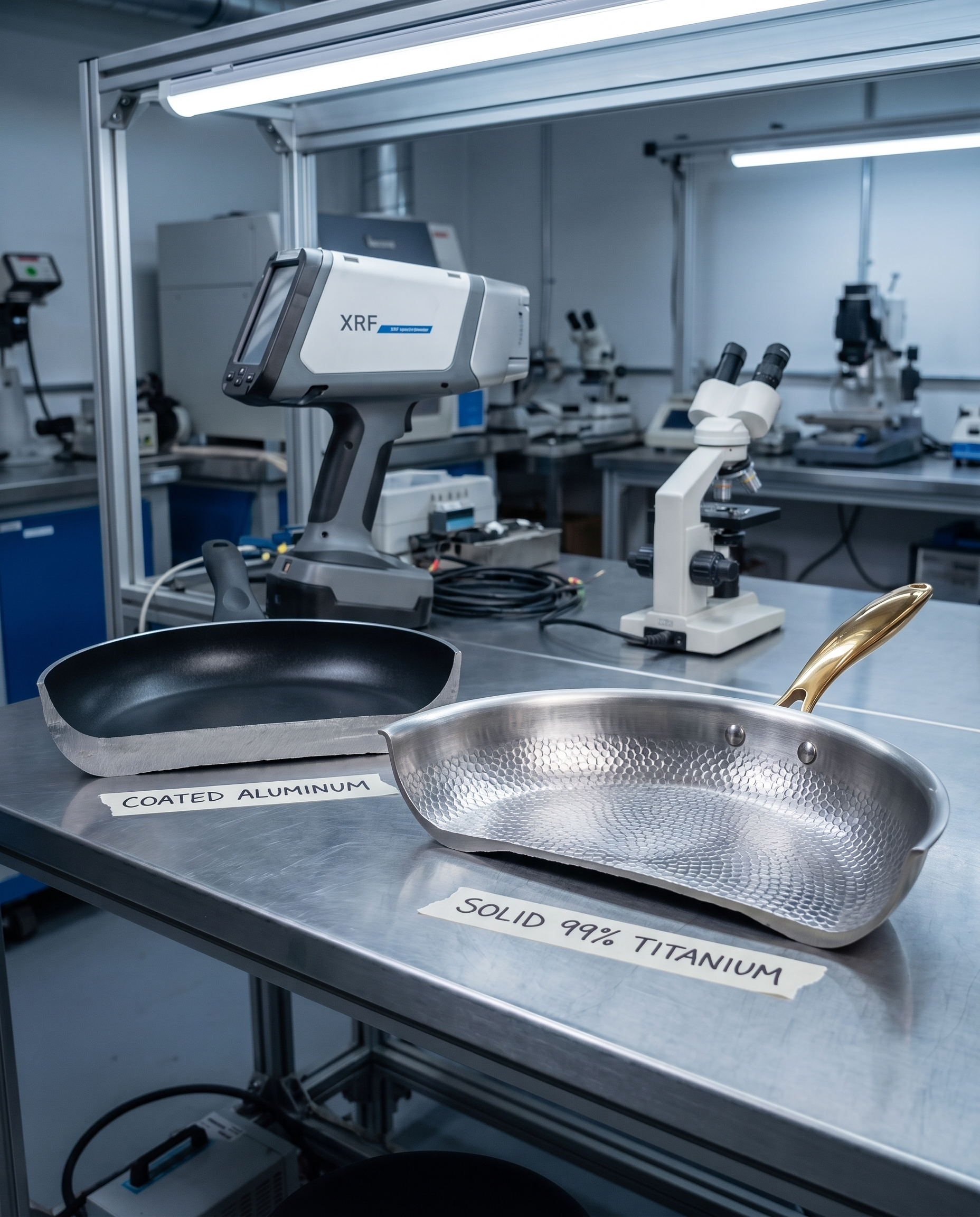
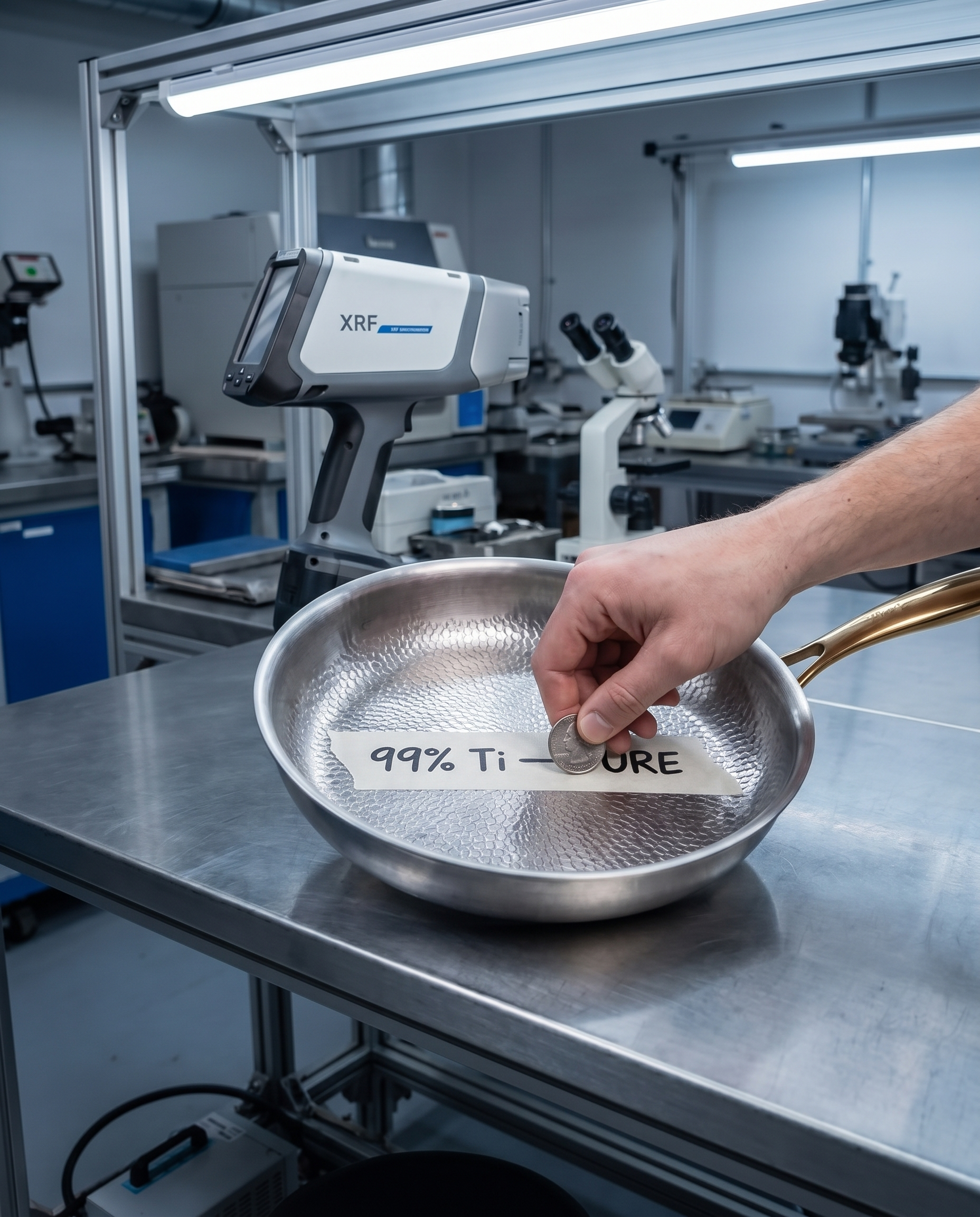
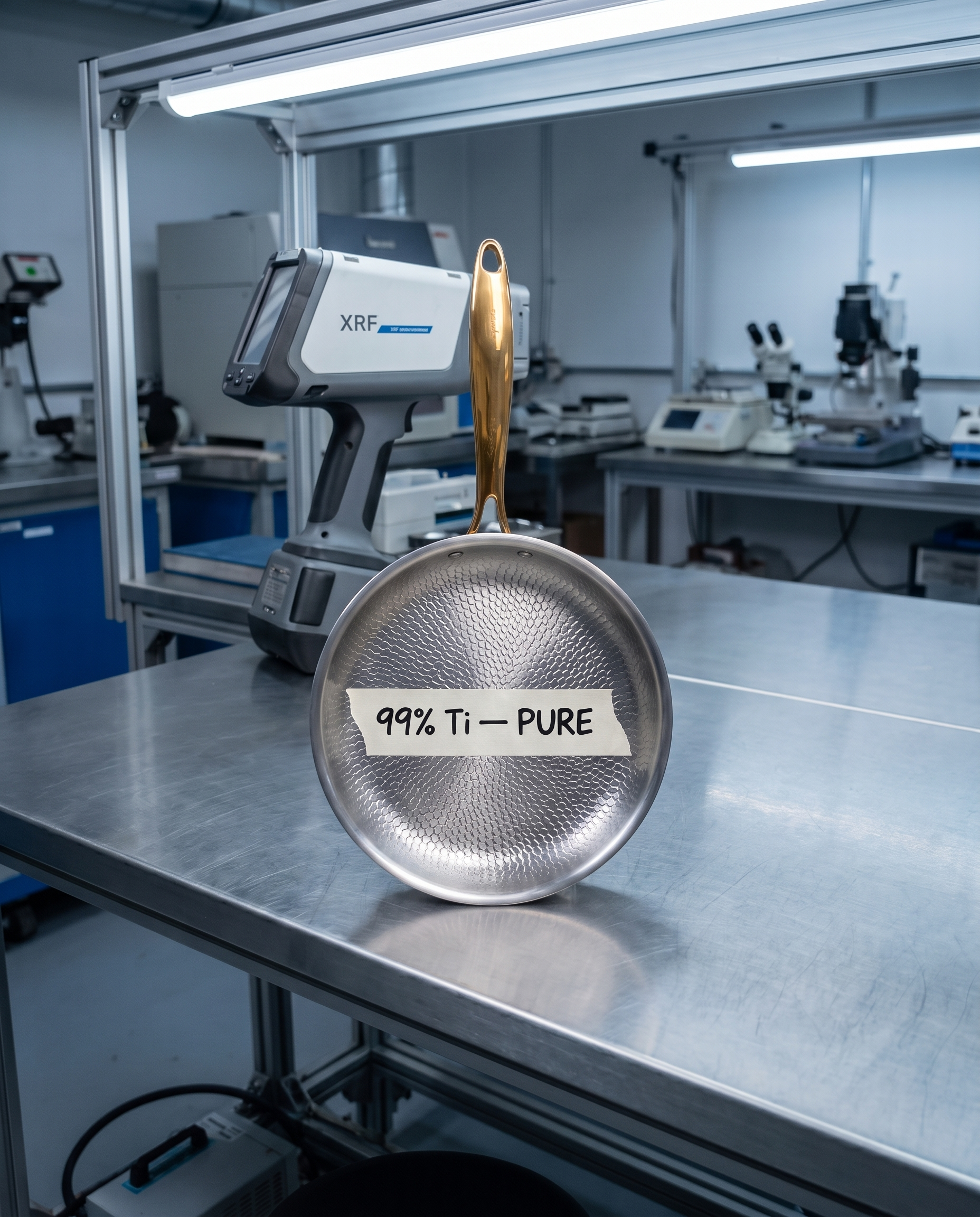
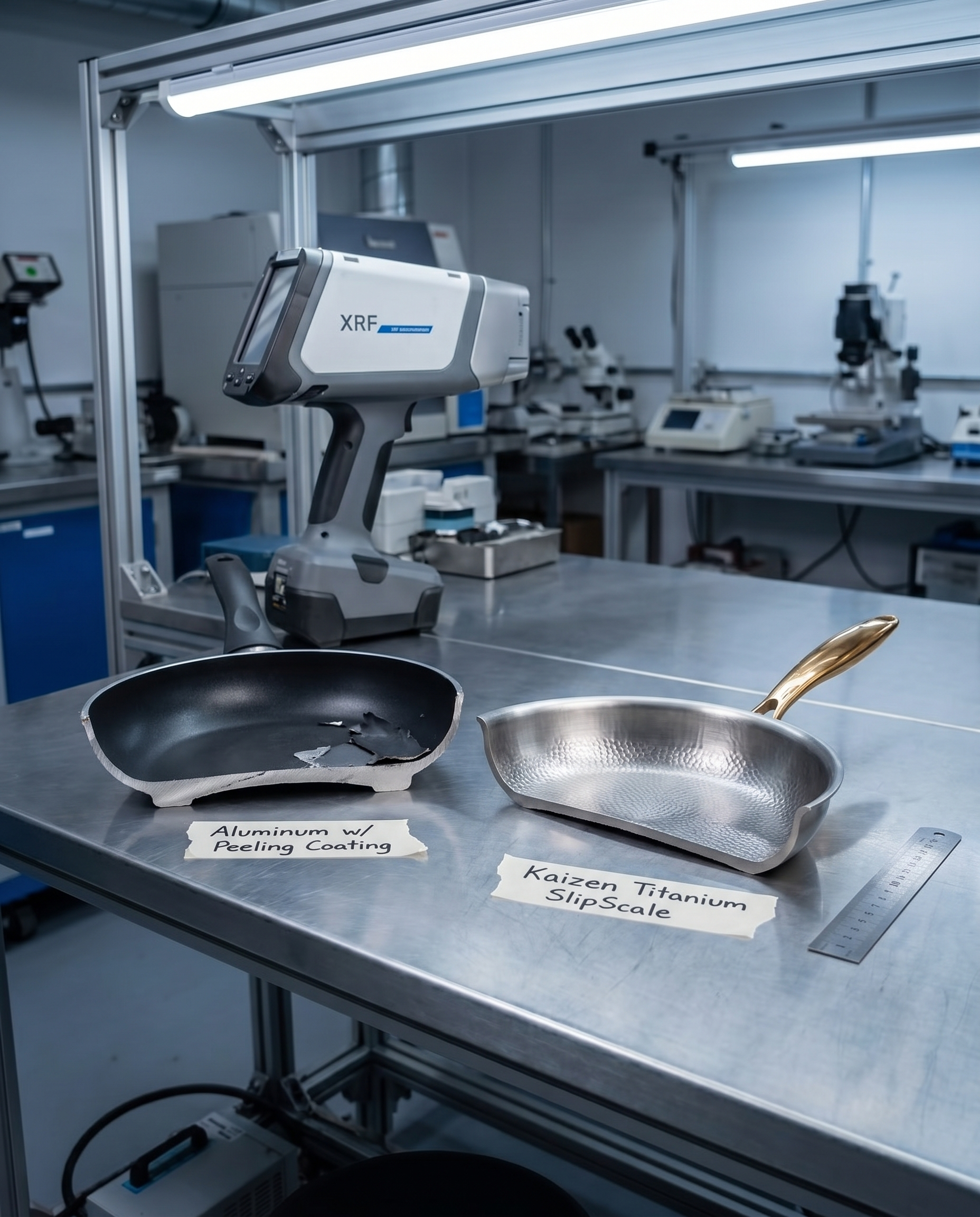
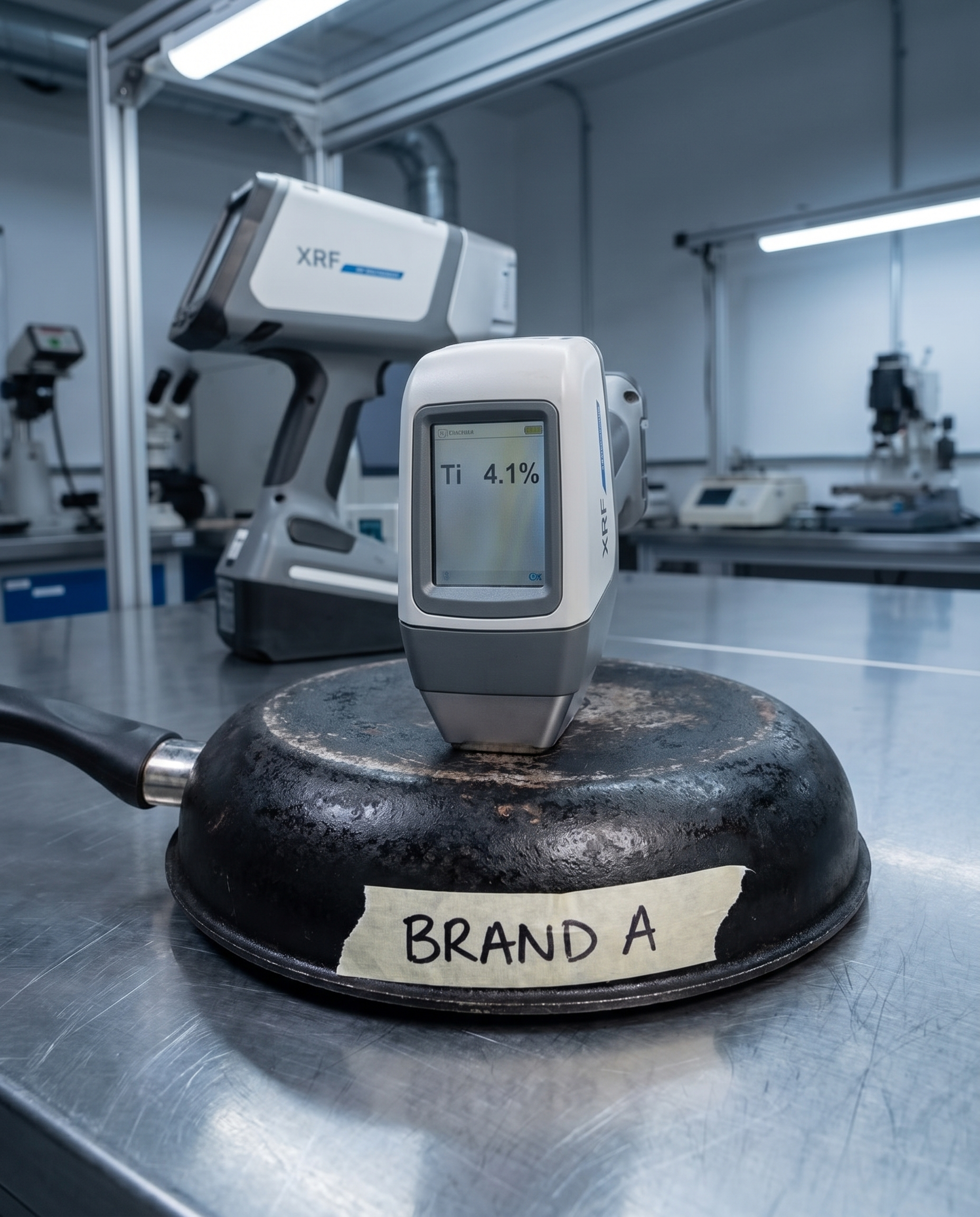
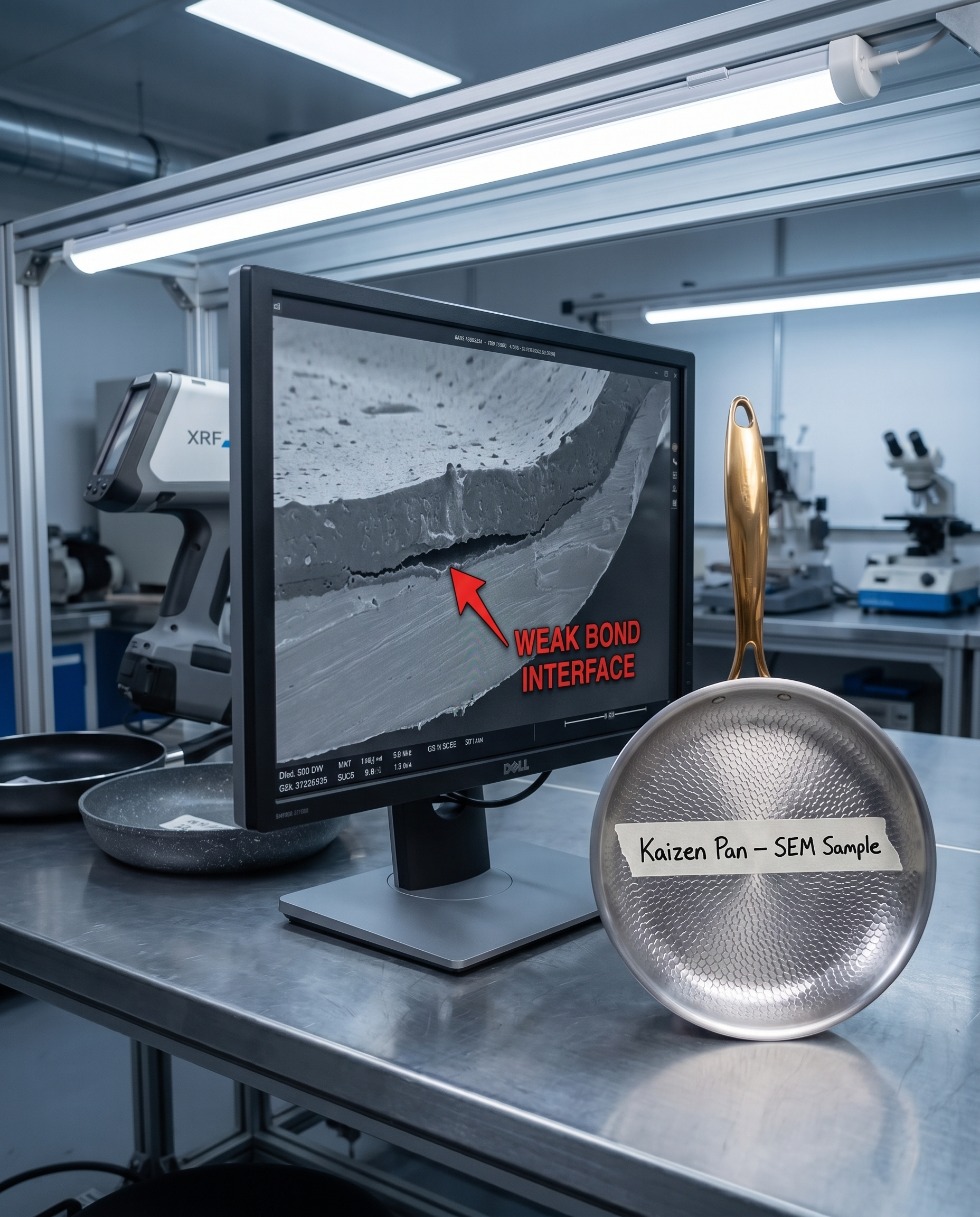
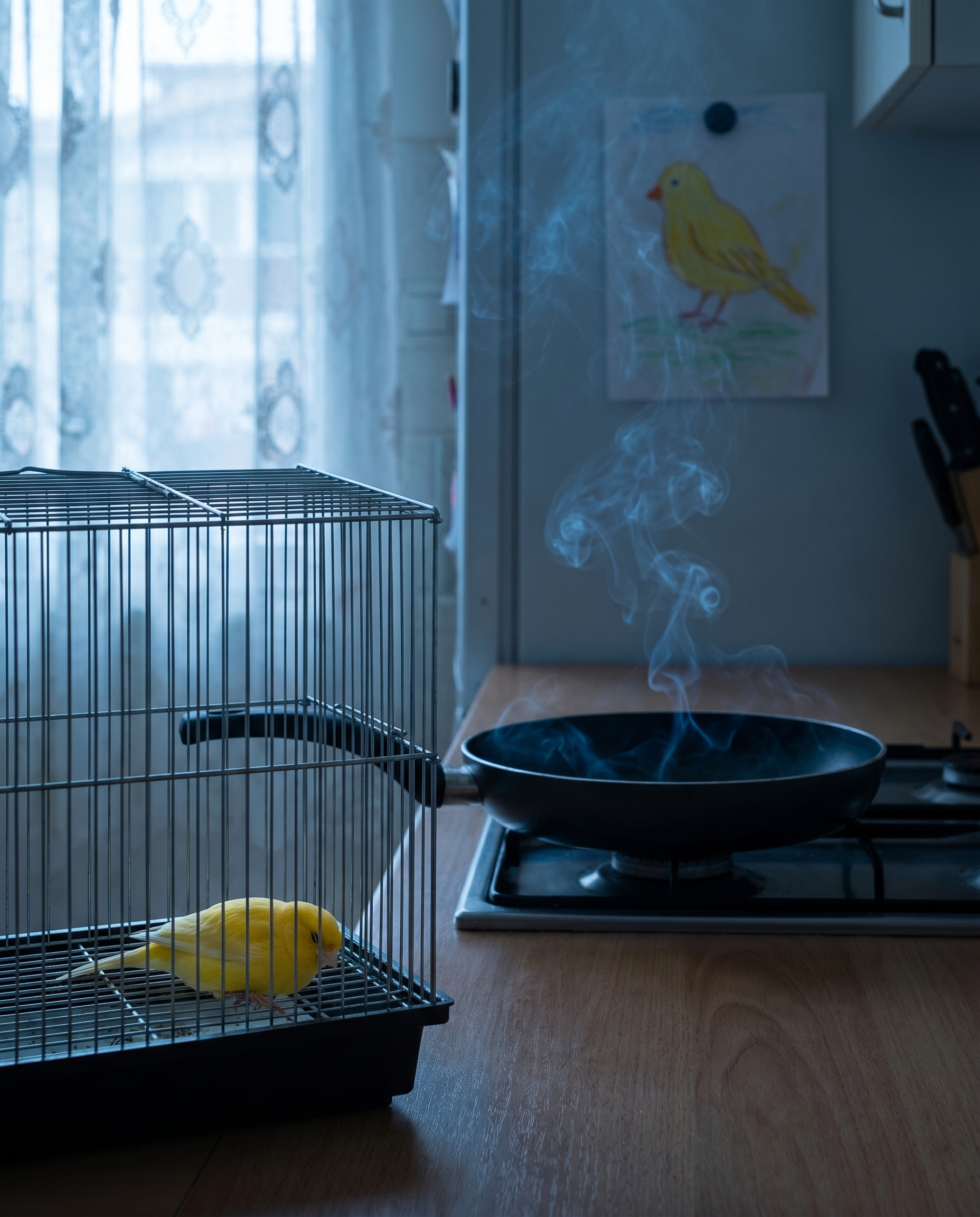
My grandmother had a canary named Henry for eleven years. She had bought him at a pet store in a strip mall in Tampa the year my grandfather died, on a morning she had walked into the store specifically because she had been told by her primary care physician that she needed something living in her apartment to take care of besides her plants. Henry had been her companion through the entire decade of her widowhood. He lived in a delicate brass cage on her kitchen counter directly behind the stove, because the counter was the warmest spot in her apartment and Henry liked the warmth. She talked to Henry in the mornings while she made coffee. She would describe what she was cooking, in the patient voice she had used for forty-three years to describe what she was cooking to my grandfather before he had died. Henry would sing the entire time the kitchen was warm. He was the loudest part of her quiet apartment. He was the reason she had a reason to come into the kitchen every morning after my grandfather had been gone. My mother called Henry her grief therapy on wings. Two Tuesdays ago I drove down for my regular monthly visit. I have been making the drive for the past four years, since my grandmother stopped being comfortable driving herself to my parents' house. The drive takes me three hours each way from where I live in central Florida. I let myself in with my key. The kitchen was silent. There was no song. The cage on the counter was covered with a green tea towel I recognized as one of the kitchen towels my grandmother had embroidered in the 1980s. Grandma was sitting at her kitchen table with her hands folded in her lap, the way she sits when she is trying not to cry. The morning paper was on the table next to her, unopened. Her coffee mug was empty and cold. She had not eaten breakfast. Henry had died on the Friday before, around 9 AM, while she was making eggs. He had been singing his morning song the way he always did when the kitchen started warming up. She had heard the song stop halfway through a phrase she could not remember the rest of. She had turned around to look at the cage. Henry was on the floor of the cage with his eyes closed. She had thought at first that he was sleeping. She had stood at the stove for a long moment with the spatula in her hand watching him to see if he would move. He had not moved. She had turned off the burner. She had walked over to the cage. She had opened the small door and reached in. Henry was still warm but he was already gone. She had carried him into the bathroom and held him for an hour before she had been able to put him back in the cage. The veterinarian who saw Henry as an emergency that Friday morning was Dr. Patel, the same vet who had been treating my grandmother's animals for twenty-three years going back to the dog she had owned before my grandfather had died. He had come over to her apartment because he was already in the neighborhood on another house call. He took Henry for a necropsy as a favor because my grandmother had been a client for twenty-three years. The report came back three weeks later in a manila envelope with the clinic's letterhead. Cause of death: polymer fume inhalation. Specifically PTFE thermal decomposition product exposure. Dr. Patel called us himself the day after he had submitted the report. He apologized for taking three weeks. He had been waiting to make sure he had ruled out every other possibility. He asked her if she knew when the pan she had been cooking with that Friday morning had been manufactured and what brand it was. She read him the information off the underside of the pan while I held the phone for her on the kitchen counter. He recognized the brand and the specific model. He told us, gently, that the pan was from a manufacturing batch that the brand had quietly issued an internal recall on in 2018 for thermal-decomposition concerns. The recall had never been advertised publicly. The brand had issued the recall through customer service channels to customers who had specifically contacted them about coating issues. My grandmother had never contacted them. She had bought the pan in 2017 from a department store. She had used it every day for seven years. Dr. Patel had seen three other bird deaths from the same manufacturing batch in the prior eighteen months. Each pet owner had been blindsided. Each pet owner had contacted the brand after their bird's death and had been told that the brand could not comment on individual cases. Each pet owner had received a small condolence gift card to the brand's website. The pattern was so consistent across the four cases Dr. Patel had personally documented that he had started maintaining a spreadsheet. He told my grandmother that he would add Henry to the spreadsheet if she wanted. She said yes. She wanted Henry's death to be data, not just a small private grief. Polymer fume inhalation in pet birds is one of the most common causes of pet bird death in American households, according to Dr. Patel and the avian veterinary literature I read in the weeks after Henry died. The fumes come off an overheated nonstick pan during the first 30 to 90 seconds of thermal decomposition, before any visible smoke appears and before any smell registers in the air. Almost no cookware buyer is aware of the risk because the industry warning labels are intentionally vague. The labels say 'do not leave on high heat' in very small print on the box. They do not say 'this pan can kill your pet bird in thirty seconds of inattention' because that warning would not survive the brand's marketing review. My grandmother threw out every coated pan in her apartment the following weekend. I helped her. We filled a contractor bag with twenty-six years of pans she had accumulated, every one of them with the same failure mode. She stood in her kitchen with the bag at her feet and she cried for fifteen minutes without saying anything. I sat at her kitchen table and let her cry. Then she asked me, in the small careful voice she had been using since the Friday Henry had died, to find a replacement pan that could not emit polymer fumes because there were no polymers. She did not want another bird. She wanted to be able to keep cooking without being afraid that the act of cooking might kill another small living thing in her kitchen. The category she needed is single-metal cookware. No coating to thermally decompose. No fluorinated chemistry to fume off into the air above the burner. The pan we bought her is a Kaizen classic. Pure 99% titanium verified by independent third-party XRF lab cert in every box, signed and stamped, with the spectrometry curve attached on the back page. Single piece. No coating. The cooking surface uses a permanent SlipScale micro-pattern pressed directly into the titanium itself for nonstick release without any chemical coating layer. The pan cannot emit polymer fumes because there are no polymers in it. My grandmother has not stopped using her kitchen since we brought her the new pan. Henry is buried in her flowerbed under the Florida sun in a small ceramic urn she had at the back of a kitchen cabinet from a craft fair in 2003 that she had been saving 'for something special.' The chef's full breakdown of polymer fume inhalation in the home, with the veterinary literature review and the industry recall history and the warning label analysis, is linked below. Read it before your next morning of eggs.
Like this ad? Make it yours.
Crush rebuilds this exact creative around your product — your brand, your colors, your offer — in about a minute.