
Active· since May 24, 2026
- 110
- days running
- 0
- relaunches
- 415
- EU reach
Ad copy
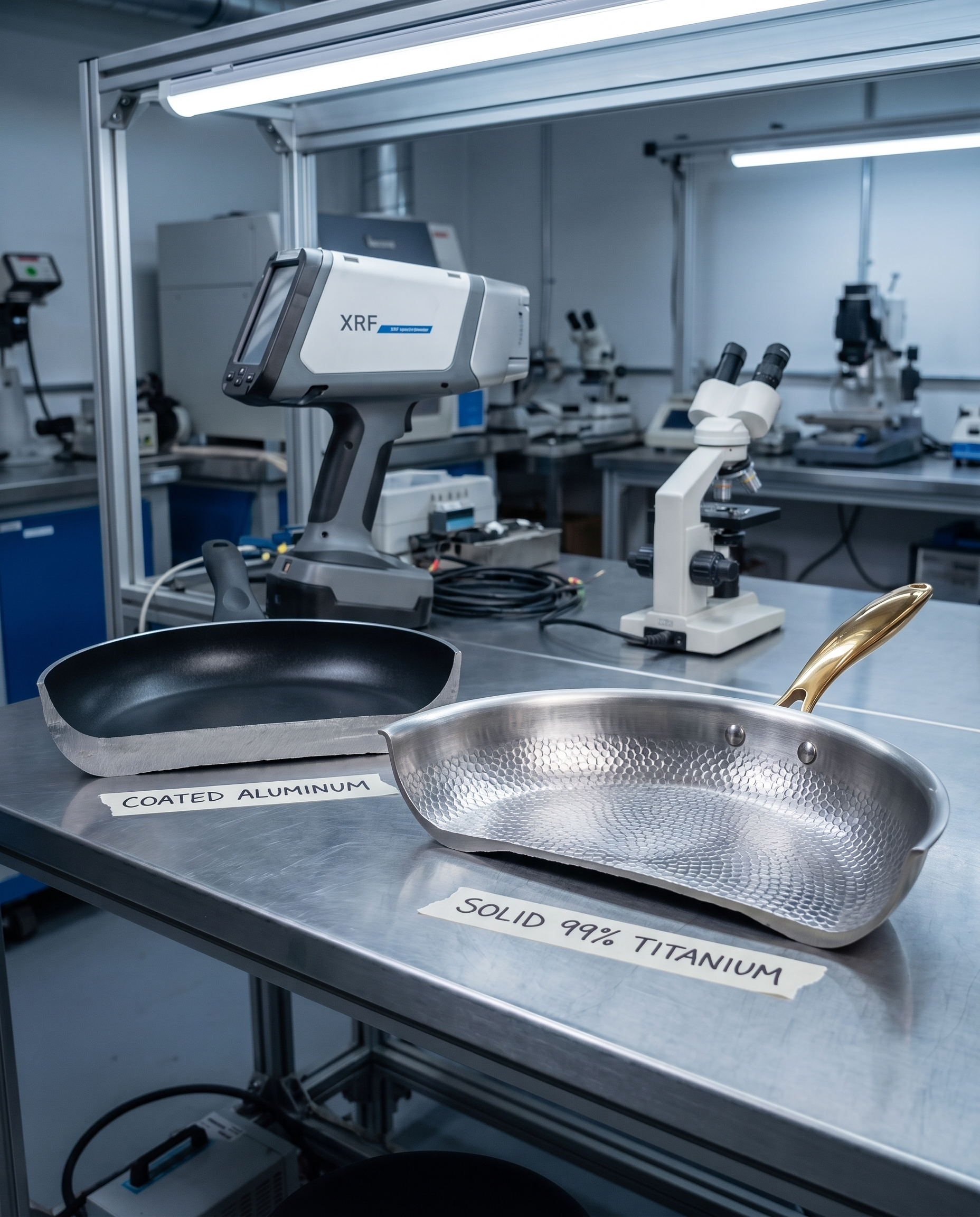
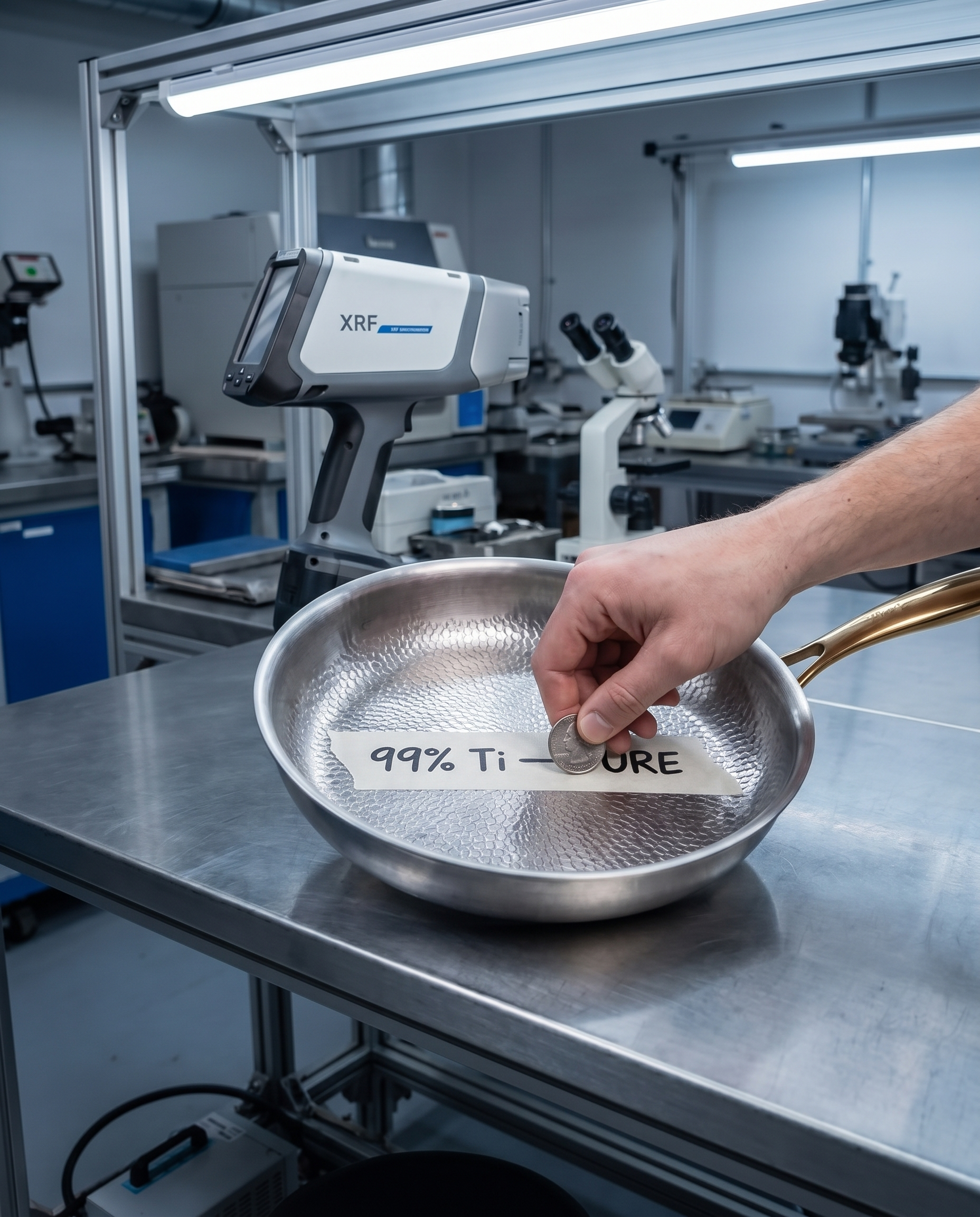
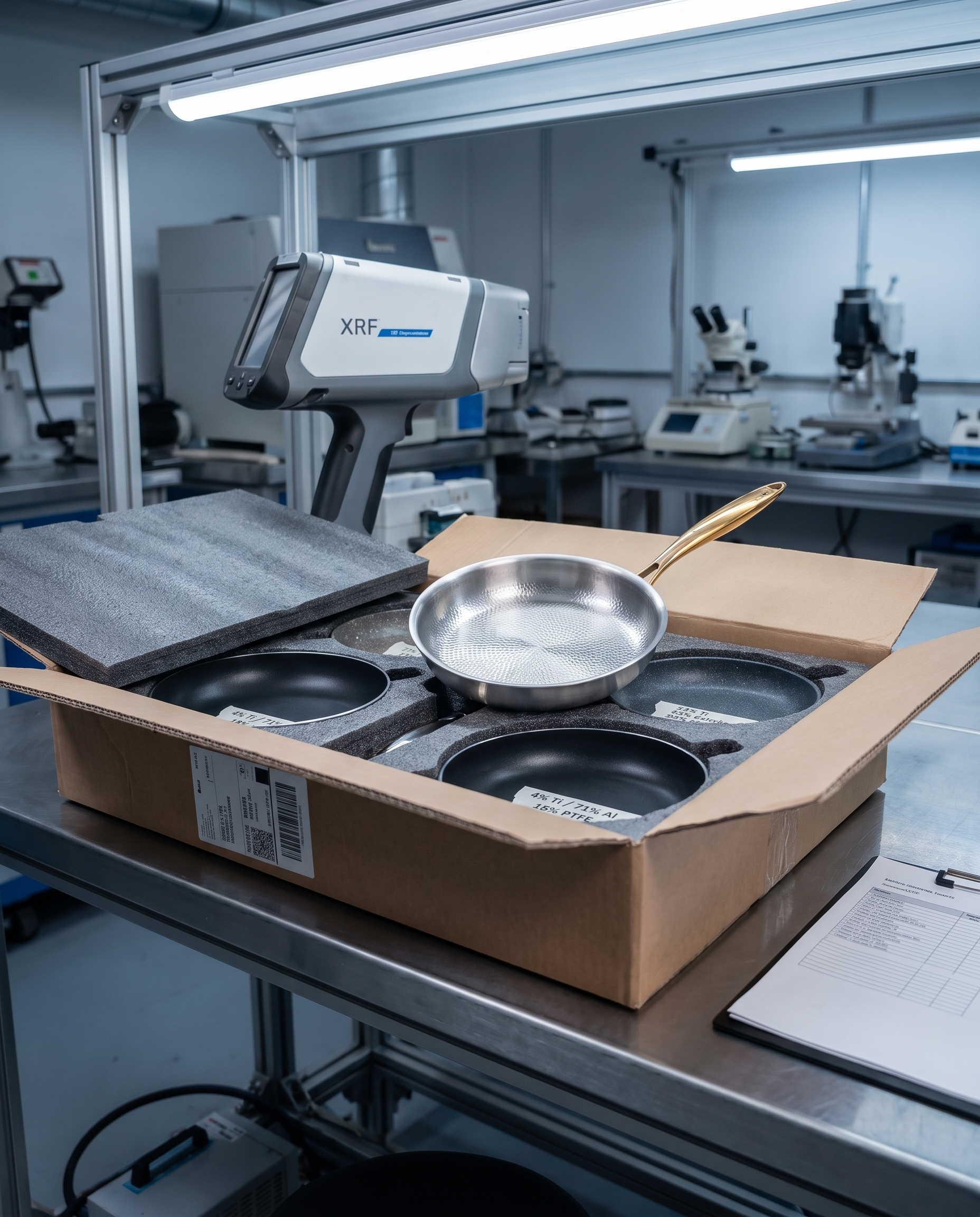
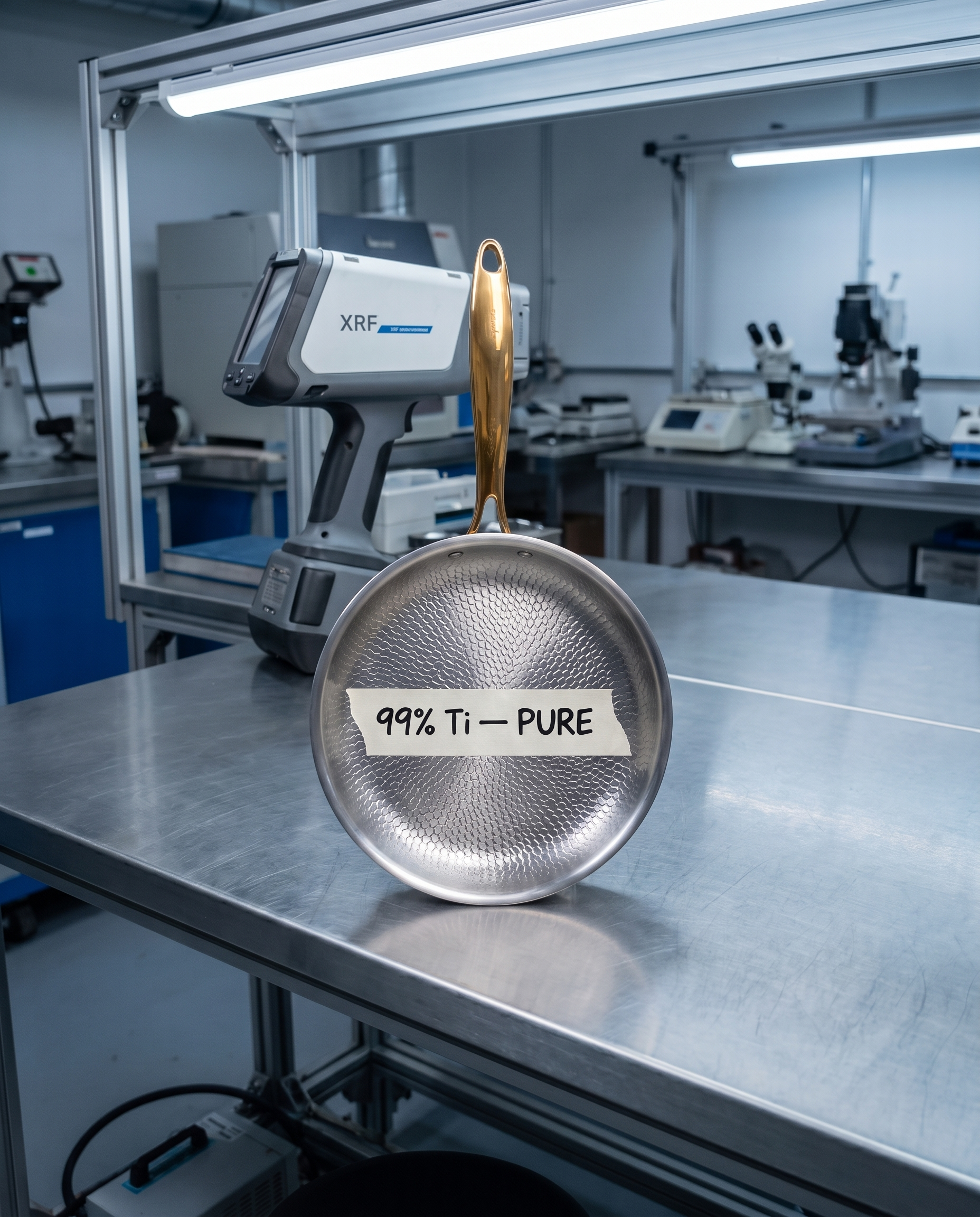
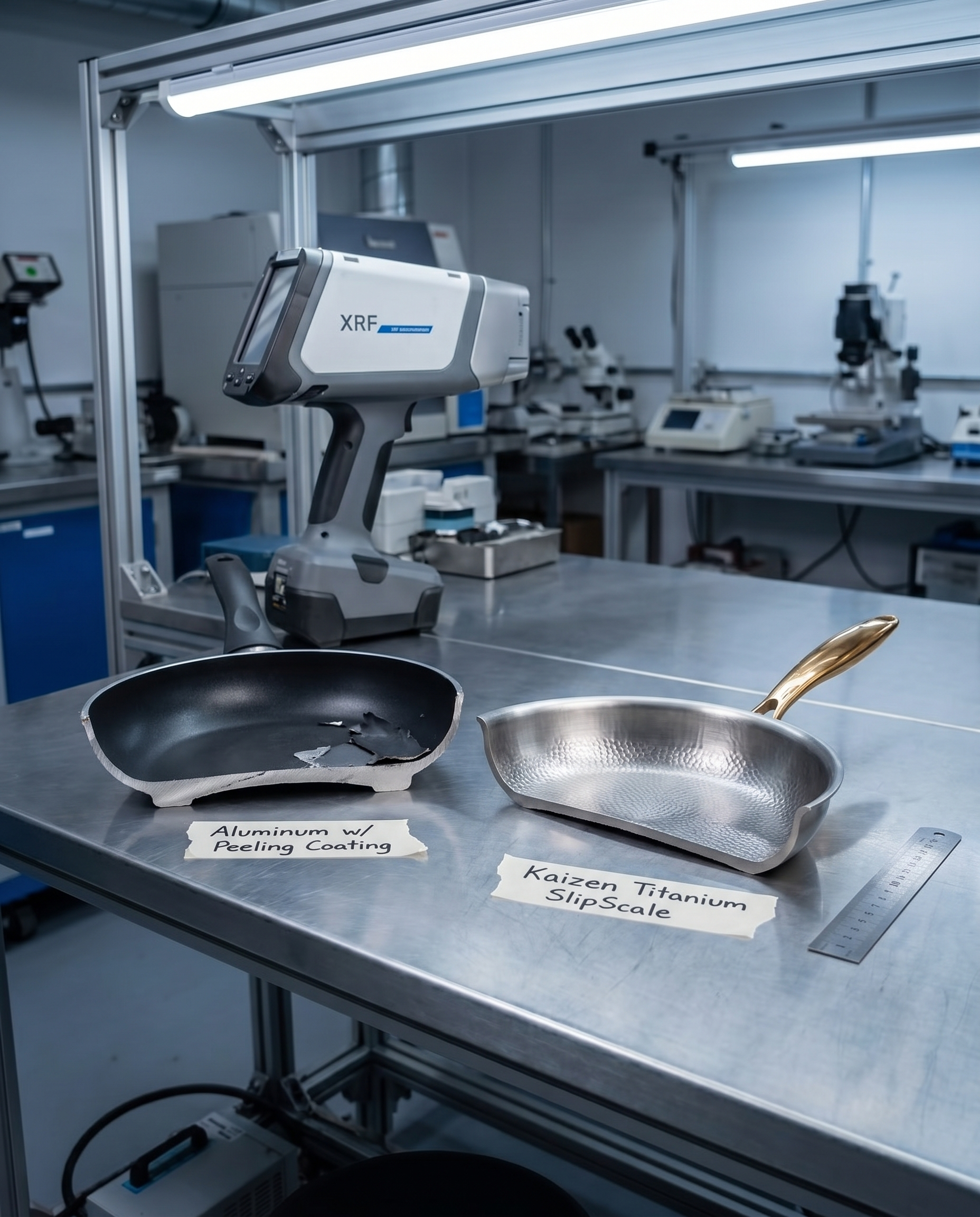
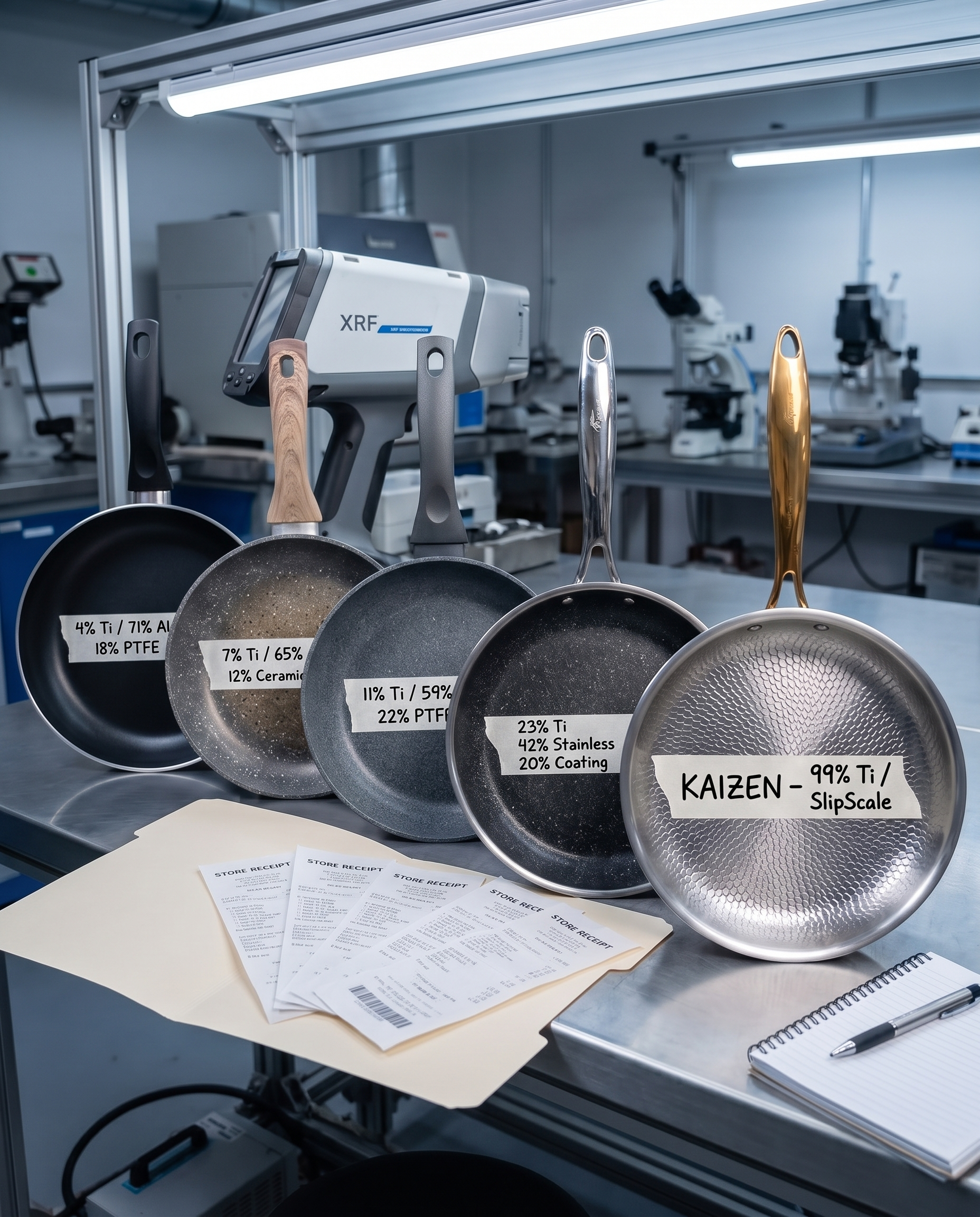
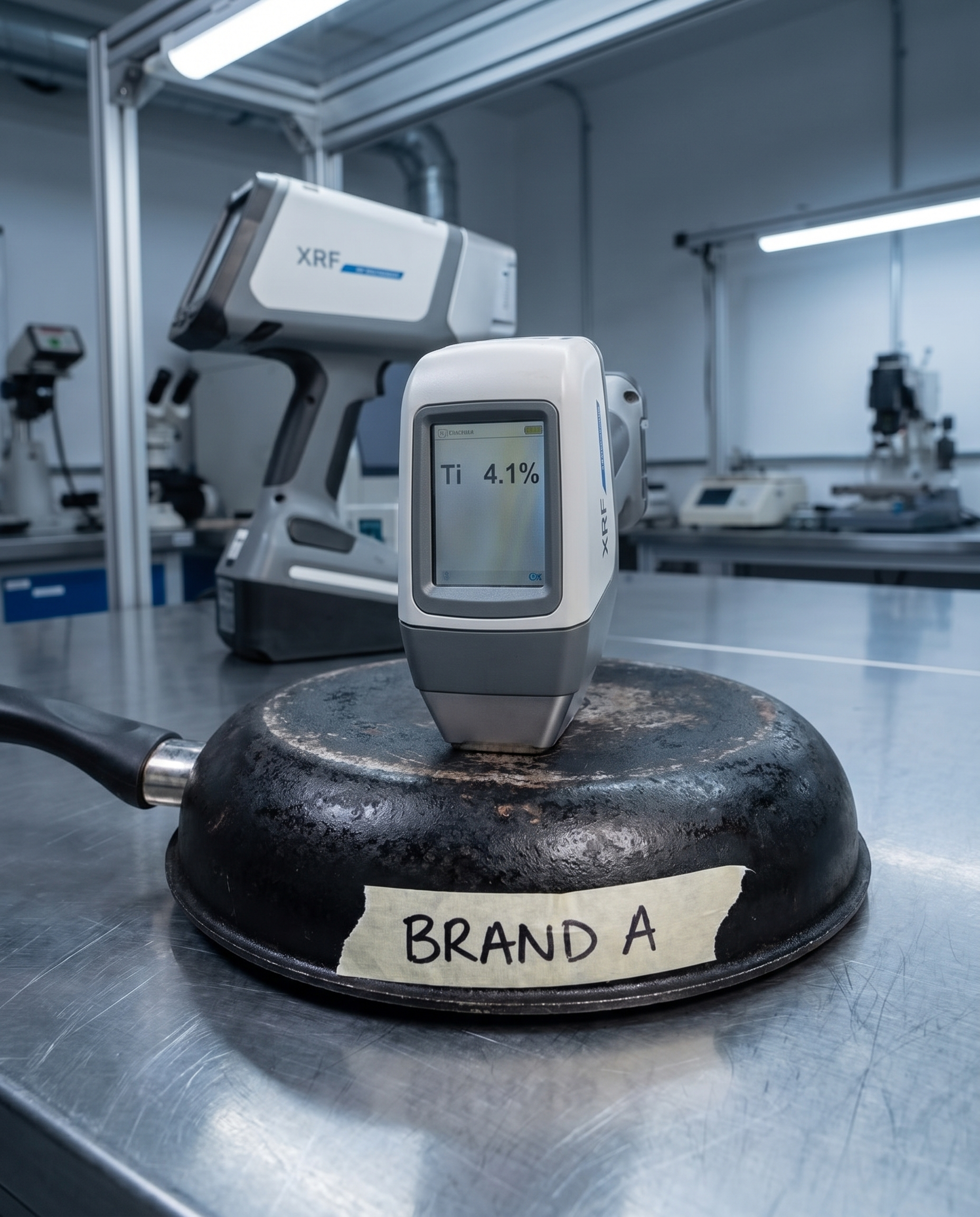
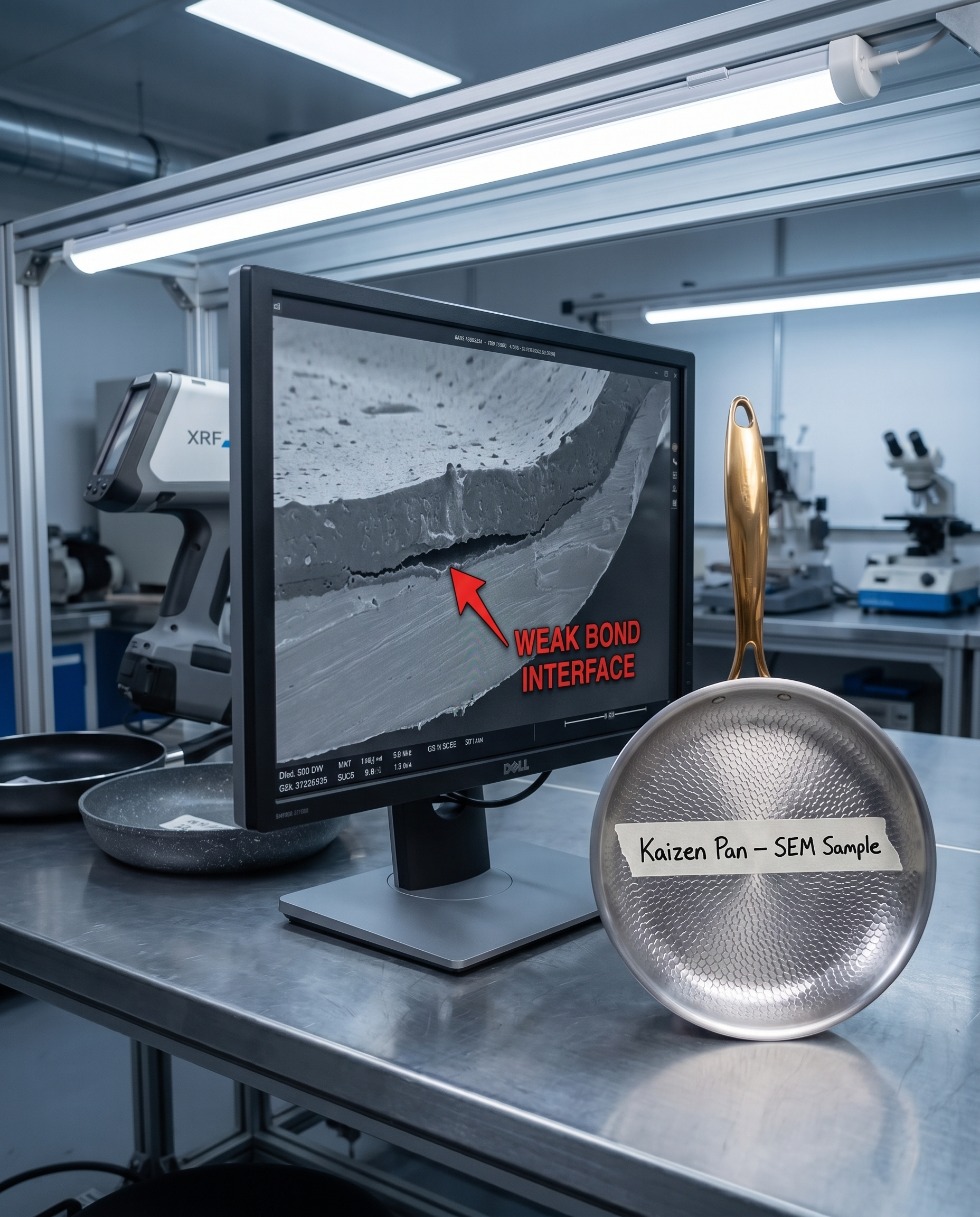
This is my brother Marco at work last Friday night. He runs the line at a one star bistro in town. The egg in the pan is for the staff meal, the only thing he gets to eat between three and eleven. The pan is his. He bought it himself. He left the kitchen's stack of branded coated pans on the shelf and started bringing his own piece of titanium to every shift about eighteen months ago, and now half the brigade has done the same. I asked him why. He said the conversation that pushed him was with the chef de cuisine at a place down the street, a guy who had been cooking professionally for twenty two years. They were both at a wholesaler picking up produce, and the chef de cuisine was wrapping a piece of titanium cookware in butcher paper to take home. He told Marco the head chefs in their corner of the city had stopped buying coated pans for their own kitchens two summers earlier, after a piece in a trade journal ran the chemistry on what happens to polytetrafluoroethylene at typical pan preheat temperatures. The chemistry was the same chemistry that had been published in academic journals for a decade. Polytetrafluoroethylene, the polymer that makes a coated pan slippery, starts breaking down at about 260 degrees celsius. Most dry preheats hit that temperature inside a minute. Once the polymer breaks down it releases compounds in the PFAS family, which are persistent, bioaccumulate in the bloodstream, and have been linked in peer reviewed work to thyroid problems, liver enzyme changes, and a reduced immune response to childhood vaccinations. A 2024 European serum study put the prevalence at 95 percent of the adult sample, and the highest concentrations were in people who cooked daily on coated pans without realising their cooking surface had degraded. Marco had been through the standard cycle. Two heavily marketed brands of coated pan from the supermarket, then a more expensive ceramic non-stick that lasted six months before the surface dulled, then a season of cast iron that he liked at home but which was too slow and too heavy for line service. Carbon steel was the last attempt before titanium. He liked the way it cooked but hated how often it needed re seasoning, and the rim rusted twice on him from being left wet during a slow shutdown. The pan he ended up with is a Kaizen titanium piece he bought through the same wholesaler the chef de cuisine had been buying his. Pure titanium, no coating, hammered with a scale pattern that creates micro pockets to hold oil so food slides off the surface without anything chemical in the contact layer. He runs it on a service line for six nights a week, brings it home washed in his bag on Sunday, and has not replaced it once. Eighteen months in he no longer thinks about his pan during service. He cleans it under hot water with no soap, dries it on the way back to his bag, and uses the same piece on the same flame the next night. The line cooks around him have either bought their own or asked him where to buy one. He sent me the link to the chef's article that runs the chemistry in full, called Best Pan, and the same link is in the tap below.
Like this ad? Make it yours.
Crush rebuilds this exact creative around your product — your brand, your colors, your offer — in about a minute.