
Inactive· since May 7, 2026
- 10
- days it ran
- 0
- relaunches
Ad copy
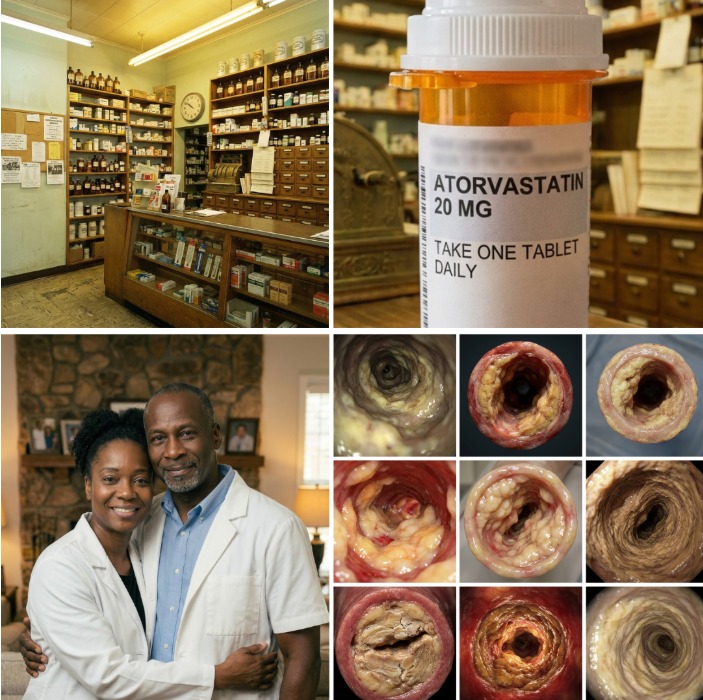
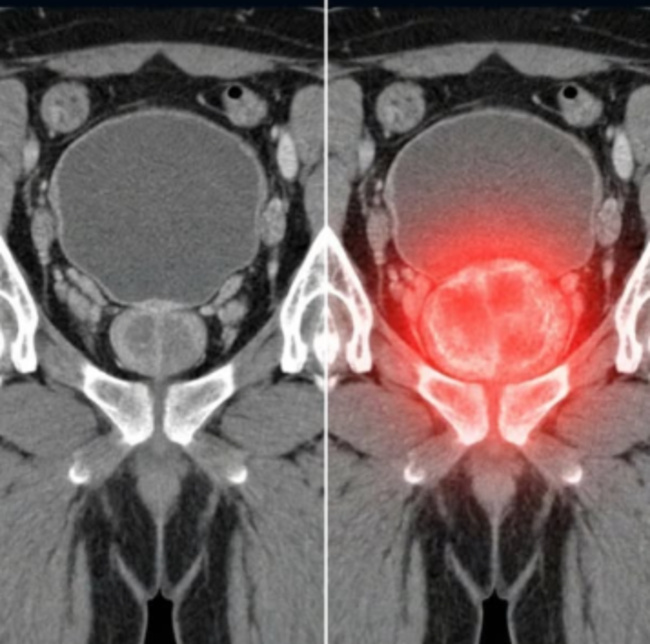
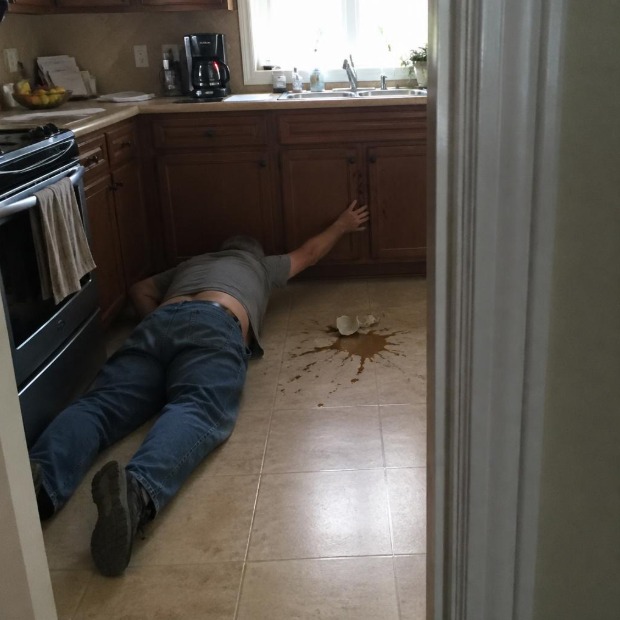
I buried my first husband after 14 years on Lipitor. Perfect numbers. Perfect compliance. Dead at 63 from a massive heart attack with an LDL of 92. I swore I'd never go through that again. Then I found a bottle of Atorvastatin in my second husband's bathroom cabinet three months after our wedding. Same class of drug. Same dosage. Same promise. And now — six months ago — he started showing the same signs. The stiff hands. The fog. The fatigue. The slow fade I watched steal a man from me for over a decade. I am not going to let it happen twice. If your husband is on a statin and his doctor keeps telling you his numbers look great while his body tells a different story, read every word of this. Because what I found out could have saved my first husband's life. It might save the man you love. My name is Janet Maddox. I'm 62. I live in Raleigh with my husband Gary and our two dogs. Well. I say "husband" like it's simple. Gary is my second husband. I need to tell you about my first. Frank Maddox was the kind of man who did everything right. Ate clean before it was trendy. Grilled chicken and vegetables five nights a week. Oatmeal every morning. Walked three miles every single day — rain, cold, heat, didn't matter. He had a loop around our neighborhood that took exactly 47 minutes and he timed it every time. He was disciplined. Methodical. The kind of man who read every label, showed up to every appointment, and took his medication at the same time every night. Lipitor. 20 milligrams. Prescribed when he was 49 after a routine physical showed his LDL at 178. His doctor — Dr. Raines — said it was the gold standard. Safe. Effective. "You'll probably be on it for life, but that's fine. Think of it like maintenance." Frank nodded. Filled the prescription that afternoon. For the first year, it seemed like it was working. His LDL dropped from 178 to 108. Total cholesterol from 244 to 192. Dr. Raines was thrilled. "Model patient," he said at Frank's six-month checkup. "This is exactly what we want to see." Frank came home proud. Showed me the printout. Numbers highlighted in green. "See? Told you it was worth it." I kissed him on the forehead and put the printout on the fridge. For the first two years, that's how it went. Numbers came back great. Doctor smiled. Frank felt validated. I felt safe. Then the changes started. It was so slow. The kind of slow where you don't notice it's happening because each day looks exactly like the day before. It's only when you look back across months — across years — that you can see the man disappearing. Year three. Frank started complaining about his legs. Not pain exactly. More like heaviness. He said his calves felt like they were full of sand after his morning walk. He'd come home and lower himself into the recliner with a grimace he didn't used to have. "Probably just age," he said. "I'm 52. Things start to ache." I believed him. We both did. Year four. The walks got shorter. He cut the loop. Took a shortcut through the Hendersons' street that knocked off twelve minutes. Said it was because of time, not his legs. But I noticed he was rubbing his thighs every evening after dinner. Digging his thumbs into the muscle. Wincing. I mentioned it to Dr. Raines at Frank's annual checkup. He nodded. "Some patients experience muscle discomfort on statins. It's common. We can add CoQ10 — it sometimes helps." He wrote it on a sticky note and handed it to Frank. Not a prescription. A sticky note. Frank bought CoQ10 at the drugstore that afternoon. Started taking it every day alongside the Lipitor. The leg pain didn't get better. Year five. Year six. The fog started. I didn't call it fog at the time. I didn't have a word for it. What I noticed was that Frank stopped finishing his sentences. He'd start to say something at dinner — a thought about the news, a comment about the neighbor's yard — and then just trail off. His eyes would go somewhere else. He'd shake his head and say "anyway" and pick up his fork. I told myself he was tired. He was tired. He was always tired now. The man who used to get up at 5:30 to walk before work was sleeping until 7. Then 7:30. Then hitting snooze until I physically came in and opened the curtains. His energy wasn't low. It was gone. Like someone had pulled the plug on something inside him and what was left was just running on reserve. But every six months, we'd go to Dr. Raines. And every six months, Dr. Raines would pull up Frank's lipid panel, smile, and say the same thing. "LDL of 96. Excellent." "Your numbers look great, Frank." "Whatever you're doing, keep it up." Keep it up. His legs ached so bad he couldn't walk the full loop anymore. His brain was fogging over. He was sleeping ten hours and waking up exhausted. His grip was weakening — I watched him struggle with a jar lid one night for thirty seconds before he set it on the counter and walked away without a word. And every six months: "Numbers look great." Year eight. Frank's personality started changing. He'd always been warm. Patient. The kind of man who'd talk to anyone — the mailman, the checkout girl, the neighbor's kid who kicked a ball into our yard every Saturday. He was easy. Gentle. By year eight, he was irritable. Short. He snapped at me one morning for not refilling the coffee maker. Not a big blow-up — just a sharp word that didn't sound like him. I looked at his face and saw something that scared me more than the muscle pain. He looked confused. Like he didn't know why he'd said it. Like the anger had come from somewhere he couldn't control. I brought it up with Dr. Raines again. "Some patients report mood changes. It's documented but not well understood. We could try switching him to rosuvastatin — Crestor. It's a different formulation. Might agree with him better." So they switched him. Crestor. 10 milligrams. For six weeks, Frank said he felt a little better. His legs hurt less. His mood evened out. I started to breathe again. Then everything came back. The aching. The fog. The fatigue. The short temper. Same symptoms, different brand name. I called Dr. Raines. He said to give it time. Time. We gave it nine more years. Nine years on one statin or another. Fourteen total. And every six months, the same ritual. Blood draw. Wait a week. Lipid panel comes back. "Numbers look great." By year twelve, Frank's world had shrunk to the living room. He didn't walk anymore. Said his legs couldn't take it. He sat in his recliner with the TV on and a blanket over his lap because he was always cold now. He'd been a 195-pound man when he started Lipitor. He was 168 by year twelve. His shirts hung on him. He stopped reading the newspaper. Said the print was fine — he just couldn't concentrate long enough to finish an article. He stopped calling his brother in Memphis. They'd talked every Sunday for twenty years. One Sunday he just didn't pick up the phone. When I asked why, he started to answer, trailed off, shook his head. "Anyway." That word again. "I just can't keep up with the conversation anymore. I lose track of what he's saying." My husband — the man who could tell a twenty-minute story about a trip to the hardware store — couldn't keep up with a phone call. But his LDL was 92. Excellent. Whatever you're doing, keep it up. The morning Frank died was a Saturday. April 14th. I remember because our daughter had just called the night before to tell us she was pregnant with her first child. Frank's first grandchild. He cried when she told him. Real tears. The happiest I'd seen him in years. He looked at me across the kitchen table with something in his eyes that had been missing for a long time. Something bright. "I'm going to be a grandfather, Jan." That was 9 PM on a Friday. At 6:15 the next morning, I woke up to a sound. Not a crash. Not a yell. A thud. A single, heavy thud from the kitchen. I found him on the floor. Face down. One arm stretched out toward the counter like he'd tried to catch himself. The coffee maker was still running. I screamed his name. Rolled him over. His face was gray. His eyes were open but they weren't looking at anything. I called 911 with my hands shaking so bad I could barely press the numbers. They came in seven minutes. I know because I counted every second on the kitchen clock. They worked on him for eighteen minutes on my kitchen floor. Then they loaded him onto a stretcher and put him in the ambulance and I followed in my car still wearing my bathrobe and slippers. At the hospital, a doctor I'd never seen before came to the waiting room forty minutes later. "Mrs. Maddox, your husband suffered a massive myocardial infarction. A heart attack caused by a ruptured plaque in his left anterior descending artery." I couldn't speak. "We did everything we could. I'm sorry." Frank was dead. Sixty-three years old. Fourteen years on statin medication. LDL of 92 at his last checkup eight weeks before he died. A man who ate clean. Walked every day until his legs wouldn't let him. Took every pill at the same time every night. Never missed a dose. Did everything right. Everything his doctor told him to do. Dead on the kitchen floor the morning after he found out he was going to be a grandfather. They handed me his belongings in a clear plastic bag. His watch. His wallet. His wedding ring. I drove home alone. Parked in the driveway. Sat there for an hour. I didn't cry yet. That came later. What I felt in that car was something worse than grief. It was betrayal. For fourteen years, I watched that man take a pill every night and believe he was protected. I watched his doctor smile at a number on a screen and tell him he was doing great. I watched his body break down — the muscle pain, the fog, the fatigue, the shrinking world — and every time we raised a concern, we were told it was age, it was common, it was manageable, take CoQ10, switch brands, give it time. Give it time. We gave it fourteen years. And the plaque that killed him? It was there the whole time. Building. Growing. Nobody tested for it. Nobody even looked. Because the number was right. The LDL was 92. The chart said protected. Frank was not protected. Frank was managed. And there's a difference between those two things that I didn't understand until he was in a plastic bag on my passenger seat. Something broke in me the day Frank died. Not just the grief. Something structural. Something that had to do with trust. I stopped believing doctors the way you stop believing someone who's lied to you and doesn't know you caught them. Polite on the surface. Vigilant underneath. Every time a doctor told me something definitive — "this is how it works," "this is what you need" — I'd hear Dr. Raines saying "numbers look great" over a dead man's chart and something in me would go cold. I read Frank's medical records. All of them. Fourteen years of lipid panels. Fourteen years of "excellent" and "well-managed" and "continue current therapy." Not once — not a single time in fourteen years — did anyone order an oxidized LDL test. Not once did anyone question whether the number they were celebrating actually measured the danger. I didn't know what oxidized LDL was yet. I didn't have that language. But I knew that something fundamental had been missed. That a man could do everything right, hit every target, take every pill, and still die of the exact thing the pills were supposed to prevent. That knowledge changed me. I carried it the way you carry a scar — always there, mostly hidden, shaping every decision without anyone else seeing it. I met Gary at a neighborhood block party three years after Frank died. He was 59. A retired high school shop teacher. Quiet. Steady. The kind of man who fixes the neighbor's fence without being asked and won't take money for it. We got married eighteen months later. Small ceremony. Our kids. A few friends. For the first few months, I could almost forget. Gary was healthy. Active. He built a woodworking bench in the garage and spent Saturday mornings out there making cutting boards and picture frames. He'd come inside smelling like sawdust with shavings in his hair and I'd brush them off his shoulders and feel something I thought I'd never feel again. Safe. Then, three months into our marriage, I was unpacking the last of Gary's boxes. He'd moved into my house — Frank's house, if I'm honest, though I'd repainted and rearranged enough to make it feel different. I was putting Gary's things in the bathroom cabinet. Toothbrush. Razor. Shaving cream. And then my hand closed around a prescription bottle. I turned it over and read the label. Atorvastatin. 20 milligrams. One tablet daily. The room tilted. I sat down on the edge of the bathtub with the bottle in my lap and stared at it. Twenty milligrams. The exact dosage Frank started at. The same orange prescription bottle with the same white label and the same impossible promise. Gary called from the kitchen. "Jan? You okay in there?" I couldn't answer him. I was looking at the refill date. He'd been on it for over a year before we even met. "Janet?" "I'm fine." I wasn't fine. I was sitting in a bathroom holding the same medication that I watched destroy a man for fourteen years, and it belonged to my new husband, and he'd never thought to mention it because why would he? It was just maintenance. No big deal. The doctor said so. That night I lay awake until 2 AM. Gary sleeping next to me. The orange bottle twelve feet away on the bathroom counter. I told myself it was different. Gary was different. He was healthy. Active. He didn't have Frank's family history. Three years was nothing. He was going to be fine. But the scar was there. And it pulsed every time I looked at that bottle. For the next year and a half, I watched Gary the way a woman watches the weather after she's survived a hurricane. Looking for signs. Testing the air. Waiting for the thing she hopes never comes. Then the stiffness started. January. Six months ago. Gary came in from the garage one Saturday morning and sat down at the kitchen table and flexed his fingers. Open. Closed. Open. Closed. "Hands are stiff today." I set his coffee down and watched him wrap his fingers around the mug. Slowly. Carefully. Like his hands needed extra time to remember how to grip. "Probably just the cold," he said. Probably just the cold. I excused myself from the table. Went into the laundry room. Stood there between the dryer and the wall and pressed my fist against my mouth. I'd watched those exact words come out of Frank's mouth. The same dismissal. The same reasonable explanation. The same moment where it starts and neither of you knows it's starting. Except I knew. Because I'd already lived through the ending. Two weeks later, I noticed Gary rubbing his thighs after dinner. Not making a show of it. Just absently digging his thumbs into the muscle while he watched TV. The way Frank used to. The fog came next. Gary would be telling me something — a story from his teaching days, something he saw on the news — and he'd stop. Mid-sentence. His eyes would drift. Then he'd shake his head and say "anyway" and change the subject. I know that "anyway." I lived with that "anyway" for ten years. I know where it leads. I stopped sleeping. I'd lie in bed at 2 AM watching Gary breathe and thinking: it's happening again. The same drug is doing the same thing to the same kind of man and I'm watching it happen and I don't know how to stop it. Because the last time, I did everything you're supposed to do. I told the doctor. I asked questions. I trusted the system. And Frank died on the kitchen floor with a perfect lipid panel. So I started doing the only thing I could think of. I started buying supplements. Not because I believed in them. Because I couldn't sit still and do nothing while I watched the same story start over. CoQ10 first. I'd learned from Frank's doctor that statins deplete it, so replacing it should help. I did the research this time — not drugstore brands. Ubiquinol. The bioavailable form. 200mg. $45 a bottle from a reputable company. I read every review. Checked the third-party testing. Did everything right. I put it next to Gary's coffee every morning. He took it without asking what it was. Husbands are like that — if you put a pill next to their plate, they'll take it. Two months. His hands were still stiff. His legs still ached. The fog was still there. So I added more. Fish oil — pharmaceutical-grade, $40 a month. Bergamot extract — found it in a Facebook group full of women whose husbands were on statins, dozens of them swearing it dropped their husband's numbers 30, 40 points. $38 a bottle. I gave it to Gary for two months. His next lipid panel came back. LDL went UP 8 points. His doctor said the bergamot might be interfering with the Atorvastatin absorption. "Tell him to stop taking the supplements and just stick with the medication." Just stick with the medication. The medication that was doing to Gary exactly what it did to Frank. But the number looked fine. So stick with it. After that I stopped being careful about it and started being desperate. Red yeast rice. Niacin — which gave Gary face flushes so bad he looked sunburned. Plant sterols. Turmeric. Garlic supplements. I was adding bottles the way you throw sandbags at a rising river. Not because any single one made sense. Because doing nothing was unbearable. I was spending $180 a month. I had a shelf in the bathroom cabinet dedicated to Gary's supplements. He saw me adding another bottle one evening and leaned against the doorframe with his arms crossed. "How many is that now?" I counted. Eleven. "Jan. My father didn't have this many pills in the nursing home." He was teasing me. Being gentle about it. But I saw the way he looked at that shelf. The same way Frank used to look at the Lipitor bottle — not with resentment, just with tired resignation. Another thing to swallow. Another promise that this one might help. None of them helped. And the worst part? Through all of it — the CoQ10, the fish oil, the bergamot, every bottle I put on that shelf — Gary was still getting worse. Still stiff. Still foggy. Still fading. I wasn't watching him the way a wife watches a husband age. I was watching him the way a woman watches a rerun of the worst movie she's ever seen. Knowing every scene. Knowing the ending. Unable to change the channel. The night I broke was a Thursday in March. Gary had gone to bed at eight o'clock. He used to stay up until ten watching Westerns and telling me about the historical inaccuracies. Now he could barely keep his eyes open past dinner. I was sitting on the back patio by myself. It was cold out and I didn't care. I was crying. Not the pretty kind. The kind where your whole body shakes and you can't breathe and you're trying to keep quiet because you don't want anyone to hear you. I couldn't do this again. I couldn't watch another man shrink inside himself while a doctor smiled at a number and told me everything was fine. I couldn't stand at another funeral and hold another plastic bag of belongings and know that the system that was supposed to protect him was what killed him. My neighbor, Dr. Eleanor Ashby, was out walking her dog. Eleanor is 71. She's a retired cardiologist. Practiced for 38 years at Duke University Medical Center before she retired six years ago. She's lived next door to us since Gary and I moved in. She saw me on the patio and walked over. "Janet? Honey, what's going on?" I told her everything. About Frank. About the Lipitor. About fourteen years of perfect numbers and a dead husband on the kitchen floor. About Gary on Atorvastatin. About the stiff hands and the fog and the fading energy. About the eleven bottles on the bathroom shelf that weren't changing anything. About lying in bed watching Gary breathe and knowing what was coming. Eleanor listened without interrupting. When I finished she sat down next to me on the patio bench. She was quiet for a long time. Then she said something that made my whole body go cold. "Everything you just described — the CoQ10, the fish oil, the bergamot, the red yeast rice — none of it could have saved Frank. And none of it is going to save Gary." I stared at her. "What?" "Janet, can I tell you something I spent 38 years not being allowed to say in a hospital?" "Please." She took a breath. And when she spoke again, her voice was different. Heavier. Like she'd been carrying something for a long time and was finally setting it down. "I lost a patient eleven years ago. A man named Arthur Kemp. Sixty-one years old. I'd been his cardiologist for nine years. He was my most compliant patient — never missed a dose, never missed an appointment, ate well, exercised, did everything I told him. His LDL was 88. Eighty-eight. That's textbook perfect." She paused. "He died of a massive heart attack in his driveway on a Sunday morning. His wife found him next to the car with the engine still running. He was going to pick up bagels for their grandchildren." I couldn't breathe. It was Frank's story. Almost detail for detail. "After Arthur died, his wife asked me a question I couldn't answer. She said: 'You told me every six months that he was doing great. You told me his numbers were perfect. How did this happen?' And I gave her the same answer every cardiologist gives: 'Residual cardiovascular risk. Plaque can develop even with managed cholesterol. It's not fully understood.'" Eleanor's jaw tightened. "Not fully understood. That's what we say when the model fails and we don't want to admit the model is wrong. I said those words to a woman standing over her dead husband's body, and I knew — I KNEW — they weren't good enough. But I didn't have anything better. Not then." "What changed?" "I retired. And for the first time in 38 years, I had time to read research without a pharmaceutical rep standing in my office telling me which studies mattered. I spent eight months going through everything — the oxidative stress literature, the Japanese clinical trials, the European research on arterial plaque formation. And I found what I should have found twenty years ago. What every cardiologist should know and almost none of them do." She turned to face me. "Frank didn't die because his doctor put him on the wrong statin. He didn't die because he needed more CoQ10 or fish oil or bergamot. He died because for fourteen years, every single person involved in his care — including doctors like me — was treating the wrong target." "What do you mean, the wrong target?" "What killed Frank wasn't high cholesterol. It was oxidized cholesterol. And those are two completely different things." "I don't understand." "Your body makes cholesterol on purpose. Your brain is roughly 25% cholesterol. Your hormones depend on it. Your cell membranes need it. LDL isn't poison — it's a transport vehicle. It carries cholesterol to the cells that need it. That's its job." "Then why was Frank on medication to lower it?" "Because the medical system measures the TOTAL amount of LDL and treats that number like it's the threat. But the total amount isn't what kills people. What kills people is when that LDL gets DAMAGED." She drew a circle in the air with her finger. "There are free radicals in your blood called hydroxyl radicals. They're the most destructive molecules in your body. When they attack LDL particles, they change the structure. They oxidize it. And oxidized LDL is what your immune system recognizes as a threat." "What happens then?" "Think of it this way. Normal LDL is like a delivery truck driving down a clean road. It's doing its job. Nobody bothers it. Oxidized LDL is that same truck, but it's been in a wreck. It's damaged. Dented. Leaking. Now your immune system sees it as debris. White blood cells swallow the damaged particles, become bloated, sticky foam cells, and embed themselves in the walls of your arteries." She touched the inside of her wrist. "That's plaque. That's what builds up. That's what ruptures. That's what caused the heart attack that killed Frank. Not the amount of cholesterol in his blood. The amount of DAMAGED cholesterol in his blood." My hands were shaking. "And the Lipitor?" "Lipitor blocks an enzyme in the liver called HMG-CoA reductase. That's how it lowers cholesterol production. The total number drops. The LDL number drops. The doctor sees the chart and says 'your numbers look great.'" She paused. "But it does absolutely nothing to stop the oxidation. Nothing. The hydroxyl radicals are still there. They're still attacking LDL particles. The LDL that remains is still getting oxidized, still getting damaged, still building plaque in the artery walls. The number on the chart goes down. The actual danger stays exactly the same." "For fourteen years." "For fourteen years. Frank's LDL was 92. Excellent by every standard metric. But nobody ever tested his OXIDIZED LDL. Nobody. Not once in fourteen years." She leaned closer. "If they had — if anyone had ordered that one test — they might have found a number above 60. That's the danger threshold. Above 60 means heavy oxidative damage. Active plaque formation. A ticking clock. And the standard lipid panel your doctor runs? It can't see it. It's like checking the oil level in a car and never looking at the engine. The dipstick says fine. The engine is on fire." I felt my throat close. Frank's LDL was 92. The chart said safe. And inside his arteries, oxidized cholesterol was building the plaque that would rupture on a Saturday morning in April. Two numbers. One said he was protected. One would have said he was dying. They only ever looked at the first one. "There's more," Eleanor said. "And this is the part that should make you furious." "Tell me." "The same enzyme that Lipitor blocks — HMG-CoA reductase — doesn't just produce cholesterol. It also produces Coenzyme Q10. Every cell in your body needs it for energy production. Your heart. Your brain. Your muscles." She looked at me. "When you block that enzyme with a statin, you don't just lower cholesterol. You deplete CoQ10 across every organ system. Studies show statins can reduce CoQ10 levels by up to 40%." I thought about Frank's legs. The sand in his calves. The walks getting shorter every year. The shortcut through the Hendersons' street. "That's why his legs ached," I said. "That's why his legs ached. That's why his hands got weak. That's why his brain fogged over. That's why his energy disappeared. That's why he snapped at you and didn't know why. Every symptom you described — every one — that's CoQ10 depletion. His cells were running on fumes. For fourteen years." I put my face in my hands. I was seeing it all again. But this time I was seeing it through a different lens. Not bad luck. Not aging. Not "just how it is." A mechanism. A chain reaction. A predictable, preventable cascade that nobody in Frank's medical team ever identified because they were staring at the wrong number. The walks getting shorter. That was his mitochondria failing. The fog settling in. That was his brain cells starved of energy. The grip weakening. That was his muscle tissue breaking down. The world shrinking to a recliner and a blanket. That was a man's body conserving what little it had left. And the heart attack that killed him? The plaque that ruptured in his left anterior descending artery? Built by oxidized cholesterol. Fed by the very free radicals that his depleted, struggling mitochondria were producing more and more of every year. "Oh God," I said. "It wasn't just that the statin didn't protect him. The statin made it worse." Eleanor nodded slowly. "The statin depletes CoQ10. When your cells are depleted of CoQ10, their mitochondria struggle. When mitochondria struggle, they produce MORE free radicals as a byproduct. More hydroxyl radicals. Which oxidize MORE cholesterol. Which builds MORE plaque. While the chart says 'numbers look great.'" "A vicious cycle." "A vicious cycle that no statin can break. Because the statin IS the cycle. It lowers the number the doctor measures while accelerating the process the doctor doesn't measure." I was crying. Not the sobbing from before. Quiet tears that I couldn't stop. "And the CoQ10 we gave him? The CoQ10 Dr. Raines told him to take?" "It replaces some of what the statin depletes. That's true. It can help with symptoms — some of the muscle pain, some of the fatigue. But it doesn't stop the REASON the depletion is catastrophic. Adding CoQ10 back is like bailing water out of a sinking boat. It helps a little. But it doesn't plug the hole. The hydroxyl radicals are still there. Still oxidizing LDL. Still feeding the plaque." "Then what about everything I've been giving Gary? The fish oil? The bergamot?" Eleanor sighed. "Fish oil lowers triglycerides in the bloodstream. That's a real effect. But triglycerides aren't what's building the plaque. Oxidized LDL is. And fish oil can't get inside the cells where the oxidative damage is happening. It floats around in the bloodstream like a pool cleaner on the surface — the contamination is in the pipes." "Bergamot?" "Works in the gut. Blocks some cholesterol absorption in the intestines. But the oxidation isn't happening in the intestines. It's happening in the arterial walls, in the mitochondria, in the cell membranes. Bergamot can't get there. It physically cannot reach the site of the damage." "Red yeast rice?" "Is essentially a weak, unregulated statin. Same mechanism. Same enzyme blockade. Same limitations. Possibly the same CoQ10 depletion, just at a lower level." I stared at the eleven bottles I'd just described to her. "So none of it..." "None of it can reach where the damage is happening. None of it can neutralize hydroxyl radicals inside the cells. Every single one of those supplements is working downstream — in the gut, in the bloodstream, on the surface. The fire is upstream. Inside the walls. Inside the mitochondria. And nothing on that shelf can get there." She let me sit with that. Didn't rush it. The dog lay down at her feet and she scratched its ears while I stared at the yard and tried to breathe. "What does get there?" I finally asked. "Molecular hydrogen." I'd never heard of it. "It's the smallest molecule that exists. Smaller than water. Smaller than oxygen. So small that it can pass through every cell membrane in the body — including the blood-brain barrier. It penetrates arterial walls, enters mitochondria, reaches places that nothing else can reach." "And what does it do when it gets there?" "It's a selective antioxidant. That word — selective — is the key to everything. Vitamin C, vitamin E, turmeric, green tea extract — they're carpet bombs. They wipe out ALL free radicals, including the ones your immune system actually needs for signaling and defense. That's why mega-dosing antioxidants doesn't work and can actually cause problems." She held up one finger. "Molecular hydrogen only targets hydroxyl radicals. The most destructive ones. The ones that oxidize your LDL. The ones that damage mitochondria. It neutralizes them specifically and leaves everything else untouched." "Smart missile versus carpet bomb." "Exactly. And because it's so small, it gets where it's actually needed. Inside the cells. Inside the arterial walls. Inside the mitochondria where the free radicals are being produced. Fish oil can't do that. Bergamot can't do that. CoQ10 can't do that. Your husband's Atorvastatin definitely can't do that." "Why haven't I heard of this?" Eleanor was quiet for a moment. "Because it doesn't fit the model. The entire cardiovascular treatment system — the drugs, the testing, the guidelines — is built around one number. LDL. Billions of dollars in statin prescriptions every year. If the medical system acknowledged that the number isn't the real threat — that oxidized LDL is — the entire protocol would need to change. The testing would need to change. The drugs would need to change." She paused. "I prescribed statins for 38 years. I smiled at charts for 38 years. And when Arthur Kemp died with an LDL of 88 and I told his wife 'it's not fully understood,' I was protecting the model. Not the patient. I didn't know it then. I know it now." "What's the research look like?" "Over 2,000 peer-reviewed studies. More than 80 registered clinical trials. Published in the same journals your husband's doctor reads — not health blogs, not supplement marketing. Japanese hospitals have been using hydrogen therapy for decades. This isn't fringe. It has more clinical evidence behind it than most of the eleven bottles on your bathroom shelf." "And it stops the oxidation?" "It stops the oxidation at the source. When the hydroxyl radicals are neutralized, LDL stops getting damaged. Plaque stops building. And because hydrogen doesn't block any enzyme, it doesn't deplete anything. No CoQ10 loss. No muscle pain. No brain fog. No fatigue. No vicious cycle." "Do you have something specific?" I asked. "Something I can give Gary?" She went into her house and came back two minutes later with a small bottle. "This is what I take myself. After I read the oxidative stress research, I had my own oxidized LDL tested. It was 64. I'd never been on a statin. Ate well my whole life. Sixty-four. Above the danger threshold. A retired cardiologist with the same hidden risk she'd missed in her own patients for 38 years." She let out a short breath. "I started taking this the same week. It's called PrimeCell." I took the bottle from her. "It's a tablet. You drop it in a glass of water. It dissolves and releases molecular hydrogen at 12 parts per million. That's therapeutic concentration. Most hydrogen products on the market deliver 2 to 4 PPM. At that level, you get a fraction of what the clinical studies used. The hydrogen escapes before you drink it — you can tell because the tablet half-dissolves and leaves residue sitting at the bottom of the glass. That's your money sitting there, not your medicine." "Like the bargain supplements that don't work." "Exactly like that. The delivery method matters. The concentration matters. PrimeCell's magnesium base produces hydrogen through a chemical reaction as it dissolves — 12 PPM. And the magnesium itself is therapeutic. 350 milligrams. Magnesium is a cofactor for over 300 processes in your body, and most people over 50 are significantly deficient without knowing it." "What do I tell Gary?" "Tell him to drop one tablet in a glass of water. Drink it when it finishes fizzing. Every morning. Give it 90 days." "And his Atorvastatin?" "That's between him and his doctor. I'm not telling you to stop his medication. I'm telling you to give his body something that addresses what the medication can't. Something that goes upstream. If his numbers improve — and I believe they will — his doctor can make the call on the statin." She squeezed my hand. "Janet. I can't give Frank back. I would if I could. I think about Arthur Kemp and I think about your Frank and I think about how many men like them I smiled at across a desk for 38 years. But Gary is still here. And what you're watching happen to him right now? It doesn't have to end the same way." I started Gary on PrimeCell the next morning. Dropped the tablet in a glass of water at 6:30 AM. Watched it fizz. The water turned slightly cloudy with fine bubbles. I handed it to him. "What's this?" "Something Eleanor recommended. Just drink it." He looked at me over the top of his reading glasses. Shrugged. Drank it. I didn't tell him why. I didn't explain the oxidation or the hydroxyl radicals or the vicious cycle. I just put the glass next to his coffee every morning and watched. For the first four days, nothing changed. I was counting everything. Every time he rubbed his legs. Every time he paused mid-sentence. Every time he went to bed early. Cataloging it. Waiting. Day five. I woke up to a sound I hadn't heard in months. The garage door opening. At 7 AM. On a Saturday. I walked to the kitchen window. Gary was at his workbench. Sanding something. His hands moving steadily. No pausing. No flexing. No stopping to shake out his fingers. I stood there watching him for ten minutes. Dish towel pressed against my mouth. Crying so quietly I could hear the sandpaper. It could have been a good day. A coincidence. I told myself not to hope too hard. But it wasn't a coincidence. By week two, the stiffness in his hands was noticeably better. He wasn't flexing them at the kitchen table anymore. He wasn't rubbing his thighs after dinner. By week three, the fog started lifting. He told me a story at dinner — a long one, about a kid in his shop class twenty years ago who accidentally glued his sleeve to a birdhouse. Beginning, middle, end, punchline. I laughed so hard I snorted and he grinned at me and said: "There she is." He didn't know what those two words meant to me. He didn't know that "there she is" really meant "I'm back." That the man who'd been dimming behind the fog and the stiffness and the fatigue was sitting across from me again. Whole. Present. Sharp. By week six, Gary was in the garage every Saturday. Sometimes Sunday too. He was sleeping until 6:30 instead of needing nine hours. He was walking the dogs in the morning — full loop, no shortcuts. His grip was strong. His eyes were clear. I took him to his doctor for routine bloodwork at the ten-week mark. When I called to schedule, I asked the receptionist to add an oxidized LDL test to the standard panel. There was a pause. "That's not part of our routine lipid panel, Mrs. Maddox." I know it isn't, I said. Add it anyway. She said she'd need to check with Dr. Greer. I said that's fine. Tell him the patient's wife is requesting it. They added it. I was terrified. Not of bad results. Of the conversation that would follow good results. The nurse called three days later. "Mrs. Maddox, Dr. Greer would like to see you and Gary to discuss his lab results." We went in the next day. Gary sat on the exam table. I sat in the chair by the wall with my purse in my lap and my nails digging into the leather. Dr. Greer walked in with his laptop. Sat down. Opened Gary's chart. Stared at the screen. Scrolled down. Scrolled back up. Looked at Gary. Back at the screen. "Gary. Your LDL is 118. It was 156 four months ago." Gary looked at me. "Your total cholesterol is 194. Down from 238." I was holding my breath. "Your triglycerides are 128. Down from 196." He scrolled down further. "And the oxidized LDL test your wife requested — your number is 38." "Is that good?" Gary asked. "The danger threshold is 60. You're well below it. That's an excellent number." Dr. Greer closed his laptop halfway. Took off his glasses. Looked at Gary, then at me. "Something's changed. What are you doing differently?" Gary looked at me again. I looked at Dr. Greer. "We added a molecular hydrogen supplement. It addresses oxidative stress — specifically the hydroxyl radicals that damage LDL particles." Dr. Greer didn't say anything for a while. He put his glasses back on. Opened the laptop again. Looked at the numbers one more time. "I'll be honest with you both. I don't know much about molecular hydrogen. But I'm going to look into the research this week." He picked up a pen and wrote something on a notepad. "Your numbers are significantly improved. And Gary, you look better than you did at your last visit. Noticeably." He paused. "Whatever you're doing — keep doing it." Whatever you're doing, keep doing it. Those six words. The same six words Dr. Raines said to Frank every six months for fourteen years. The same words that meant "your chart looks clean" while a man slowly disappeared. But this time was different. This time the words matched the man. This time Gary's numbers were better AND Gary was better. The fog was gone. The stiffness was gone. The energy was back. The chart and the person were telling the same story for the first time. I squeezed Gary's hand so hard in that exam room he said "ow" and laughed. I didn't laugh. I was thinking about Frank. About how those same words had been a lie for fourteen years and he never knew it. About how the chart said "excellent" while the plaque built and the muscles wasted and the brain fogged and the world shrank to a recliner and a blanket. "Whatever you're doing, keep it up." Frank kept it up. Until April 14th. Gary is keeping it up now. But "it" is different. "It" is finally the right thing. Gary's been on PrimeCell for five months now. His LDL is 118. His oxidized LDL is 38. His hands are steady. His mind is sharp. He's in the garage every weekend building things with the same hands that couldn't grip a coffee mug six months ago. He built a toy chest last month. For April. Our granddaughter. Frank's granddaughter. The one he never held. Gary sanded it by hand. Smooth as glass. No stiffness. No cramping. No stopping to flex his fingers. He carved her name into the lid with a chisel and his hands didn't shake once. I watched him from the doorway of the garage and I thought about the two men I've loved. One of them did everything right for fourteen years and died because the system measured the wrong thing and treated the wrong target and never once looked for the danger that was actually killing him. The other one was headed down the same road. Same drug. Same symptoms. Same slow fade. And he's standing in a garage carving a little girl's name into a toy chest because someone finally told me what was actually happening. And gave me something that addressed it. I'm writing this because I see so many of you posting the same things I used to think. "His doctor says his numbers are fine." "He's been on Lipitor for eight years. The muscle pain is just a side effect — the benefits outweigh the risks." "We added CoQ10. It helps a little." "I'm worried about him but his LDL is 95. What could go wrong?" Everything. Everything could go wrong. Because you're watching the wrong number. You're treating the wrong target. And every reassurance your doctor gives you is based on a metric that doesn't measure the actual danger. Frank's LDL was 92. His arteries were full of oxidized plaque. He's dead. Your husband's statin is lowering a number on a chart. It is not stopping the oxidation that builds the plaque that ruptures and causes the heart attack. It cannot. That is not what it does. And the fish oil, the CoQ10, the bergamot, the red yeast rice, the turmeric — none of them can reach inside the cells where the damage is actually happening. None of them can neutralize hydroxyl radicals. None of them can penetrate arterial walls. They're spraying water on the outside of a burning building. The fire is inside. And you need something small enough to get through the walls. Don't wait fourteen years. Don't watch him fade and tell yourself it's aging. Don't trust a number on a chart to protect the man you love. Eleanor told me. Now I'm telling you. Get him PrimeCell. One tablet in a glass of water every morning. And watch what happens when you stop treating the alarm and start putting out the fire. shop.getamalahealth.com/pch/sp — Janet Maddox P.S. — The first morning I put the glass next to Gary's coffee, he didn't even ask what it was. Just drank it. If your husband won't research this himself — and let's be honest, he won't — don't wait for permission. Just put the glass on the counter. He'll drink it. And in a few weeks when he's moving better, thinking clearer, staying up past 8 PM for the first time in months, you can tell him what I told Gary: "I love you too much to watch it happen again." Also — I take it too. Eleanor told me oxidation isn't a gender issue. Hydroxyl radicals don't check. If you have cholesterol in your blood — and you do — it can be oxidized. I'm not losing anyone else. P.P.S. — PrimeCell has a 90-day money-back guarantee. If his numbers don't improve, every penny back. No questions. Compare that to the statin on your bathroom counter — which comes with a lifetime commitment, CoQ10 depletion, muscle pain, brain fog, and a doctor who looks at a chart instead of the man sitting in front of him. Frank's Lipitor cost $42 a month for fourteen years. Over $7,000 for a drug that lowered a number while the real danger went untreated. PrimeCell costs a fraction of that. And it actually addresses the thing that matters. P.P.P.S. — Here's what I'd tell you to do right now: drop one tablet in water. Hand it to him. Set a timer for 20 minutes. He's going to feel something shift — a clarity, a lift, like someone wiped a windshield he didn't know was dirty. Gary felt it on day one. Almost everyone does. That's not placebo. That's the smallest molecule in existence crossing his blood-brain barrier for the first time. Something his statin has never done and never will. The cholesterol numbers take weeks to measure. But that first-day clarity? That's his body telling you: finally — something that actually gets where it needs to go. P.P.P.P.S. — PrimeCell is a small company. They sell out frequently. I'm not saying that to pressure you — I'm saying it because I tried to reorder and had to wait nine days for a restock. Gary can't afford nine days off this. Frank had fourteen years and ran out of time on a Saturday morning making coffee. If you click the link and they're in stock, don't bookmark it. Don't "come back later." Every day you wait is another day of hydroxyl radicals oxidizing LDL that no statin on earth can stop. I'll never get those fourteen years back. Don't waste yours. P.P.P.P.P.S. — Do not forget about their 90-day money-back guarantee. 👉 shop.getamalahealth.com/pch/sp
Fix Yourself at the Cellular Level
PrimeCell H2 is a next-generation molecular hydrogen tablet designed to selectively neutralize the most damaging free radicals in your body - at the cellular level, right where aging actually happens.
SEE DETAILSLike this ad? Make it yours.
Crush rebuilds this exact creative around your product — your brand, your colors, your offer — in about a minute.