
Inactive· since Aug 13, 2026
- 27
- days it ran
- 0
- relaunches
Ad copy
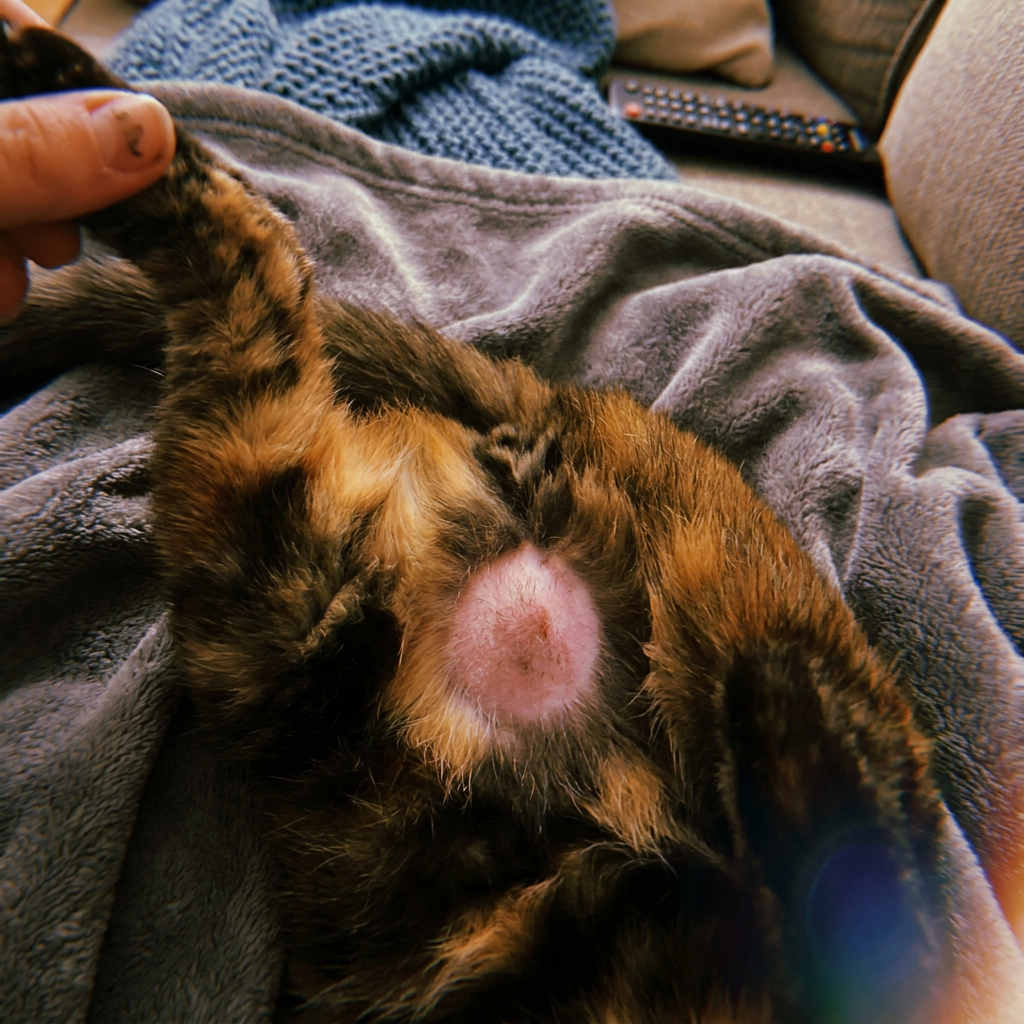
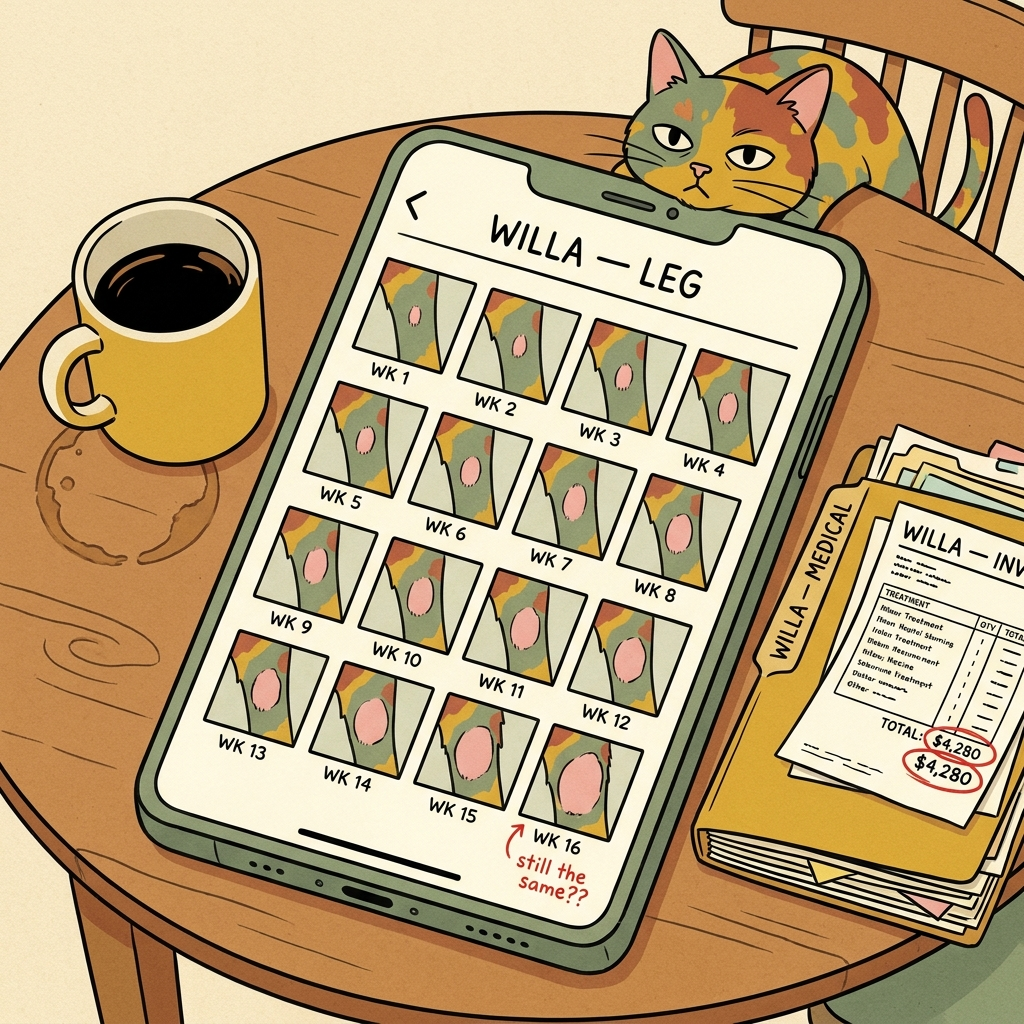
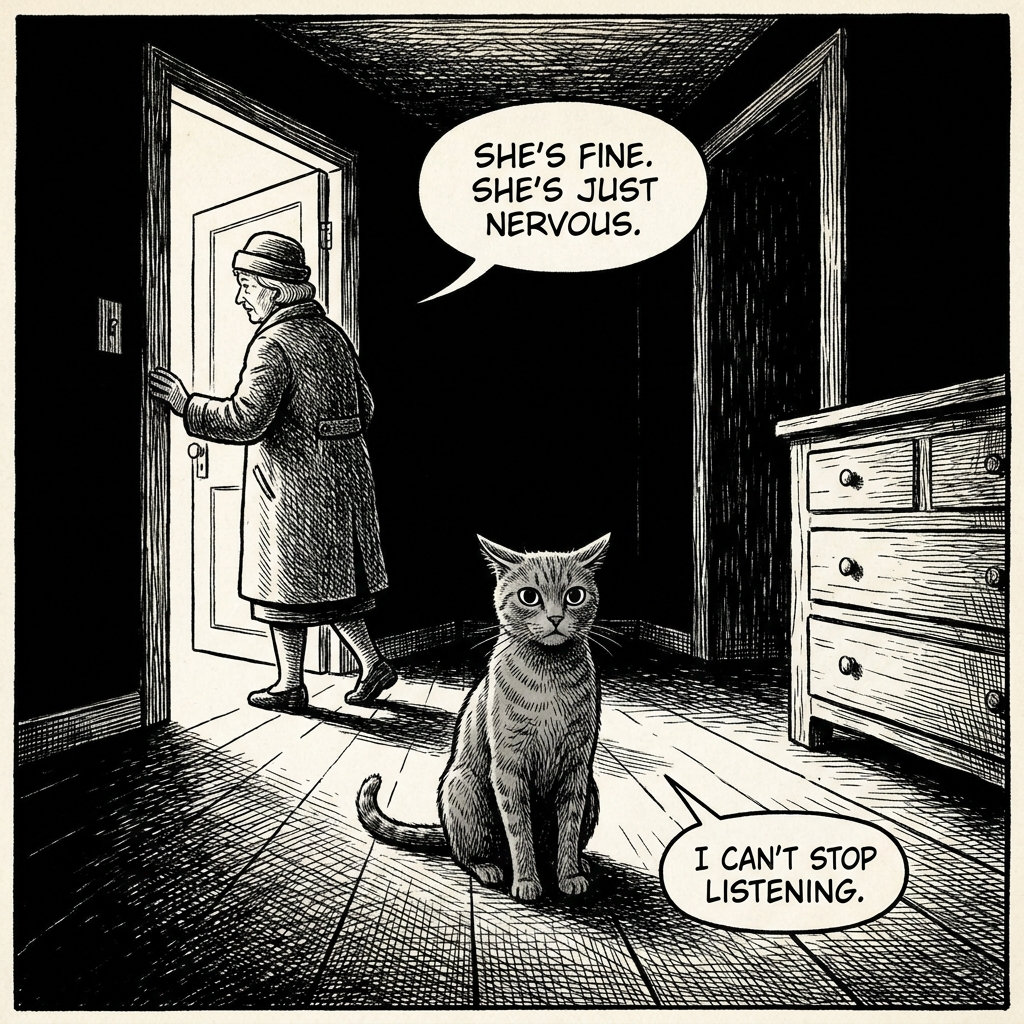
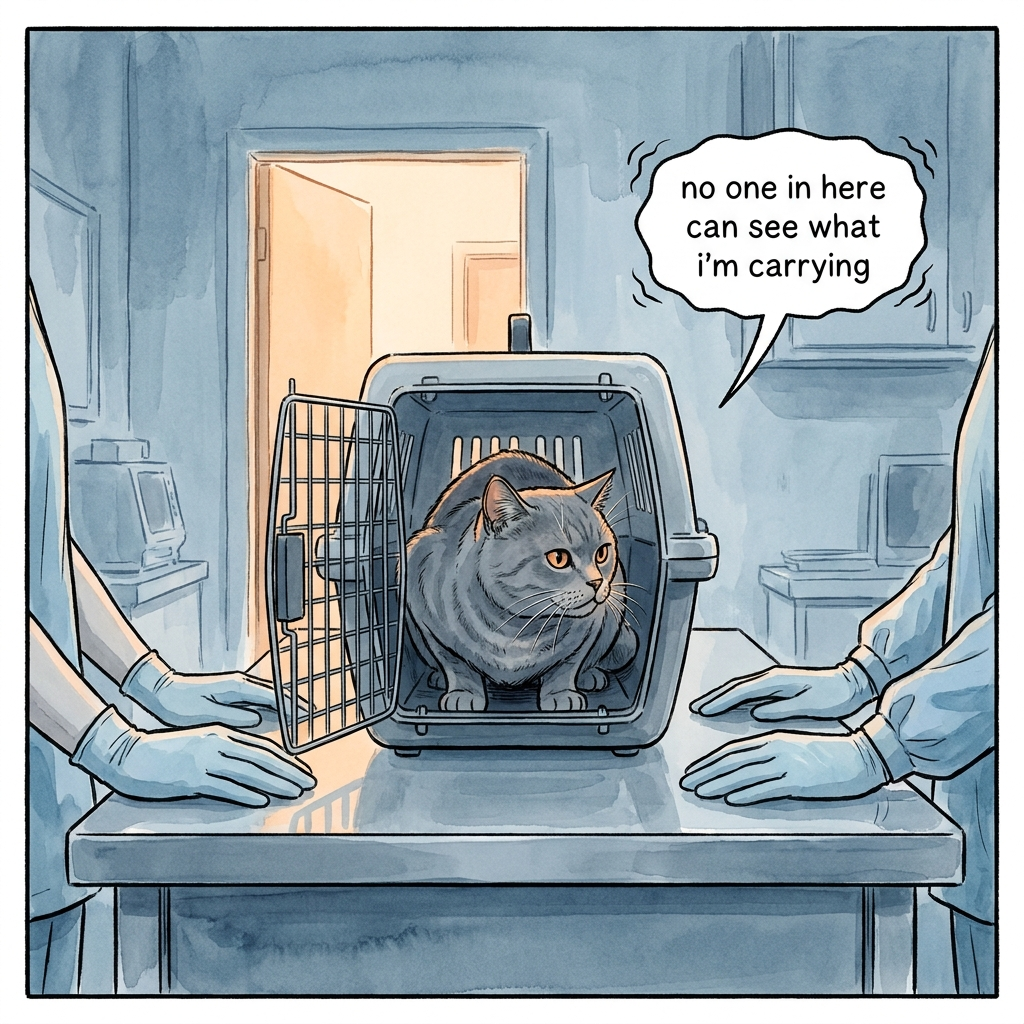
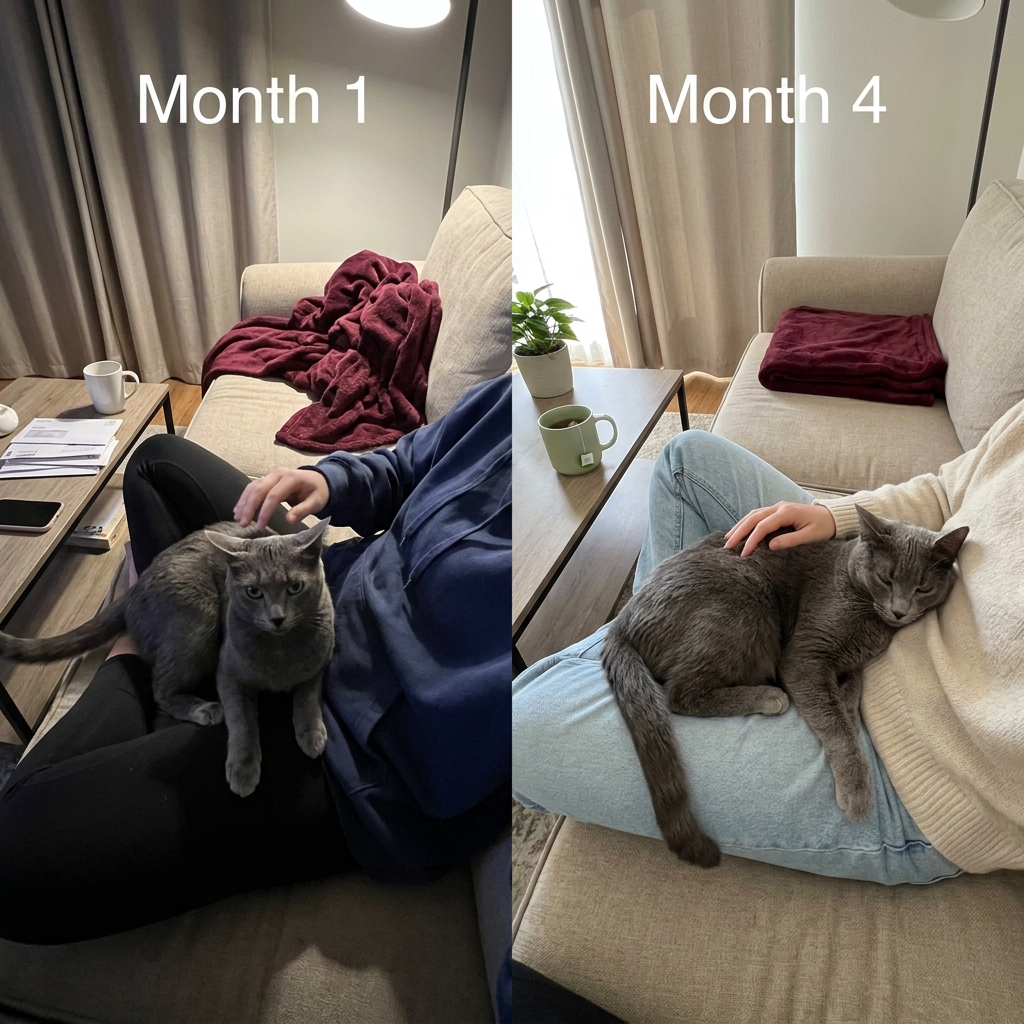
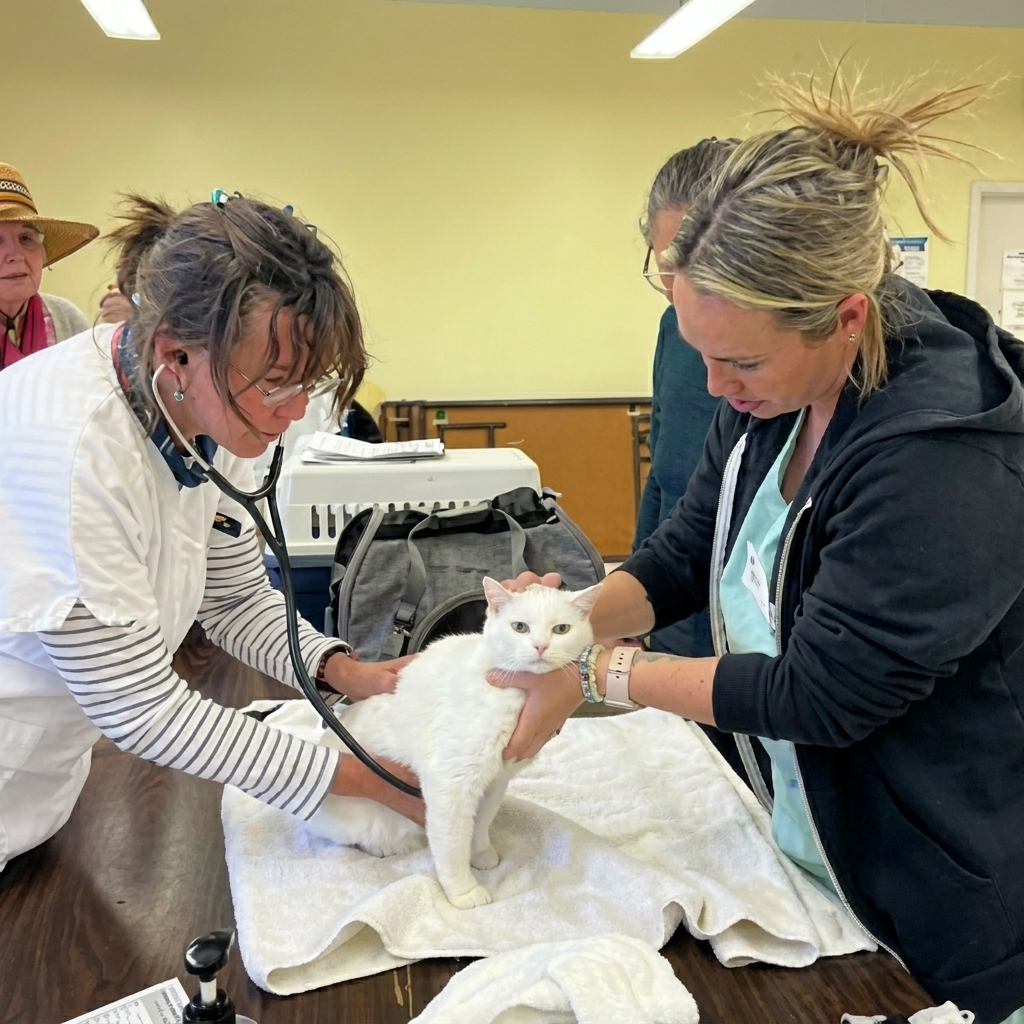
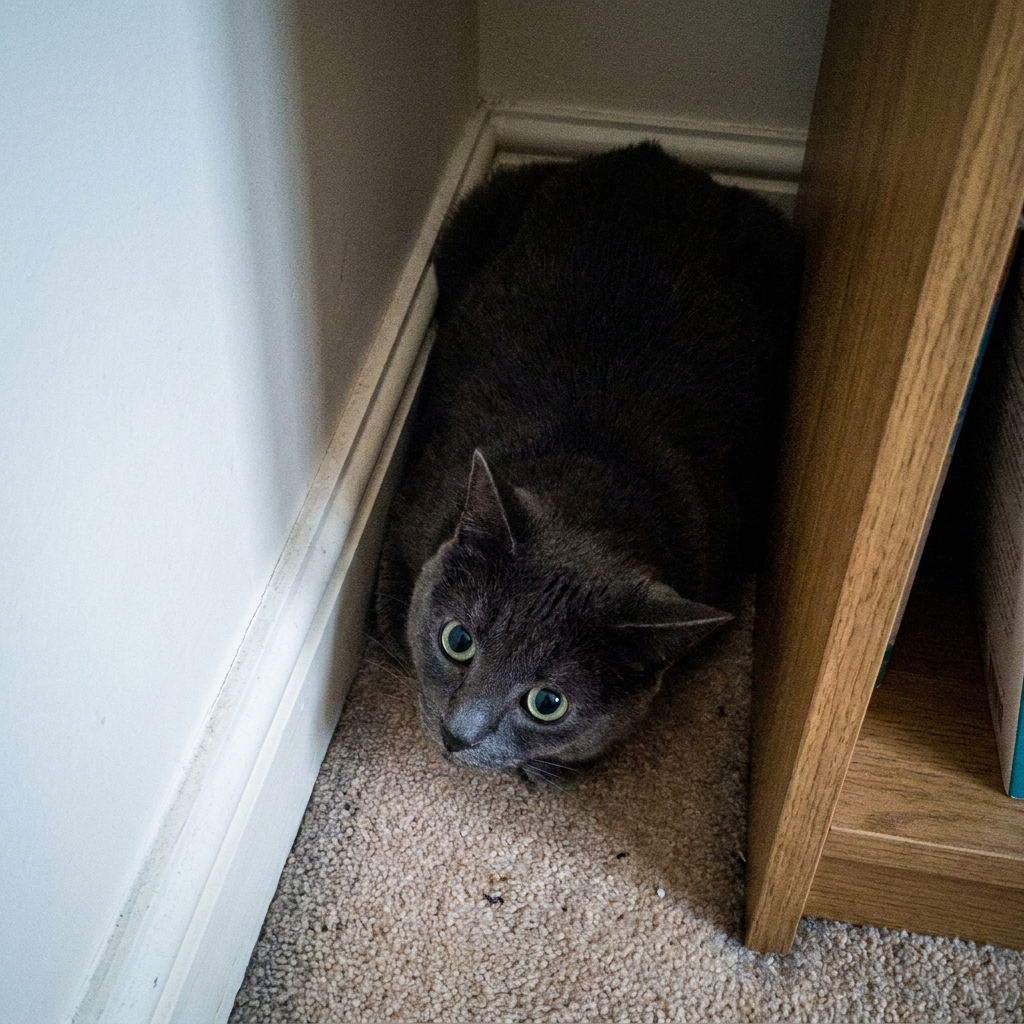
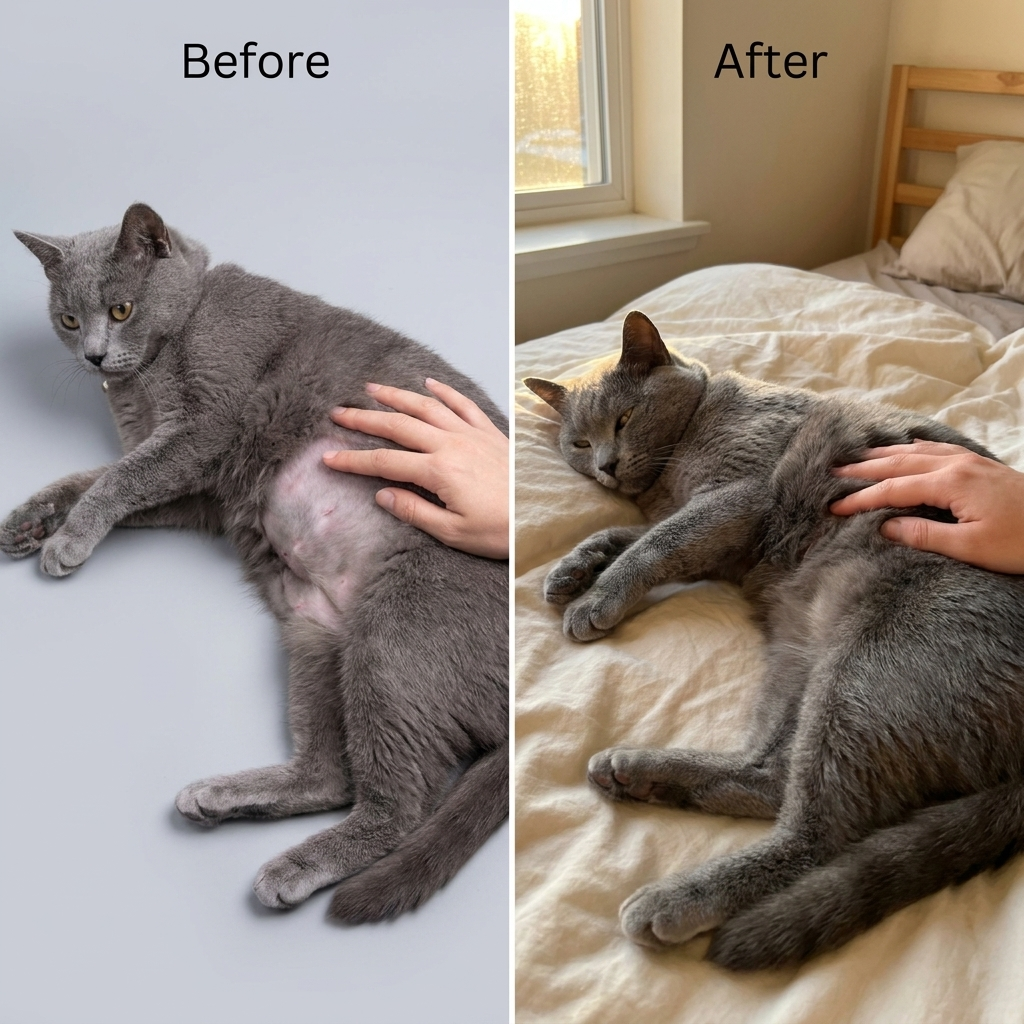
I am going to say something that every indoor cat owner who thinks they've failed their cat needs to hear. Your cat is not mean. She is not spiteful. She is not broken. She is exhausted. In a room you built for her out of love. And I know this because I spent twelve years telling people their cats were "just anxious." Then it happened in my own house, to my own cat, and I could not fix it either. What I found when I finally looked properly still bothers me. Read every word of this. Before you decide this is who she is now. My name is Dr. Demitro. I have been a small-animal veterinarian for twenty-two years. Northern Colorado. In that time I have seen more cats than I could count. I have three of my own. The oldest is fifteen. I know what a stressed cat looks like. I have held thousands of them. I thought I knew why they were stressed. I was wrong. I want to tell you about Juniper. Juniper is my grey shorthair. She was nine when it started — the kind of cat who slept on my chest every night from the day I brought her home. Not near me. On me, waiting for me to stop moving before she stepped up. Four years ago, she started coming apart. Not dramatically. Not overnight. Just — less of her, every month. I put my hand on her belly one morning and felt something I hadn't felt before. Skin. A stripe of it, the width of two fingers, where fur should have been. She'd been licking it off herself while I slept. I ran every test I would have run on any patient. Full bloodwork. Thyroid panel. Kidney values. Urinalysis. Blood pressure, twice. I was convinced it was hyperthyroidism, or early kidney disease, or pain — which is what most vets look for when a middle-aged cat starts behaving like a different animal. Everything came back normal. "She's just an anxious cat," I told myself. I said that to cat owners every single week. I believed it. But Juniper wasn't panicking. That's what I couldn't square. There was no thunderstorm. No move. No new cat. No trigger I could name and remove — and I looked hard, because finding one would have meant there was something to fix. She was just on. All the time. Ears rotating at nothing. Pupils wide in a quiet room at two in the afternoon. Flinching at the kettle she'd heard every day for nine years. I changed her environment. Cat tree in the best window. Third litter box. Food bowls moved apart. The hallway closed off at night. She kept declining. I tried the diffusers. Two, then three. She kept declining. I tried the calming chews. Three brands over about eight months. She wouldn't eat one — wouldn't approach the bowl. I started a notebook. Where she slept, whether she ate, what time the yowling started, how many nights that week. I was a veterinarian with two decades of experience and my own cat was disappearing in my house and I did not know why. I called a colleague. A feline behaviour specialist I'd known for twenty years. She examined Juniper. Read my notes, which was mortifying. "Her workup's clean. There's no medical cause here." She paused. "Some cats are just like this. You could look at medication." I drove home and sat in my kitchen for a long time. Juniper was under the bed. I could hear her breathing. I did not fill the prescription. Not on principle — I've prescribed it and I'd do it again. I looked at the paper and thought: she's nine. It took me two more years to understand what I was actually looking at. And when it came, it came at half three in the morning, and it was an accident. I got up to get water. I didn't turn a light on. And the house was not dark. The router. The standby light on the television. The clock on the oven. The charger on the counter. Streetlight through a gap in the blind, laid across the hallway floor in a stripe. Somewhere under the floor, the heating clicked and started. The fridge cycled on. And Juniper was standing in the middle of that hallway, pupils blown wide open, ears rotating, looking at nothing at all. I stood there in my own kitchen at 4am and I could not move. Because I understood, in that moment, exactly what had been happening. I was standing in the quietest, darkest, most peaceful moment my house ever has. And it was not quiet and it was not dark. Not to her. The bald stripe. The 3am. The flinching at nothing. Those were not signs of an anxious personality. They were signs of an animal whose sensory system was still running at full sensitivity, in a room that never stops sending it information. And here is the part that got me. Juniper has a defence against this. Every cat does. Her stress system is built to spike and then stand down. Something moves in the grass, everything comes online — heart rate, pupils, vigilance — and then, when nothing happens, it switches off. Spike. Reset. Spike. Reset. Forty times a day, and you never see any of it, because the resets are invisible. The reset is the part that matters. It isn't a break from the system. It is the system. But the reset only works if the input stops. In a house, it doesn't stop. Here's what I should have understood in my first year of practice. It was hidden in plain sight for twenty-two years. A cat's hearing runs to roughly 64 kHz — around an octave and a half above ours. She is built to detect a rodent moving under leaf litter at ten metres. That is not a metaphor. That is the specification. Which means she does not hear your home the way you do. The fridge compressor. The router. The dimmer switch. The pipes expanding behind the plaster. The wifi extender. The neighbour's television through the wall. The tap dripping two rooms away. You have learned to filter all of it. Your brain wrote it off as background years ago. Hers hasn't, because filtering is exactly the function that a chronically loaded stress system stops performing well. Every one of those sounds is a small something moved. Every one asks for a spike. Not one of them ever resolves into anything, so the reset never gets its confirmation. And her light is worse. Outdoors, dusk takes forty minutes. Light falls gradually, and that falling slope is the signal that drives melatonin and tells the brain to stand down. Your house has no dusk. It has overhead light until eleven, then a jolt to black, then eight hours of standby LEDs and streetlight, then a jolt back on at seven. Her light day has no slope. It has switches. Do that for a few years and the rhythm flattens out. No clear peak. So no clear night. So no clear instruction to stand down. The signal that would tell her the day is over never arrives. And here's the part that made me want to phone every client I have ever seen. Everything I recommended for years made her world smaller, not calmer. Close off the hallway. Keep it quiet. Don't have people over. Reduce the triggers. Every one of those is reasonable on its own. I'd say most of them again. But stack them for four years and you have shrunk her world down to the few square metres where nothing ever happens — and a nervous system that never gets a small, survivable jolt never gets any practice coming back down either. I kept the house bright until eleven, because I was up. I left the hall light on when we travelled, because I thought a dark house would frighten her. I put a night light in, out of kindness. I flattened her light day, by degrees, for years, because I wanted her to be comfortable. That is not carelessness. That is just what living indoors with a person looks like. Now I need to address something directly, because I know what you're thinking. You're thinking: my vet ran everything and said it's stress. I thought the same thing. Every test came back clean. Mine was right, too. But here's what I learned the hard way. There is no test for this. Nothing on a standard panel measures how long a cat's stress response has been running, or whether it can still stand down. There is no line item. You cannot draw blood and find out that a cat has been braced for fourteen months. That's the honest reason nobody has a number for how common this is — and you'll see people online quote you one anyway. Don't trust them. It hasn't been measured, because there's nothing to measure it with, and anyone handing you a percentage made it up. So the panel comes back clean, which is genuinely good news that does not feel like good news, and you are handed environmental advice you have already exhausted, or a prescription. And you conclude what I concluded. That she is just like this. After that night, I spent two years working on the formulation problem. Not because I wanted to make a product. Because I wanted to answer the question, and answering it eventually required making one. I looked at everything on the shelf first. Most of it fails for the same reason. Read the back of any calming product in that aisle. It will tell you when to give it. Before travel. Before the storm. Before the vet. Fireworks. Moving house. A new baby. Every one of those has a start and a finish. Your house doesn't. Your fridge cycles three hundred and sixty-five days a year. You cannot fix a permanent environment with something formulated for a temporary event. It is the wrong shape of thing, given with enormous sincerity, over and over. And the second failure is arithmetic. A cat who has been loaded this long is not out in one place. She is scanning a room where nothing is happening — that's one. Her day-night rhythm has been flattened by years of indoor light — that's two. Her stress load has been climbing for a year or more — that's three. And she physically cannot settle. Cannot lie down and stay down — that's four. Four things, holding each other up. Kick one leg and the structure stands, which is exactly why single-ingredient products give you a fraction of a result and a lot of disappointment. So: four ingredients. One for each. L-theanine. The green tea molecule. Takes the edge off hypervigilance without sedating. The scanning leg — a pipe ticking stops registering as something she has to answer. Valerian root. The same root humans have used for sleep for a thousand years. Supports the transition from alert into actual rest. The settling leg. Ashwagandha. KSM-66 extract, the form with the most published research behind it. Works on the underlying stress load. This is the slow one — it took a year to climb and it does not come down in a fortnight. Melatonin. Low, daily, not as a sedative. Gives back the falling-light signal her house stopped providing. Gentle doses, every day, rather than before a trigger. You are not putting out a fire. You are bringing a level down. I'll be straight about what I can't tell you, because you should expect that from anyone selling you something for your animal. Most of the mechanistic work on these compounds comes from human and rodent research. It's solid science, but the feline-specific literature is thinner than I'd like and thinnest of all for ashwagandha. That is why the doses sit well below any threshold associated with reported adverse effects in companion animals, and why the full dosing rationale ships in the booklet with every bottle. Email us and we'll send the formulation document to your vet's office directly. And it is drops, not a chew. That is not a packaging decision. Juniper wouldn't eat a chew — wouldn't approach one — and a great many cats won't. A formula she refuses is a formula at zero dose regardless of what is in it. The drops go into the food she already eats, wet or dry, suspended in MCT oil from coconut that is nearly odourless to a cat. She tastes her dinner. Not the drops. What I watched over the following weeks changed what I say in an exam room. It is not a miracle and I am not going to describe it as one. The first sign is always sleep. Deeper, longer, less waking. It usually shows inside the first week. With Juniper it was the fourth night, and it arrived as an absence — I woke at seven and spent a moment working out what was different, and it was that nothing had woken me at three. Then the behaviour thins before it stops. Four times a week becomes one. Don't wait for a clean zero to decide it's working. Then she comes back into the room. Out during dinner. Present. That is the one people email us about. The fur is last. Six to twelve weeks, stubble before you can see it, rough under your thumb where it had been smooth. If you judge this by the bald patch you will conclude at week three that nothing is happening, while quite a lot is happening. Full effect on the underlying load lands around week four. That is how long the ashwagandha needs. Anyone promising you faster does not understand what is being moved. In a survey of 1,283 verified customers after 30 days of daily use: 89% showed less stress behaviour by week four. 82% reported their cat sleeping through the night by week three. 94% stopped considering a prescription. I see the posts every week. "She's got a bald patch on her belly. Vet ruled out everything. Says it's stress. She has a perfectly nice life, I don't understand it." "3am every single night. Panel came back clean. Vet says some cats are just vocal." "She hides all day. We've had her four years. Nothing has changed in this house." "I keep thinking it must be me. Like she'd be happier with someone else." You did not fail her. You tried everything the category told you to try. The cat tree. The extra litter boxes. The diffusers. The chews she wouldn't eat. The vet visits. The bloodwork. All of it. And the thing that is actually loading her is the room itself — a room you chose because it is safe, and warm, and has a window she likes. You didn't put her somewhere bad. You put her somewhere her equipment doesn't switch off. Those are not the same thing and nobody has ever told you the difference. One dropper. Into whatever food she already eats. Once or twice a day. That is it. That is the entire addition to her routine. Nothing else moves. You do not have to rearrange the house again. Give it 90 days. Watch the sleep first — that changes before anything else does. When she stops waking at three and starts staying down, that is the moment you know the load is coming off. I am not promising you a different cat. I am promising you a real chance at the one you had. Give it that before you decide this is who she is. $34.95. Less than one panel. Less than the two things currently sitting in the cupboard above your fridge. Not Amazon. Not Chewy. We don't license third-party sellers, so anything on those platforms claiming to be Kitly wasn't formulated by me and wasn't tested in our facility, and I can't tell you what's inside it. EDIT: Several people have asked whether this is safe alongside something their cat is already on. I want to answer that directly. Talk to your vet first. That is not a brush-off. It is the correct answer and I would give it in an exam room, to your face. Valerian and melatonin can interact with sedative and psychiatric medications. That is a real consideration, not a legal disclaimer. If she is on a prescription you are hoping to taper, your vet can sequence that safely, and plenty of our customers have done exactly that under supervision. Nobody should be doing it alone in their kitchen. Same answer for diagnosed liver or kidney conditions. Same for pregnancy. Not for kittens under twelve weeks — that is not the problem they have. And keep doing the panel. The clean result is what tells you it is this and not hyperthyroidism, hypertension, pain, or cognitive decline, all of which produce these signs and none of which this addresses. If anyone tells you to skip the workup, including me, stop listening to them. P.S. I want to come back to the night light for a moment. I put one in the hallway for her. Because I thought a dark house would frighten her. I want you to really sit with that. I was a veterinarian. I had known since school that light drives circadian rhythm. I have said the word photoperiod out loud in a professional context more than once. And I put a small permanent light source into the one part of her day that was supposed to be dark, and I did it because I loved her, and I left it there for two years. Not because I was careless. Because it looked like kindness, and I had no reason to question it. That is how this works. Every single thing that flattened her day was something a reasonable person does. Overhead lights on in the evening. The television on standby. A router that stays on. A phone charging on the counter. Blinds that don't quite meet. None of it is a mistake. All of it together is a day with no dusk in it. And while you believe you're making her comfortable, the load continues. Go and stand in your hallway tonight with the lights off. Count what you can see. I counted nine. P.P.S. Juniper did four years. I want you to sit with that. Four years. I kept a notebook. I logged the nights. I watched the column go one direction and I could not stop it. I tried the cat tree. The extra litter boxes. The diffusers. The chews. The specialist. And I kept telling myself what I had told owners for twelve years. She's just an anxious cat. I was a veterinarian. I had twenty-two years of practice and more access to this information than almost anyone reading this will ever have. And I did not know. Not because I was negligent. Not because I didn't love her enough. Not because I didn't try. I did not know because there is no test for it. Because it does not appear on any panel, at any price, in any lab. And because the thing loading her was the room she lived in, and I had been trained to look for a disease. I found out late for Juniper. Four years late. But your cat is still here. She is still in the house. Still in whatever spot she's picked. Still making the sound she makes when she hears your voice, even if she makes it from under something now. You have not run out of anything. This is not a countdown and I am not going to pretend it is. I am not asking you to believe everything I have written here on faith. I am asking you to try one thing. One dropper into her food, once a day, for ninety days. Watch the sleep first. That changes before anything else. When she stops waking at three, you will know. P.P.P.S. One thing I should say plainly, because it would bother me if I didn't. I formulated this. I am not a retired third party who stumbled across it and I am not going to arrange the story so it sounds that way. I have an interest in you buying it. If that makes you take everything above with a grain of salt, that is fair, and I would rather you knew than found out. What I would point at instead is the guarantee. Ninety days. No returning the bottle, no form, nothing to prove. If I am wrong about your cat, it costs you one email. I am writing this because I spent four years in a house I had made as kind as I knew how to make it, watching an animal come apart in it, and calling that her personality. And because I said the same wrong sentence to other people's cat parents for twelve years before that. Kindly. In an exam room. While they nodded and carried her back out to the car. I think about that more than the four years. She sleeps on the bed now. Not on my chest — she's older, she gets warm. The end of the bed, all night, most nights. One dropper. Her food. Once a day. Your cat is still here. That is everything. — Dr. Demitro, DVM
Like this ad? Make it yours.
Crush rebuilds this exact creative around your product — your brand, your colors, your offer — in about a minute.