
Inactive· since Feb 10, 2026
- 53
- days it ran
- 0
- relaunches
Ad copy
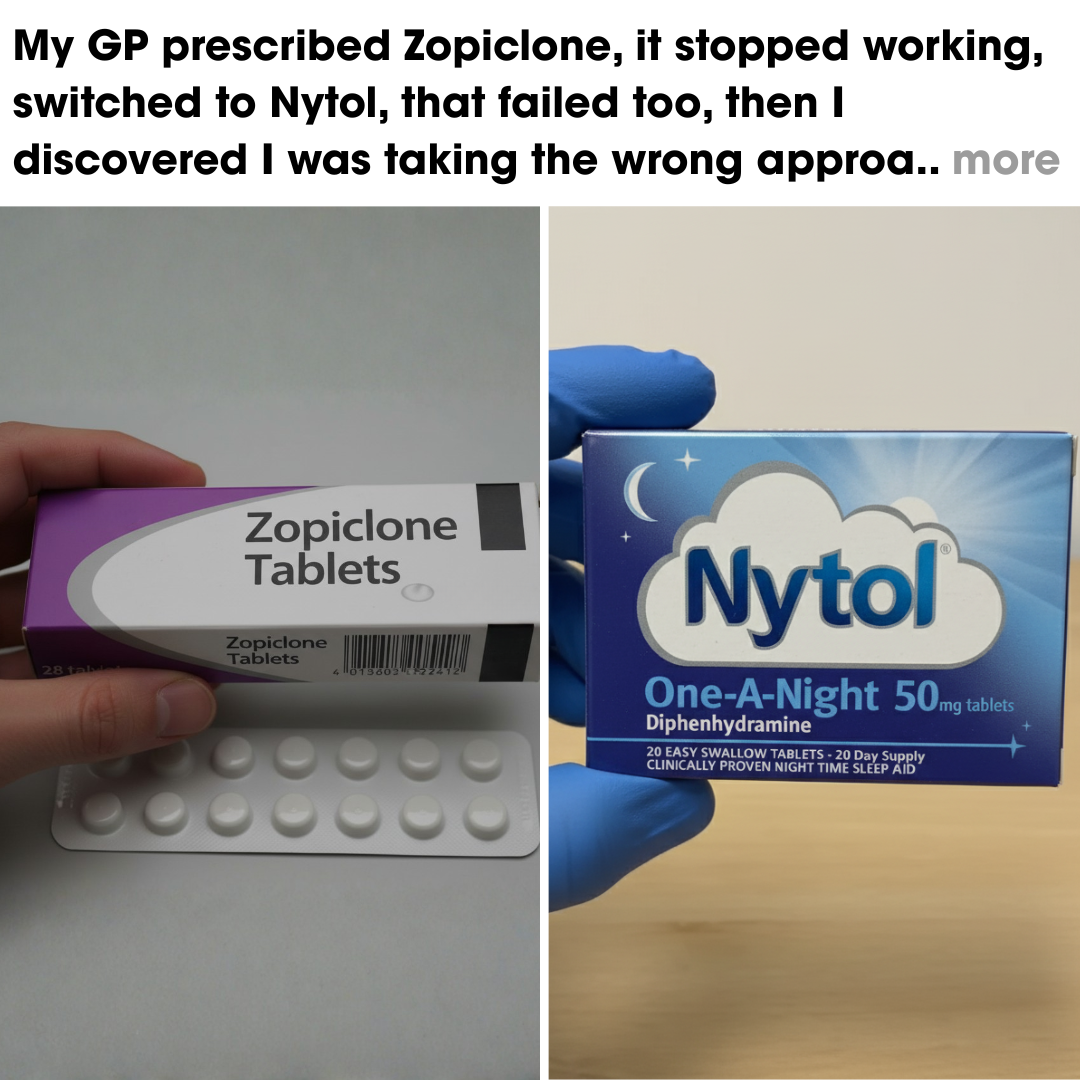
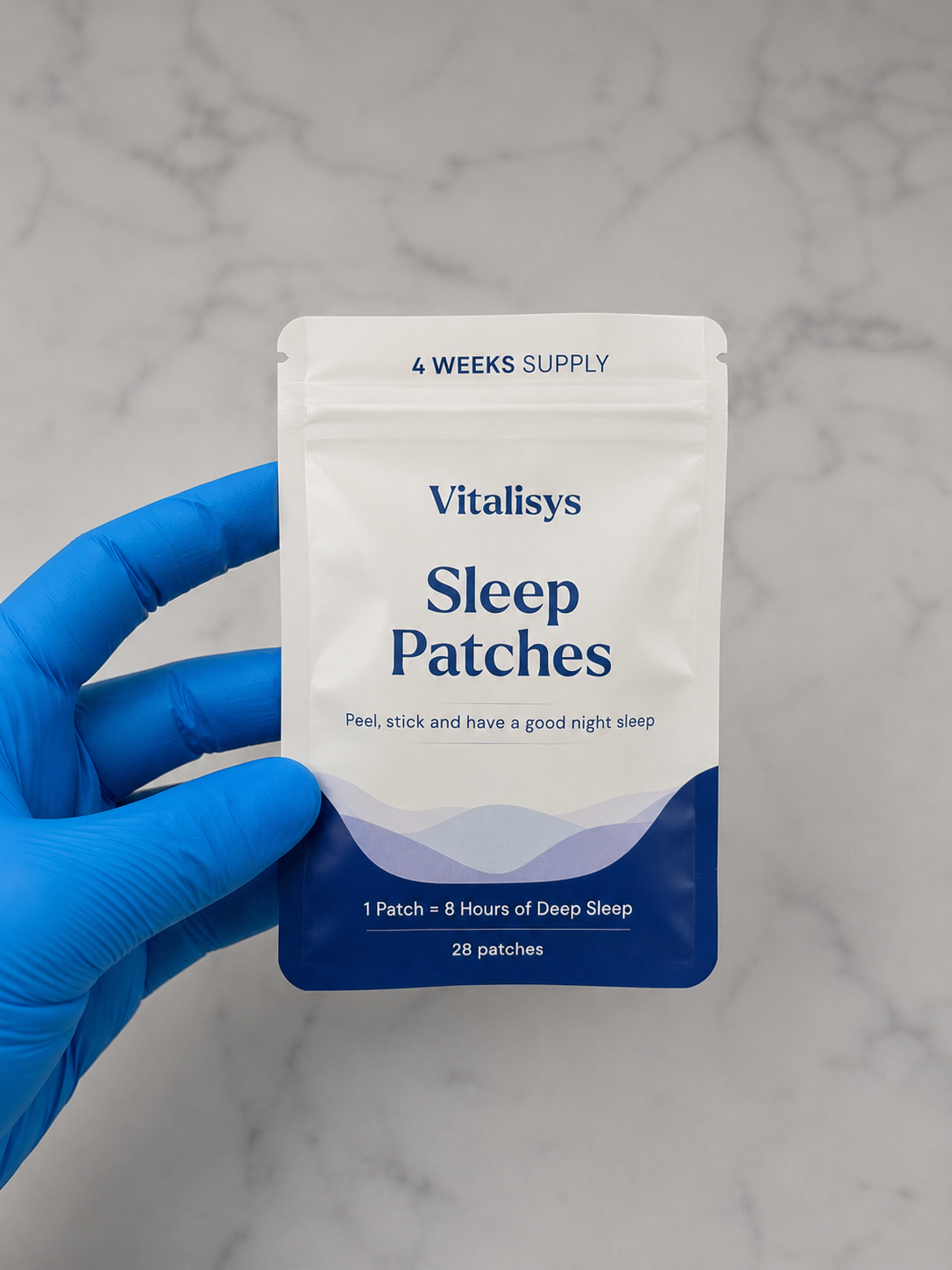
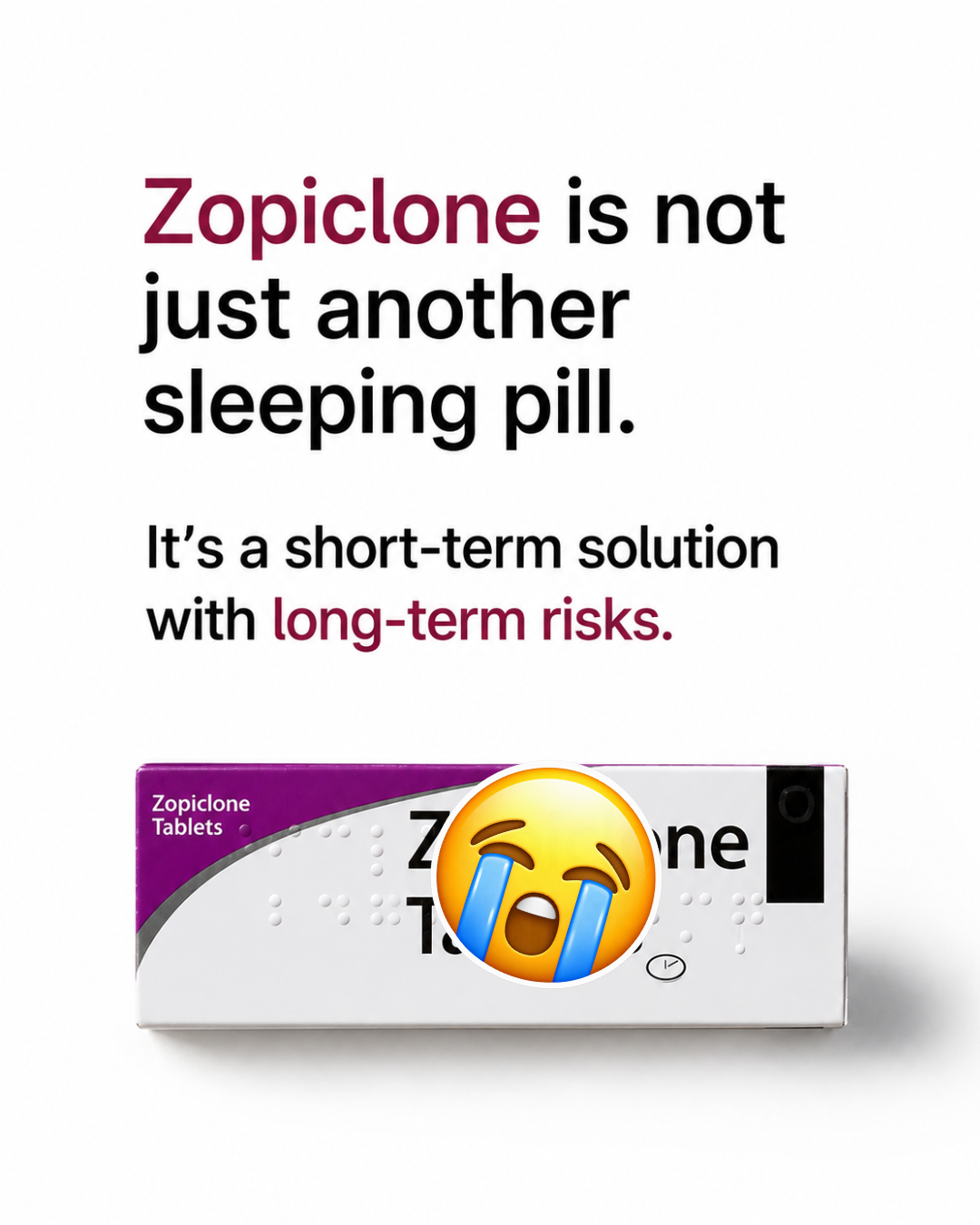
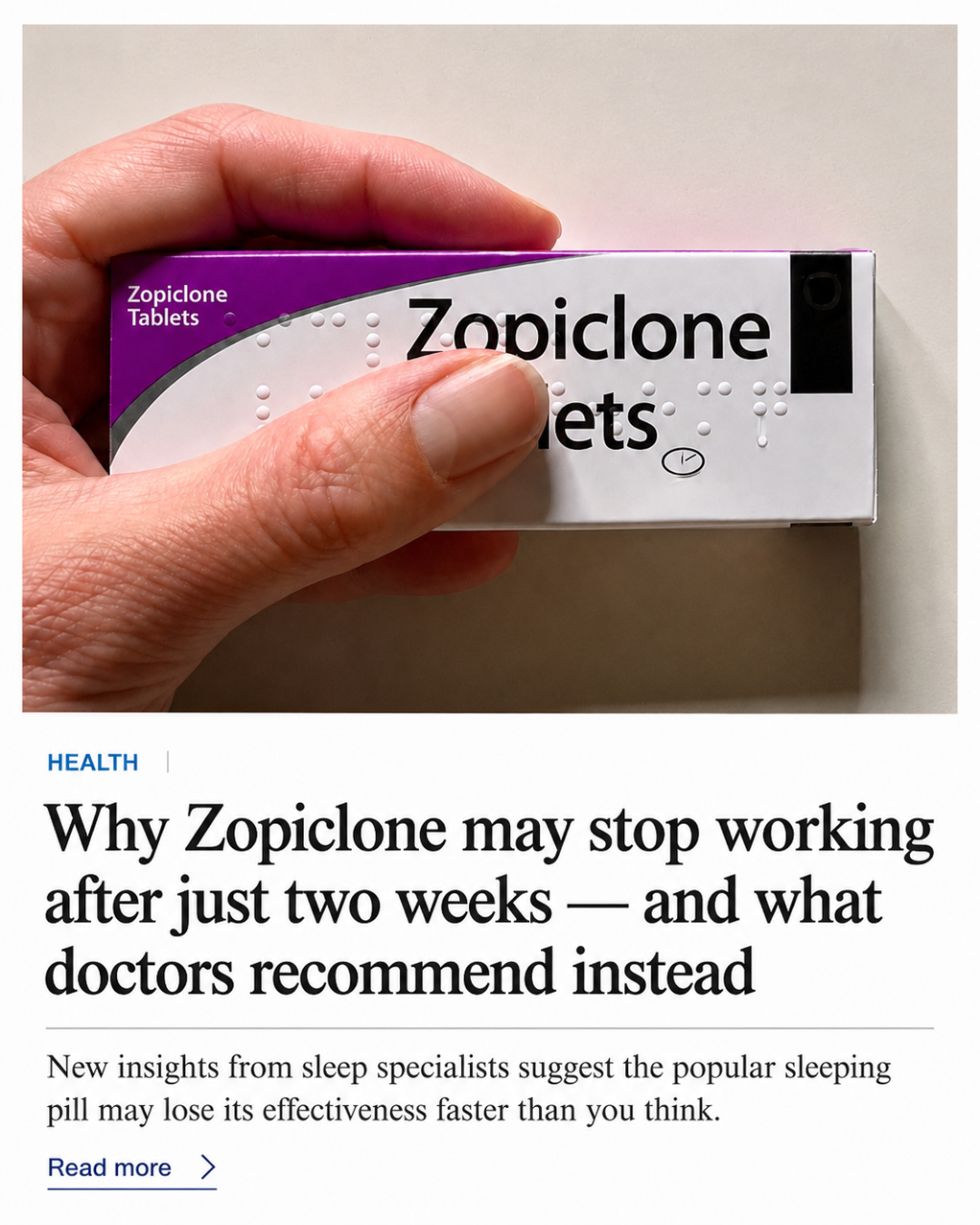
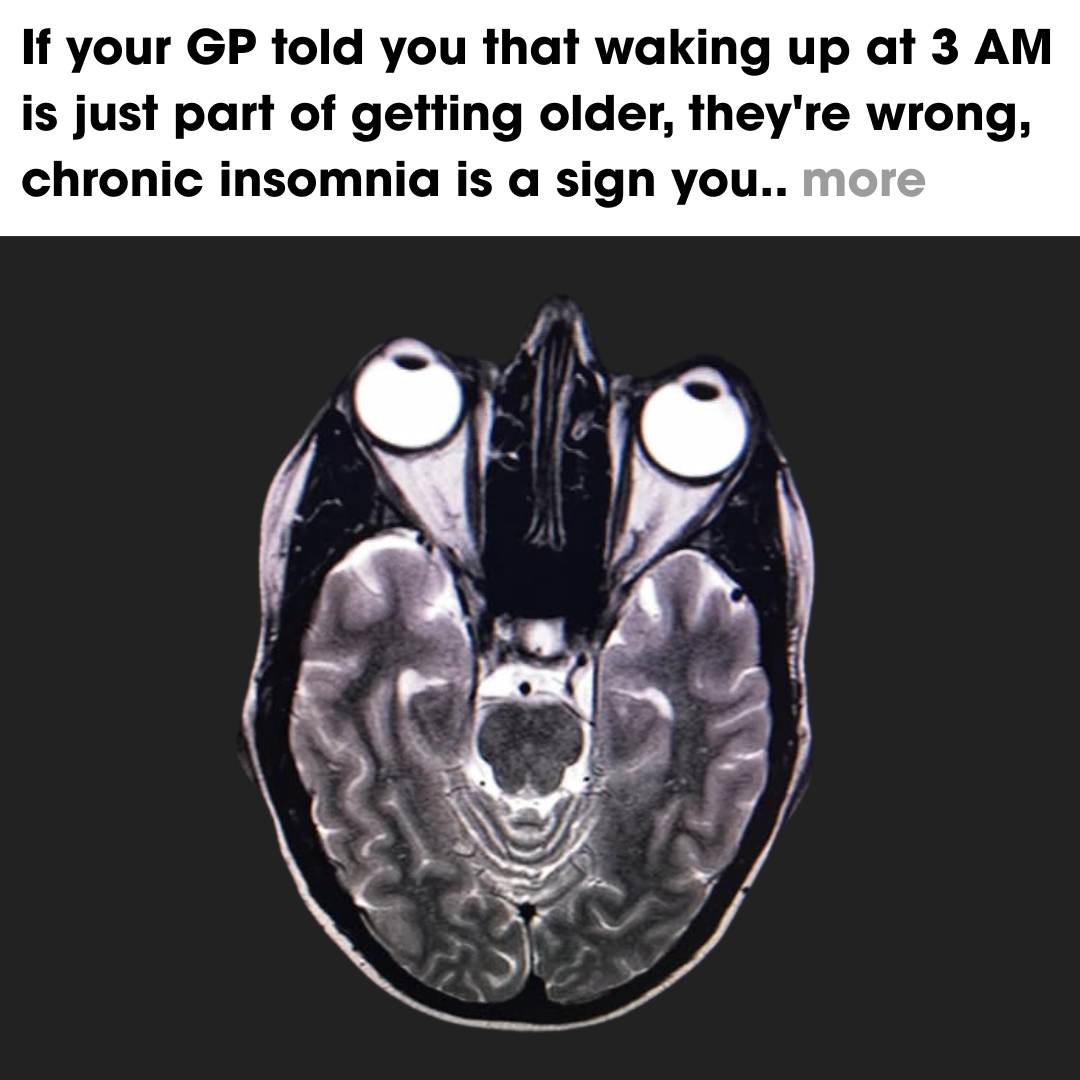
Sarah sat across from me in my office, exhausted and desperate. "Please, Dr. Harris," she said. "I just need something to help me sleep. I've tried everything else. I can't do this anymore.” I looked at her chart. Three years of chronic insomnia. Waking at 2 AM every night. Tried melatonin, magnesium, every supplement. Nothing worked for more than a few days. I could have written her a prescription for Zopiclone right then. Three clicks. She'd have left grateful. Except I wouldn't have helped her. I'd have started her down a path I've seen hundreds of times. A path that leads to dependency, tolerance, and sitting in this same office three years from now even more desperate. So I said something most GPs don't say. "I'm not going to prescribe sleeping pills.” I'm Dr. James Harris. I've been a sleep specialist for 17 years, and I've seen what happens when doctors prescribe sleeping pills without having this conversation first. Sarah looked at me like I'd refused her a life raft while she was drowning. "But I need help," she said. "I know," I said. "And I'm going to help you. But not with pills. Because pills can't actually fix your problem, and I need you to understand why.” I pulled up a diagram on my computer screen and turned it towards Sarah. "When you swallow a sleeping pill like Zopiclone or Daridorexant, even melatonin—it has to go through your digestive system before it reaches your brain.” "Your liver's job is to filter everything that comes through digestion. This is called first-pass metabolism.” I showed her the numbers. "When you take a 10mg melatonin pill, your liver destroys approximately 70 to 80 percent of it before it reaches your brain. Only 2 to 3mg actually makes it through.” Sarah stared at the screen. "That tiny amount creates a 'spike and crash' pattern. You feel drowsy for the first hour or two. Then your body metabolizes it rapidly. By hour three—around 2 or 3 AM—it's completely gone from your system.” "That's why you wake up at 2 AM," I explained. "Not because you took the wrong dose. Because the medication has been metabolized. Your brain has no more support.” "So what if I take a higher dose?” "Your liver will still destroy 70 to 80 percent. You'll get a slightly higher spike, but it will still crash by hour three. And now you're taking higher doses your body is building tolerance to.” "Pills cannot provide eight hours of continuous sleep," I said. "It's not about dosage. It's about delivery method. Oral medications are biologically incapable of giving you a full night's rest because your liver processes them too quickly.” "Why didn't anyone tell me this before?” It's a good question. And the answer isn't comfortable. "Because pharmaceutical companies make billions of pounds selling sleeping pills," I said. "They fund medical education. They sponsor conferences. They send sales representatives with free samples and studies showing their drugs work.” "What they don't tell doctors is that pills stop working after a few weeks because your body builds tolerance. That patients end up dependent. That the delivery method itself is fundamentally flawed.” "There's no profit in explaining that oral delivery doesn't work. There's no pharmaceutical rep teaching doctors about alternatives that can't be patented.” Sarah looked angry. Not at me—at the realization. "Most doctors are following what they were taught," I said. "They genuinely believe they're helping. It's standard practice.” "But it's a cycle that never ends well.” I see this pattern constantly. Month one: Patient desperate. I prescribe Zopiclone. They're grateful. They sleep better initially. Month two: "It's not working as well.” Month four: We increase the dose. Month six: We try different medication. Mirtazapine. Something else. Year two: Patient is dependent on medication that barely works. They're back in my office, more exhausted than when they started. Often worse, because now they have rebound insomnia if they try to stop. I refuse to start that cycle anymore. "So what am I supposed to do?" Sarah asked. "Just accept I'll never sleep?” "No," I said. "You fix the actual problem instead of masking it.” Chronic insomnia isn't usually about not being tired enough. It's about a dysregulated nervous system. "Your nervous system is stuck in alert mode," I told her. "Even when you're exhausted, your body is running on high alert. It won't let you properly rest.” "Sleeping pills try to override this by sedating you. Forcing you unconscious. But they're not calming your nervous system. So when the medication wears off in two or three hours, your nervous system kicks back into alert mode and you wake up.” "That's why pills don't work long-term. They're addressing the wrong problem.” What you need is something that actually calms your nervous system. Not sedation—regulation. "There's a delivery method that bypasses your liver entirely," I told her. "Transdermal delivery—through your skin. When ingredients absorb through your skin, they go directly into your bloodstream. Nothing passes through your digestive system. Nothing gets destroyed by your liver.” "You receive 100 percent of the active ingredients. And because they release gradually over eight hours instead of spiking all at once, you get steady support throughout the entire night.” This is how nicotine patches work. How hormone replacement patches work. And it's how properly formulated sleep patches work. I've been recommending Vitalisys Sleep Patches to my patients for the past two years. These are the only patches I've found that are properly formulated for transdermal delivery with ingredients that specifically target nervous system regulation rather than just sedation. Natural botanicals—lavender, hops, jasmine, cedarwood—released gradually over eight hours. Designed to calm your nervous system so your body can achieve deep, natural sleep. Not forcing unconsciousness like pills do. Actually addressing why you can't sleep. The results have been remarkable. Patients who failed on every sleeping pill are sleeping seven to eight hours consistently with these patches. Not sedated—actually sleeping. Actually rested when they wake up. More importantly, they're not building tolerance. They're not dependent. They're not trapped in a cycle of increasing doses. They're sleeping naturally because their nervous systems are finally calm enough to allow it. Sarah was skeptical when I first explained this. After three years of failed solutions, I understood her doubt. But she was also exhausted. And she trusted that I wouldn't refuse medication unless I had a genuine reason. She ordered the patches that day. Six weeks later, she came back. "I'm sleeping through the night," she told me. "Not every night—maybe five or six nights a week. But that's more than I've slept in three years.” She looked different. Rested. Alert. "Thank you for not giving me the pills," she said. This is why I refuse to prescribe sleeping pills without having this conversation first. Not because I don't care about my patients' suffering. But because I know what happens when I prescribe medication that's biologically incapable of solving their problem. They get temporary relief. Then tolerance. Then dependency. Then they're back more desperate than before, having wasted months or years on a solution that was never going to work long-term. I refuse to start that cycle. If your GP prescribed you sleeping pills without explaining why they'll eventually stop working, without telling you about first-pass metabolism, without discussing alternatives—they're not being malicious. They're following standard medical practice. But standard practice is based on pharmaceutical company education and profit motives, not on what actually works long-term for patients. If you're currently taking sleeping pills and they've stopped working as well as they used to, now you understand why. Your liver is destroying them within two to three hours. They were never capable of giving you eight hours of continuous sleep. And if you're considering asking your doctor for sleeping pills because you're desperate—I understand that desperation. But I'm asking you to have this conversation first. Ask your doctor: "How does first-pass metabolism affect the medication you're prescribing? How long will it actually provide sleep support? What happens when my body builds tolerance?” If they can't answer those questions, or if they dismiss them, you deserve a doctor who will have an honest conversation about what pills can and cannot do. You deserve a solution that actually works. Not one that traps you in a cycle of dependency while your sleep problems continue. There is a better way. One that addresses why you can't sleep instead of just forcing sedation for a few hours. Your nervous system needs regulation, not override. Your body needs support that lasts eight hours, not two. And you deserve a doctor who will tell you that—even if it means refusing to write the prescription you came in asking for.
Here's how you can get your 1st full night's sleep in years
Struggling to sleep? Discover Vitalisys: natural sleep aids and patches designed to fight insomnia and help you wake up refreshed every morning.
LEARN MORELike this ad? Make it yours.
Crush rebuilds this exact creative around your product — your brand, your colors, your offer — in about a minute.