
Inactive· since May 16, 2026
- 19
- days it ran
- 0
- relaunches
Ad copy
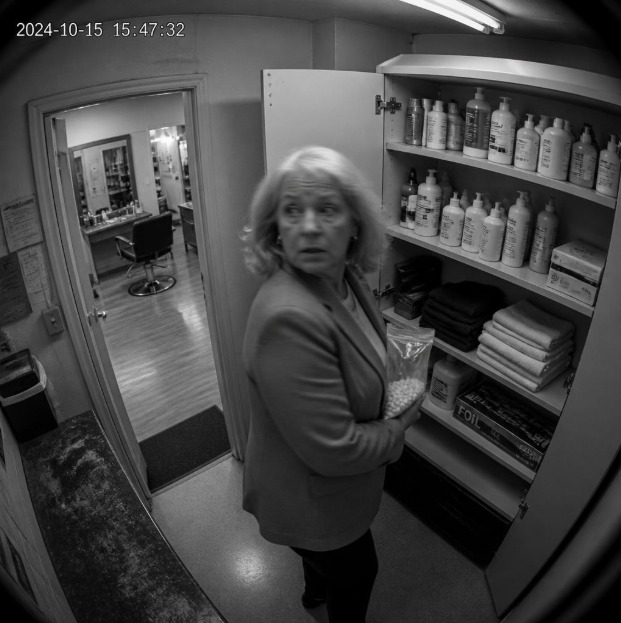
I've been a hairstylist for 22 years. Last Friday, a client sat down in my chair and told me something that made me cry so hard I had to close the salon early. She wasn't sick. She wasn't getting divorced. She wasn't telling me bad news. She was telling me what her husband said to her at the kitchen table three nights ago. And why she'd been stealing from me for six months. Let me start from the beginning because this story isn't what you think. My name is Donna. I've owned a small hair salon for 22 years. Three chairs, one shampoo station, a front desk with a bowl of mints nobody eats and a stack of magazines from last spring. My daughter helps me on Saturdays. The rest of the week it's me and Lisa, who's been renting the chair next to mine for eleven years. It's the kind of salon where nobody calls to book an appointment because everyone already has a standing one. Carol is the first Tuesday of every month. Wendy is every six weeks on a Thursday. Barbara is every fourth Saturday at 10 AM and she's never been late in fourteen years. I once asked her what would happen if she was late and she looked at me like I'd suggested she skip church. I've been doing hair long enough to know that the chair is only half the job. The other half is listening. Women tell their hairstylist things they don't tell their doctor. They don't tell their husband. They don't tell their sister. But they'll sit in my chair with foil in their hair and a cape around their shoulders and tell me things that would break your heart. I know who's thinking about leaving their husband. I know who just got a diagnosis they haven't told their kids about. I know whose son hasn't called in eight months and whose daughter is drinking again. I know these things because for 60 to 90 minutes, once a month, these women sit in a chair and nobody else is listening and their guard comes down and the truth just comes out. I've held more secrets than a priest. And just like a priest, I never repeat them. But about eight months ago, something started happening in my salon that changed the conversations completely. And it started with a glass of water. I keep a glass of water at my station. Always have. You're on your feet for nine hours, you drink water. But about eight months ago, I started dropping a small tablet in my water every morning. Effervescent. It would fizz for a minute, I'd drink it, refill the glass, keep working. The first client who noticed was Carol. Carol is 62. She's been coming to me for nine years. Color and cut, first Tuesday of every month, 9:30 AM. She teaches fourth grade and comes in during her planning period. She always has a story about a kid who said something hilarious. She's one of my favorite people in the world. She was in my chair — I was putting foil in her hair — and she watched me drop a tablet in my water. "What's that?" "Magnesium tablet. Fizzy. Helps with energy." "Can I try one?" I gave her a glass. She drank it, said it tasted like "sparkling nothing," and we went back to talking about the kid in her class who told her she was "old but in a good way." That was it. Normal appointment. Normal conversation. Five weeks later, Carol came back for her next appointment. Sat down in my chair. I clipped the cape around her and she said: "Donna, I need to tell you something about that tablet." She was looking at me in the mirror. The way clients do when they want to say something but they're not sure how to start. "My energy," she said. She shook her head like she still didn't believe it. "I've been crashing by 1:30 every afternoon for three years. I teach fourth grade, Donna. Twenty-two nine-year-olds. I need to be ON from 8 AM to 3 PM and for the last three years I've been running on fumes by lunch. I eat a granola bar at my desk, drink my third coffee, and white-knuckle it through the afternoon. Some days I close my classroom door during silent reading and put my head on my desk for five minutes because I physically cannot keep my eyes open." I knew about the exhaustion. She'd mentioned it before — always casually, always wrapped in a joke about getting old. That's what women do. They mention the thing that's destroying them like it's a weather report. "After I left here last month, I took that tablet home. I had a few left — you gave me extra, remember? I started taking one every morning before school." I remembered. I'd given her a small bag of four or five. Didn't think anything of it. "Within three days, the crash disappeared. Not faded — disappeared. I was standing at the whiteboard at 2:45 on a Wednesday afternoon, teaching long division, and I realized I wasn't tired. I wasn't counting the minutes. I was just... teaching. The way I used to teach five years ago. Like my brain had fuel again." She laughed. But her eyes were wet. "I haven't put my head on my desk in four weeks, Donna. Not once. The only thing I changed was that tablet. What IS that stuff?" I told her it was a magnesium supplement. She asked if she could buy some. I said I'd bring her a bag next time. I stood there after she left, sweeping hair off the floor, thinking about a teacher who got her afternoons back. Then Wendy happened. Wendy is 58. Highlights every six weeks, Thursdays at 1 PM. She's an accountant. Quiet, organized, the kind of woman who brings her own tea in a thermos because she doesn't trust the coffee at my salon. Fair enough — my coffee is terrible. She'd taken a few tablets home after watching Carol try one. Didn't say much about it at the time. Six weeks later she was back in my chair. I was painting highlights when she said, very quietly: "I've been giving those tablets to my husband." I stopped painting. Set down the brush. "He's been on Crestor for three years. He doesn't sleep. Gets up two, three times a night. Paces the house. Comes back to bed and lies there staring at the ceiling until the alarm goes off. He's been like this since year two on the medication. Doctor says it's stress." She paused. "I put a tablet in his water before bed. Told him it was magnesium for muscle cramps. He drank it." She was looking at her own lap. Not at the mirror. Not at me. "He slept through the night, Donna. Seven hours. I woke up at 4 AM because the silence woke me. That sounds strange but when you've spent two years listening to someone get up and pace and come back and lie there — the silence is loud. I reached over and he was still there. Still breathing. Still sleeping." Her shoulders were shaking under the cape. She was crying but she was trying to hide it. I put my hand on her shoulder and waited. "He's slept through the night every night since. Every single night. He doesn't know what's in the tablets. He just calls them 'those fizzy things Wendy gets from the hair lady.'" She laughed through the tears. I laughed too. "The hair lady." That's my professional title apparently. After Wendy, I started keeping extra tablets in the back room cabinet. A zip-lock bag of them next to the extra foils and the color tubes. I wasn't advertising it. I just had them there — and if a client mentioned energy, or hands, or sleep, or their husband's stiffness, I'd offer them a glass of water with a tablet and say "try this, it's magnesium, good for all of that." Nobody questioned it. Supplements are a normal salon conversation. Half my clients take something. The difference was — these were working. And every five or six weeks, when the same women came back to my chair, I was hearing the next chapter. Carol, appointment three: "I signed up to chaperone the field trip, Donna. I haven't chaperoned a field trip in two years because I couldn't keep up with twenty-two kids at a museum for six hours. Last Friday I chased a nine-year-old through the dinosaur exhibit and I wasn't even winded. My teaching assistant looked at me and said 'what happened to you?'" Wendy, appointment three: "Jeff's doctor asked him what changed. His cholesterol dropped 28 points. Jeff said 'I don't know, I've been taking some fizzy thing my wife gets from the hair lady.' The doctor just stared at him." I was tracking these stories in my head. Every appointment, every update. Like chapters in the same book written by different women who didn't know they were all telling the same story. Then Barbara happened. Barbara is 67. Wash and set, every fourth Saturday, 10 AM sharp. She's been coming to me for 14 years. She's the toughest woman I know. I've sat with her through a breast cancer scare — she was in my chair the week after the biopsy and she talked about it like she was reading the weather. Calm. Steady. When her mother died, she came to her Saturday appointment two days after the funeral and didn't shed a tear. When her son went through a brutal divorce, she mentioned it once and moved on. In 14 years I have never seen Barbara cry in my chair. Until last October. She sat down. I wrapped the cape around her. Started running warm water for the wash. "Something happened last night," she said. Her voice sounded different. Thinner than usual. "Dennis and I were watching television after dinner. Normal night. Nothing special. And he turned to me and said, 'Happy anniversary, Barb.'" She stopped. "Our anniversary was last night. October 14th. Forty-three years." "He remembered?" "He hasn't remembered our anniversary in three years. Not the date. Not the month. Not even when I remind him on October 1st — by the 14th it's gone. Last year I set the table with candles and he sat down and asked why we were being fancy. He didn't know what day it was. He didn't know what the candles were for." She was gripping the armrests of my shampoo chair. "Dennis has been on Lipitor for eight years. His mind has been going for the last four. Slow. So slow that his doctor keeps calling it aging. But I know what aging looks like, Donna. My mother was sharp until the day she died at 86. This isn't aging. Something is taking him." "Last night — October 14th — he turned to me on the couch. No prompting. No reminding. No candles. He just looked at me and said, 'Happy anniversary, Barb. Forty-three years. I'd do it all again.'" Barbara put her face in her hands and sobbed. In 14 years. Through cancer, through grief, through everything. This is what broke her open. Her husband remembering what day it was. I stood behind her with my hands on her shoulders and let her cry. The warm water was still running into the basin. Lisa looked over from her station. I shook my head — give us a minute. When Barbara composed herself, she looked at me in the mirror. "I started giving Dennis those tablets two months ago. The ones you gave me for energy. I figured — what's the worst that can happen? Magnesium. It's a mineral. It can't hurt." "His energy came back first. Then the mental clarity. He started finishing sentences again. Started remembering where he put his keys. Small things. But last night — Donna, he remembered October 14th. On October 14th. Without being told. I haven't had that in three years." "Whatever is in those tablets, it's not just magnesium." She was right. And I should have told them all the truth months ago. But I need to tell you about Gayle first. Because Gayle is the reason I'm writing this. Gayle is 64. Every six weeks, same cut, same style, minimal conversation. She's been coming to me for 14 years — same as Barbara. But where Barbara fills the chair with stories and opinions and life, Gayle sits quietly. Answers questions in two or three words. Smiles politely. Reads her phone. Tips well. Leaves. In 14 years I've learned almost nothing about her personal life. I know she has a husband named Frank. I know they have a daughter somewhere out west. I know she used to work at the post office and retired a few years ago. That's it. That's 14 years of conversation. But I also know this: Gayle listens. She doesn't talk much but she hears everything. When Carol talks about her energy coming back, Gayle is in the waiting chair pretending to read a magazine. When Wendy mentions Jeff sleeping through the night, Gayle is rinsing at the shampoo station with her eyes closed. When Barbara sobbed about the anniversary, Gayle was sitting three feet away getting her cape put on for her appointment. She never commented. Never asked about the tablets. Never tried one. She just listened. For months. Last Tuesday, Gayle had a 3 PM appointment. Normal cut. She sat in my chair while Barbara was finishing up at Lisa's station. Barbara was telling Lisa about Dennis — something about him cooking breakfast on Sunday morning for the first time in years. Gayle was quiet. Listening. Looking at her phone. I finished her cut at 3:40. She paid at the front desk. Said "thank you, Donna" the way she always does. Left. I closed the salon at 5. Lisa left at 5:15. I stayed to sweep up and reconcile the register — normal Tuesday. At 5:30 I went to the back room to grab cleaning supplies. Opened the cabinet where I keep the tablets. The bag was gone. Not light. Not low. Gone. The entire zip-lock — probably 40 tablets — that I'd refilled last weekend. The cabinet was open. The shelf was empty. I stood there for a few seconds trying to figure out if I'd moved them. Checked the other shelves. Checked the counter. Checked the bathroom. Nothing. Then I thought about who had been in the back room that afternoon. Gayle. She'd used the restroom before she left. The back room cabinet is next to the restroom door. She would have walked right past it. In 14 years, Gayle has never taken anything from my salon. Not a sample bottle. Not an extra bobby pin. She's the most polite, most contained, most private client I have. And she took the whole bag. I didn't say anything. Not to Lisa. Not to anyone. I just refilled the cabinet from my supply at home and sat with it. I wasn't angry — the tablets weren't expensive. I was thinking about the months of silence. Carol's energy, Wendy's husband sleeping, Barbara's tears. Gayle in the waiting chair with her magazine. Gayle at the shampoo station with her eyes closed. Gayle paying at the front desk and saying "thank you, Donna" and leaving without a word. She'd been hearing these stories for six months. Sitting three feet away from women whose lives were changing. And she never said a single word about her own. I figured she'd say something at her next appointment. Six weeks away. I could wait. She didn't wait six weeks. Three days later — Friday afternoon, around 3:30 — the front door opened and Gayle walked in. No appointment. She's never walked into my salon without an appointment in 14 years. I had one client left — a 4 PM color touch-up. Lisa was finishing a blowout at her station. Gayle stood in the doorway. Coat on. Purse clutched with both hands. She didn't look at Lisa. Didn't look at the waiting chair. She looked at me. "Do you have a minute?" Something in her face told me this wasn't a question about scheduling. "Sit down," I said. "Give me one second." I walked to the front desk. Called my 4 PM. Told her I wasn't feeling well and asked if we could reschedule for Monday. She said of course. I walked to the door and flipped the sign to CLOSED. Lisa looked at me. I said "Go home early. I'll lock up." She didn't ask why. Twenty-two years of reading rooms — Lisa knows when to leave. The salon emptied. The door locked. Just me and Gayle. She walked to my station. Sat in my chair. The one she's sat in every six weeks for 14 years. But this time there was no cape. No scissors. No small talk. She looked at me in the mirror. I stood behind her the way I always do. Two women, facing each other through a reflection, the way we've done hundreds of times. But this was different. "I took the tablets, Donna." "I know." "I'm sorry. I'll pay for —" "Gayle. I don't care about the tablets. Tell me why." She looked at her own hands in her lap. Then back at my reflection. And she broke. Not the way Barbara broke — in a single overwhelming sob. Gayle broke the way a dam breaks. Slow crack. Then everything at once. "My husband Frank has been on Crestor for seven years. Rosuvastatin. 40 milligrams. They doubled his dose last year because 20 wasn't keeping the number down." She was speaking to my reflection. Not to me — to the mirror. The way clients do when they need to say something hard. It's easier to confess to a reflection than to a face. I've learned that in 22 years behind this chair. "He used to play guitar. That was our thing — our only thing, Donna. I'm not a fancy woman. We don't travel. We don't go to restaurants. But every evening for 30 years, Frank would sit on the back porch with his guitar and play. Old country. Some blues. Songs he'd been playing since before I knew him. I'd sit on the porch swing with my tea and just listen. That was our marriage. That was the whole thing. Two people on a porch. One playing. One listening." Her voice was shaking. I could see it in the mirror — her chin trembling, her eyes filling. I put my hands on her shoulders. The way I'd done with Barbara. The way I do when someone needs to know I'm here and I'm not going anywhere. "Three years ago his fingers started going. The fretting hand first — the left one. He couldn't press the strings down hard enough to make a clean chord. He'd try and the note would buzz and he'd shake his hand out and try again. Then the other hand — the picking hand. His fingers would cramp around the pick. He'd drop it. Pick it up. Drop it again." "He put the guitar in its case two years ago. Set it in the corner of the bedroom. I watched him close the latches and I knew — I knew — he was saying goodbye to it. He didn't say that. He said 'I'll get back to it when my hands feel better.' But we both knew." "The porch swing is still there. I still sit on it. But there's no music. There hasn't been music on our porch in two years." My hands tightened on her shoulders. I was watching her face in the mirror and she was watching mine and we were both crying and neither of us looked away. "His doctor says the stiffness is a known side effect. 'Common with statins, Frank. Take CoQ10. Stretch your fingers.' The brain fog — and yes, he has the fog too, Donna, the same fog every woman in your salon is describing — the fog his doctor calls 'normal aging.'" "He's 66 years old. He's not old enough to lose his mind. He's not old enough to lose his hands. He's not old enough to stop playing the guitar he's played since he was 17." "But his doctor looks at a chart and says the numbers are perfect and writes the refill and sends him home. And I sit on the porch swing alone." She took a breath. Steadied herself. Looked at my reflection like she was deciding whether to keep going. "I've been listening to your clients for six months, Donna. I sit in your salon every six weeks and I hear Carol talk about her energy coming back. I hear Wendy talk about Jeff sleeping. I heard Barbara cry about Dennis remembering their anniversary. And every single time, I'm sitting there thinking: that's Frank. That's my life. These women are describing my life and they have no idea." "But I didn't say anything. Because I've been to this movie before. I've tried supplements. Turmeric. Fish oil. Glucosamine. CoQ10 — the one his doctor recommended. Nothing works. Nothing has ever worked. So when Carol started talking about her energy I thought — good for her. Doesn't mean it'll work for Frank. When Wendy mentioned the sleep I thought — coincidence. When Barbara cried about the anniversary I thought —" She stopped. "That's when I stopped thinking. Because Barbara is the toughest woman I've ever seen sit in your chair. And she was crying because her husband remembered a date. And I realized that what these women are describing isn't a coincidence. It isn't placebo. Something in those tablets is doing something real. And I've been sitting in that salon for six months telling myself it's nothing because I'm too afraid to hope again." "Last Tuesday I sat there and listened to Barbara tell Lisa about Dennis cooking breakfast and I thought: Frank used to make me breakfast. Every Saturday. Eggs and toast and he'd cut the toast into triangles because I told him once, 30 years ago, that my mother used to cut them that way. He stopped cooking two years ago. Not because he stopped wanting to. Because he couldn't follow a recipe he's made a thousand times. He'd stand in the kitchen looking at the eggs and the bread like he wasn't sure what came next." "So when I went to the bathroom, I saw the cabinet and I saw the bag and I took it. All of it. I didn't plan it. I didn't think about it. I just took it because I've been sitting in that chair for six months listening to other women get their husbands back and I couldn't listen anymore without trying." She was crying hard now. In the mirror, I could see both of us — her face crumbling, my hands on her shoulders, tears running down both our faces. Two women in a salon chair at 5 PM on a Friday with the CLOSED sign on the door and nobody watching but the mirror. "I went home Tuesday night and put a tablet in Frank's water before dinner. Told him it was magnesium his doctor recommended for his hand stiffness. He drank it." "An hour later he looked at me across the kitchen table and said, 'Gayle, my head feels different tonight.'" "'Different how?'" "'Quiet. Like someone turned the static off.'" "I went to the bedroom and sat on the edge of the bed and cried into a pillow." "That was three days ago. He's slept through the night every night since. Wednesday, Thursday, last night. Three nights. He hasn't slept through the night in years, Donna. And his fingers — this morning he was stretching them. Opening and closing his fists at the kitchen table. Not because they hurt. Because they could." "I need more tablets. I don't know what's in them and right now I don't care. I need more of whatever is giving me my husband back." I was standing behind my own chair, my hands on the shoulders of a woman I've known for 14 years and never really known at all. The salon was empty. The late afternoon light was coming through the front window, making the mirrors glow. And this woman — quiet, private, polite Gayle — had just described my life. Different instruments. Different names. Same shape. Exactly the same shape. My husband Bill went on Lipitor — atorvastatin — at 56. His doctor said his cholesterol was too high and this was the standard treatment. Non-negotiable. Six months later, the numbers were perfect. The doctor was thrilled. And I started losing the man who fed me. Bill was a cook. Not a chef — he'd roll his eyes if you called him that. A cook. The man who made dinner every night for 31 years. Not because I asked him to. Because feeding people was how he showed love. Sunday dinners were his masterpiece — roast chicken, or brisket on the smoker, or his mother's lasagna recipe that he spent two decades perfecting. Holidays, he started cooking at 6 AM. The house would smell like garlic and rosemary by the time I left for work and I'd drive to the salon thinking about what I was coming home to. Neighbors came over on Sundays. Not because we invited them. Because they could smell the smoker and they'd wander over and Bill would wave them in and there was always enough. He cooked for abundance. He cooked like there was no such thing as too much food on a table. Three years into the Lipitor, the kitchen went quiet. His hands started first. The grip on the knife. He'd be dicing onions — something he'd done ten thousand times — and his fingers would seize around the handle. He'd set the knife down. Shake his hand out. Pick it up. Two minutes later, same thing. The dicing that used to be fast and rhythmic became slow and halting, like someone learning for the first time. Then the recipes. Bill never used written recipes — everything was in his head. His mother's lasagna, the brisket rub, the timing on the roast. Thirty years of cooking knowledge stored in his memory. By year four on the statin, he was standing in the kitchen staring at ingredients on the counter like he was solving a puzzle. He'd forget what came next. Forget the temperature. Forget how long the brisket had been on. Once he set a timer for the oven and then couldn't remember what was in the oven or why the timer was running. The Sunday dinners stopped. Not all at once. First it was "I'm not feeling it this week." Then two weeks in a row. Then a month. Then the smoker got covered with a tarp and the neighbors stopped wandering over because there was nothing to smell. I came home from the salon one Thursday evening and the kitchen was dark. Bill was in his recliner. Asleep. It was 6:15 PM. There was nothing on the stove. Nothing in the oven. Nothing thawing on the counter. The man who fed everyone couldn't feed us. I made sandwiches that night. Ate mine standing at the counter. Left his on a plate in the fridge with a note that said "dinner." He found it at 9 PM when he woke up from the recliner. I heard the microwave run for 30 seconds. He didn't come find me to talk. He just ate the sandwich and went to bed. Thirty-one years of Sunday dinners and smokers and garlic at 6 AM. And now we were eating reheated sandwiches in separate rooms. His doctor said the same things every doctor in this story says. The hand cramping: "known side effect." The fatigue: "get more sleep." The recipes he couldn't follow: "normal for your age." The same script, the same dismissal, the same woman sitting across a desk knowing the chart was lying. I started researching the same way every woman in this story starts researching. Late at night. Alone. Angry. The salon was closed. I was sitting in my own chair — the one I stand behind all day, the one clients sit in. I sat in it at midnight with my laptop balanced on the armrest and the overhead light casting shadows across the empty stations. Three chairs. Three mirrors. No clients. Just me and the smell of hair product and the hum of the mini fridge in the back room. I'd already tried the supplement route. Fish oil for six months — nothing. Red yeast rice — nothing. Bergamot capsules someone at the salon supply store recommended — $38 a bottle, four bottles, zero change. CoQ10 exactly as prescribed — the molecule too large to reach where it needed to go, which I didn't know at the time. I just knew it didn't work. I had a drawer full of bottles that promised things they didn't deliver. I'd stopped buying supplements the way you stop buying lottery tickets — not because you know the odds, but because hope has a cost and you've spent enough. I wasn't looking for another supplement that night. I was looking for WHY. Why was the statin doing this to him? I found a post on a medical forum. Written by a retired cardiologist — 29 years of practice. He'd walked away because he couldn't keep prescribing medications he now understood were causing the very damage they were supposed to prevent. His tone stopped me. He wasn't angry. He wasn't selling anything. He was exhausted. Like a man who'd carried something heavy for three decades and was finally setting it down. He explained what statins actually do inside the body. "Statins block an enzyme called HMG-CoA reductase. That's how they reduce cholesterol production. But that same enzyme is responsible for producing CoQ10 — the molecule your mitochondria use to generate energy in every cell. Your heart. Your muscles. Your brain." I thought about Bill's hands gripping the knife. The knife he couldn't hold. "When you suppress that enzyme, you don't just lower cholesterol. You cut off your body's ability to produce cellular energy. The muscle pain, the cognitive decline, the crushing fatigue — these aren't side effects. They are the primary effect of depleting CoQ10 at the cellular level." I thought about Bill asleep in his recliner at 6:15 PM. The dark kitchen. The sandwich on a plate. "Most doctors prescribe CoQ10 supplements. But oral CoQ10 molecules are too large to cross cell membranes effectively. They circulate in the bloodstream and accomplish very little where the damage is actually occurring — inside the mitochondria." That's exactly what Bill's doctor had done. Prescribed CoQ10. Told him to do hand exercises. Checked the box. Then this cardiologist wrote something that changed everything. "The CoQ10 depletion — as devastating as it is — is not the most dangerous thing statins leave unaddressed." "The most dangerous thing is what happens to the cholesterol that remains." LDL cholesterol isn't poison, he wrote. Your body produces it on purpose. It builds cell membranes, transports nutrients, repairs tissue. The problem isn't that LDL exists. The problem is what happens to it when it's attacked by hydroxyl radicals — the most destructive free radicals your body generates. "When hydroxyl radicals oxidize LDL, it changes structure. Becomes adhesive. Penetrates arterial walls. Triggers an inflammatory cascade. Forms plaque. That plaque can rupture at any moment — causing the heart attack or stroke the statin was prescribed to prevent." Not cholesterol. Oxidized cholesterol. "Statins reduce the amount of LDL in the blood. They do nothing to prevent the remaining LDL from oxidizing. The total number looks managed. The chart looks excellent. But the cholesterol that remains is quietly being converted into the substance that causes cardiac events." I read it again. My hands were trembling against the laptop. "This is why the majority of patients who experience cardiac events while on statin therapy have elevated oxidized LDL — despite 'controlled' total cholesterol. The measurement being monitored is not the measurement that determines risk." He shared a story I haven't been able to forget. "I had a patient. 62 years old. On atorvastatin for ten years. LDL of 93. Perfect by every guideline. His wife told me he'd stopped going to his workshop — he'd been a woodworker for decades. Said his hands couldn't hold the tools anymore. I told her muscle stiffness was 'common but manageable.' He died of a myocardial infarction on a Saturday morning. In the driveway. Walking to the workshop he no longer had the strength to use. His oxidized LDL — which I had never once tested in ten years — was dangerously high. I watched the wrong number for a decade." My skin went cold. A man whose hands stopped working. A wife who told the doctor something was wrong. A doctor who said "common but manageable." Bill was 59. This man's patient was 62. Different kitchen, different workshop. Same medication. Same chart that said everything was fine. Same ending that proved it wasn't. Bill's doctor had never tested his oxidized LDL. Not once. Not in five years. Every appointment — draw blood, check the total number, say "looks great, Bill," write the refill. I kept reading. The salon was dark around me but the anger was keeping me awake. "The question is: if oxidation drives arterial plaque, what stops it?" "Over two decades, researchers — primarily in Japan and Korea — have published more than 2,000 peer-reviewed studies on molecular hydrogen. H2 is the smallest molecule in existence. It crosses cell membranes, the blood-brain barrier, and enters mitochondria — places no other antioxidant can reach." "Unlike standard antioxidants — Vitamin C, Vitamin E — which neutralize all free radicals indiscriminately, including beneficial ones your immune system requires, molecular hydrogen is selective. It targets only hydroxyl radicals. The specific radicals responsible for oxidizing LDL. The specific radicals destroying mitochondrial function. It neutralizes them and converts them to water." I read that paragraph three times. The mini fridge hummed in the back room. The salon sign buzzed faintly outside the front window. I was alone with three empty chairs and the first thing that had made sense in five years. Everything I'd tried for Bill — the fish oil, the CoQ10, the bergamot — all of it was either too large to reach the cells where the damage was happening, or it was trying to lower the number. The same strategy as the statin. Nobody was addressing the oxidation. Nobody was protecting the cholesterol Bill still had from becoming the thing that actually kills. I found the product at 1 AM. Magnesium-based effervescent tablets that generate molecular hydrogen directly in the stomach. You drop a tablet in water, drink it while it's fizzing, and the hydrogen is produced inside your body — absorbed through the stomach lining before it can escape. Most hydrogen products lose concentration before you drink them. Hydrogen passes through plastic, glass, metal. It's the smallest molecule in existence. By the time you drink hydrogen water from a machine or a bottle, most of it is gone. These tablets deliver 12 parts per million at the moment of absorption. Four to six times what most products claim. The concentration used in clinical studies that showed results. Third-party tested. Published lab results. I ordered a bottle that night. PrimeCell H2. It arrived on a Wednesday. That evening, Bill was in his recliner. TV on. Eyes half-closed. It was 6:30 PM. The kitchen was dark. Nothing cooking. Nothing planned. Just another night of sandwiches and separate rooms. I set a glass of water on the end table. Dropped a tablet in. It fizzed. "Drink this. It's a magnesium supplement. Good for your hands." He opened one eye. Looked at the fizzing water. Looked at me. "Another one?" "Just try it." He drank it. Closed his eye. I waited. Twenty-four minutes. He sat up. Not slowly — the way he usually hoisted himself out of the recliner like he was climbing out of a hole. He just sat up. Like a switch flipped. He didn't say anything. Didn't announce what he was feeling. He just got up. Walked past me. Walked to the kitchen. Opened the fridge. Stood there looking at the shelves. Not the way he'd been looking at the fridge for the past year — blankly, like it was a wall. He was scanning. Evaluating. His eyes moved from shelf to shelf the way they used to when he was planning. "We've got chicken," he said. "And there's that rosemary from the garden. When did you pick that?" "Yesterday." "That's still fresh enough. And there's half a lemon in the door..." He was talking to himself now. Not to me. Running through the ingredients the way he used to — the quiet calculation of a man who cooks from instinct, not instructions. I hadn't heard that voice in two years. I stood in the living room doorway watching my husband stare into the refrigerator with purpose. With intention. Like a man planning a meal. His brain was working. I could see it in real time — the connections firing, the knowledge resurfacing, the man coming back to life in front of an open refrigerator at 7 PM on a Wednesday. He didn't cook that night. He was too tired — the energy hadn't fully come back yet. But he stood there for a full minute thinking about what he could make. He closed the fridge and said "Tomorrow night. I'm going to do the chicken." I went to the bathroom and held onto the sink and cried. The next night, he made the chicken. Rosemary, lemon, garlic, roasted on a sheet pan. Nothing complicated. Nothing fancy. But he made it. His hands held the knife. His brain remembered the temperature. He stood at the counter and cooked dinner for the first time in seven months and the kitchen smelled like garlic and I sat at the table and watched him and couldn't eat because my throat was too tight. By week two, the Sunday dinners came back. Not the smoker — not yet. But he made his mother's lasagna. From memory. Didn't check a recipe. Didn't set a timer. Just cooked the way he used to cook, like the knowledge had been there the whole time, locked behind a door the statin had sealed shut. By week three, the neighbors noticed. The woman next door stopped by on a Sunday afternoon because she could smell something on the smoker. Bill waved her in. "Brisket. You want a plate?" She looked at me with an expression I'll never forget — half surprise, half relief. Like she'd been worried about him too but didn't know how to say it. Week six. Bloodwork. I went with him. Sat in the exam room. His doctor pulled up the results on the laptop. Scrolled. Stopped. Scrolled back. Looked at Bill over the screen. "When's the last time you took the Lipitor?" "About two months ago." She didn't react the way I expected. She just looked at the numbers again. "Your LDL is down 31 points from your last panel. Off the statin entirely." She closed the laptop halfway. "Bill, I'm not going to pretend I understand what happened here. But your numbers are better than they were on medication and you clearly feel better. Whatever you changed — don't stop." She didn't ask what it was. Didn't endorse it. But she didn't argue. And she didn't write a refill. That was seven months ago. Bill has been off Lipitor for six months. His numbers hold. His hands work. The smoker comes out every Sunday. The lasagna comes out when our daughter visits. The garlic hits the air at 6 AM on holidays and I drive to the salon smiling because I know what I'm coming home to. The neighbors wander over on weekends again. Not because we invite them. Because they can smell it. He's not the man on the statin. He's the man who feeds people. The man I married. After Bill's bloodwork came back, I was standing behind my chair at the salon. Waiting for my 9:30 AM. Looking at the empty chairs in the mirror. Thinking about Carol's energy and Wendy's husband sleeping and Barbara's tears. These women had been telling me about their husbands for months. Sitting in my chair, under my cape, sharing things they don't share anywhere else. And every one of them was describing a version of what happened to Bill. The hands. The fog. The fatigue. The doctor who watches the chart. The wife who watches the man. I went to the back room. Filled a zip-lock bag with tablets from my own supply. Put it in the cabinet next to the extra foils. Decided that any client who mentioned anything — hands, energy, sleep, her husband's stiffness, his fog, his exhaustion — would get a glass of water and a few tablets to take home. I called it magnesium. Which was true. The tablets are magnesium-based. But I called it magnesium because magnesium doesn't scare people. Molecular hydrogen sounds like something from a chemistry class. Magnesium sounds like something your hairstylist keeps in the back room. And that's exactly what I needed it to sound like. That was eight months ago. And now you know why Carol has energy at 3 PM for the first time in three years. Why Wendy's husband sleeps through the night. Why Barbara's husband remembered their anniversary. Why the conversations in my salon changed. And why Gayle — quiet, polite, private Gayle — walked into my salon on a Friday afternoon without an appointment and sat in my chair and told me the truth for the first time in 14 years. I told her to keep every tablet. Every single one. "But I'm going to give you something better than a stolen zip-lock bag." I wrote down the link on the back of one of my appointment cards. Handed it to her in the mirror. She took it without looking away from my reflection. "Order your own supply. Because those tablets will run out. And when they do, I don't want Frank's hands to stop working again." She ordered two bottles that night. The updates came over the following weeks — by text, because Gayle still doesn't talk much in person. But she texts now. Short messages. The kind of woman who writes in fragments. Week one: "He slept through every night this week. His fingers are getting stronger. He's stretching them in the morning like he's testing them." Week two: "He opened the guitar case. Didn't play. Just sat on the bed and held it. Ran his thumb across the strings. Closed it and put it back. But he opened it, Donna. He hasn't opened that case in two years." Week three: "He's playing. Short sessions. Five minutes. Ten. His fingers can't do what they used to yet but he's playing." Then a month after that Friday in my chair, she sent me a photo. Frank on the back porch. Guitar across his lap. His left hand — the fretting hand, the one that couldn't press a string two months ago — wrapped around the neck. His right hand holding the pick. Her caption: "He played for an hour. I sat on the swing and cried." I printed that photo. It's taped to the mirror at my station. Between the pictures of clients' grandkids and the thank-you card from Barbara. Every woman who sits in my chair sees it. Nobody asks what it is. It just looks like another life pinned to a hairstylist's mirror. But I know what it is. It's the sound of music coming back to a porch that's been quiet for two years. If you're reading this, I know exactly where you are. You've been watching someone you love disappear. The hands that used to play, or build, or cook, or fix. The mind that used to be sharp. The energy that used to carry him through a full day. The man who used to be present — really present — at dinner, on the porch, in the life you built together. And his doctor keeps saying the numbers look great. The chart looks great. Keep taking the medication. But the chart isn't married to him. You are. You've been watching the wrong number. The whole time. One path: keep filling the prescription. Keep watching the slow fade. Keep hearing "that's just aging" while you know in your bones it isn't. Keep hoping the medication that's draining his CoQ10 and leaving his LDL exposed to oxidation will somehow protect him — even though the mechanism says it can't. Another path: give his body what it's actually missing. Address the oxidation the statin doesn't touch. Restore the cellular energy the statin is depleting. Track the numbers. Watch them improve. Watch HIM improve. Verify the results yourself. I chose the second path. Gayle chose the second path. Bill is back in the kitchen. Frank is back on the porch. shop.getamalahealth.com/pch/sp — Donna P.S. — Gayle came in for her appointment last week. Same cut, same style. But for the first time in 14 years, she talked. She told me about Frank's guitar playing. She told me his doctor was confused by his improved bloodwork. She told me he made her breakfast on Saturday morning. Eggs and toast. The toast was cut into triangles. She'd mentioned once, 30 years ago, that her mother used to cut them that way. She never told him to do it. He just remembered. She had to leave the kitchen so he wouldn't see her cry. If your husband is on a statin and you've been watching him fade — the fog, the fatigue, the hands, the half-finished sentences — the tablets in my back room cabinet are PrimeCell H2 by Amala Health. That's what Gayle took. That's what Bill takes every morning. That's what I keep in a zip-lock bag next to the extra foils for every woman who sits in my chair and tells me things she doesn't tell anyone else. P.P.S. — Drop one tablet in water. Wait 90 seconds for it to dissolve. Drink it. Set a timer for 20 minutes. If you don't feel something shift — a clarity, a quiet, like someone turned off static you didn't know was playing — then maybe this isn't for you. But if you feel it — and almost every client who's taken one home from my salon has felt it — that's not placebo. That's the smallest molecule in existence crossing your blood-brain barrier for the first time. Something his statin has never done and never will. Something the CoQ10 his doctor prescribed can't do because the molecules are too large to reach where the damage is happening. The cholesterol improvement takes weeks to show up on bloodwork. But that first-day clarity? That's his body telling you: finally — something that actually gets where it needs to go. P.P.P.S. — PrimeCell has a 90-day money-back guarantee. If his numbers don't improve, every penny back. No questions asked. Compare that to the statin on his nightstand — which comes with a lifetime commitment, CoQ10 depletion, potential muscle destruction, and a doctor who watches the chart instead of the man. Bill was on Lipitor for 5 years. Nobody offered a refund when it took his hands and his kitchen and his Sunday dinners. The system doesn't do refunds. PrimeCell does. P.P.P.P.S. — PrimeCell is a small company. They sell out. I know because I tried to reorder after Gayle took the bag and had to wait 10 days for a restock. I keep three bottles now — one for Bill, one for me (the oxidation doesn't care about gender — it works the same way), and one for the salon. If his next blood draw is in 30 to 60 days and you want him to walk into that appointment with real numbers instead of the same managed decline — check if they have stock today. Not next week. Now. Every day on the statin is another day of CoQ10 depletion. Every day without addressing the oxidation is another day the vicious cycle keeps spinning. Don't sit on the porch swing waiting for the music to come back on its own. It won't. P.P.P.P.P.S. — Do not forget about their 90-day money-back guarantee. 👉 shop.getamalahealth.com/pch/sp
Fix Yourself at the Cellular Level
PrimeCell H2 is a next-generation molecular hydrogen tablet designed to selectively neutralize the most damaging free radicals in your body - at the cellular level, right where aging actually happens.
SEE DETAILSLike this ad? Make it yours.
Crush rebuilds this exact creative around your product — your brand, your colors, your offer — in about a minute.