
Inactive· since Feb 2, 2026
- 21
- days it ran
- 1
- relaunches
Ad copy
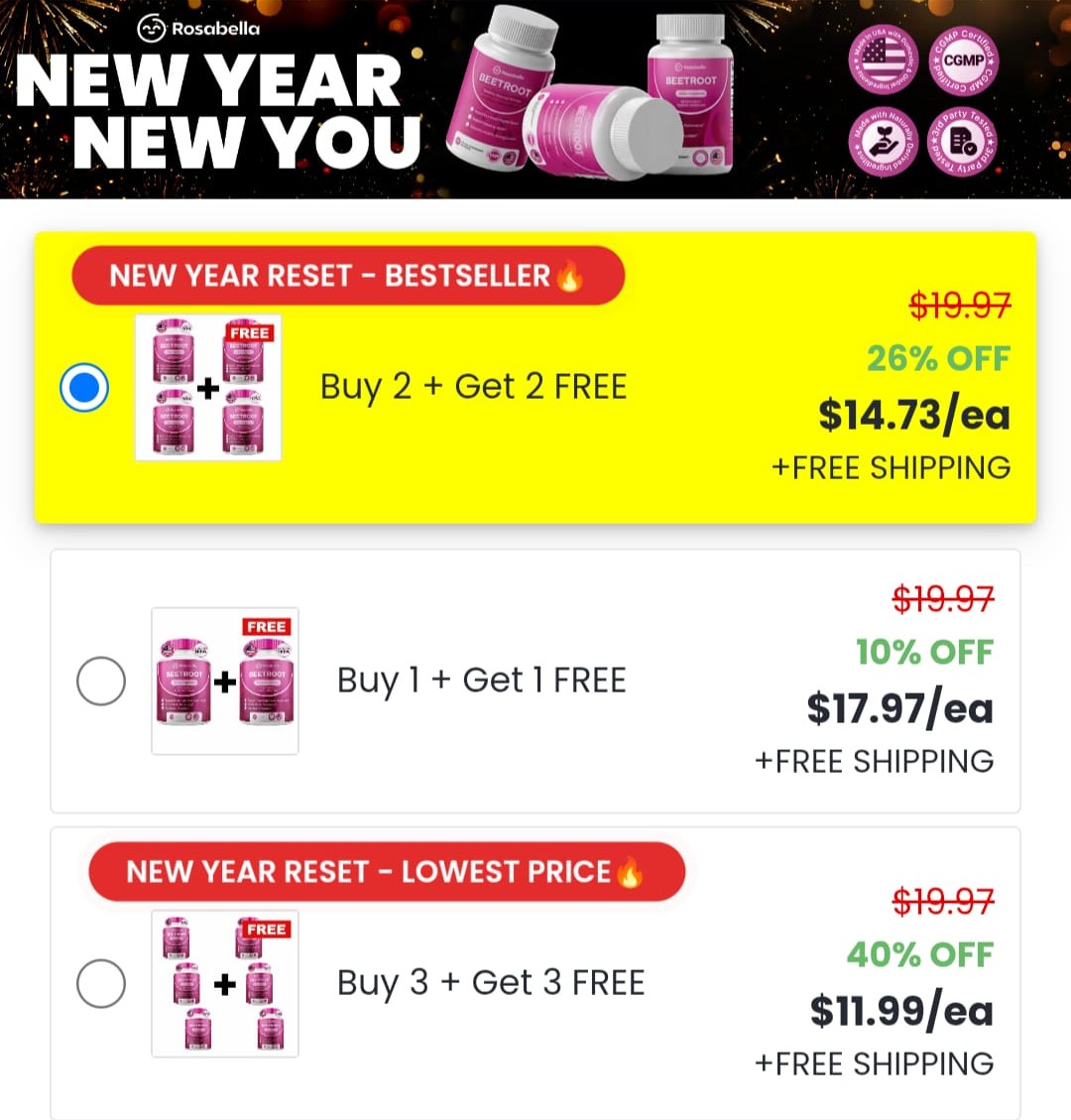
Viagra Worked at 25 Milligrams. Then I Needed 50. Then 100. Last Month, 100 Didn't Work. My Doctor Listed the Next Options: Injections. A Vacuum Device. Surgical Implant. Not Once in Three Years Did He Ask Why I Needed More Every Time. Three years ago, Viagra was the answer. My doctor prescribed it. 25 milligrams. Low dose. "Start here and we'll adjust if needed." It worked. Not perfectly — there was a headache, some flushing — but it worked. I could plan an evening with my wife and know that my body would follow through. After months of failure, that was enough. More than enough. It was relief. My name is James Calloway. I'm 58 years old. I've been married to my wife Diane for 27 years. For about eight months, 25 milligrams was enough. Then it wasn't. Not dramatically. Not one night where everything failed. Just a gradual erosion. It worked. Then it mostly worked. Then it sometimes worked. Then it didn't. I went back to Dr. Patel. "The 25 isn't reliable anymore." He nodded. Like he expected it. "That happens. We'll move you to 50." No questions. No investigation. Just a new number. 50 milligrams worked. For about a year. Same pattern. Reliable. Then mostly reliable. Then inconsistent. Back to Dr. Patel. "The 50 is starting to lose effectiveness." Same nod. "Let's try 100. That's the maximum standard dose." Maximum standard dose. I heard those words and felt something I hadn't felt before. Not about the dose. About the TRAJECTORY. I'd gone from 25 to 50 to 100 in less than three years. Each time, the drug worked for a while, then my body outpaced it. And now I was at the ceiling. "What happens after 100?" Dr. Patel looked at me over his glasses. "Let's not get ahead of ourselves. 100 milligrams is very effective for most men." That was fourteen months ago. 100 worked. At first. The headaches were worse. The flushing more intense. My face would turn red — Diane started asking if I was feeling okay. The planning was more precise. Had to time it exactly. 45 minutes. Not 30. Not 60. 45. Every intimate evening with my wife started with a pill, a glass of water, and a clock. But it worked. For about ten months. Then last month — it didn't. Tuesday night. I'd planned it. Taken the pill. Waited the right amount of time. Everything set. And nothing happened. 100 milligrams. The maximum dose. And nothing. I lay in bed next to Diane. She'd noticed. Of course she'd noticed. She put her hand on my chest. "It's okay." But it wasn't okay. Because she'd watched this happen before — at 25, at 50. Each time, the answer was a higher dose. This time, there was no higher dose. She didn't say anything else. But I could see it in her face. Not disappointment. Worry. She was watching me fail even with the medication. And she was scared of what that meant. I went back to Dr. Patel the following week. "The 100 didn't work. Last Tuesday." He pulled up my chart. Scrolled through the dose history. 25 to 50 to 100. Three years. "It may have been an isolated incident. But if it becomes a pattern, there are other options." "What options?" He listed them the way you'd read items from a menu. "Alprostadil injections — self-administered directly into the erectile tissue. Very effective. Some men find it uncomfortable but results are reliable." Injections. Into the tissue. "Vacuum erection device. External pump that creates blood flow mechanically." A pump. "And if those aren't satisfactory, there's the penile implant. Surgical procedure. Highly effective. Permanent solution." Surgical implant. I'm 58 years old. I was sitting in a doctor's office listening to a man describe a surgical implant because a pill wasn't enough anymore. And in three years of escalating prescriptions — 25 to 50 to 100 — not once did he ask me WHY. Not once. Why does the drug keep losing effectiveness? Why does my body need more every year to get the same result? What is happening underneath that the drug is failing to keep up with? He never asked. He just climbed the ladder. And when the ladder ran out of rungs, he pointed to the next ladder. I sat in that exam room after he left. Staring at the wall. At the posters about heart health and prostate screening and the benefits of an active lifestyle. And I thought: if I need more medication every year to get the same result, the medication isn't treating anything. It's losing. My body is declining faster than the drug can mask it. And nobody is asking why. That night I told Diane about the appointment. Not all of it. Not the implant. But enough. "He says there are other options if the 100 stops working." She was quiet. Then: "James. You've been on this for three years. It keeps getting worse. Shouldn't someone be asking why it's getting worse?" She said out loud what I'd been thinking in that exam room. "He just increases the dose." "And the dose isn't working anymore." "No." She looked at me. Not with pity. With something harder. Determination. "Then we find out why. Because this isn't sustainable." That night I lay awake thinking about my father. He'd been on blood pressure medication for years. Started on one. Then needed two. Then the second one caused fatigue, so they added something for that. Then his cholesterol went up — possibly from one of the other medications — so they added a statin. By his early 70s, he had a weekly pill organizer with seven compartments and five pills in each one. His morning routine was ten minutes of medication management before he could have breakfast. Each adjustment made sense in isolation. Each new pill addressed something real. But the total effect was a man being managed by his medication instead of the other way around. "By the end," I told Diane once, "his pill regimen was managing itself. He was just the body carrying it around." I saw the same pattern in my own Viagra history. Different drug. Same trajectory. 25 wasn't enough. 50 wasn't enough. 100 wasn't enough. And the answer, every time, was MORE. Never why. Never what's underneath. Just more. At 3 AM I was at the kitchen table. Laptop open. why does Viagra stop working over time do you build a tolerance to Viagra what happens when erectile dysfunction drugs lose effectiveness What I found wasn't what I expected. You don't build a tolerance to Viagra. That's not why the dose needs to increase. Viagra works by blocking the enzyme that breaks down nitric oxide in your body. Nitric oxide is the molecule that tells blood vessels to relax and dilate — it's how blood flows where it needs to go. Including where it matters for intimacy. Here's the key: Viagra doesn't create nitric oxide. It just prevents what little you have from being broken down as quickly. It makes the fumes last longer. But your body produces LESS nitric oxide every year you age. By your 50s, you're producing a fraction of what you had at 30. And that decline doesn't stop because you're on Viagra. The drug masks it. But underneath, the depletion continues. So the lower dose stops working — not because your body got used to the drug, but because there's less nitric oxide for the drug to work with. You increase the dose. It works again for a while. Then the depletion catches up. Increase again. Catches up again. Until there's so little nitric oxide left that even the maximum dose can't leverage what's there. That's what happened to me. The drug didn't fail. My body ran out of what the drug was leveraging. And nobody — not Dr. Patel, not the prescribing system, not a single medical professional in three years — thought to ask: what if we restored what was depleting instead of just masking the depletion? I kept reading. Nitric oxide depletion doesn't just affect the bedroom. It affects blood flow everywhere. Heart. Brain. Blood pressure. It's the same reason blood pressure creeps up with age — vessels can't relax without adequate NO. Same molecule. Same deficiency. And the way to restore it? Dietary nitrates. Your body converts dietary nitrates into nitric oxide through a natural pathway. One of the richest sources: beetroot. I ordered a beetroot supplement the next morning. Highest rated on Amazon. Five stars. Thousands of reviews. Six weeks. Every day. Still on Viagra — I wasn't ready to quit cold. No change. Blood flow felt the same. Viagra still needed at the same dose. Second brand. The one from TV. Celebrity endorsements. Eight weeks. Nothing different. Third. "Clinical strength" from a supplement store. Most expensive option. Nothing. Three brands. Four months. Still dependent on 100mg. Still watching the drug lose its grip. I was at Target. Saturday. Passed the supplement aisle because I always pass the supplement aisle now. Not looking for anything. Just passing. A woman was reading labels. Late 60s. Sharp eyes. Putting bottles back one by one. "None of those work," she said. I stopped. "I know. I've tried three." She looked at me. "Viagra?" I must have shown something on my face, because she said: "My husband. Seven years. Dose kept climbing. Same story as everyone else's." "His doctor never asked why?" "Never. Just kept adjusting. Until it stopped working at the highest dose." She put a bottle back on the shelf. "That's when we started looking into what was actually happening." "Nitric oxide?" She raised her eyebrows. "You've done the research." "Enough to know these don't work." I gestured at the shelf. "They don't. Because they're filler." She picked up a bottle and flipped it. "Rice flour. Magnesium stearate. Silicon dioxide. Maybe 200 milligrams of actual beetroot in the whole capsule. The rest is padding. Not nearly enough dietary nitrates to restore anything." "So what worked?" She pulled out her phone. "Rosabella. 1300 milligrams of organic beetroot per serving. No fillers. No additives. One ingredient. It's the only one we found that's actually just beetroot — at the dose that delivers real nitrates." She showed me the site. Organic certified. Made in the USA. Ingredient list: organic beetroot powder. Nothing else. 90-day guarantee. "What happened with your husband?" "He stopped Viagra entirely after about six weeks. It took time — the first week or two, he didn't notice much. Then energy started coming back. Then blood flow. Gradually. Not overnight." She paused. "His blood pressure also came down. He wasn't trying for that. But same molecule, same mechanism. Blood flow is blood flow." "He's off Viagra? Completely?" "Eleven months now. No pill. No dose. No timing. No planning when he's going to be intimate with his own wife." She looked at me directly. "He said it was like getting his body back." I ordered it in the aisle. Then I did something I'd been afraid to do for three years. I stopped taking the Viagra. Not gradually. Not tapering. I just stopped. Because if the theory was right — if the problem was depletion and not something the drug could fix — then the drug was just masking the real issue while the depletion continued underneath. The first week without Viagra was terrifying. I hadn't gone a week without it in three years. I felt exposed. Vulnerable. Like a safety net had been pulled away. Nothing happened that first week. Not good, not bad. But I was used to nothing happening without the drug. End of week one: Diane noticed I had more energy in the evenings. "You didn't fall asleep during the news," she said. Small thing. But she noticed. Week two: I woke up on a Wednesday morning and felt something I hadn't felt without chemical assistance in years. Just a physical awareness. Vitality. Blood moving. My body doing something it hadn't done on its own in a long time. Day 14 without Viagra. Week three: it happened. Spontaneous. No pill. No timing. No clock-watching. No 45-minute countdown. Just us. The way it used to be before I ever heard the word Viagra. Not perfect. Not like I was 30. But my body responding on its own. Without chemical intervention. For the first time in three years. Diane cried. Not during. After. Quietly. I held her. "It's you," she said. "That's you. Not a pill." Day 21 without Viagra. Week four: twice more. Spontaneous. No planning. My body working the way a body is supposed to work. The headaches were gone. The flushing was gone. The 45-minute countdown was gone. The entire pharmaceutical ritual that had defined our intimate life for three years — gone. Day 28 without Viagra. Week six: I stopped counting. Because counting meant tracking dependence. And I wasn't dependent anymore. I was just... living. The way I had before any of this started. I checked my blood pressure out of curiosity. Pharmacy machine. 121/79. My last reading had been 137/89. Sixteen points lower. I wasn't on blood pressure medication. I wasn't trying to lower my blood pressure. But the same mechanism that restored function in the bedroom was improving blood flow everywhere. Same molecule. Same depletion. Same restoration. That was four months ago. The Viagra bottle is in the back of my bathroom drawer. Not the medicine cabinet. The drawer. With the expired ibuprofen and the dental floss I never use. The drawer of things that don't matter anymore. I haven't opened it in four months. I haven't needed to. Last weekend Diane and I went out for our anniversary. Dinner. Live music. Dancing — the first time we'd danced in years because I hadn't felt like myself in so long. Walking to the car afterward, she looped her arm through mine and said, "I got my husband back." My father never got off the escalator. Pills led to more pills. Doses led to higher doses. By the end, the medication was running his life and he was just along for the ride. I got off the escalator. Not by finding a better drug. By fixing what the drugs were trying to mask. My body works on its own again. No pill. No dose. No ladder. No 45-minute countdown. No injections. No pump. No implant. Just my body. Doing what it's supposed to do. Because I stopped climbing and started asking why. --- If you're on Viagra and the dose keeps climbing — if you started at 25 and you're at 50 or 100 and wondering what happens when this stops working — I need you to hear this. The drug isn't failing because your body got used to it. It's failing because the thing the drug depends on — nitric oxide — is depleting faster than the drug can compensate. Every dose increase is your doctor adjusting the mask while the real problem gets worse underneath. You don't need more Viagra. You need to restore what your body stopped producing. Nitric oxide. The molecule that controls blood flow everywhere. The thing no doctor tested, no drug restores, and no dose increase can replace. Your body can make it again. It just needs the raw material. --- I tried three beetroot supplements before Rosabella. None of them worked because they weren't real beetroot. Here's why Rosabella is different. 1. 1300mg of Pure Organic Beetroot (Not Filler Capsules) Most supplements pad their capsules with rice flour, magnesium stearate, silicon dioxide, and cheap binding agents. You get maybe 200mg of actual beetroot. Not enough dietary nitrates to restore anything. Rosabella is 1300mg of organic beetroot powder per serving. No fillers. No binding agents. One ingredient. The dose that actually delivers enough nitrates to restore NO production. 2. One Ingredient (Check the Label) Most beetroot supplements list five, six, seven fillers under "Other Ingredients." More filler than beetroot. Rosabella's ingredient list: organic beetroot powder. That's it. 3. Organic Certified, Made in the USA Not mystery sourcing. Not overseas manufacturing. Organic certified. Made in the USA. You know exactly what you're putting in your body. 4. 90-Day Money-Back Guarantee (Zero Risk) Try Rosabella for up to 90 days. Stop the Viagra when you're ready. Let your body show you what it can do on its own. If you're not satisfied for ANY reason — full refund. No questions asked. --- Your Viagra dose keeps climbing. You have two paths. One: Keep climbing. 100 milligrams. Then injections. Then a pump. Then a surgical implant. Let the medical system escalate you through every intervention on the list. Accept that your body needs more machinery every year to do what it used to do on its own. The other: Stop climbing. Try something that restores what your body has been losing — the molecule Viagra depends on but doesn't replace. Give it 90 days. Zero risk. Stop the Viagra when YOU'RE ready. Let your body show you what's possible when the tank isn't running on empty. I chose the second path. I haven't taken Viagra in four months. My body works on its own. My wife got her husband back. My blood pressure dropped sixteen points as a bonus. Not because of a higher dose. Because I stopped masking the problem and started fixing it. --- Three years on Viagra. 25 to 50 to 100. Three years of climbing. My doctor's answer at every visit was the same: adjust the dose. Never once did he ask why the lower dose stopped working. Never once did he investigate what was declining underneath. When 100 failed, he listed the next steps. Injections. Pump. Implant. I didn't take the next step up. I stepped off the ladder entirely. I found a supplement that restores what Viagra was trying to leverage — nitric oxide. Pure beetroot. Real dose. One ingredient. My body works on its own now. No pill. No timing. No dose. No ladder. The Viagra is in the back of a drawer. I haven't opened it in four months. I haven't needed to. If your dose keeps climbing and nobody's asking why — stop climbing. Start restoring. Give your body back what it's been losing. You might not need the ladder at all. — James Calloway P.S. — I stopped Viagra cold. Week two I felt the first signs of natural function returning. By week three, it happened without any drug. By week six, I'd stopped counting days without Viagra because I didn't need to count anymore. Blood pressure also dropped sixteen points. Your timeline may vary — but 90 days and zero risk is enough to find out. P.P.S. — My doctor listed injections, pumps, and implants as my next options. I found one that costs less than any of them, has no side effects, and gave me back something three years of escalating prescriptions never could — my body working on its own. Try Rosabella. See what happens when you stop masking and start restoring. https://get.tryrosabella.com/beetroot/subtxt/sp
Support stamina and heart health every day
"I've only started useing this product less than a week, honestly it has given me more energy and I feel more alert. Before taking this product I noticed I was feeling tired and not motivated at all, so I have to give it a great rating 5 stars. I reccomend it."
LEARN MORELike this ad? Make it yours.
Crush rebuilds this exact creative around your product — your brand, your colors, your offer — in about a minute.