
Inactive· since Apr 10, 2026
- 9
- days it ran
- 0
- relaunches
Ad copy
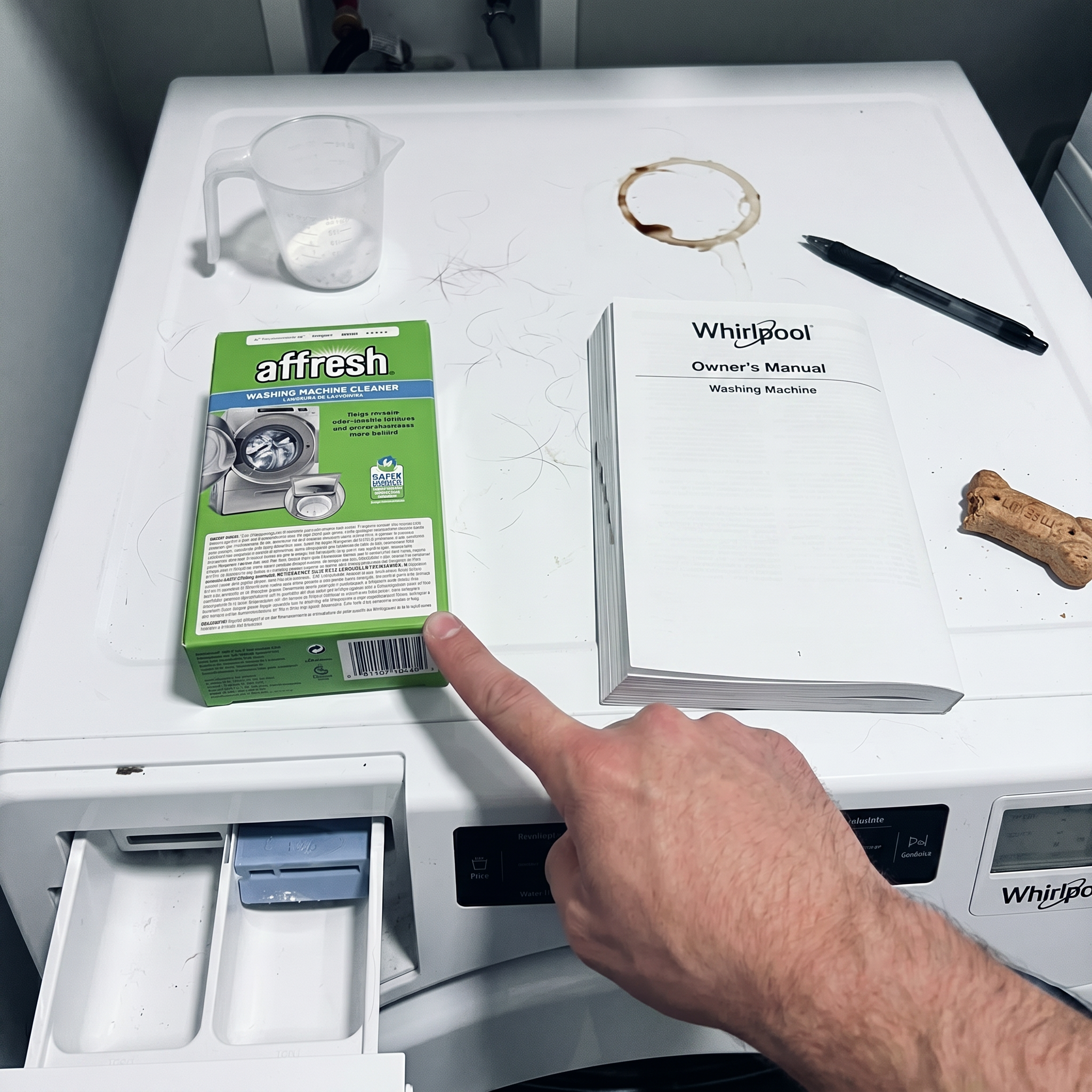
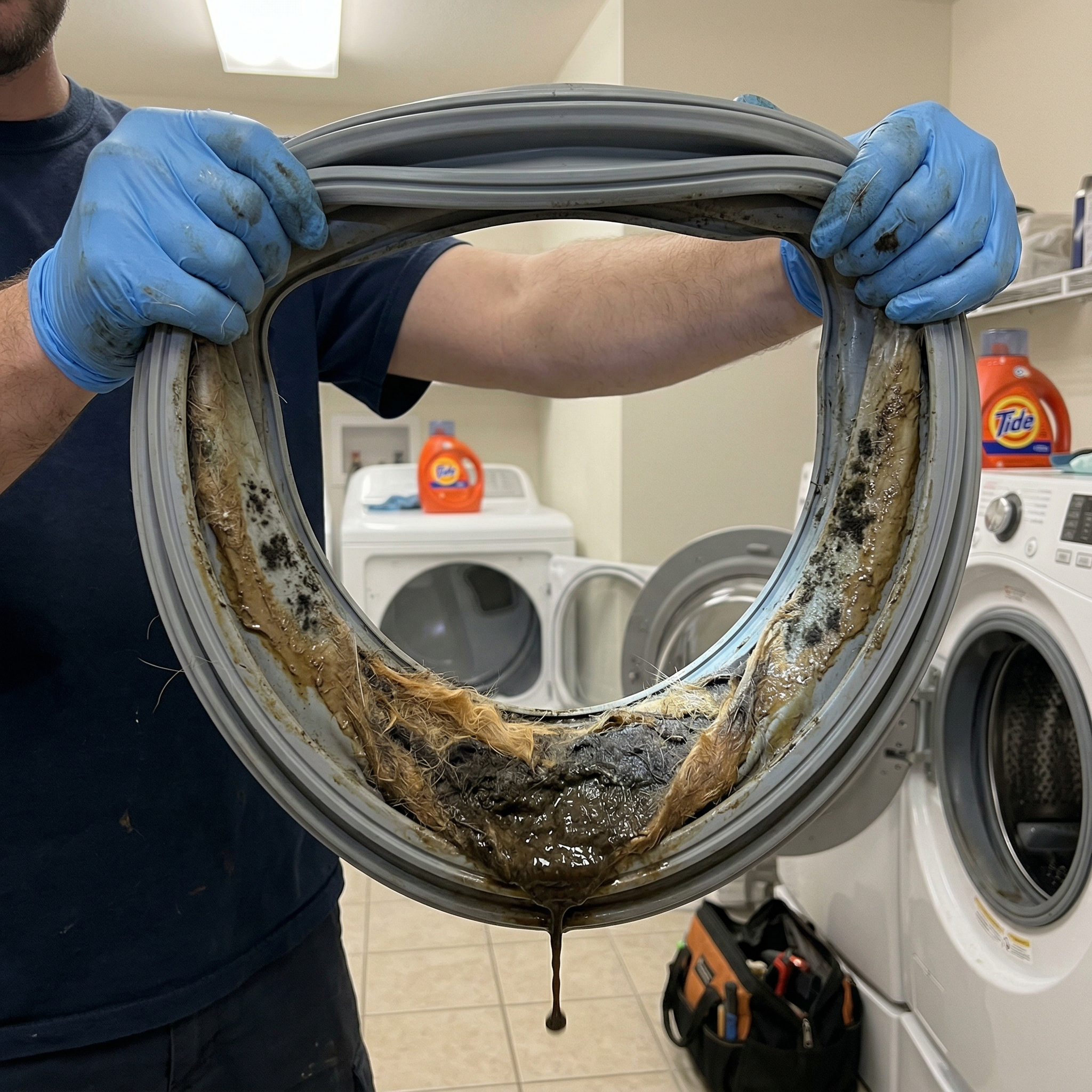
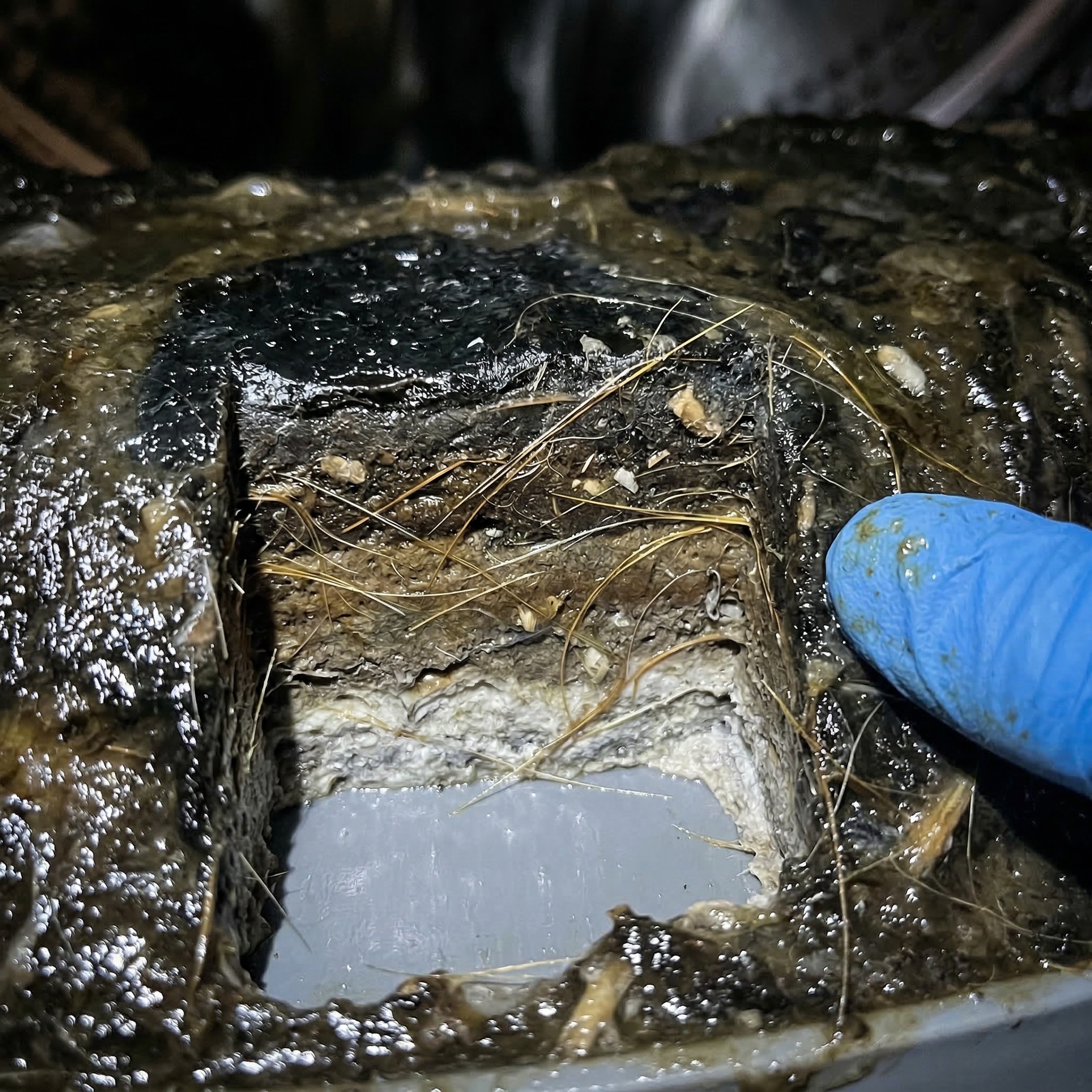
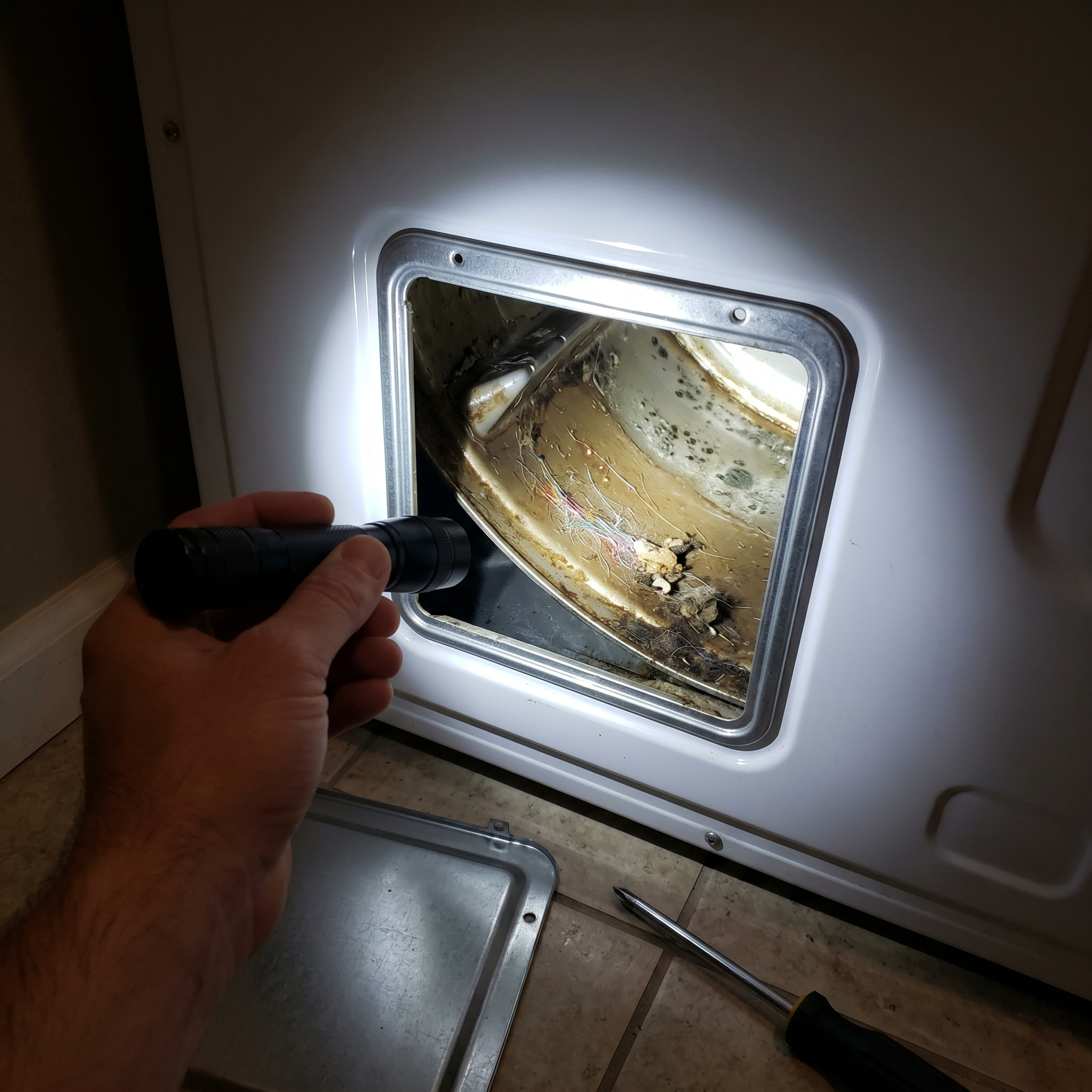
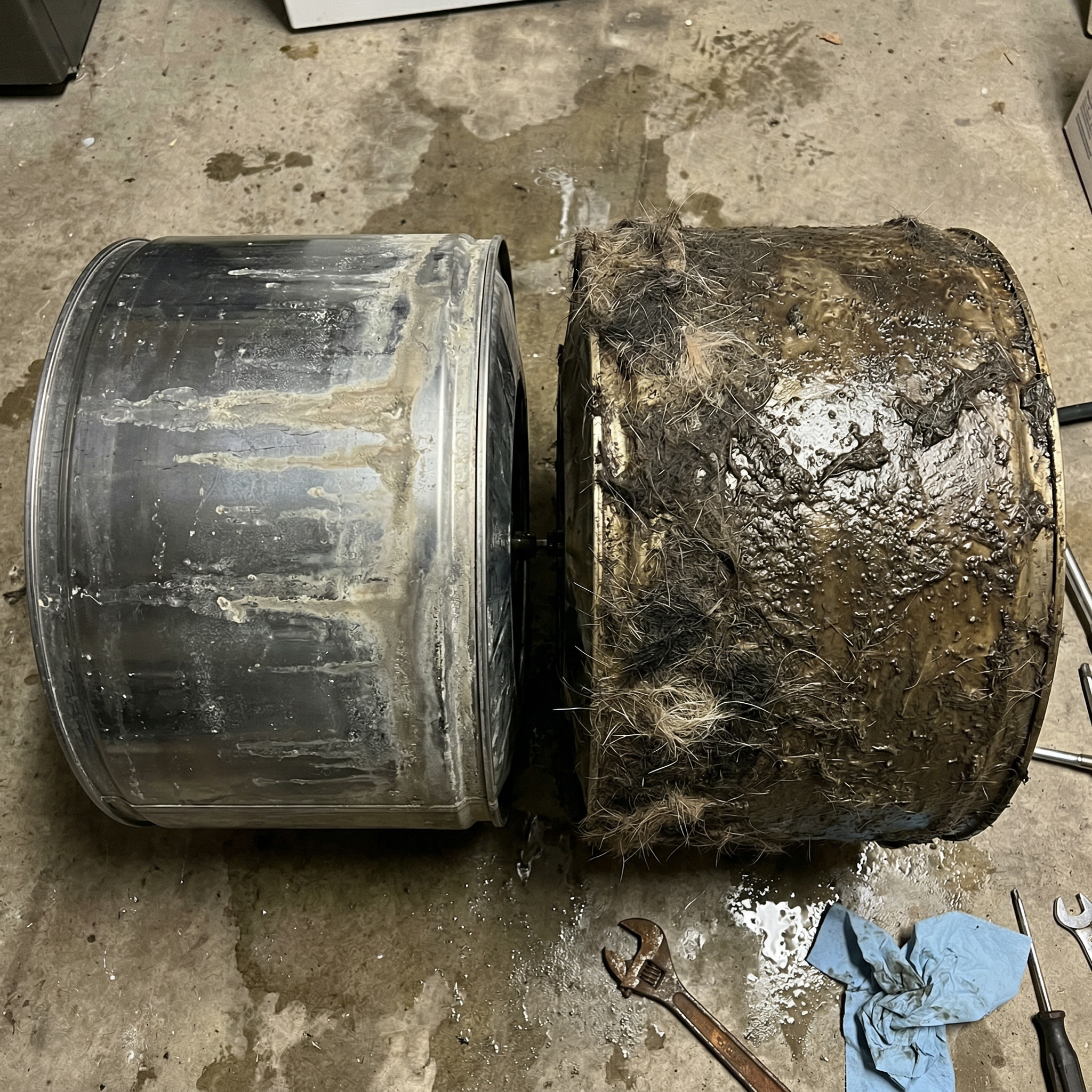
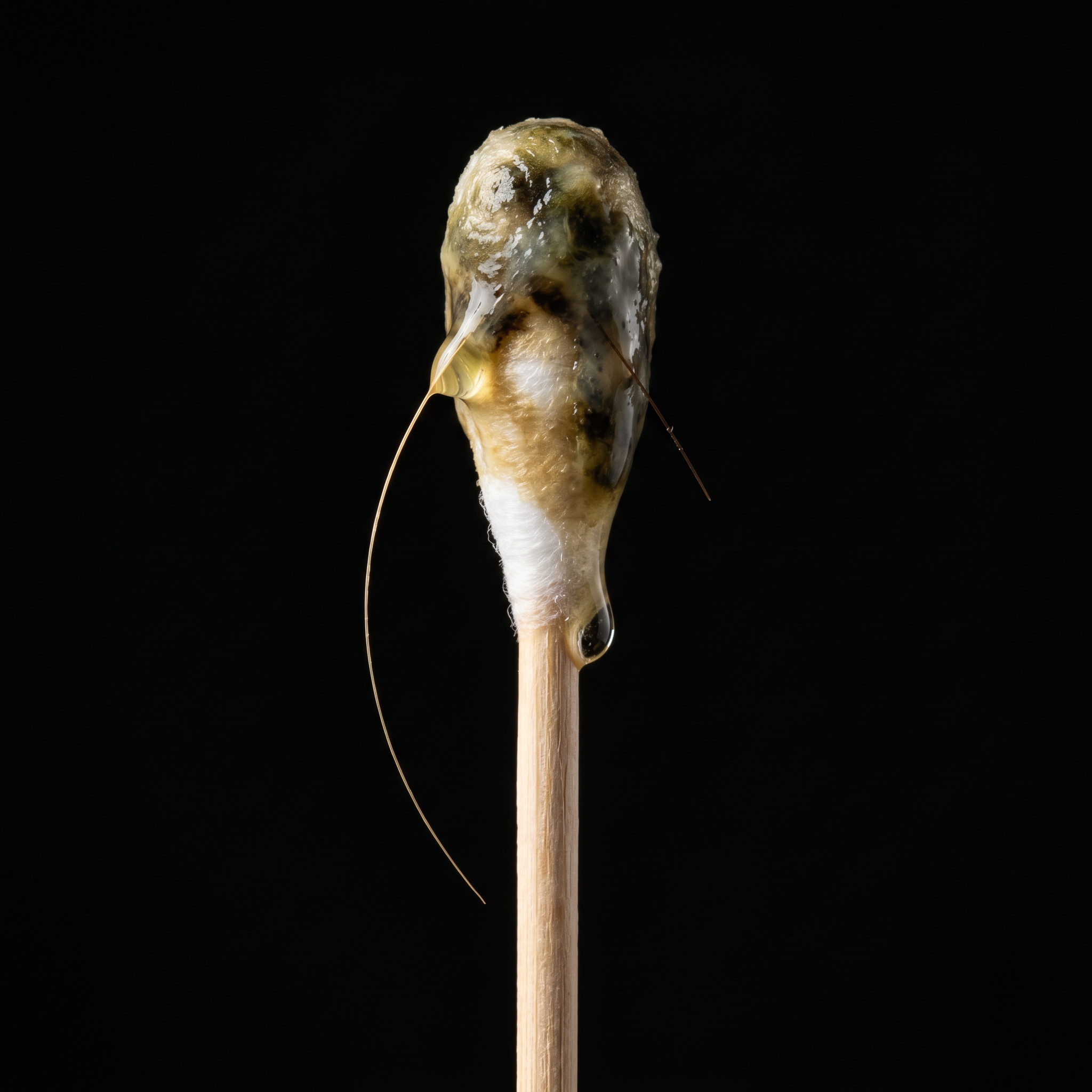
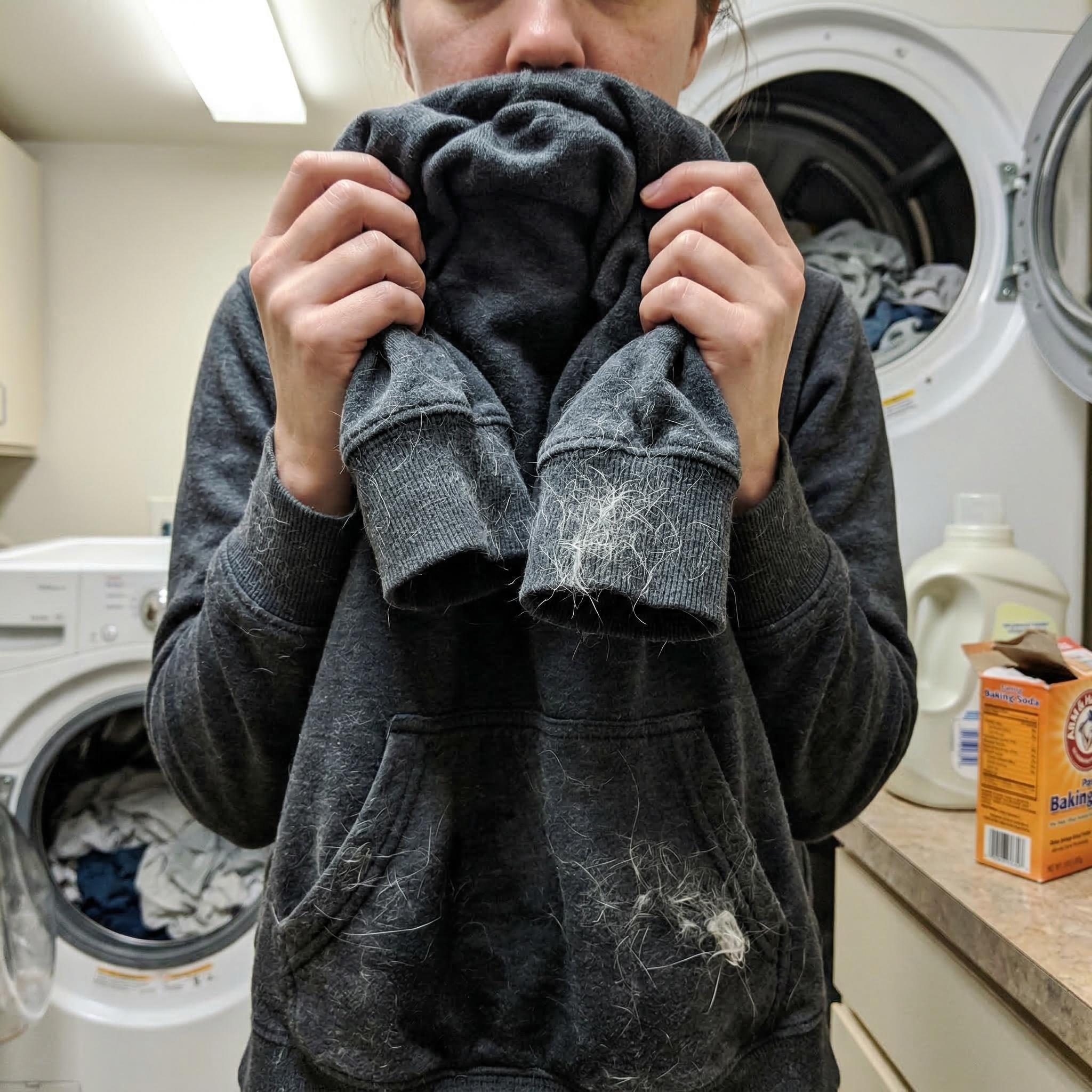
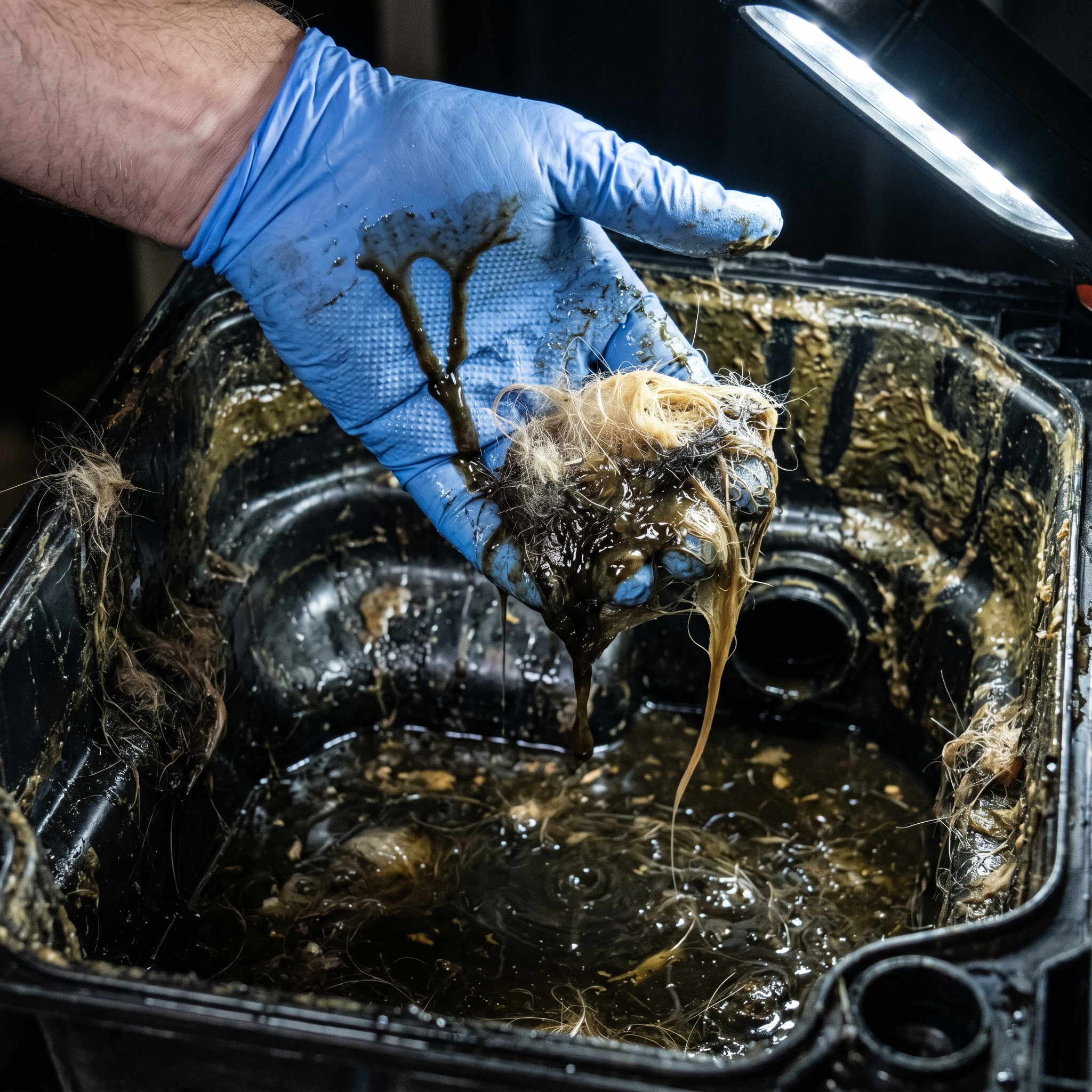
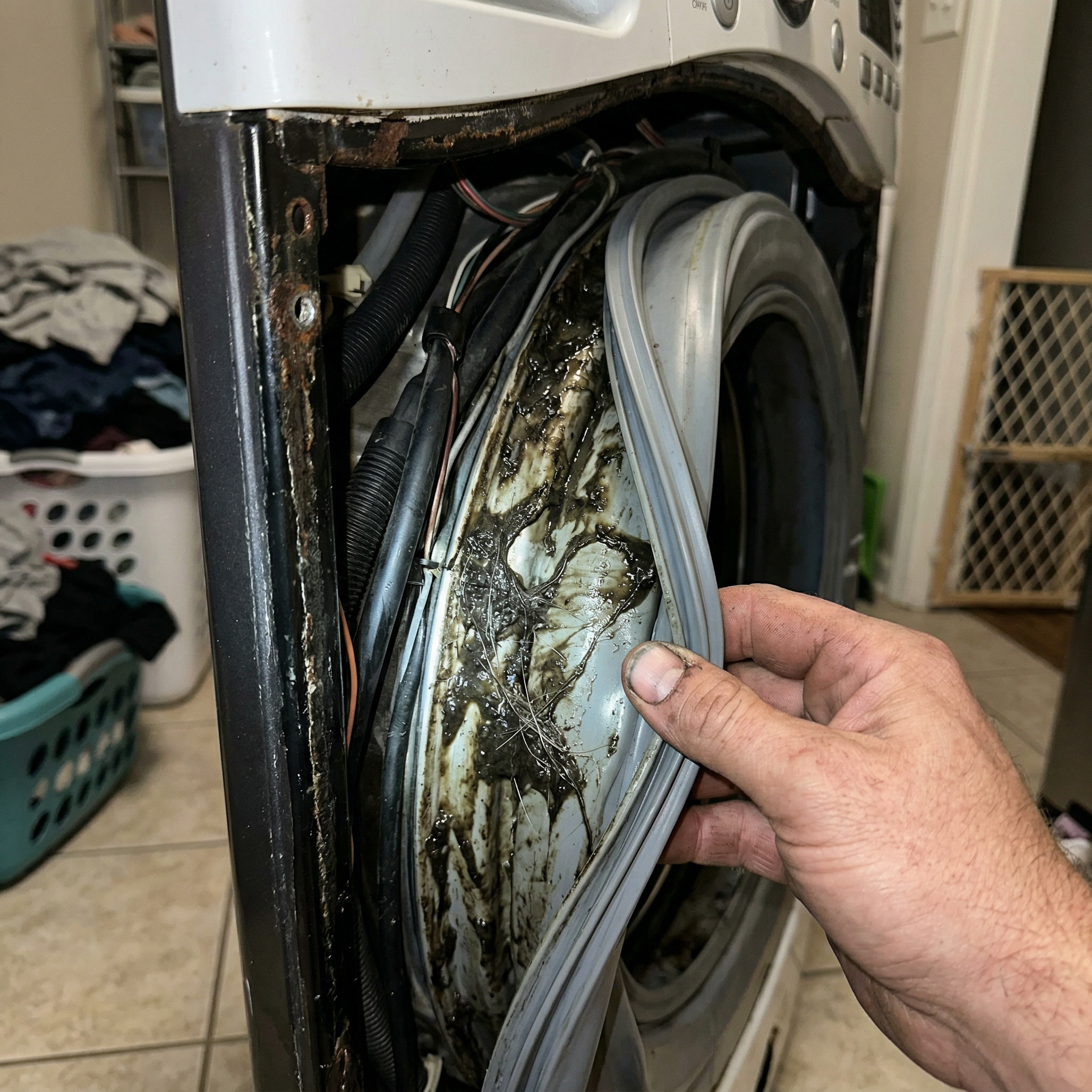
After 19 years and over 6,000 washing machines, I finally have an honest answer for pet parents who call me about musty-smelling laundry. And it starts with admitting that everything I told them to try before was the wrong chemistry for the problem I was looking at. I'm Danny, and I work out of a van in Jacksonville, Florida. I've been repairing washing machines for going on 19 years now, probably pulled apart somewhere north of 6,000 of them at this point, and I'll tell you something I started doing about eight years ago that I still do on every single call. First thing I ask when someone calls about musty-smelling laundry: "Do you have pets?" Because the answer changes everything about what I'm walking into. The machine might look the same as any other machine. It runs the same cycles, takes the same detergent, and sits in the same laundry room. But what's happening inside a pet household machine is a completely different job - and I learned that the hard way. You see, about a year and a half ago, I got a call from a woman out in Mandarin, two dogs, a lab mix and a shepherd, and a front-loading Samsung that was about three and a half years old. Her towels smelled musty. Her kids' clothes smelled like damp fur by the time they got home from school. She'd already done everything the internet told her to do, the vinegar, the baking soda, the self-clean cycle, left the door open between loads, scrubbed the gasket with bleach until her hands were raw. None of it changed anything. I drove out, popped the outer panel off, and showed her what I show everybody. There's a sealed gap between the inner drum and the outer housing that most people don't even know exists. Water flows through it every single cycle… Moisture sits in there and never fully dries… And over time, a layer of residue builds up along those surfaces that you will never see with the door open and will never reach with your hands. I told her to run a vinegar cycle, try Affresh, and keep that door cracked between loads. And I drove away knowing, in my gut, that none of it was going to hold. Because I'd seen that same buildup in hundreds of machines, and I already knew those fixes weren't built to touch it. But I didn't have anything better to tell her, so I told her the same thing I told everyone else and hoped maybe this time would be different. She called me back about two months later - same smell. I went back out, told her to try OxiClean this time, maybe a baking soda soak before the hot cycle. Something stronger. Something different. She called a third time, maybe six weeks after that. And this time her voice was different. She wasn't frustrated anymore. She wasn't even angry. She'd moved past all of that into something quieter, which is worse. She'd just accepted it… She'd accepted that her towels were going to smell like that, her kids' school clothes were going to carry that damp musty smell no matter how many times she rewashed them, and there was nothing she could do about it because she had tried everything and none of it had worked. That quiet in her voice bothered me more than any complaint I've ever heard. I'm supposed to fix things - that's the whole job. And I'd been back to her house three times and fixed nothing. Here's what I already knew but didn't have the words to explain to her clearly enough. Everything she'd poured into that machine, every drop of vinegar, every scoop of baking soda, every tablet and pod and cleaning cycle, all of it dissolved in the wash water and flowed right through that sealed gap. It reached the buildup. It touched it, washed over it, and kept moving. It just wasn't formulated to break any of it down. And in a pet household, what's building up in that sealed space is something none of those products were ever designed to handle. Pet hair doesn't just rinse off your clothes and flush down the drain. It breaks apart in the wash water. And dog hair is not like human hair - it's coarser, it carries thick waxy oils from the coat and skin that don't dissolve easily in water. When you wash a load of dog blankets or fur-covered sweatshirts, those oils separate out. The dander sheds off. Microscopic fibers splinter into pieces too small to catch in any lint filter. All of it gets pulled into that sealed gap between the drums, and it doesn't rinse away. It settles and sticks to those wet surfaces. And load after load, week after week, it builds into a ‘biological layer’ that gets thicker and heavier every time you run your machine. That's what I've been looking at inside pet household machines for almost two decades. And that's what nothing in the cleaning aisle was formulated to break down. After that third visit, something kept eating at me - so I did something I probably should have done ten years ago. I drove to the store, walked down the cleaning aisle, and started reading the backs of boxes. I picked up Affresh and read the ingredients. Picked up OxiClean Washing Machine Cleaner and read the back of that one. Picked up Tide Washing Machine Cleaner and read that one too. All three of them were built on the same base chemistry: Oxygen bleach and sodium percarbonate. Different brand names, different colored packaging, different price points, but underneath all of that, the same core formula designed to do the same thing: Dissolve mineral deposits and soap scum. Not one of them was formulated for the biological layer that pet households create inside that sealed space. I'd been recommending different colored boxes of the same product for years. And not one of them was built for the problem I kept staring at every time I pulled a panel off. That was hard to sit with - I'm not going to pretend it wasn't. I'd already given up expecting anything to work. I've seen every washing machine cleaner on the shelf at Target and Walmart. I figured they were all the same, and reading those labels pretty much confirmed it. But a few weeks later, I was scrolling through a repair tech forum I check now and then, all guys who pull these machines apart every day, same as me, and I came across a thread where three different techs were recommending the same product to pet owners. A tablet made by a small company out of Florida that used a completely different type of chemistry, not oxygen bleach, not acid, not alkaline - enzymes. The kind of thing hospitals use to clean sealed medical equipment, where you can't open it up and scrub by hand. Enzymes that actually digest biological material, the proteins, the fats, the living layer, instead of just rinsing over it. I don't fully understand the science. I fix machines - I’m not a chemist. But I've been staring at that biological layer for 19 years, and when someone explained a formula that was actually designed to break it apart at the source, it made more sense than anything I'd heard before. I ordered a box that night and gave it to the hardest case on my list. The woman I'd failed three times. The one with two dogs, a front-loader, and had accepted musty laundry as part of her life. She called me about five days later, and she wasn't quiet this time. She told me her towels came out of the wash, and she held them up to her face the way she always does, bracing for that familiar musty dampness that hits the second warm fabric gets near your nose, and it was not there. The dog blankets she'd given up on entirely, the ones she'd started washing in the bathtub by hand because she didn't want them contaminating the rest of the load, she ran them through the machine with a regular load of towels, and everything came out smelling the same. Like nothing. Like clean cotton that had just been washed and dried, and that was it. No mustiness underneath. No damp dog smell creeping back in after ten minutes on the bed. I went back and pulled the panel myself. The buildup in that sealed gap, the same layer I'd been staring at across three visits, was broken down. Not loosened the way a vinegar rinse loosens surface film - broken down. The biological layer was actually dismantled. I started recommending it to every pet household after that, and every single one of them came back with the same kind of story, but each one hit a little different. A woman with a golden retriever told me her husband had quietly stopped putting his work shirts in the same load as the dog bedding about six months earlier. Never said anything about it, just started separating them on his own. After one tablet, she washed everything together, his shirts, the dog blankets, the bath towels, all in one load. He didn't separate anything that week, because there was nothing to separate away from. Everything came out smelling like nothing. Just clean fabric. A family with a German shepherd and two school-age kids. The mother had been rewashing her daughter's uniforms two and three times every Sunday night, trying to get the smell out before Monday morning. After one tablet, Sunday nights went from three washes to one. Her daughter came home that week and said the uniform smelled different. It didn't smell like anything really. It was just clean. That mother told me it was the first Sunday night in over a year she didn't spend standing over the machine wondering what she was doing wrong. A woman with three rescue dogs who had stopped having people over to her house because she was convinced the whole place smelled, even though the smell was coming from the laundry. She told me two weeks later that she'd had her sister over for the first time in four months. Her sister even said the house smelled fine. She told me "fine" was the best word she'd heard in a year. The product is called Uproot Washing Machine Cleaner. Same company that makes those pet hair removal tools. They followed the research on what's actually building up inside these machines that handle pet hair - and built something specifically to target it. I don't sell it. I don't have a code. I don't get a commission. I fix washing machines for a living, and that's never changing. But I stopped telling pet parents to run vinegar. I stopped telling them to try Affresh, OxiClean, or Tide Washing Machine Cleaner. Because now I know that's like hosing down the outside of a dog crate every week and wondering why it still smells, when the real buildup is caked into the drain pan underneath where the water's been sitting. You feel like you're cleaning it, but you're never reaching the actual problem. If you've got pets and you've been dealing with this, there's an article I came across that explains it better than I can. It breaks down exactly what's accumulating inside your machine, why pet households get hit so much harder, and what the formula actually needs to include to break it down. I'd never seen anyone lay it out that clearly until I read it myself. I'd start there. https://mycleanpethome.com/wmt/wmtl010-l1
Affresh, OxiClean, Tide - Same Ingredient.
I used Affresh every month for a year. The wet dog smell kept coming back. Here's what I finally figured out — and what actually works for pet owners.
SHOP NOWLike this ad? Make it yours.
Crush rebuilds this exact creative around your product — your brand, your colors, your offer — in about a minute.