
Inactive· since Feb 13, 2026
- 12
- days it ran
- 1
- relaunches
Ad copy
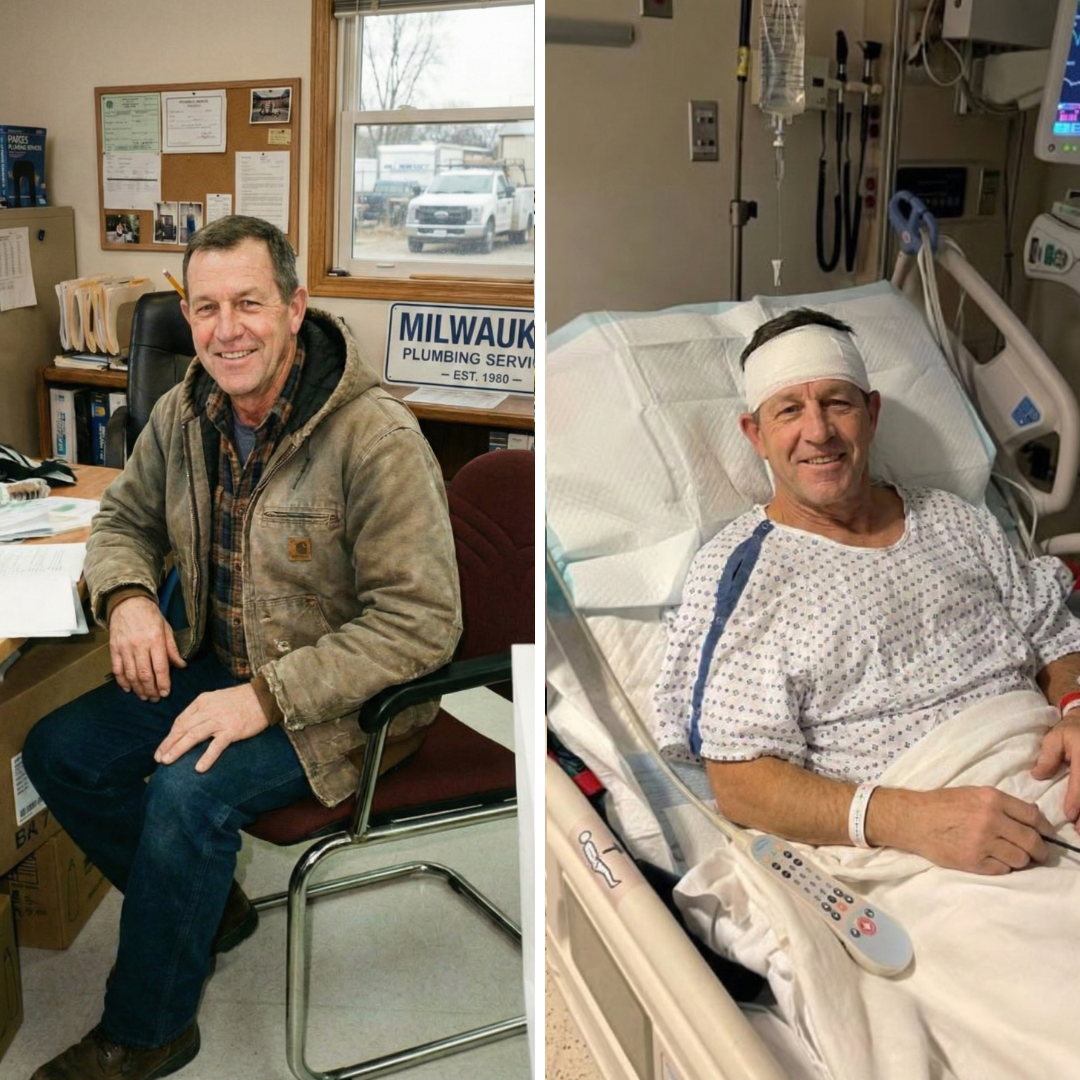
My father lost his mind at 62. Not dementia. Not Alzheimer’s. Something his doctors called “well-controlled cholesterol” and “perfectly managed.” They were wrong. My dad ran his own plumbing company in Milwaukee for forty years. The kind of business owner who could calculate a job estimate in his head faster than his foreman could punch it into a calculator, who remembered every permit number, every inspection code, every client’s address from the past two decades. He managed twenty-three employees. Balanced the books himself every single month. Never missed a deadline, never forgot a callback, never lost track of a single invoice in four decades of running a business where one missed detail meant a flooded basement or a failed inspection. His guys called him “the vault” because nothing went in that didn’t stay filed, organized, and retrievable at a moment’s notice. Two years after he started the medication, he was reviewing a bid for a commercial job—a restaurant renovation he’d been working up for three weeks. His foreman was waiting for final numbers. The client was on the phone. And my father couldn’t read the estimate he’d written himself. Not for a few seconds—like when a number slips your mind and comes back. For five full minutes, he sat at his desk staring at his own handwriting. The figures were right there. He’d calculated every line. But his brain couldn’t connect the numbers to meaning. He told me later it felt like staring at someone else’s notes in a language he used to speak but couldn’t read anymore. His foreman asked if everything was okay. That’s when he knew something was wrong. He told the client he’d call back. Hung up. Sat in his office chair with the door closed and his hands flat on the desk, trying not to panic. Not because of the bid. Not because of the client. Because his mind—the thing his entire business, his entire identity was built on—had just gone blank in the middle of a task he’d done ten thousand times. He got through the rest of the call by reading his notes word for word into the phone. Like he was performing a script, not running a business. The fog got worse over the next three years. Misplacing things at first. Keys. Reading glasses. The TV remote. Small things—the kind everyone shrugs off as “getting older.” He’d write down appointments and forget he’d written them. Ask my mother the same question twice in an hour. She’d give him a look and he’d say, “I know, I know. I’m just tired.” By year five, he stopped reading. Said the words wouldn’t stay in his head long enough to follow the story. He’d get halfway through a page and realize he had no idea what the last three paragraphs said. So he’d start over. And the same thing would happen again. He’d been reading two books a month for as long as I could remember. Tom Clancy. John Grisham. History books about World War II. The stack on his nightstand just sat there, untouched, gathering dust. My mother told me he’d started turning the TV up louder. Not because his hearing was going. Because if the volume was high enough, he didn’t have to focus as hard to follow the plot. By year eight, he called me by my brother’s name. Then corrected himself. Then did it again five minutes later. Then forgot he’d corrected himself at all. He stopped going to job sites. Told his foreman he was “stepping back.” The truth was he couldn’t keep track of which jobs were active, which permits were pending, which inspectors were coming on which days. The vault was empty. The man who’d run a twenty-three-person company from memory couldn’t manage his own calendar. Year ten. My daughter’s seventh birthday. The whole family was there. My dad walked in, looked at her, looked at my mother, and said: “Whose little girl is that?” His granddaughter. The one he’d held the day she was born. The one he’d taught to count on his fingers when she was three. The one who called him Papa and ran to the door every time she heard his truck in the driveway. He didn’t recognize her. And through all of it—every single year—his doctor pulled up his chart, looked at his numbers, and said the same thing: “Your cholesterol is well-controlled. The medication is working. Keep taking it.” Working. His LDL was 118. His total cholesterol was 189. The numbers were textbook perfect every single year. Meanwhile his mind was dissolving. When my mother brought up the memory problems, the doctor ran a cognitive screening. Said the results were “borderline but within range for his age.” Suggested crossword puzzles. Maybe some fish oil. Perhaps a brain-training app would help keep him sharp. My mother tried all of it. Bought him the puzzles. Downloaded the apps. Added fish oil to his morning routine. The fog got worse. The forgetting got worse. The man who’d run his own company for forty years couldn’t remember what he’d eaten for breakfast. His cholesterol stayed perfect. What his doctor didn’t tell him—what he didn’t know—was that high cholesterol isn’t the problem. Damaged cholesterol is. Your body actually needs cholesterol. Your liver makes it on purpose. It helps build cells, produce hormones, and keep your nerves working. As long as your cholesterol stays healthy and intact, it moves through your bloodstream the way it’s supposed to. No problems. But over time, stress, aging, and everyday wear and tear start attacking your cholesterol. And when cholesterol gets damaged, it changes. Think of it like rust inside a pipe. A clean pipe works fine. But once rust starts forming, the pipe corrodes, clogs, and the flow slows down. Damaged cholesterol works the same way. Once it’s damaged, it starts building up along the walls of your arteries. Layer after layer, year after year. That’s plaque. And plaque narrows your arteries, stiffens your blood vessels, and chokes off blood flow. Everywhere. Including to your brain. And when blood flow to the brain drops—even a little, even slowly, even over years—your brain starts starving for oxygen. Memory slips. Focus fades. Thinking gets slower. And it happens so gradually you don’t notice it until the damage is devastating. That’s when you start losing words mid-sentence. That’s when you read the same page three times and retain nothing. That’s when you walk into a room and forget why you’re there. That’s when you look at your own granddaughter and don’t recognize her face. Here’s what makes this worse: Statins lower your cholesterol number. They tell your liver to produce less. The number on your lab report goes down. Your doctor is happy. The chart looks good. But statins don’t stop the damage. The cholesterol still in your bloodstream can still get attacked. Still get damaged. Still build up as plaque. You can have perfect numbers on paper while damaged cholesterol is quietly clogging your arteries and starving your brain. It’s like removing the check engine light and calling the car fixed. The light is gone. The engine is still broken. The problem wasn’t high cholesterol. The problem was damaged cholesterol clogging his arteries and choking off blood flow to his brain. And nothing his doctor prescribed addressed that. Not once. For eleven years. By year eleven, my father couldn’t run the company anymore. Not because the business failed. Because he couldn’t function. He’d sit in the office and stare at paperwork he couldn’t process. He’d drive to a job site and forget why he was there. He’d pick up the phone and not remember who he’d called or what he needed to say. His foreman quietly took over day-to-day operations. My brother handled the books. Nobody said it out loud. But we all knew. The company my father built with his hands and ran with his mind was being run around him now. The afternoon he got lost driving home from the grocery store—the same store he’d been going to for thirty years, the same route he could have driven with his eyes closed—my mother found him parked in a stranger’s driveway four miles away. Crying. Unable to remember where he lived. She drove him home in silence. He sat in his recliner and didn’t speak for the rest of the evening. After that, he didn’t drive. Didn’t go to the office. Didn’t go anywhere unless my mother took him. The man who’d built a forty-year business from scratch spent his days sitting in a recliner, staring at a television he could barely follow, waiting for a life that had already left him behind. I watched my father disappear. Not all at once. Slowly. Over years. The sharp, capable, unshakeable man who’d taught me how to work and think and solve problems became someone who couldn’t remember what he’d eaten for breakfast, who didn’t recognize his own granddaughter, who sat in his chair with a blank look that used to be a sharp mind. He thought it was age. My mother thought it was dementia. His doctor thought the medication was working because the numbers on the chart said so. They were all wrong. He died fourteen months ago. Sitting in that recliner. The television was on. My mother was in the kitchen. She came in to check on him and he was gone. His last blood panel—taken six weeks before he died—was perfect. LDL 116. Total cholesterol 185. His doctor had written “well-controlled” in the chart notes. Well-controlled. Eleven years of a medication that lowered a number while ignoring the actual problem. His cholesterol was “perfect” every single year while damaged cholesterol was quietly building up in his arteries, restricting blood flow to his brain, and starving his mind of oxygen a little more every single day. And every doctor he saw looked at the chart, saw the number, and said, “The medication is working. Keep taking it.” He never got the chance to try anything different. Nobody told him there was anything different to try. Now here’s where this story becomes important to you. Three weeks ago, my doctor closed the exam room door. He sat down. Pulled up my chart without looking at me. “We can’t wait anymore,” he said. “I’m prescribing atorvastatin. 10 milligrams daily. You’ll start today.” Atorvastatin. The same medication they gave my father. LDL: 168. Total cholesterol: 252. I stared at those numbers. And I recognized them. Not because I’d memorized the clinical thresholds. Because those were my father’s numbers. Almost exactly. At almost exactly the same age. Same LDL range. Same total cholesterol. Same family history. Same conversation. Same drug name. Same path. That’s when I recognized the pattern. I’d watched this happen to my father, starting with exactly the same prescription. And the truth is, the signs had already started. I’d been losing words mid-sentence for months. Reaching for a name, a date, a simple detail that should have been right there. My wife noticed I’d trail off in the middle of a story and not pick it back up. I’d blamed it on stress. On sleep. On being busy. But sitting in that exam room, staring at the same numbers my father had at the same age, I knew it wasn’t stress. It was the beginning. My wife was making dinner when I walked through the door. “Hey. How was your checkup?” I couldn’t speak. I handed her the prescription. She read it. Read the numbers. And the wooden spoon she was holding clattered against the stovetop. Both hands went to her mouth. Tears before she could form the words. “No.” Her voice broke. “I watched what that medication did to your father. I can’t. I can’t watch you forget me. I can’t watch you forget our kids. I can’t—” She couldn’t finish. I didn’t fill the prescription. I knew what was coming if I did—because I’d watched it happen to my father. The fog would get thicker. Words would slip further away. Conversations would become harder to follow. I’d start forgetting things that mattered—not just keys and appointments but names, faces, moments with my kids that I’d never get back. And eventually I’d end up exactly where he was. A man in a recliner. A stranger to his own family. A number on a chart that looked perfect while everything behind it collapsed. Every day I waited, the window got smaller. Every day closer to filling that prescription. Every day closer to my father’s path. I refused to let that happen. So I started researching cholesterol and cognitive decline. Not “heart-healthy diet tips.” Not “10 foods that lower cholesterol.” Actual research into why statins lower numbers while brain function still declines. That’s when I found something that changed everything. I’d already learned what was happening to my father—the damaged cholesterol, the rust in his arteries, the restricted blood flow. But now I found the other half: there’s a natural compound that does something no statin was designed to do. It helps protect your cholesterol from getting damaged in the first place. Not by lowering the number. Not by telling your liver to make less. By shielding the cholesterol in your bloodstream before the damage starts. If the cholesterol never gets damaged, it never builds up as plaque. It never clogs your arteries. And when the damage slows down, your blood vessels start to heal. They relax and open up. Blood flow improves—everywhere, including to your brain. This compound exists naturally in one source: beetroot. Specifically, the betalains—the deep red pigments that give beets their color. Not just dye. Some of the most powerful natural protective compounds available. I’d known beets were “healthy.” I had no idea why. But when I started digging into the research, I found study after study showing what betalains actually do: Helped protect cholesterol from damage—the actual cause of plaque buildup—by shielding it before it could get attacked and start building up in your arteries. Helped blood vessels relax and open up, improving circulation throughout the body. Supported healthier cholesterol and blood fat levels within weeks of consistent use. Increased blood flow to the brain—more oxygen reaching the areas responsible for memory, focus, and clear thinking. This wasn’t about “supporting heart health” or “promoting healthy cholesterol.” This was about stopping the damage that was destroying my father’s arteries and brain while his medication controlled a number that didn’t matter. I ordered a beetroot supplement that same night. Highest-rated one on Amazon. 4.5 stars. Over 10,000 reviews. Everything about it looked legitimate. Seven weeks later: LDL still 166. Numbers barely moved. I tried another brand. The one from the TV commercials. Nine weeks. Never missed a single day. LDL: 163. Better. But not fixed. Not nearly enough. Still in the danger zone. Still staring at that prescription on the kitchen counter every morning. I was frustrated. The research was clear. Betalains protect cholesterol from damage. The studies showed it working. So why wasn’t it working for me? I went back to the research. And that’s when I found the answer. Most beetroot supplements are heat-processed. High-heat spray drying—cheap and fast. But heat destroys betalains. The exact compounds that protect your cholesterol get cooked out during manufacturing. You’re swallowing a capsule of red powder with almost none of the protective compounds left. It’s like buying a fire extinguisher that’s already been emptied. It looks right. It’s labeled correctly. But the thing that actually works isn’t in there anymore. The beetroot that actually preserves betalains at levels that work has to meet very specific standards: Shade-dried, not heat-processed—low-temperature drying that keeps the protective compounds intact. Harvested at peak nutrient density—not overgrown beets past their nutritional peak. Clinical dose—1,300mg per serving. Not the 200–400mg most supplements contain. 100% pure with zero fillers—no cheap additives or binders that block absorption. Third-party tested with published results—Certificate of Analysis, exact betalain content verified, heavy metal screening. Made in the USA. That’s when I found Rosabella Beetroot. Small company. Shade-dried processing that preserves the full betalain profile. Clinical-level dosing verified by independent labs. Third-party tested for purity and potency. Published results for every batch. I ordered it that night. When it arrived, I sat at the kitchen table and stared at the bottle for a long time. I thought about my father. About the recliner. About the last time I saw him recognize my daughter’s face—and the years after that when he couldn’t. About his perfect cholesterol numbers and how proud his doctor was of them, right up until the end. I couldn’t save him. Nobody told us what was really happening until it was too late. But I could save myself. Two capsules. That morning. With water. Every morning since. Without exception. The first dose, I sat on the back deck and waited. Didn’t know what to expect. Maybe nothing. Maybe the same disappointment I’d felt with the two brands that did absolutely nothing for four months. Maybe twenty minutes later. A lift. Like someone turned up the oxygen in my blood. The fog in my head—a fog I hadn’t even realized was there until it cleared—just lifted. Like a window I didn’t know was dirty had been wiped clean. And all I could think was: if he’d had this ten years ago. Over the next few weeks, things kept changing. My wife noticed first. I stopped losing my train of thought mid-conversation. Stopped trailing off mid-sentence. She didn’t comment right away. Just watched me move through the day with a sharpness I hadn’t had in months. The brain fog that had been creeping in—the word-finding failures, the reading the same paragraph three times, the walking into a room and forgetting why I was there—cleared. Not overnight. But steadily, week by week, until one morning I realized it was just… gone. The fatigue that had become my baseline? Gone. I had energy I hadn’t felt in years. The anxiety that sat in my chest every time I forgot a word—the voice that whispered “this is how it started for Dad”—dissolved. I felt different. I felt like myself again. But I didn’t know what was happening with my numbers. Wouldn’t know until my follow-up. Ten weeks after I started taking Rosabella, I walked into Dr. Reeves’ office for my bloodwork. The nurse drew blood. I waited. Dr. Reeves walked in. Pulled up my results. Stared at the screen. Frowned. Refreshed it. Looked at me. “What happened?” LDL: 138. Down from 168. An 18% drop. Total cholesterol: 209. Down from 252. He typed notes. Nodding slowly. “Well. Whatever you’re doing, continue. These numbers are excellent. No atorvastatin necessary at this time.” No atorvastatin necessary. I walked to my car. Called my wife. “138.” I heard her breath catch. Then a sob. “Thank God. Thank God.” That was three months ago. I’ve kept taking it every single morning. No medication. No brain fog. No forgetting words. No watching my mind slip away. No becoming a stranger to my own family. I can think clearly again. I can remember things again. I feel like myself again. Yesterday I played basketball with my son for an hour. Full court. Running. Jumping. Calling out plays. Remembering the score, the time, every detail. Not even winded afterward. He grabbed me in a hug when we finished. “Dad! That was awesome! Can we do this every weekend?” My throat tightened. My eyes burned. Because I knew his name. I knew my name. I knew where I was and who I loved and every single moment of that hour together. The answer was yes. But more importantly: I didn’t lose a single day. I caught it before the fog became debilitating. I caught it before I forgot my daughter’s name. I caught it before filling a prescription that would have controlled a number while ignoring the damage. I caught it before my mind started disappearing the way my father’s did. He didn’t get that chance. Nobody told him there was one. I’m not following my father’s path. I can’t bring him back. But I can make sure his story doesn’t become mine. Because I learned what my father’s doctors never told him—what could have saved his life: This isn’t about high cholesterol numbers. This isn’t about “managing your levels.” This isn’t about accepting that your brain just doesn’t work like it used to. This is about damaged cholesterol—a specific, measurable problem that has a specific, measurable solution. And the solution isn’t lowering a number on a chart. It’s helping prevent the damage that turns cholesterol into plaque. Protecting LDL before it becomes dangerous. Supporting blood flow so your brain, your heart, and your arteries get what they need. That’s what betalains from properly processed beetroot do. But—and this is critical—not all beetroot works. I tried two different brands before finding one that actually produced measurable changes. Most beetroot supplements sold online are: Heat-processed in ways that destroy betalains—the compounds that actually work. Made from overgrown beets past their nutritional peak—weaker protective compounds. Underdosed at 200–400mg per serving—not enough to move the needle. Mixed with fillers or flow agents that block absorption. Not tested for purity or betalain content—you have no idea what you’re actually getting. The beetroot that actually worked for us—the one that dropped my LDL from 168 to 138—had to meet very specific standards: Shade-dried to preserve betalains at clinical levels. Harvested at peak nutrient density. 1,300mg per serving—the dose that works. 100% pure with zero additives. Third-party tested with published results—Certificate of Analysis, exact betalain content verified, heavy metal screening. Made in the USA. After trying multiple brands that did absolutely nothing, we found Rosabella Beetroot. It’s a small company that processes using shade-drying methods that preserve the full betalain profile. They deliver 1,300mg per serving of 100% pure organic beetroot. They’re third-party tested for purity, potency, and safety. They publish independent lab results for every batch. No fillers. No junk. They’re also the only brand we found that provides full Certificate of Analysis with exact betalain content and heavy metal screening available for every batch. Now here’s what I need you to understand if you’re reading this and recognizing yourself in my story: If your cholesterol is climbing—if your doctor has mentioned statins—if you’ve been prescribed atorvastatin or rosuvastatin or any statin and you’re terrified to take it because of what you’ve seen it do to someone you love: If you’ve started noticing the fog. The word-finding failures. The moments where your mind just goes blank and you think, “Is this how it started for my father?” If you feel trapped between two terrible choices—medication that might erase your mind, or no medication and the risk of a heart attack: This is not inevitable. This is not “getting older.” This is not a choice between two bad options. This is damaged cholesterol building up as plaque—a specific problem with a specific solution—and you have a choice right now that your doctor probably hasn’t told you about. You can fill the prescription and hope for the best (while watching yourself for the signs). You can try diet and exercise alone (they help, but they don’t stop the cholesterol damage directly). Or you can do what I did: Address the actual problem with the specific compound that helps prevent cholesterol damage—properly processed, clinically dosed, independently verified—and track your numbers to see it working. My father lost his life to a medication that controlled a number while ignoring the real problem. He thought his mind was going. My mother thought it was dementia. His doctor thought the medication was working because the chart said so. But it wasn’t dementia. It wasn’t age. It was damaged cholesterol building up as plaque and starving his brain while every number on the chart looked perfect. He never got the chance to try anything different. I did. And it changed everything. I didn’t lose those years because I saw what was coming and acted before my mind started to go. You don’t have to lose them either. Rosabella Beetroot offers a 90-day money-back guarantee. Not because they’re worried it won’t work. Because they know most people have been burned by supplements that promised everything and delivered nothing. If your numbers don’t improve, if you don’t feel the difference, if this doesn’t work for you—you get your money back. No questions asked. I didn’t know about that guarantee when I first ordered it. I wish I had, because I wasted money on two other brands that did absolutely nothing before finding one that actually worked. The only warning I’ll give you: Rosabella is a small company that’s getting really popular now. Probably because people like me keep talking about it in heart health and cholesterol support groups. They’ve sold out twice in the past four months. Last time they went out of stock, people in the forums I follow said they waited over two months for inventory to come back. And by that time, their numbers had crept back up. I keep backup bottles now. Four at my house, two at my mother’s, two at my brother’s. This is not something any of us are willing to risk running out of. If you’re reading this and recognizing your own story in what happened to my father—or what was starting to happen to me—I’d suggest checking if they have inventory available. The 90-day guarantee means you have nothing to lose. And based on what it gave back to me—my clarity, my focus, my health, my future—you have everything to gain. Mine went from 168 to 138 in ten weeks. No atorvastatin. No medication. No side effects. My father never got this chance. His numbers were “perfect” for eleven years while his mind disappeared. I refuse to let that happen to me. And you don’t have to let it happen to you. If there’s even a chance this could work for you, or before someone you love goes through what my father went through, it’s worth trying. Check if Rosabella Beetroot is in stock here: https://get.tryrosabella.com/beetroot/subtxt/sp P.S. — A few things I wish I’d known before ordering: When I first ordered Rosabella, I didn’t realize they offered bulk pricing. Right now they’re running a promotion where you can get a significant discount if you buy multiple bottles. That’s actually how I was able to stock up—the multi-bottle discount made it possible to keep backup supply at three different houses, which is critical because you need consistent daily dosing for the protective pathway to keep working. The other thing I didn’t know: a lot of people feel an energy and clarity boost pretty quickly after the first dose. I noticed it within the first half hour. But the cholesterol changes take longer—my doctor didn’t retest me until ten weeks in, and that’s when we saw the 18% LDL drop. The mental clarity came back the same way—slow at first, then more and more noticeable. Your body needs time to recover when blood flow has been restricted for a long time. But if you’re consistent—every single day without exception—the changes build on each other. If you start taking it and don’t see a massive change in the first few days, that’s normal. Your arteries need time to heal. Your blood vessels need time to recover. Your body needs time to rebuild what years of unchecked cholesterol damage caused. But if you’re consistent, it compounds. And the 90-day guarantee means you have plenty of time to see if it’s working for you before you’ve risked anything. Check availability here: https://get.tryrosabella.com/beetroot/subtxt/sp — Michael T.
Support stamina and heart health every day
"I've only started useing this product less than a week, honestly it has given me more energy and I feel more alert. Before taking this product I noticed I was feeling tired and not motivated at all, so I have to give it a great rating 5 stars. I reccomend it."
LEARN MORELike this ad? Make it yours.
Crush rebuilds this exact creative around your product — your brand, your colors, your offer — in about a minute.