
Inactive· since Jan 30, 2026
- 7
- days it ran
- 0
- relaunches
Ad copy
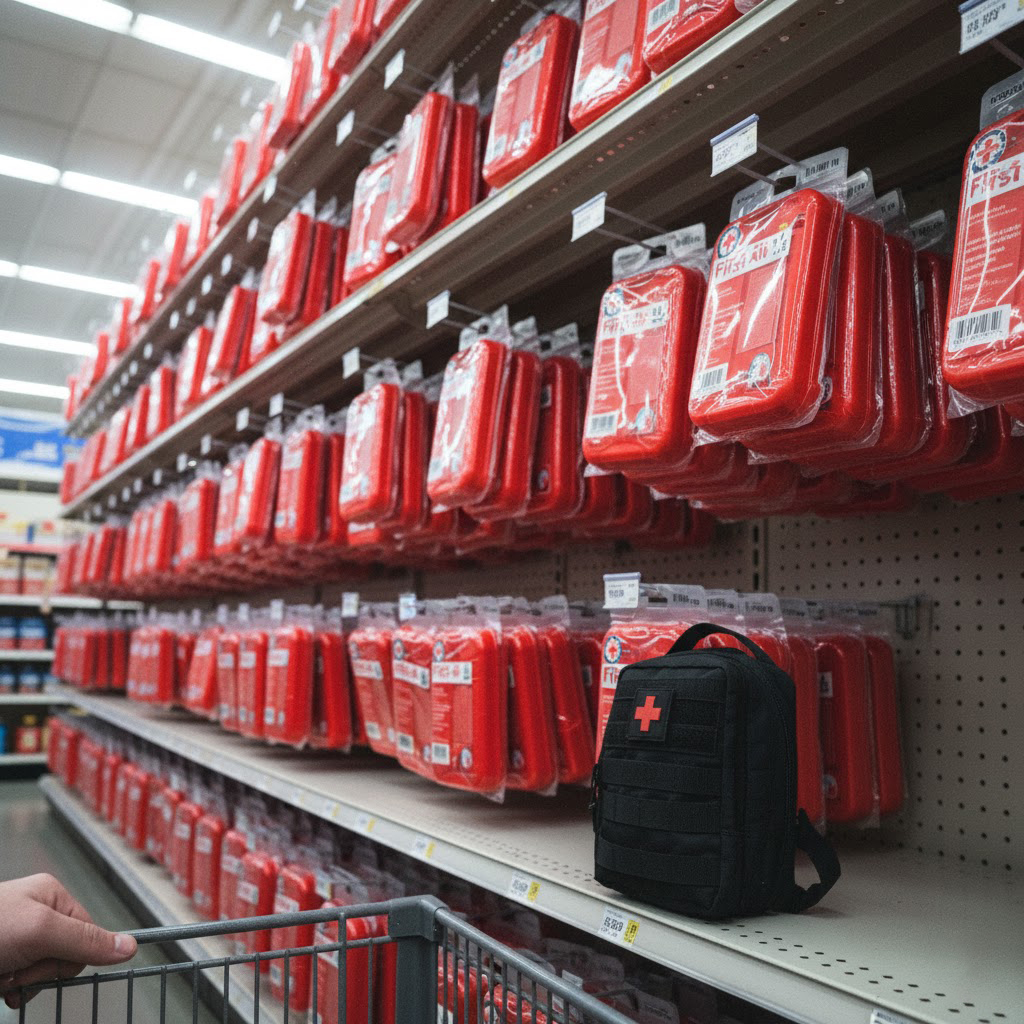
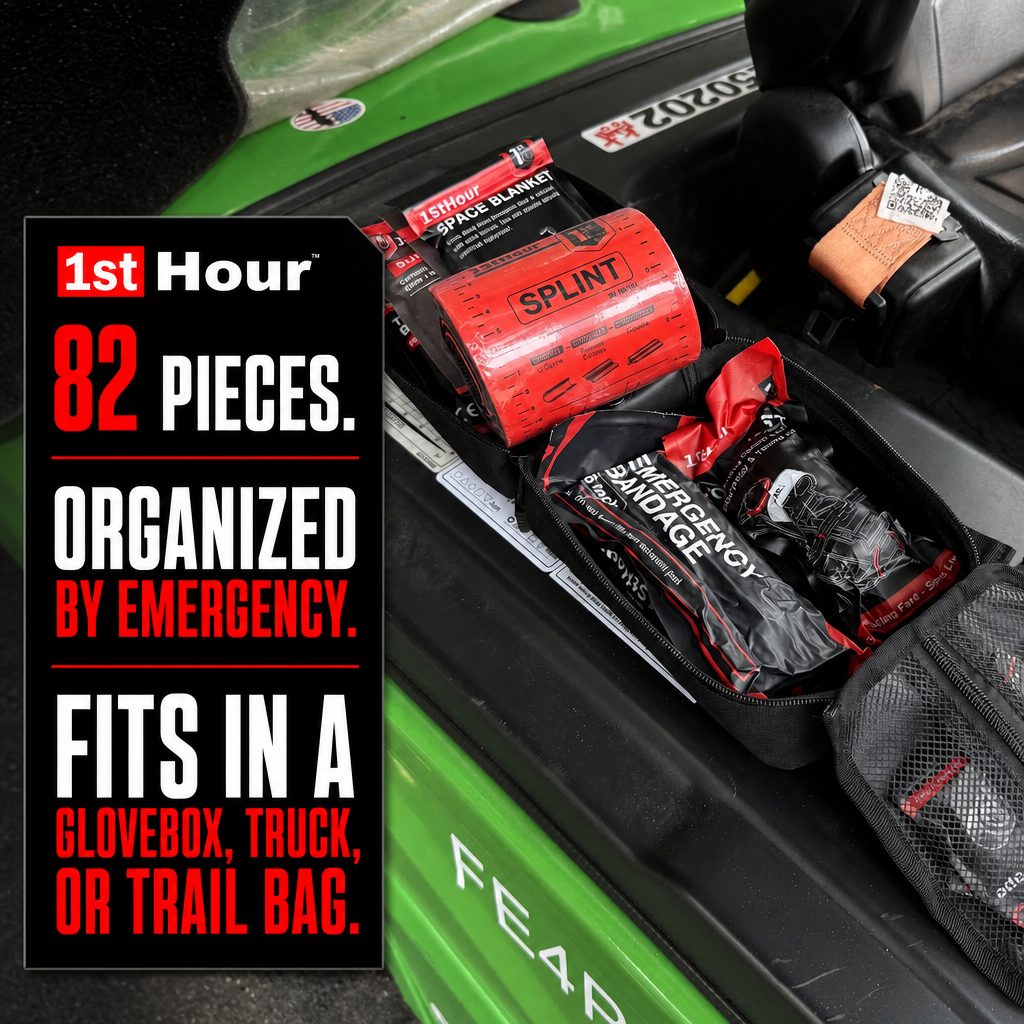
Something strange is happening in the tactical medical community. And if you've been researching trauma kits, you need to know about it. Over the past eighteen months, a quiet shift has been taking place on forums, in Facebook groups, and in the YouTube comments of gear review channels. Guys who've spent years building the "perfect" kit, who've invested $500, $800, sometimes over $1,000 in premium brands and custom configurations, are selling off their expensive setups. And they're replacing them with something that costs about fifty bucks. I've been following this trend closely because it doesn't make sense on the surface. These aren't casual preppers. These are the serious types. Former military. Competition shooters. Wilderness EMTs. People who've actually used this equipment in real situations. So why would they downgrade? Turns out, they're not downgrading at all. They're waking up to something the premium brands don't want you to understand. In a real trauma situation, you have approximately 15 seconds to get the right tool in your hand. Not 15 minutes. Not 15 seconds to "find the right compartment." Fifteen seconds, total, from the moment you realize someone is bleeding out to the moment you need to be applying pressure or tightening a tourniquet. Here's what one combat veteran posted on a popular tactical forum: "I spent over $1,000 on my kit build. Custom pouch. Top-tier components. Organized it perfectly. Then I ran a drill with a shot timer. Took me 38 seconds to get the tourniquet out and staged. I would have watched someone die. The whole system was designed for Instagram photos, not for saving lives." This is what the preparedness community is finally figuring out. All those modular systems, all those zippered compartments, all those premium organizational features, they're actually working against you when it matters most. Under stress, your fine motor skills degrade by 50% or more. Your hands shake. Your vision narrows. The adrenaline makes it nearly impossible to work small zippers or navigate complicated layouts. That's why operators in the field don't use complicated kit systems. They use rip-away pouches. One motion. Everything visible. Tourniquet accessible without digging. One guy who ran medical for a contracting company overseas put it this way: "We had access to literally any equipment we wanted. Unlimited budget. Know what everyone carried? A simple rip-away pouch with the basics. Tourniquet. Hemostatic gauze. Chest seals. Shears. That's it. Because when someone's bleeding out, you don't need options. You need speed." The expensive premium brands have created this illusion that more organization equals better performance. It doesn't. It equals slower deployment. It equals fumbling with compartments while someone bleeds out. It equals paying $280 for a fancy bag full of features you'll never use under stress. The community has figured this out. Now they're looking for kits that do one thing: get professional-grade trauma tools into their hands as fast as physically possible. No lifestyle branding. No premium packaging. No piece-count padding with 47 sizes of adhesive bandages. Just the tools that actually matter, organized for speed, at a price that lets you put one in every vehicle and every location without going broke. Because here's the other thing the premium brands don't want you to think about. The "rule of four" is real. Home. Car. Range bag. Work. If you're spending $300 per kit, you're looking at $1,200 to properly cover your life. Most people buy one expensive kit, put it somewhere, and leave gaps everywhere else. At fifty bucks a kit, you can cover every location and still spend less than one premium setup. An ER nurse who runs her own preparedness training courses recently told me: "I tell my students to forget the fancy stuff. Get a kit with real trauma components, the windlass tourniquet, the hemostatic gauze, the chest seals. Put them everywhere. Trunk. Kitchen. Garage. Boat. The best kit is the one that's actually there when you need it." The kit I've been recommending to people is what I'd call "anti-premium." It's got a rip-away MOLLE design that deploys in one motion. Professional-grade components, not the cheap knockoffs that fail when you need them. Heavy-duty construction that survives harsh conditions. And it costs roughly what you'd spend on a mediocre dinner out. They've been struggling to keep up with demand because word has spread through the serious preparedness community. When people who've actually used this equipment under pressure start recommending the same thing, the message gets around. If you've been stuck in the research phase, comparing kits, reading reviews, trying to figure out which $300 option is worth it, maybe consider what the people who actually know are doing. They're going simple. They're going fast. And they're covering every location instead of putting all their eggs in one expensive basket.
Read If You Need Quality Emergency Gear
Prepare for emergencies with the Tacright Trauma First Aid Kit, designed for rapid response in critical situations. This compact and durable kit includes all the essential tools needed for trauma care, making it perfect for outdoor enthusiasts, tactical professionals, and anyone who values safety an...
LEARN MORELike this ad? Make it yours.
Crush rebuilds this exact creative around your product — your brand, your colors, your offer — in about a minute.