
Inactive· since Mar 24, 2026
- 8
- days it ran
- 2
- relaunches
Ad copy
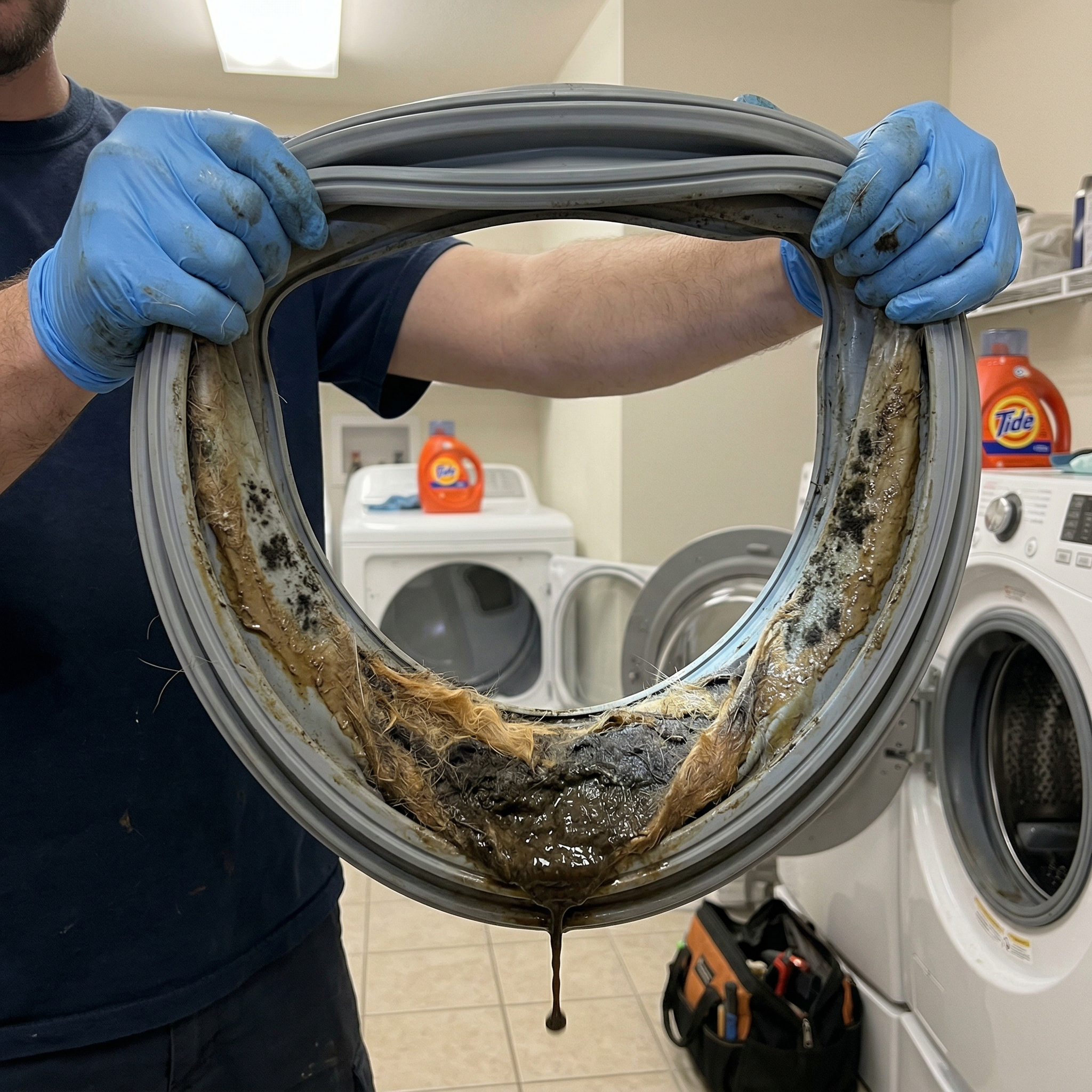
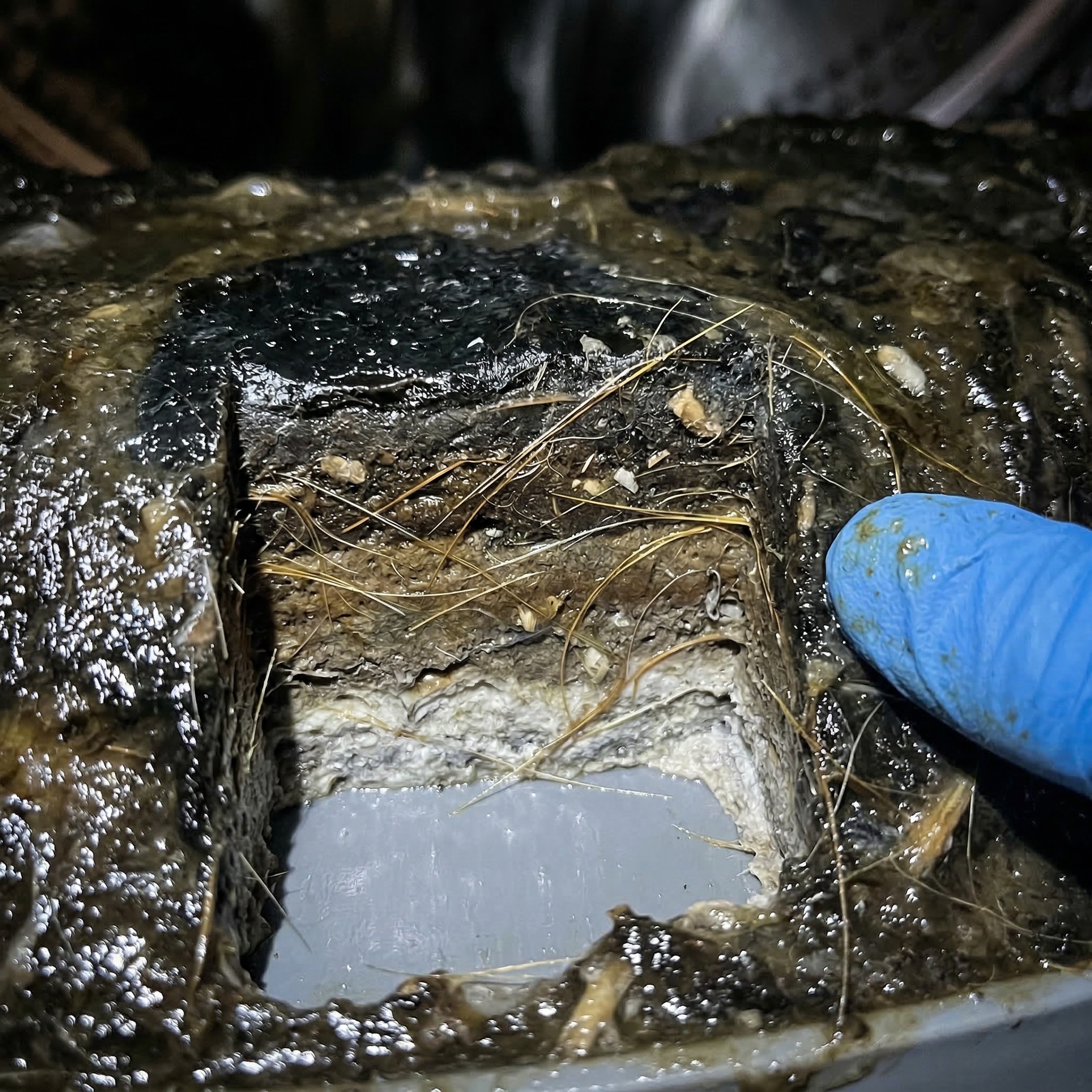
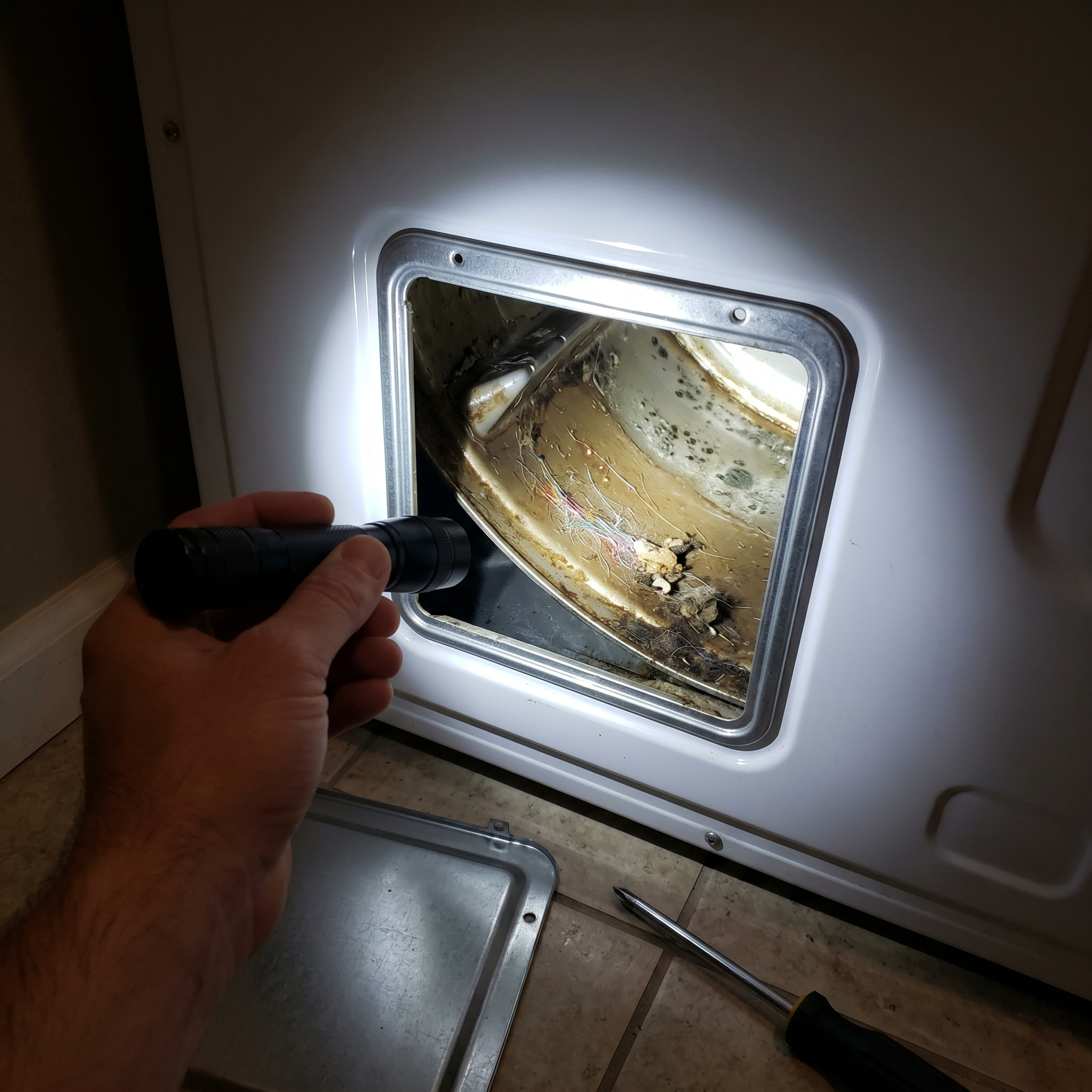
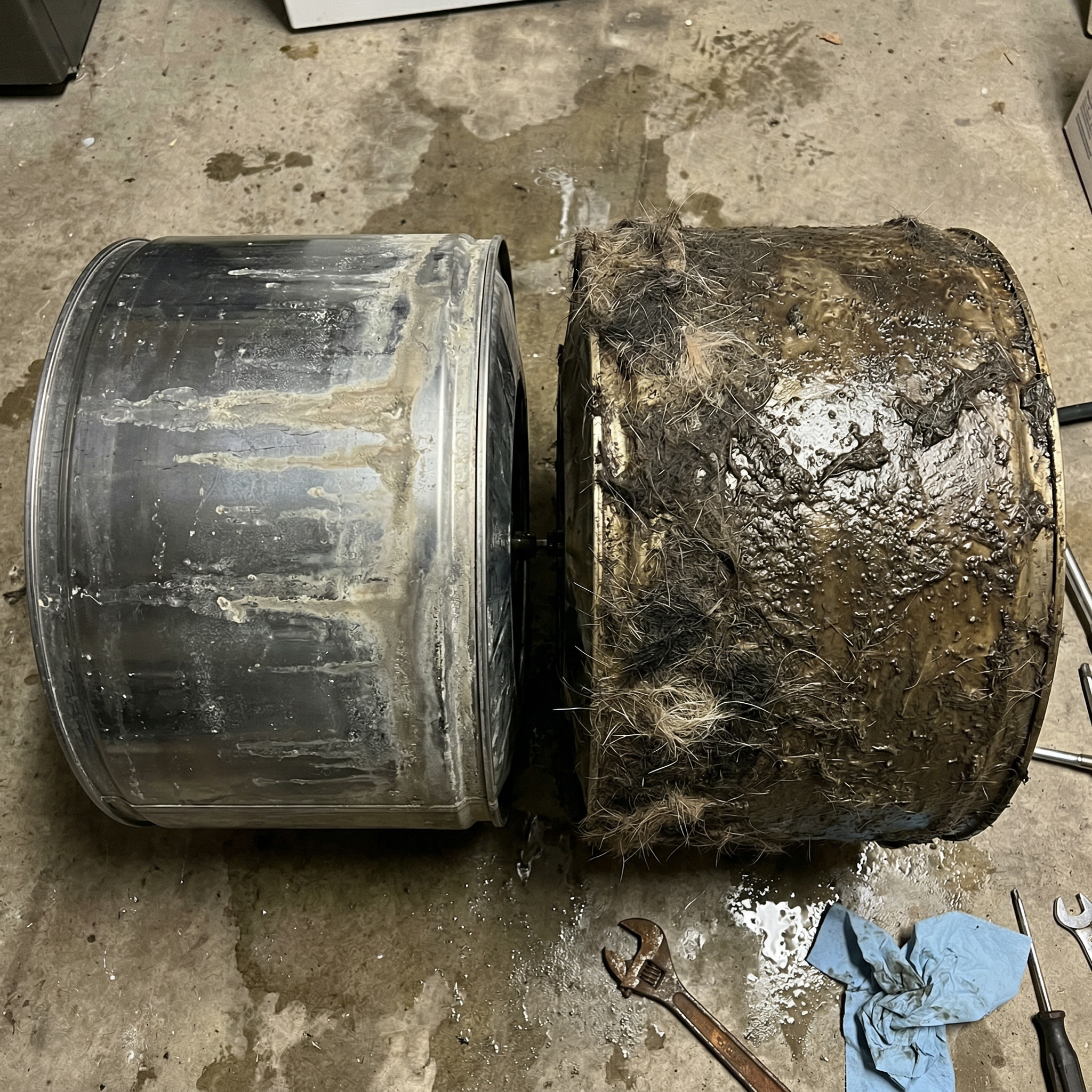
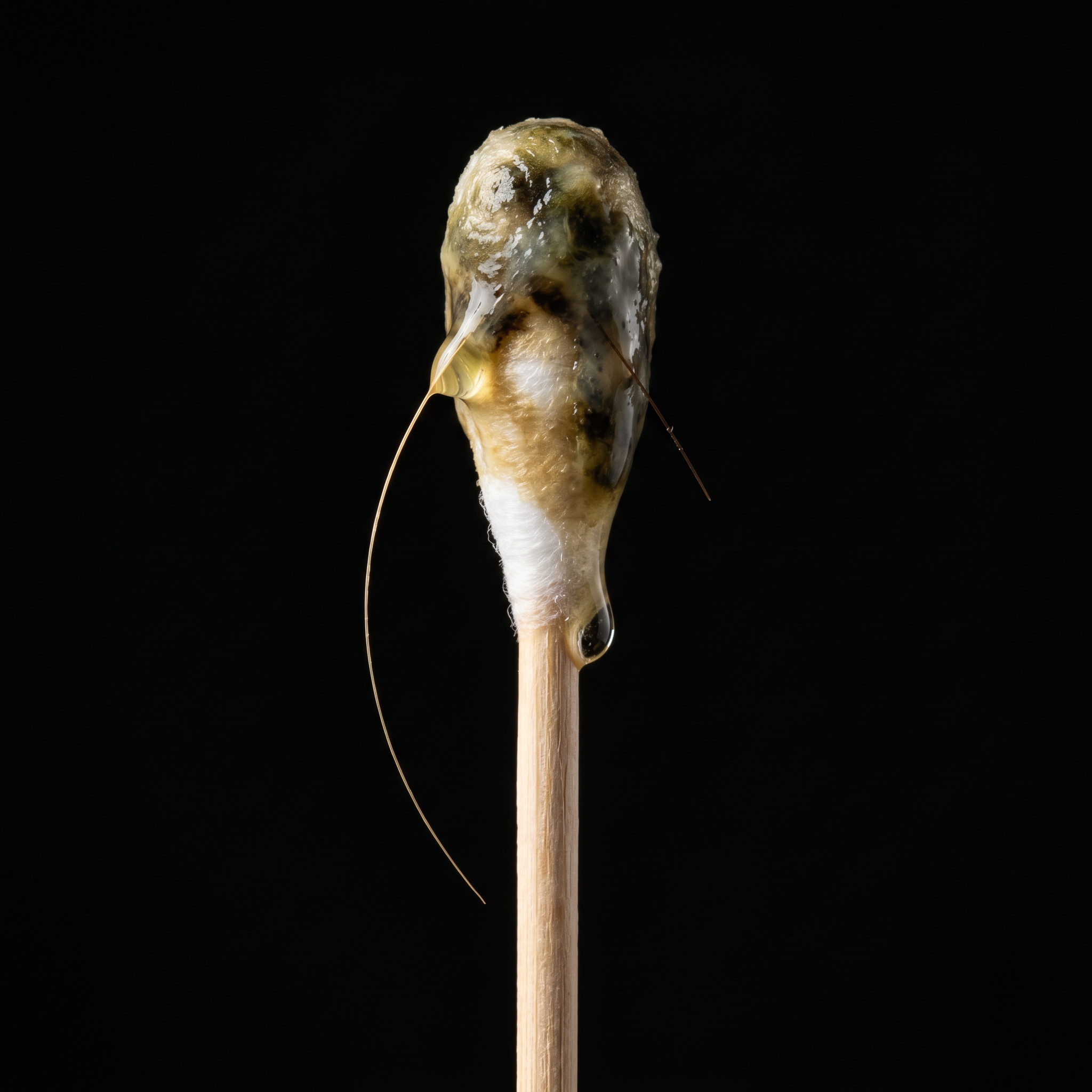
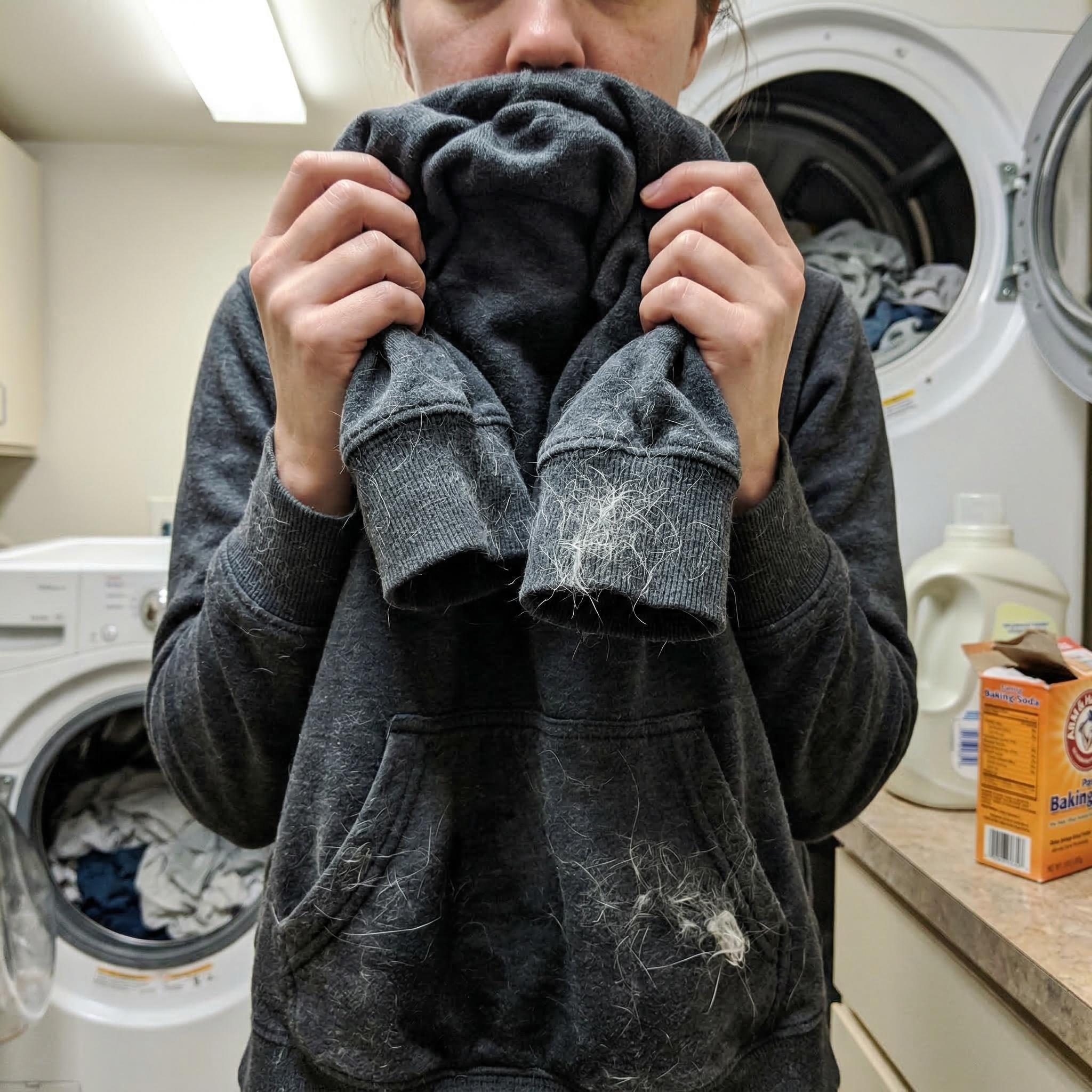
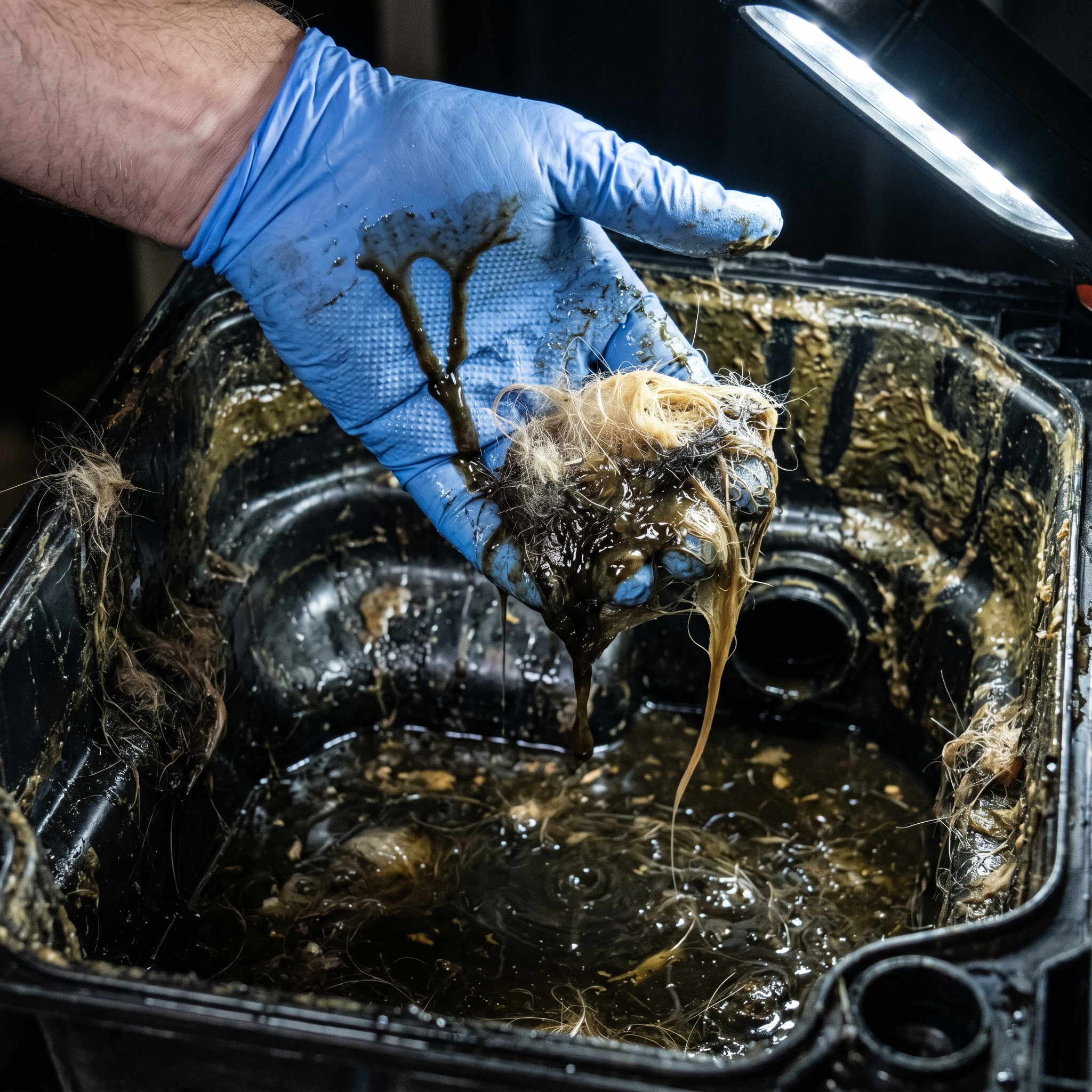
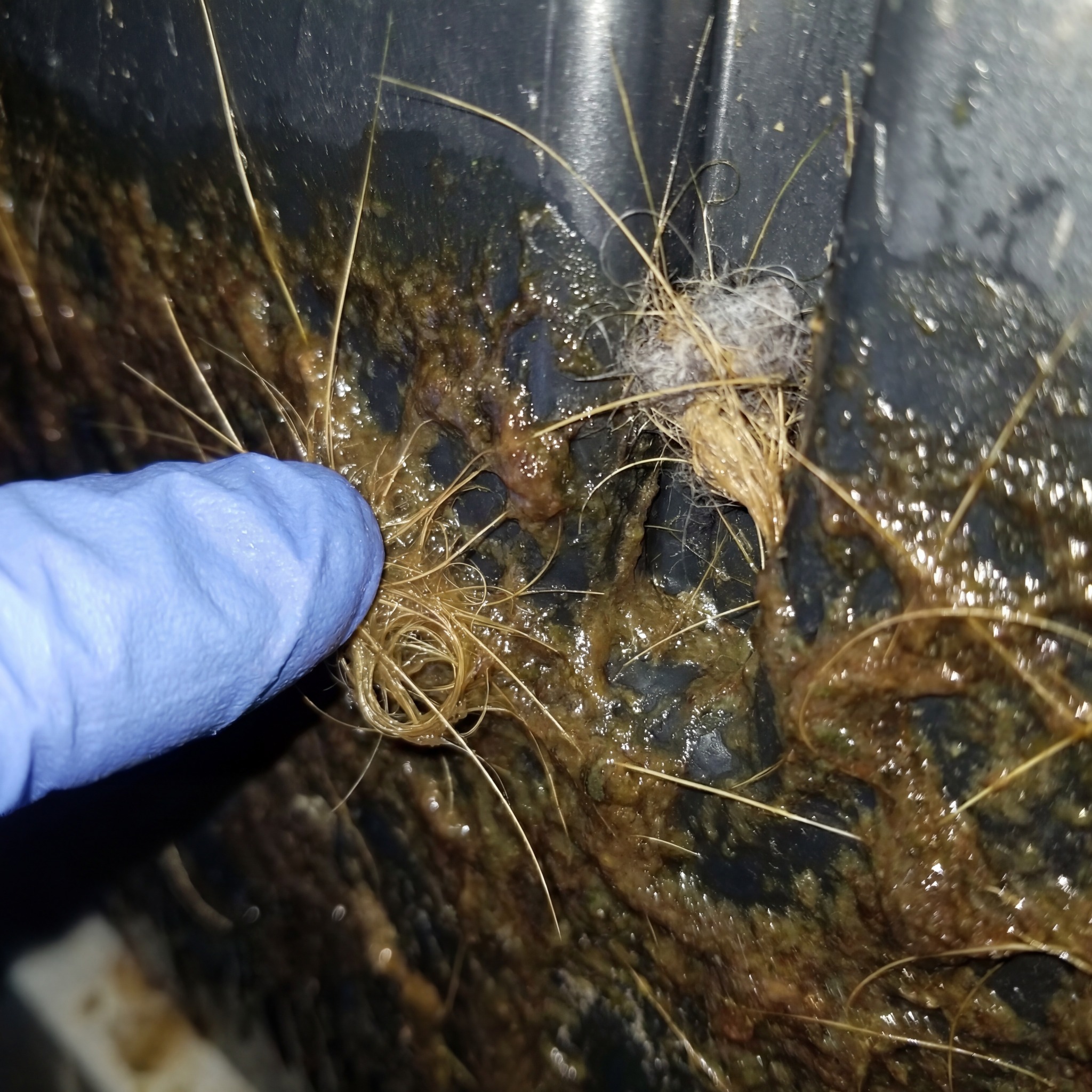
I owe an apology to every pet parent who ever called me about musty-smelling laundry. Every time they told me their towels smelled sour or their clothes carried that damp, wet-dog funk, no matter how many times they rewashed them, I told them the same thing every other repair tech tells people. Run a vinegar cycle. Try the self-clean setting. Leave the door open between loads. Maybe switch to a different detergent. I said it like I knew exactly what was going on. But I was wrong… Not about the smell being real. That part is obvious to anyone who's lived with a dog and a front-loader. I was wrong about where it was coming from. And I was wrong about how to fix it. I've been repairing washing machines in Jacksonville, Florida, for 19 years. Front-loaders, top-loaders, stackables, you name it. I've worked on just about every brand you can think of. And for most of that time, when a pet owner complained about a musty smell in their laundry, I treated it like a minor issue. I figured it was a moisture thing. Maybe they were leaving wet clothes in the drum too long. Maybe their laundry room didn't have enough airflow. Maybe they needed a stronger detergent to handle the dog hair and dander. I thought, “Simple problem, simple fix.” Except it never actually fixed it. They'd call me back a week later with the same complaint. "I did everything you said. The smell came back. It's even worse on the dog blankets." And honestly? I didn't have a better answer for them. I'd just repeat the same advice. Run another vinegar cycle. Try hot water this time. Maybe add some baking soda. It was like putting a Band-Aid on something I couldn't see. And the calls kept coming. More and more every year. Customers with pets were always the worst cases - always. Their towels, their bedding, their kids' school clothes - everything carried this damp, sour smell that wouldn't quit no matter what they tried. One woman told me she'd stopped inviting people over because she was embarrassed her house smelled like wet dog. It wasn't her house. It was her laundry. And I couldn't help her. That bothered me more than I'd like to admit. About eight years ago, I started doing something I probably should've done a lot sooner. I started paying attention to which customers called back. Not the ones with broken pumps or error codes. Those were easy fixes. One visit, done. I'm talking about the smell calls. The ones where there was nothing mechanically wrong with the machine. Everything worked fine. No leaks, no clogs. The drum spun, the water drained, everything worked exactly like it should. But the laundry still smelled. And when I looked at my call logs, almost every repeat callback was a pet parent. At first, I figured it was just because pet households run more loads. More blankets. More towels. More bedding - all covered in hair. So the machine works harder and gets dirtier faster. That made sense on the surface. But then I started pulling machines apart. And not just the drum or the gasket. I mean, actually removing the outer panels and looking at the spaces in between. And over time, the more machines I opened, the more a picture started forming that I couldn't ignore. There's a gap between the inner drum and the outer housing that most people never see. It's completely sealed. You can't reach it with your hands… You can't see it with the door open… And no cleaning cycle touches it. Inside pethousehold machines, the buildup was different - thicker, slimier, and reeking of exactly what those customers had been describing That damp, sour, wet-dog funk. I started paying closer attention to what made the pet owner machines different from everyone else's. And here’s what I discovered… Pet hair doesn't just wash off clothes and easily flush down the drain. It's different from human hair - and it carries significantly more natural oils - thick, waxy sebaceous oils from the coat and skin that don't dissolve easily in water. The natural oils from their skin and coat break down in the wash water, and dander gets pulled into every gap and crevice where water flows, but never fully drains. And all of that organic material settles in that sealed space behind the drum. It basically feeds the buildup. Gives it exactly what it needs to get thicker and stronger after every single load. So every time a pet parent washed fur-covered laundry, they weren't just cleaning their clothes. They were making the problem inside the machine worse. And I'd been telling these people to run a vinegar cycle. Vinegar doesn't leave the drum. It never touches where the problem lives. I felt like a mechanic who'd been telling people to wash the outside of their car to fix an engine problem. I thought about that woman who stopped having people over. I thought about a guy who told me his wife was rewashing their daughter's school uniforms three times every Sunday night. I thought about all the pet parents who trusted me because I was the expert, and I gave them advice that did absolutely nothing. I didn't have an answer. Not a real one. And for a while, I honestly thought there wasn't one. Until, about a year ago, I was venting about this to a parts supplier I've known for years - let’s call him Jimmy. Told him I'd tried everything on the shelf and none of it could reach where the problem actually sits. He said, 'You ever heard of Uproot?' I hadn't. He told me a small company out of Florida had developed a tablet specifically designed to reach the spaces behind the drum. Not just clean the visible parts of the machine, but actually penetrate the sealed gaps where water sits, and residue builds up load after load. I asked him how that was even possible. Every tablet I'd tried just dissolved in the drum and never went further than that. He said this one was different. Something about the way it breaks down - it doesn't just fizz and dissolve. It actually gets carried into the areas where water flows during a cycle, and once it reaches the buildup, it breaks it apart at a level that scrubbing by hand can barely match. I'm not a scientist. I don't fully understand the method behind it. But Jimmy said there was real research behind it. Something about a method that was originally developed for keeping water systems clean in environments where you couldn't just open things up and scrub them by hand. Somebody figured out how to adapt it for home washing machines, and that was enough to get me curious… So I ordered a box and gave it to one of my worst-case customers first - a woman with three dogs and a Samsung front-loader I'd already serviced twice for the exact same smell complaint. She texted me four days later. "What was that tablet? The smell is completely gone. Even the dog blankets." I didn't believe her, so I went back to her house and pulled the panel. The difference was unlike anything I'd ever been able to achieve with conventional cleaning methods in 19 years of doing this The residue in that sealed gap was almost completely gone. In 19 years, I had never seen anything reach that space without me physically taking the machine apart. I started giving those tablets to every pet parent on my callback list. The ones I'd failed for years. The ones who had tried everything I told them and still couldn't get their laundry to smell clean. And every single one of them couldn't believe something that simple actually worked when nothing else ever did. I still repair machines for a living. That hasn't changed. But when a pet parent calls me now about a musty smell, I don't run through the old list of things that never worked. I tell them exactly what I'm about to tell you. There's a reason your laundry smells that way. And it's not your detergent or your laundry routine. It's something building up in a place you've never been able to reach. And there is finally something that reaches it. If you're a pet parent dealing with this, I'd read this before you try anything else. It explains the whole thing better than I can. 👉 https://order.uprootclean.com/wmt008-l4v2-mustyclothes
I Told Them to Use Vinegar. I Was Wrong…
After reviewing university research, government sanitation reports, microbiology papers, and archived NASA data, one conclusion stood out:
SHOP NOWLike this ad? Make it yours.
Crush rebuilds this exact creative around your product — your brand, your colors, your offer — in about a minute.