
Inactive· since Jun 14, 2026
- 85
- days it ran
- 0
- relaunches
Ad copy
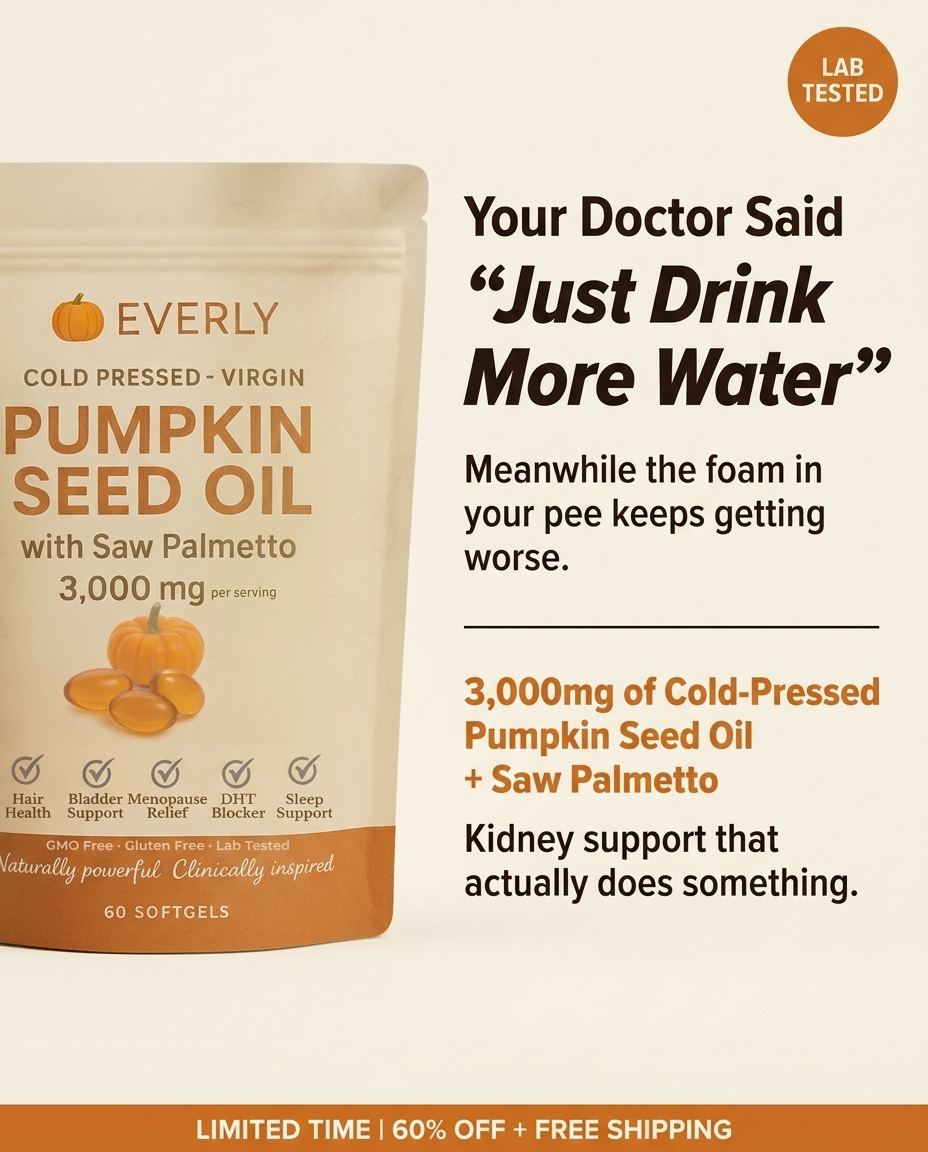
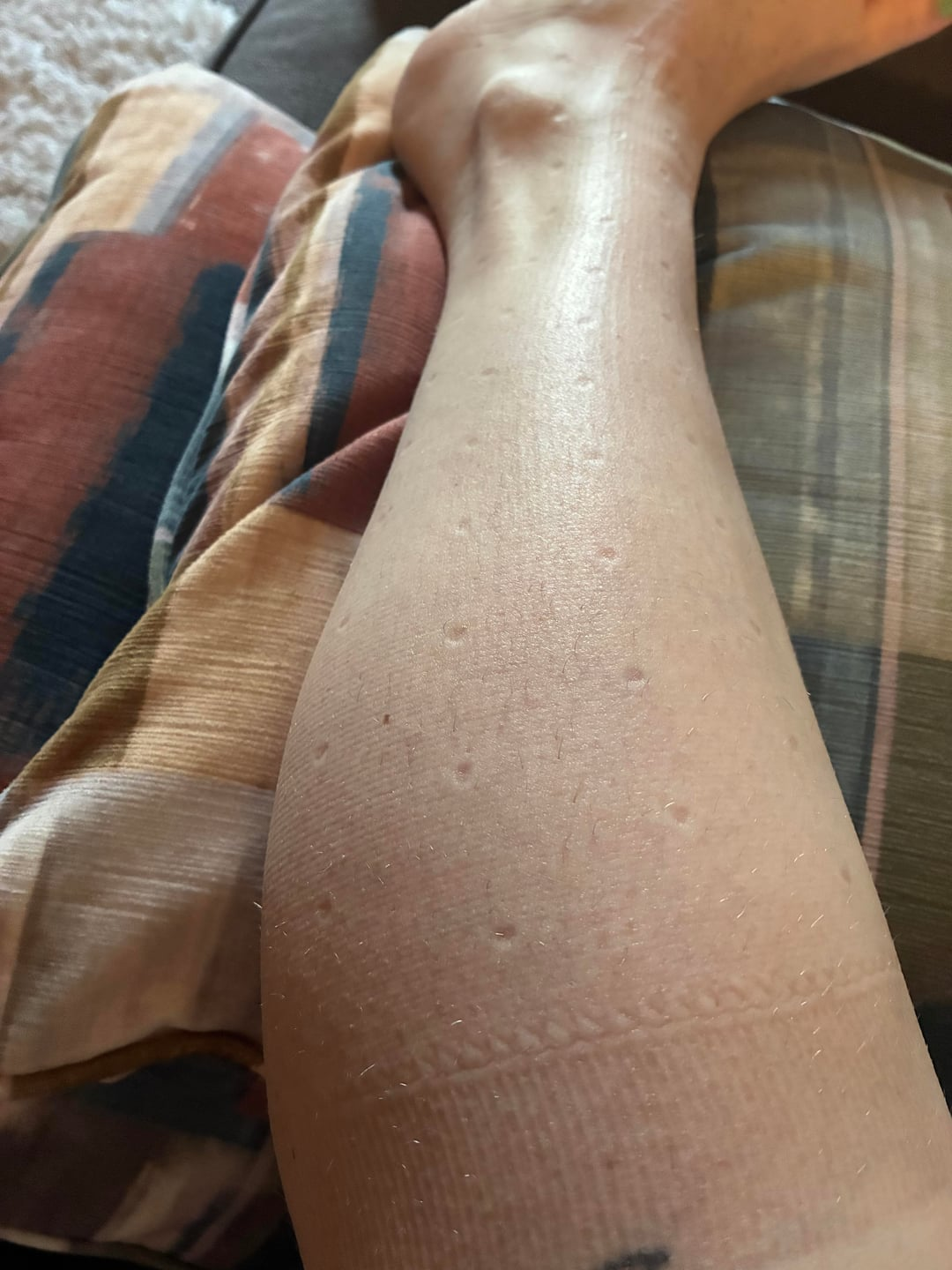
My mother's kidneys shut down on a Tuesday. She was 64. I'm 57. I was the one who drove her to the dialysis center three times a week for four years. Every Monday. Every Wednesday. Every Friday. Six-hour round trips. Watched her sit in that chair with tubes running out of her arm. Watched the color drain from her face. Watched a woman who used to tend a garden and chase grandchildren around the yard become someone who couldn't walk to the mailbox without her ankles swelling so badly the skin split open. My mother died at 68. Congestive heart failure. The dialysis kept her alive. It didn't give her a life. Three weeks ago, my doctor called me in for my bloodwork results. Not the nurse. The doctor. That's never good. She pulled up my labs on her screen. Didn't smile. Didn't make small talk. "Linda. Your GFR has dropped to 58. Your creatinine is elevated. There's protein in your urine. I'm referring you to a nephrologist." Nephrologist. Kidney specialist. My chest went cold. "What does that mean?" "It means your kidneys are showing signs of damage. Stage 3A chronic kidney disease. We need to monitor this closely. If it progresses—" "If it progresses what?" She paused. "If it progresses to Stage 4 or Stage 5, we'd need to discuss dialysis." Dialysis. The word hit me like a car. I saw my mother. The bruises on her arms from the fistula. The cramping. The nausea after every session. The infections. The four years of watching her body collapse around a machine that was keeping her blood clean because her kidneys couldn't. The swelling in her legs that never went away. Ankles so bloated they looked like they belonged to someone else. Then the skin started changing—dark reddish-brown staining. Then the open sores near her ankle bones. Wounds that wouldn't heal. Wrapping her legs in bandages every morning. The weeping. The smell she was so embarrassed about. She stopped wearing dresses. Stopped going to church. Stopped leaving the house. Because her legs looked like something out of a medical textbook and she couldn't bear anyone seeing them. She died in that house. I sat in my car outside the doctor's office. My hands gripped the steering wheel. My phone buzzed with a text from my daughter. "How'd the appointment go, Mom? Everything ok?" I couldn't type back. My husband was grilling chicken when I walked in. He saw my face. Turned off the grill without a word. Sat down across from me at the kitchen table. I handed him the lab printout. GFR: 58. Creatinine: 1.4. Urine protein: Positive. Diagnosis: CKD Stage 3A. His jaw tightened. His eyes filled. "Linda." "I know." "Your mother—" "I know." He put both hands flat on the table. Exhaled. "What do we do?" I had no answer. That night I lay awake. My husband's breathing was steady beside me. But I couldn't close my eyes without seeing my mother's swollen legs. The brown skin. The sores. The wheelchair she needed in Year 3. The funeral in Year 4. At 2:14 AM I got up. Went downstairs. Opened my laptop. I typed: how to improve kidney function naturally The screen loaded. I clicked. And clicked. And clicked. Study: "Dietary interventions may slow CKD progression in early stages..." Article: "Once kidney function is lost, it rarely recovers..." Forum post: "My dad was Stage 3 for two years. Then he was Stage 4. Then he was on dialysis. It happened fast." Another: "I started dialysis at 52. I'm 56 now. I don't have a life. I have a schedule." Another: "The worst part isn't the dialysis. It's what happens to your legs. The swelling. The skin changes. The sores that don't heal. I haven't worn shorts in three years." My throat closed. I closed the laptop. Pressed my palms against my eyes. I searched: kidney disease leg swelling why "In CKD, damaged kidneys fail to remove excess fluid. This fluid accumulates in the lower extremities—ankles, feet, legs—causing edema. Over time, chronic edema leads to venous stasis dermatitis: skin discoloration, hardening, and eventually open wounds called venous ulcers." I looked down at my own ankles. Slightly puffy. Not terrible. But puffy. For weeks now. I hadn't noticed. Or maybe I had. Maybe I'd been ignoring it. The next morning I called my sister. She'd been pushing natural supplements for years. I'd always rolled my eyes. "Pumpkin seed oil," she said immediately. "Cold-pressed. For kidney support. There are studies. Real ones." I Googled it. Study from the Journal of Medicinal Food: "Pumpkin seed oil demonstrated significant nephroprotective properties..." Research from European Journal of Pharmacology: "Cucurbita pepo seed oil reduced kidney inflammation markers and improved renal function in subjects with early kidney damage..." Clinical data: "Pumpkin seed oil's phytosterols and antioxidant compounds protect kidney tubular cells from oxidative damage—one of the primary mechanisms of CKD progression..." Real journals. Real universities. Not blog posts. Not influencers. Science. I ordered the first pumpkin seed oil I found on Amazon. Nature's Way. Cheap. Two-day delivery. Took it every day for six weeks. Didn't miss once. My ankles still swelled every evening. My urine still foamed. I tried Micro Ingredients next. The one everyone on TikTok recommends. Eight weeks. Nothing. Still foamy. Still puffy. GFR at my recheck: 56. Worse. Two points lower in three months. Trending in the wrong direction. Toward Stage 3B. Toward Stage 4. Toward the dialysis chair. I called my sister crying. "The pumpkin seed oil isn't working. None of it works. I've been taking it for four months and my kidneys are getting worse." She was quiet for a moment. "Which brand are you taking?" "I've tried two. Nature's Way and Micro Ingredients." "Linda. Those are the problem." "What do you mean?" "Most pumpkin seed oil supplements are processed at high temperatures. The heat destroys the phytosterols—the active compounds that actually protect kidney cells. You're swallowing capsules of damaged oil. The compounds that the studies tested are gone before the capsule even reaches your bloodstream." "The label says cold-pressed." "The labels say whatever they want. There's no enforcement. Most 'cold-pressed' pumpkin seed oil is refined at temperatures over 200°F. At that point, the phytosterols oxidize. The fatty acids degrade. You're taking dead oil." "How do you know this?" "Because I made the same mistake. For months. Then my naturopath explained it. She said there's only one brand she trusts. It's called Everly. Austrian-sourced pumpkin seed oil. Actual cold-press extraction verified by third-party testing. The phytosterols—beta-sitosterol, campesterol, stigmasterol—all verified intact. Published Certificate of Analysis. Made in the USA." "I've never heard of it." "Because they don't have a million-dollar TikTok budget. They just have the oil that actually works." She sent me the link. I ordered it that night. The bottle arrived four days later. I took the first softgel that morning with breakfast. Then one more with dinner. As directed. I didn't expect anything. Four months of two different brands had taught me to expect nothing. But I noticed something on Day 3. My ankles. When I took my shoes off after work. They were... less swollen. Not dramatically. But less. The indentation from my sock wasn't as deep. The tightness was reduced. By Day 7, the difference was undeniable. I could see my ankle bones again. For the first time in months, my ankles looked like ankles—not overstuffed sausages. My husband noticed on Day 9. He was watching me walk barefoot across the kitchen. "Linda. Your ankles. They look... normal." I looked down. He was right. Week 2: The foaming in my urine was decreasing. I'd been watching it obsessively every morning—standing over the toilet like a scientist staring into a microscope. The foam that used to fill half the bowl was now a thin ring. Then just bubbles that popped within seconds. Week 3: I slept through the night. Hadn't done that in months. Something about the constant low-grade inflammation being reduced—my body was finally at rest. The heaviness in my lower back that I'd attributed to "getting older" was gone. Week 4: I checked my ankles every morning. Slim. No puffiness. No sock lines. The skin on my lower legs was changing—the reddish discoloration that had started to appear was fading. The skin was softer. Not as tight. I called my sister. "Something is happening." "I told you." "No—something is really happening. My ankles. The foam. I'm sleeping. The skin on my legs—" "Get your labs done." I called the nephrologist. Asked for early bloodwork. They said I wasn't due for three more weeks. "I want it now. Please." They scheduled me for Monday. Monday morning. Blood draw at 8 AM. Results came back Thursday. My phone rang at 4:17 PM. The nephrologist's office. "Linda? This is Dr. Patel's nurse. He'd like to discuss your results." My heart hammered. "Go ahead." "Your GFR is 64." I didn't speak. "Linda?" "Sixty-four?" "Yes. Up from 56 at your last visit. Creatinine is 1.1. Down from 1.4. Urine protein is trace—barely detectable." My hand covered my mouth. Tears streamed down my face. GFR 64. UP eight points. From 56 to 64. Creatinine 1.1. DOWN from 1.4. Protein in urine: Trace. I was moving AWAY from dialysis. Not toward it. "Dr. Patel said he wants to see you in his office. He's never seen numbers improve this quickly without medication intervention." At the appointment, Dr. Patel sat across from me. Pulled up both lab reports side by side. "Linda. This is... remarkable. In my experience, GFR at Stage 3A typically stabilizes or continues declining. An eight-point improvement in six weeks is exceptional. What changed?" I told him everything. The pumpkin seed oil. Not the cheap brands—those did nothing. Everly. Cold-pressed. Austrian-sourced. Verified phytosterol content. Third-party tested. He wrote it down. Nodded slowly. "Whatever you're doing, continue. If this trajectory holds, you may move back to Stage 2. That would be a significant reversal." Stage 2. From Stage 3A. Going backward. Away from dialysis. Away from the chair. Away from the swollen legs and the skin sores and the four-year death sentence I watched my mother endure. I walked to my car. Got in. Called my husband. "Sixty-four." Silence. Then his voice cracked. "Thank God, Linda. Thank God." That was eight weeks ago. I just got my latest labs. GFR: 71. Seventy-one. That's Stage 2. Mild. Not Stage 3. Not headed toward dialysis. Creatinine: 0.9. Normal range. Protein in urine: Negative. My ankles? Slim. No swelling. No discoloration. No tightness. I'm wearing sandals again. I'm wearing dresses again. I walked two miles with my daughter last Saturday and my legs felt fine. The heaviness in my back? Gone. The foamy urine? Gone. The 2 AM panic attacks Googling "CKD progression timeline"? Gone. I'm not following my mother's path. Yesterday my granddaughter ran up to me in the driveway. I scooped her up without thinking. No stiffness. No swelling. No pain. She wrapped her arms around my neck and said, "Grandma, let's go to the park!" And I said yes. Because I could. If you're reading this, you see yourself in my story. Your GFR is dropping. Your creatinine is climbing. Your doctor mentioned a nephrologist—or dialysis. You've noticed the foam in your urine. You've noticed your ankles swelling at the end of the day. Maybe the skin on your lower legs is changing—getting darker, tighter, harder. You've Googled "CKD Stage 3 life expectancy" at 3 AM. You've read the forum posts from people on dialysis who say the same thing: "I wish I'd caught it earlier. I wish I'd done something when I was Stage 3." Maybe you've already tried pumpkin seed oil. The cheap stuff from Amazon or TikTok. Maybe it didn't work. Maybe you gave up. Here's what I want you to know: If I hadn't learned the difference between dead oil and real oil, I'd be on a waiting list for a nephrologist right now. Watching my GFR drop month by month. Watching my legs swell and my skin change. Counting down to the dialysis chair. The same chair my mother sat in three times a week for four years before her heart gave out. But I had a choice I didn't know existed. I chose to try one more time. With a supplement that was actually manufactured correctly—not just labeled correctly. That choice changed everything. --- I tried two other pumpkin seed oil supplements before Everly. Neither worked. Here's why Everly did: AUSTRIAN-SOURCED, GENUINE COLD-PRESSED (Not Heat-Damaged) Standard pumpkin seed oil is processed at high temperatures—often over 200°F. This oxidizes the phytosterols and degrades the fatty acids. The compounds that protect kidney cells are destroyed before the capsule is even bottled. Everly sources from Austrian Styrian pumpkin seeds—the gold standard worldwide for pumpkin seed oil quality. Genuine cold-press extraction at temperatures that preserve every active compound. Third-party verified. Every batch tested. The phytosterols reach your bloodstream intact. They work. KIDNEY-PROTECTING PHYTOSTEROLS PRESERVED (The Compounds That Matter) The clinical studies on pumpkin seed oil and kidney health tested oil with verified phytosterol content: beta-sitosterol, campesterol, stigmasterol. These compounds reduce kidney inflammation, protect tubular cells from oxidative damage, and support healthy fluid balance. Cheap pumpkin seed oil has degraded phytosterols. Oxidized. Inactive. You're swallowing capsules of rancid oil and wondering why your numbers aren't improving. Everly's phytosterol content is verified by third-party lab analysis. The kidney-protecting compounds are present. At the levels that work. This is why my ankles stopped swelling within 7 days. This is why my GFR went from 56 to 71 in 14 weeks. The active compounds were actually reaching my kidneys—not dying in a factory. PROPER THERAPEUTIC DOSE (Not An Underdosed Capsule) Most pumpkin seed oil supplements are underdosed. Small capsules. Low concentration. You'd need to take 8-10 capsules to match the doses used in clinical research. Everly delivers the full therapeutic dose in their softgel formulation. Concentrated. Bioavailable. The dose that moves numbers—not the dose that's cheapest to manufacture. DUAL-PHASE PROOF SYSTEM Within the first week: Visible reduction in ankle/leg swelling. Less foamy urine. Better sleep. Proof the anti-inflammatory compounds are working. Over 4-8 weeks: Measurable improvement in kidney function markers—GFR, creatinine, urine protein. You'll see it on your lab results. Numbers don't lie. I didn't have to guess. I could see my ankles shrinking. I could see the foam disappearing. Then I could see it on paper at the doctor's office. --- Try Everly Pumpkin Seed Oil Softgels for up to 90 days. Track your kidney numbers. Watch your ankles. Watch your urine. If you're not satisfied for ANY reason—if you don't see improvement in your swelling—if your numbers don't move in the right direction—if you don't believe this is the breakthrough you've been searching for—you're protected. No questions asked. You risk absolutely nothing. --- You're at a crossroads right now. One path: Watch and wait. Watch your GFR drop point by point. Watch your ankles swell bigger month by month. Watch the skin on your legs darken, harden, crack. Watch the number get lower until a doctor says the word you've been dreading: dialysis. Three times a week. Four to five hours per session. For the rest of your life. While your legs swell, your skin breaks down, and wounds form that won't heal. Another path: Do what I did. Try a pumpkin seed oil that's actually manufactured correctly. Track your numbers. Watch your ankles. Give it an honest trial with zero financial risk. I chose the second path. It took my GFR from 56 to 71. It took my creatinine from 1.4 to 0.9. It eliminated protein from my urine. It removed the swelling from my legs. It gave me back my ankles, my sleep, my mobility, and my future. It gave me back my life. Fourteen weeks ago, I was Stage 3A chronic kidney disease. My mother died on dialysis at 68. I was 57 and following her exact path. I sat at my kitchen table at 2 AM reading forum posts from people in dialysis centers who said the same thing: "I wish I'd done something when I still could." I felt trapped. Like the only two options were watch and wait—or accept the inevitable. But I was wrong. There was a third option I didn't know existed. If you're where I was—terrified of dialysis, watching your numbers decline, desperate for something that actually works—try Everly. Track your kidney numbers. Watch your legs. Give it an honest 90-day trial. Your future self will thank you. https://try.shopeverly.shop/esl — Linda Morrison P.S. — I saw visible reduction in ankle swelling within the first week. Foamy urine improved by Week 2. GFR improved 8 points by Week 6. Reached Stage 2 by Week 14. Your timeline might be different. But you won't know unless you try. P.P.S. — Every day you wait is another day your kidneys are taking damage. Every day your GFR drops a little more. Every day the inflammation spreads. Every day the swelling gets worse and the skin changes get harder to reverse. Every day closer to the dialysis chair. Don't wait until your doctor says "we need to start." Order now. https://try.shopeverly.shop/esl
🎃 Natural Support for Your Daily Routine
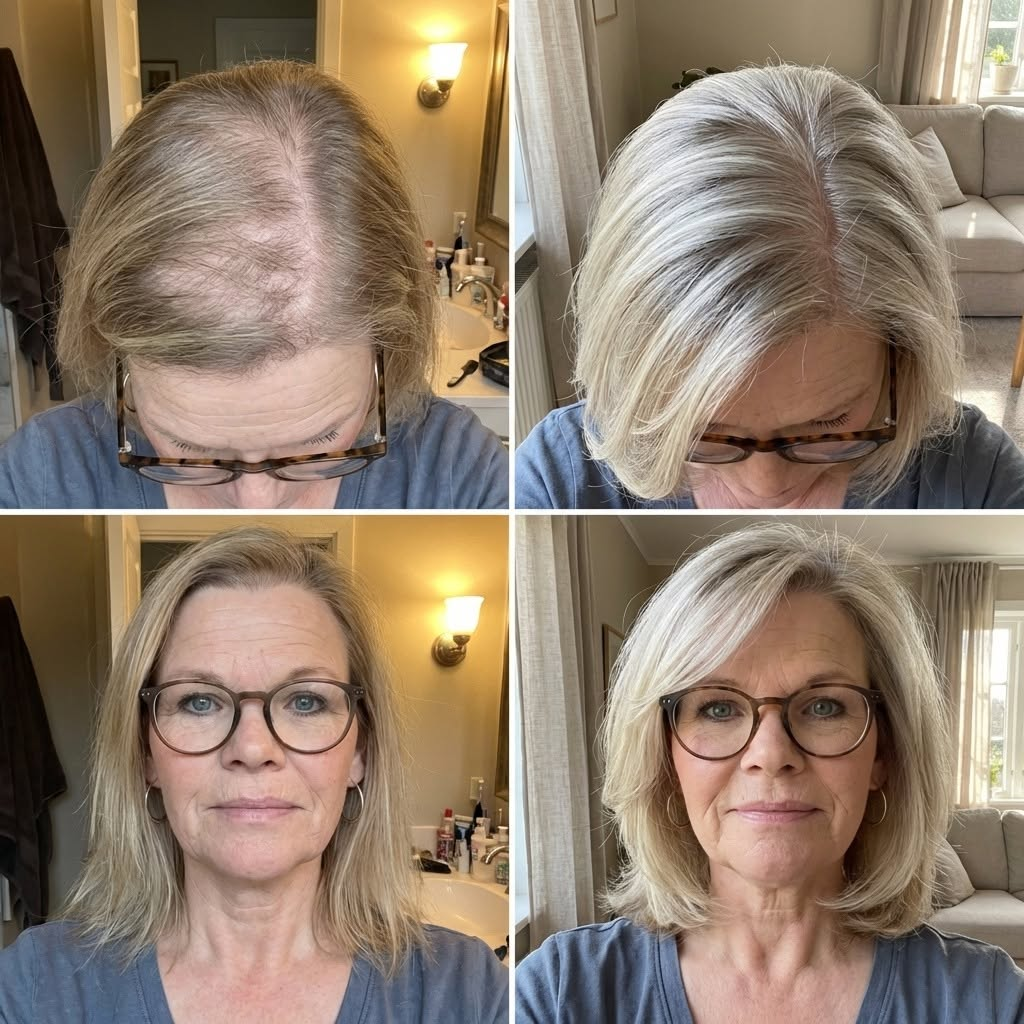
“I’ve been feeling stronger and more balanced since taking Everly Pumpkin Seed Oil. My bladder feels so much calmer, I’m sleeping through the night again, and my hair feels thicker than it has in years. I love how natural it feels — just pure support for my body.”
LEARN MORELike this ad? Make it yours.
Crush rebuilds this exact creative around your product — your brand, your colors, your offer — in about a minute.