How I Beat Cholesterol
How I Beat Cholesterol Facebook ad: “Please be careful if you take statins!”
Ran for 28 days, from May 11 to June 8, 2026, the last day Crush saw it.
Run by How I Beat Cholesterol on Facebook. Crush is not the advertiser and does not verify its claims. See this ad in Meta's Ad Library(opens in a new tab)
Want an ad like this for your product?
Crush makes new ad images for your product from this ad: your logo, your product photo, your offer.
Trials from $19.95 USD, then $79.95 USD a month. Cancel anytime.
About this ad
- Meta Ad Library ID
- 1482094136622182
- Platforms
- Facebook, Instagram, Audience Network, Messenger and Threads
- Relaunches
- 0
Ad text
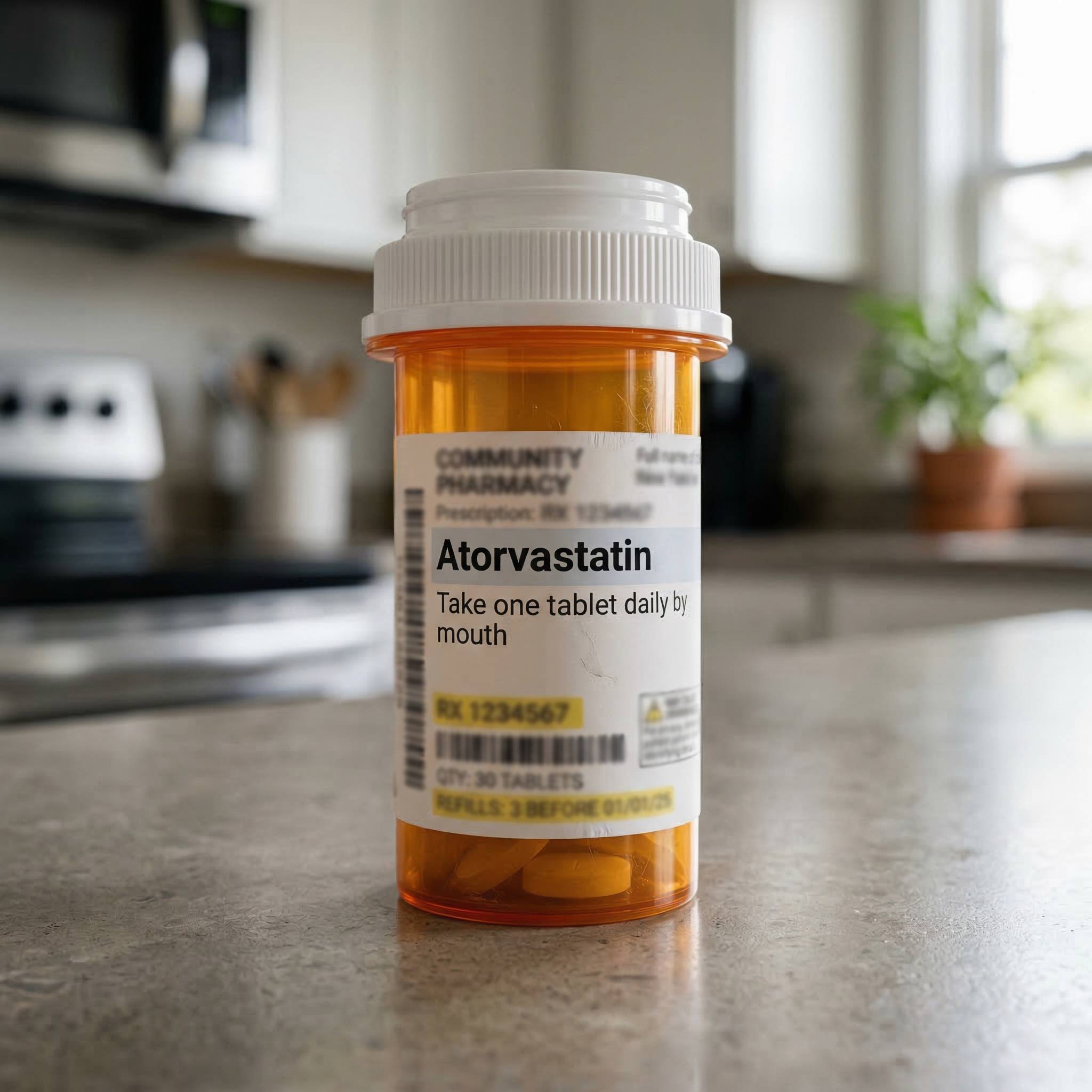
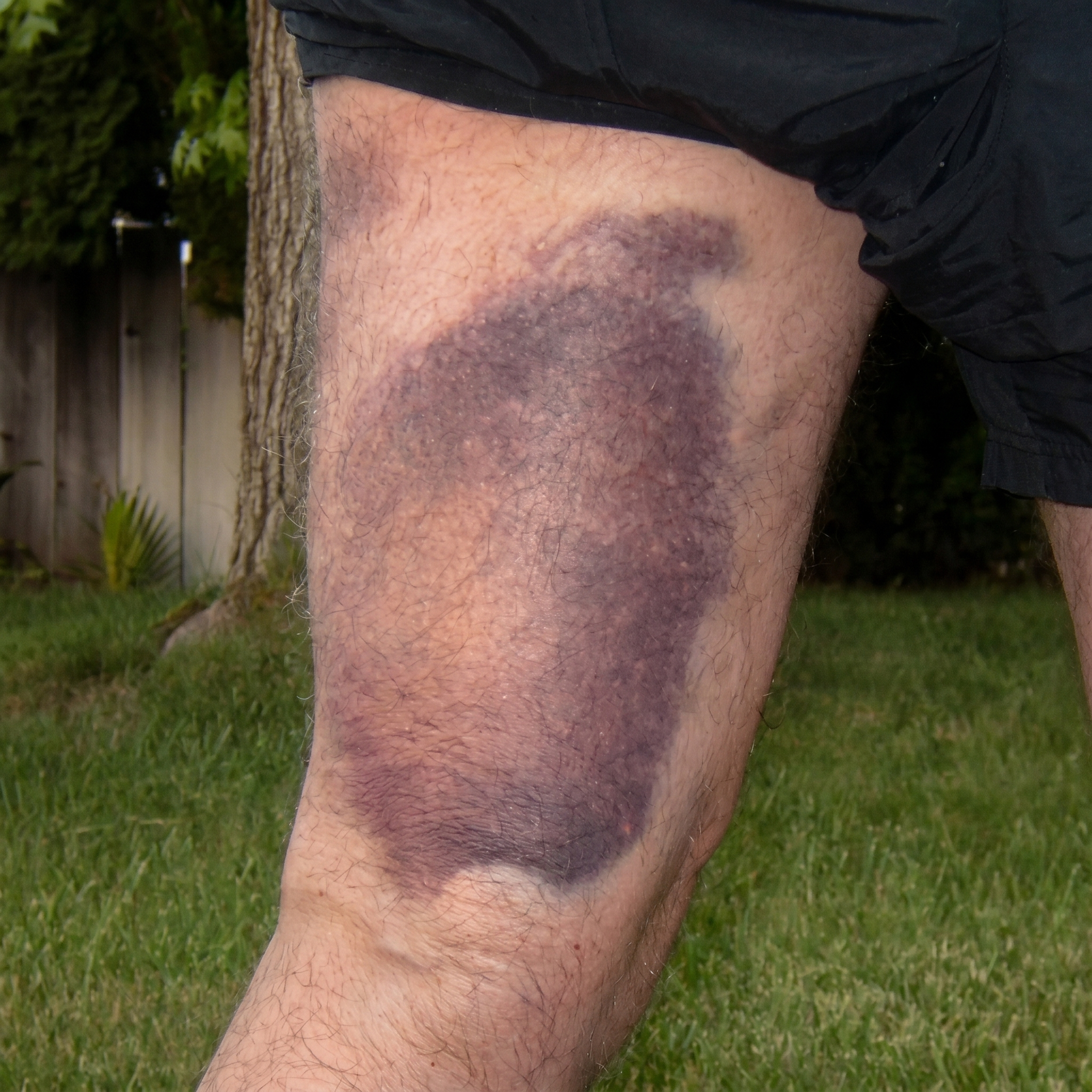
I tore the back of my thigh on a waterski at 61 years old, and when the orthopedic surgeon asked me what medications I was on, the look on his face when I said the word statin told me everything I needed to know. It was not a pop. It was a slow, sickening rip, like someone was pulling apart a piece of wet rope inside my leg, fiber by fiber. I let go of the rope. I went face first into the water. And when I came up I already knew. I knew because I had been a skier my whole life. I knew because I had felt my body change over the previous 18 months in ways I had been quietly pretending not to notice. And I knew because somewhere underneath the panic and the cold water and the embarrassment of my brother in law cutting the engine and circling back to fish me out, there was a small, ugly voice in my head that just said, finally. Finally the thing you have been ignoring has come for you. I had been a competitive water skier in my 20s. I had run marathons in my 30s. I had taken my kids skiing in Park City in my 40s, and at 50 I was still the guy on the job site who could outwork men half my age. I am telling you all of this not to brag, because believe me, sitting in the back of that boat with my leg already turning purple, there was nothing left to brag about. I am telling you because I want you to understand that what happened to me did not happen because I was weak, or lazy, or because I had let myself go. It happened because somewhere along the line my body had stopped being able to repair itself the way it used to, and I had not paid attention to the warning signs. The warning signs had been there for at least 2 years. My hands were always cold, even in summer. I was getting cramps in my calves at night that would wake me up and have me hopping around the bedroom at 3 in the morning trying to walk them out. My recovery from any kind of exertion had gone from 1 day to 3. Stairs had started to feel like work. And the thing I never told anyone, not even my wife, was that I had stopped being able to perform in the bedroom the way I used to. I told myself it was stress. I told myself it was age. I told myself a lot of things, because the alternative was admitting that something inside me was breaking down and I had no idea how to fix it. The doctor had put a name on it about a year before the accident. High cholesterol. My total was over 240. My LDL was up where he did not want to see it. My HDL was lower than he wanted. He pulled out a chart, drew a few circles, and told me that at my age and with those numbers I was a candidate for what he called preventative intervention. He wrote me a prescription for a statin, gave me a pamphlet about diet and exercise, and told me to come back in 6 months. I filled the prescription. I took the pills. I told myself I was being responsible. And I kept getting weaker. Here is what nobody tells you about high cholesterol and the drugs they give you for it. The cholesterol number on your chart is not the disease. The disease is what is happening to the inside of your blood vessels. The cholesterol number is just one indicator of how much damage is being done to the lining of your arteries by years of inflammation, oxidation, and circulatory stress. When you take a statin, you bring the number down. The number on the page goes from a bad number to a good number, and your doctor is happy and you are happy, and the underlying vessels keep slowly hardening and stiffening anyway because nothing about the actual repair process inside the artery wall has been addressed. Meanwhile the drug is doing its job in your liver, and it is also doing some other things that nobody really wants to talk about. It is interfering with the production of a molecule called CoQ10 that your muscles need to function. It is altering the way your mitochondria generate energy. And in some men, it is quietly weakening the connective tissue and the muscles to the point where a perfectly ordinary waterskiing pull tears the back of a thigh that has handled the same load for 40 years. I did not know any of this, lying in the back of that boat. I did not even know it 3 weeks later, hobbling around the house on a crutch, watching my wife do the things I should have been doing. I started to learn it during the long, slow, infuriating recovery, when I had nothing to do but sit on the couch and read. I read everything I could find about cholesterol, about arteries, about why the standard approach was leaving so many men weaker than it found them. I read about the endothelium, which is the single cell thick lining that runs along the inside of every blood vessel in your body, and which functions as a kind of master control panel for circulation. I read about how it produces a molecule called nitric oxide that signals blood vessels to relax and open. I read about how chronic inflammation, oxidative stress, and the slow drift of cholesterol particles into the arterial wall are what actually drive cardiovascular disease. And how once that lining is damaged, your circulation never works the same way again unless you actively give the body the signals it needs to repair it. I also read about a receptor called TRPV1. I had never heard of it. Almost nobody outside of a research lab has heard of it. It was the discovery of this receptor that won the Nobel Prize in Physiology in 2021, and the reason it matters is that when you activate it, you set off a cascade of signaling inside the blood vessels that does several things at once. It tells the endothelium to produce more nitric oxide. It tells the body to clear out senescent, damaged cells in the vessel wall. It modulates inflammation. It improves the way the body handles cholesterol particles in circulation. And the way you activate it, in a clean and concentrated form, is through a compound that humans have been eating for 7,000 years without realizing what it was actually doing for them. Capsaicin. The compound that makes chili peppers hot. Now, before you get ahead of me, I want to be clear about what I am saying and what I am not saying. I am not saying that capsaicin is a cure for high cholesterol. I am not saying you should stop taking what your doctor prescribed you. I am not saying any supplement is a substitute for actually getting your numbers checked, eating properly, moving your body, and sleeping like an adult. What I am saying is that for 2 years I had been doing all of the conventional things and my body had still been falling apart. And when I finally stumbled across the research on TRPV1 and the endothelium, it was the first time in a long time that something I read actually made sense of all the symptoms I had been experiencing. The cold hands. The cramping legs. The slow recovery. The tear in my thigh. The bedroom problems I was too proud to talk about. The cholesterol number that kept coming back high no matter what the prescription was doing. They were not separate problems. They were 1 problem. They were a circulation problem. They were a vascular problem. And the medical system, with its prescriptions and its 6 month follow ups, had been treating the number on my chart without ever once addressing the actual underlying tissue that was failing. That is when I came across Aurivita. I want to tell you what I liked about it before I tell you what it did, because I have been around long enough to be suspicious of any supplement that promises miracles, and I think you probably are too. The first thing I liked was that the dose was honest. 3 mg of pure capsaicin per serving, delivered in a softgel so it actually gets absorbed instead of burning a hole in your stomach lining on the way down. That dose is not arbitrary. It is the dose that the actual clinical research on capsaicin and cardiovascular function uses. Most of the cheaper cayenne capsules on the market are either a 10th of that or do not bother to standardize the active compound at all. The second thing I liked was that they had bothered to add the supporting ingredients that the research says you actually need for the capsaicin to do its job. BioPerine, which is a black pepper extract that prevents your liver from clearing the capsaicin out of your bloodstream before it can get to work. Beetroot, which feeds the nitric oxide pathway from the other end and helps the vessels dilate properly even in low oxygen conditions. Vitamin K2, which makes sure that any calcium being moved around in your body ends up in your bones where it belongs and not in the walls of your arteries where it does not. Turmeric, which calms down the gastric response so that you are not burping up the taste of pepper for the rest of the afternoon. Vitamin D3 and E, because deficiencies in either are independently associated with worsening cholesterol profiles and vascular dysfunction. The third thing I liked, and this is the thing that actually made me reach for my credit card, was the size of the bag. 180 softgels. 60 servings. 3 softgels a day. 2 full months of supply, for $54. I had read enough by that point to know that you do not repair an endothelium in 30 days. The vascular lining turns over slowly. The studies that show meaningful improvements in flow mediated dilation, in cholesterol oxidation markers, in arterial flexibility, are all running for 8 to 12 weeks minimum. Most supplement companies sell you a 30 day bottle for $40 or $50 and want you back on their website 4 times a year buying a refill. Aurivita had clearly done the math and decided that the only honest way to sell a vascular product was to sell you enough of it, at a low enough price, to actually find out whether it works. That, more than anything else, was what told me they were serious. So I started taking it. 3 softgels a day, with food, usually at breakfast. The first month I noticed almost nothing, except a slight warmth in my hands and feet about half an hour after the dose, which I came to think of as the signal that the product was working its way into my circulation. Around week 5 something shifted. I had been doing my physical therapy exercises every morning for the leg, and I noticed that the soreness afterward was clearing faster. By week 7 I was back walking properly. By week 10 I was on the rowing machine. By the end of the second bag I went back for my follow up bloodwork and my doctor looked at the numbers and asked me what I had been doing. My total cholesterol had moved in the right direction. My LDL was lower. My HDL had come up a touch. My ratio, which is the number he kept telling me actually mattered, was the best it had been in 5 years. He asked me if I had been more disciplined with the diet. I told him I had been more disciplined with everything. I did not tell him about the softgels. I did not want to argue with him about it. I just wanted to see what the numbers said, and the numbers said that something was working. But the numbers were not the part that mattered to me. The part that mattered was that my hands stopped being cold. The part that mattered was that the cramps in my calves at night, the ones that had woken me up for 2 years, just stopped, and I did not even notice they had stopped until my wife pointed out that I was sleeping through the night for the first time in as long as she could remember. The part that mattered was that my recovery from a long day on the job site went from 3 days back down to 1. The part that mattered, and I am going to say this because someone reading this needs to hear it, was that the bedroom situation started to come back. Not all at once. Not like a switch. But slowly, the way you might expect something to come back if it was being driven by improving circulation rather than by a pill that forces a 4 hour window of borrowed function. It came back as part of a body that was starting to work properly again. I am on my 4th bag now. I do not take it because I think it is a magic pill. I take it because I have run the experiment on myself, with my own body, and the difference between the man who tore his thigh trying to get up on a single ski and the man who is writing this is real and it is measurable and it is something I am not willing to give up. I take it because I would rather spend $54 every 2 months keeping the plumbing in good working order than spend the last 20 years of my life slowly losing function and pretending it is normal. I take it because somewhere along the line I figured out that high cholesterol is not really a number problem, it is a vessel problem. And if you are not doing something to actively support the vessel, you are just managing a number while the underlying tissue keeps deteriorating. If you are reading this and any of what I have described sounds familiar, the cholesterol number that will not budge, the cold hands, the slow recovery, the cramping, the brain fog, the bedroom decline, the side effects from a prescription that was supposed to be helping you, I want you to do 2 things. The first is to go and see your doctor. Get your bloodwork done. Get your lipid panel checked. Have an honest conversation about your cardiovascular risk and follow whatever medical advice you receive, because I am a guy who tore his thigh on a lake, not a cardiologist. The second is to ask yourself whether you have ever genuinely supported the underlying tissue that your cholesterol number depends on. Whether you have ever given your endothelium the inputs it needs to repair itself. Whether the supplements you have tried in the past were dosed at clinically relevant levels, formulated for absorption, and supplied in a quantity sufficient to actually work over the timeframe that vascular tissue requires. If the answer to that is no, and if you want to do something about it that is rooted in actual research rather than wishful thinking, then go and have a look at Aurivita. Read what is in it. Read why it is in it. Read the 60 day, $54 promise and decide for yourself whether it sounds like the kind of product made by people who want your money once or by people who want you to actually feel different. I cannot tell you what it will do for you, because I am not you and your body is not mine. I can only tell you what it did for the man who used to be afraid of getting back into the boat. The man who spent last weekend on a single ski for the first time in 3 years. The man who came off the water under his own power, with his thigh intact and his grandkids watching from the dock. That is worth 2 months of your time, and $54. It was worth it for me.
Where the ad sends people
aurivita.co
Please be careful if you take statins!
Support strong circulation today with our powerful cayenne pepper formula. 180 softgels and 60 servings per bag.
Learn more: aurivita.co(opens in a new tab)