How I Beat Cholesterol
How I Beat Cholesterol Facebook ad: “My CAC Rose From 287 to 413. Here's What Finally Lowered It.”
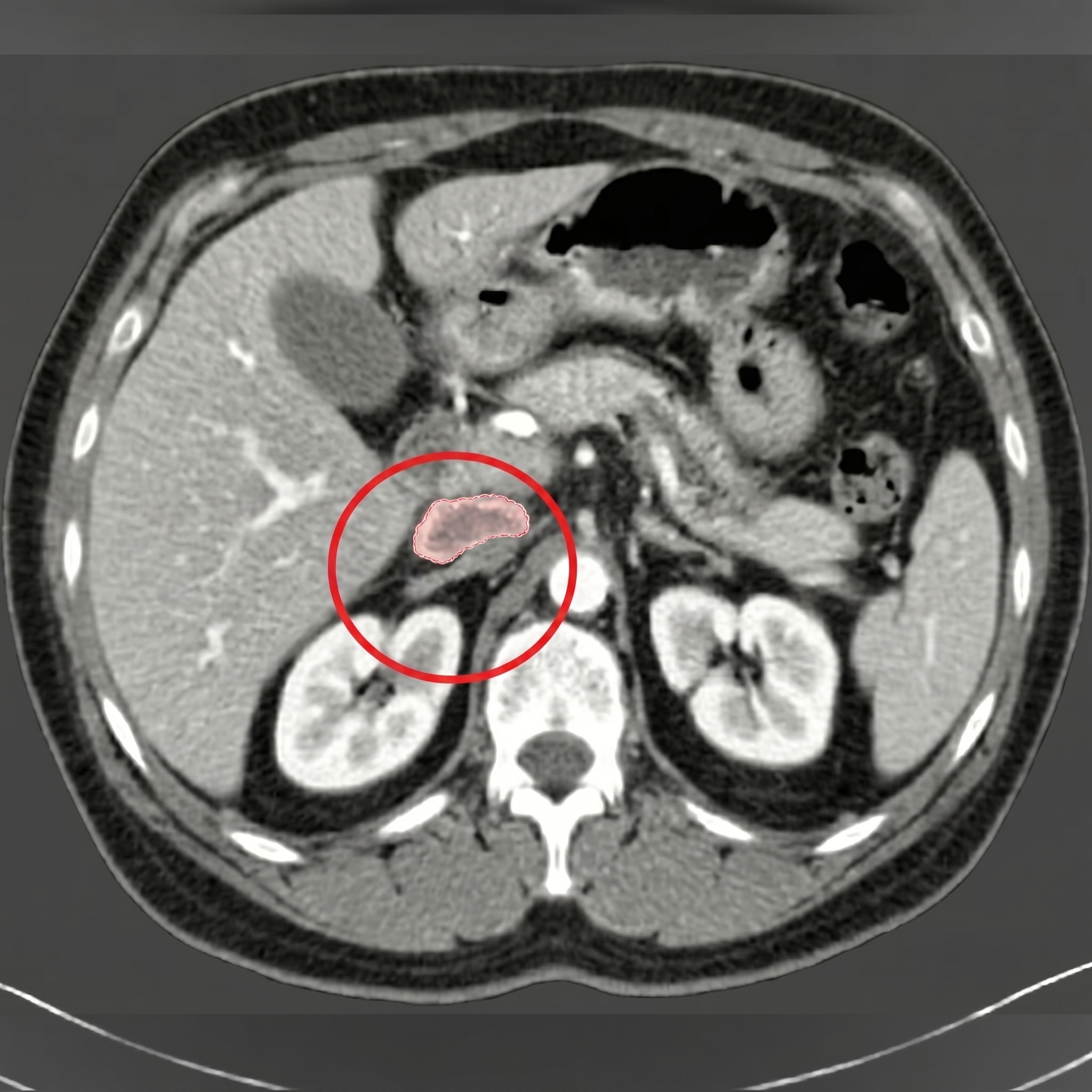
Ran for 26 days, from May 13 to June 8, 2026, the last day Crush saw it.
Run by How I Beat Cholesterol on Facebook. Crush is not the advertiser and does not verify its claims. See this ad in Meta's Ad Library(opens in a new tab)
Want an ad like this for your product?
Crush makes new ad images for your product from this ad: your logo, your product photo, your offer.
Trials from $19.95 USD, then $79.95 USD a month. Cancel anytime.
About this ad
- Meta Ad Library ID
- 2077533049473841
- Platforms
- Facebook, Instagram, Audience Network, Messenger and Threads
- Relaunches
- 0
Ad text
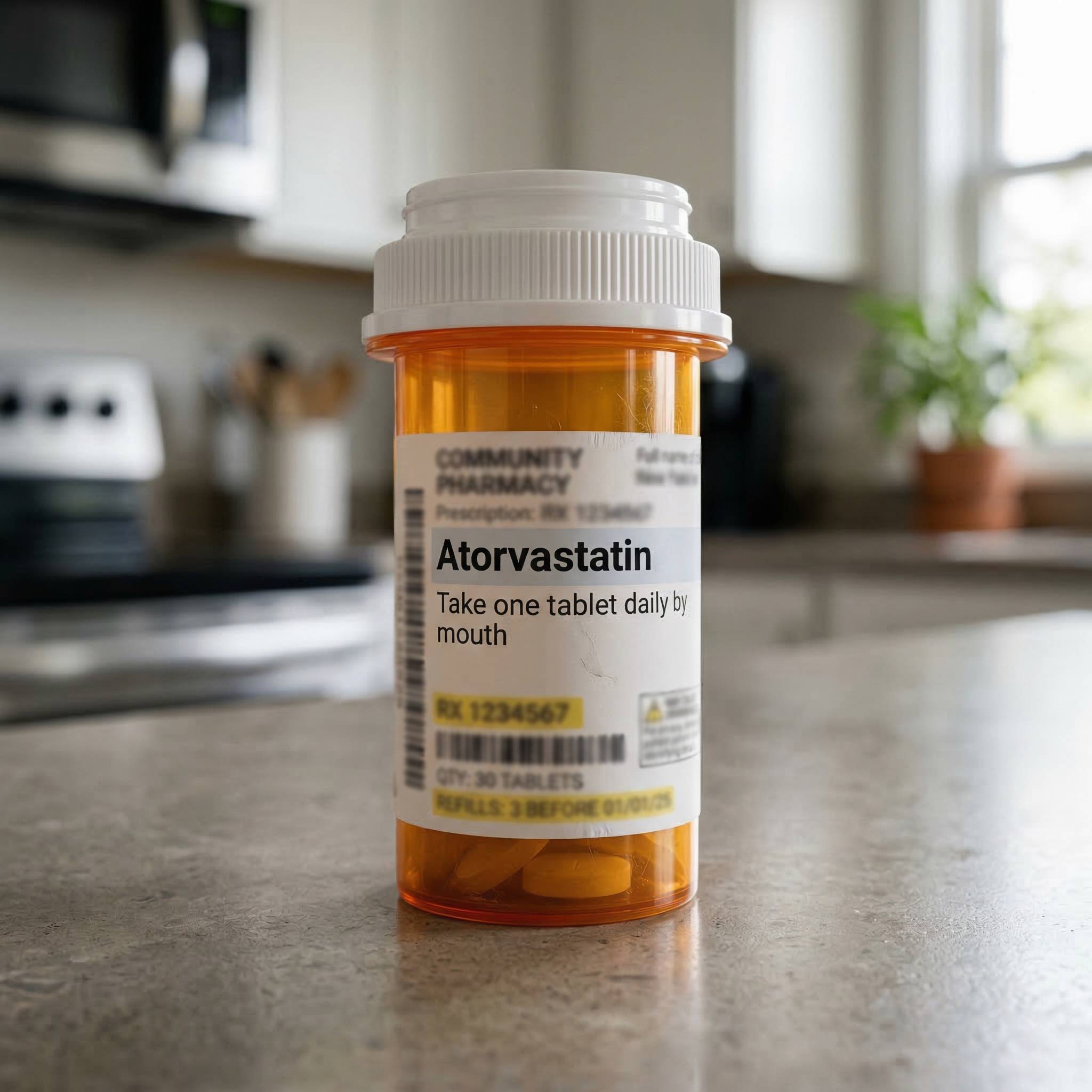
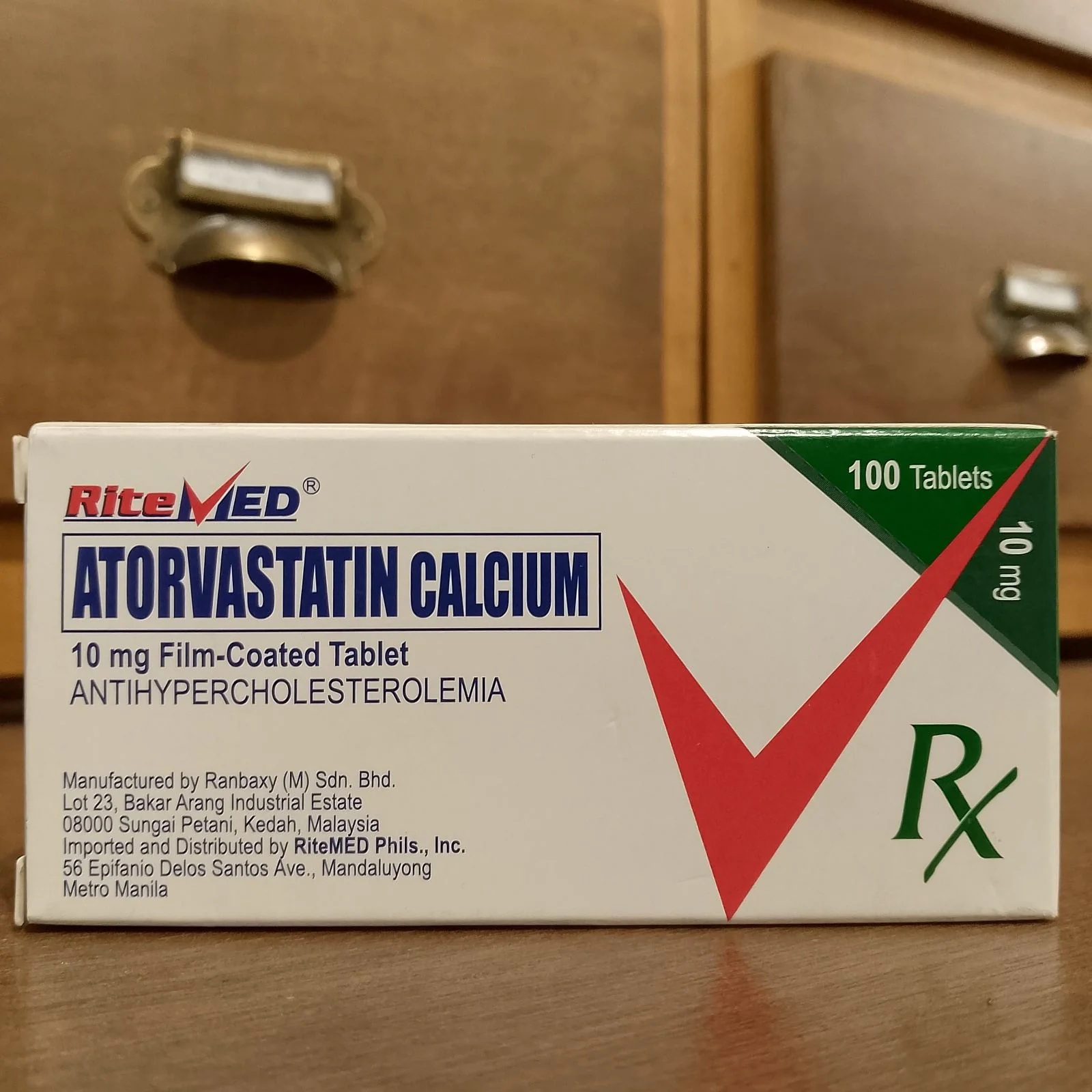
I'm a Preventive Cardiologist With a Calcium Score of 413. Here's What I Started Taking When My Own Statin Couldn't Stop the Plaque. I've been practicing cardiology for twenty-seven years, the last fourteen as a preventive cardiologist. I have spent my career counseling other people through exactly the diagnostic moment I am about to describe to you, except that this time it was happening to me. My first calcium scan was four years ago, at age 56. I'd been on a low-dose statin for two years at that point because my LDL had crept up to 138 in my early fifties and my father had died of a heart attack at 64. I knew the family history. I'd been managing what I thought were the relevant variables. The scan came back at 287. That number is a meaningful number. In the calcium score scale, 287 sits in what we call moderate disease — significant calcified plaque, an annual cardiovascular event risk of roughly 2 percent per year, the level where most cardiologists step up the statin and add a cardiovascular monitoring schedule. Which is exactly what I did for myself. I increased my Atorvastatin from 20 to 40 milligrams. I tightened my diet. I added forty minutes of zone-2 cardio four mornings a week. I had the conversation with myself I have with my patients — we caught this early enough, we're going to manage it aggressively, the trajectory is in our control. A year later my LDL was at 68. The statin was doing what statins do. I went in for the follow-up scan with the quiet confidence of someone who'd done everything he was trained to do. The scan came back at 331. A forty-four-point increase. The medication was working perfectly and the disease was progressing anyway. I want you to understand what that moment is like for a preventive cardiologist. I had spent fourteen years telling patients that aggressive statin therapy slows plaque progression. I had quoted the published trials. I had walked patients through the mechanism. And here I was looking at my own scan showing that my own aggressive statin therapy had not slowed my own plaque progression. The intervention I'd been trained to prescribe was doing exactly what the chart said it would do to my LDL and the plaque in my arteries was accumulating anyway. I went home that night and did not tell my wife the number. I told her the scan was higher than I'd hoped, and that I was going to look into it. The next scan, twelve months later, was at 376. The scan after that — last spring — came back at 413. That was the moment. A calcium score of 413 in a 60-year-old man with a father who died of cardiovascular disease at 64 is not a number you sit with comfortably. It's a number that tells you, with the kind of precision modern imaging affords, that you are likely on the same trajectory your father was on at the same age, and that the medication you are taking is not changing that trajectory. I am writing this because I figured out what to do about it, and what I did is not what my profession would have told me to do, and the result has been measurable enough that I have started recommending the same protocol to my own patients. I want to tell you what I figured out, because if you have a calcium score anywhere in the range I have been living in, the standard answer your cardiologist has given you is incomplete. I know because I gave that answer to thousands of patients before I had to figure out that it was incomplete for me. — The conventional answer to a climbing calcium score on statin therapy is to intensify the statin or add a second LDL-lowering agent. Bempedoic acid. Ezetimibe. A PCSK9 inhibitor if the insurance will cover it. The clinical thinking is that if your LDL is not low enough, push it lower, and if the score is still climbing at an LDL of 70, push the LDL to 50. There is a logic to this. There is published support for the logic. And in patients without my pattern of progression, it works. The problem is that for a substantial subset of patients — the patients whose calcium scores keep climbing despite aggressive LDL lowering — the LDL was not the primary problem. It was a marker of the primary problem, and lowering it with a drug treats the marker without addressing the actual disease. When I sat down and read the research my training had glossed over, the picture I found was this. Your cardiovascular system has three layers of dysfunction happening in series. The statin treats one of them. Two are left untouched. The progression of your calcium score is driven by the two that aren't being treated. The first layer, the one your statin addresses, is cholesterol production. Statins inhibit HMG-CoA reductase in your liver, reducing the cholesterol your body manufactures. Less cholesterol gets made. Your LDL number comes down. This is what the drug does and it does it well. But cholesterol production is not the disease. Cholesterol production is your body's response to vascular damage that is already happening. When the inside of your blood vessels is inflamed and the lining is failing, your liver produces more cholesterol because cholesterol is one of the materials your body uses to patch the damage. Suppressing the production with a drug does not address the damage. It reduces the supply of patching material while the damage continues. The plaque progresses. The calcium accumulates. The score climbs. This is why patients with controlled LDL still have events. This is why my calcium score kept climbing while my statin did exactly what it was prescribed to do. The drug was treating the supply while the demand kept growing. The second layer is the lining of the vessels themselves. Every blood vessel in your body is lined with a single-cell-thick layer called the endothelium. The endothelium produces nitric oxide, the signaling molecule that tells your arteries to relax and open. When the endothelium is healthy, the pipes open on demand, the blood reaches everywhere it needs to go, the shear stress on the vessel walls stays low, and the inflammation stays quiet. When the endothelium has been under chronic metabolic stress for decades — and by 60, it has — nitric oxide production drops. The signal weakens. The vessels don't dilate the way they should. The shear stress on the vessel walls increases. The inflammation rises. And the demand for cholesterol-based patches grows. Your statin doesn't touch the endothelium. It doesn't restore nitric oxide production. It doesn't address the upstream signaling failure that is driving the inflammation in the first place. Endothelial dysfunction is documented in over fifteen thousand peer-reviewed publications. It is the earliest detectable abnormality in cardiovascular disease, often present a decade or more before the calcium score becomes significant. And it is almost never directly treated in the standard protocol. The third layer is the chronic low-grade inflammation embedded in the vascular tissue itself. Years of metabolic stress and oxidative damage create a baseline of inflammation inside the vessel walls. This is not the acute inflammation you feel as redness or swelling. It's the silent kind that lives in the tissue and keeps the lining suppressed even when the upstream stimulation is right. This is the inflammation that the standard cardiovascular pharmacopoeia barely addresses. The inflammation theory of atherosclerosis has been the dominant explanatory framework in academic cardiology for fifteen years and the pharmaceutical tools we have for it are limited to colchicine and a handful of selective inhibitors in trial. Most cardiologists in practice aren't using these tools because the standard of care hasn't caught up. Three layers. The drug treats the first one. The other two are left untouched while the plaque progresses. This is why my calcium score climbed to 413 while my Atorvastatin worked perfectly. — I want to tell you about a second case before I tell you what I did, because I want you to know my own trajectory is not anomalous. I had a patient — I'll call him Robert because that's not his name and the details are slightly altered — who came to me in 2019 at age 60 with a calcium score of 287, identical to my own first scan. I started him on Atorvastatin 40 milligrams. His LDL came down to 71 at six months. His scan a year later was 331. The same progression curve I was watching in myself. I am telling you about Robert because the pattern is not unique to my body. It is a pattern in patients with our profile. Statin treats one layer. Score climbs anyway. By the time you've watched it climb twice on the medication, the explanation isn't that the dose needs to be higher. The explanation is that two layers of the disease are being left untouched. — After my 413 scan, I went looking for what addressed the second and third layers. I had two requirements. First, the mechanism had to be precise. I am a cardiologist. I do not take supplements that work through vague concepts like "antioxidant support" or "vascular health." If something is going to enter my system as a daily intervention, I need to know what receptor it binds, what cascade it triggers, and what downstream pathway it affects. Second, the dose had to match the dose used in the published research showing measurable cardiovascular effect. I am not interested in subtherapeutic dosing of compounds that work at clinical dose. Subtherapeutic dosing is how the supplement industry produces products that test well on consumer review sites and fail to do anything biologically. One compound met both criteria across the literature. Capsaicin. The active molecule in chili peppers. The compound that makes them hot. It has been studied in over twelve hundred peer-reviewed publications for cardiovascular effects. It works through a receptor called TRPV1, which is densely expressed on endothelial cells throughout the vascular system. When capsaicin binds to TRPV1, it triggers a calcium-mediated signaling cascade that does three things simultaneously, which is unusual for a single molecule and which is why it specifically addresses the multi-layer dysfunction profile I had been reading about. First, it activates the endothelium's own nitric oxide production through the cell's natural pathway. It does not supply precursors from outside the way arginine or beetroot does. It activates the receptor that controls production. The vessels open. The shear stress drops. The pressure on the vessel walls reduces. Second, sustained TRPV1 activation over weeks restores receptor sensitivity throughout the vascular system. The signaling that has been muted by decades of metabolic stress starts responding again. The endothelium's signals finally produce the dilatory response they're supposed to. Third, capsaicin is one of the most documented anti-inflammatory compounds in the natural pharmacopoeia. Sustained activation downregulates the inflammatory cascade embedded in the vascular tissue. The chronic inflammation that has been driving the demand for cholesterol patching starts releasing. The body stops needing to produce as much cholesterol because the damage it was patching starts healing. One molecule. Three cascading effects through a single receptor mechanism not addressed by any drug in the standard cardiovascular protocol. This was the kind of mechanism profile that got my attention as a cardiologist with a 413 calcium score. Not because capsaicin is novel. People have been eating it for centuries. But because the receptor pathway is precise, the downstream effects are documented, and the addressable problem was the problem my own protocol was leaving untouched. — The formulation requirements were specific. If you buy cayenne capsules at a health store you are getting unstandardized extract at variable potency. The capsaicin content is sometimes below the dose that produces measurable vascular effects in the clinical literature. The compound is often released in the stomach where it damages the gastric lining at concentrations needed for endothelial effect. The receptors are densely concentrated in the small intestine. The compound needs to reach the small intestine intact, which requires enteric coating. I reviewed what was available in the supplement market. Almost nothing met the formulation requirements. Most products were unstandardized. Most weren't enteric-coated. The few that were standardized were dosed for thermogenesis or topical use, not for the vascular dose-response curve the cardiology literature documents. The product I found that met the criteria is called Aurivita Capsaicin Power. Three milligrams of standardized capsaicin from cayenne pepper per softgel. Three softgels with breakfast for a daily dose of nine milligrams, sitting inside the clinical window the published vascular research uses. Enteric-coated to bypass the stomach and release in the small intestine. Third-party tested. Exact milligrams on the label, no proprietary blend hiding the actual active content. Each bag is a sixty-day supply. 180 softgels, three a day, sixty mornings. The bag size matches the clinical timeline. The studies showing measurable improvement in endothelial function and inflammation markers run eight to twelve weeks. One bag gets you to the window where the tissue starts answering. I started taking it at the end of last spring. I didn't reduce my Atorvastatin. I would not advise that in a patient with my profile without watching what happened first, and I wasn't going to do it in myself either. — Six months later I had my labs run again. My LDL was still at 68 — the statin doing what it does. But my high-sensitivity C-reactive protein, which had been at 3.2, was now at 1.6. My ApoB, which had been at 89, was now at 74. My Lp(a), which had been elevated at the initial workup and which we don't have good pharmaceutical tools to treat, had moved from 142 nmol/L to 108. Every marker the statin doesn't directly target had moved in the right direction. But the marker I cared about was the calcium score, and that scan was twelve months out. I made myself wait. My scan last month, eighteen months after starting Aurivita, came back at 431. An eighteen-point increase across eighteen months. From a baseline of 376 → 413 in the prior twelve, that represented a substantial slowing of the trajectory. The rate of progression had bent to roughly a third of what it had been on statin therapy alone. Not regression — calcified plaque rarely regresses and I do not promise that to my patients or to myself. But a measurable, durable slowing of the progression that had been accelerating for three years before that. I am 60 years old. My father died at 64. The math on the trajectory matters in a way it would not for a 45-year-old. If my score continues at the rate of the last eighteen months, it crosses 500 in three years instead of in fourteen months. That is the difference between a manageable trajectory and an unmanageable one. The difference between making it to my granddaughter's high school graduation and not. I have since recommended the protocol to thirty-eight of my own patients in the calcium score 100-500 range. Thirty-three of them are tracking the way I am — slower progression, improved inflammatory markers, downstream symptomatic improvements they didn't expect (warmer hands, sharper afternoons, fewer middle-of-the-night wake-ups). Five aren't responding the way I'd hoped, and we are working on understanding why. The pattern is consistent enough that I am writing this letter. — I want to be careful about what I am claiming. I am not telling you to stop your statin. For most patients with a calcium score above 100, the statin has documented event-reduction benefits and I would not advise discontinuing it without working closely with your cardiologist. I have not stopped my own. The protocol I am describing is additive. I am telling you that the statin is treating one layer of a three-layer disease, and the two layers it is not treating are the ones driving your score upward. Adding a mechanism that addresses those two layers is what changes the trajectory. That is what changed mine. I am telling you that the standard cardiovascular protocol — the one your own cardiologist is following — is the protocol I followed for the first thirteen years of my preventive cardiology practice and the first three years of my own diagnosis. It is not wrong. It is incomplete. The research on endothelial dysfunction and vascular inflammation has been accumulating for twenty years and most clinical practice hasn't caught up. I am telling you that if your calcium score has been climbing on a statin, the explanation is not that your statin needs to be at a higher dose or that you need a second LDL-lowering agent. The explanation is that the disease has layers your medication is not addressing. — Here is what I want you to think about before you close this and go back to waiting for your next scan. Each bag of Aurivita is a sixty-day supply. The bag size matches the clinical timeline. The studies that show measurable change in endothelial function and inflammation markers run eight to twelve weeks. One bag gets you to the window where the tissue starts answering. Anything shorter is a half-measure and the vascular biology does not respond to half-measures. It responds to sustained activation over the specific duration the literature has validated. That is why the bag is the size it is. The math is worth doing. A preventive cardiology consultation with a clinician who has time to discuss your case runs four to eight hundred dollars and is not covered by most insurance. Repeat calcium scans run two to four hundred each. The advanced lipid testing you should be getting — Lp(a), ApoB, particle size, hs-CRP — runs another two to three hundred per cycle. The supplement stack most patients with your profile have already accumulated — the K2, the CoQ10, the bergamot, the niacin, the citrus pectin, the policosanol, the aged garlic — runs four to eight hundred annually and most of it is operating downstream of the actual mechanism. A bag of Aurivita costs less than any of those things. And it addresses the mechanism layer none of those things are touching. But the real cost of doing nothing is not financial. The real cost is what is happening to your vessels every month the inflammation continues while your statin manages a number that was not the disease in the first place. Calcified plaque does not soften on its own. Vascular inflammation does not quiet on its own. The trajectory you've been on is the trajectory you will stay on unless something changes the upstream mechanism. You have watched your score climb for a year, two years, three years. You know what the curve looks like. You know where it points. Aurivita comes with a sixty-day money-back guarantee. The guarantee window matches the bag size and the clinical timeline. Take three softgels a day for sixty mornings. If your markers don't move, if your symptoms don't shift, if your sense of how your body is operating doesn't change — every penny back. No return shipping. No restocking fee. Empty bags accepted, which means you can run the full protocol and still get refunded if it didn't deliver. The reason that guarantee can exist is because the formulators ran the dose-response math against the published clinical literature and know what the eight-to-twelve-week window delivers in the patient population the protocol is built for. They wouldn't offer a sixty-day guarantee on a sixty-day supply if they didn't know what was going to happen by day sixty. — I am 60 years old. My father died at 64. My calcium score reached 413 on a statin that was working perfectly. The trajectory I am on now is meaningfully different from the trajectory I was on eighteen months ago and the only thing that changed is that I added a mechanism the standard protocol does not include. If your score has been climbing on a statin, the question is not whether the standard protocol is failing you — it is. The question is whether you are going to add what the protocol is missing in time for the addition to matter. Three softgels with breakfast. Sixty mornings. The mechanism the standard protocol leaves untouched. If you have a follow-up scan scheduled in the next six months, this is the window. Eight to twelve weeks of sustained activation before that scan is what produces a measurable difference in what the radiologist sees. Starting at week one gives you the full clinical window before the next data point. Starting after the scan gives you nothing for the appointment you are already worried about. The bag is on the link below. The science is on the bag. The decision is yours. — Dr. James Holloway, MD Preventive Cardiologist P.S. The thirty-three patients I mentioned are not a clinical trial. They are my own caseload. Every one of them is being followed with calcium scans, lipid panels including ApoB and Lp(a), and inflammatory markers. I am writing this because I think the cardiologists in my field are slower than the research, and the patients who cannot wait for the field to catch up deserve to know what the research shows. The product is one I have no financial relationship with. I take it myself. I recommend it to my patients. I'm telling you about it for the same reason — because the mechanism is sound and the formulation meets the criteria the literature requires. P.P.S. Bring this letter to your next cardiology appointment if you want. I have had patients do it. The conversations are uncomfortable for some cardiologists and educational for others. The ones who push back are usually pushing back on the supplement category rather than on the specific mechanism, which is the category error I mentioned earlier. If your cardiologist will not engage with the published TRPV1 literature, you have a piece of information about your cardiologist worth knowing. 👉 https://aurivita.co/products/cayenne-pepper-softgels
Where the ad sends people
aurivita.co
My CAC Rose From 287 to 413. Here's What Finally Lowered It.
Support strong circulation today with our powerful cayenne pepper formula. 180 softgels and 60 servings per bag.
Learn more: aurivita.co(opens in a new tab)