How I Beat Cholesterol
How I Beat Cholesterol Facebook ad: “How I Almost Became a Permanent Patient.”
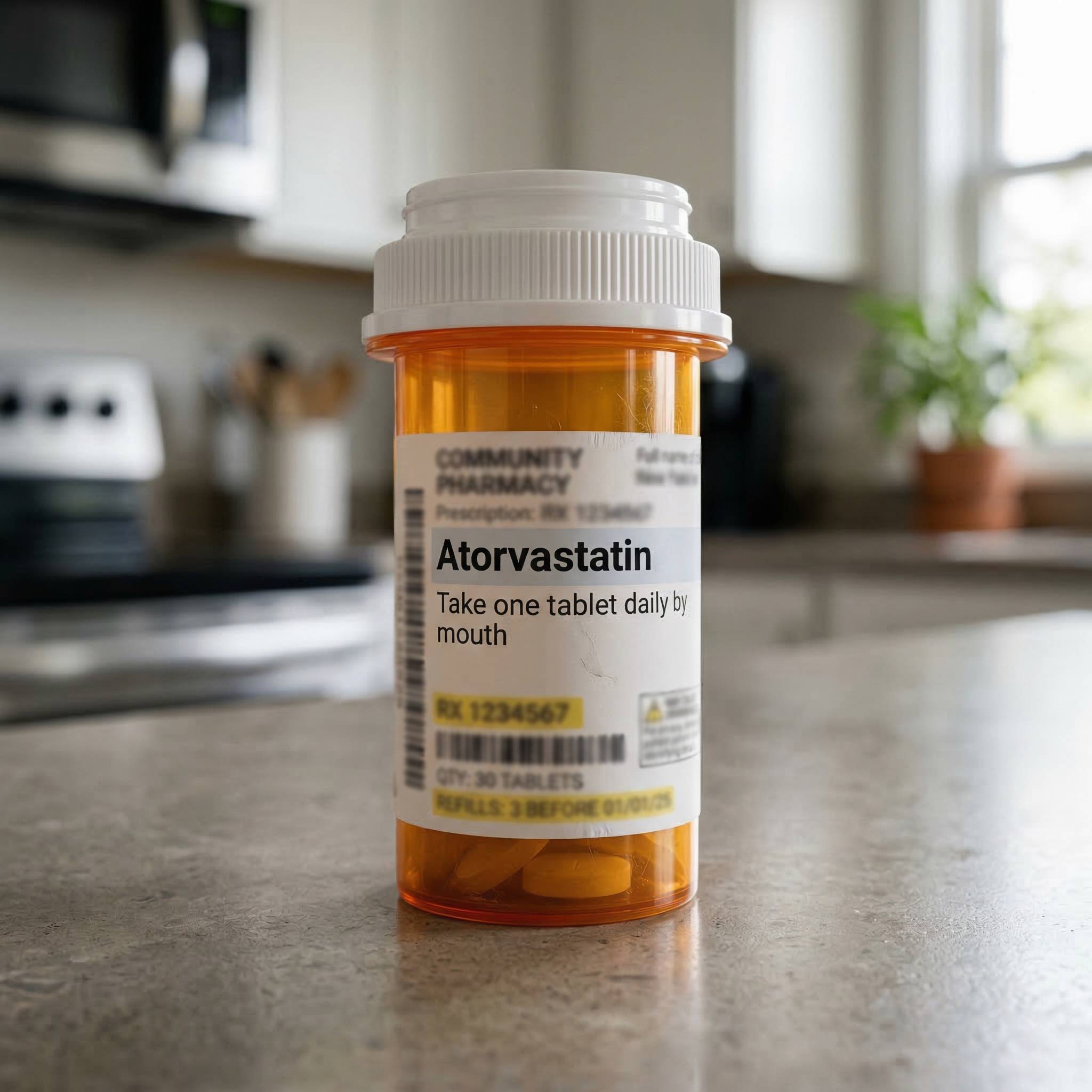
Ran for 5 days, from May 28 to June 2, 2026, the last day Crush saw it.
Run by How I Beat Cholesterol on Facebook. Crush is not the advertiser and does not verify its claims. See this ad in Meta's Ad Library(opens in a new tab)
Want an ad like this for your product?
Crush makes new ad images for your product from this ad: your logo, your product photo, your offer.
Trials from $19.95 USD, then $79.95 USD a month. Cancel anytime.
About this ad
- Meta Ad Library ID
- 969488602731903
- Platforms
- Facebook, Instagram, Messenger and Threads
- Relaunches
- 9
Ad text
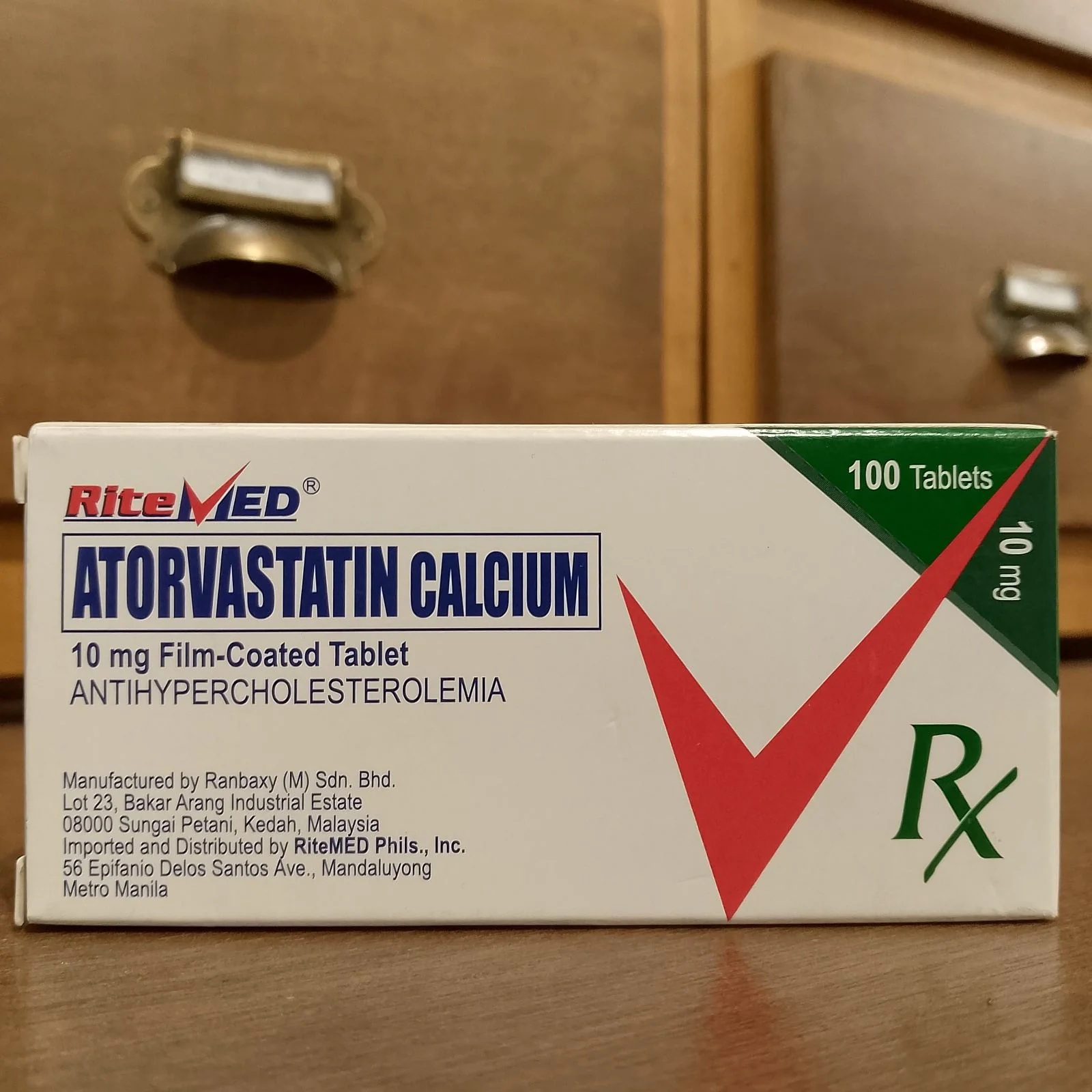
"You'll be on statins for the rest of your life." Those were the first words the pharmacist said to me when she slid my new prescription across the counter, and they changed the way I looked at every bottle of pills I had ever been handed. She did not say it dramatically. She said it the way you would tell someone to take their shoes off at the door. Like it was nothing. Like she had said it to a thousand men before me and would say it to a thousand more before her shift was over. And I stood there at 58 years old, holding a small white paper bag with my first ever statin prescription inside it, and felt something cold drop into my stomach. The rest of my life. I had walked into the pharmacy with high cholesterol. I was walking out with a daily medication that I would now be expected to take, without interruption, until the day I died. And nobody had asked me if that was okay. My doctor had not asked me. He had run the numbers, looked at the chart, written the script, and told me to come back in 6 months. The pharmacist had not asked me. She had filled the prescription, stapled the bag, and given me her one sentence summary of how the rest of my biological life was going to go. The drug company had not asked me. They had simply built a product designed around the assumption that once a man started, he would never be allowed to stop. I want you to sit with that for a moment, because I think most people miss it. There is a category of medication in this country that you are prescribed for life from the very first dose. Not for a course of treatment. Not until you get better. For life. And the reason you are told you cannot stop is not that the drug heals you and the healing is fragile. It is that the drug never heals you. It manages a number. The moment you stop taking it, the number comes back, because the underlying condition was never addressed in the first place. You were never going to get better. That was never the goal. The goal was for you to take the pill every day until you died. I drove home from the pharmacy that afternoon in a strange, quiet kind of anger. I had taken antibiotics before. I understood why you finish the course. I had taken painkillers after a knee surgery in my 40s. I understood why you take them and then you stop. But this was something different. This was the first time a system had handed me a substance and told me that I was now, by definition, a permanent customer. A permanent patient. I took the first pill that night with dinner. I took the second one the next morning. I took them every day for 14 months, and during those 14 months a number of things happened to my body that the brochure did not mention. My legs cramped at night. My recovery from any kind of exertion went from 1 day to 3. My hands were always cold. Stairs felt like work. My energy in the gym dropped to the point where I was lifting half the weight I had been comfortable with two years earlier. And the thing I never told anyone, not even my wife, was that I had stopped being able to perform in the bedroom the way I used to. When I went back to my doctor and described all of this, he did what doctors do. He adjusted the dose. He told me that some men experience some muscle effects from statins, and that the benefit outweighed the risk, and that we could try a lower strength to see if the side effects calmed down. The dose got smaller. The cramping got slightly better. The cholesterol number on my next blood test was still in the right range. From his point of view the system was working exactly as designed. From my point of view I was 60 years old, on a daily drug for the rest of my life, slowly losing function in a body that had been the engine of everything I cared about. That is when I started reading. What I learned was the thing nobody had bothered to explain to me in 14 months of being a patient. The cholesterol number on your chart is not the disease. The disease is what is happening to the inside of your blood vessels. The cholesterol number is just one indicator of how much damage is being done to the lining of your arteries by years of inflammation, oxidation, and circulatory stress. Lower the number and you have lowered the indicator. You have not necessarily fixed the artery. That is why the prescription is for life. The drug never touches the artery. The drug touches the liver, and the liver makes less cholesterol, and the number on the page goes down. Stop the drug, the liver goes back to making cholesterol, the number comes back. You have not improved. You were never going to improve. The protocol was designed to manage you, not to heal you. But the artery is a different story. The endothelium, which is the single cell thick lining that runs along the inside of every blood vessel you have, is constantly turning over, constantly being damaged, constantly being repaired, constantly responding to the signals that the rest of your body is sending it. If you give it the wrong signals, which is what most of us spend most of our lives doing, it deteriorates. If you give it the right signals, it can repair itself. And here is the part that took me a long time to find someone who would tell me in plain language. There is no law of biology that says you have to be on a statin for the rest of your life. There are people with familial hypercholesterolemia, and there are people with established cardiovascular disease, who have a genuine medical need for lifelong cholesterol management. I am not talking about those people. If that is you, talk to your cardiologist and follow what they tell you. I am talking about the much larger group of men and women who were prescribed a statin because their numbers were elevated and their doctor wanted to be cautious. For that group, there is a possibility, working with a doctor who is willing to actually look at your underlying health, of improving the markers to the point where the prescription is no longer required. I have seen it happen. It happened to me. But it does not happen by accident. And it does not happen by hoping the drug will eventually cure you, because the drug was never designed to. It happens by addressing the artery itself. So I went down the rabbit hole of natural cardiovascular compounds. I tried beetroot powder. I tried aged garlic. I tried a bottle of hydrogen tablets that a guy at the gym swore by. I tried amla fruit extract that my brother in law had brought back from a trip to India. And I want to tell you what I learned, because if you are anything like me, you have probably tried most of them too, and been frustrated by all of them in roughly the same way. Beetroot works on the nitric oxide pathway. You eat the nitrates, your body converts them to nitric oxide, your blood vessels dilate. Real effect, well studied. The problem is that it is short term. Most of the dilation happens in the first 6 hours after the dose and then it is gone. You feel the pump in your legs at the gym. You do not get long term repair of the underlying lining. Aged garlic has the most clinical evidence of any of them, and I am not going to pretend otherwise. The mechanism is largely antioxidant and anti-inflammatory, mediated through sulfur compounds. The reason it did not solve the problem for me, and the reason it does not for most men I have spoken to, is that aged garlic addresses the inflammatory environment around the artery without specifically signaling the endothelium itself to repair. It calms the room without rebuilding the wall. Molecular hydrogen tablets work by neutralizing a particular type of free radical called the hydroxyl radical. The effect is real but narrow. It reduces one source of damage. It does not initiate the repair pathway that the damaged tissue needs to recover. Amla fruit, Indian gooseberry, is rich in vitamin C and a particular class of polyphenols that have been shown to lower LDL and improve antioxidant status. I took it for 4 months. My energy lifted slightly. My next blood test showed a small movement in the right direction. But I was still cramping at night. My hands were still cold. The number was inching but the body underneath the number was still failing. What every one of those compounds has in common is that none of them activate the master signaling pathway that actually tells the endothelium to regenerate. They support the environment. They reduce damage. They provide raw materials. They are good things to have in your system. But they do not flip the switch. That switch, it turns out, has a name. And until 2021, almost nobody outside of a research lab even knew it existed. It is called TRPV1. The receptor that won the Nobel Prize in Physiology that year. TRPV1 sits inside the endothelium and acts as a master control for vascular repair. When it is activated, it triggers the production of nitric oxide directly inside the vessel wall, which is a different and longer lasting effect than the systemic dilation you get from beetroot. It clears senescent damaged cells out of the lining. It modulates the inflammation that drives cholesterol particles to embed in the artery in the first place. And the compound that activates TRPV1, in a clean and concentrated form, is one that humans have been eating for 7,000 years without realizing what it was actually doing for them. Capsaicin. The compound that makes chili peppers hot. This is the part where it clicked for me. Beetroot, garlic, hydrogen, amla — they were all working downstream. They were trying to lower the damage being done to the artery. Capsaicin, properly dosed, was working upstream. It was telling the artery itself to repair. That is a fundamentally different mechanism, and it is the reason none of the others had been enough on their own. Now, before you get ahead of me, I am not telling you to start eating chili peppers, and I am definitely not telling you to stop your prescription. The dose required for therapeutic effect is too high to get from food without giving yourself an ulcer. What I am telling you is that there is an actual mechanism, supported by actual research, by which the underlying tissue beneath your cholesterol number can be supported and improved over a period of weeks and months. That is when I came across Aurivita. The first thing I liked was that the dose was honest. 3 mg of pure capsaicin per serving, delivered in a softgel so it actually gets absorbed instead of burning a hole in your stomach lining on the way down. That dose is not arbitrary. It is the dose that the actual clinical research uses. Most cheap cayenne capsules are either a 10th of that or do not bother to standardize the active compound at all. The second thing I liked was that they had bothered to add the supporting ingredients that the research says you actually need for the capsaicin to do its job. BioPerine, which is a black pepper extract that prevents your liver from clearing the capsaicin out of your bloodstream before it can get to work. Beetroot, which feeds the nitric oxide pathway from the other end. This was the thing that finally made me understand the full picture. The beetroot I had been taking on its own was doing one part of the job. Stack it on top of an active TRPV1 mechanism, and you have both the upstream signal and the downstream support working together. Vitamin K2, which makes sure that any calcium being moved around in your body ends up in your bones where it belongs and not in the walls of your arteries where it does not. Turmeric, which calms down the gastric response so you are not burping up the taste of pepper for the rest of the afternoon. Vitamin D3 and E, because deficiencies in either are independently associated with worsening cholesterol profiles and vascular dysfunction. The third thing I liked, and this is the thing that actually made me reach for my credit card, was the size of the bag. 180 softgels. 60 servings. 3 softgels a day. 2 full months of supply, for $54. I had read enough by that point to know that you do not repair an endothelium in 30 days. The vascular lining turns over slowly. The studies that show meaningful improvements in flow mediated dilation, in cholesterol oxidation markers, in arterial flexibility, are all running for 8 to 12 weeks minimum. Most supplement companies sell you a 30 day bottle for $40 or $50 and want you back on their website 4 times a year buying a refill. That is the same model as the drug. Make you a permanent customer of a product that does not finish what it started. Aurivita had clearly done the math and decided that the only honest way to sell a vascular product was to sell you enough of it, at a low enough price, to actually find out whether it works. 2 months. $54. The exact window in which the artery actually has a chance to start repairing itself. So I started taking it. 3 softgels a day, with food, usually at breakfast. I did not stop my statin. I did not change my diet dramatically. I just added the softgels and kept living my life, and I waited to see what would happen. The first month I noticed almost nothing, except a slight warmth in my hands and feet about half an hour after the dose. Around week 5 something shifted. The cramps in my calves at night, the ones that had woken me up for 2 years, just stopped. I did not even notice they had stopped until my wife pointed out that I was sleeping through the night for the first time in as long as she could remember. My recovery from a long day on the job site went from 3 days back down to 1. The cold in my hands eased off. The bedroom situation, the thing I had been too proud to talk about, started to come back, slowly, the way you would expect something to come back if it was being driven by improving circulation rather than by a pill that forces a 4 hour window of borrowed function. By the end of the second bag I went back for my follow up bloodwork. My total cholesterol had moved in the right direction. My LDL was lower. My HDL had come up a touch. My ratio, which is the number my doctor kept telling me actually mattered, was the best it had been in 5 years. He asked me if I had been more disciplined with the diet. I told him I had been more disciplined with everything. I did not tell him about the softgels. I just wanted to see what the numbers said, and the numbers said that something underneath the surface was changing. A few months after that, with my consent and his agreement, we trialed reducing my statin dose. Then we trialed reducing it again. By the time I was halfway through my 3rd bag, my numbers were holding without the drug. I want to be very careful about what I am claiming here. I am not claiming that a supplement got me off a statin. I am claiming that I changed my whole approach to my vascular health, that I supported the underlying tissue properly for the first time in my life, that I worked with my doctor every step of the way, and that the numbers on my chart improved enough that the daily medication was no longer needed in my specific case. Yours may be different. Your doctor may disagree. Your situation may be one of the ones where lifelong management really is the right answer. But I want you to understand the difference between a system that assumes you will be a permanent customer and a system that gives you a real chance to walk away from the prescription. The drug is the first system. Aurivita, taken seriously, alongside diet and movement and proper medical supervision, is part of the second. I am on my 3rd bag now. I keep taking it not because I am still trying to get off something, but because I am trying to stay off something. The artery does not heal once and stay healed. It needs to keep being supported. The TRPV1 pathway needs to keep being activated. The nitric oxide needs to keep being produced. I have decided that $54 every 2 months for the rest of my life is a much better deal than a daily prescription for the rest of my life, and I get to keep my muscles, my energy, my recovery, and the parts of being a man that the prescription was quietly taking away from me. If you are reading this and you are standing in front of a pharmacy counter, or sitting in a doctor's office, being told that you will be on a daily medication for the rest of your life, I want you to do 2 things. The first is to ask your doctor whether your specific situation is one of true lifelong necessity, or one where the prescription is a precaution that could be reconsidered if your underlying markers improved. Ask them directly. Most doctors will give you an honest answer if you ask the question clearly. The second is to ask yourself whether the supplements you have tried in the past — the beetroot, the garlic, the hydrogen, the amla — were activating the master switch or just supporting the environment around it. If the answer is the second, and if you want to do something about it that is rooted in actual research rather than wishful thinking, then go and have a look at Aurivita. Read what is in it. Read why it is in it. Read the 60 day, $54 promise and decide for yourself whether it sounds like the kind of product made by people who want to keep you as a permanent customer or by people who want you to actually feel different and stay that way. https://aurivita.co/products/cayenne-pepper-softgels I cannot tell you what it will do for you, because I am not you and your body is not mine. What I can tell you is that not long ago I was a man who had been told he would take a pill every day for the rest of his life, and I am not that man anymore. I am on my 3rd bag. My numbers are good. My body works. And the rest of my life is finally my own. https://aurivita.co/products/cayenne-pepper-softgels
Where the ad sends people
aurivita.co
How I Almost Became a Permanent Patient.
Support strong circulation today with our powerful cayenne pepper formula. 180 softgels and 60 servings per bag.
Learn more: aurivita.co(opens in a new tab)