How I Beat Cholesterol
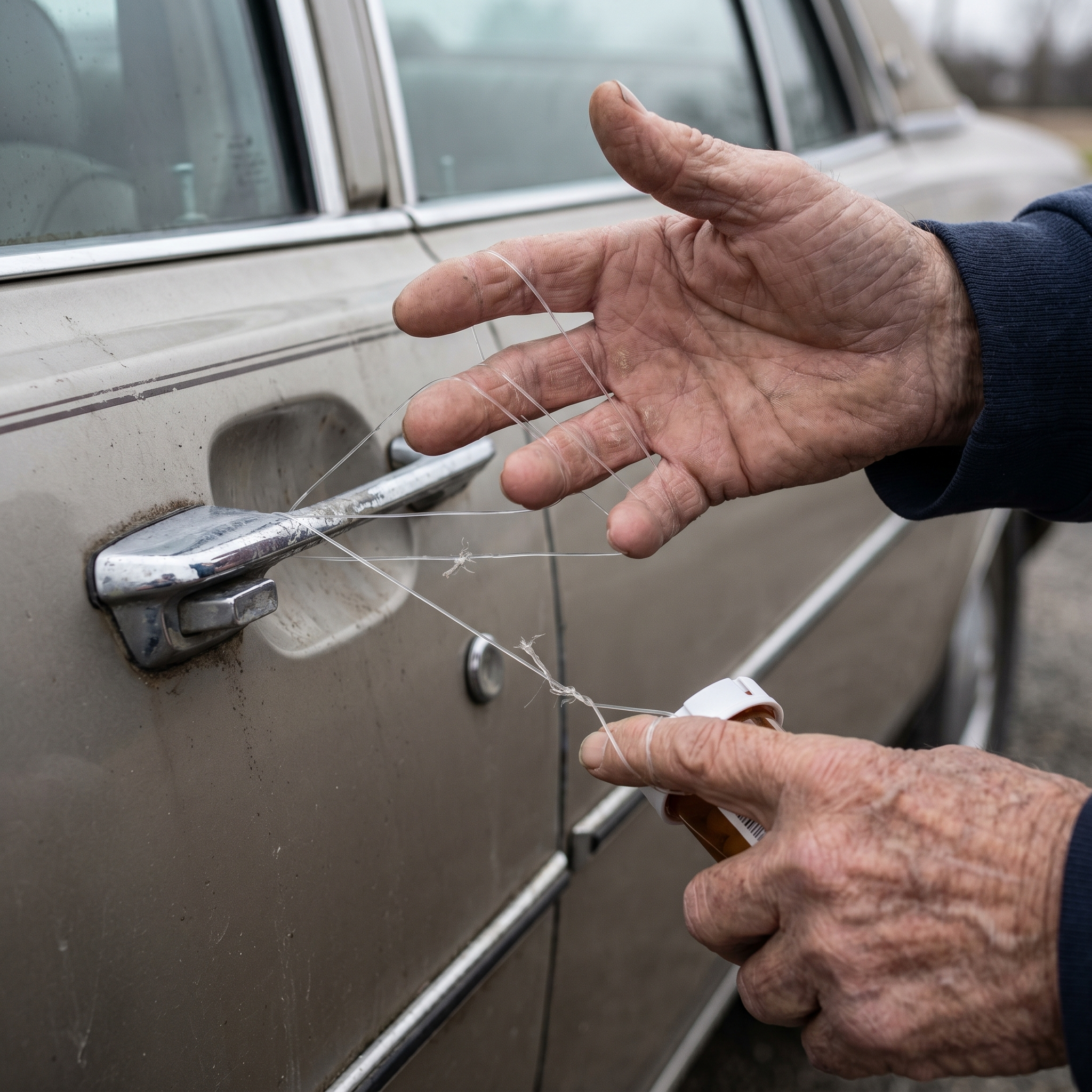
How I Beat Cholesterol Facebook ad: “Statin + lisinopril = no grip in 4 years”
Ran for 1 day, from April 24 to April 25, 2026, the last day Crush saw it.
Run by How I Beat Cholesterol on Facebook. Crush is not the advertiser and does not verify its claims. See this ad in Meta's Ad Library(opens in a new tab)
Want an ad like this for your product?
Crush makes new ad images for your product from this ad: your logo, your product photo, your offer.
Trials from $19.95 USD, then $79.95 USD a month. Cancel anytime.
About this ad
- Meta Ad Library ID
- 1647262846425327
- Platforms
- Facebook, Instagram, Audience Network, Messenger and Threads
- Relaunches
- 0
Ad text
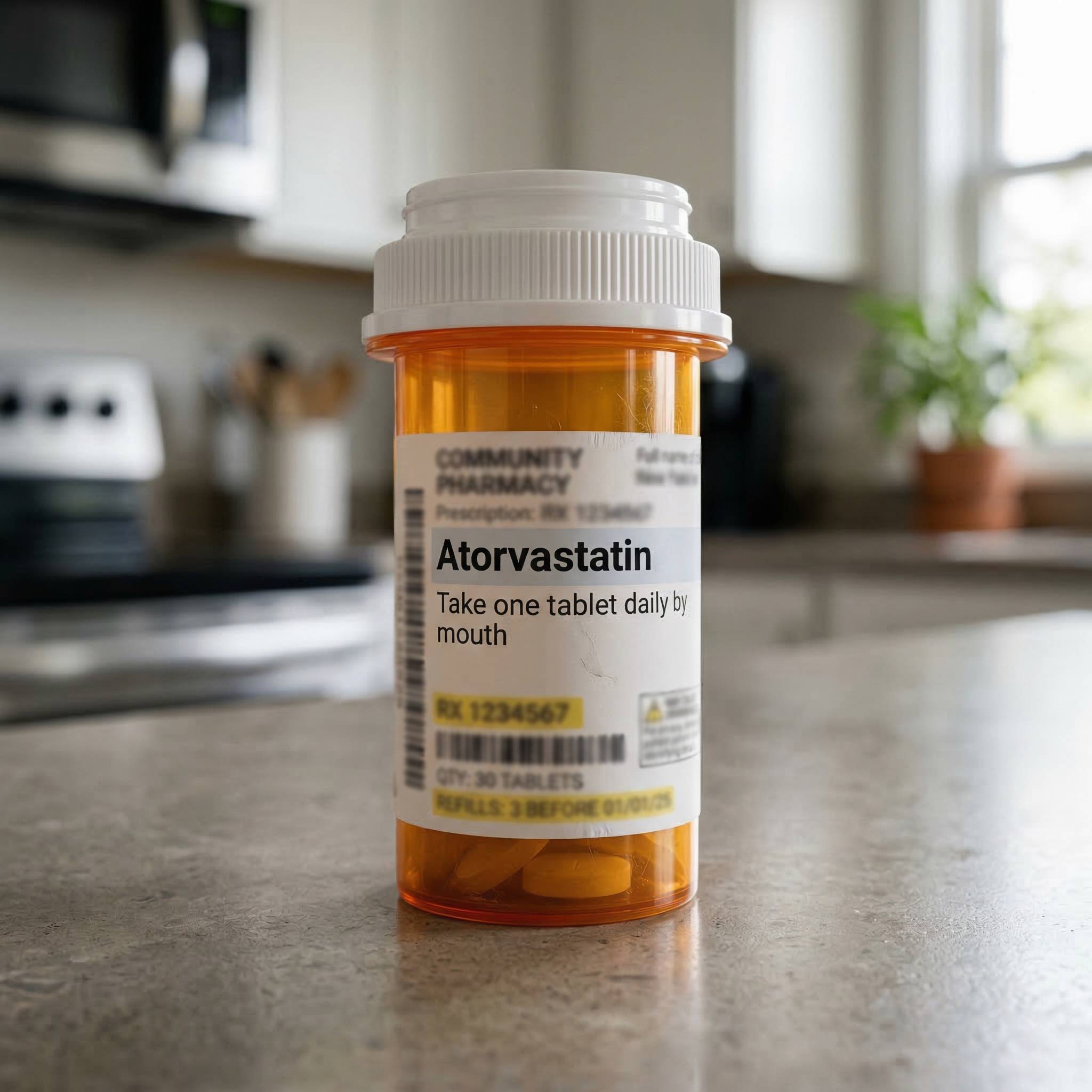
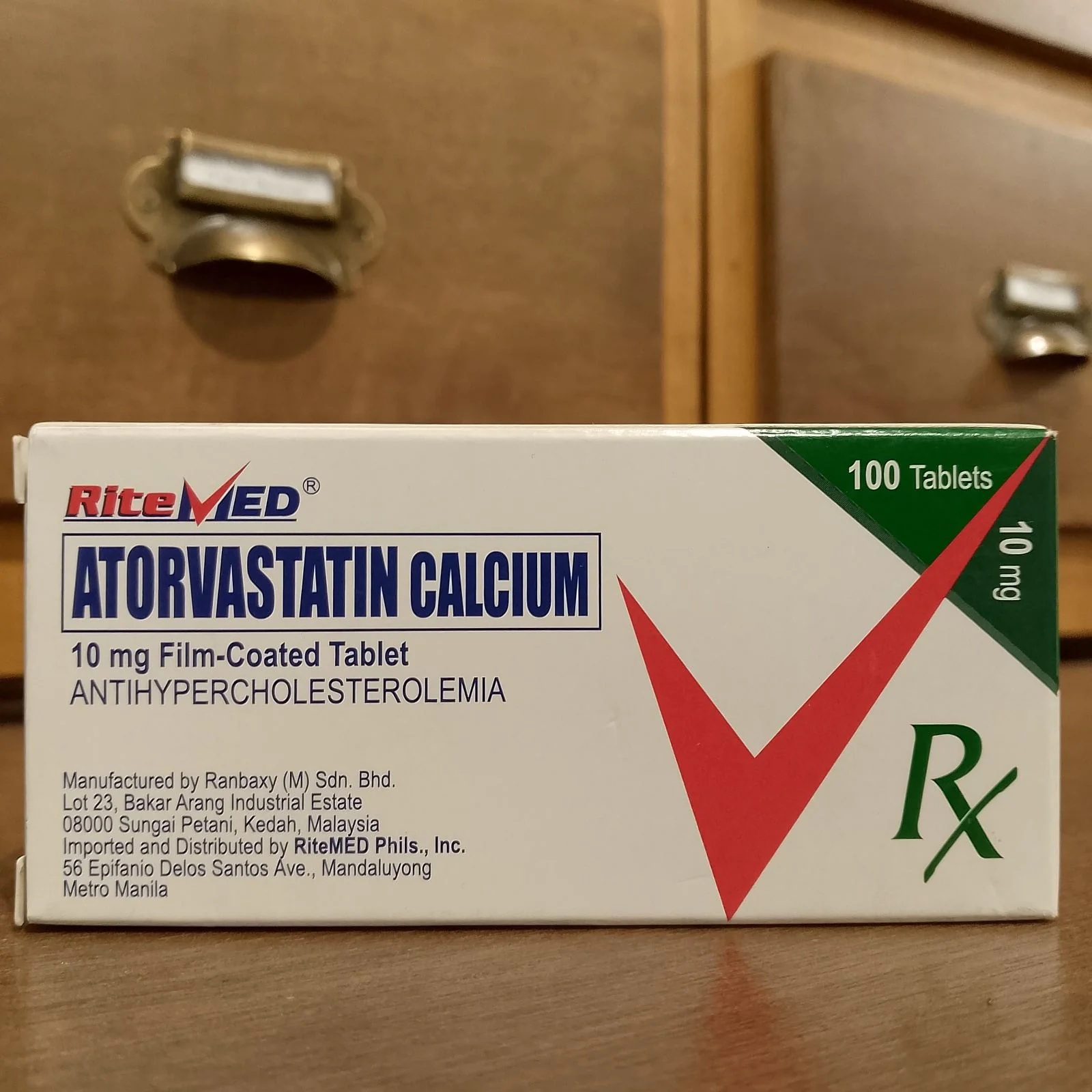
I've installed 347 grab bars in eleven years. Every single one went into a bathroom where someone had already fallen. Except one. The man who called me was 64 years old. Steady on his feet. No walker. No cane. No incident. When I asked him why he wanted the bar installed NOW, he said something that kept me awake for three nights straight. "I can feel my hands dying. I want the bar in before they stop working completely." Two weeks after I installed it, I did something I've never done in eleven years of this work. I went back to his house without being asked. Knocked on his door. And told him I thought I knew why his hands were dying — and that I'd seen it happen to 31 other people in the past two years. He didn't believe me at first. I'm a handyman. What do I know about medicine? Eight weeks later he called me back. I thought something was wrong with the installation. Eight weeks later he called me back. I thought something was wrong with the installation. "Frank," he said. "You still do other handyman work? Not just the accessibility stuff?" "Yeah, sure. What do you need?" "Can you patch some screw holes? In my bathroom." I didn't understand at first. Then it hit me. "You want me to remove the grab bars?" Long pause. "Yeah. I don't need them anymore." "Did something change? You moving?" "No. I'm staying. I just — my hands are working again. I can grip things. I don't need the bars. They're just... a reminder of something I thought was going to happen that isn't happening now." "What do you mean your hands are working again?" What happened between those two phone calls is something I need to tell you about. Because I think it's happening to someone you love right now. And unlike the 31 people I watched install grab bars they shouldn't have needed, you still have time to do something about it. My name is Frank. I'm 58 years old. I do home modifications for elderly clients in a county of about 80,000 people. It's the kind of work where I see people at a specific moment in their lives — the moment they admit they need help. I install grab bars next to toilets. I build wheelchair ramps over front steps. I replace round doorknobs with lever handles because arthritic hands can't grip anymore. I widen doorways. I lower kitchen cabinets. I put nonslip treads on stairs. I'm usually the first person they call when they realize their body isn't keeping up with their house anymore. Most of my clients are over 70. They call me because they fell, or because they almost fell, or because their kids are worried they're going to fall. The grab bar goes in after the incident. That's normal. Robert called me before the incident. I remember pulling into his driveway on a Thursday morning in September. Small ranch house, well-maintained, flower beds out front that somebody was clearly still tending. I knocked. He answered the door himself. No struggle. Walked me to the bathroom without holding onto anything. "I want a grab bar here," he said, pointing to the wall next to the toilet. "And another one in the shower." I looked at him. Then I looked at the bathroom. No scuff marks on the walls. No worn spots on the floor where someone had been catching themselves. The guy was standing in front of me with perfect posture. "You have trouble getting up?" "Not yet." "You fall recently?" "No." "Doctor tell you to get these?" "No. I just want them in now. Before I need them." I've done this work for 11 years. Nobody calls me before they need it. Nobody plans ahead like that. People wait until they're desperate. Until they've already hit the floor. Until their daughter finds them on the bathroom tile at 3 AM and says "that's it, we're calling someone." But Robert was different. I started measuring the wall. He stood in the doorway watching me. That's when I noticed his hands. He was holding the doorframe. Both hands. Not leaning. Just holding. And his grip looked — I don't know how to describe it — uncertain. Like he was testing whether the frame would hold him even though he wasn't putting weight on it. "You okay?" I asked. "Yeah. Fine." He let go of the frame. Flexed his fingers. "Hands have been stiff lately. Mornings are the worst. Takes me about ten minutes after I wake up before I can really use them." "You see a doctor about that?" "Yeah. He says it's arthritis. Part of getting older." He shrugged. "I'm 64. It is what it is." I nodded and went back to measuring. But something about the way he said "it is what it is" stuck with me. Like he'd already given up on something. I drilled the pilot holes. Mounted the brackets. Tested the bar. It was solid. Robert came back in and gripped it with both hands. Pulled himself up from a crouch just to test it. "Good," he said. "That'll work." We walked to the shower. I installed the second bar. When I was finishing up, I asked him the question I'd been holding since I got there. "Why now? You're not falling. You don't need these yet." He looked at me for a long time. Then he sat down on the edge of the tub. "I used to be a carpenter," he said. "Thirty-two years. Built custom cabinets, furniture, whole kitchens from scratch. I could hold a hammer for eight hours straight and not feel it. Six months ago I dropped a coffee mug because my hand just — let go. Didn't mean to. It just opened. Last week I tried to open a jar of pickles and I couldn't do it. My wife had to do it for me." He looked down at his hands. "I can feel it getting worse. Every month something else doesn't work the way it used to. And my doctor keeps telling me my numbers are great. Blood pressure's good. Cholesterol's good. Everything's managed. But my hands don't work and I'm tired all the time and I can't think straight half the day. So I'm putting grab bars in now because in six months I'm probably going to need them." I didn't know what to say. I just stood there with my drill in my hand. "I don't want to fall in my own bathroom and have my wife find me," he said. "So I'm calling you now. Before that happens." I finished the install. Packed up my tools. Wrote him an invoice. He paid me with a check. I noticed he had to use both hands to tear it out of the checkbook. Both hands. Like the paper was too heavy for one. I drove to my next job. Another grab bar install. Client was 71, recovering from a hip replacement, made perfect sense. But I couldn't stop thinking about Robert. That night I was at home and my wife asked me how work went. I told her about Robert. About the hands. About the carpenter who couldn't hold a hammer anymore. "What's he on?" she asked. "What do you mean?" "What medications. You said his doctor told him his numbers were great. That means he's on something. What's he taking?" I hadn't asked. I'm a handyman, not a doctor. I install grab bars. I don't ask people about their pills. But the question sat with me. Three days later I had another install. Client was 68. Grab bars in the bathroom and the hallway. When I got there I saw the pill organizer on the kitchen counter. One of those big weekly ones with morning/afternoon/evening slots. I'd seen a hundred of them. They're in every house I work in. This time I looked at it closer. Lisinopril. Atorvastatin. Metformin. Baby aspirin. "Blood pressure and cholesterol?" I asked, pointing at the organizer. The client — his name was Jim — nodded. "Yeah. Been on them for about eight years. Doctor I've installed 347 grab bars in eleven years. Every single one went into a bathroom where someone had already fallen. Except one. The man who called me was 64 years old. Steady on his feet. No walker. No cane. No incident. When I asked him why he wanted the bar installed NOW, he said something that kept me awake for three nights straight. "I can feel my hands dying. I want the bar in before they stop working completely." Two weeks after I installed it, I did something I've never done in eleven years of this work. I went back to his house without being asked. Knocked on his door. And told him I thought I knew why his hands were dying — and that I'd seen it happen to 31 other people in the past two years. He didn't believe me at first. I'm a handyman. What do I know about medicine? Eight weeks later he called me back. I thought something was wrong with the installation. Eight weeks later he called me back. I thought something was wrong with the installation. "Frank," he said. "You still do other handyman work? Not just the accessibility stuff?" "Yeah, sure. What do you need?" "Can you patch some screw holes? In my bathroom." I didn't understand at first. Then it hit me. "You want me to remove the grab bars?" Long pause. "Yeah. I don't need them anymore." "Did something change? You moving?" "No. I'm staying. I just — my hands are working again. I can grip things. I don't need the bars. They're just... a reminder of something I thought was going to happen that isn't happening now." "What do you mean your hands are working again?" What happened between those two phone calls is something I need to tell you about. Because I think it's happening to someone you love right now. And unlike the 31 people I watched install grab bars they shouldn't have needed, you still have time to do something about it. My name is Frank. I'm 58 years old. I do home modifications for elderly clients in a county of about 80,000 people. It's the kind of work where I see people at a specific moment in their lives — the moment they admit they need help. I install grab bars next to toilets. I build wheelchair ramps over front steps. I replace round doorknobs with lever handles because arthritic hands can't grip anymore. I widen doorways. I lower kitchen cabinets. I put nonslip treads on stairs. I'm usually the first person they call when they realize their body isn't keeping up with their house anymore. Most of my clients are over 70. They call me because they fell, or because they almost fell, or because their kids are worried they're going to fall. The grab bar goes in after the incident. That's normal. Robert called me before the incident. I remember pulling into his driveway on a Thursday morning in September. Small ranch house, well-maintained, flower beds out front that somebody was clearly still tending. I knocked. He answered the door himself. No struggle. Walked me to the bathroom without holding onto anything. "I want a grab bar here," he said, pointing to the wall next to the toilet. "And another one in the shower." I looked at him. Then I looked at the bathroom. No scuff marks on the walls. No worn spots on the floor where someone had been catching themselves. The guy was standing in front of me with perfect posture. "You have trouble getting up?" "Not yet." "You fall recently?" "No." "Doctor tell you to get these?" "No. I just want them in now. Before I need them." I've done this work for 11 years. Nobody calls me before they need it. Nobody plans ahead like that. People wait until they're desperate. Until they've already hit the floor. Until their daughter finds them on the bathroom tile at 3 AM and says "that's it, we're calling someone." But Robert was different. I started measuring the wall. He stood in the doorway watching me. That's when I noticed his hands. He was holding the doorframe. Both hands. Not leaning. Just holding. And his grip looked — I don't know how to describe it — uncertain. Like he was testing whether the frame would hold him even though he wasn't putting weight on it. "You okay?" I asked. "Yeah. Fine." He let go of the frame. Flexed his fingers. "Hands have been stiff lately. Mornings are the worst. Takes me about ten minutes after I wake up before I can really use them." "You see a doctor about that?" "Yeah. He says it's arthritis. Part of getting older." He shrugged. "I'm 64. It is what it is." I nodded and went back to measuring. But something about the way he said "it is what it is" stuck with me. Like he'd already given up on something. I drilled the pilot holes. Mounted the brackets. Tested the bar. It was solid. Robert came back in and gripped it with both hands. Pulled himself up from a crouch just to test it. "Good," he said. "That'll work." We walked to the shower. I installed the second bar. When I was finishing up, I asked him the question I'd been holding since I got there. "Why now? You're not falling. You don't need these yet." He looked at me for a long time. Then he sat down on the edge of the tub. "I used to be a carpenter," he said. "Thirty-two years. Built custom cabinets, furniture, whole kitchens from scratch. I could hold a hammer for eight hours straight and not feel it. Six months ago I dropped a coffee mug because my hand just — let go. Didn't mean to. It just opened. Last week I tried to open a jar of pickles and I couldn't do it. My wife had to do it for me." He looked down at his hands. "I can feel it getting worse. Every month something else doesn't work the way it used to. And my doctor keeps telling me my numbers are great. Blood pressure's good. Cholesterol's good. Everything's managed. But my hands don't work and I'm tired all the time and I can't think straight half the day. So I'm putting grab bars in now because in six months I'm probably going to need them." I didn't know what to say. I just stood there with my drill in my hand. "I don't want to fall in my own bathroom and have my wife find me," he said. "So I'm calling you now. Before that happens." I finished the install. Packed up my tools. Wrote him an invoice. He paid me with a check. I noticed he had to use both hands to tear it out of the checkbook. Both hands. Like the paper was too heavy for one. I drove to my next job. Another grab bar install. Client was 71, recovering from a hip replacement, made perfect sense. But I couldn't stop thinking about Robert. That night I was at home and my wife asked me how work went. I told her about Robert. About the hands. About the carpenter who couldn't hold a hammer anymore. "What's he on?" she asked. "What do you mean?" "What medications. You said his doctor told him his numbers were great. That means he's on something. What's he taking?" I hadn't asked. I'm a handyman, not a doctor. I install grab bars. I don't ask people about their pills. But the question sat with me. Three days later I had another install. Client was 68. Grab bars in the bathroom and the hallway. When I got there I saw the pill organizer on the kitchen counter. One of those big weekly ones with morning/afternoon/evening slots. I'd seen a hundred of them. They're in every house I work in. This time I looked at it closer. Lisinopril. Atorvastatin. Metformin. Baby aspirin. "Blood pressure and cholesterol?" I asked, pointing at the organizer. The client — his name was Jim — nodded. "Yeah. Been on them for about eight years. Doctor says I'm doing great. Numbers are perfect." "Your hands give you trouble?" He stopped. Looked at me. "How'd you know?" "Just a guess." "Yeah. I can't grip things like I used to. Dropped my phone last week. Just slipped right out of my hand. And I'm tired all the time. I thought maybe it was the blood pressure medication, but my doctor says that's not a side effect." I installed his grab bars. Drove home. Couldn't stop thinking about it. Robert's hands. Jim's hands. Both of them on blood pressure medication. Both of them with cholesterol medication. Both of them with "perfect numbers" and bodies that were falling apart. That weekend I did something I've never done before. I pulled up my client list from the past two years. Every grab bar install I'd done. Eighty-three jobs. I started going through my notes. I don't usually write much down — just the address, the install location, the invoice. But I'd been doing this long enough that I remembered most of them. I made a list of everyone under 70 who'd called me for grab bars. There were 31 of them. Then I started remembering the conversations. The details. What I'd seen on their counters. Twenty-two of them had pill organizers visible. Nineteen of them had mentioned stiff hands, weak grip, or "arthritis." Sixteen of them had mentioned being tired. All of them had said their doctor told them their numbers were good. I sat at my kitchen table staring at that list for a long time. My wife came in. Saw the papers spread out. "What are you doing?" "I think I'm seeing something," I said. "I think something's happening to these people and nobody's telling them what it is." The next Monday I went back to Robert's house. I didn't call first. I just showed up. Knocked on the door. He answered. Looked surprised. "Frank? Something wrong with the bars?" "No. Bars are fine. I need to talk to you about something else." He let me in. We sat at his kitchen table. "What medications are you on?" I asked. He looked confused. "Why?" "Just tell me. Please." He got up, came back with two pill bottles. Lisinopril. Atorvastatin. "How long?" "Nine years. Since I turned 55. My cholesterol was high. Blood pressure was borderline. Doctor put me on these. Numbers have been great ever since." "And when did your hands start getting weak?" He thought about it. "Maybe... four years ago? Five? It's been gradual. I didn't really notice at first." "And the tiredness?" "About the same time." I pulled out my phone. Showed him the list I'd made. Thirty-one names. Nineteen with hand weakness. All on the same medications. "I think these pills are doing something to you," I said. "I think they're lowering your numbers but they're breaking something else. And I think it's happening to a lot of people and nobody's connecting the dots." Robert stared at the list. Then he looked at me. "You're a handyman." "I know." "Why are you telling me this?" "Because I installed grab bars for 31 people under 70 in two years and almost all of them are on the same drugs you're on and almost all of them have the same problems you have. And I can't stop thinking about it. And I don't know what else to do with what I'm seeing." He didn't say anything for a long time. Then he said: "What am I supposed to do with this?" "I don't know. But I think you should look into it. Because you're 64 years old and you were a carpenter for 32 years and you shouldn't need grab bars yet." I left. Drove to my next job. Didn't hear from Robert for three weeks. Then he called me. "Frank. I need you to come back." "The bars okay?" "The bars are fine. I need you to take them out." I drove over that afternoon. Robert met me at the door. He looked different. More — awake. That's the only word I have for it. He walked me to the bathroom. "Take them out," he said. "You sure? You said you needed these." "I don't need them anymore." I looked at him. "What happened?" He held up his right hand. Opened it. Closed it. Opened it again. "My hands work," he said. "I can grip things again. I'm not tired anymore. I built a bookshelf for my daughter last weekend. First piece of furniture I've built in two years." "What did you do?" "After you left that day I couldn't stop thinking about what you said. So I started researching. I found something about how blood pressure medications and statins affect circulation. How they can reduce something called nitric oxide production. How nitric oxide is what keeps your blood vessels working. How when you don't have enough of it, your hands get weak, your brain gets foggy, you get tired, everything starts shutting down." He pulled a bottle out of his pocket. Showed it to me. "Cayenne pepper extract. Capsaicin. It activates something in your cells that makes them start producing nitric oxide again. I've been taking it for three weeks. Week one, nothing. Week two, I woke up one morning and my hands didn't hurt. Week three, I could open jars again. Last weekend I held a hammer for four hours and didn't feel it." I stared at the bottle. "You're off the blood pressure medication?" "Still on it. But my blood pressure's actually lower now than it was on the medication alone. And my hands work. And I'm not tired. And I don't need grab bars in my bathroom." He looked at me. "You were right. Something was broken. And it wasn't my body getting old. It was the medication breaking something the doctor wasn't looking at." I took the grab bars out. Patched the screw holes. Touched up the paint. When I was leaving, Robert stopped me at the door. "You probably saved my life," he said. "Or at least the part of it that matters. I was six months away from not being able to work with my hands anymore. I'd already started planning what I was going to do when I couldn't build anymore. Now I don't have to plan that. I can build again." He shook my hand. Firm grip. The kind of grip a carpenter should have. "Thank you." I didn't know what to say. I just nodded. I drove home. Sat in my driveway for twenty minutes. Then I pulled out my phone and called Jim. The 68-year-old with the pill organizer. The one who'd dropped his phone because his hand just let go. I told him what I'd told Robert. I told him what Robert had found. I told him about the cayenne. About nitric oxide. About circulation. Jim listened. Didn't say much. Then he said: "I'll look into it." Two months later Jim called me. "Frank. I don't know what you gave me, but it worked. My hands are back. I can grip things again. I'm not dropping stuff anymore. And I'm not exhausted by 3 PM. My wife says I'm a different person." He paused. "I told my brother about it. He's 61. He's on the same medications I was on. He's been complaining about the same things. Weak hands. Tired all the time. I told him to try what you told me. He started two weeks ago. He called me yesterday and said his morning stiffness is gone." That's when I realized what was happening. I wasn't a handyman anymore. Or I was still a handyman, but I was doing a different kind of repair work. Over the next four months I had six more grab bar removals. Six people who'd called me to install safety equipment they thought they'd need for the rest of their lives. Six people who called me back 8 to 12 weeks later and asked me to take the bars out because they didn't need them anymore. Every single one of them was on blood pressure medication or statins or both. Every single one of them had started taking cayenne after I told them what Robert had found. Every single one of them got their grip strength back. I started keeping the bottle in my truck. When I'd go to an install and see the pill organizer on the counter, I'd ask about medications. When they'd mention weak hands or fatigue, I'd tell them about Robert. About circulation. About nitric oxide. About cayenne. Some people listened. Some people didn't. The ones who listened called me back to remove the grab bars. The ones who didn't — I'm still getting calls from their families to widen doorways and build ramps. Here's what I learned after Robert, after Jim, after six more people who got their lives back: Blood pressure medications force your blood vessels to dilate. They chemically override your body's natural system. But they don't restore the system itself. They don't help your body produce nitric oxide — the molecule that's supposed to keep your vessels flexible and your circulation strong. Statins lower cholesterol by blocking an enzyme in your liver. But that same enzyme is part of the pathway that produces Coenzyme Q10 — the energy molecule your muscles need to work. Your heart is a muscle. Your hands are controlled by muscles. When you block CoQ10 production, those muscles get weaker. You can't grip things. You can't hold a hammer. You drop coffee mugs. And nobody tells you that's what's happening. Your doctor sees the numbers drop and says "great job." Your hands stop working and he says "that's arthritis." Your energy disappears and he says "that's aging." It's not aging. It's pharmacological depletion of the systems your body needs to function. Robert was 64 years old. He wasn't aging out of carpentry. He was being medicated out of it. And when he restored his nitric oxide production — when he activated the pathway his body already had but had stopped using — his hands came back. His energy came back. His life came back. Cayenne pepper — specifically capsaicin — activates TRPV1 receptors in your endothelial cells. Those receptors trigger nitric oxide production. Natural production. Not chemical override. Not temporary dilation. Your body remembering how to do what it's supposed to do. The product Robert found is called Aurivita Capsaicin Power. 3mg of pharmaceutical-grade capsaicin per serving. The exact dose proven in clinical research to activate TRPV1 receptors and restore endothelial function. Plus hawthorn for vascular support, beetroot for additional nitric oxide pathways, berberine for metabolic repair, and anti-inflammatory cofactors. It's not grocery-store cayenne powder that gets destroyed by stomach acid before it reaches your bloodstream. It's pharmaceutical-grade softgel encapsulation. The same delivery technology used for prescription medications. I'm not a doctor. I'm not a researcher. I'm a guy who installs grab bars and noticed that the same people kept needing them for the same reasons and all of them were on the same medications. But I've now watched nine people get their grip strength back. Nine people who thought they were done working with their hands. Nine people who were planning the rest of their lives around progressive decline. And every single one of them started with one thing: they stopped accepting "your numbers are great" as the whole story. Robert's numbers were great for nine years while his hands stopped working. Jim's numbers were great for eight years while he lost the ability to hold a phone. The numbers weren't measuring what mattered. Your doctor is watching your cholesterol level. You're watching your husband struggle to open a jar. You're both looking at different things. You're closer to the truth. I visit Robert about once a month now. Not for work. Just to check in. Last time I was there he was in his garage building a dining table. Solid oak. Dovetail joints. The kind of work that requires steady hands and sustained grip strength. He looked up when I walked in. Held up the chisel he was using. "Feels lighter than I remember," he said. "Or your hands are stronger than they were." He smiled. "Yeah. That's probably it." I'm telling you this because I think you might be where Robert was eight months ago. Watching your hands get weaker. Accepting "arthritis" as an explanation. Installing grab bars because you think you're going to need them soon. Or maybe you're the wife. Watching your husband's grip fade. Watching him struggle with jars, with tools, with the things he used to do without thinking. Watching him get tired earlier every day. And his doctor keeps saying "numbers look great" while you're watching something else entirely. You're not imagining it. Robert's wife wasn't imagining it. Jim's wife wasn't imagining it. The doctor is watching the chart. You're watching the man. You're closer to the truth than the chart is. If he's on a statin and his hands are getting weaker — that's not arthritis. That's CoQ10 depletion. If he's on blood pressure medication and he's tired all the time — that's not aging. That's nitric oxide deficiency. If his doctor says his numbers are perfect but something in your gut says this isn't right — trust your gut. The numbers are measuring one thing. You're measuring what actually matters. Robert trusted his gut when a handyman showed up at his door with a list of 31 names and said "I think something's wrong." You don't need a handyman to tell you. You already know. Here's what I'd tell you to do: Order Aurivita. One bottle. 60 servings. $59.99. Take one serving daily. Three softgels with water. Set a timer for three weeks. That's how long it took Robert to feel the difference. Some people feel it sooner. Some take longer. But three weeks is the average. Watch his hands. Watch his energy. Watch the things that have been declining. If nothing changes in 120 days, send it back. Full refund. Every penny. But I've seen nine people do this now. Nine people who thought they were done. Nine grab bar removals. I don't think you're going to send it back. Robert didn't. Jim didn't. The other seven didn't. Because when your body starts producing nitric oxide again — when your circulation returns — you feel it. Your hands feel it. Your brain feels it. Your energy feels it. It's not subtle. It's the difference between dropping a coffee mug and building a bookshelf. Aurivita Capsaicin Power. Made in an FDA-registered facility. 3mg therapeutic-dose capsaicin per serving. Pharmaceutical-grade softgel delivery. 120-day money-back guarantee. Not next week. Now. Because every day you wait is another day your circulation isn't working. Another day your hands are getting weaker. Another day closer to actually needing the grab bars. Robert waited nine years. He didn't have to. You don't have to either. P.S. — If you're reading this and you're the one on the medication — if your hands don't work like they used to, if you're tired all the time, if your doctor keeps telling you your numbers are great but you know something's wrong — you're right. Something is wrong. And it's not aging. Robert was right. Jim was right. The nine people who got their grip strength back were right. Trust what you're feeling. The chart isn't measuring what matters. Your body is. P.P.S. — If you're the wife reading this — if you've been watching him decline and nobody will give you a real answer — I see you. Robert's wife saw it happening for years. Jim's wife saw it too. They weren't imagining it. You're not imagining it either. Show him this. Tell him about Robert. Tell him a 64-year-old carpenter got his hands back in three weeks. Tell him there's a 120-day guarantee. Tell him you need him to try this. Because you're watching something the doctor isn't watching. And you're right to be worried. P.P.P.S. — Aurivita has a buy-3-get-2-free deal. I mentioned it to Robert when he reordered. He bought five bottles. Not because he needed five, but because the first bottle worked and he wasn't going back to where he was before. His wife started taking it too. "If it helped you, maybe it'll help me," she said. They're both on it now. Neither of them wants to find out what happens if they stop. Smart call. P.P.P.P.S. — The 120-day guarantee is real. If it doesn't work, send it back. But I've done nine grab bar removals in eight months. Nine people who thought they needed permanent safety equipment. Nine people who called me back and said "take them out, I don't need them anymore." That's a 100% reversal rate in my sample size. I'm a handyman. I work with evidence I can measure. Grip strength is measurable. Fatigue is measurable. The ability to hold a hammer for four hours is very, very measurable. I'm telling you what I've measured. The rest is up to you. P.P.P.P.P.S. — Do not forget about the 120-day money-back guarantee.says I'm doing great. Numbers are perfect." "Your hands give you trouble?" He stopped. Looked at me. "How'd you know?" "Just a guess." "Yeah. I can't grip things like I used to. Dropped my phone last week. Just slipped right out of my hand. And I'm tired all the time. I thought maybe it was the blood pressure medication, but my doctor says that's not a side effect." I installed his grab bars. Drove home. Couldn't stop thinking about it. Robert's hands. Jim's hands. Both of them on blood pressure medication. Both of them with cholesterol medication. Both of them with "perfect numbers" and bodies that were falling apart. That weekend I did something I've never done before. I pulled up my client list from the past two years. Every grab bar install I'd done. Eighty-three jobs. I started going through my notes. I don't usually write much down — just the address, the install location, the invoice. But I'd been doing this long enough that I remembered most of them. I made a list of everyone under 70 who'd called me for grab bars. There were 31 of them. Then I started remembering the conversations. The details. What I'd seen on their counters. Twenty-two of them had pill organizers visible. Nineteen of them had mentioned stiff hands, weak grip, or "arthritis." Sixteen of them had mentioned being tired. All of them had said their doctor told them their numbers were good. I sat at my kitchen table staring at that list for a long time. My wife came in. Saw the papers spread out. "What are you doing?" "I think I'm seeing something," I said. "I think something's happening to these people and nobody's telling them what it is." The next Monday I went back to Robert's house. I didn't call first. I just showed up. Knocked on the door. He answered. Looked surprised. "Frank? Something wrong with the bars?" "No. Bars are fine. I need to talk to you about something else." He let me in. We sat at his kitchen table. "What medications are you on?" I asked. He looked confused. "Why?" "Just tell me. Please." He got up, came back with two pill bottles. Lisinopril. Atorvastatin. "How long?" "Nine years. Since I turned 55. My cholesterol was high. Blood pressure was borderline. Doctor put me on these. Numbers have been great ever since." "And when did your hands start getting weak?" He thought about it. "Maybe... four years ago? Five? It's been gradual. I didn't really notice at first." "And the tiredness?" "About the same time." I pulled out my phone. Showed him the list I'd made. Thirty-one names. Nineteen with hand weakness. All on the same medications. "I think these pills are doing something to you," I said. "I think they're lowering your numbers but they're breaking something else. And I think it's happening to a lot of people and nobody's connecting the dots." Robert stared at the list. Then he looked at me. "You're a handyman." "I know." "Why are you telling me this?" "Because I installed grab bars for 31 people under 70 in two years and almost all of them are on the same drugs you're on and almost all of them have the same problems you have. And I can't stop thinking about it. And I don't know what else to do with what I'm seeing." He didn't say anything for a long time. Then he said: "What am I supposed to do with this?" "I don't know. But I think you should look into it. Because you're 64 years old and you were a carpenter for 32 years and you shouldn't need grab bars yet." I left. Drove to my next job. Didn't hear from Robert for three weeks. Then he called me. "Frank. I need you to come back." "The bars okay?" "The bars are fine. I need you to take them out." I drove over that afternoon. Robert met me at the door. He looked different. More — awake. That's the only word I have for it. He walked me to the bathroom. "Take them out," he said. "You sure? You said you needed these." "I don't need them anymore." I looked at him. "What happened?" He held up his right hand. Opened it. Closed it. Opened it again. "My hands work," he said. "I can grip things again. I'm not tired anymore. I built a bookshelf for my daughter last weekend. First piece of furniture I've built in two years." "What did you do?" "After you left that day I couldn't stop thinking about what you said. So I started researching. I found something about how blood pressure medications and statins affect circulation. How they can reduce something called nitric oxide production. How nitric oxide is what keeps your blood vessels working. How when you don't have enough of it, your hands get weak, your brain gets foggy, you get tired, everything starts shutting down." He pulled a bottle out of his pocket. Showed it to me. "Cayenne pepper extract. Capsaicin. It activates something in your cells that makes them start producing nitric oxide again. I've been taking it for three weeks. Week one, nothing. Week two, I woke up one morning and my hands didn't hurt. Week three, I could open jars again. Last weekend I held a hammer for four hours and didn't feel it." I stared at the bottle. "You're off the blood pressure medication?" "Still on it. But my blood pressure's actually lower now than it was on the medication alone. And my hands work. And I'm not tired. And I don't need grab bars in my bathroom." He looked at me. "You were right. Something was broken. And it wasn't my body getting old. It was the medication breaking something the doctor wasn't looking at." I took the grab bars out. Patched the screw holes. Touched up the paint. When I was leaving, Robert stopped me at the door. "You probably saved my life," he said. "Or at least the part of it that matters. I was six months away from not being able to work with my hands anymore. I'd already started planning what I was going to do when I couldn't build anymore. Now I don't have to plan that. I can build again." He shook my hand. Firm grip. The kind of grip a carpenter should have. "Thank you." I didn't know what to say. I just nodded. I drove home. Sat in my driveway for twenty minutes. Then I pulled out my phone and called Jim. The 68-year-old with the pill organizer. The one who'd dropped his phone because his hand just let go. I told him what I'd told Robert. I told him what Robert had found. I told him about the cayenne. About nitric oxide. About circulation. Jim listened. Didn't say much. Then he said: "I'll look into it." Two months later Jim called me. "Frank. I don't know what you gave me, but it worked. My hands are back. I can grip things again. I'm not dropping stuff anymore. And I'm not exhausted by 3 PM. My wife says I'm a different person." He paused. "I told my brother about it. He's 61. He's on the same medications I was on. He's been complaining about the same things. Weak hands. Tired all the time. I told him to try what you told me. He started two weeks ago. He called me yesterday and said his morning stiffness is gone." That's when I realized what was happening. I wasn't a handyman anymore. Or I was still a handyman, but I was doing a different kind of repair work. Over the next four months I had six more grab bar removals. Six people who'd called me to install safety equipment they thought they'd need for the rest of their lives. Six people who called me back 8 to 12 weeks later and asked me to take the bars out because they didn't need them anymore. Every single one of them was on blood pressure medication or statins or both. Every single one of them had started taking cayenne after I told them what Robert had found. Every single one of them got their grip strength back. I started keeping the bottle in my truck. When I'd go to an install and see the pill organizer on the counter, I'd ask about medications. When they'd mention weak hands or fatigue, I'd tell them about Robert. About circulation. About nitric oxide. About cayenne. Some people listened. Some people didn't. The ones who listened called me back to remove the grab bars. The ones who didn't — I'm still getting calls from their families to widen doorways and build ramps. Here's what I learned after Robert, after Jim, after six more people who got their lives back: Blood pressure medications force your blood vessels to dilate. They chemically override your body's natural system. But they don't restore the system itself. They don't help your body produce nitric oxide — the molecule that's supposed to keep your vessels flexible and your circulation strong. Statins lower cholesterol by blocking an enzyme in your liver. But that same enzyme is part of the pathway that produces Coenzyme Q10 — the energy molecule your muscles need to work. Your heart is a muscle. Your hands are controlled by muscles. When you block CoQ10 production, those muscles get weaker. You can't grip things. You can't hold a hammer. You drop coffee mugs. And nobody tells you that's what's happening. Your doctor sees the numbers drop and says "great job." Your hands stop working and he says "that's arthritis." Your energy disappears and he says "that's aging." It's not aging. It's pharmacological depletion of the systems your body needs to function. Robert was 64 years old. He wasn't aging out of carpentry. He was being medicated out of it. And when he restored his nitric oxide production — when he activated the pathway his body already had but had stopped using — his hands came back. His energy came back. His life came back. Cayenne pepper — specifically capsaicin — activates TRPV1 receptors in your endothelial cells. Those receptors trigger nitric oxide production. Natural production. Not chemical override. Not temporary dilation. Your body remembering how to do what it's supposed to do. The product Robert found is called Aurivita Capsaicin Power. 3mg of pharmaceutical-grade capsaicin per serving. The exact dose proven in clinical research to activate TRPV1 receptors and restore endothelial function. Plus hawthorn for vascular support, beetroot for additional nitric oxide pathways, berberine for metabolic repair, and anti-inflammatory cofactors. It's not grocery-store cayenne powder that gets destroyed by stomach acid before it reaches your bloodstream. It's pharmaceutical-grade softgel encapsulation. The same delivery technology used for prescription medications. I'm not a doctor. I'm not a researcher. I'm a guy who installs grab bars and noticed that the same people kept needing them for the same reasons and all of them were on the same medications. But I've now watched nine people get their grip strength back. Nine people who thought they were done working with their hands. Nine people who were planning the rest of their lives around progressive decline. And every single one of them started with one thing: they stopped accepting "your numbers are great" as the whole story. Robert's numbers were great for nine years while his hands stopped working. Jim's numbers were great for eight years while he lost the ability to hold a phone. The numbers weren't measuring what mattered. Your doctor is watching your cholesterol level. You're watching your husband struggle to open a jar. You're both looking at different things. You're closer to the truth. I visit Robert about once a month now. Not for work. Just to check in. Last time I was there he was in his garage building a dining table. Solid oak. Dovetail joints. The kind of work that requires steady hands and sustained grip strength. He looked up when I walked in. Held up the chisel he was using. "Feels lighter than I remember," he said. "Or your hands are stronger than they were." He smiled. "Yeah. That's probably it." I'm telling you this because I think you might be where Robert was eight months ago. Watching your hands get weaker. Accepting "arthritis" as an explanation. Installing grab bars because you think you're going to need them soon. Or maybe you're the wife. Watching your husband's grip fade. Watching him struggle with jars, with tools, with the things he used to do without thinking. Watching him get tired earlier every day. And his doctor keeps saying "numbers look great" while you're watching something else entirely. You're not imagining it. Robert's wife wasn't imagining it. Jim's wife wasn't imagining it. The doctor is watching the chart. You're watching the man. You're closer to the truth than the chart is. If he's on a statin and his hands are getting weaker — that's not arthritis. That's CoQ10 depletion. If he's on blood pressure medication and he's tired all the time — that's not aging. That's nitric oxide deficiency. If his doctor says his numbers are perfect but something in your gut says this isn't right — trust your gut. The numbers are measuring one thing. You're measuring what actually matters. Robert trusted his gut when a handyman showed up at his door with a list of 31 names and said "I think something's wrong." You don't need a handyman to tell you. You already know. Here's what I'd tell you to do: Order Aurivita. One bottle. 60 servings. $59.99. Take one serving daily. Three softgels with water. Set a timer for three weeks. That's how long it took Robert to feel the difference. Some people feel it sooner. Some take longer. But three weeks is the average. Watch his hands. Watch his energy. Watch the things that have been declining. If nothing changes in 120 days, send it back. Full refund. Every penny. But I've seen nine people do this now. Nine people who thought they were done. Nine grab bar removals. I don't think you're going to send it back. Robert didn't. Jim didn't. The other seven didn't. Because when your body starts producing nitric oxide again — when your circulation returns — you feel it. Your hands feel it. Your brain feels it. Your energy feels it. It's not subtle. It's the difference between dropping a coffee mug and building a bookshelf. Aurivita Capsaicin Power. Made in an FDA-registered facility. 3mg therapeutic-dose capsaicin per serving. Pharmaceutical-grade softgel delivery. 120-day money-back guarantee. Not next week. Now. Because every day you wait is another day your circulation isn't working. Another day your hands are getting weaker. Another day closer to actually needing the grab bars. Robert waited nine years. He didn't have to. You don't have to either. P.S. — If you're reading this and you're the one on the medication — if your hands don't work like they used to, if you're tired all the time, if your doctor keeps telling you your numbers are great but you know something's wrong — you're right. Something is wrong. And it's not aging. Robert was right. Jim was right. The nine people who got their grip strength back were right. Trust what you're feeling. The chart isn't measuring what matters. Your body is. P.P.S. — If you're the wife reading this — if you've been watching him decline and nobody will give you a real answer — I see you. Robert's wife saw it happening for years. Jim's wife saw it too. They weren't imagining it. You're not imagining it either. Show him this. Tell him about Robert. Tell him a 64-year-old carpenter got his hands back in three weeks. Tell him there's a 120-day guarantee. Tell him you need him to try this. Because you're watching something the doctor isn't watching. And you're right to be worried. P.P.P.S. — Aurivita has a buy-3-get-2-free deal. I mentioned it to Robert when he reordered. He bought five bottles. Not because he needed five, but because the first bottle worked and he wasn't going back to where he was before. His wife started taking it too. "If it helped you, maybe it'll help me," she said. They're both on it now. Neither of them wants to find out what happens if they stop. Smart call. P.P.P.P.S. — The 120-day guarantee is real. If it doesn't work, send it back. But I've done nine grab bar removals in eight months. Nine people who thought they needed permanent safety equipment. Nine people who called me back and said "take them out, I don't need them anymore." That's a 100% reversal rate in my sample size. I'm a handyman. I work with evidence I can measure. Grip strength is measurable. Fatigue is measurable. The ability to hold a hammer for four hours is very, very measurable. I'm telling you what I've measured. The rest is up to you. P.P.P.P.P.S. — Do not forget about the 120-day money-back guarantee.
Where the ad sends people
aurivita.co
Statin + lisinopril = no grip in 4 years
Revive your circulation today with our powerful cayenne pepper and beetroot extract formula.
Learn more: aurivita.co(opens in a new tab)