
Active· since Jun 6, 2026
- 104
- days running
- 0
- relaunches
Ad copy
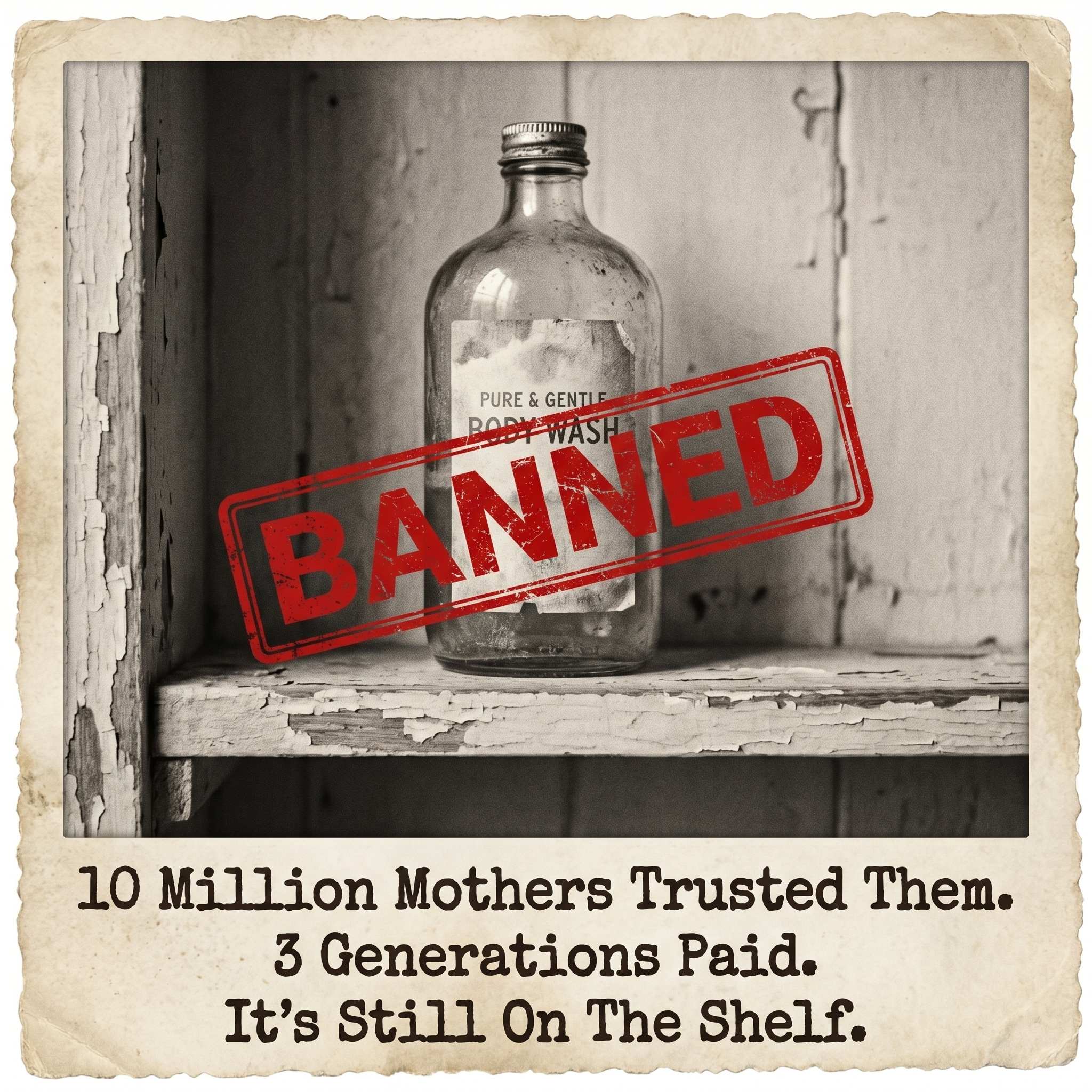
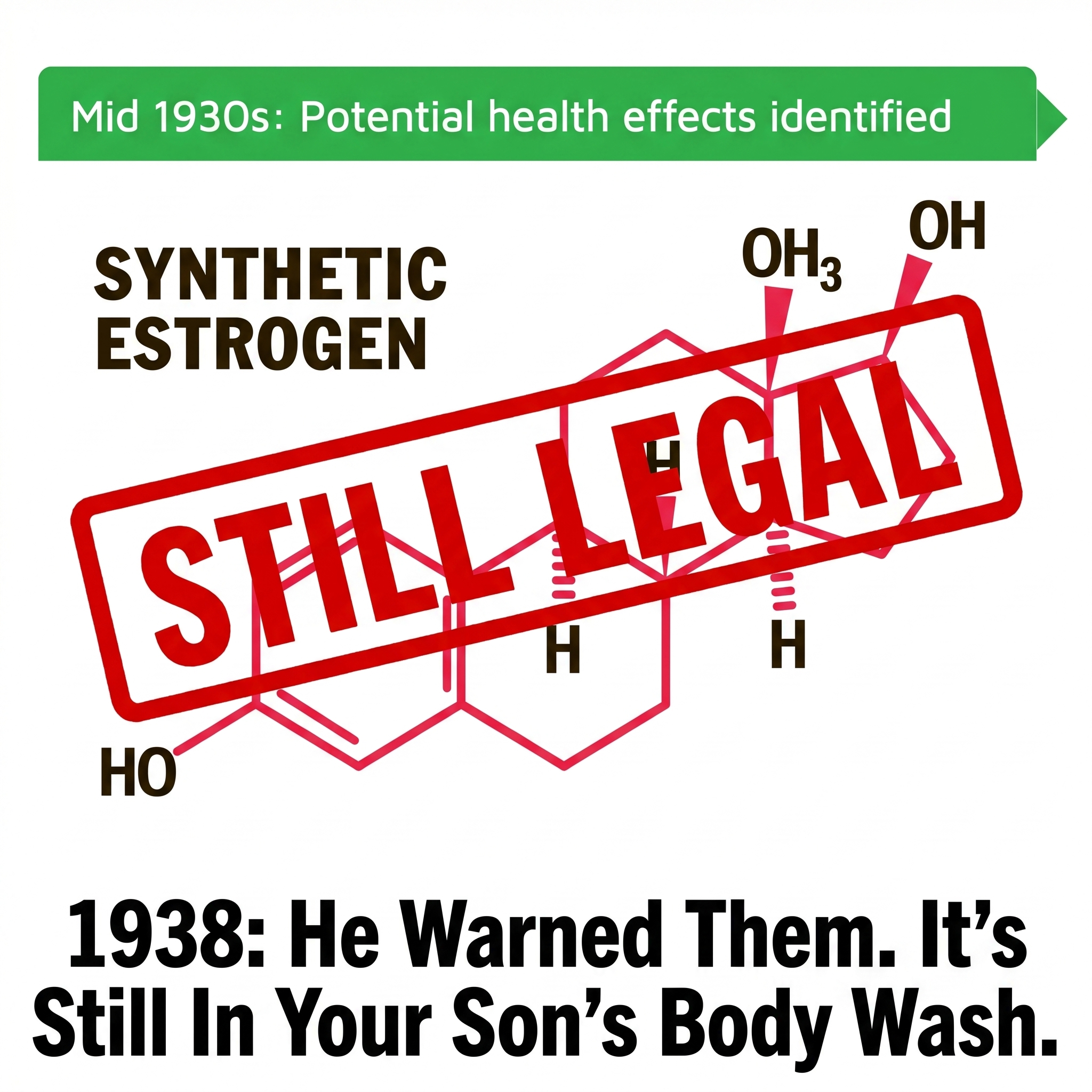
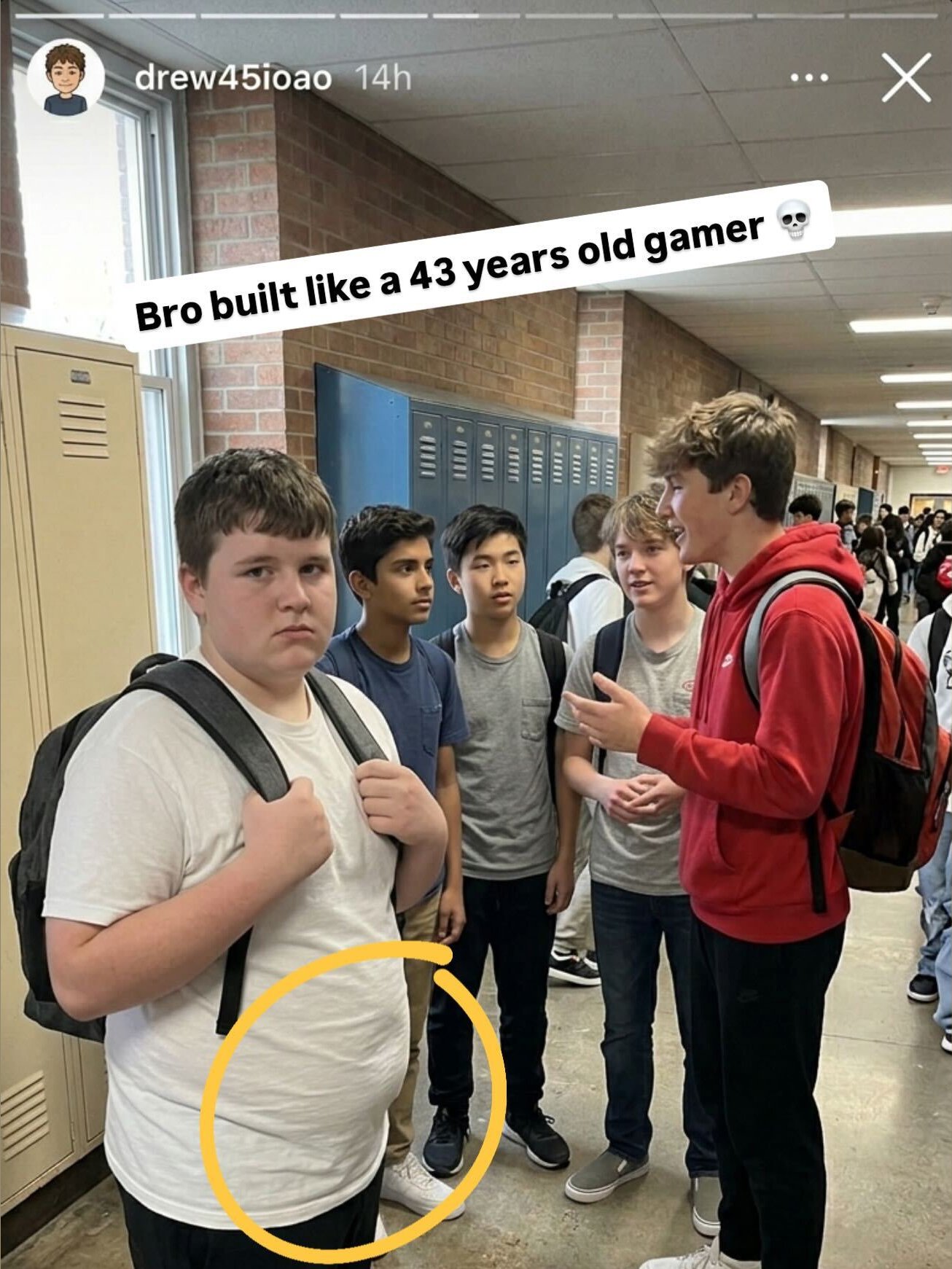
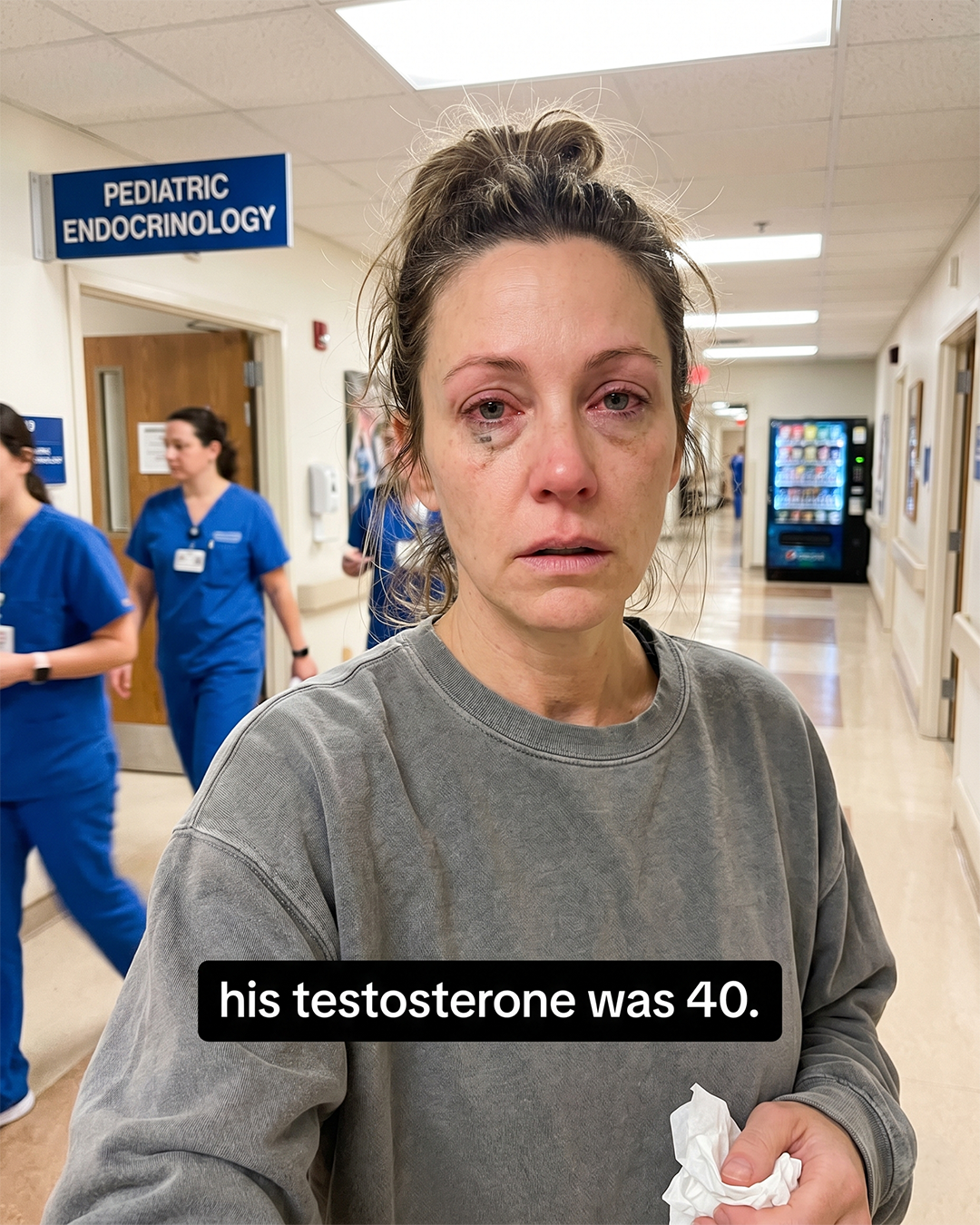
I have two boys. The first one didn't go through puberty until he was 19 — because he had a pituitary tumour nobody caught for five years. The second one is 14 and his bloodwork last month came back completely normal. The only difference between them was something I learned too late to save the first. Doctors will tell you delayed puberty is "normal." That late bloomers catch up. That you should give it 12 to 18 months and come back if anything changes. For most boys, they're right. For my oldest son, they were wrong for five years in a row. My youngest son started showing the same signs two years ago. Same age. Same symptoms. Same GP saying the same thing. But this time I knew something I didn't know the first time. And it changed everything. Let me tell you both stories. Because if you have a son anywhere in the puberty window right now, you need to hear this before you run out of time the way I did with my first boy. My oldest is Ethan. He's 19 now. When Ethan was 13, the boys in his class started shooting up. Voices cracking. Acne. Hair under their arms. Ethan was still the size of an 11-year-old. No growth spurt. No voice change. Nothing. His GP said "he's just a late bloomer. Some boys take longer." I asked if we should run any tests. He said it wasn't necessary at his age. Come back at 14. At 14, nothing had changed. Same doctor. Same answer. Some boys hit puberty at 15. Come back next year. At 15, I pushed harder. He finally agreed to do basic bloodwork. Testosterone was low but he said it was "within range for his developmental stage." We waited. At 16, Ethan was 5'2". His 13-year-old cousin was taller than him. He'd stopped wanting to go to family gatherings. He wore hoodies in January. I watched him fade from a happy, talkative kid into someone who barely came out of his room. The doctor told me he might just need "more time" and that we could revisit testing at 17 if nothing changed. At 17, nothing had changed. New doctor this time — I'd switched practices. She ran a full panel. Testosterone, LH, FSH, prolactin, thyroid, the works. When she called with the results, she didn't ask me to come in. She asked if I could come in today. His testosterone was 40. For reference, a healthy teenage boy should be between 300 and 1,000. Most men in their 80s test higher than that. A testosterone level of 40 in a 17-year-old is the kind of number that makes endocrinologists pick up the phone on a Friday afternoon. His prolactin was elevated. They ordered an MRI. They found a pituitary tumour. I want to be clear about something right now, because I know how this sounds. The tumour was a benign adenoma. Not cancer. The kind that responds to medication. He's been on treatment for two years and the tumour has been shrinking the whole time. His voice has finally changed. His testosterone is climbing back toward normal. But his growth plates closed before the treatment started working. He's done growing. He's going to be okay — but he's going to be 5'2" forever. But "okay" is a complicated word. Ethan is 19 now and he's never been to a school dance. He skipped his Year 11 and Year 12 formals because he didn't want to stand next to girls who were taller than him. He never played sport past Year 7. He spent four years convinced something was wrong with him while every doctor told me he was fine. The treatment can fix his hormones. It can't give him back the four years he spent hiding in his room. It can't undo whatever happened inside my son's head between 13 and 17 when he watched every boy he knew become a man and his own body refused to. I thought Ethan was unlucky. I thought we'd drawn the worst card in the deck. I was wrong. But I didn't find that out until it started happening to my second son. My youngest is Caleb. He's 14 now. When Caleb turned 12, I started watching him like a hawk. I told myself it was paranoia. He was fine. He was a different kid. Whatever Ethan had was a one-in-a-million tumour and it had nothing to do with Caleb. But by the time Caleb was 13, I couldn't lie to myself anymore. No voice change. No growth spurt. He was the second-shortest boy in his class. He came home from school one day and asked me when he was going to "start looking like the other kids." I sat in my car after his last GP appointment — the one where he'd told me, again, that some boys just take longer — and I called my sister. I told her I was watching it happen again. I couldn't breathe. I couldn't stop crying. I told her I didn't know how to do this twice. My sister is a nurse. She asked me a question that night I'll never forget. "What did you change between Ethan and Caleb?" I said nothing. Same house. Same food. Same family. Same parents. Nothing was different. She said, "Then maybe the problem was something that wasn't different. Something both of them have been around since they were born." I didn't sleep that night. The next morning I stopped waiting for doctors to tell me what to do and I started researching. What I found in the first 48 hours made me angrier than I've ever been in my life. Not because the information was hidden. Because it was everywhere. Published. Peer-reviewed. Available to anyone with an internet connection. And not a single doctor in six years of appointments for Ethan had ever mentioned a single word of it. Testosterone levels in teenage boys across the developed world have dropped roughly 50% since the 1990s. Endocrinologists call it a silent epidemic. The leading suspects are a class of chemicals called xenoestrogens — synthetic compounds that mimic estrogen in the human body and suppress testosterone production. The New England Journal of Medicine — the most respected medical journal on the planet — published documented cases of boys whose hormonal development was directly linked to chemicals in their personal care products. When they stopped using the products, things normalised. Large-scale health survey data — thousands of participants — showed that boys with normal everyday exposure to phthalates had testosterone up to 29% lower than less exposed boys. Then I looked up where phthalates hide. Body wash. Shampoo. Deodorant. Conditioner. Every major supermarket brand. They're recognised internationally as endocrine disruptors. And they're hidden on the label behind a single word. "Fragrance." One word that can legally conceal over 3,000 undisclosed chemical compounds. The manufacturer doesn't have to list a single one. It's a trade-secret loophole that's been in the law for decades. I walked into Caleb's bathroom. Picked up his body wash. Turned it around. "Fragrance." Shampoo. "Fragrance." Deodorant. "Fragrance." Then I walked to the storage cupboard where I still had a half-empty bottle of the body wash Ethan used through his early teens. Same brand I'd bought for both boys for over a decade. "Fragrance." I sat on the bathroom floor that night with two bottles in my lap — one from each son's shower — and I understood something I will never fully recover from. I don't know what caused Ethan's tumour. The doctors don't know either. Pituitary tumours are rare and idiopathic — which is the medical word for "we don't know why." But I know that for the entire decade his hormonal foundation was being built, I was putting synthetic estrogen on his skin every single day. In hot water that increases skin absorption. During the exact window when his pituitary was developing. I am not a doctor. I am not saying body wash caused what happened to my son. I will never say that and you should never let anyone tell you that's what I'm saying. But I do know this. There is a daily, lifelong, completely controllable exposure to chemicals that mimic estrogen and suppress testosterone in developing boys. And I had been pouring it on both of my sons every morning of their lives. And the second one was already starting to show the same signs. I threw out every product in Caleb's bathroom that night. Then I spent the next week trying to find clean replacements and hitting wall after wall. Three "natural" brands all had "Natural Fragrance" on the label — same loophole, different packaging. One still had SLS — a penetration enhancer that strips your skin barrier so chemicals absorb even faster. The EU has banned over 1,700 chemicals from personal care products. Australia hasn't banned a single one. AICIS — our regulator — leaves it up to the manufacturer. I threw those out too. That's how I found a brand called Manly. A small Aussie company that makes a shower kit specifically for teenage boys going through puberty. I almost didn't try it because I'd already wasted money three times that week. But when I turned the bottle around, every single ingredient was listed. Every one. No "Fragrance." No "Natural Fragrance." No loopholes. Kakadu plum, lemon myrtle, tea tree, activated charcoal — native plants that evolved in the harshest climate on earth and developed real antibacterial properties. No parabens. No phthalates. No SLS. I ordered the full kit. Body wash, shampoo, conditioner, deodorant. Caleb didn't ask any questions. He just wanted to know if it smelled "weird." It didn't. It smelled clean. He shrugged and started using it. Here's what happened over the next three months. Week 2 — his skin calmed down. The breakouts on his back I'd been treating with prescription cream for months started clearing on their own. Week 4 — his energy shifted. He started coming downstairs after school instead of disappearing into his room. He started talking to me again without me dragging it out of him. Week 6 — he hit his first real growth spurt. He came down for breakfast one morning and I had to look up at him. He'd grown almost two inches in six weeks. Week 10 — his voice cracked for the first time. He was embarrassed. I almost cried at the kitchen counter. Week 14 — I asked his new doctor to run a full hormone panel. Same one that finally caught Ethan's numbers when it was too late. His testosterone came back completely normal. Mid-range for a 14-year-old in active puberty. LH and FSH normal. Prolactin normal. Everything where it should be. The doctor told me he was developing exactly on schedule. Tanner stage four. A perfectly healthy 14-year-old boy moving through puberty the way nature intended. I sat in the carpark after that appointment and I cried for an hour. Not because I was happy — though I was. Because I knew that if I had done with Caleb what I did with Ethan — if I had trusted the labels and waited for the doctors — I might have been sitting in a different carpark, looking at a different MRI, listening to a different specialist tell me my second son needed treatment too. Caleb doesn't know what I changed. He just knows his new body wash smells good and his mum made him switch. That's enough for a 14-year-old. But I know. My husband knows. We look at each other sometimes when Caleb is being loud and present and confident — the way Ethan never got to be at that age — and we don't say anything. Because what is there to say? We got it right with one son and wrong with the other and the only difference was information I didn't have the first time. I'm sharing this because that information is what I'm offering you right now. If your son is anywhere between the ages of 10 and 16, these are the most hormonally formative years of his entire life. The decisions you make about what touches his skin every day will shape what he looks like, what his energy is like, what his confidence is like — for the next 70 years. Go to his bathroom tonight. Pick up his body wash. Turn it around. Find the word "Fragrance" on the back. Now you know what that word is actually hiding. You have a choice. You can do what I did with Ethan — trust the label, trust the doctor, wait and see, and hope. Or you can do what I did with Caleb — stop putting synthetic estrogen on your son's skin during the most critical developmental window of his life. Here's what I switched Caleb to: https://usemanly.com/pages/teen-hau Full kit — body wash, shampoo, conditioner, deodorant. Every single ingredient on the label. No fragrance loopholes. No parabens. No phthalates. No SLS. Money-back guarantee if it doesn't work for your son. I can't go back and fix what happened to Ethan. That's something I'll carry for the rest of my life. But your son's window is still open. Don't waste it the way I wasted Ethan's. **P.S.** — If this post helped you, send it to one other mum. Not to be dramatic. Because her son is in the same shower right now, using the same products, absorbing the same chemicals. And she has no idea. Just like I had no idea. Twice. https://usemanly.com/pages/teen-hau **P.P.S.** — I am not a doctor. I am not a scientist. I am a mother who found out too late for one son and just barely in time for the other. I don't care if you buy what I bought. Buy something else. Buy any brand that lists every single ingredient and doesn't hide behind the word "Fragrance." Just stop putting it on your son's skin tonight. That's all I'm asking. Because Ethan can't get those years back. But your son still has his.
Moms of teen boys: read this
Testosterone in teen boys has collapsed 50% since 1990. Here's why.
LEARN MORELike this ad? Make it yours.
Crush rebuilds this exact creative around your product — your brand, your colors, your offer — in about a minute.