
Inactive· since Jun 2, 2026
- 39
- days it ran
- 0
- relaunches
Ad copy
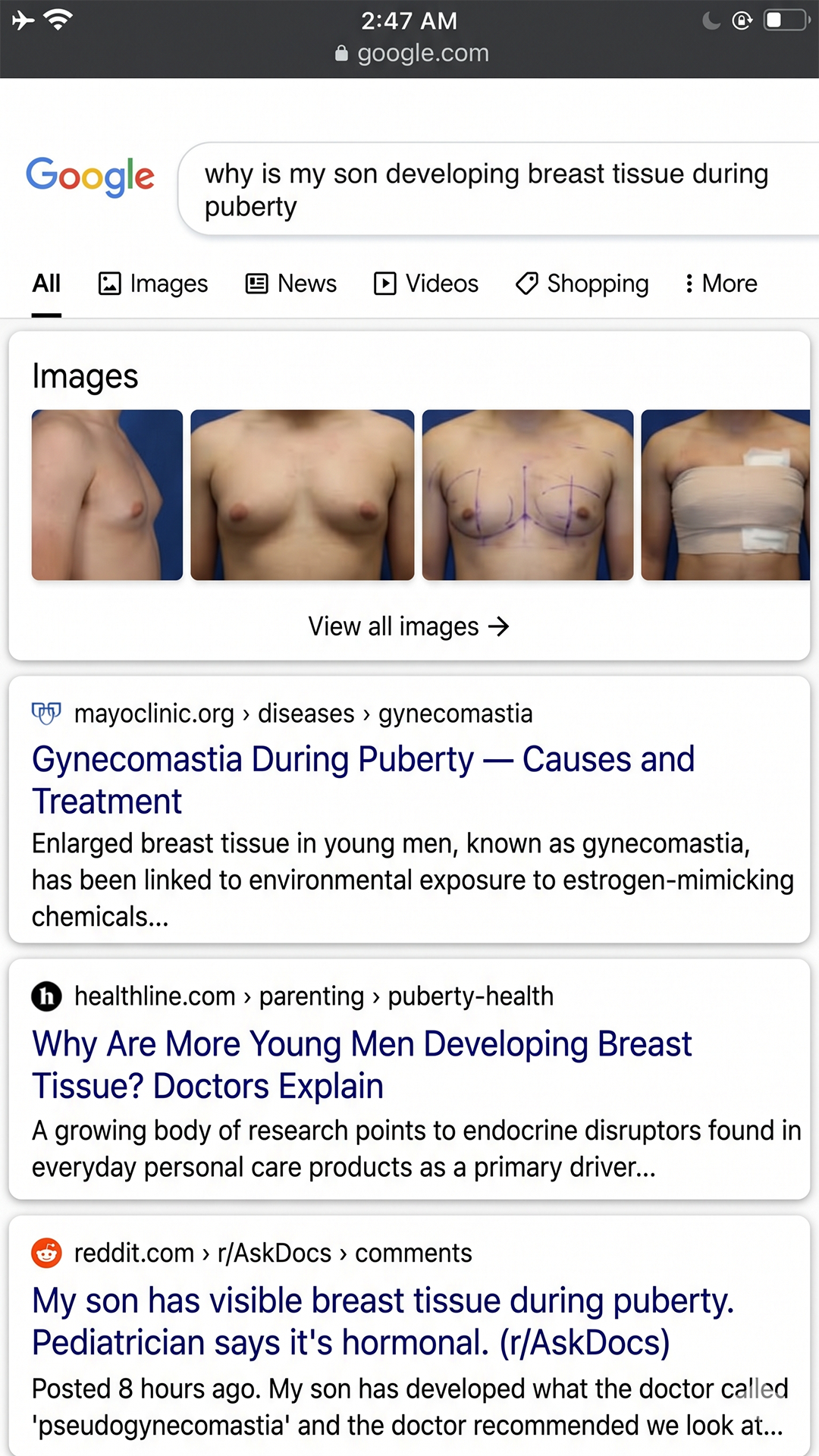
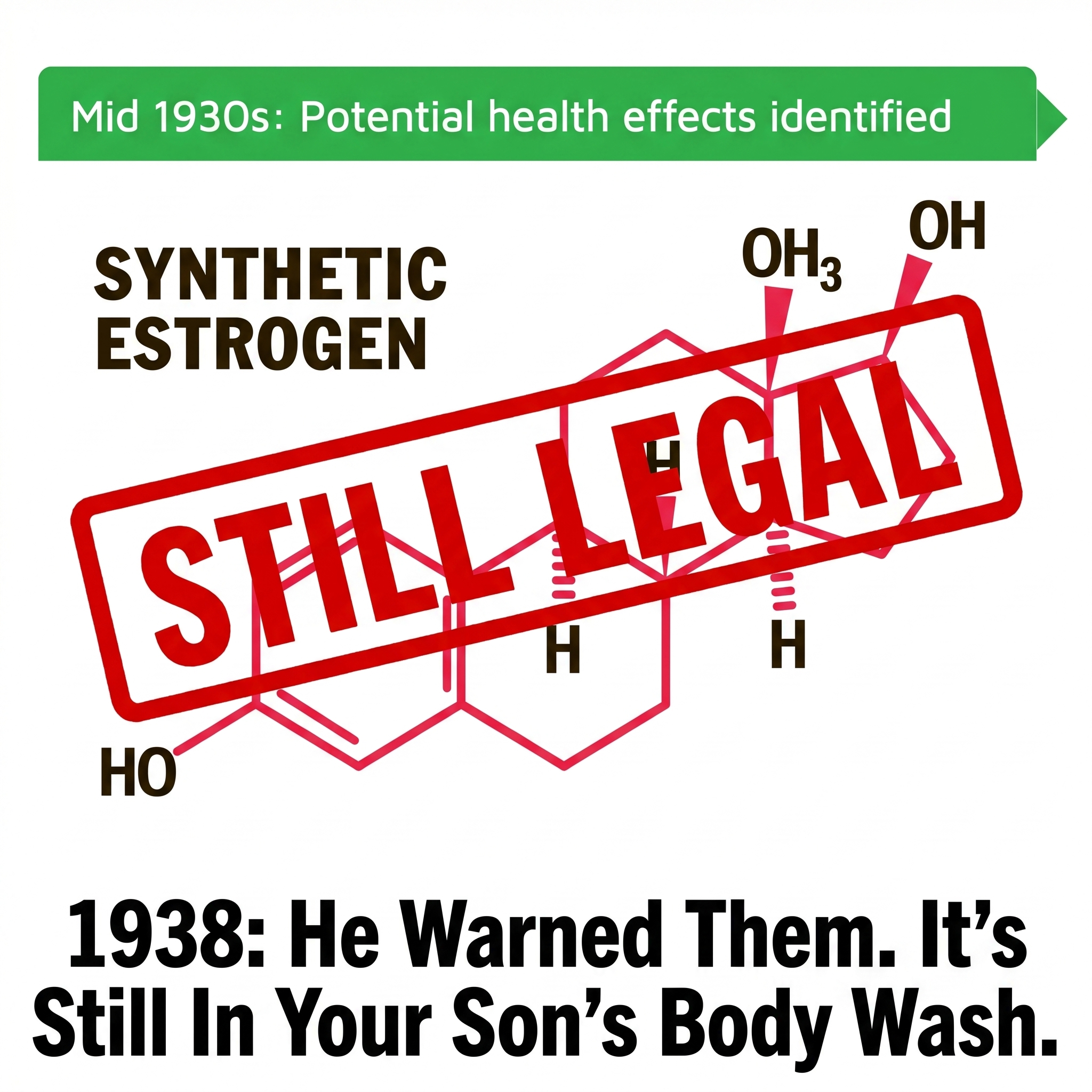
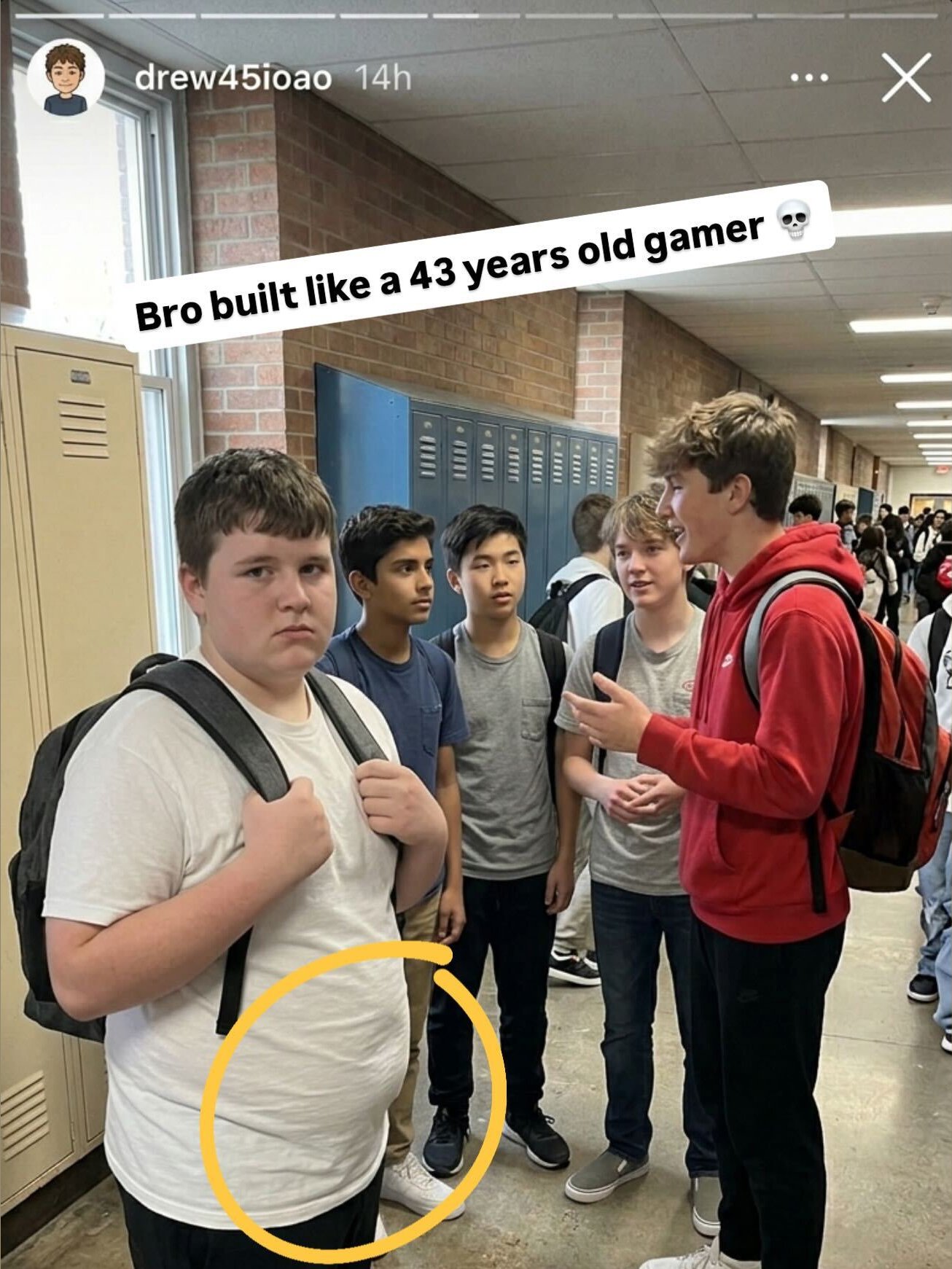
This is my son Ryan being made fun of 💔 Someone took a photo of him at PE. Posted it to their Close Friends. By the end of the day, half his grade had seen it. "Ryan’s built like a ‘before’ picture 🍔" Ryan came home from school, walked straight past me, locked himself in his room. When I finally got him to open the door three hours later, he was sitting on his bed staring at his phone with this look I'd never seen before. He showed me the screenshot. The photo. The comments underneath. And then he asked me a question that still keeps me up at night. "Mom, I don't even eat that much. Why do I look so disgusting?" I replied: “No, baby you don’t.” He asked: “Am I fat?” I didn't have an answer. 💔 Ryan wasn’t a big eater. We eat pretty clean at home. He’s active and plays all sorts of sports. Yet he couldn’t lose the weight. It was frustrating! I'm his mother. And what Ryan went through between the ages of 13 and 17 — the bullying, the diets that didn't work, the $6,000 we spent on treatments and programs and medications that made everything worse — is something I will never forgive myself for. My youngest son Tyler started gaining that stubborn weight the same way Ryan did. Same age. Same pattern. Same confusion. But this time I knew something I didn't know with Ryan. And it changed everything. Let me tell you both stories. Because if you have a son who's gaining weight no matter what you feed him, you need to hear this before you run out of time the way I did with my first boy. --- Ryan is 18 now. When Ryan was 13, I started noticing the weight gain. Not a little. A lot. His face got rounder. His chest got softer. His waist expanded. He was developing fat in places boys don't typically store it — hips, thighs, chest. But here's the thing that made no sense: we don't eat junk food. I cook from scratch. No fast food. No soda. No processed snacks. Lean proteins, vegetables, whole grains. His older brother ate the exact same meals and stayed lean and athletic. Ryan was gaining weight on a diet that should have kept him healthy. I took him to his pediatrician. She weighed him, looked at his growth chart. He'd jumped from the 60th percentile to the 85th in eight months. She asked about his diet. I told her everything we ate. She looked skeptical. She said kids often sneak food. Keep an eye on portion sizes. Make sure he's getting exercise. Come back in three months. At 14, he'd gained another 17 pounds. The pediatrician referred us to a nutritionist. We spent $800 on a meal plan that was almost identical to what I was already feeding him. Ryan followed it perfectly. I measured every portion. I packed his lunch every day. He gained 8 more pounds in two months. At 14 and a half, he tried out for the freshman basketball team. The same team his brother had made two years earlier. Ryan had played basketball since he was 7. He was good. He knew the game. The coach cut him. Said he was too slow. Couldn't keep up. Ryan came home and went straight to his room. Didn't come out for dinner. When I checked on him later, he was crying face-down on his bed. That's when I took him to another doctor. Between ages 14 and 16, we saw twenty-one pediatricians. Endocrinologists. Weight management specialists. Metabolic disorder experts. Every one of them ran tests. Thyroid panels. Fasting glucose. Insulin resistance markers. Cortisol levels. Genetic testing. Every test came back normal. Every single doctor gave us the same answer: "He's eating more than he's burning. It's calories in, calories out. Put him on a stricter diet. Make sure he exercises more." But I was measuring his food. I was logging every calorie. He was eating 1,800 calories a day — less than his younger brother who was maintaining a healthy weight on 2,200. And Ryan was gaining. The doctors didn't believe me. I could see it in their faces. They thought I was lying. They thought Ryan was sneaking food. One doctor actually suggested I put a lock on the refrigerator. At 15, a different doctor prescribed metformin. A diabetes medication. For a kid who didn't have diabetes. He said it might help with insulin sensitivity even though Ryan's insulin levels were normal. Ryan took it for three months. He had diarrhea almost every day. Stomach cramps. Nausea. He was miserable. He lost 4 pounds. Then gained back 7. We stopped the medication. At 16, another doctor prescribed phentermine. An appetite suppressant. For a kid who was already eating 1,800 calories a day. Ryan took it for six weeks. Couldn't sleep. Heart racing. Anxious all the time. Irritable. Couldn't focus at school. He lost 6 pounds. Gained back 10 when we stopped. By this point we'd spent over $6,000 on specialists, programs, meal plans, and medications. Ryan had tried everything. Done everything right. And he was heavier than when we started. He'd quit basketball completely. Stopped going to friends' houses. Started wearing hoodies in 90-degree weather. Ate lunch in the bathroom because the cafeteria felt like a place where people stared. At 16 and a half, I paid $1,800 out of pocket for a private consultation with an endocrinologist in the city. Someone who specialized in adolescent hormone disorders that conventional doctors miss. This doctor didn't just run the standard panels. He tested for something called xenoestrogen metabolites. Environmental estrogen exposure. The results came back two weeks later. Ryan's estrogen levels were elevated. Not massively. Just high enough to matter. His testosterone was technically "in range" but at the very bottom of normal for a teenage boy. The doctor sat us down and said something I will never forget. "Your son's body is behaving like it has too much estrogen and not enough testosterone. When that happens in adolescent males, the body stores fat in a female pattern — hips, thighs, chest, lower abdomen. It also slows metabolism and makes it extremely difficult to lose weight even on a caloric deficit." I asked what was causing it. He said Ryan had been exposed to abnormally high levels of xenoestrogens — synthetic chemicals that mimic estrogen in the body. They disrupt the hormonal signals that regulate metabolism, fat storage, and muscle development. I asked where these chemicals were coming from. He pulled out a list. "Microplastics in food packaging. Soy products. BPA in plastic containers. But the highest concentration by far? Daily personal care products. Body wash. Shampoo. Deodorant. Anything with synthetic fragrance contains phthalates and parabens — potent xenoestrogens that absorb directly through the skin." I asked if we could fix it. He looked at Ryan. At me. And he said, "If we eliminate the sources now and support his natural testosterone production, his body should start rebalancing. But the damage from years of exposure — the metabolic adaptation, the fat cell development during puberty — some of that may be permanent." Ryan was 16. He'd been using the same body wash, the same shampoo, the same deodorant since he was 9 years old. Seven years. Seven years of showering every morning with products containing endocrine disruptors. Seven years during puberty — when his body was supposed to be building muscle, developing his metabolism, establishing his hormonal foundation. And not one doctor in twenty-one appointments had told us to check what was in his bathroom. Ryan is 18 now. He's still carrying extra weight. We've eliminated the xenoestrogens. His hormones are better. But his body developed a certain way during puberty and some of that can't be fully reversed. He doesn't play basketball anymore. He doesn't talk about it. But I see the way he avoids cameras. The way he stands behind people in photos. The way he wears layers even when it's hot. I see what those four years did to his confidence. The way he carried himself at 12 — open, athletic, unguarded — never fully came back. I thought Ryan was just unlucky. I thought we'd missed some rare metabolic condition. I didn't think it could happen again. --- My youngest is Tyler. He's 14 now. Last year — about a month after his 13th birthday — I noticed it starting. The same weight gain. Same pattern. Face getting rounder. Midsection thickening. Fat accumulating in his chest and hips. We were feeding him the same healthy food. Same portions as his friends who stayed lean. Same activity level. But he was gaining weight. My husband saw it too. He came to me one night and his voice was shaking. "It's happening again. We're not doing this again. We're not putting another one of our boys through what Ryan went through." I told him it wouldn't be like Ryan. I told him we'd stop it this time. But honestly? I didn't know how. The doctors had failed Ryan. The diets had failed Ryan. The medications had made things worse. I didn't have a plan. I just had the absolute terror of watching my second son go down the same road. So I did something I didn't do the first time. I stopped trusting doctors who kept giving me the same answers and I started researching myself. And what I found in the first week made me so angry I couldn't sleep. A study from the Journal of Clinical Endocrinology & Metabolism — boys with higher phthalate exposure during puberty showed significantly elevated estrogen levels, lower testosterone, and increased body fat percentage compared to boys with minimal exposure. When phthalate exposure was eliminated, hormone levels normalized and body composition improved. Then I found CDC data showing that American children have the highest measurable phthalate concentrations of any demographic group. Then I looked up what phthalates actually are and where they're hiding. Body wash. Shampoo. Deodorant. Hair products. Body spray. Every major brand in the personal care aisle. The EPA classifies them as endocrine-disrupting chemicals. And they're hidden on product labels behind a single word: "Fragrance." One word. Legally allowed to conceal up to 3,000 undisclosed chemical compounds. I walked to Tyler's bathroom. Picked up his body wash. Turned it around. "Fragrance." His shampoo. "Fragrance." His deodorant. "Fragrance." Then I went to Ryan's old room. Dug through the boxes in his closet until I found what I was looking for. The body wash he'd used all through middle school. The deodorant. The shampoo he'd used from ages 9 through 16. Same brands. Same products. Same word on every label. "Fragrance." I sat on Ryan's bedroom floor holding a bottle from each son's bathroom and I understood something that broke me completely. I didn't just fail to protect Ryan. I caused it. I bought those products. I restocked them every month for seven years. Every morning my son lathered his body with estrogen-mimicking chemicals in hot water — which increases skin absorption by up to 275% — during puberty. During the exact years when his body was supposed to be building testosterone, developing muscle, establishing his metabolism. And then I bought the exact same products for Tyler. Same store. Same brands. Same chemicals. Second son. Same mistake. If you want to see the research that destroyed me: https://pubmed.ncbi.nlm.nih.gov/17041242/ The only reason I'm not still sitting on that floor is because of what I found next. A study from UC Berkeley. Researchers took adolescents using conventional personal care products and switched them to products free of phthalates, parabens, and synthetic fragrance. Within three days, phthalate metabolites dropped 27%. Paraben levels dropped 44%. Three days. Because these chemicals don't accumulate. They have a half-life under 24 hours. Stop reloading them and your body starts clearing them immediately. Tyler was 13. His hormones were just starting to shift. We could still catch this. But I'd learned with Ryan — there's a window. And it doesn't stay open forever. I threw out every single product in Tyler's bathroom that night. Then I spent two weeks trying to find replacements that weren't hiding the same chemicals under different marketing. I tried five different brands labeled "natural" or "clean." Four still had "Natural Fragrance" — same loophole, greener packaging. One had sodium lauryl sulfate, which strips the skin barrier and increases chemical absorption. I threw them all away. I was ready to make our own soap. That's when I found Manly. Australian brand. I almost didn't try it because I'd already spent over $300 that month on products I had to throw in the trash. But when I turned the bottle around, every single ingredient was listed. Not "Fragrance." Not "Natural Fragrance." Not "Essential Oil Blend." Actual plant names. Kakadu plum. Lemon myrtle. Tea tree oil. Magnesium chloride. Activated charcoal. No phthalates. No parabens. No sodium lauryl sulfate. No fragrance loopholes. I ordered the complete kit. Body wash, shampoo, conditioner, deodorant. Tyler looked at it and asked one question. "Does it smell weird?" "No. Smells normal." "Okay." Here's what happened. Month 1 — I took Tyler back to the same endocrinologist who'd finally diagnosed Ryan. We ran a full hormone panel. His estrogen was starting to creep up. Testosterone was low-normal. The doctor said if we eliminated the xenoestrogen sources immediately, we could prevent what happened to Ryan. Month 2 — Tyler's face looked less puffy. His midsection looked less soft. We didn't weigh him because I didn't want to make it about numbers. But I could see the difference. Month 3 — we retested hormones. Estrogen down 28%. Testosterone up to mid-range normal. The doctor looked at the results and said, "This is exactly what we want to see. Whatever you changed, don't change it back." Month 4 — Tyler's basketball coach called me. Said Tyler was moving faster. More explosive. More confident. "He's playing like a different kid." Month 6 — Tyler had lost 18 pounds. Not from dieting. Not from medication. From his body finally working the way it was supposed to work. He was eating the same healthy food we'd always fed him. His hormones had rebalanced and his metabolism had corrected itself. His friends noticed. His coaches noticed. Tyler noticed. He came home from practice last month and said, "Mom, I made starting lineup." Six months ago he couldn't keep up. Tyler doesn't know what I changed or why. He just knows his mom switched his body wash and now he feels better. That's enough for a 14-year-old. But I know. My husband knows. We look at each other sometimes when Tyler's being loud and confident and comfortable in his body — the way Ryan used to be at that age — and we don't say anything. Because what is there to say? We got it right with one son and wrong with the other and the only difference was information. --- I have two sons. One of them spent four years gaining weight on a healthy diet, being prescribed medications that didn't work, being told by doctors he was lying, being cut from the basketball team, losing all his confidence — because nobody told me what was in his body wash. The other one didn't. Because by the time it started happening to him, I knew. The only difference between Ryan's story and Tyler's story is that I had information the second time that I didn't have the first time. I'm giving you that information right now. If your son is gaining weight no matter what you feed him — if he's eating healthy but getting heavier, if doctors keep blaming you or him, if nothing is working — go to his bathroom right now. Pick up his body wash. Turn it around. Find the word "Fragrance." Now you know what that word is hiding. You have a choice. You can do what I did with Ryan — trust the pediatricians, try the diets, try the medications, watch him suffer for years. Or you can do what I did with Tyler — throw those products out tonight and replace them with something that isn't disrupting his hormones during the most critical developmental window of his life. Here's what I switched Tyler to: https://usemanly.com/pages/teen-h Complete system — body wash, shampoo, conditioner, deodorant. Every single ingredient disclosed. No fragrance loopholes. No phthalates. No parabens. No endocrine disruptors. Money-back guarantee. I can't go back and give Ryan those years back. I can't undo the $6,000 we spent on treatments that didn't work or the confidence he lost or the basketball career that ended before it started. That's something I'll carry forever. But you still have time. Your son's hormones can still rebalance. Don't waste the window the way I wasted Ryan's. **P.S.** — If this helped you, send it to one other mother. Not to be dramatic. Because her son is probably in the same shower using the same products absorbing the same chemicals. And she has no idea. Just like I had no idea. Twice. **P.P.S.** — I'm not a doctor. I'm not a scientist. I'm a mother who figured it out too late for one son and just in time for the other. I don't care if you buy what I bought. Buy something else. Buy anything that doesn't have "Fragrance" hiding thousands of chemicals. Just get it out of your son's bathroom tonight. Because Ryan can't get those four years back. But your son still has his.
Like this ad? Make it yours.
Crush rebuilds this exact creative around your product — your brand, your colors, your offer — in about a minute.