
Inactive· since Jun 3, 2026
- 47
- days it ran
- 0
- relaunches
Ad copy
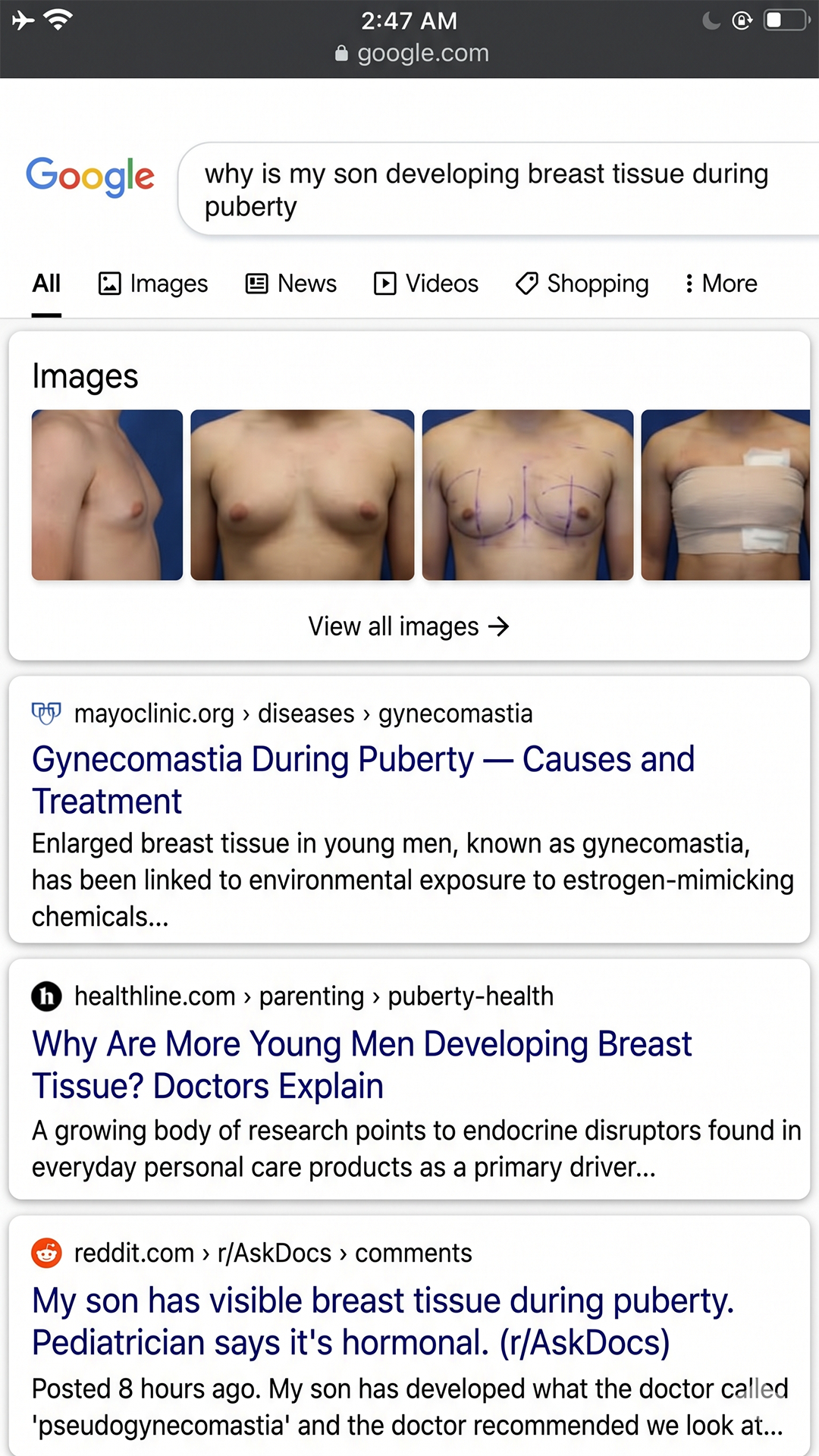
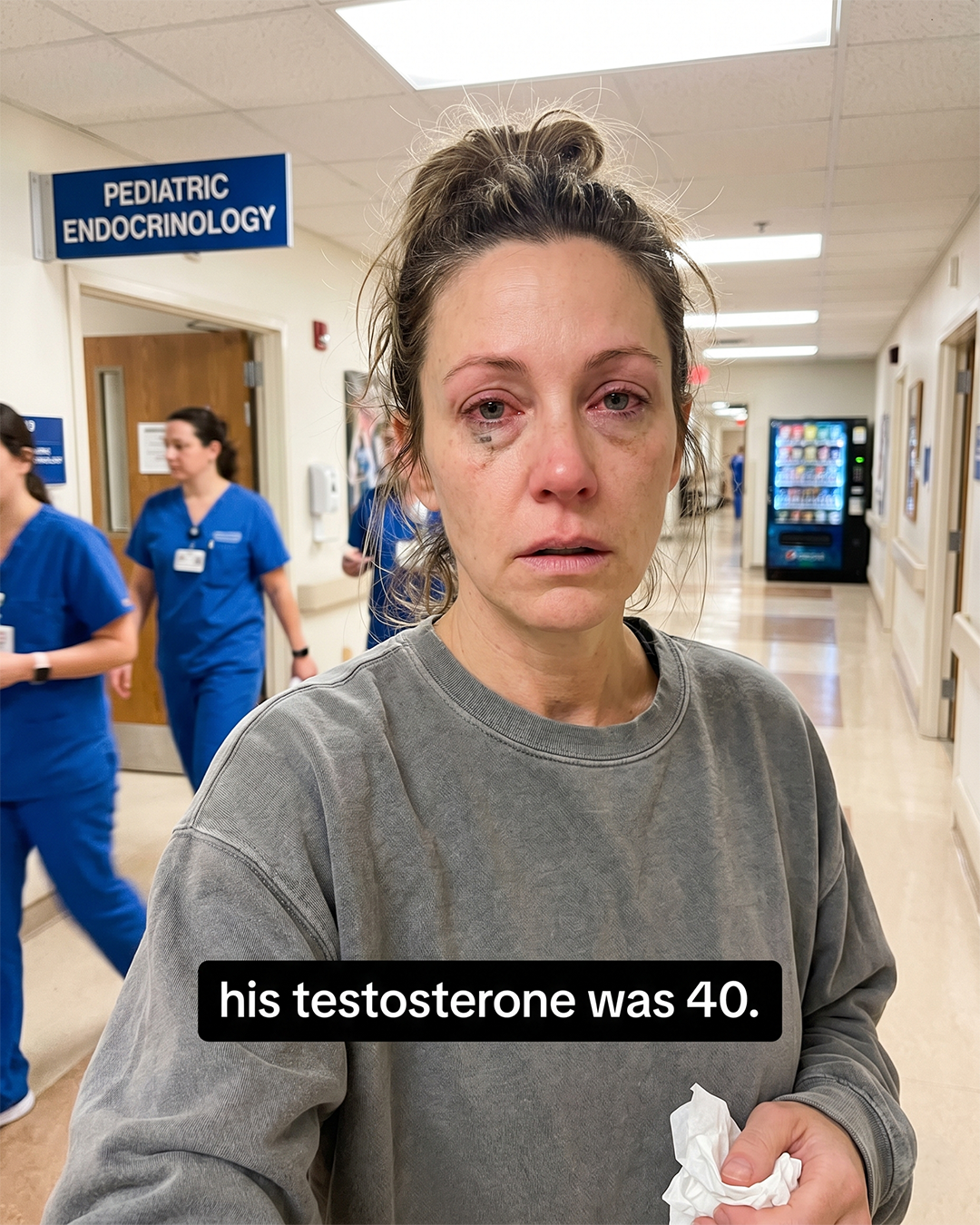
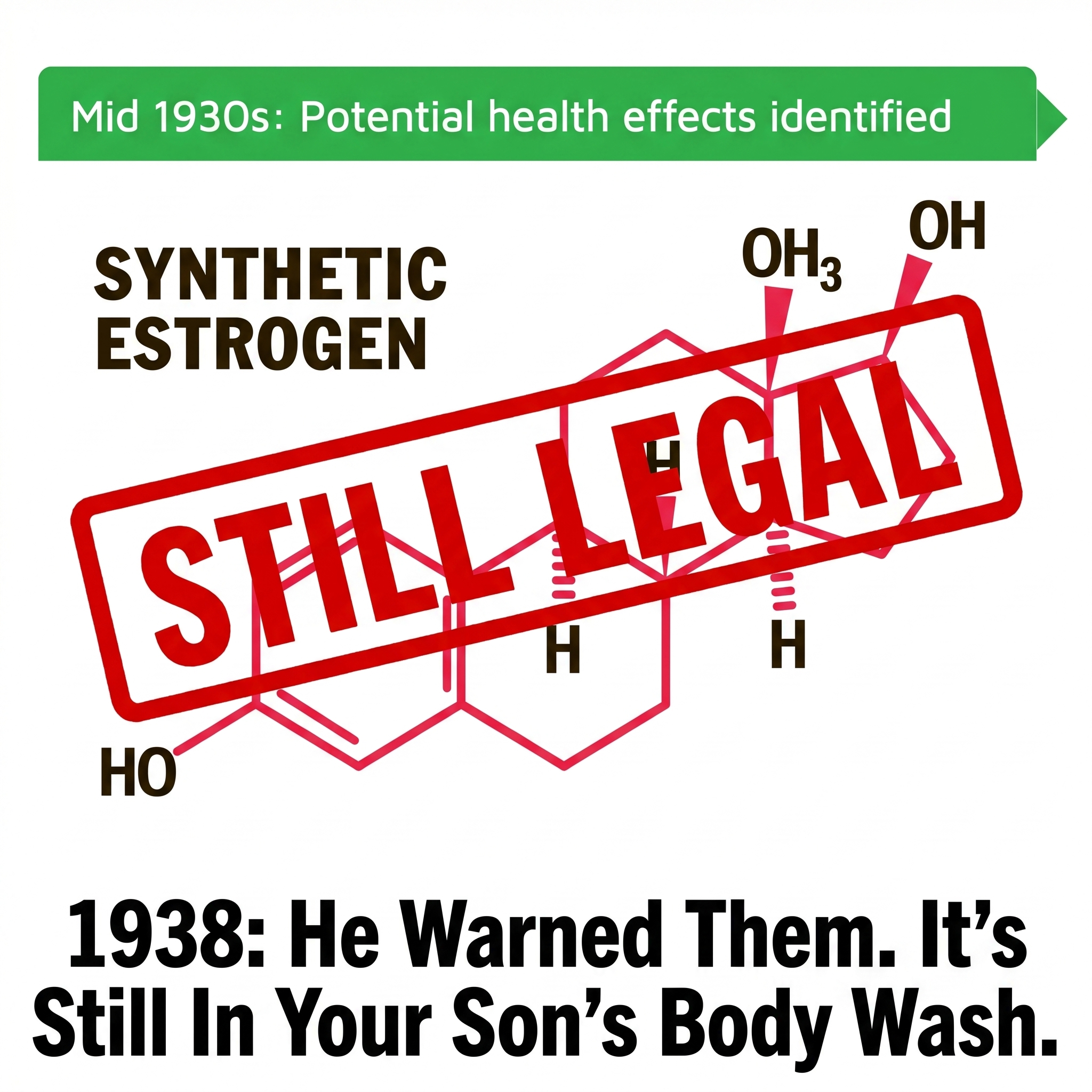
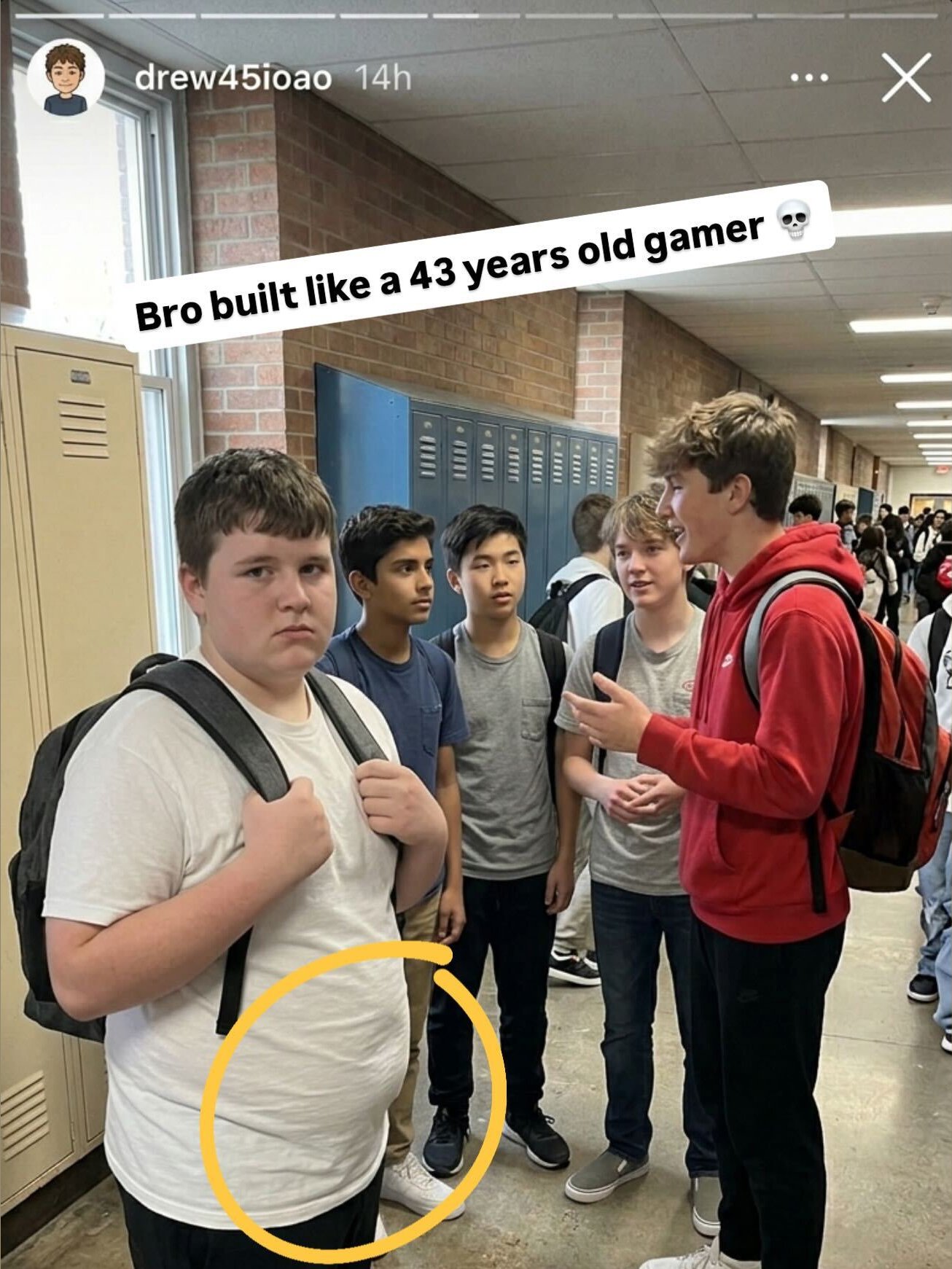
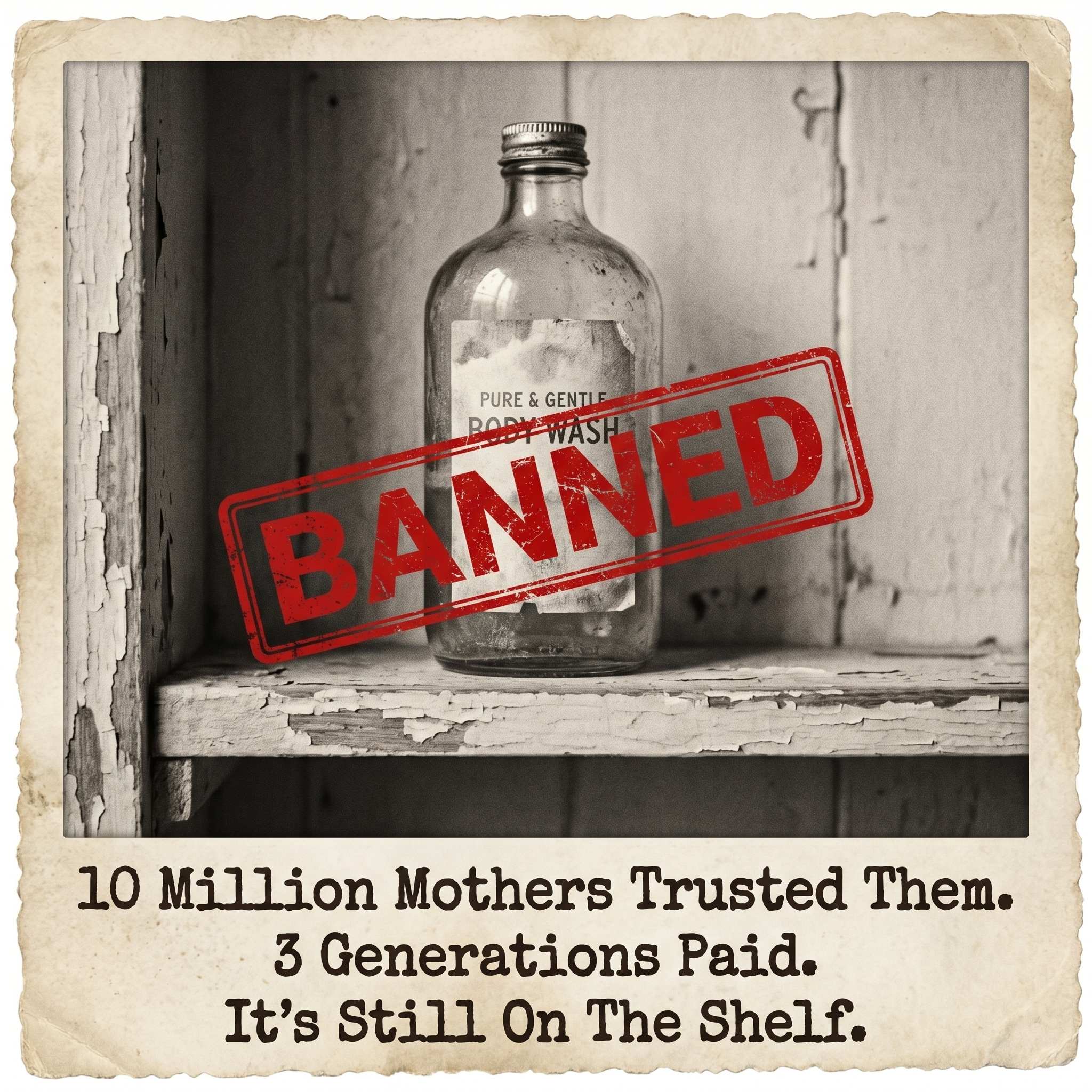
This morning, you did something you've done a thousand times without thinking. You sent your son into the shower with a bottle of body wash you bought off a shelf. He trusts that whatever you put in that bathroom is safe. That trust is total. He doesn't question it. He just uses what's there. Six months ago, I had that same trust from my son. And I was honoring it with a $6 bottle from Target that I'd never turned around and read. Then I found out what's in it. And what happened the last time millions of mothers trusted this same industry with their children's bodies. They got caught. But they didn't stop. They just changed the product. Here's how I found out. My son showered every morning. But by noon he smelled like he hadn't showered in a week. I'd tried Dove, Old Spice, Axe, Native, a charcoal body wash that did nothing. More deodorant. Stronger deodorant. But nothing worked. Then a mom on a parenting forum at 11pm said something that sent me down a rabbit hole I'm still not recovered from: "Moms! stop switching brands. For God’s sake, please start reading ingredients. Look up DES." I didn't know what DES was. But by 2am, I'd thrown away every bottle in my son's bathroom. I need to tell you what I found. The same way I found it. One piece at a time. Because each piece makes the next one worse, and by the end you'll understand why I will never again trust the shelf at Target with my son's body. His name was Charles Dodds. He was a brilliant British chemist. And in 1938, he did something that would affect millions of lives for the next century — he synthesized the first artificial estrogen in human history. He called it diethylstilbestrol. DES. And then he did something the pharmaceutical industry would spend fifty years regretting. He published warnings. Said it could cause cancer. The man who INVENTED it told the world: please be careful with this. Remember that. Because what happened next is the part that will make you look at your son's body wash and feel something you can't unfeel. But the pharmaceutical industry didn't listen. They saw something else. They saw a market. Pregnant women. Millions of them every year. Emotionally motivated. Trusting. The perfect customer. So they started prescribing DES to pregnant women. They told these mothers it would prevent miscarriages. They told them it was safe. How many women? Millions. Across the United States. Across Europe. Across Australia. Over the next three decades, an estimated 10 million people would be exposed to DES worldwide. Not a single clinical trial had been conducted before they released it. Why? Because testing takes time. And time is money. And there were millions of pregnant women right now, today, this quarter, who could be prescribed this drug at a markup that made everyone in the supply chain wealthy. So they shipped it. For thirteen years, DES was prescribed to pregnant women based on nothing but a theory and a profit motive. But then in 1971, doctors began seeing something they couldn't explain. Young women — girls, really, in their teens and twenties — developing a rare form of vaginal cancer. A cancer so rare it essentially didn't exist in medical literature before. When they traced it back, the pattern was clear. Every single one of these girls had a mother who took DES during pregnancy. The drug didn't just fail the women who swallowed it. It reached through the womb. Into the developing body of the baby. And it planted something that wouldn't show up for fifteen, twenty years. Until their daughters got cancer. That is what finally stopped DES. Neither Dodds' warning. Nor the failed clinical trial. Dead girls is what it took. So in 1971, DES was finally banned — not because a regulator caught it. Because daughters of DES mothers were developing rare vaginal cancer in their teens and twenties. A cancer so rare it barely existed before DES created it. But this doesn’t end here. The drug reached through the womb into the next generation. And the generation after that. By 2011, the full scope was documented: the daughters got vaginal cancer, cervical cancer, breast cancer, infertility, miscarriage, stillbirth. The granddaughters — fertility problems, menstrual irregularities. From a pill their grandmother swallowed in 1955. And nobody went to prison. The system didn't reform. It moved on to the next product. But when I saw the most recent research, I found something that made me put my head on the kitchen table and just sit there in the dark. And I want you to experience it yourself. Go in your son’s washroom and pick his body wash. Do you see the word “Fragrance / Parfum”? It’s not just a word, it’s a legal loophole. Companies aren't required to disclose what's in it. That single word can hide dozens of chemicals, including phthalates. Phthalates are endocrine disruptors. They mimic estrogen. They interfere with hormonal development. They are, by function, in the same class of compounds as DES. The last time this industry put synthetic estrogen into millions of people, the damage lasted three generations. Now the same class of chemical is in a bottle your son rubs across his body every morning. During puberty. Pores open. Skin absorbing. Hormones surging. The most sensitive developmental window of his life. Thirteen years old. In the middle of puberty. His testosterone surging. His endocrine system building the hormonal foundation that would shape his adult body, his energy, his development. The most sensitive window of his biological life. And I had been putting endocrine disruptors on his skin every morning. Compounds in the same class as the drug that caused cancer in daughters and fertility damage in granddaughters. Hidden behind the word "fragrance." On a bottle I bought at Target for $6. I didn't throw the bottle away in anger. I threw it away in something worse. Shame. And it’s not your fault. Because nobody told you. Just like nobody told the DES mothers. But it gets worse. Because the shelf isn't just dangerous — it's designed to keep you in this loop Every product I'd bought my son was built on the same profit model. Synthetic fragrance to MASK the smell, not eliminate it — so bacteria comes back by noon and you buy stronger deodorant. Sulfates to strip the skin — so it gets irritated and you buy acne wash. Harsh chemicals that dry the scalp — so you buy dandruff shampoo. The first bottle creates the problems that sell the next three. That's not a flaw. That IS the business model. The DES model — the drug caused side effects, the side effects needed more drugs, and the industry profited from every layer. Nobody on that shelf has a financial incentive to sell you something that works. If the first bottle solved the problem, you wouldn't buy the other three. That's why nothing I tried worked. Not wrong brand. Wrong shelf. So I left the shelf. And I need to be honest here. Because I'd tried "natural" body washes before and they were terrible. I bought my son a coconut-something "clean" body wash from Whole Foods once. It smelled like a tropical air freshener for about twenty minutes, and then his natural odor ate it alive. By pickup time he smelled like body odor with a faint memory of coconut, which is somehow more offensive than regular body odor. "Natural" had always meant "doesn't work" in my experience. Gentle. Weak. Nice idea, no results. Like choosing between chemicals that work and natural stuff that's expensive and useless. So when I found this Australian brand, I wasn't optimistic. I was desperate and out of options, which is a different thing entirely. But two ingredients stopped me. Two plants I'd never heard of. Kakadu plum and Lemon myrtle. Both native to the Australian outback. Both evolved in extreme heat and brutal UV — conditions that forced these plants to develop some of the most potent natural antibacterial compounds on earth. I looked them up. Independent research shows these are among the most potent natural antibacterials on the planet. This is why they don't mask odor. They kill the bacteria that causes it. No phthalates. No parabens. No sulfates. No synthetic fragrance. No "fragrance" loophole. Every ingredient on the label. Every ingredient I could pronounce. Nothing that belongs in the same sentence as DES. The brand is called Manly. Australian-made. Formulated for teenage boys in puberty. Full kit — body wash, shampoo, conditioner, deodorant — all built the same way. Kills the bacteria. Protect the skin. And most importantly, disrupts nothing. I ordered the kit. I didn't tell my son. I just took everything out of his shower and put the new stuff in. And I need to tell you what happened next the way it actually happened Day three — picked him up from football practice. Texas heat. Full pads. I braced for the usual wall of smell. It wasn't there. Not masked. Not covered. Gone. Week two — the angry red bumps on his shoulders were fading. Not from an acne product. From removing the chemicals that were causing the irritation. His skin wasn't breaking out because of puberty. It was breaking out because of what I was putting on it. Week three — my son walked through the kitchen and said, without looking at me: "Mom. Don't get the old soap back." A boy who had to be bribed to shower. Who'd never once had an opinion about hygiene. Asking me to keep using something because he liked how it made him feel. That's the real win. Not just the smell. Watching your son take pride in his own body without being nagged or reminded. That's the thing you don't know you're looking for until it happens. My sister switched her 11-year-old after hugging my son and smelling nothing. Two weeks later she texted: "His dandruff is GONE. Three years of Head & Shoulders and what fixed it was stopping the thing that was causing it." Same pattern. System creates the problem. Sells you the treatment. Treatment contains the same chemicals. You keep buying. They keep profiting. Or you step off the shelf and the problem disappears. I've told six moms. Five switched. None went back. No wonder it’s been trusted by 1,00,000+ moms. Manly has a 60-day money-back guarantee. Try the kit. If nothing changes, send it back. You can always go back to the shelf. But once the smell is actually gone — and once his skin clears up — and once he tells you, unprompted, that he likes what he's using — you're not going back. And once you know about DES — what this industry did the last time it put synthetic hormones into millions of people — you can't unknow it. The DES mothers didn't know. Their daughters and granddaughters paid for it. But you know now. What you do with that is up to you. https://usemanly.com/pages/teen-h P.S. — I don't care if you buy this brand or another one. Buy whatever you want. But stop buying from the drugstore aisle. Stop trusting "fragrance" on a label. Stop putting compounds from the same chemical class as DES on your son's skin every morning during the most critical developmental window of his life. Find something clean. Read the ingredients. Make sure you can pronounce every single one. That's the minimum. Everything I've shared about DES is in peer-reviewed journals on PubMed. Search "diethylstilbestrol" yourself. Then read the back of your son's body wash. You'll know what they're hiding. And why. P.P.S. — Send this to a mom you know with a son hitting puberty. Not for the product. For the DES information. Right now she's standing in an aisle at Target choosing between bottles that all contain the same chemicals, thinking she's making a decision. She's not. The decision was made for her by an industry that has already proven — over thirty years, across ten million people, through three generations of damage — that her son's safety is not its priority. She deserves to know that. The DES mothers never got the chance to know. We do.
Like this ad? Make it yours.
Crush rebuilds this exact creative around your product — your brand, your colors, your offer — in about a minute.