
Active· since Jun 3, 2026
- 107
- days running
- 1
- relaunches
Ad copy
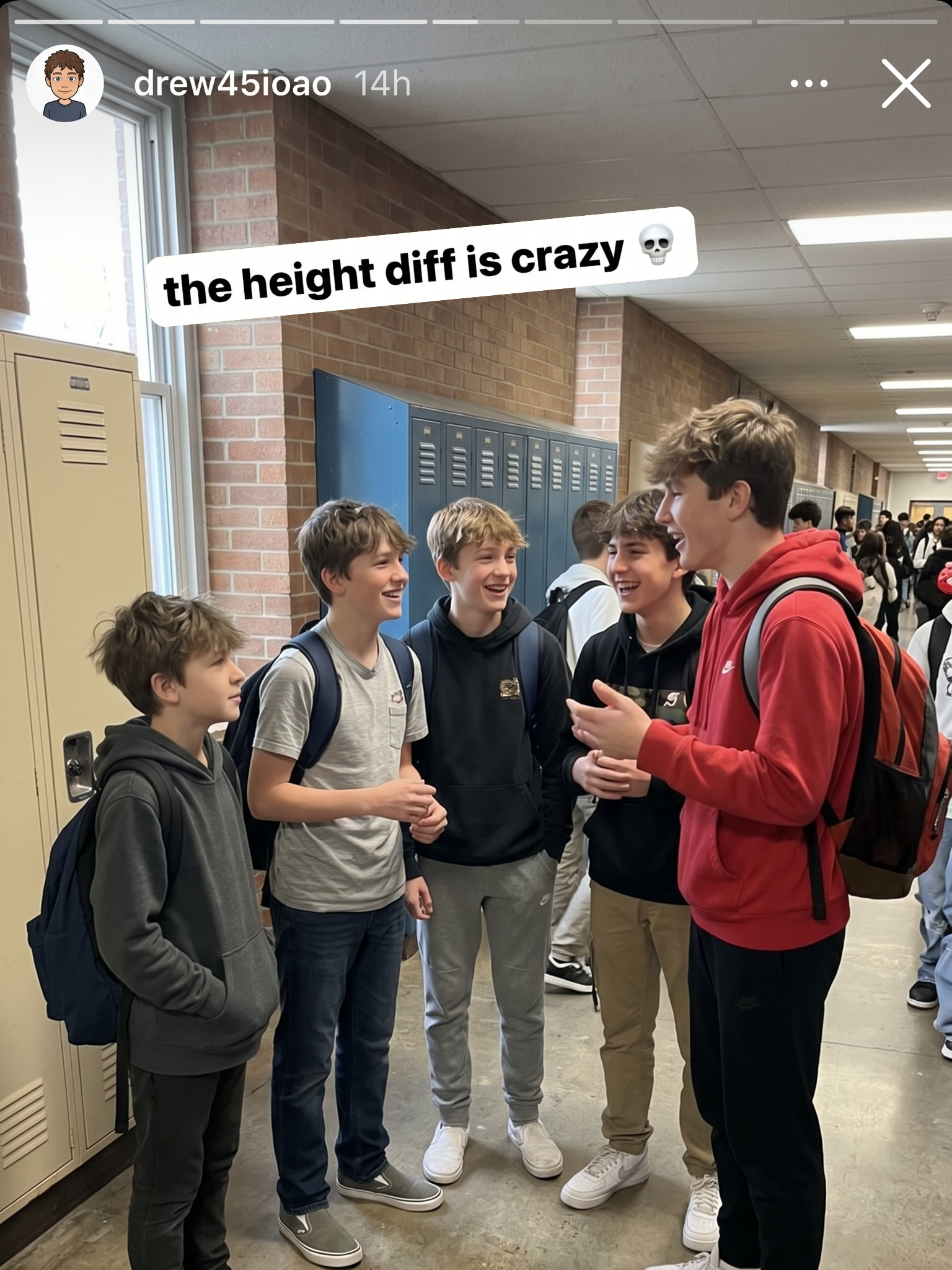
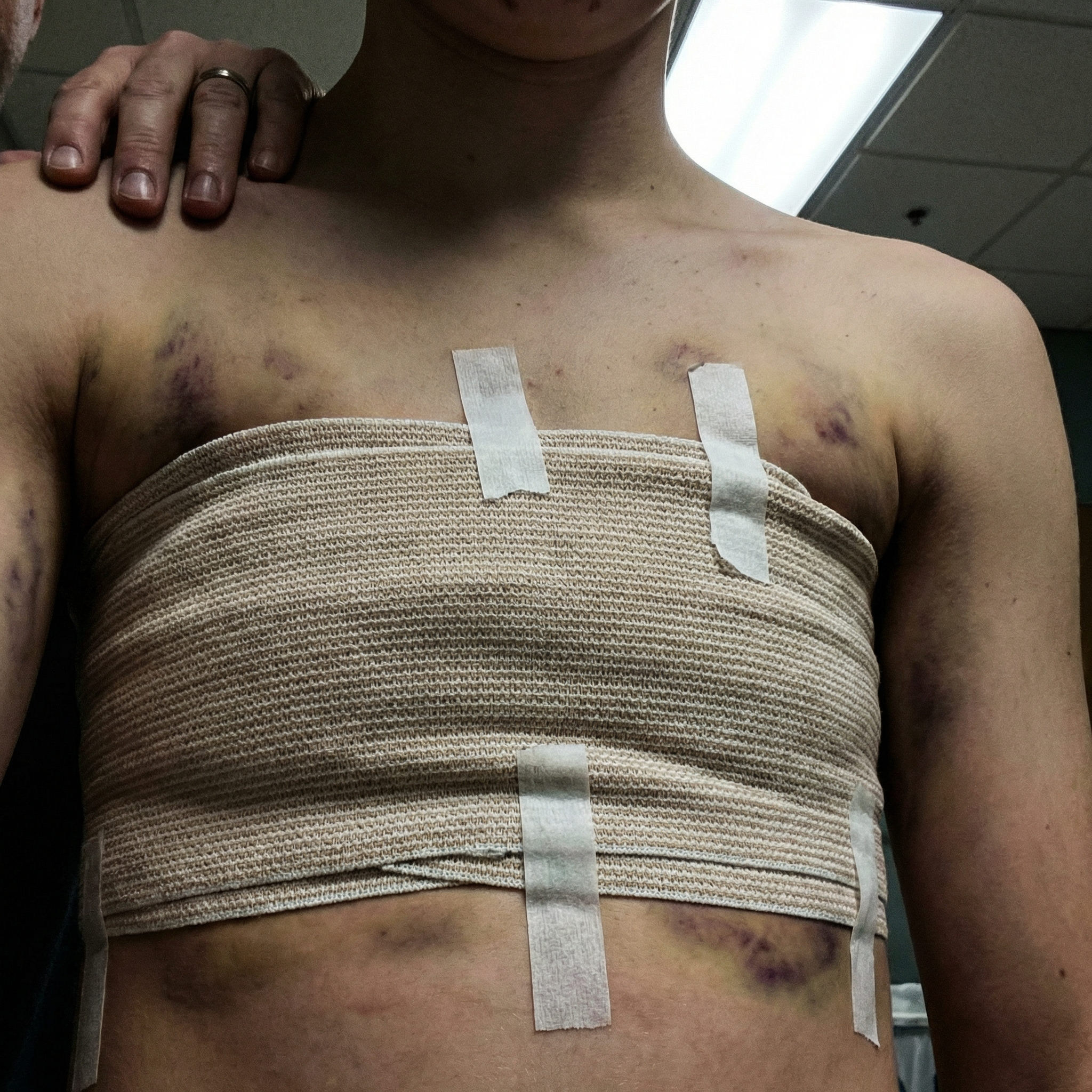
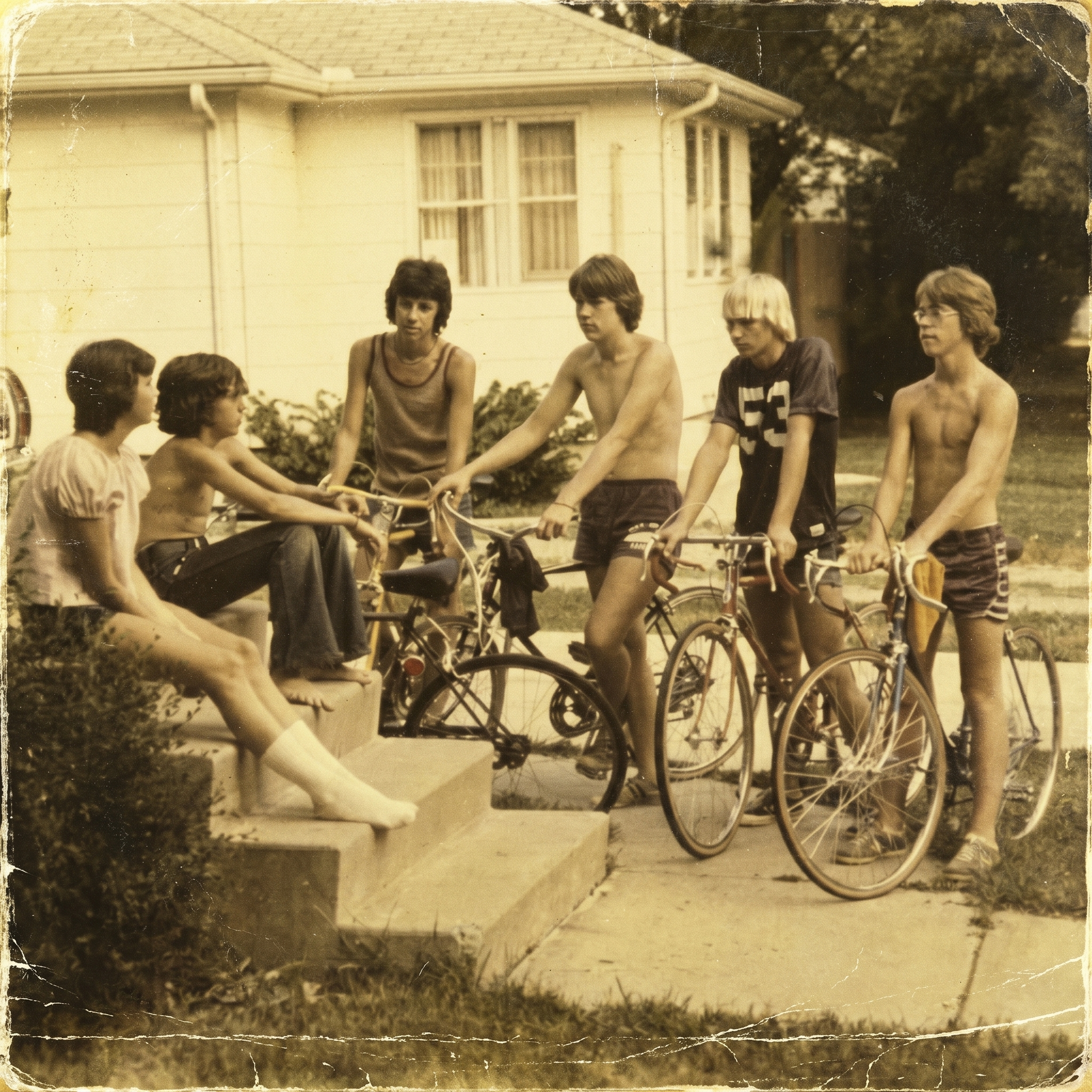
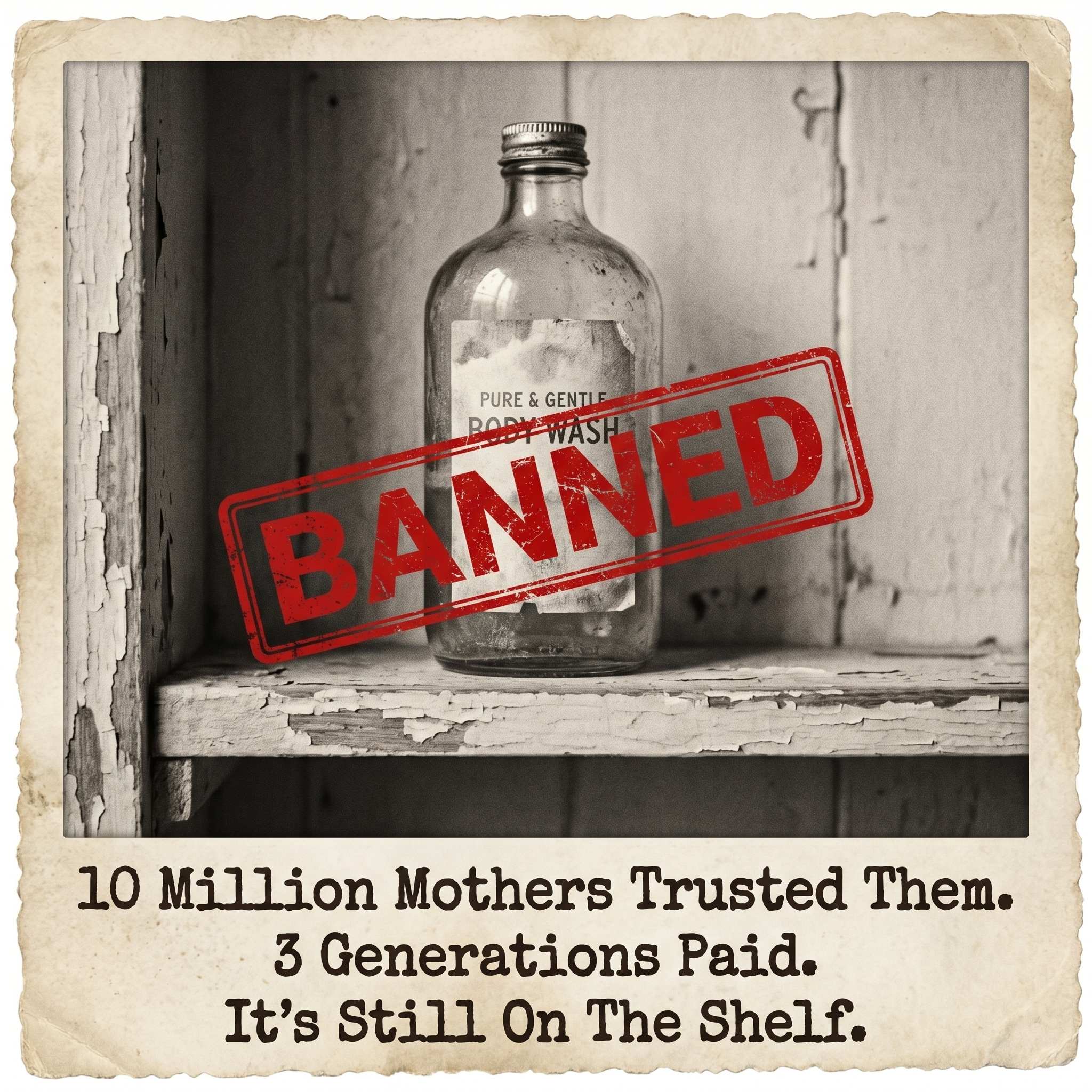
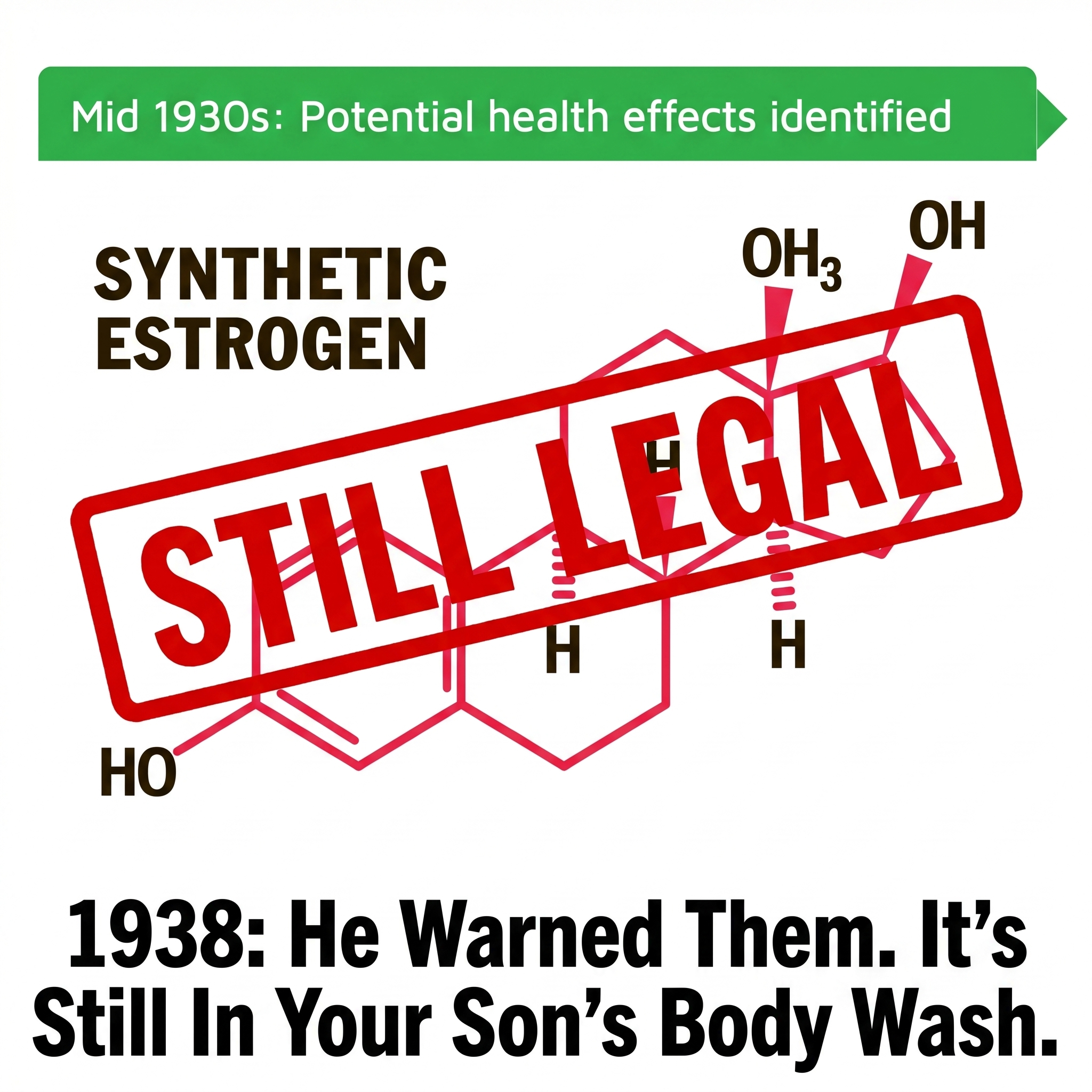
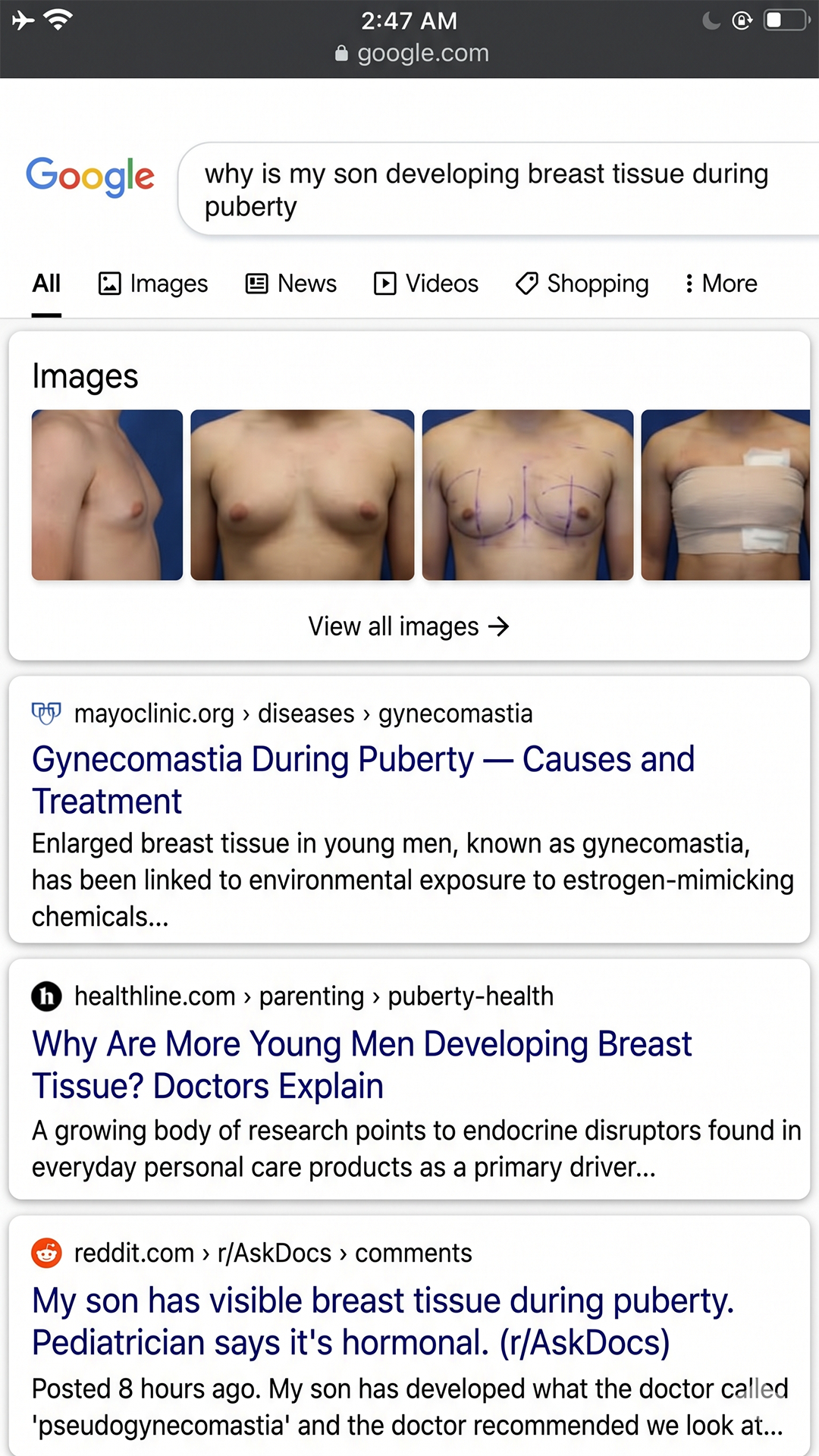
More than half of teenage boys in America are developing breast tissue right now. Not overweight boys. Not boys with medical conditions. Normal, healthy teenage boys. The NIH calls it "common." Doctors call it "hormonal." They tell parents it'll go away on its own. For most, it doesn't. But my oldest son was one of them. And what he went through between the ages of 13 and 17 is something I wouldn't wish on any kid. My youngest son started showing the same signs two years ago. Same age. Same symptoms. Same doctors saying the same thing. But this time I knew something I didn't know the first time. And it changed everything. Let me tell you both stories. Because if you have a son going through puberty right now, you need to hear this before you run out of time the way I did with my first boy. My oldest is Jake. He's 21 now. When Jake was 13, he came to me one evening and said he needed to talk. Which was unusual for him — Jake was the kind of kid who handled things on his own. Tough kid. Wrestled since he was 8. Never complained about anything. He lifted his shirt and showed me his chest. There was swelling under both nipples. Puffy. Tender. He said it hurt when anything pressed against it and he'd been hiding it for weeks because he didn't know what was happening to him. My wife and I took him to his pediatrician the next week. Doctor examined him, said the word "gynecomastia" — which I'd never heard in my life — and told us it was completely normal. Happens to the majority of boys during puberty. Hormonal fluctuations. Estrogen and testosterone finding their balance. He said give it 12 to 18 months. It almost always resolves on its own. So we waited. At 14, it was worse. Not better. The tissue had grown. Jake had gone from the kid who walked around the house shirtless to the kid who wore two layers to school every day. In May. In Georgia. I called the doctor. He said some boys take longer. Stay the course. Come back at 15. At 15, I took Jake back in. Different doctor this time because we'd moved. This one actually ordered bloodwork. Testosterone was on the low side of normal. Estrogen was on the high side. The doctor said — and I remember this exactly because it made me want to put my fist through a wall — "his hormones are within range. There's nothing clinically actionable here." Nothing clinically actionable. My son was wrapping Ace bandages around his chest before school every morning. He'd quit wrestling — the sport he'd done since second grade — because he couldn't stand being in a singlet. He ate lunch alone because he was terrified of someone bumping into his chest and feeling it. And there was nothing clinically actionable. By 16, the tissue had been there for three years. And I learned something that no doctor had bothered to mention in any of those appointments. After 12 months, breast tissue in boys starts to become fibrous. It hardens. And once it hardens, it doesn't go away. Not with time. Not with weight loss. Not with exercise. It becomes permanent. Three years of "wait and see." Three years of "it'll resolve on its own." And nobody told us there was a clock running. Nobody said that after a certain point, the tissue changes and becomes irreversible. Jake had surgery at 17. $4,200. Insurance wouldn't cover it because they classified it as cosmetic. Cosmetic. My son had been binding his chest with bandages for three years, quit the sport he loved, stopped hanging out with his friends, spent most of high school hiding in oversized hoodies — and they called it cosmetic. The surgery worked. The tissue was removed. His chest looked normal for the first time in four years. But here's what surgery can't remove. It can't remove four years of shame. It can't give him back wrestling. It can't undo the lunch periods he spent alone. It can't fix whatever happened inside my son's head between 13 and 17 when he felt like his own body was betraying him and nobody could tell him why. Jake is 21 now. He's doing OK. But he's quieter than he used to be. More guarded. There's a confidence that was there at 12 that never fully came back. His mother sees it. I see it. We don't talk about it. I thought Jake was unlucky. I thought he was the 1 in 10 who just drew the short straw. I was wrong. But I didn't find that out until it started happening again. My youngest is Marcus. He's 14 now. Two years ago — right around his 12th birthday — I saw it. The same swelling under the nipples. Same puffiness. Same tenderness. My wife saw it too. She came to me that night and I've never heard her voice sound like that before. Not angry. Terrified. "It's happening again. I can't watch this again. I can't watch another one of our boys go through what Jake went through." I told her it wouldn't be like Jake. I told her we'd get ahead of it this time. But honestly? I didn't know what getting ahead of it even meant. The doctors failed Jake. The wait-and-see approach failed Jake. I didn't have a better plan. I just had the terror of watching my second son head down the same road. So I did something I didn't do the first time. I stopped listening to doctors and started researching myself. And what I found in the first 48 hours made me angrier than I've ever been in my life. Not because the information was hidden in some vault. Because it was right there. Published. Available to anyone. And not a single doctor in four years of appointments for Jake had ever mentioned it. The New England Journal of Medicine — and I need you to understand, this isn't some blog or podcast. This is the most respected medical journal on the planet — published a study documenting boys who developed breast tissue traced directly to chemicals in their personal care products. Products they used every day. When they stopped using the products, the breast tissue went away. Then I found federal data — NHANES, thousands of participants — showing that boys with normal, everyday exposure to chemicals called phthalates had testosterone up to 29% lower than less exposed boys. Then I looked up what phthalates are and where they hide. Body wash. Shampoo. Deodorant. Every major brand on the men's aisle. They're classified by the EPA as xenoestrogens — chemicals that mimic estrogen in the human body. And they're hidden on the label behind one word: "Fragrance." One word that can legally conceal up to 3,000 undisclosed chemical compounds. I went to Marcus's bathroom. Picked up his body wash. Turned it around. "Fragrance." Shampoo. "Fragrance." Deodorant. "Fragrance." Then I went to the hallway closet where we still had a box of Jake's old stuff from high school. Dug through it until I found what I was looking for. His old body wash. His old deodorant. Same brands. Same products. Same word on the back. "Fragrance." I sat on the hallway floor with a bottle from each son's bathroom and I understood something that I will never fully get over. I didn't just fail to protect Jake. I may have caused what happened to him. I bought the products. I put them in his shower. Every morning for four years, my son was lathering his body with estrogen-mimicking chemicals — in hot water that increases skin absorption by up to 275% — during the exact developmental window when his hormonal foundation was being built. And then I did the exact same thing to Marcus. Same store. Same aisle. Same brands. Same chemicals. Second son. Same mistake. If you want to see the research that broke me: https://pubmed.ncbi.nlm.nih.gov/25121464/ The only reason I'm telling you this instead of sitting in a dark room hating myself is because of what I found next. A study out of UC Berkeley — peer reviewed, published in Environmental Health Perspectives. They took 100 teenagers using conventional products and switched them to products free of phthalates, parabens, and synthetic fragrance. For three days. Phthalate metabolites dropped 27%. Parabens dropped 44%. Three days. Because these chemicals have a half-life under 24 hours. They don't build up like lead. Stop reloading them and your body starts clearing them. Marcus was 12. His tissue was still soft. Not fibrous. Not hardened. The window was still open. But I'd learned the hard way with Jake — that window doesn't stay open forever. I threw out every product in Marcus's bathroom that night. Then I spent the next week trying to find replacements that weren't hiding the same chemicals behind different words. Three "natural" brands. All three had "Natural Fragrance" on the label — same loophole, different packaging. One still had SLS — a penetration enhancer that strips the skin barrier so chemicals absorb even faster. The EU has banned over 1,700 chemicals from personal care products. The US has banned 11. I threw those away too. That's how I found Manly. Australian brand. And I almost didn't try it because I'd already wasted money three times that week. But when I turned this one around, every ingredient was listed. Every one. No "Fragrance." No "Natural Fragrance." No loopholes. Kakadu plum, lemon myrtle, tea tree, activated charcoal — plants that evolved in the harshest climate on earth and developed the most potent natural antibacterial compounds on the planet. No SLS. No parabens. No phthalates. I ordered the full kit. Body wash, shampoo, conditioner, deodorant. Marcus didn't care what brand it was. He cared about one thing. "Does it smell weird?" "No. Smells like a guy." "Fine." Here's what happened. Week 2 — skin calming down. The irritation on his shoulders and back was less angry. Small thing but I was watching everything. Week 4 — the tissue was softer. I know that sounds like nothing but after watching Jake's tissue get harder and harder over three years, softer felt like a miracle. Week 6 — his energy shifted. He started staying in the kitchen after school instead of disappearing to his room. Started talking to me again without me pulling it out of him. His mother noticed before I did. Week 8 — his wrestling coach called me. Marcus had been coasting for weeks, going through the motions. The coach said he was competing again. Getting after it in practice. "Something clicked," the coach said. Something clicked. Week 12 — the breast tissue has reduced noticeably. Not gone. But visibly less. He's not wearing two layers anymore. He wore a regular t-shirt to his buddy's house last Saturday and didn't think twice about it. He doesn't know what I changed or why. He just knows his new body wash smells good and his dad made him switch. That's enough for a 14-year-old. But I know. His mother knows. We look at each other sometimes when Marcus is being loud and competitive and present — the way Jake used to be — and we don't say anything. Because what is there to say? We got it right with one son and wrong with the other and the only difference was information. I have two boys. One of them went through four years of hell — the hiding, the bandages, the surgery, the years of lost confidence — because nobody told me what was in his body wash. The other one didn't. Because by the time it started happening to him, I knew. The only difference between Jake's story and Marcus's story is that I had information the second time that I didn't have the first time. I'm giving you that information right now. More than half of teenage boys develop breast tissue during puberty. Doctors will tell you it's normal. For most boys it goes away. For 1 in 10, it doesn't. And what's in your son's shower right now might be the thing tipping the odds in the wrong direction. Go to his bathroom. Pick up his body wash. Turn it around. Find the word "Fragrance." Now you know what that word is hiding. You have a choice. You can do what I did with Jake — trust the label, trust the doctor, wait and see. Or you can do what I did with Marcus — throw it out tonight and replace it with something that isn't flooding your son's body with synthetic estrogen during the most critical development window of his life. Here's what I switched Marcus to: https://usemanly.com/pages/teen-h Full kit — body wash, shampoo, conditioner, deodorant. Every ingredient listed. No fragrance loopholes. No SLS. No parabens. No phthalates. Money-back guarantee. I can't go back and fix what happened to Jake. That's something I'll carry for the rest of my life. But you still have time. Your son's window is still open. Don't waste it the way I wasted Jake's. P.S. — If this post helped you, send it to one other dad. Not to be dramatic. Because his son is in the same shower, using the same products, absorbing the same chemicals. And he has no idea. Just like I had no idea. Twice. https://usemanly.com/pages/teen-h P.P.S. — I'm not a doctor. I'm not a scientist. I'm a dad who found out too late for one son and just in time for the other. I don't care if you buy what I bought. Buy something else. Buy anything that doesn't have "Fragrance" hiding 3,000 chemicals on the back. Just stop putting it in your son's shower tonight. That's all I'm asking. Because Jake can't get those four years back. But your son still has his.
Like this ad? Make it yours.
Crush rebuilds this exact creative around your product — your brand, your colors, your offer — in about a minute.