
Inactive· since Jun 2, 2026
- 79
- days it ran
- 2
- relaunches
- 5,675
- EU reach
Ad copy
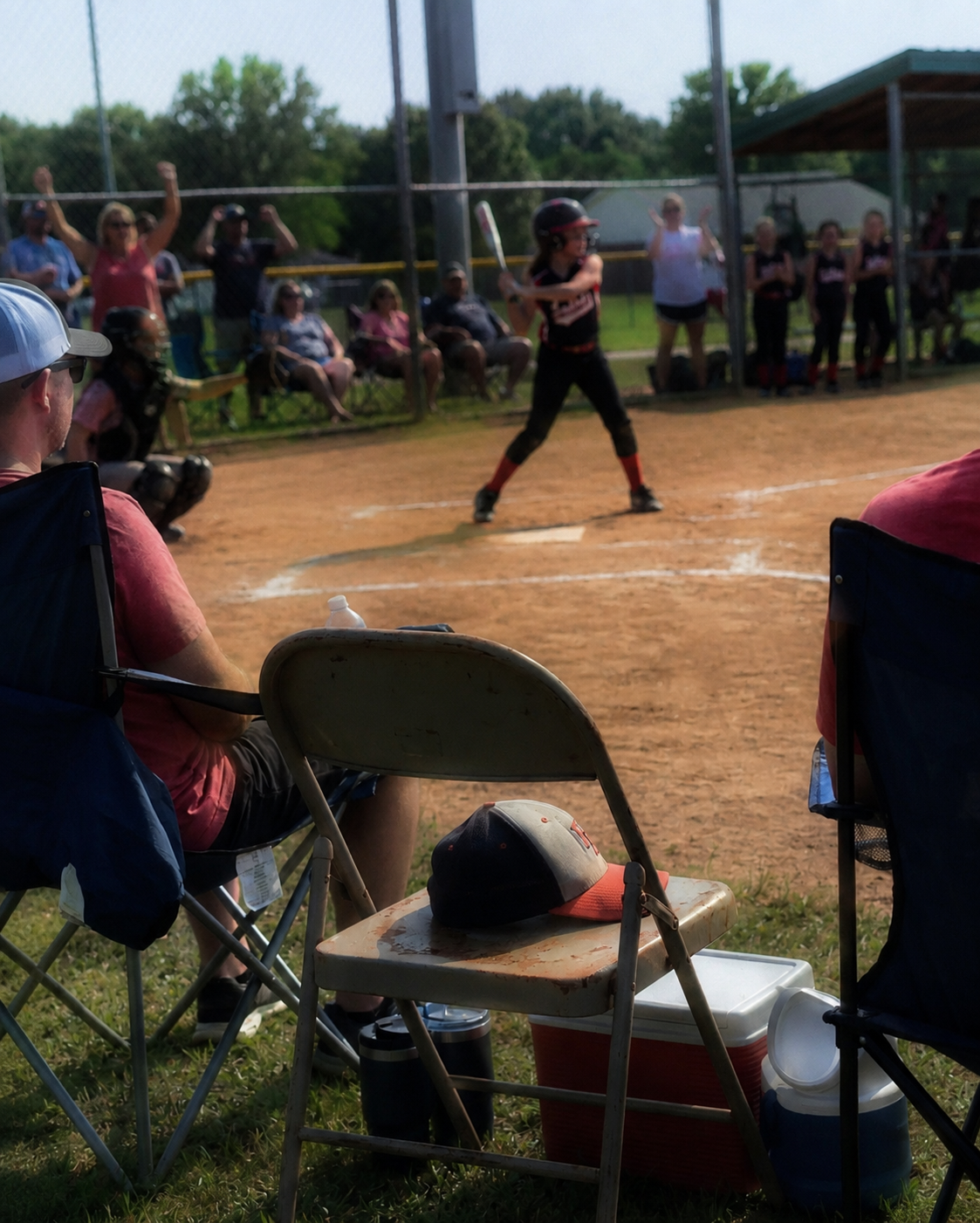
I cooked breakfast for half the town for thirty-one years. Then I sold the diner, and the tiredness finally sat down across from me. There's a particular dark you only know if you've opened a kitchen. Four in the morning, the town still asleep, the grill not yet warm. I stood in that dark for thirty-one years. The Bluebird Diner, corner of Main and Second, two eggs any style and the best biscuits in three counties — I'll say it because it's true and because I'm retired now and nobody can argue. I'm sixty-two. I started at that grill when I was thirty-one, which means I gave the place exactly half my life, give or take a Sunday. And I want you to understand the kind of woman I was. I was the engine. Up at three-thirty. On my feet by four. Fourteen hours, six days a week, and I'd come home and still have something left over for my husband, my kids, the garden, the church bake sale, whatever the day asked of me. People used to ask me where I got the energy. I never had an answer. It was just there. It was just who I was. So I thought retirement would be the easy part. I sold the Bluebird two years ago to a young couple who deserved it. I handed over the keys and I thought, finally, I'll rest. I'll sleep past four. I'll get my body back. That's not what happened. The tiredness I'd been outrunning for thirty-one years finally caught up to me the moment I stopped running. And it had been waiting a long time. It started slow. I figured the first few months were just my body learning a new rhythm. I'd slept like a soldier my whole life — head down, out cold, up before the alarm. Now I slept eight hours, nine, and woke up feeling like I'd been hit by the morning delivery truck. By noon I needed to sit down. By two I was on the couch "just for a minute," and the minute kept turning into the whole afternoon. The energy that had been there my entire life — the thing people used to ask me about — was gone. Not low. Gone. And here's the part that shamed me, though I know now it shouldn't have. I started saying no. My granddaughter Casey had a softball season and I made it to two games. Two. I used to never miss a thing. I told myself the bleachers hurt my back, which was true, but the truth under the truth was that I didn't have the gas to get there and sit through nine innings and drive home. My husband would suggest a drive, a dinner out, a weekend at the lake. And I'd find a reason. Always a reason. He stopped suggesting after a while, the way you stop knocking on a door nobody answers. I'd watch myself doing it and not recognize the woman doing it. The woman I'd been would have laughed at her. That woman fed half the town before dawn. This one couldn't feed her own appetite for her own life. I did the sensible thing. I'm not the type to suffer in silence and call it strength. I went to my doctor. She's a good one — younger than me, listens with her whole face, doesn't rush. I told her everything. The mornings. The couch. The two softball games. She took it seriously. She ran the full workup — the send-away panels, the whole set. And about a week later the office called and said everything had come back where it was supposed to be. In range, across the board. I went back in, because "everything's normal" did not match a woman who couldn't make it to a ballgame. And she was honest with me. I'll always respect her for it. She said the bloodwork looked good, that I was healthier than a lot of women my age, and that sometimes the body slows down in ways a lab sheet doesn't capture. She told me to keep moving, keep my weight steady, come back if anything changed. She wasn't brushing me off. She just didn't have a next thing to hand me. And she was decent enough not to invent one. So I drove home with good bloodwork. And no more energy than I'd left with. There was a whole layer of what was happening to me that no panel was measuring. Nobody had a tool for it. That was the thing that kept me up — when I could even stay up. I'd love to tell you a friend handed me the answer, wrapped up neat. That's not how it came. It came in sideways, through my granddaughter, the same Casey whose softball games I'd been missing. She's nineteen, in college now, the kind of young person who drinks green things and tracks her steps and lectures her grandmother about seed oils. She was home for the weekend, and we were sitting on the porch, and she mentioned — completely in passing, between two other things — that she'd started drinking something in the mornings. A tablet she dropped in water. Hydrogen, she said. Something with hydrogen. I nodded the way you nod at nineteen-year-olds who've discovered the secret to life this week and will discover a different one next week. But the word stuck. It rattled around in my head for days. So one night, when sleep wasn't coming anyway, I sat up with my reading glasses and looked it up myself. I am a skeptic by trade. You don't run a small business for thirty-one years without a finely tuned nose for nonsense. I fully expected to find nonsense. What I found instead was a growing body of research on molecular hydrogen and cellular wellness. Quieter than I expected. Not splashy. Not a cure for everything under the sun. Just a steady, patient amount of interest in something very small. Molecular hydrogen, I learned, is the smallest molecule there is. The idea, as best a diner cook can put it, was that it might support the body's natural antioxidant balance and support healthy cellular energy. That last phrase stopped me cold. Cellular energy. The engine. The thing that had been there my whole life and then wasn't. That was the layer nobody had a tool for. I didn't get excited. Getting excited is how you get fooled. But I read for the better part of two weeks before I did a single thing about it. Here's the part I'd most want you to copy. Not the tablet. This part. Before I bought anything, before I put one new thing in my body, I called my pharmacist. Same fellow I've used for twenty years, who doesn't sugarcoat anything and once talked me out of a "miracle" knee cream in about four sentences. I told him exactly what I was looking at. And I asked whether there was any reason it'd be a problem alongside everything I was already doing. He looked into it and told me there was nothing he'd be concerned about as an addition to my routine. Then I brought it to my own doctor at my next visit. I said it plainly: "I'm thinking of adding this. Not instead of anything you've got me doing. On top of all of it. Is that sensible?" She said it sounded reasonable. And that adding it to whatever else I was already doing — not replacing any of it — was a perfectly fine thing to try. That was the green light I'd been waiting for. Two careful people, both saying the same thing, before I spent a dime. The one I landed on is called PrimeCell H2. It's a rapid-dissolve tablet. You drop it into a tall glass of cool water. It dissolves and releases the hydrogen. And you drink it fresh, right away. That last part matters more than it sounds. Cool water, fresh, drunk in the moment. Hydrogen is the smallest molecule in existence, and it escapes the second it's exposed to heat or left sitting out. So you don't mix it and walk away. You drink it right then. One tablet. One glass. Once a day. And I want to be clear about what I did and didn't change. I didn't change a single other thing. Same doctor. Same appointments. Same walks, same meals, same everything she'd told me to do. I just added the glass of water to the morning, next to my coffee, and got on with my life. Now I have to be honest with you, because honesty is the only thing worth anything in a story like this. Nothing happened the first morning. Or the third. I stood at my own kitchen counter feeling faintly ridiculous, a grown woman who'd fed thousands of people, drinking fizzy water and waiting to feel like herself. I nearly quit twice. I can't tell you which week it turned. I truly can't. But somewhere in there, I woke up before my alarm. Not jolted awake. Just... awake. Eyes open, mind clear, the old four-in-the-morning clarity that I thought I'd handed over with the keys to the Bluebird. I lay there in the dark and I didn't trust it. I figured it was a fluke. Then it happened again a few days later. And then it was just happening. The second time it really landed, I was in my own kitchen on a Saturday, and I caught myself baking. Biscuits. The good ones. Three counties' worth. I hadn't made them since I sold the place, because standing at the counter that long had stopped being worth what it cost me. And here I was, flour to the elbows, the oven warm, and I realized I'd been at it an hour and hadn't once thought about sitting down. I had to step out to the porch for a minute. I didn't want my husband to see my face. The third time, I'll just tell you plainly. I went to every single one of Casey's fall games. All of them. Bleachers and all. She found me in the stands after the last one and gave me a look — that nineteen-year-old look that says she knows exactly what happened and is too kind to say I told you so. She didn't have to. We both knew. I can't prove to you it was the tablet. I won't pretend I can. I was doing a lot of things right, the things my doctor told me to. Maybe a hundred of them finally added up. Maybe it was the one I added. But I'd been doing all those other right things since the day I retired, and the tiredness only got worse. And somewhere after the glass of water, quietly, it stopped getting worse. Then, just as quietly, it started getting better. That's the honest version. It's the only one I'll give you. At my next checkup, my doctor looked everything over. She said my bloodwork was in good shape and to keep doing exactly whatever I was doing. I didn't say a word. I just smiled the whole way to the car. I've thought a lot about why the engine came back. And the most honest answer I have is that I don't fully know. So I'll just tell you what the product is for, plainly. PrimeCell supports healthy cellular energy. It supports the body's natural antioxidant balance. It supports the body's natural recovery processes. That's not a promise about your mornings. It's not a promise about anything. It's just what it's for. Some people notice something in the first week or two. Others take a lot longer. Some, I'd imagine, don't notice much at all. Bodies are different. Mine is just one body, with one story. And this is something you do consistently, over time. The cellular processes it supports build up gradually, not overnight. It isn't a pill you reach for on a flat afternoon. It's a glass of water you drink every morning whether you feel anything that day or not. So here's what I'd tell you, if you were sitting across the counter from me with a cup of my coffee. If you used to be the engine — the one people asked where you got it — and the energy that was always just there has gone quiet, and your bloodwork keeps coming back fine, and your doctor has run out of next things to hand you: First, talk to your doctor or your pharmacist. Both, if you can. Especially if you're already taking something for your blood pressure, your blood sugar, or your heart. Ask them the same plain question I asked. Is this a sensible thing to add to what I'm already doing? And they may well say yes — then it really is just a tablet and a glass of cool water in the morning. Added to everything else you're already doing, not replacing any of it. Then give it a few weeks. Don't watch it like a pot. Just set the glass next to the coffee and let your body keep its own time. Be patient with yourself. You've been patient with everyone else for a long while. That's the whole of it. That's what a nineteen-year-old on a porch did for me without even meaning to. And I'd be a poor sort of person not to pass it on. P.S. Casey still drinks her green things and tracks her steps and tells me about seed oils. I listen better now. She was right about one thing, after all, and at nineteen that's enough to earn you a lifetime of being listened to. I send her off to school every break with a box of biscuits and we don't say a word about any of it. We don't have to. P.P.S. I keep a spare box of it in the cupboard now. PrimeCell is a small company and they've sold out before, and I don't care to get down to the last few tablets and have to think about it. I'd rather it just be there in the morning, next to the coffee. P.P.P.S. Here's exactly what I'd do, in order. Call your doctor or pharmacist first and ask if it's a sensible thing to add to what you're already on. If they say yes, drop one tablet into a tall glass of cool water in the morning and drink it right away while it's fresh. Don't change anything else you're doing — just add this on top of it. Then give it a few weeks. Some people notice something in the first week or two. Others take longer. Some bodies take their own sweet time. Be patient with yours. P.P.P.P.S. PrimeCell H2 has a 90-day money-back guarantee. If you're not satisfied for any reason at all, every penny back, no questions asked. I think that's a sensible policy for a supplement. It gives you enough time to actually see whether it does anything for you, instead of deciding in a week. I'd take the full ninety days before making up my mind. P.P.P.P.P.S. I drove past the Bluebird last week. The young couple have made it their own, and the lights were on at four in the morning, warm and yellow against the dark. I didn't feel sad the way I expected to. I felt like a woman who has her mornings back and doesn't need to stand in that particular dark anymore to prove she's still got an engine. That's not a headline. It's just a small quiet thing. But the small quiet things are the ones worth telling someone about. https://track.getamalahealth.com/5548c06d-d9c3-4785-b466-fec64a6fdb28 The people and events depicted in this ad are illustrative and not based on any specific individual. Individual experiences vary. These statements have not been evaluated by the FDA. This product is not intended to diagnose, treat, cure, or prevent any disease.
Fix Yourself at the Cellular Level
PrimeCell H2 is a next-generation molecular hydrogen tablet formulated to support your body's natural antioxidant defenses — helping you feel sharper, more energized, and more like yourself.
LEARN MORELike this ad? Make it yours.
Crush rebuilds this exact creative around your product — your brand, your colors, your offer — in about a minute.