
Inactive· since Mar 14, 2026
- 19
- days it ran
- 2
- relaunches
Ad copy
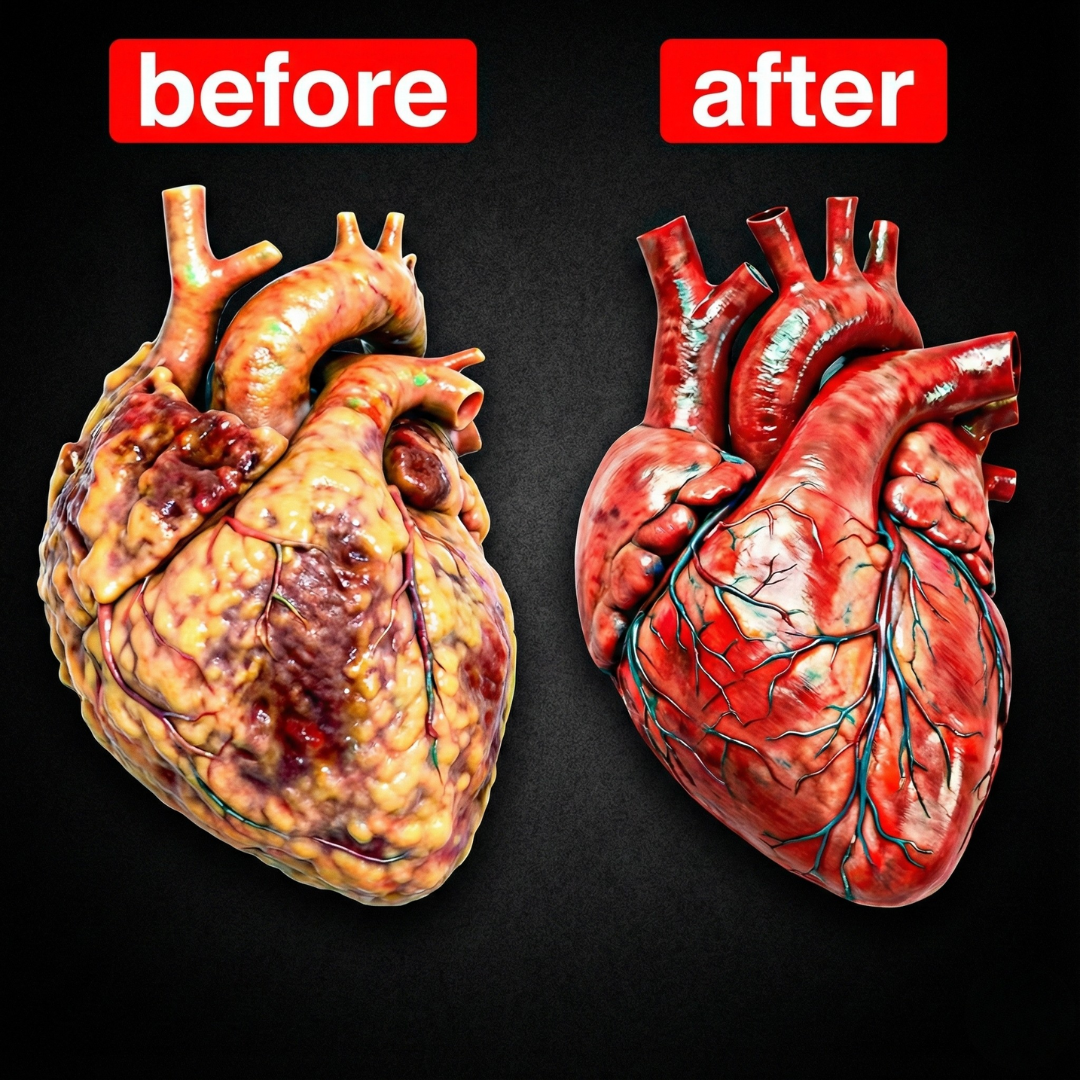
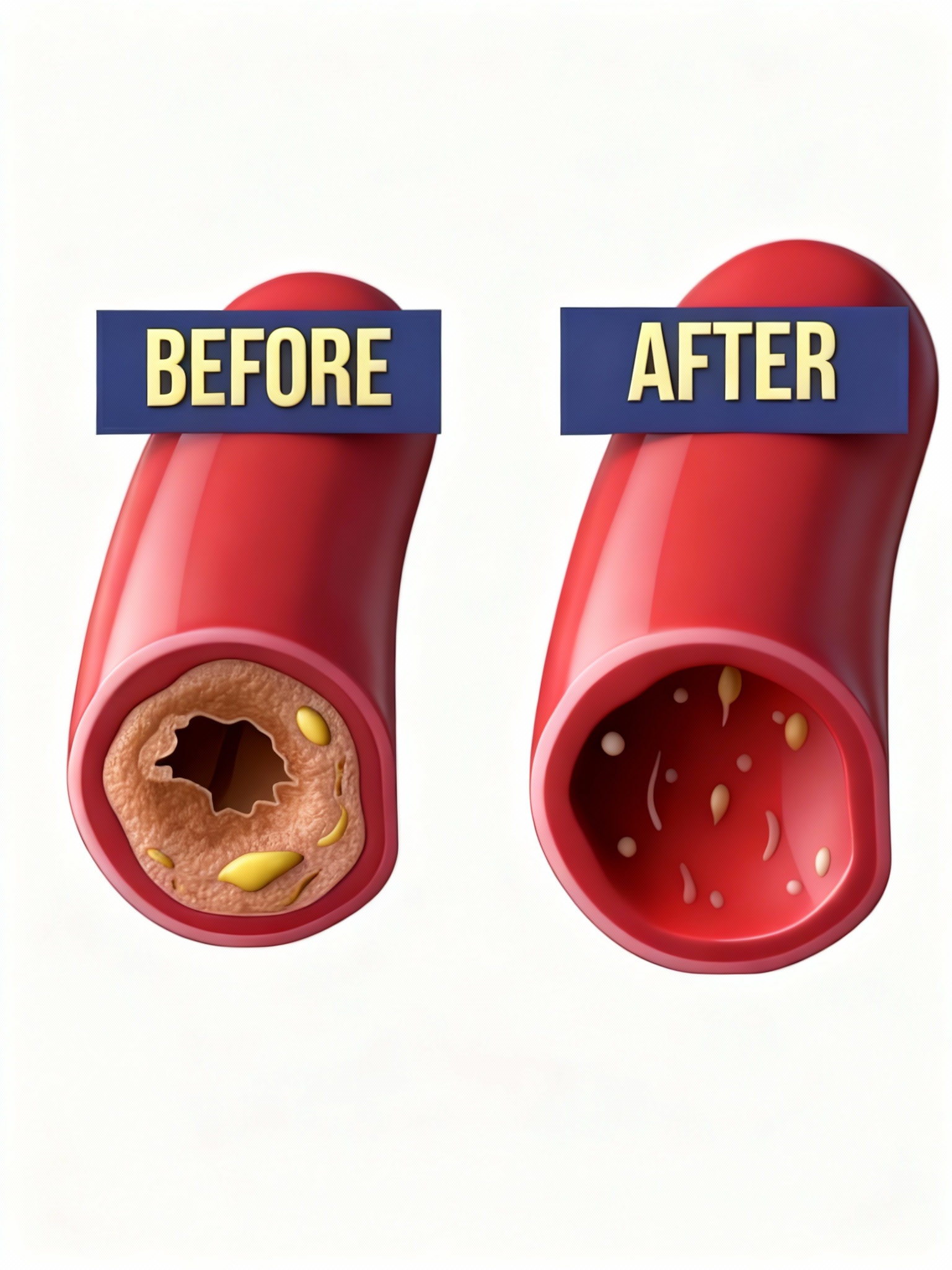
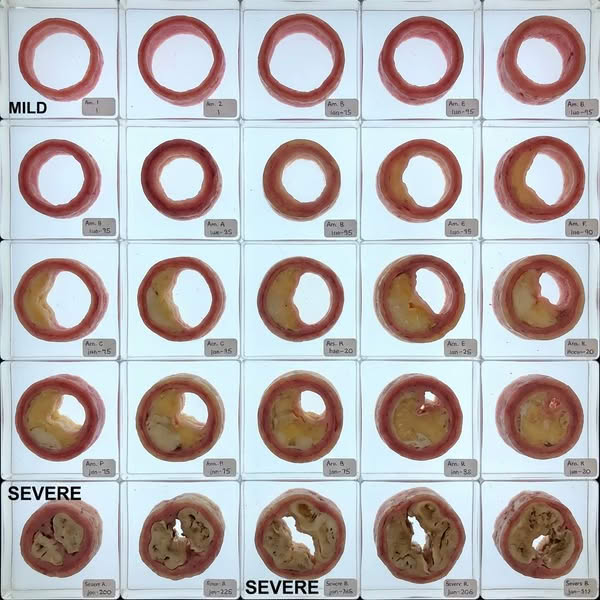
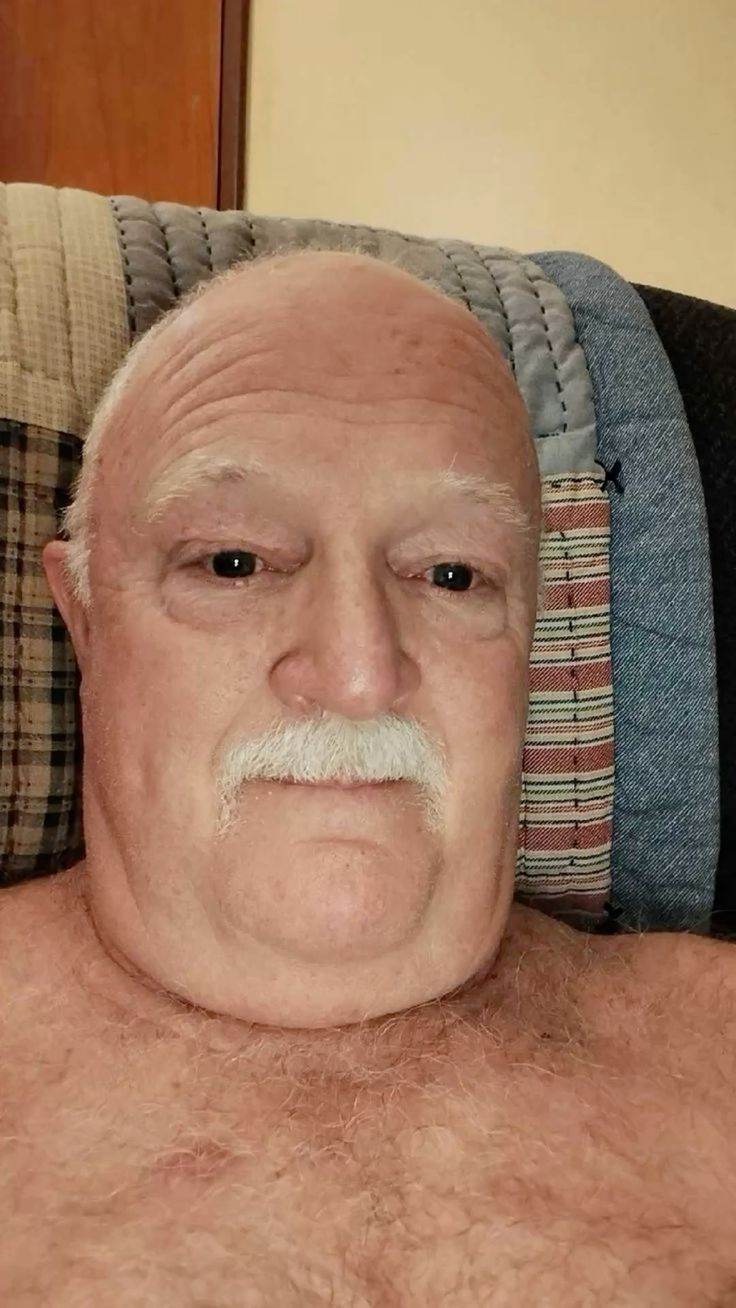
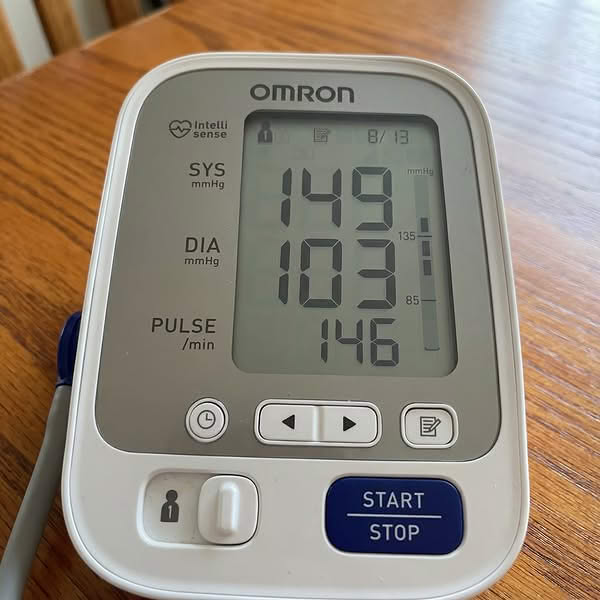
If you're on Lisinopril or Amlodipine and you feel like a completely different person than you were two years ago — there's a reason. And it's not your age. Because what I'm about to tell you is going to make you furious. Here's what's happening right now: One — The medication that's "protecting your heart" is quietly draining everything that makes life worth living. Two — When you tell your doctor about the fatigue, the fog, the dizziness — they're going to adjust your dosage or add ANOTHER pill on top. And three — The thing this medication is supposed to prevent? It didn't prevent it for my father. And nobody will explain why. Let me tell you about my father. For 12 years, he was on blood pressure medication. Lisinopril first, then Amlodipine when the cough got too bad. Then they added a diuretic when his ankles started swelling from the Amlodipine. Three medications. To manage one number. I watched it happen slowly. So slowly that we all told ourselves it was just aging. He stopped going fishing on Saturdays. "Too tired," he'd say. He used to be out on the lake before sunrise. Then it was once a month. Then never. He stopped playing with the grandkids. My daughter would run up to him and he'd smile, but he wouldn't get up from the chair. "Grandpa's just a little tired today." Every day. Every visit. Just a little tired today. My mother took over everything. Driving. Groceries. Yard work. Things he'd done his whole life. She didn't complain. She'd just say, "At least his blood pressure is under control." As if the number on the monitor mattered more than the man sitting in the chair. And here's the thing — his numbers WERE good. Every checkup, his doctor would look at the readings and say, "Looking great. Keep doing what you're doing." Looking great. He could barely walk to the mailbox. He hadn't driven in six months. He'd fallen asleep at the dinner table twice that week. But his blood pressure was 122 over 78, so everything was "looking great." Then, three days after his 65th birthday, my father had a heart attack. While on three blood pressure medications. While his numbers were "perfect." He died in the ambulance. And I stood in that hospital hallway and thought: Twelve years. Twelve years of watching him shrink. Twelve years of side effects that stole everything he was. Twelve years of "looking great" on paper. And it didn't save him. I carried that with me. But I didn't understand it. Not really. Not until it started happening to me. Two years ago, my doctor put me on Lisinopril. Blood pressure was creeping up — 148 over 94. She said it was "the gold standard" for hypertension. Safe and effective. I'd probably be on it for life, but that was fine. Within three months, my blood pressure was under control. But something else was happening. The fatigue hit first. Not normal tiredness — a heavy, bone-deep exhaustion that no amount of sleep fixed. Then the fog. I'd be in the middle of a sentence and forget what I was saying. Couldn't focus at work. Couldn't follow a movie. Then the dizziness. Standing up too fast and the room would tilt. And I'd catch myself saying the same thing my father used to say. "I'm just a little tired today." One morning I was sitting in my recliner at 2 PM on a Saturday — something I never did — and my wife walked past and said, "You look just like your dad used to." She didn't mean it as a warning. But that's what it was. Because I knew how my father's story ended. Controlled numbers. Uncontrolled decline. And a heart attack at 65 that three medications couldn't prevent. I was 57. On the same medication. Feeling the same exhaustion. And I could see exactly where this road goes. So I brought it up with my doctor. I told her about the fatigue. The fog. The dizziness. I told her my father was on the same medications for 12 years and still died of a heart attack. You know what she said? "Those are common side effects. We can try adjusting your dosage." Then she wrote a second prescription — for the dizziness. And I sat there staring at it, thinking: Are you kidding me? I'm telling you I feel like I'm disappearing — the same way I watched my father disappear — and your answer is to adjust the dose and add another pill? My father was on THREE of these. Three. And his heart still gave out. How many pills until you admit this isn't working? She looked at me like I was being difficult. "This is how we manage hypertension. The medication is keeping you safe." Safe. My father was "safe" for 12 years. He's dead. I left that office with two prescriptions and this sick feeling in my stomach. Because I realized: they don't want to fix anything. They want to manage you. With pills. Forever. One pill lowers a number. Another pill handles the side effects. A third pill handles what the second one caused. And none of them address why your blood pressure was high in the first place. You're a patient for life. And that's exactly how the system is designed. So I started researching. Not how to "manage" my blood pressure. How to actually understand what was happening in my body. Why does blood pressure rise with age? Why didn't three medications prevent my father's heart attack? Is there a root cause that nobody's addressing? And here's what I found. Your body produces a molecule called nitric oxide. It's what signals your blood vessels to relax and dilate. It's how healthy blood pressure is supposed to work — naturally. Here's the problem: Nitric oxide production drops significantly as you age. By your 50s, you're producing a fraction of what you made at 30. And when your nitric oxide levels are depleted, your blood vessels can't relax on their own. They stiffen. Pressure builds. Your numbers creep up. That's the root cause. Not sodium. Not stress. Not genetics — though those play a role. The fundamental reason blood pressure rises with age is that your body stops producing enough of the molecule it needs to keep vessels flexible. So what does medication do? It forces the result without fixing the cause. ACE inhibitors like Lisinopril block an enzyme to relax vessels artificially. Calcium channel blockers like Amlodipine force vessel walls to relax. Diuretics flush fluid to reduce volume. None of them restore nitric oxide production. None of them address why your vessels can't relax naturally. And here's what nobody told me — what I wish someone had told my father: While the medication forces the number down, the underlying depletion continues. Your body is still losing nitric oxide production year after year. The medication doesn't slow that decline. It just masks it. So the root cause keeps getting worse. And you need more medication to keep up — not because you're sicker, but because the gap between what your body can do and what the pills have to do keeps widening. That's why my father went from one pill to three. That's why his dosage kept climbing. The depletion never stopped. The medication just had to cover more and more ground. And when his cardiovascular system needed to respond to a crisis — when his heart needed everything working naturally — it couldn't. Because the underlying system had been deteriorating for 12 years while the numbers said everything was fine. The numbers looked perfect. The system underneath was broken. So I kept digging. What actually restores nitric oxide production? And the answer kept coming up: dietary nitrates. Your body converts dietary nitrates into nitric oxide naturally. It's a biological pathway that's been part of human physiology forever. One of the richest natural sources of dietary nitrates is beetroot. But when I tried beetroot supplements from Amazon, nothing happened. Six weeks. Three different brands. No change. I almost gave up. Then I found a forum where a guy explained why most beetroot supplements don't work — they're stuffed with fillers and rice flour, with barely any actual beetroot. But he'd found one that was different. Pure. No additives. High dose. Rosabella. 1300mg of organic beetroot powder per serving. No fillers. No garbage. Just one ingredient. And a 90-day money-back guarantee. I figured: I watched my father's way fail for 12 years. What's one more thing to try? I ordered a bottle. Week one — nothing noticeable. Week two — maybe a little more energy? Hard to tell. Week three — I checked my blood pressure out of curiosity. It was lower than it had been in months. Even on the Lisinopril. Week four — the fog started lifting. I could focus at work again. The dizziness wasn't as bad. I actually felt like doing something on a Saturday instead of sitting in the recliner. Week six — I went back to my doctor. Blood pressure: 116 over 72. She looked at the reading. Looked at me. "Whatever you're doing, keep doing it. We might be able to reduce your dosage." I didn't tell her about the beetroot. She wouldn't have understood. But here's what happened over the next few months: With her supervision, I gradually reduced my Lisinopril dosage. Then stopped it entirely. My blood pressure stayed in the healthy range. And the side effects disappeared. The fatigue — gone. The fog — gone. The dizziness — gone. I felt like myself again for the first time in two years. That was 14 months ago. I'm still taking Rosabella every morning. Blood pressure stays consistent — 114-120 over 70-76. I went fishing last Saturday. First time in months. Got up at 5 AM and didn't think twice about it. Came home and played with my granddaughter in the yard. My wife said, "I haven't seen you like this in years." I told her: "I stopped letting them manage me with pills. I fixed the actual problem." Here's what I need you to understand: My father didn't get this chance. He spent 12 years on those pills. They took everything from him. And they didn't save him. I'm not waiting for the same ending. If you're on blood pressure medication and you're living with the fatigue, the fog, the feeling of slowly disappearing — that's not aging. That's the medication suppressing a symptom while the root cause gets worse. And the answer is NOT to add another pill. Or increase the dosage. Or accept this as your life. The answer is to address the root cause — the nitric oxide depletion that's behind everything. The longer you stay on this treadmill, the wider the gap gets between what your body can do and what the medication has to cover. Right now, you can still address this at the root. If you're on BP medication and dealing with what I dealt with — if you're watching yourself become someone you don't recognize — this is the time. Grab one bottle. Take it for 90 days alongside whatever you're currently taking. Talk to your doctor about what you're trying. Monitor your blood pressure. And watch what happens when you give your body what it's actually been missing. I got my Saturdays back. I got my energy back. I got off the pills and my numbers are better than they ever were on medication. You can too. Go get it.
Support stamina and heart health every day
"I've only started useing this product less than a week, honestly it has given me more energy and I feel more alert. Before taking this product I noticed I was feeling tired and not motivated at all, so I have to give it a great rating 5 stars. I reccomend it."
LEARN MORELike this ad? Make it yours.
Crush rebuilds this exact creative around your product — your brand, your colors, your offer — in about a minute.