
Inactive· since Jul 10, 2026
- 19
- days it ran
- 1
- relaunches
Ad copy
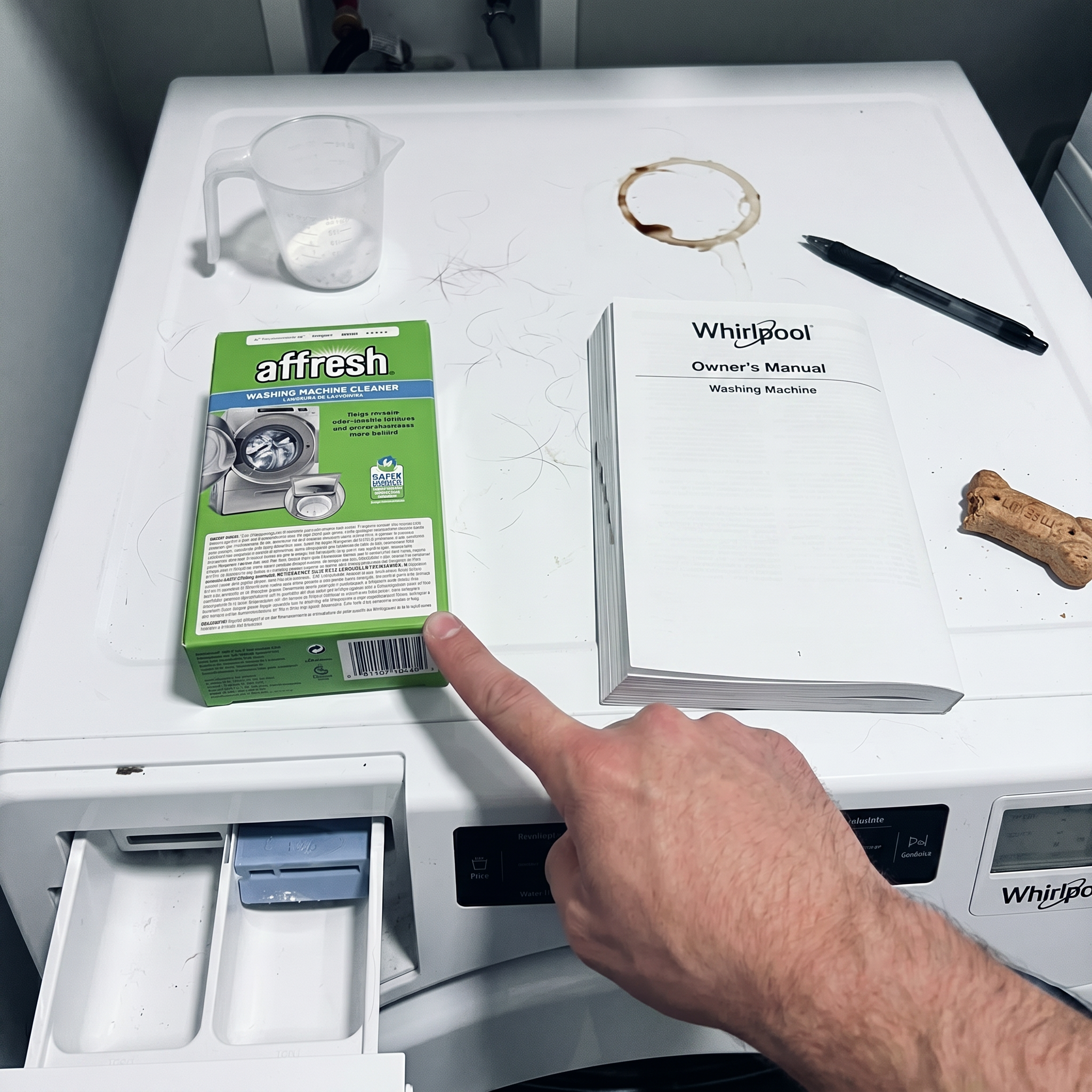
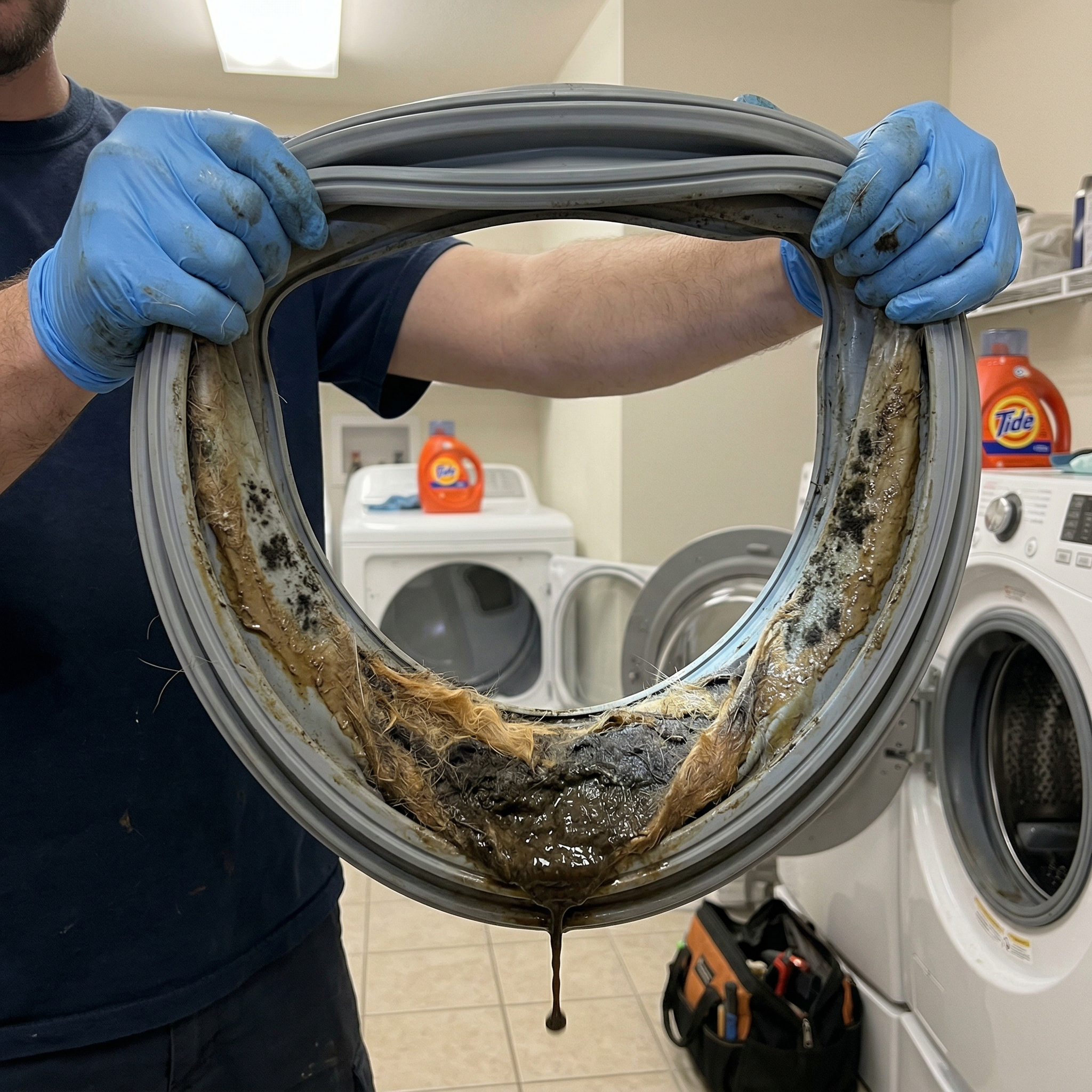
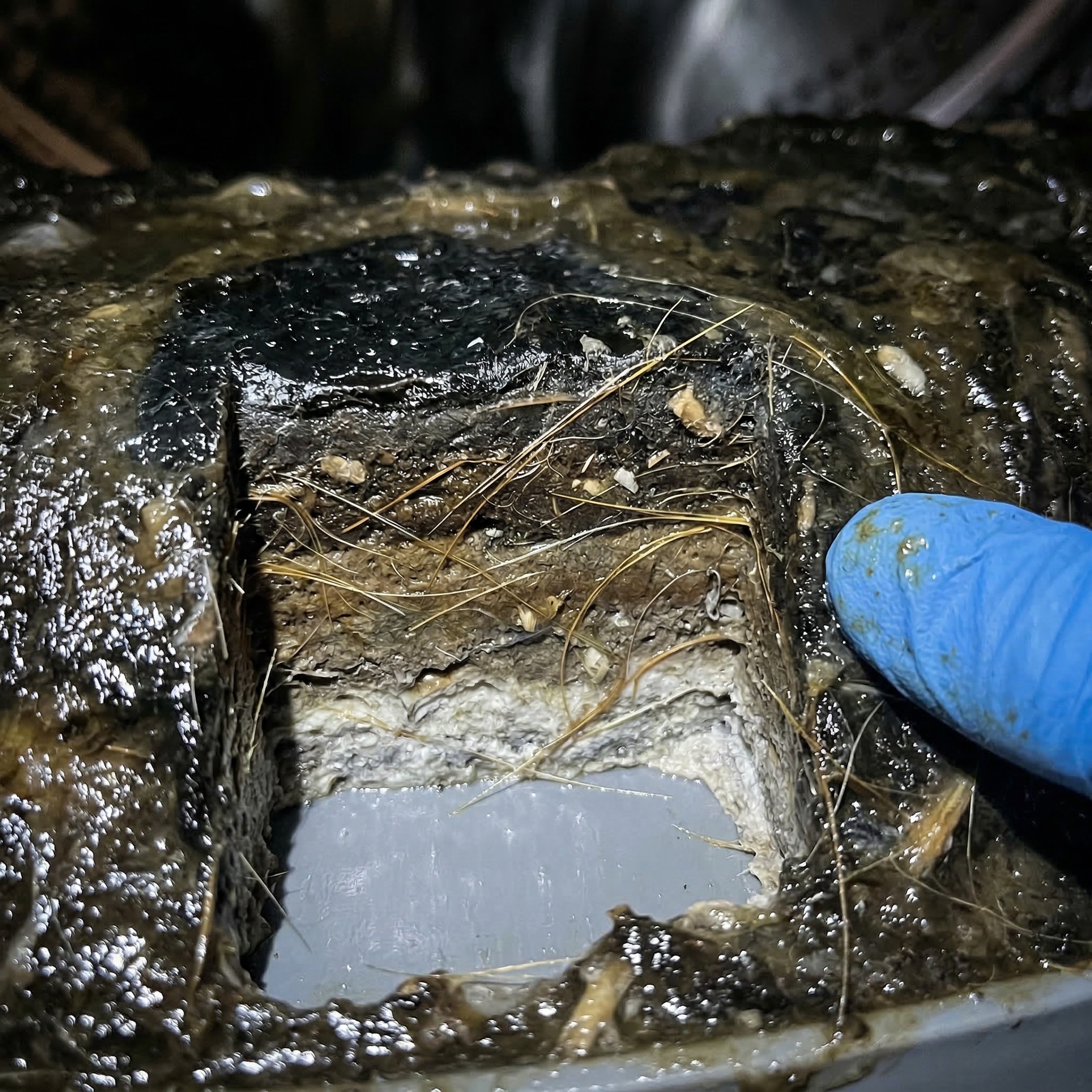
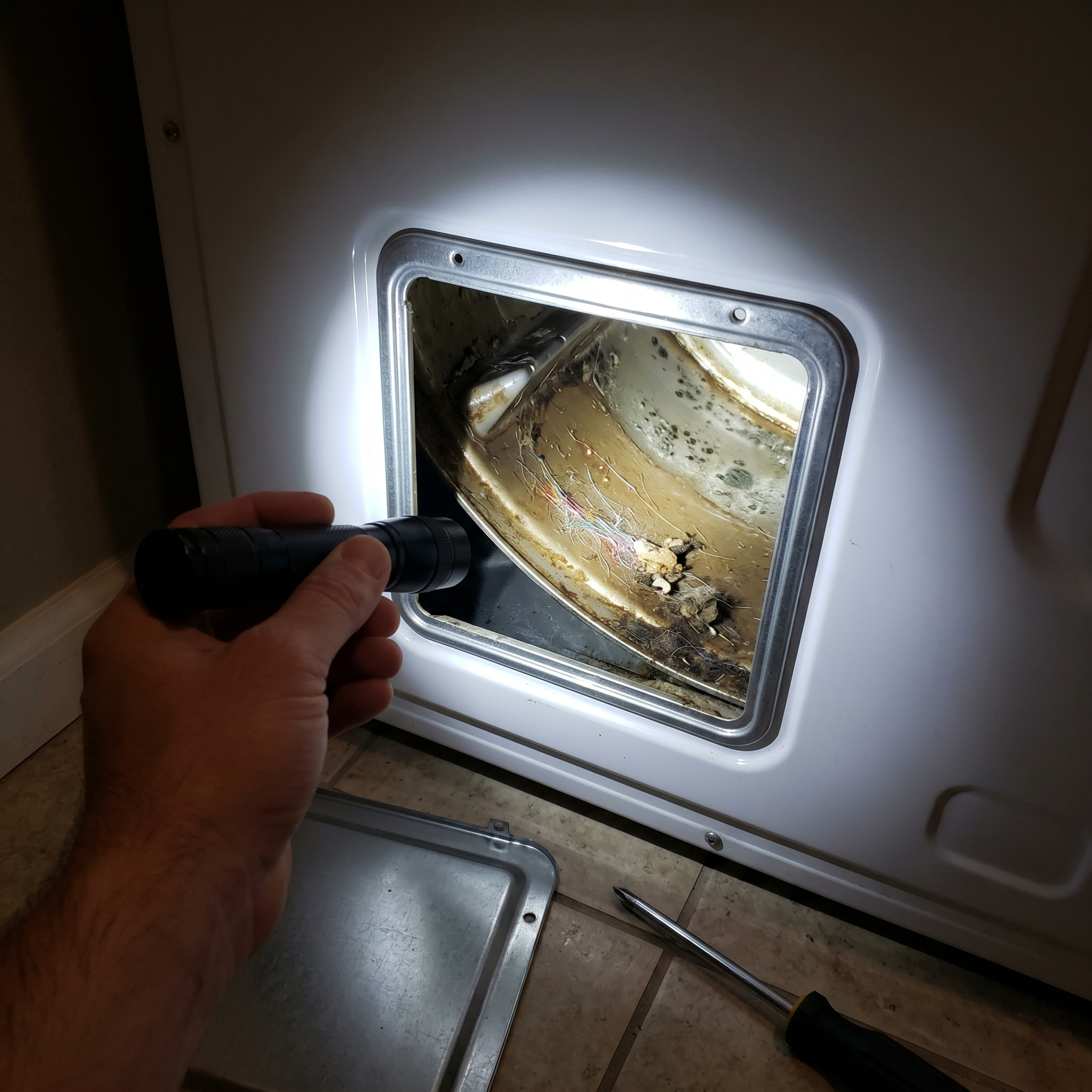
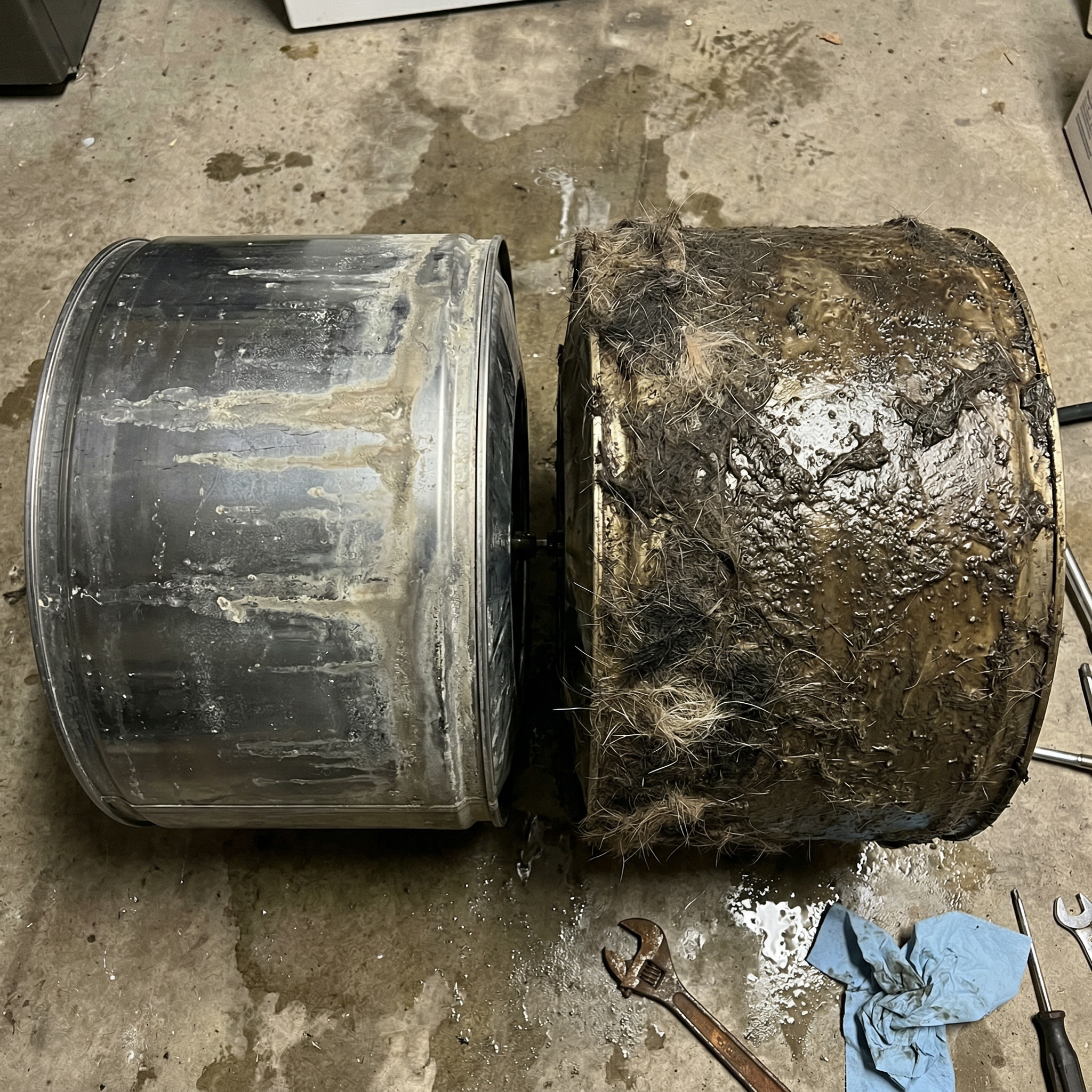
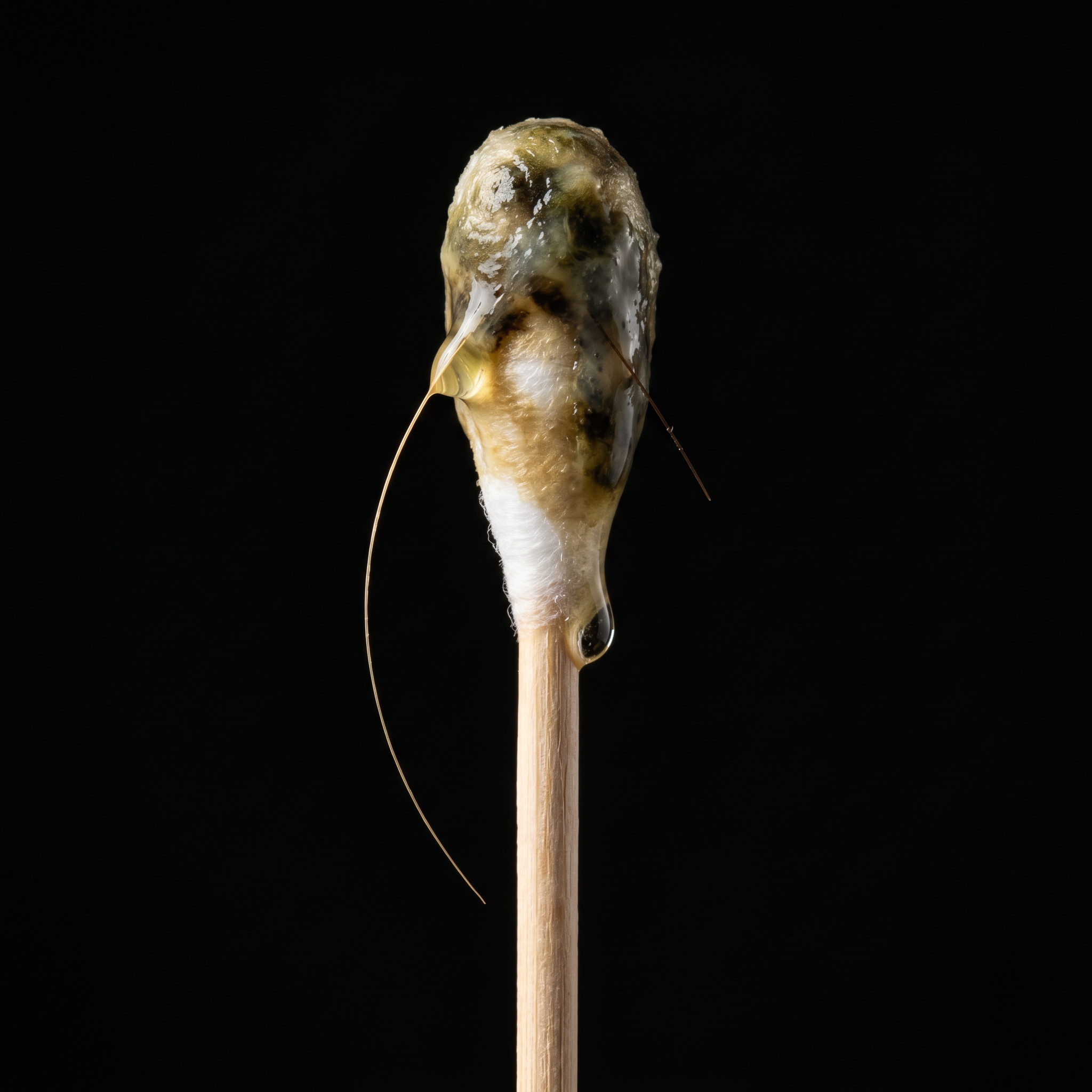
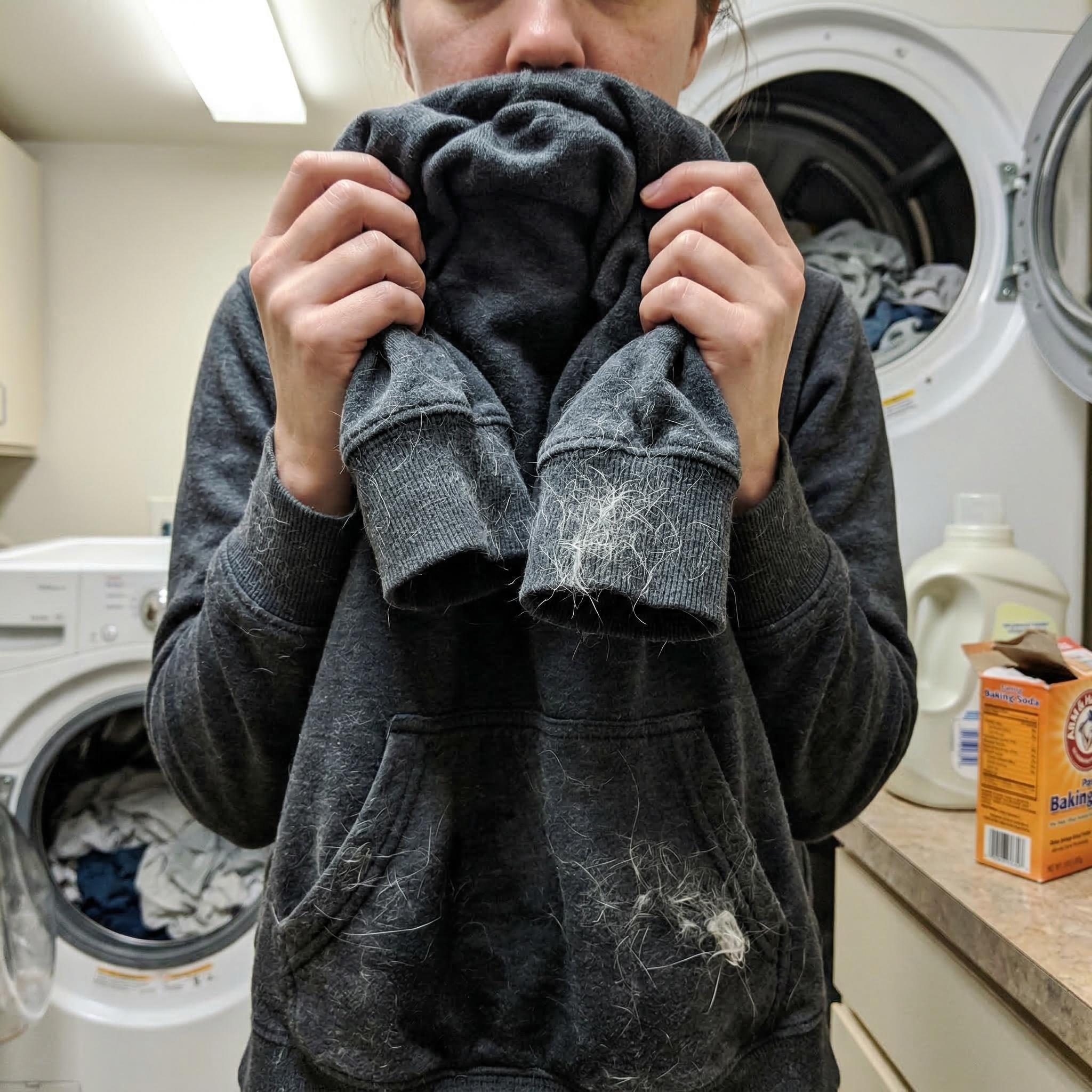
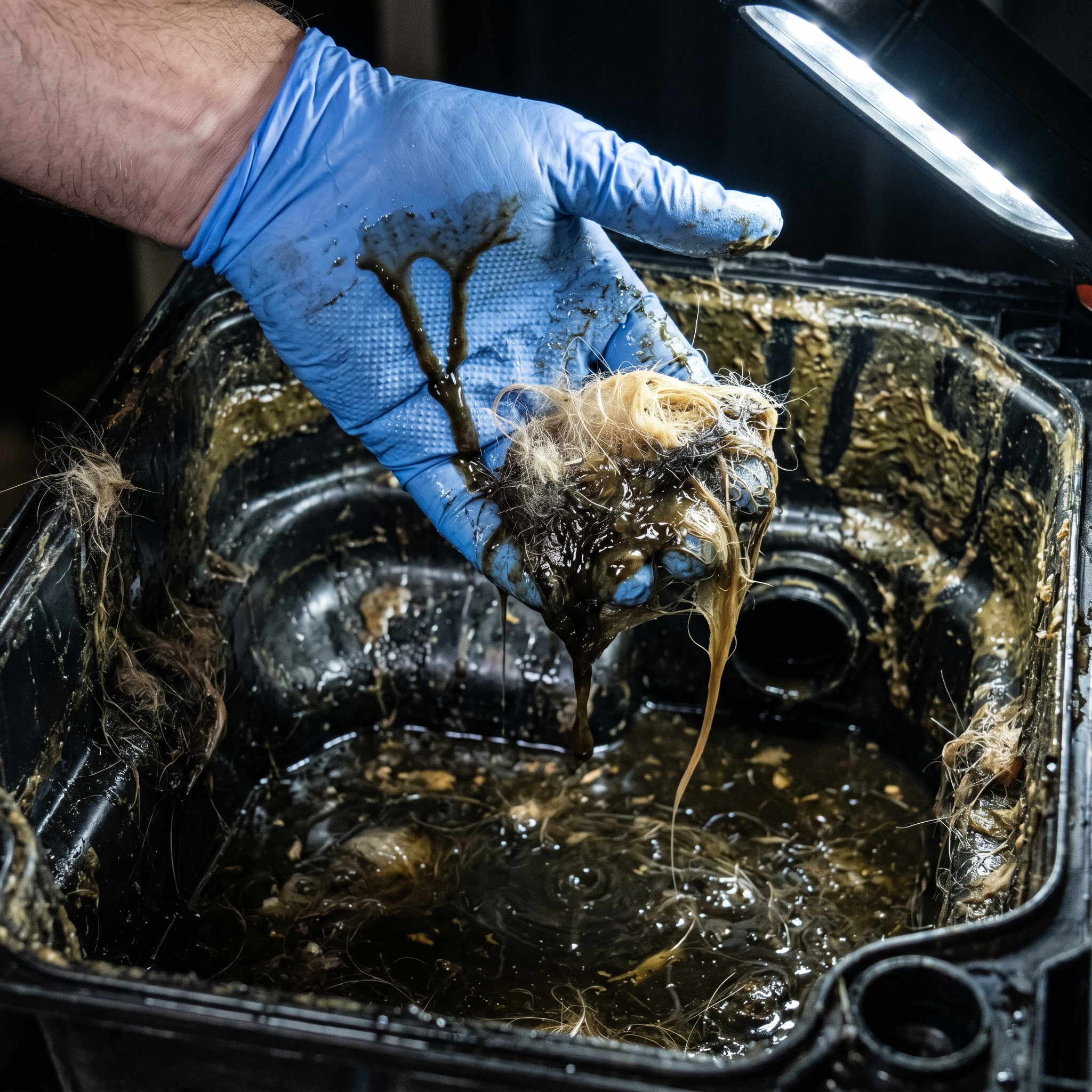
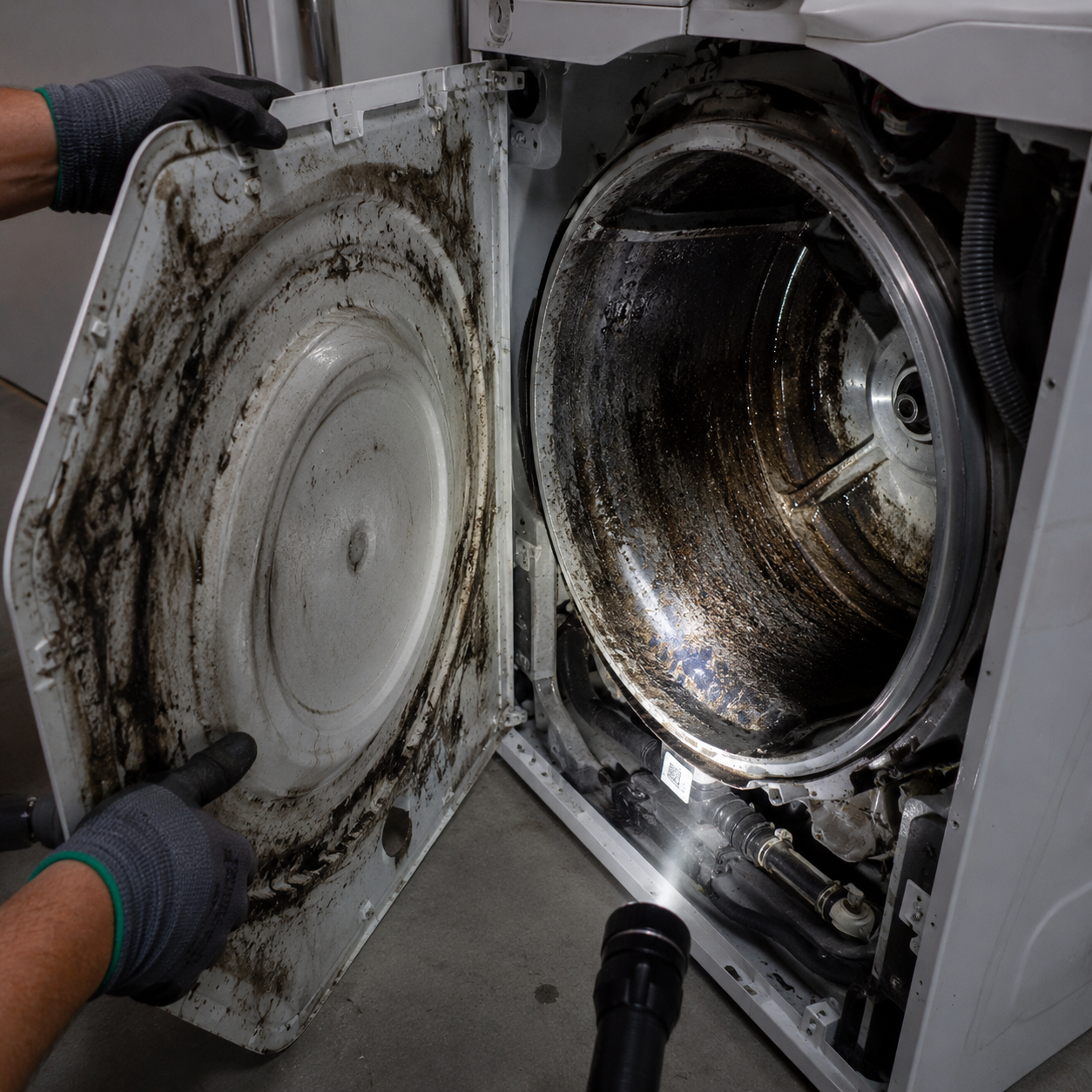
I've bought and reconditioned over 2,000 washing machines in the last twelve years. Last spring I bought one I couldn't sell for almost four months. That machine taught me something I've been telling every pet owner who walks through our door ever since — and something I probably should have been telling them for years before that. My name is Mike Donnelly. I run Donnelly Appliance, outside Columbus. We buy used washing machines, recondition them, and resell them — mostly front-loaders. What I'm about to tell you is going to cost me sales — some pet owners who'd otherwise buy a machine from me are going to fix the one they have instead. I'm posting it anyway. Last April, a woman named Sarah came in with a 2020 LG front-loader. Barely used, great shape. She mentioned she had a yellow lab. Said the machine had been smelling musty for a few months and she'd tried everything. I've heard some version of that from a hundred pet owners. I told her it was pretty common, paid her a fair price, and figured I'd have it cleaned up and out the door in a week. I was wrong. I started with what I always start with. Commercial degreaser cycle, hot water, door open overnight. That clears out about ninety percent of the machines we bring in. This one smelled the same the next morning. I ran a bleach cycle. Then a vinegar cycle. Then I used the professional enzyme cleaner I keep for stubborn cases — the stuff I order from a commercial laundry supplier, not anything you'd find at Target. Same smell every time. Faint for a day, back the next morning like I hadn't touched it. Three weeks in, I'd spent more on cleaning that machine than I'd paid for it. It was still sitting in the corner of the shop. That's when I decided to actually take it apart. Not the drum, not the gasket. The outer panel — to look at the space between the inner drum and the outer housing. The sealed gap that wraps around the back of the machine, where water flows during every single wash cycle. Most people don't know that space exists. You can't see it with the door open. You can't reach it with anything. It's just there, behind everything, and water moves through it with every load. What I found in Sarah's LG stopped me cold. The entire interior surface of that sealed gap was coated in a thick, dark, grayish-brown layer. Not dust. Not soap residue. A biological film — pet hair matted into it, dander, skin oils — built up wash after wash for two years into something that nothing I'd used had ever touched. That was where the smell was living. Not in the drum. Not in the gasket. In a sealed part of the machine that none of my cleaning products had ever actually reached. I started pulling the panels off every pet-household machine I brought in after that. Same thing every time. Didn't matter the brand, didn't matter the age. If there were pets in the house, that sealed gap looked the same way. Which led me to ask: why? Every washing machine cleaner on the market — Affresh, OxiClean, Tide tablets, store brand pods, all of them — is built on the same active ingredient: oxygen bleach. That's what does the work, regardless of what the packaging says. Oxygen bleach is good at what it was designed for: soap scum, mineral deposits, detergent buildup. For a household without pets, it probably keeps things under control. But pet hair is a different matter entirely. It’s made of keratin protein. Meanwhile, pet dander leaves a lipid layer — a greasy film from skin oils. Oxygen bleach cannot break down protein or fat. The chemistry isn't there. So every time a pet owner runs a cleaning cycle, the cleaner flows through the sealed gap, washes over the biological layer, pulls off whatever's on the surface, and leaves the actual buildup exactly where it was. The smell comes back in a few days because the source was never addressed. You cleaned around it, every single time. I knew what the problem was. I'd known it for years with these machines. What I didn't have was anything that could actually fix it. That changed about a year ago. I'm in a private Facebook group for appliance repair techs. Someone posted a photo of a pet-household front-loader they'd opened up — buildup through the sealed gap, nothing I hadn't seen a thousand times. But the comments weren't about the buildup. Three different techs were breaking down why nothing on the shelf was working — and what actually does. One of them laid it out. Pet-household buildup doesn't respond to soap-and-mineral chemistry. It takes three specific enzymes working in sequence. Alpha amylase first — dissolves the detergent and softener film that traps pet hair against the sealed surfaces. Once that film breaks apart, everything embedded in it is exposed. Protease activates next. This is the critical one. It breaks down the keratin protein in pet hair — actually dissolves it so it flushes out through the drain instead of recirculating into every load. Lipase strips the greasy dander layer last. That grease is what odor-causing bacteria feed on. Remove the food source and the bacteria can't sustain a colony. The smell disappears at the source. I was skeptical. I'd tested every washer cleaner I could find. Every one does the same thing — dissolves in the water, flows through the same channels, doesn't have the chemistry to touch what's actually building up in there. But all the others use oxygen bleach. None of them were built around this enzyme approach. Then someone posted the specific product they'd started recommending to customers — a tablet from a small company in Florida, formulated with all three enzymes specifically to break down biological buildup inside sealed machine spaces. Not mask it. Not wash over it. Break it apart. Before-and-after photos backing it up. I ordered a box that night and put it through Sarah's LG. One tablet. Hot cycle. Empty drum. I pulled the panel the next morning. The biological layer in that sealed gap was breaking down. Not loosened — dissolving. I ran a second cycle and drained it. The water that came out was dark brown. Like tea that had been steeping for an hour. Two years of buildup that nothing else had touched. I put the machine back together and ran a load of clean towels through it. Pulled them out and held one to my face. Nothing. Clean. Actual clean — not the artificial lavender kind. Sarah's machine sold the next day. First pet-household front-loader I'd brought in and couldn't move, gone within twenty-four hours of one tablet. I keep a box in the shop now. Every machine that comes in from a pet household gets a cycle before it goes on the floor. A lot of the pet owners who come in to look at a new machine don't need a new machine. They need something built for protein and lipids, not soap scum — because that's what's actually in there, in a part of the machine they've never been able to reach. I've sent probably forty pet owners home with a box instead of a machine in the last year. Every one of them had tried the same list first. Vinegar. Baking soda. Self-clean. Store pods. None of it worked because none of it was ever formulated to break down what's actually growing in there. The product is Uproot Clean Washing Machine Cleaner. Same company that makes the pet hair removal tools — but they built this one specifically for what's actually happening inside these machines. I don't sell it. I don't have a special referral code to give you. I don't make anything from this post. I fix machines for a living, and that's not changing. But I see people coming in, trying to buy machines with stacks of fives and ones and a jar full of change, and it doesn’t seem right to take that money when they could solve their problem for just a few bucks. One lady I told about Uproot said I should tell everybody. I don’t know everybody, so this is as close as I can get. Right now they're running a buy two, get two free deal with free shipping and a 60-day money-back guarantee. That gives you time to see if it works before you’re on the hook. If your laundry still smells musty and you have pets, and you've already tried everything else — this is what I’d try next. You can get it here: 👉 https://uprootclean.com/products/uproot-washing-machine-cleaner-pro
Like this ad? Make it yours.
Crush rebuilds this exact creative around your product — your brand, your colors, your offer — in about a minute.