
Inactive· since Jul 8, 2026
- 55
- days it ran
- 0
- relaunches
Ad copy
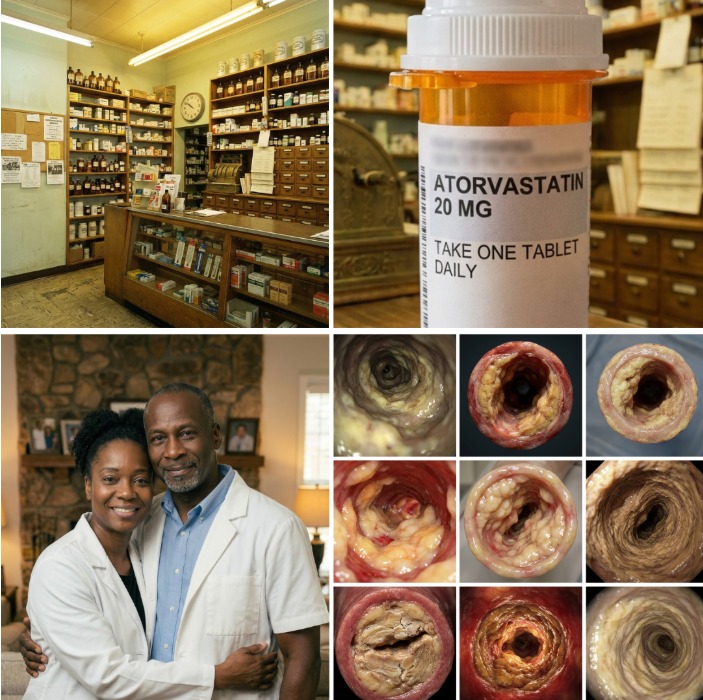
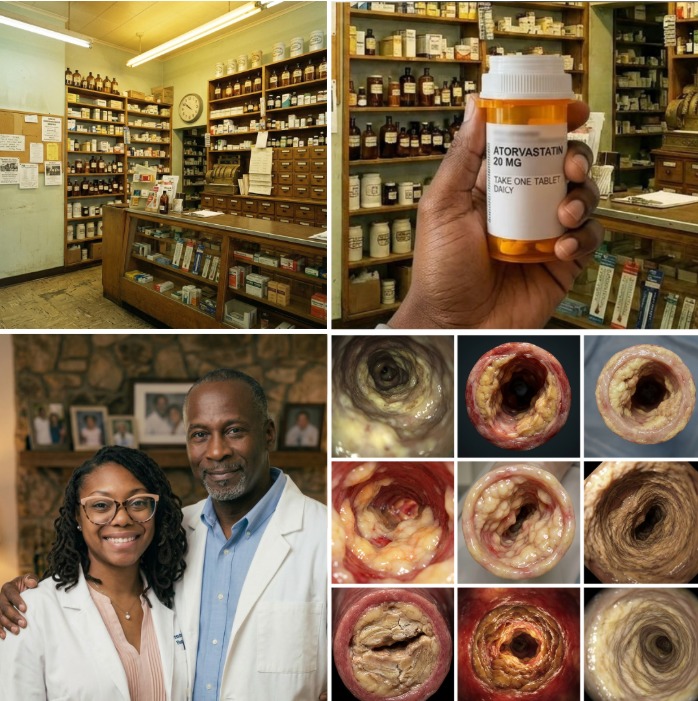
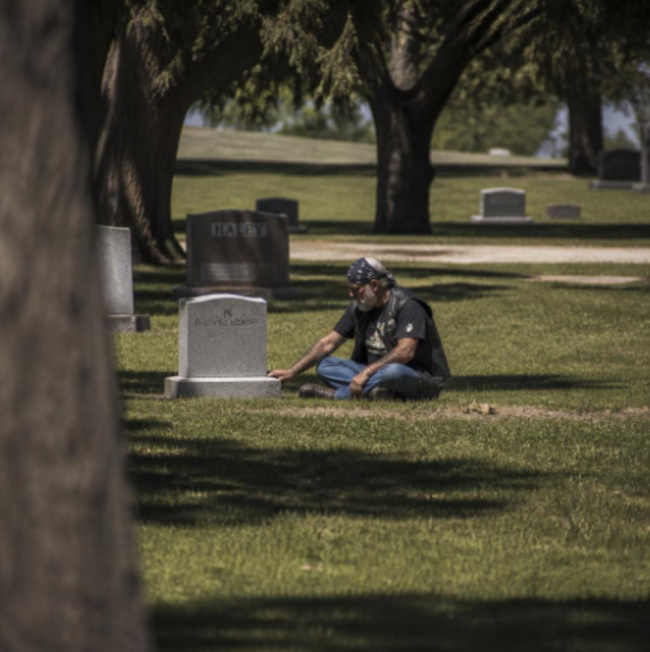
I almost called the police on a man I'd never met for sitting at my wife's grave. Six months of watching this stranger on a Harley show up every Saturday and sit with her for an hour like she belonged to him. She didn't belong to him. She was mine for thirty-four years. The first time I noticed him I thought he had the wrong headstone. The cemetery is big. People get turned around. But he walked straight to Sarah's grave like he'd memorized the path. Sat down cross-legged on the grass next to her headstone. Stayed for exactly one hour. Then he stood up, pressed his hand flat against the stone, and walked back to his bike. He came back the next Saturday. And the next. And the next. I know because I was there too. I went to Sarah's grave every Saturday. Had been going since the day we buried her fourteen months ago. But I stayed in my car. I'd sit in the parking area near the east gate with the engine off and just look at her headstone from sixty yards away. I couldn't bring myself to walk over most days. Couldn't sit on the ground next to the woman I'd been married to for thirty-four years and talk to a piece of granite. But this guy could. This stranger on a motorcycle. He'd sit right next to her like they were old friends. His shoulders shook sometimes. He'd bow his head. Once I saw him wipe his face with the back of his hand. He was grieving her. And I didn't know who he was. Sarah was a nurse. Twenty-eight years at a family practice clinic on Greenfield Avenue. She drove a Subaru Outback. She volunteered at church. She organized the neighborhood garage sale every spring. Her idea of danger was letting the gas tank get below a quarter. There was nothing in her life that would connect her to a man on a Harley in a leather vest with a gray beard and a chain on his wallet. Nothing. I'd been married to this woman for three decades. I knew her schedule. I knew her friends. I knew her patients talked about her at the grocery store — "That nurse Sarah, she's the only one who actually listens." After three months of watching him, I started getting angry. Who was he. How did he know her. Why was this man spending an hour at my wife's grave every week when her own brother hadn't visited since the funeral. The only time I wasn't thinking about it was in my workshop. I'm sixty years old and I've been building things with my hands since I was twenty-two. Built the bookshelves in our living room. The porch railing. Katie's crib — I built that the week we found out Sarah was pregnant. Cherry wood. Hand-turned spindles. Sarah cried when she saw it. After she died the workshop was the only room in the house that still made sense. My hands still knew what to do in there even when the rest of me didn't. But I'd come inside from the shop at eleven o'clock at night and the biker would be back in my head. Sitting at my wife's grave. Touching her headstone. I told myself I'd let it go. It's a cemetery. People grieve. It's not my business. I couldn't let it go. After six months — twenty-six Saturdays of watching from my car — I got out. He was sitting cross-legged next to her headstone the way he always did. His hand resting on the base of the stone. Head bowed. He heard my footsteps on the grass and went still but didn't turn around. "Excuse me." My voice came out harder than I meant it to. "I'm Sarah's husband. David. Mind telling me who you are and why you've been visiting my wife's grave every week for half a year?" He didn't stand up right away. Just sat there. His hand still on the stone. Then he reached into the inside pocket of his leather vest. Slowly. Like he'd been waiting for this moment and had rehearsed it. He pulled out a photograph. Not a phone. A printed photograph, laminated, the edges soft and rounded from being handled. He held it up without turning around. Four women in scrubs standing in front of a reception desk. A staff photo. And there — second from the left — was Sarah. Younger. Smiling the smile I used to get when I brought her coffee at work. He'd been carrying a laminated photo of my dead wife in his vest pocket. I couldn't speak. He stood up slowly. He was about my age, maybe a little older. Sixty-one, sixty-two. Big hands. Weathered face. But his eyes were soft. Wet. "My name's Ray. Your wife was my nurse. She saved my life. And I've been carrying her with me ever since because I never got to tell her." He held the photo out to me. I took it. Stared at Sarah's face behind the laminate. My thumb went to her automatically. The plastic was warm. "Can I buy you a cup of coffee?" he said. We went to the diner on Route 9. The one with the red vinyl booths and the coffee that tastes like it was brewed in 1987. We sat across from each other and he told me. He'd been on Crestor — rosuvastatin, 20 milligrams — for almost nine years when he first came to the clinic. His cardiologist had put him on it after his LDL hit 194. The numbers on paper got better. His LDL dropped to 128 within four months. His doctor called it a success. But Ray wasn't better. "The muscle pain started in year two," he said. "My legs first. Then my shoulders. Then my hands. I'm a mechanic. I've been turning wrenches since I was sixteen. Suddenly I couldn't grip a socket wrench without my fingers going numb." My stomach dropped. My father. The way he gripped the banister with both hands going down three steps. The way he'd stand at the kitchen counter and forget what he'd been reaching for. The way his hands — hands that had built fences and held me when I was small — stopped belonging to him. Ray wrapped his hands around his coffee mug. "Then the fog. I'd be driving somewhere I'd driven a thousand times and I'd miss the turn. I'd stand in the shower trying to remember if I'd already used soap. I'd walk into a room and not know why I was there. Not once in a while — every day. Multiple times a day." "I told my cardiologist. He said the muscle pain was 'not uncommon' and switched me to atorvastatin. Same thing. Then simvastatin. Same thing. Three different statins. Three different versions of the same hell." He looked at me. "Your wife saw it. Every visit. She took my blood pressure and she'd ask how I was feeling and I'd say fine and she'd look at me the way a nurse looks at you when she knows you're lying. She'd write something in my chart. She never pushed. But she saw it." He said one afternoon Sarah asked him to stay after his appointment. The doctor had left. The exam room was empty. She closed the door and sat down across from him. "She said, 'Ray, can I show you something? Not as your nurse. As a person who's been watching you for five years and doesn't like what she's seeing.'" He said yes. She pulled up something on her phone. A study. She told him she'd been reading medical research on her own time — not because the clinic asked her to, but because she'd spent twenty-five years watching the same pattern repeat in patient after patient. "She said, 'I've seen hundreds of patients go on statins. Their numbers improve on paper. And then slowly, year by year, they get worse. The muscle pain. The brain fog. The fatigue. And then some of them have the cardiac event anyway. The thing the statin was supposed to prevent. It happens over and over and I've never been able to figure out why. Until I found this.'" "She said cholesterol isn't poison. Your body makes it. Your brain needs it. Your hormones depend on it. She said the problem was never that the cholesterol was there. The problem was what was happening TO the cholesterol." He leaned forward over his coffee. "She said, 'The real damage is oxidation. There are these things called hydroxyl radicals — the most destructive free radicals in your body. When they attack your LDL cholesterol, they change it. The particles oxidize. They get sticky.'" I thought about my father's cardiologist telling him his arteries were "narrowing." Twenty years of appointments and nobody ever explained WHY. "'They lodge in your artery walls and start triggering inflammation. That's what builds plaque. That's what causes heart attacks. Not cholesterol itself — damaged cholesterol.'" "She drew it on the back of a prescription pad," Ray said. "A circle for the cholesterol particle. Then these little lightning bolts hitting it. That's what she called the hydroxyl radicals. Little lightning bolts." He took a sip of his coffee. "Then she said the thing that made me put my mug down. She said, 'Ray, statins lower ALL your cholesterol. Including the kind your body needs. But they do nothing about the oxidation. They do nothing about the hydroxyl radicals that are damaging the cholesterol in the first place. You're lowering the number on your lab report while the real problem — the thing that's actually destroying your arteries — keeps going. That's why patients get worse. That's why the events still happen.'" I sat in that diner booth and heard my dead wife's words coming out of a stranger's mouth and my chest felt like it was caving in. Not because I was sad. Because she was still helping people. Fourteen months in the ground and her knowledge was still reaching out and grabbing someone by the collar and saying pay attention. That was Sarah. Ray said she told him about something called molecular hydrogen. H2. The smallest molecule in existence. "She said it's selective. That was the word she used. Selective. She said, 'Most antioxidants are sledgehammers. They wipe out all free radicals — the bad ones and the good ones. Your immune system needs some of those radicals. Your cells use them for signaling. You can't just carpet-bomb everything.'" "'Molecular hydrogen only targets hydroxyl radicals,' she said. 'The ones that oxidize your cholesterol. The ones that damage brain cells and heart tissue. It leaves the beneficial ones alone.'" He looked at me. "She said, 'Ray, if you neutralize the hydroxyl radicals, you stop the oxidation. If you stop the oxidation, your cholesterol can't become the sticky, dangerous kind. You're not lowering cholesterol — you're stopping it from becoming the thing that hurts you. That's a completely different approach.'" He said Sarah gave him a bottle. A small white bottle with a blue label. She told him to drop one tablet in water every morning. Watch it fizz. Drink it on an empty stomach. "She told me to track my numbers. Get bloodwork at eight weeks. She said, 'If it works the way the research suggests, your oxidized LDL should drop. And your overall numbers should improve — but for the right reasons this time.'" He tracked them. At eight weeks he went back to his cardiologist. "The man stared at his screen for a solid minute," Ray said. "Clicked between my old results and the new ones. Looked at me. Looked at the screen. Said, 'What changed?'" His LDL had dropped from 189 to 131. But the number that shook the cardiologist was the oxidized LDL. "He said he'd never seen a drop like that outside of clinical trials. He asked me if I'd started a new medication. I told him no. He asked if I'd changed my diet. I said not really. He said, 'Whatever you're doing, don't stop.'" Ray stopped taking the statin three months later. With his cardiologist's reluctant approval. His numbers held. The muscle pain disappeared within six weeks. The brain fog lifted. "I got my hands back," he said. He held them up over the diner table. Steady. Strong. The hands of a man who could still grip a wrench. "I got my mind back. I got three more years of riding because your wife sat me down in an exam room and showed me something on her phone." He put his hands down. "Then she got sick. I heard from the receptionist at the clinic. By the time I found out, she was already in hospice. I went to the house but there were cars in the driveway and I didn't know your family. I didn't want to intrude. I sat on my bike at the end of the street for twenty minutes and then I left." His voice broke. "I never got to tell her what she did for me. So I come here. Every Saturday. And I sit with her. And I tell her." Neither of us said anything for a while. The diner noise filled the space. Plates clinking. The coffee machine hissing. "She never told me any of this," I said. "She probably helped more people than either of us know." That was the first Saturday we spoke. I came back the next week. So did Ray. We didn't plan it. We just both showed up at 2 PM the way we'd been doing for months — except now we stood together at Sarah's headstone instead of sixty yards apart. We talked. Every Saturday. But I didn't tell him about my cholesterol. I didn't tell him about the prescription on my kitchen counter. I wasn't ready for that yet. I thought about what Ray told me every night. The oxidation. What Sarah had explained. But doing something about it would mean admitting I was sick. And admitting I was sick would mean admitting Sarah wasn't coming back to fix it for me. But Katie was. My daughter drove up to the house on a Tuesday evening three weeks after I met Ray. She had a key. She let herself in. I was in the workshop — not building anything. Just sitting on the stool next to the lathe with the lights on and a piece of walnut in my hand that I'd been meaning to turn into a bowl for Sarah's birthday. Her birthday was eleven months ago. Katie stood in the doorway. I could tell she'd been through the kitchen first. "Dad." "Hey, sweetheart." "There are nine takeout containers in the fridge. Three are from two weeks ago. I can tell because the rice is turning colors." "I'll clean it out." "There's an unfilled prescription on the counter next to the toaster. Atorvastatin. It's been there long enough that the paper's curling." I didn't say anything. She walked into the shop and sat on the workbench across from me. She looked like her mother. She always had, but it was getting worse — or better, depending on how I was feeling. Same dark eyes. Same way of sitting with her hands folded in her lap when she was about to say something I didn't want to hear. "When's the last time you went to the doctor?" "I went." "When?" "Few months ago." "And he gave you a prescription that you haven't filled. Dad, your grandfather died of a heart attack. Grandpa had two. Mom isn't here to make sure you — " Her voice caught. She pressed her lips together. Started again. "Mom isn't here. So I'm here. And I made you an appointment for Thursday. I'm driving." I didn't argue. I didn't have the energy. And the way she pressed her lips together — the way Sarah used to — I couldn't say no to it. Thursday. Dr. Regan's office. Katie sat in the waiting room with a magazine she wasn't reading. Dr. Regan pulled up my chart. Looked at my numbers from last time. Looked at me. "David, your LDL is 187. Your HDL is low. Your triglycerides are elevated. And given your father's cardiac history — " "I know." "You have the prescription. You haven't filled it." "My father was on Lipitor for eighteen years," I said. "Started when he was fifty-six. By sixty-five he couldn't climb the stairs. His calves felt like concrete. His hands — " I stopped. Swallowed. "He couldn't button his shirt by year three. He was a carpenter. Like me. He built things his whole life and by the end he couldn't hold a pencil steady enough to mark a cut line." I looked at my own hands. Still steady. Still calloused. Still capable of feeling the grain of a piece of wood and knowing which direction to run the plane. "He died of a heart attack at seventy-four," I said. "After eighteen years on the drug that was supposed to prevent exactly that." Dr. Regan took off his glasses. Cleaned them. Put them back on. "David. I've read your family history. I know about your father. I also know his prescribing physician kept him on the same protocol for over a decade without adjusting. That's not how I practice. I monitor. I adjust dosage. I run panels every twelve weeks. If there are side effects, I catch them early. I'm not that doctor." He leaned forward. "But I need you ON the medication to do any of that. I can't monitor what we're not treating." I didn't say anything. "Here's what I'm going to do. I'm going to give you eight weeks. Your next bloodwork is already scheduled. If these numbers haven't improved significantly by that appointment — and I mean significantly — I'm prescribing the atorvastatin. Not suggesting. Not recommending. Prescribing. Because at that point the risk of not treating is higher than the risk of side effects. And I'll monitor it closely. But we will start. Do you understand?" "Eight weeks." "Eight weeks. That's what I can give you." Katie didn't ask what he said when I came out to the waiting room. She could see it on my face. Eight weeks. The clock started that Thursday. The first thing I did when I got home was open my laptop. I searched "hydrogen tablets cholesterol." What Ray had told me about Sarah — the oxidation, the hydroxyl radicals, the molecular hydrogen — it was the only thread I had. The only alternative to filling the prescription and watching my hands go the way my father's did. I found a brand on Amazon. Hydrogen tablets. $14.99. Good reviews. Two-day shipping. I ordered them that night. They arrived Friday. I dropped the first one in a glass of water Saturday morning and watched it. The tablet sank to the bottom. Sat there. After about ten seconds it started releasing a few thin streams of bubbles — barely visible. More of a simmer than a fizz. I picked the glass up and swirled it. The tablet was still mostly intact at the bottom, slowly dissolving like an antacid that had given up halfway through. I drank it anyway. Tasted like slightly mineral water. Slightly nothing. I took them every morning for two and a half weeks. Same routine. Drop the tablet. Watch it sit there. Swirl. Drink. Wait. Feel nothing. No change in energy. No lift in the fog. No difference I could point to in any part of my body. Two and a half weeks gone. Five and a half left on the clock. On a Tuesday night I went to the workshop. I hadn't built anything in weeks but I needed to be in there. I picked up my No. 4 hand plane — the one I've had since I was twenty-six, the one Sarah bought me the year we got married. Set it on a piece of hard maple. Drew it forward. First pass was fine. Second pass was fine. Third pass my grip loosened. The plane chattered across the wood and skipped sideways. I set it down and looked at my hands. They were shaking. Not a lot. Not the way my father's shook at the end. But enough. I stood in my workshop at eleven o'clock at night staring at my hands and all I could think was: this is how it started for Dad. It starts in the hands. And once it starts it doesn't stop. And the hydrogen tablets from Amazon were doing absolutely nothing about it. That Saturday I told Ray. We were at Sarah's headstone. Our spot. He asked how I was doing and it came out before I could stop it. "My LDL is 187. My doctor gave me eight weeks before he puts me on atorvastatin whether I want it or not. I bought hydrogen tablets off Amazon three weeks ago. Took them for over two weeks. Nothing. Not a thing. I've got five weeks left and I'm running out of reasons not to fill the prescription." Ray looked at me. "What brand?" I told him. He shook his head. "Those aren't what she gave me." "What do you mean?" "Sarah was specific. She told me most of the hydrogen tablets you find online are garbage. Two, three PPM. She said the research she'd been reading showed you need at least ten PPM to reach therapeutic levels. She said the cheap ones can't even reach the hydroxyl radicals — the ones that are oxidizing your cholesterol. If the concentration isn't high enough to neutralize those radicals, you're not doing anything. You're just drinking fizzy water and hoping." He stood up from the grass. Walked back to his Harley. Opened the saddlebag. Came back with a small white bottle. "This is what Sarah gave me. I've been taking it every day for three years. Same brand. Same bottle." I took it. Turned it in my hands. PrimeCell. 12 PPM molecular hydrogen. Magnesium-based effervescent tablet. I pulled out my phone. Looked up the Amazon brand I'd been taking for two and a half weeks. Scrolled down to the specs. 2.3 PPM. I looked at the bottle in my other hand. 12 PPM. More than five times the concentration. I'd spent two and a half weeks and burned through a third of my deadline drinking something that never had a chance of working. "She was specific about this one," Ray said. "Twelve PPM. Magnesium-based — she said the magnesium matters because it drives the hydrogen release and your body needs the magnesium too. Most people are deficient and don't even know it. She tried it on herself for a month before she gave it to me." "She tried it on herself first?" "That's the kind of person she was. She didn't give me something she hadn't tested. She took it for a month. Tracked how she felt. Read the lab specs. Then she handed me a bottle and said, 'Ray, try this. If it doesn't work, you've lost nothing. If it does, you've gained everything.'" I stood in the cemetery parking lot holding a bottle that my dead wife had researched, tested, and handed to a stranger three years ago. A bottle that had sat in a biker's saddlebag waiting for me without either of us knowing it. Five weeks left on the clock. I ordered three bottles that night. Dropped the first real tablet in a glass of water at the kitchen counter the next morning. The difference was immediate — this one actually fizzed. Hard. The water turned white with hydrogen in seconds, the tablet dissolving fast, the glass almost vibrating in my hand. I thought about the Amazon tablet sitting at the bottom of the glass like a pebble, barely producing bubbles. This was different. This was what Sarah had been talking about. I drank it standing up, looking at the atorvastatin prescription still sitting next to the toaster. If this didn't work, I was filling that prescription and praying my hands held out longer than my father's did. The first week I told myself everything I felt was placebo. A little more energy in the afternoons. Sleeping an hour longer. Then on Saturday morning I woke up and the house was quiet and I lay there staring at the ceiling. I'd slept through the night. No 3 AM jolt. No reaching across the bed for Sarah's side and finding it cold and flat. I couldn't remember the last time that had happened. I got up. Made coffee. Dropped a tablet in water. The kitchen didn't feel as empty as it did last week. Second week I was in the grocery store and I stopped in the produce aisle. I had a bag of spinach in one hand and a container of cherry tomatoes in the other. I stood there and realized I was shopping the way Sarah used to shop — not grabbing whatever was closest, but actually choosing. Looking at things. I hadn't bought a vegetable in fourteen months. Katie's voice in my head: "Nine takeout containers, Dad. Three are from two weeks ago." I put the spinach and tomatoes in the cart and kept going. The fog was clearing. I'd been telling myself it was grief — the forgetting, the losing words mid-sentence, the standing in the workshop not remembering which tool I'd reached for. Fourteen months of blaming sadness for something that wasn't entirely sadness. Something was physically wrong. And this small fizzing tablet was doing something about it. Third week I went to the shop after dinner. The piece of walnut was still on the bench. The one I'd been holding the night Katie found me. Sarah's birthday bowl — the one I'd been meaning to turn for eleven months. I picked it up. Turned on the lathe. Set the piece and started shaping. My hands moved the way they used to — steady, sure, the shaving curling off in one long ribbon. I stood there at midnight holding a finished bowl that Sarah never got to see and something broke open in my chest that wasn't grief. It was relief. Fourth week I tightened the vise on my workbench with one hand — something I hadn't been able to do in months. My grip was stronger than it had been in a year. The ache in my knees that I'd chalked up to age was half what it was. I went in for bloodwork at eight weeks. The deadline. I'd been on PrimeCell for five of them. Katie drove me. She sat in the waiting room the way she had eight weeks earlier. Same chair. Same magazine. Same rigid posture of a woman trying not to hope too hard. Dr. Regan walked in with his laptop. He didn't sit down right away. He stood by the counter and looked at me the way you look at someone when you've already made a decision and you're just getting through the conversation. "David. We talked about this. Eight weeks. I want to walk you through what to expect with the atorvastatin — we'll start at 10 milligrams, I'll want bloodwork at six weeks to check liver enzymes, and given your father's history I'm going to monitor for myalgia more closely than I normally would. If we see any muscle symptoms, we adjust. We don't ride it out. That's how I'm different from your father's doctor." He opened his laptop. Pulled up my chart. He was still talking when the numbers loaded. "The most common side effect is — " He stopped. His mouth was still open. Mid-sentence. He closed it. Stared at the screen. Then he sat down slowly — the way you sit when something doesn't match what you expected. "David." "Yeah." He turned the laptop so I could see it. He pointed at the screen like he needed a witness. "Your LDL is 131." I didn't say anything. "It was 187 eight weeks ago." He scrolled again. Slowly. "Your triglycerides dropped forty-one points." He kept scrolling. "Your oxidized LDL — I added it this time given your family history." He stopped on the number. Stared at it. "It's 36." He leaned back. Rubbed his jaw. Looked at the screen one more time like it might have changed. "I just spent two minutes preparing you for a medication you don't need." He closed the laptop halfway, then opened it again, like he needed to make sure the numbers were still there. "What did you do?" "Something my wife told me about." He blinked. "Sarah?" "It's a long story." He was quiet for a moment. I could see him recalibrating. Rearranging something in his head. A man who walked into this room certain he was right — certain enough to have the dosing schedule ready — now sitting with numbers that didn't fit anything he'd planned for. "I'm not prescribing the atorvastatin," he said. "I want another blood draw in twelve weeks to confirm this is sustained. And I want to understand what you did, because these numbers — David, these numbers are better than I expected to see with the medication I was about to put you on." I sat in the parking lot of the clinic for a long time. Katie was in the passenger seat. Neither of us spoke for a minute. Then I told her. All of it. The biker. The six months of watching. The laminated photo in the vest pocket. Ray's story. What her mother had done — the research, the late-night reading, the patients she'd helped without anyone knowing. The bottle in the saddlebag that had been waiting for me. Katie listened. She didn't interrupt. When I finished she was quiet for a long time. She was looking straight ahead through the windshield. Her hands were in her lap. "For eight weeks I've known this appointment was coming," she said. "And every single day I've told myself it's going to be fine. He's going to come out and say the doctor put him on the medication and it'll be fine. That's what I tell myself." Her jaw tightened. "And then I think about Grandpa. And I think about how he was fine too. Everyone said he was fine. The medication was working. The numbers looked good on paper. And then he couldn't button his shirt. And then he didn't know my name." Her voice broke. "I already picked out Mom's headstone, Dad. I sat in that woman's office at the funeral home and picked the font for my mother's name. I can't do it again. For eight weeks I've been trying not to think about picking a font for yours." I reached over and took her hand. She squeezed it so hard my knuckles went white. "You don't have to pick a font," I said. "131. No atorvastatin. It's over." She let go of my hand. Wiped her eyes with the back of her hand. Took a breath. "Tell me again what Mom did. The whole thing. From the beginning." So I told her again. And this time she smiled. "That sounds exactly like her." When I got home I walked straight to the kitchen counter. The atorvastatin prescription was still next to the toaster where it had been for three months. The paper had curled at the edges. I picked it up, folded it once, and put it in the junk drawer under the phone charger. It didn't belong on the counter anymore. The next Saturday I went to the cemetery at 2 PM the way I always did. But for the first time in fourteen months I didn't sit in my car. I walked straight across the grass to Sarah's headstone. I was carrying the walnut bowl in one hand. The one I'd finished at midnight in the workshop. The one she never got for her birthday. Ray was already there. Cross-legged on the ground. Hand on the stone. He looked up when he heard me coming. Saw the bowl. His face changed. "You made that?" "It was supposed to be her birthday present. Eleven months ago." He nodded. Didn't say anything else. He understood what it meant that my hands had been steady enough to finish it. I set the bowl against the base of the headstone. Sat down next to Ray. Put my hand on the stone the way I'd watched him do for twenty-six Saturdays from sixty yards away. The granite was warm from the afternoon sun. "131," I said. "Oxidized LDL is 36. No atorvastatin." Ray closed his eyes. Pressed his hand harder against the stone. "She did it again," he said quietly. We sat there for a while. Two men on the grass next to a headstone. Not talking. Not needing to. Then I heard footsteps behind us. Soft ones. I turned around. Katie was walking across the grass toward us. She'd never come on a Saturday before. She was holding a small bunch of flowers — grocery store flowers, the kind Sarah always said she preferred over fancy ones because they looked like somebody actually picked them. She stopped a few feet away. Looked at Ray — this stranger in a leather vest sitting at her mother's grave. Looked at me, sitting on the ground for the first time. Looked at the walnut bowl against the stone. "Is that — ?" "I finished it." Her eyes filled. She knelt down and set the flowers in the bowl. They fit perfectly — like the bowl had been waiting for them. "Is this him?" she said. "The biker?" "This is Ray." Ray stood up. Wiped his hand on his jeans. Held it out. "Your mother was the best person I ever met," he said. "And I've met a lot of people." Katie shook his hand. Sat down on the grass between us. The three of us in a row — a mechanic, a woodworker, and a nurse's daughter — in front of a headstone that belonged to a woman who couldn't stop helping people even when nobody asked her to. I reached into my jacket pocket and took out the laminated photo. The staff photo from the clinic — Sarah second from the left, smiling. The one Ray had been carrying in his vest for over a year. The one he'd held out to me the day we met. I leaned it against the bowl, next to the flowers. Sarah's face looking out at the three of us from behind the plastic. "Mom would've liked this," Katie said. "All of us here." She was right. Sarah would have liked it. She probably already knew. P.S. — The brand Sarah gave Ray — and the one I take every morning now — is called PrimeCell. I order it from their website. They have a buy 3, get 2 free deal that I use to stock up — comes out to about $17.99 a box, which is 70% off their retail price. I keep two bottles in the house at all times. Ray keeps one in his saddlebag. If your next bloodwork is in 30 to 60 days and you want to walk into that appointment with different numbers — real numbers, not statin numbers — check if they have stock. They're a small company and they sell out. P.P.S. — They have a 90-day money-back guarantee. I didn't need it. Ray didn't need it. But it's there. Sarah wouldn't have given Ray something she didn't believe in — and she wouldn't have tried it on herself first if she thought there was any risk. She tested it because she was careful. She gave it away because she was generous. The guarantee just means you have nothing to lose by finding out if she was right. She usually was. P.P.P.S. — I'm a sixty-year-old widower and a woodworker and I know that might not be you. It doesn't matter. Sarah helped Ray — a mechanic on a Harley. She helped me — her own husband who didn't even know what she knew. Katie is already buying it for her father-in-law. Sarah would've helped anyone. If you're reading this and your husband's cholesterol is climbing, or your father's hands are starting to go the way mine almost did, or you're the one staring at a prescription on your kitchen counter — Sarah would've sat you down in that exam room too. She didn't care who you were. She cared that you were listening. P.P.P.P.S. — Every day without addressing the oxidation is another day the cycle spins. The hydroxyl radicals don't take weekends off. They're damaging your cholesterol right now — turning it into the sticky, oxidized kind that lodges in your artery walls. The statin on your counter won't stop that. It never could. Sarah knew. Now you know too. Dr. Regan gave me eight weeks. Don't wait until someone gives you a deadline to start. P.P.P.P.P.S. — I finished Sarah's walnut bowl. The one I'd been holding for eleven months. It sits at her headstone now, next to Ray's photograph and Katie's flowers. My hands are steady. My mind is clear. I'm not my father. Sarah made sure of that — she just had to send a biker to deliver the message. P.P.P.P.P.P.S. — Do not forget about their 90-day money-back guarantee. https://track.getamalahealth.com/5548c06d-d9c3-4785-b466-fec64a6fdb28
Fix Yourself at the Cellular Level
PrimeCell H2 is a next-generation molecular hydrogen tablet formulated to support your body's natural antioxidant defenses — helping you feel sharper, more energized, and more like yourself.
LEARN MORELike this ad? Make it yours.
Crush rebuilds this exact creative around your product — your brand, your colors, your offer — in about a minute.