
Active· since Jul 9, 2026
- 70
- days running
- 1
- relaunches
Ad copy
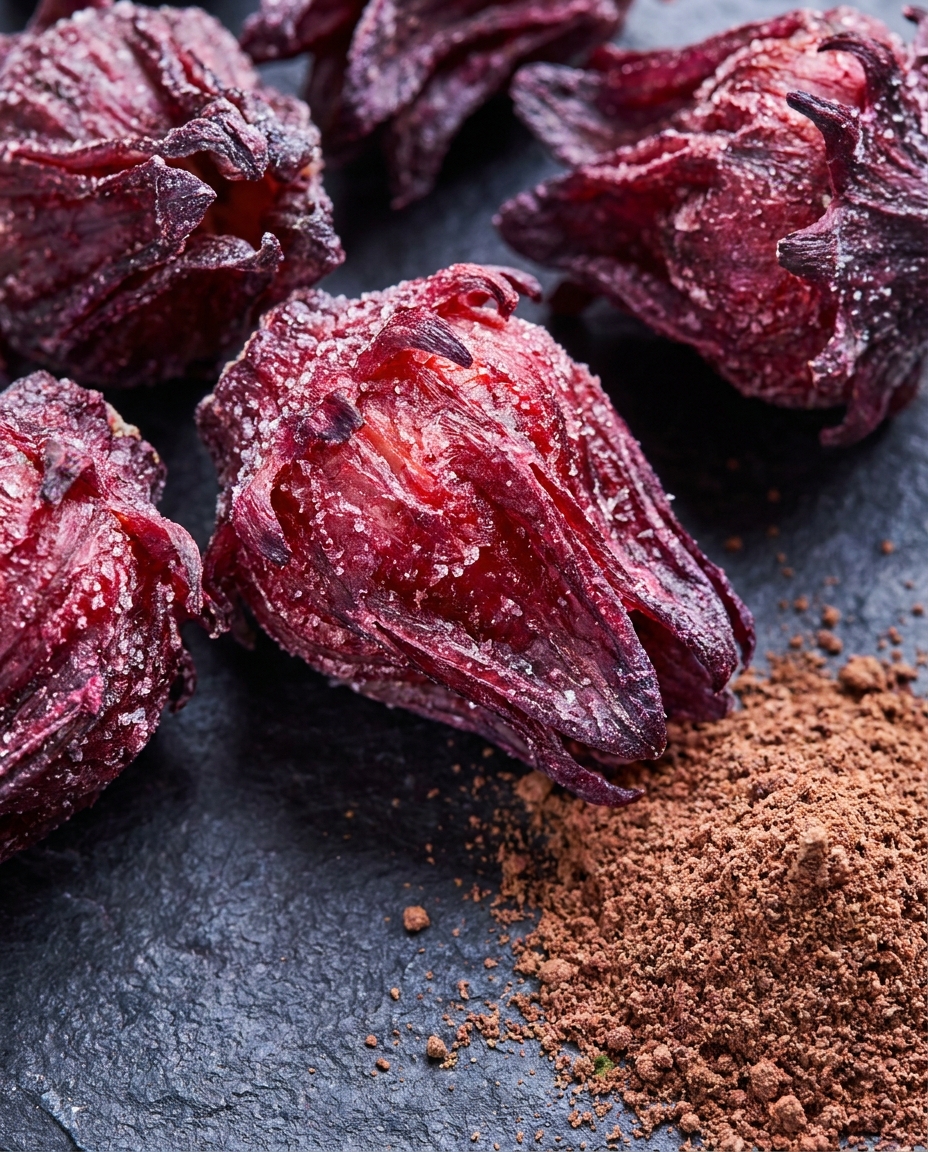
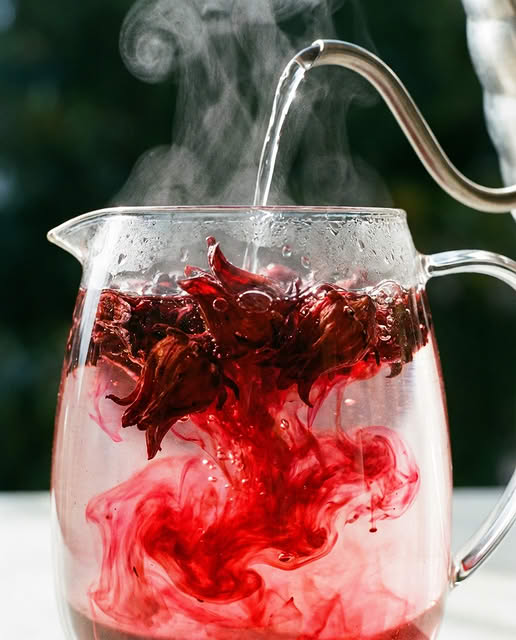
I'm a dialysis surgery nurse. The vascular surgeon I've stood next to for eighteen years does not trust blood pressure pills and lab monitoring alone to keep his own kidneys out of the dialysis chair. Every morning before we operate, he takes something else instead. I noticed for eighteen years. I never asked. Last month I finally did. I'm going to tell you what he told me. Because in all that time I said nothing, and I helped him create more than a thousand dialysis accesses that did not have to end up on his table. I'm not saying nothing anymore. My name is Margaret. Everyone at the hospital calls me Maggie. I've been a dialysis surgery nurse for twenty-two years. I'm the one scrubbed in at the table, passing instruments, with my hands in the field while the surgeon works. In our hospital, everyone calls him a dialysis surgeon. The formal title is vascular surgeon. His job is to create the fistula or place the graft a person needs when dialysis stops being a warning and becomes a schedule. I work at a hospital that does more than three hundred dialysis access procedures a year. Fistulas, mostly. Grafts. Catheters when there isn't time for anything better. I've assisted on more than two thousand of them. Some scheduled months out. Some urgent, when a person comes in swollen and exhausted and the kidney number has finally dropped low enough that everybody stops saying "monitor" and starts saying "access." The vascular surgeon I've stood beside for most of those years is a man named Dr. Kellan. I'm not going to use his real name. You'll understand why before this is over. Kellan is close enough. He is, and I do not say this loosely, one of the best access surgeons in this state. Nephrologists send him the patients whose monitoring has run out of road. Residents ask to scrub with him because he can look at a swollen arm, a vein map, and eight years of eGFR numbers and tell you exactly how the future got here. He has read more access-clearance packets than most doctors will ever see, because every person on his table arrives with a kidney history attached. I've worked beside a lot of good surgeons in twenty-two years. His attention is different. He sees the line, not just the access. He looks at the chart, then at the arm, then back at the person like he is trying to catch the future after it has already hardened. That's the man whose habit I'd been watching for eighteen years. I'm going to tell you something most people never see, because I think you need to see it to understand the rest. I know what dialysis means from the surgical side. Not from a pamphlet. Not from a drawing in a nephrology office. I've had my hands next to the vein that is about to become the place a machine enters a person's life. A healthy kidney is supposed to do its work quietly. All day and all night, millions of tiny filters clean the blood, balance fluid, keep waste moving out, and let a person live without thinking about any of it. By the time someone reaches my table, quiet is over. We are not fixing the kidney. We are preparing the body for what happens after the kidney can no longer keep up. We take a vein in the arm and connect it to an artery so it can grow thick enough to be punctured three days a week. Or we place a graft. Or we put in a catheter because the clock has already run out. They call it access, which is a small word for it. It is not small. It is the place on a person's body where dialysis becomes real. I have held an arm still while a surgeon marked the vein that would become a lifeline. I have watched patients look away when we explained that the buzzing under the skin was good, that it meant the fistula was working, that it would be ready when the chair was ready. And here is the part I did not understand for most of my career. Some of the people who reached my table had done everything they were told to do. They took their blood pressure pills. They cut salt. They kept nephrology appointments. They watched eGFR and creatinine numbers the way people watch weather before a storm. And still, year after year, the kidney number slid. I didn't know what to do with that for a long time. I'd see the chart: blood pressure better, medication list clean, patient compliant, every appointment kept, every instruction followed. And still, the kidney line kept sliding until the same obedient patient was on my table for a fistula, because they were about to start dialysis. A person whose pressure number said managed, whose kidney number said the road was narrowing. I filed it under things I wasn't meant to understand. The doctors had the numbers. I just had the arm on the table. It took me twenty-two years and a lab panel of my own to understand that the arm was telling the truth, and the number was only telling part of it. There was something else. Every morning before a surgery, Dr. Kellan goes to his locker and takes out a flat silver packet. He empties it into a steel tumbler. Then he waits. Not casually. Precisely. He sets the timer on his phone for ten minutes. When it goes off, he waits five more. Only after that would he drink it, rinse the tumbler, and scrub in. I noticed it my third or fourth year with him. It's the kind of thing you file away without thinking about it. Doctors are particular people. Surgeons count instruments. Anesthesiologists arrange tape a certain way. Access surgeons, apparently, have tumblers. For eighteen years, it was nothing to me. Then we would scrub in and prepare another body for dialysis. It turns out it was the most important thing in the room. I just did not know to ask. Then, last spring, it started happening to me too. I'd been getting up at night. Once at first. Then twice. I told myself I drank too much water after dinner. I am fifty-two. I work long cases. I spend my days on my feet. Everybody my age has something. Then my ankles started leaving marks above my socks. Not dramatic. Not the kind of swelling that makes anyone rush you to a hospital. Just enough that I noticed it and then tried not to notice it. What finally bothered me wasn't the swelling. It was that I'd started catching myself doing the thing I'd watched patients do for twenty-two years. Explaining. Minimizing. Waiting for the next appointment to tell me what I already knew my body was telling me. So I did what I had access to that most people don't. I asked one of our doctors to run a full panel. eGFR. Creatinine. Urine albumin. Blood pressure log. The whole thing. I also had my pressure checked again, because that's what you do. The pressure was not terrible. A little high, nothing anyone panics over. The kind of number that gets you a medication conversation, a salt talk, and a "we'll recheck." But I saw the kidney numbers. My eGFR was 49. My creatinine was 1.6. Not kidney failure. Not dialysis. Not the cliff. But the beginning of the same road I had watched too many people travel. I sat in the office and understood, completely, the thing that had confused me for twenty-two years. I was the patient whose pressure could be made to look better while the kidney line still moved the wrong way. For the first time, the chart I was afraid of was mine. The doctor called me two days later. "Maggie, your blood pressure is running higher than I want, and your kidney function is lower than I like. I want you on lisinopril. We'll start low, ten milligrams. Cut salt, keep hydrated, and we'll recheck your labs in three months." That was the whole conversation. Maybe two minutes. And I want you to notice what happened, because it happened so smoothly I almost didn't catch it myself, and I've been in the room for two thousand versions of it. My fear was the kidney line. The eGFR. The creatinine. The fact that I could see the road ahead because I had helped build the access at the end of it. What he reached for was the pressure number. The pressure mattered. I knew that. I am not pretending it doesn't. But the plan was a pill for the pressure, a salt warning, and a calendar reminder to look at the kidney number again. The tiny filters inside my kidneys, the nephrons I was afraid of losing one by one, never came up. There was a drug for the blood pressure cuff and a date to check the chart again. I drove home with a prescription for the part of me that was easiest to measure. It was still in my bag, unfilled, when I went into work the next morning, and that day we created a fistula on a man I'll call Ed. Sixty-six years old. Retired electrician. The kind of man who shakes your hand with both of his. I read his chart while we prepped him, the way I always do. Ed had been on blood pressure pills for thirteen years. Compliant, the chart said so, his wife confirmed it in pre-op, never missed a dose. And his pressure numbers were good. Thirteen years of good pressure numbers. His most recent reading was better than mine. Then I read the kidney line. eGFR 58. Then 52. Then 47. Then 39. Then 28. Every few months, a little lower. Every note some version of the same sentence: continue monitoring kidney function. Then Dr. Kellan opened his arm, and I saw what thirteen years of good pressure had been hiding. His veins were barely usable. His access plan took almost every minute of the time we had. It was a hard surgery. We got him through it. But I stood there with my hands on a sixty-six-year-old man's arm, looking at the vein we were about to turn into his lifeline, on a patient whose pressure had been declared controlled for thirteen years running. And I had his exact kind of prescription sitting in my bag. I finished my shift and went down to the parking garage and got in my car and did not drive home. I sat there. For the better part of an hour, in a concrete garage, I sat in my car and could not make myself turn the key. Because I had just watched the end of the road I had been put on that morning. Same monitoring. Same pressure focus. Same reassurance. Ed had done everything they asked him to do, and his reward was a buzzing fistula and three mornings a week that would no longer belong to him. I wasn't scared of the lab number anymore. I was scared of the plan. Because I'd just seen exactly where "we'll keep an eye on it" could lead. The next morning I came in early. I don't know if I'd decided anything in the night. My feet just took me toward him before my head could argue. Dr. Kellan was at his locker before our first surgery, the way he always was. He had just emptied the flat silver packet into the tumbler. Eighteen years I'd let that tumbler sit there. I walked up and asked him, straight out, what was in it. He stopped. He looked at me a second longer than he needed to. He wasn't deciding what was in the tumbler. He knew that. He was deciding about me. Whether I was someone he could say this to. Then he closed the lid and set his phone timer. Then he picked up the flat silver packet, put it in his coat pocket, and closed the locker. "Maggie. There's a conversation we need to have. Not here. After the surgery. Buy me a coffee." We had a man waiting. We scrubbed in. And for the next several hours I stood across the table doing the most ordinary extraordinary thing in the world, helping prepare a body for dialysis, with that tumbler in the locker room and a question in my head neither of us said out loud. We finished a little after four. He told me to meet him at the diner across the street from the hospital, not the cafeteria, somewhere nobody from the floor would be sitting at the next table. We were both still in our scrubs. He had two coffees on the table before I sat down. I want to tell you why he talked to me, because it matters. It wasn't because I asked. People had probably asked him before. He talked to me because he'd seen my face that morning, and he'd been doing this long enough to know what a person looks like the week their own kidney numbers stop being theoretical. He didn't ask me what my eGFR was. He just looked at me across that table and said, "It caught up with you, didn't it." Not a question. And then, because underneath the careful surgeon is, at the bottom of everything, a kind man, he told me what he'd been carrying for eighteen years. I'm going to tell it to you the way he told it to me. Slowly. In order. The way I needed to hear it at the lowest moment of my professional life, sitting in a diner in scrubs with a prescription in my bag I hadn't filled and a lab result I couldn't un-see. The way no one had ever once connected it for a single patient I'd helped prepare for dialysis. Here is what the vascular surgeon told me. "I need to be clear about my lane," he said. "I'm not a nephrologist. I don't manage their kidneys in clinic. But I see the end of the story. And when you see enough endings, you start studying the beginning." The first thing he did was take the whole thing I'd believed for twenty-two years and turn it around. "Maggie," he said, "you've spent your career thinking kidney decline starts when the lab number drops. It doesn't. The lab number drops after the damage has already been happening." Then he took a napkin from the dispenser and drew a little circle on it. "This is the part people never picture," he said. "Your kidney is not one big filter. It's millions of tiny filters. Nephrons." Inside each nephron, he said, is a little knot of blood vessels. Tiny. Delicate. Working every minute of every day, pulling waste out of the blood and balancing fluid so the rest of the body can go on pretending nothing is happening. "That's what you're trying to keep," he said. "Not a number. The filters." Then he tapped the napkin with his pen. "And when one of these scars badly enough, it doesn't grow back." That was the first sentence that made me stop breathing normally. I had heard the word nephron a thousand times. I had charted it, read it, nodded at it. But no one had ever said it to me like that. It doesn't grow back. So I asked him the obvious thing. The thing I think you're already asking. "Then what exactly is eGFR?" He nodded, like that was the question he wanted. "Your eGFR is not the thing hurting you," he said. "It is the receipt for filtering power you have already lost." He let me sit with that. "A good eGFR means the kidneys still have enough filtering power left. A lower eGFR means the filters are not clearing as much as they used to. But the eGFR is not the attack. It's the report after the attack has already taken something." I looked down at my coffee. My eGFR was 49. I had been treating it like a warning light. He was telling me it was a receipt. "And creatinine?" I asked. "Creatinine is waste," he said. "Your muscles make it every day. Healthy kidneys clear it. When filtering slows, creatinine backs up in the blood." Then he said the line I still hear when I look at my labs. "Creatinine is not the fire either. It is the smoke." That was when the whole chart started looking different to me. eGFR was the receipt. Creatinine was the smoke. Neither one was the thing doing the damage. They were what showed up after the filters had already been losing ground. So I asked him about blood pressure, because that was the part sitting in my bag. "Blood pressure is different," he said. "That one is closer to the force hitting the filters." He told me to picture those tiny vessel knots inside the nephrons, taking pressure all day. Not for ten minutes. Not during an appointment. All day. All night. Every heartbeat pushing through vessels thinner than a hair. "Lowering that force matters," he said. "That's why the medication exists. That's why I read those meds on every access chart. Don't ever let anyone tell you pressure doesn't matter." Then his voice changed. "But a better cuff reading does not tell you whether the filter walls are still being worn down day after day." That landed somewhere I felt it. Because here's the trap. Your cuff tells you the pressure in your arm. Your eGFR estimates how much filtering power is left. Your creatinine shows waste backing up when filtering slows. All useful. All worth watching. But none of them shows you the daily wear happening inside the filter wall itself. That wear, he said, comes from two things more than anything else. Pressure. And oxidative stress. Pressure is the force. Oxidative stress is the wear on the vessel wall. The slow chemical damage that makes delicate tissue stiffer, weaker, more inflamed, less able to do its job. "Think of it like a screen door in weather," he said. "The wind is pressure. The rust is oxidative stress. You can measure how much air is getting through the screen after it tears. But that measurement doesn't patch the screen." I almost laughed at how simple it was. Then I thought of Ed's arm on the table and I couldn't. Because Ed's doctors had been measuring the air through the screen for years. eGFR 58. Then 52. Then 47. Then 39. Then 28. Every few months, a little less getting through. Every note some version of "continue monitoring." And all that time, the tiny filters were taking pressure and oxidative stress until enough of them were gone that we had to build him a place for the machine. "That," Dr. Kellan said, "is why they still come to your table. Not because the medication is useless. Because the plan stopped at the measurable part." Then he said it in the plainest way possible. "Monitoring tells you the line moved. It does not keep the next filter from scarring." I looked down at my bag. The lisinopril was in there. And for the first time, I understood why I wasn't comforted by it. The medication could help lower some of the force hitting the filters. That mattered. But it could not rebuild filters already scarred. It could not turn an eGFR receipt back into filtering power. And it did not automatically address the oxidative wear on the filter wall. The standard plan was not wrong. It was incomplete. "Kidney decline becomes a wheel," he said. "Pressure and oxidative stress wear down filters. Fewer filters means the remaining ones carry more load. More load means more stress. More stress means more loss. By the time eGFR falls enough to scare everyone, the wheel has usually been turning for years." That was the part nobody had ever explained to me. Not with Ed. Not with the hundreds before him. Not with me. We met people when the wheel had already turned long enough to need access. If the eGFR drops low enough, that's dialysis planning. If it drops faster than anyone expected, that's a catheter. If you're lucky, we have time to create a fistula. That's it. That's the event everybody is terrified of. It isn't a bolt from the sky. It's the last visible part of a process that has been running quietly for years. The filters did the suffering. The fistula just rang the bell. And every patient I'd ever helped, or helped too late, had walked in at that last part. That's the only place we ever met them. At the access. Never at the first filter. By the time they reached our table, the bell had already rung. He waited until I'd had a sip of coffee. Then he said, "This next part is the one I need you to hear slowly. Because it's the part sitting in your bag right now." I want you to read it slowly too. Your blood pressure pill can lower the cuff. It cannot, by itself, do the whole job. That's not an attack on the drug. It's how the plan is built. A blood pressure medication works by lowering pressure through one pathway or another. Relax the vessel. Block a signal. Flush fluid. Lower the reading. It can be very good at that job. Now, lowering pressure isn't nothing. Less pressure can mean less force hitting delicate filters. I want to be fair to the medication about that. But when the plan stops at "cuff looks better, recheck the labs," the other half of the problem can stay invisible. The oxidative wear. The filter wall. The daily load. The same way it stayed invisible in Ed. The same way it had started in me. "That is why I don't wait for my own receipts to get worse," he said. I asked him how long he'd known all this. He almost laughed. "Since training. None of this is secret, Maggie. Pressure matters. Oxidative stress matters. Nephrons don't come back. It's not hidden. It's just that the system is built around the tools it can measure, prescribe, bill, and recheck. Knowing a thing and being built to act on it every day are two different things." Then I asked the question I'd actually driven in early to ask. The one about the tumbler. "You've spent the last twenty minutes telling me why the standard plan can be incomplete," I said. "And you've spent eighteen years doing that ritual before every surgery. So what is it? What's been in that tumbler this whole time?" He didn't answer right away. He turned his cup that quarter-turn on the table. "I didn't want to spend my life only reacting to receipts," he said. "I wanted something I could do every day for the two things hitting the filters before the numbers move." "Pressure and oxidative stress," I said. "Pressure and oxidative stress," he said. "Help the vessels relax. Help defend the vessel wall. Make the daily load a little less punishing. Not instead of medicine. Not instead of a doctor. Before the road narrows." "So that's what I take," he said. "Every morning before I operate. Not because my kidneys failed. Because I've watched too many people wait until someone finally says dialysis." And then he reached into his coat pocket and took out the flat silver packet, set it on the table between us, and let me read it. I'll be honest with you about my first reaction, because I think it'll be yours too. It was hibiscus. I almost laughed. Not because it was funny. Because of how far it fell from what I'd built up in my head. For eighteen years I'd watched one of the most careful vascular surgeons I know perform that timed ritual before surgeries, and somewhere in my mind I'd decided it had to be something complicated. Something with a long name. Something you couldn't buy without a badge or a license or a password. It was a flower. He watched me have that exact reaction. He'd clearly watched other people have it. He didn't argue me out of it. He let me sit in the disbelief for a second. Then he said: "I know. It's the reason people miss it. Hibiscus sounds too simple to be taken seriously. So people walk right past it and go back to waiting for the next lab to scare them." Then his voice changed, the way it changes when he is about to stop a resident from making a mistake. "But hear me. Almost none of what calls itself hibiscus will do what I use this for. Not the grocery-store tea bags. Not the fruity blends. Not the dusty red powder in the health aisle. Most of it is too weak, too old, too blended, or too damaged to be worth building a ritual around." "The part of the flower that does the work," he said, "is the red." He told me to think about what happens when real hibiscus steeps, how the water turns deep ruby, almost wine-red. That color has a name. Anthocyanins. And it isn't decoration. Those red compounds help support the lining of blood vessels. They support the pathways that help vessels relax. They help defend delicate tissue from oxidative stress. Most teas are sold for flavor. He was not drinking it for flavor. He was drinking it for the red. And for kidneys, he said, that distinction matters because the filters are made of tiny vessels. If the pressure on those vessels stays high, they suffer. If oxidative stress keeps hitting them, they suffer. If the remaining filters have to carry more load, they suffer. The goal was not to flush the kidneys harder. He hated that phrase. "Already strained filters do not need to be whipped," he said. "They need less pressure and more protection." That was the sentence that reorganized everything for me. Less pressure. More protection. Not a cleanse. Not a detox. Not a miracle. Support for the thing I was actually afraid of losing. I asked him the question I'd want you to ask. The skeptical one. The one twenty-two years in medicine had trained into me. "Is there anything behind this besides a good story?" I asked. "Has anyone actually measured it, or does it just sound right at a diner table?" He liked that I asked. He said that's the right question, and that most people who land on a tea never ask it. "The blood pressure data on hibiscus is some of the most consistent natural-compound data we have," he said. "Not dramatic. Not magic. Measurable. Systolic pressure moving enough to matter. Diastolic pressure moving enough to notice. And the mechanism lines up with the thing kidney patients are already trying to control." He leaned in. "But the study material is not a grocery-store berry blend. That's what people miss. The research is about real hibiscus, prepared to deliver the compounds. Whole flower. Deep color. Enough anthocyanins to matter." He let that sit, because he could see I understood. The flower was not the point. The red was the point. The quality was the point. "That," he said, "is the only kind of result I trust. Not the one that sounds natural. The one where the mechanism and the measurement point to the same place." And then he told me why he never skips a day. The blood pressure, the stress, the aging, the processed food, the years. All the things that press on kidney filters are still happening every morning. The filters never get a day off, so neither does the thing he uses to support them. "That's why it's in my locker," he said. "I don't drink it like a tea I might remember. I use it like a daily piece of prevention. Because the day I skip it, the filters still have to carry the day." So I asked him the only question I had left. The one that had been sitting under everything. "If you've known this since training. If pressure matters, and oxidative stress matters, and hibiscus has data, and you trust this before you walk into surgery, then why haven't you said this when they're still upstream? Why does this stay in your tumbler instead of ever making it back to the people managing the kidney numbers?" He didn't flinch. He'd clearly asked himself the same question for eighteen years, and he gave me the answer he'd made his peace with. "Because the day I turn 'hibiscus tea' into kidney-management instructions inside an access consult, I'm no longer practicing the way the system is built to let me practice." He laid it out like a man who'd counted the cost exactly. "There's a standard of care, Maggie. Guidelines. If a patient reaches me with an eGFR low enough for access planning, the guideline says create the access and send them back to nephrology. I'm expected to do that. If I tell them to take a tea instead, even one I take myself, even one I'd bet my own kidneys on, I've stepped outside the role I'm allowed to play." "The first patient who has a bad outcome, for any reason, their family's attorney pulls my records and finds a vascular surgeon who told their father to drink hibiscus instead of following the kidney plan. That's my license. That's the medical board. The hospital pulls my privileges the same week, because I'm a liability they can't insure. And the insurers stop paying for my procedures because I've gone off-protocol." He turned the cup again. "And here's the part that actually stops me. Say I do it anyway. Say I'm brave. The patients don't follow me into early retirement. They go back to the same nephrology plan, the same labs, the same access timeline, and nothing changes except I'm no longer there to create the access when they need it." He stopped. Then, quieter: "So that's the arrangement I've made with myself. I create the access when it's needed, because that is my job and because the system requires it. I read the labs. I follow the referral. I send them back to nephrology. And the people closest to me, the people I love, the people I work beside, I tell them about the tumbler. Off the record. In a diner. Where it can't be turned into a chart note that gets used against me." He looked at me for a long moment. "You weren't on that list for eighteen years, and you should have been. I used to tell myself it was because you never asked. That was the coward's version. The truth is I just didn't say it, and I'm sorry." I didn't say anything for a while. He let me not say anything, which is its own kind of kindness. I was doing math I didn't want to do. Eighteen years. For eighteen years I had stood beside a man who carried that answer into every surgery we ever did together, and I'd told myself it was just another doctor habit because asking would have meant knowing, and knowing would have meant carrying it, and I had enough to carry. I thought about Ed. About the man before Ed, and the woman before him. All of them with years of "keep monitoring" in a file somewhere and a life quietly shrinking the whole time, while I stood there and helped build the access and never once knew I was watching the same story repeat. Two thousand times. The same story. A number being watched. A body still losing ground. And the thing that landed hardest wasn't anger at him. He'd spent eighteen years trapped in something I'd only just learned the shape of, and he'd carried it more honestly than most people carry anything. The thing that landed hardest was simpler, and it was about me. I had spent twenty-two years on the wrong side of a question I was afraid to ask. I wasn't going to be afraid of it anymore. I told him I was going to write it down. Not a journal. Not for me. I told him I was going to write down everything he'd just said and put it somewhere strangers could find it, the people sitting where I'd been sitting Tuesday, with a prescription in their bag and a kidney number they couldn't un-see and no surgeon across a diner table to explain what he had seen at the end of that road. I waited for him to talk me out of it. Eighteen years of silence, I thought he'd ask me to keep his. He didn't. He looked at the packet on the table for a long time. Then he picked it up, put it back in his coat pocket, and said the thing that's the reason you're reading this. "Do it, Maggie." And then, quieter: "I can't. You understand now why I can't. Everything I told you about the board, the hospital, the chart, that's all still true tomorrow morning when I walk in. I'm still trapped in it. But you're not the surgeon. You don't have an operating room full of access patients and privileges for them to pull. They handed me the cage. They never handed you one." He stood up to go back to the hospital. "I've wanted someone to say this out loud for years and I was never going to be the one who could. So if you're going to do it, do it properly. Tell them all of it. Tell them about the filters. Tell them why monitoring isn't the same as protection. And tell them the part that matters most: tell them I use it myself, every morning, before I help decide who is headed toward dialysis. Don't let them think this is something I mention from a safe distance. It's the thing I trust before the chart ever scares me." Then he went back across the street. And I went home and started writing the thing you're reading. He told me to tell you all of it, so here's the part where I tell you exactly what's in his tumbler, because if I sent you off to buy "hibiscus" I'd be doing the thing he spent the whole coffee warning me about. The brand is called PiPi Tea. And before you decide that's just him being loyal to a label, it isn't. I asked him that night why this one, specifically, and he answered it the way he answers everything, which is like a man who does not trust a thing until it can meet a standard. He has five rules, and almost nothing on the market survives all five. The flower. Most hibiscus you can buy is not whole flower. It is broken petals, dust, fragments, the leftovers that still stain water red enough to look convincing. But the compounds he cares about live in the deep red part of the flower, and once the flower is cut down, stored badly, and blended into a tea bag, you have no idea what is left. PiPi Tea uses whole hibiscus flowers. You can see them. Not dust. Not scraps. Flowers. The altitude. He told me plants make protective compounds when they have to protect themselves. High-altitude hibiscus grows under stronger sun and more stress, and that is where the deep red anthocyanins become the point. PiPi Tea is high-altitude grown, at 4,500 feet and above. The harvest. Machine-stripped hibiscus is harvested for volume. He wanted flowers picked at the right stage, when the red is fully developed. PiPi Tea is hand-picked at peak red. The drying. This was the one I did not know, and it's the one that made me look at every tea bag differently. Anthocyanins are fragile. Heat damages them. Dry the flower hot and fast, and the cup can still look red while the useful part has been weakened. PiPi Tea is carefully dried so the deep red compounds survive into the cup. The proof. Organic and lab-backed for the active anthocyanins. "I don't build a daily ritual around pretty packaging," he said. "If the work is in the red, I want proof the red is there." That's why this one and not the cheap grocery-store box with the nice picture. Same reason he uses the phone timer. The man does not leave the margin to chance. They're small, and this kind of harvest does not scale like a commodity tea bag. He told me he's run out before and hated it, which from a man that calm told me everything. I started the next morning. One cup, before my shift. The same ten minutes he used. Then I let it cool enough to drink, the way I'd watched him do for years, except now I knew what I was holding. When I opened the bag, the flowers were dark red and curled, not powder. When I brewed it, the cup went deep crimson before the timer was halfway done. Not pale pink. Not weak brown-red. Crimson. I want to tell you the thing I did that my own doctor still doesn't entirely forgive me for. I did not start the blood pressure pill that week. I'm not telling you to make that choice. I'll say more about that at the end. But I'd just spent an evening understanding exactly what the pill would and would not do for me, that it could push on the pressure number but would not turn monitoring into protection, and I decided I wanted the daily thing that supported the filters too. I told my doctor what I was doing. He wasn't thrilled. But he agreed to do the one thing that mattered: keep watching me. Recheck me. Hold me to the numbers. Here's how it actually went, because it wasn't a lightning bolt and I don't want to pretend it was. The first two weeks, I felt nothing dramatic in my body, and that's exactly right. What the anthocyanins do in the beginning happens where you cannot feel it, down at the level of the vessels and filters, before you can turn that into a feeling. The only thing I noticed those first weeks was the night trips changed. I had been getting up twice most nights, usually around 1:40 and 3:10. By the end of week two, I had three nights where I only got up once. That sounds small until you are the person who has started fearing your own bathroom light. Weeks three and four, the swelling got quieter. The sock marks were still there, but they were lighter. My home blood pressure log moved too: 142 over 88, then 138 over 86, then 134 over 84. Not a miracle. But not nothing. Weeks five through eight, the locker-room stairs stopped scaring me. I stopped pausing halfway up. I caught myself carrying a case tray without planning the nearest place to set it down. My morning readings were sitting closer to 128 over 82. And then, eight weeks in, I went back for bloodwork. This is the part I need you to read the way he taught me to read it. My blood pressure that morning was 126 over 80. My eGFR was no longer sliding the way I had feared. I know one lab is not a cure. I know kidneys do not grow back because a nurse drinks tea and cries in a parking garage. But I had been watching the line move the wrong direction. For the first time, the line held. My doctor pulled up the panel, looked at me, and asked me what I'd changed. I told him. The hibiscus. The whole flowers. The morning ritual. The tracking. The fact that I had stopped pretending a better cuff number meant my kidneys were being protected. He didn't congratulate me and he didn't argue. He wrote something on his notepad. I'm fairly sure it was the name of the tea. He still hasn't pushed me to start the prescription. I'm telling you all of this because there's a good chance you're one of the people I was standing in for that morning in the parking garage. Let me be specific, because I think you'll know which one you are. If you're taking blood pressure pills right now, and your doctor is pleased because the cuff looks better, but your eGFR keeps sliding from 58 to 52 to 49, I'm telling you what the vascular surgeon I've stood beside for eighteen years taught me: the pressure number looking managed is not the same thing as the filters being protected. If your doctor keeps saying "we'll monitor it," and every three months you walk in hoping the number did not move, I'm telling you what he taught me: monitoring is not a plan. It is a way of watching the decline arrive on schedule. If you've already tried, if you've bought cranberry, kidney blends, parsley tea, dandelion detox boxes, or whatever bottle the health store put on the kidney shelf, and none of it touched what your body or your labs are doing, I'm telling you what he taught me: most of those scatter around the problem. They were never built around the two things kidney filters need most: less pressure and more protection. And if you're where I was exactly, a kidney number that finally scared you, a fresh prescription in your bag, swelling at night, bathroom trips you keep explaining away, and the sick certainty that you've watched this movie before in someone else, I'm telling you what the surgeon told me across a diner table in his scrubs: There is something that supports the pressure and oxidative stress pathways the standard monitoring plan was never built to address by itself. He uses it himself, every morning, before he walks into the rooms where dialysis becomes real. It's a whole-flower hibiscus called PiPi Tea, high-altitude grown, hand-picked, carefully dried, and lab-backed for the red anthocyanins that matter. One cup a day. Ten minutes. Let it cool. Drink it. It's the thing I started using the morning after that coffee, and it's the thing I'd put in front of anyone I loved who was standing where you are. Let me be clear about who I am and who I'm not, because you should be suspicious of anyone who tells you a thing like this on the internet. I'm not a salesperson. I'm a dialysis surgery nurse. I don't work for PiPi Tea, I don't get paid if you buy it, and I don't make a cent whether you click anything or close this and never think about it again. I have a pension and twenty-two years in and no reason on earth to write four thousand words about a flower except the one I'm about to give you. I'm writing this because I have stood at that table for twenty-two years and helped build the access that turns dialysis from a possibility into a schedule, and I let myself believe for most of those years that the people on the table had simply run out of options. They hadn't. They had been failed by a plan that watched the number and called watching enough. I'm writing it because last spring I watched Ed reach my table after thirteen years of faithful pills, appointments, and notes that said "continue monitoring kidney function," and three days later I found out I was standing at the beginning of the same road. I'm writing it because the best vascular surgeon I know has been quietly using something for eighteen years that he will not turn into medical instructions for patients whose kidney care belongs in a nephrology chart, not because he thinks it is silly, but because the system he operates inside has no clean place to put it. And I'm writing it because I asked him, finally, after eighteen years of pretending that tumbler was a habit, and he told me the truth and then he told me to pass it on. He can't. I can. So I am. That's the whole reason. There isn't another one. Here's the thing that, after twenty-two years inside this system, I genuinely cannot get over. PiPi Tea comes with a ninety-day money-back guarantee. You drink it for three months. You keep getting your blood drawn. You keep your doctor watching you, the way mine watched me. And if your numbers don't move, or you don't feel a difference, you send it back and get every dollar back. Now think about what I'm comparing that to. In twenty-two years of standing at that table, I have never once seen the system give a patient their life back because the plan only monitored them until dialysis. Ed did everything right. Nobody refunded Ed the mornings he will spend in a chair. Nobody refunds the people who lose three days a week. Nobody refunds the spouse who becomes the driver. A small tea company will stake its own money on whether this helps you. The system that millions of kidney patients organize their lives around will not. I'm not going to tell you what that means. I'll just tell you it's the kind of thing I notice now, after everything, and I think once you see it you won't be able to stop seeing it either. One honest thing about supply, because I ran into it myself. There isn't an endless amount of this. Whole-flower, high-altitude hibiscus has to be grown, hand-picked, dried carefully, and protected from becoming the dusty commodity tea most companies sell. You cannot rush a real harvest to meet demand the way you can fill tea bags with fragments and flavoring. When a batch runs out, it's out until the next one. Dr. Kellan ran out twice in twelve years and both times, by his own admission, he counted the days. Right now PiPi Tea is available through the official site here: https://shop.pipitea.com/hbt/kd/sp-nm But supply isn't really the reason to move today. This is. Every single day, the filters are still carrying the load. The pressure is still pressing. The oxidative stress is still happening. If your eGFR is creeping down, it is creeping today. If your ankles are swelling by dinner, your body is telling you something today. If your doctor says "we'll monitor it," the calendar is still moving today. Kidney decline does not wait for you to get around to it. It does not pause while you think it over. It is the most patient thing in the world, and it is working quietly while you read this. If you have bloodwork in the next month or two, picture walking in with something already supporting the filters instead of just hoping the number holds. That doesn't happen if you start the week of the appointment. It happens if you start today. This is where Dr. Kellan's tea is, the same one behind the tumbler: https://shop.pipitea.com/hbt/kd/sp-nm I almost became one of my own patients. I had the prescription in my bag and the lab result I couldn't un-see and a movie I'd watched two thousand times that was about to be about me. I got off that road. The whole reason I wrote this down is so that you can get off it too, while there's still road to get off of. You still have time. Ed didn't. ~ Margaret Powell Dialysis Surgery Nurse, 22 years P.S. I need to say one thing as clearly as I can, because I took an aggressive path and I don't want you taking it blindly. Do not stop a medication on your own. I made a specific choice about a prescription I had not yet filled, with my own eyes open, and with my doctor monitoring me the entire way, and that is the only version of this I'd ever defend. If you're already on blood pressure medication, do not throw it in a drawer because a nurse on the internet told you a story. Bring this to your doctor. Ask them to look at the line, not just one reading. Ask for a recheck in eight to twelve weeks. The point was never to fight your doctor. The point is to put the thing on the table that the standard plan isn't built to give you. P.P.S. About the first few weeks, because I don't want you quitting early over the wrong expectation. This is not a stimulant and it does not announce itself. The first couple of weeks, the work is quiet: blood vessels, pressure pathways, oxidative stress, the kind of support you cannot feel happening in real time. Most people notice the small things first: fewer night trips, sock marks a little lighter, a little more in the tank at the end of the day. The lab number is slower, because kidneys keep their own time. That's why the guarantee runs a full ninety days and not thirty. Give it the whole window. If you feel nothing and your numbers don't move by the end of it, send it back. P.P.P.S. The guarantee is the part I keep coming back to, so I'll say it once more. A small company selling whole-flower hibiscus will bet its own money that this helps you. The system that tells people to monitor decline until dialysis will not. You can decide for yourself what that tells you. I've decided what it tells me. P.P.P.P.S. Dr. Kellan read this before I posted it. He asked me to take his real name out. I did. He asked me to take the hospital's name out. I did. He asked me what I thought would happen if his colleagues found it and recognized themselves in it, and I told him the truth: that some of them already know everything in here, and they'll have to decide for themselves what to do with knowing it. He didn't ask me to take it down. And the next morning, before our first surgery, I watched him go to his locker, take out the flat silver packet, empty it into the steel tumbler, set the timer on his phone for ten minutes, wait five more, drink it, rinse it, and scrub in, the same as he has every morning for eighteen years, the same as he will tomorrow. He can't put this in your kidney plan. I just did. https://shop.pipitea.com/hbt/kd/sp-nm
Natural Relief in Weeks
LEARN MORELike this ad? Make it yours.
Crush rebuilds this exact creative around your product — your brand, your colors, your offer — in about a minute.