Dr. Lisa Downing
Dr. Lisa Downing Facebook ad: “Natural Support for Your Daily Routine”
Ran for 89 days, from July 5 to October 2, 2026, the last day Crush saw it.
Run by Dr. Lisa Downing on Facebook. Crush is not the advertiser and does not verify its claims. See this ad in Meta's Ad Library(opens in a new tab)
Want an ad like this for your product?
Crush makes new ad images for your product from this ad: your logo, your product photo, your offer.
Trials from $19.95 USD, then $79.95 USD a month. Cancel anytime.
About this ad
- Meta Ad Library ID
- 1580707843842390
- Platforms
- Facebook, Instagram, Audience Network, Messenger and Threads
- Relaunches
- 0
Ad text
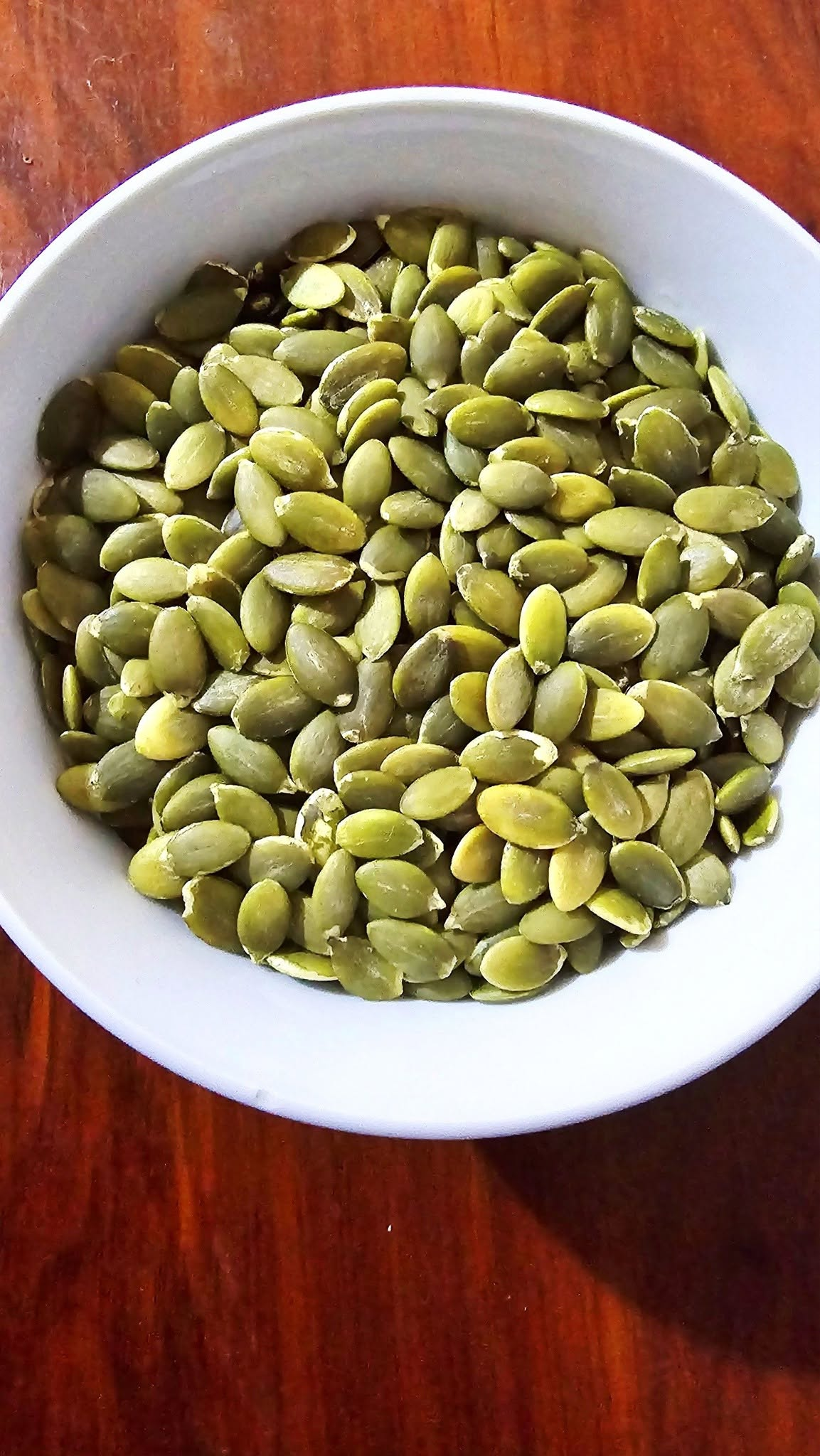
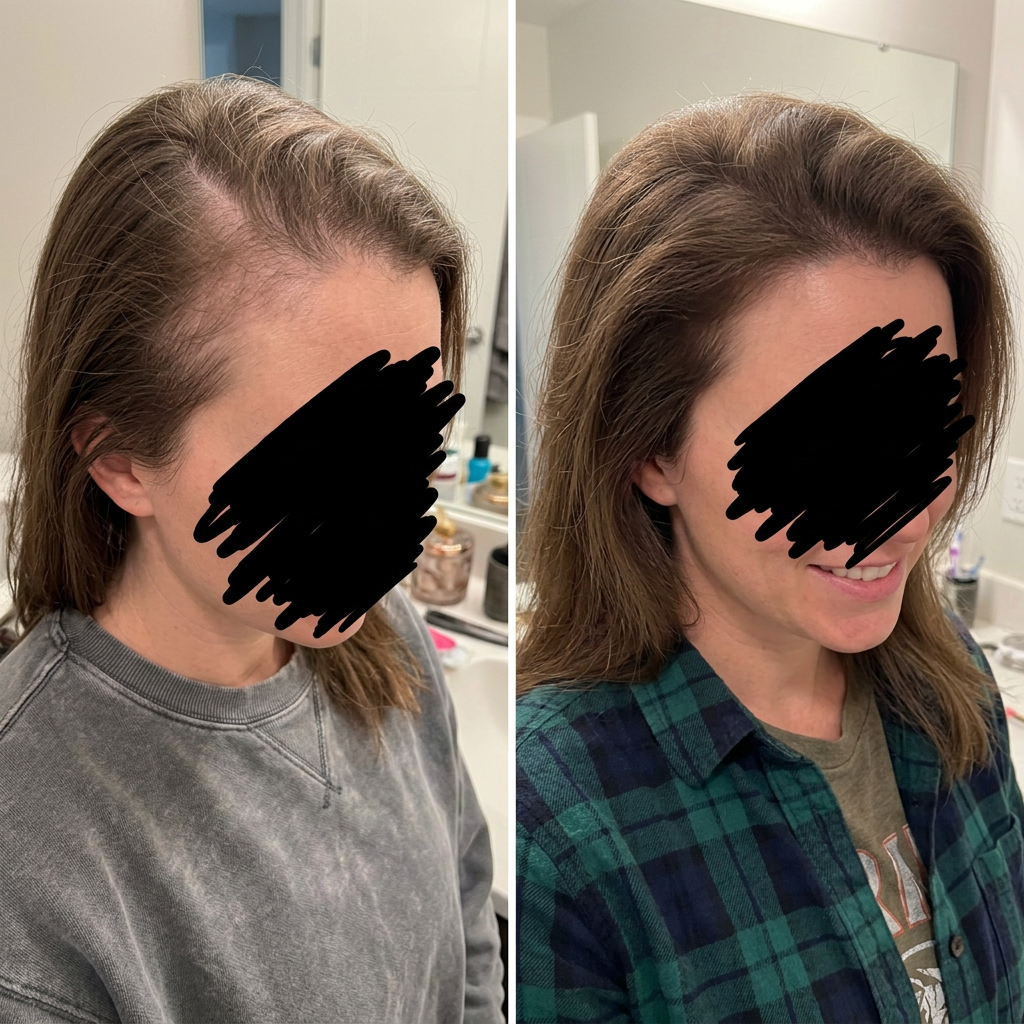
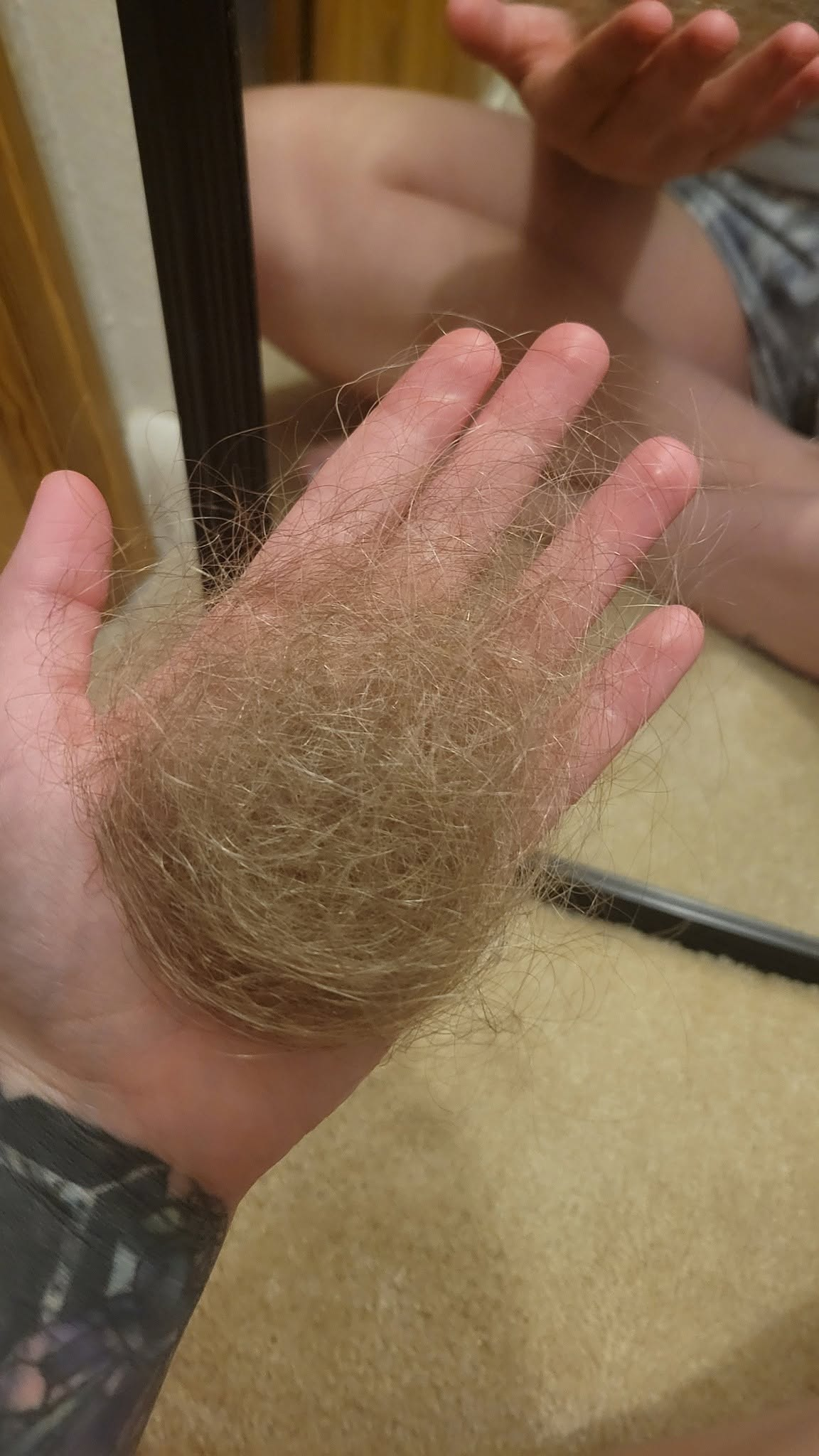
Levothyroxine keeps your TSH in perfect range but every time you brush your hair there's less of it. Your ponytail is half the thickness it was two years ago. And now you're noticing the shower drain. If your hair is thinning, breaking, and disappearing on levothyroxine despite doing everything right — here's what's actually driving the loss at the follicle level and what I give my patients instead. For TWO AND A HALF YEARS my best friend Megan watched her hair disappear on levothyroxine. Strand by strand. Clump by clump. While every doctor told her she was fine. She was diagnosed with Hashimoto's at 36. Thyroidectomy six months later when her antibodies wouldn't stabilize. Put on levothyroxine the same week. Doctor told her the medication would handle it. Within the first four months she noticed hair on her pillow. Not a strand or two. Enough to see it against the white cotton every single morning. By month eight she was pulling clumps from the shower drain. She started photographing them because she needed proof she wasn't imagining it. She has 47 photos in a folder on her phone labeled "hair." Forty-seven. Because nobody believed her. By year one her ponytail was noticeably thinner. She could feel it. The elastic wrapped around three times where it used to wrap twice. She told her endocrinologist. He glanced at her head and said hair thinning is common after thyroid surgery, it should stabilize. It didn't stabilize. By year two she could see her scalp at her part line. Not thinning — visible scalp. She stopped wearing her hair down. She started positioning herself in group photos so the light wouldn't hit the top of her head. She stopped letting anyone stand behind her. Her TSH was 1.8. Perfect range. Optimal. Her endocrinologist looked at that number every three months and told her everything looked great. She was losing her hair on optimal medication while everything looked great. --- And every single doctor told her the same thing. "Your TSH is optimal. The medication is working." "Hair loss after thyroid surgery is normal. Give it time." "Have you tried biotin?" One of them — and I will never forget this — looked at her thinning hair, looked at her optimal TSH, and told her it might be stress-related. Stress. A woman managing Hashimoto's, recovering from thyroid surgery, watching her hair fall out on medication that was supposed to fix everything — was told the hair loss was from stress. As if the stress existed in a vacuum. As if it had nothing to do with the thyroid condition destroying her body from the inside out. She went through three endocrinologists and a dermatologist in two years. Not one — NOT ONE — ever asked why a woman with an optimal TSH on levothyroxine was losing her hair progressively, month after month, with no sign of stopping. --- So here's what they kept telling her to do. And I need you to pay attention because you've probably tried every single one of these. Biotin — the first thing every doctor, every friend, every article suggested. She took 10,000mcg daily for eight months. Hair kept falling. Not a single new strand. Collagen peptides — $45 a month, mixed into her coffee every morning for six months. Her nails got slightly harder. Her hair continued thinning at the same rate. The iron and ferritin protocol — because her ferritin was at 38 and someone in a Facebook group said it needed to be above 70 for hair growth. She supplemented iron for seven months, got ferritin to 74. Hair loss continued unchanged. Not one clump less in the shower drain. Rosemary oil topical — she massaged it into her scalp every night for four months. Her pillowcase smelled like an herb garden. Her hair didn't care. Prescription minoxidil — her dermatologist finally offered something pharmaceutical. Three months of application. Her scalp got irritated. She developed facial hair along her jawline from the medication. The hair on her head continued falling out at the same rate. The $80-a-month "thyroid hair support" supplements — selenium, zinc, ashwagandha, iodine blends — three different brands over fourteen months. Labels promising "thyroid-powered hair regrowth." Hair kept falling. Scalp kept showing. Between the supplements, the dermatologist, the specialty shampoos, the LED cap she bought at 2am when she couldn't sleep from anxiety about it — she'd spent over $3,800 in two years. Still thinning. Still clumping in the drain. Still seeing scalp at the part line. Still rearranging herself in every photo. Still wrapping the elastic three times. TSH optimal at every appointment. --- At this point I'm past frustrated. I'm furious. Because I'm watching my best friend — the one who showed up to every appointment, took every pill, tried every protocol, spent thousands — lose her hair in real time while her doctors shrugged at a perfect TSH and handed her biotin samples. Treating. Every. Symptom. Separately. Nobody asking why a woman with an optimal TSH is losing her hair progressively — not a temporary shed, not a one-time adjustment — a continuous, accelerating loss that nothing touched. Not one doctor connected the thyroid condition to what was actually happening at the follicle level. Not one looked past the TSH number to the mechanism that was destroying her hair from the root while her blood work looked perfect on paper. And that's when I started asking the question nobody wanted to answer. If the TSH is optimal and the medication is working — what is still active inside her body that is killing her hair follicles month after month? --- So I went down a rabbit hole. A deep one. I stopped researching hair supplements. I stopped looking at thyroid support formulas. I started asking a different question entirely. What specific mechanism would produce continuous, accelerating hair loss in a woman on levothyroxine with an optimal TSH — and why does it resist every single treatment aimed at the hair itself? Every mainstream source gave me the same recycled nonsense. Biotin. Collagen. Give it time. Reduce stress. Iron. Ferritin. Then I found something in a published dermatology-endocrinology crossover study that stopped me cold. Not a blog. Not a wellness influencer. Peer-reviewed clinical research. And it connected the thing I had never seen connected in two years of searching. --- Here's what I learned. When your thyroid is under autoimmune attack — or when it's been surgically removed and you're running on synthetic T4 — your body doesn't just have a "thyroid problem." It has a chronic inflammatory cascade that levothyroxine was never designed to address. The Hashimoto's antibodies — or the surgical trauma, or both — trigger a sustained inflammatory state. Not the kind you feel as pain. The silent, systemic kind that shows up in tissues far from the thyroid. Including the scalp. And here's what that inflammation does at the hair follicle. First — it upregulates an enzyme called 5-alpha reductase in the scalp tissue. This enzyme converts normal testosterone into DHT — dihydrotestosterone. DHT is the compound that miniaturizes hair follicles. Shrinks them. Cycle by cycle, the follicle produces a thinner strand, then a finer one, then a transparent one, then nothing. The inflammation from the thyroid condition is feeding the enzyme that produces the molecule that is shrinking your follicles in real time. Second — the same inflammatory cascade depletes zinc at the cellular level. Zinc isn't just a mineral on a supplement label. It's the co-factor your follicle stem cells require to initiate the growth phase of the hair cycle. Without adequate zinc at the follicle, the hair cycle shortens. The growth phase — the phase where thick, strong hair is produced — gets cut short. The resting phase extends. More follicles sitting dormant. Fewer producing hair. The ratio shifts month by month. Third — the chronic inflammation produces localized oxidative damage in the scalp tissue itself. The follicle operates in a microenvironment. When that environment is under sustained oxidative stress from systemic inflammation, the follicle can't maintain the cellular energy production required for active growth. It goes dormant not because it's dead — because its environment has become hostile. Three mechanisms. Same inflammatory source. The DHT miniaturization — driven by the enzyme the inflammation upregulates. The shortened growth cycle — driven by the zinc depletion the inflammation causes. The follicle dormancy — driven by the oxidative damage the inflammation creates. All three running simultaneously. All three originating from the same autoimmune inflammatory cascade that levothyroxine was never designed to reach. That's why the biotin didn't work — biotin is a building material. You can stack bricks next to a foundation all day. If the foundation is being actively undermined by three forces simultaneously, the bricks don't matter. That's why the iron didn't work — ferritin supports oxygen transport to the follicle, but oxygen delivered to a follicle being miniaturized by DHT, depleted of zinc, and surrounded by oxidative damage doesn't reverse any of the three mechanisms destroying it. That's why the collagen didn't work. The rosemary oil. The minoxidil. The LED cap. Every single one addressed the hair. None of them addressed the three-pronged inflammatory mechanism running beneath it. --- And here's the part that made me sick to my stomach. The connection between Hashimoto's-driven inflammation and DHT upregulation at the scalp is in the dermatology literature. The role of chronic inflammation in zinc depletion at the cellular level is published. The relationship between autoimmune thyroid conditions and follicular oxidative stress is documented and replicated. But the standard protocol for thyroid patients losing their hair is biotin and patience. Because there's no pharmaceutical drug that addresses DHT upregulation, zinc depletion, and follicular oxidative stress simultaneously at their shared inflammatory source. You know what there IS revenue in? Levothyroxine for life. Minoxidil prescriptions that create dependency. Dermatology visits every three months. PRP injections at $800 a session that temporarily stimulate follicles still being attacked by all three mechanisms underneath. Manage the output. Never reset the source. Keep her returning indefinitely. --- So I kept digging. Looking specifically for a single compound that could address all three mechanisms from their shared inflammatory root — not mask one output, not stimulate follicles that are still under attack — actually interrupt the DHT upregulation, restore the zinc availability, and neutralize the oxidative environment simultaneously. And I found one compound that kept appearing in peer-reviewed research as the specific solution. Pumpkin seed oil. Not marketed for thyroid. Not sitting in the hair supplement aisle next to the biotin gummies. Researched specifically for its unique combination of phytosterols, zinc bioavailability, and antioxidant density — the three properties that directly address the three mechanisms running the hair loss. The phytosterols — specifically beta-sitosterol in high concentrations — inhibit 5-alpha reductase. The same enzyme the inflammation upregulates to produce the DHT that miniaturizes the follicle. Block the enzyme, the DHT drops, the miniaturization stops. The follicle begins producing a normal-caliber strand again. The zinc — and this is critical — pumpkin seed oil delivers zinc in a lipid matrix that the body absorbs at a fundamentally different rate than zinc tablets or zinc in a multivitamin. The zinc reaches the follicle stem cells because it's carried in the fat-soluble form the cell membrane actually accepts. The growth cycle extends. The follicle re-enters the active phase. New hair initiates. The antioxidants — tocopherols and carotenoids at concentrations other seed oils don't match — neutralize the oxidative environment around the dormant follicle. The hostile microenvironment that was suppressing cellular energy production clears. The follicle has the conditions it needs to resume active growth. Three mechanisms. One compound. Because all three were always running from the same inflammatory cascade — and pumpkin seed oil carries the three specific molecular tools to interrupt each one. --- Megan tried to find a pumpkin seed oil supplement that matched what the research described. First — the top-rated one on Amazon. Five stars. Thousands of reviews. "Cold-pressed pumpkin seed oil." Six weeks. Nothing changed. Hair still falling. Drain still collecting. Scalp still visible. Second — a well-known women's hair supplement that listed pumpkin seed oil as an ingredient. Eight weeks. She checked the label more carefully. Pumpkin seed oil was the seventh ingredient in a proprietary blend. No amount listed. Buried behind biotin, collagen, and rice flour. She went back to the research. Read the methodology. The studies showing follicular regrowth, DHT reduction, and improved hair density used cold-pressed, unrefined pumpkin seed oil at a specific therapeutic dose. Not pumpkin seed oil as a trace ingredient in a proprietary blend. Not refined oil stripped of the phytosterols during processing. Not a capsule with 200mg of oil when the research used 1000mg. She flipped over both bottles. The first — refined. Processing removes the beta-sitosterol. The DHT mechanism never engages. The second — 200mg buried in a blend of twelve other ingredients. A fraction of the therapeutic dose. The three mechanisms keep running untouched. Fourteen weeks of products that couldn't reach the mechanism at any level. Between the biotin, the collagen, the iron, the minoxidil, the dermatologist, the LED cap, the specialty shampoos, and two rounds of wrong pumpkin seed oil — she'd spent over $3,800 in two years. --- I was up late one night — because Megan had called me crying after pulling another clump from the shower — and I saw someone in a Hashimoto's support group post something that made me stop scrolling. Different woman. Different city. Same story. Optimal TSH. Progressive hair loss on levothyroxine. Tried every supplement on the market. Biotin, collagen, iron — nothing worked for years. She'd found the inflammatory connection. The DHT upregulation. Tried standard pumpkin seed oil supplements. Nothing happened. Then she found a small company called Everly. Posted her four-month update with photos. Her part line — filled in. Not partially. Completely. Baby hairs visible across the entire hairline. Ponytail diameter visibly thicker in her hand. She posted a photo of her shower drain — clean. Someone in the thread asked what made it different. "Cold-pressed. Unrefined. Full phytosterol profile intact. Therapeutic dose in every softgel. Not 200mg buried in a blend — the actual clinical amount. The refined ones can't block the DHT because processing strips the beta-sitosterol. The underdosed ones can't reach the follicle at any meaningful level. This one does both." I went to their site. Ready to be disappointed like every other time. Everly Pumpkin Seed Oil Softgels. Cold-pressed and unrefined — full phytosterol and beta-sitosterol profile preserved. Therapeutic dose. Every active compound listed. No proprietary blends hiding 200mg behind twelve fillers. Not a hair supplement with pumpkin seed oil listed seventh. Not a thyroid formula with a trace of oil added for the label. A targeted delivery of the three molecular tools — the DHT-blocking phytosterols, the bioavailable zinc, the follicular antioxidants — that directly address the three inflammatory mechanisms running the hair loss simultaneously. --- Megan started taking Everly. After two weeks? She looked at the shower drain after washing her hair the way she always did. The way she'd been dreading every single wash for two years. Less hair in the drain. Not dramatically. But she'd been counting strands — actually counting them — for months. She knew her numbers. The count was lower. She didn't text me. She didn't trust it yet. After four weeks? She ran her fingers through her hair in the mirror — the test she did every morning, the one that always ended with strands between her fingers. Two strands. She'd been averaging fifteen to twenty. She stared at her hand. She texted me one sentence: "Something is changing." After six weeks? She noticed them first in the mirror at her bathroom vanity. Tiny hairs. Along her hairline. New growth. Short, fine, standing straight up. She ran her finger across them. She counted eleven new hairs in a one-inch section she'd been monitoring because it had been the thinnest. She called me. She didn't say anything for the first four seconds. Then — "I have new hair growing." I could hear it in her voice. Two years of losing. And something was finally growing. After eight weeks? Her hairdresser noticed. Megan hadn't said a word to her. Hadn't mentioned the supplement. Hadn't mentioned anything. Her hairdresser picked up sections of hair and said "What did you change? You have so much new growth coming in." New growth. Coming in. From a follicle that had been dormant for years because three inflammatory mechanisms had shut it down — and all three had been interrupted. After twelve weeks? She pulled her hair into a ponytail. The elastic wrapped twice. For the first time in over two years — twice, not three times. She stood in the mirror and pulled the ponytail to the side. She could see the thickness. She went back to her dermatologist. Same one who had prescribed the minoxidil. He examined her scalp under the magnifying light he'd used at every visit. "The miniaturization has reversed in multiple areas. You have significant new terminal hair growth at the crown and along the part line. Your follicular density has visibly improved. What changed?" Megan explained it. The three inflammatory mechanisms. The DHT upregulation from Hashimoto's inflammation. The zinc depletion at the follicle. The oxidative damage shutting down the follicular microenvironment. The pumpkin seed oil delivering the phytosterols to block the DHT, the bioavailable zinc to restart the growth cycle, the antioxidants to restore the follicular environment. All three interrupted simultaneously because all three were running from the same source. He looked at her scalp under the light again. "I've seen inflammatory hair loss in thyroid patients resist standard treatments for years. The phytosterol mechanism for DHT reduction is documented. The connection to thyroid-driven inflammation is increasingly recognized. But the standard protocol doesn't include it." Long pause. "Whatever you're doing — don't stop. This is the most follicular recovery I've seen in a thyroid patient without PRP." Without PRP. Without the $800-per-session injections that temporarily stimulate follicles still under inflammatory attack. She drove home. Walked through the front door. Her teenage daughter looked up from the couch. "Mom. Your hair looks really good." Unprompted. From a teenager. Who notices nothing. Megan called me that night. "New growth everywhere. Dermatologist confirmed reversal. My daughter noticed. Two years. Three endocrinologists. A dermatologist. $3,800. Biotin, collagen, iron, minoxidil, an LED cap. Every single one treating the hair while three inflammatory mechanisms kept destroying it underneath." Her voice cracked. "I have my hair back." --- Total improvement at five months: Part line filled in. Baby hairs visible across entire hairline. Ponytail thickness restored. Shedding reduced to normal baseline levels. Follicular miniaturization reversed on dermatologist examination. No more rearranging for photos. No more strategic lighting. No more counting strands in the drain every morning. Not from biotin building material for follicles that were under inflammatory attack. Not from collagen feeding a system that couldn't use it because three mechanisms had shut it down. Not from minoxidil forcing follicles open while the DHT, zinc depletion, and oxidative damage kept destroying them. From interrupting the three inflammatory mechanisms at the follicle simultaneously. One compound. All three resolving. Because they were always running from the same source. --- This is what they don't tell you. Because the second you interrupt the DHT upregulation and restore the follicular environment simultaneously — you don't need their minoxidil dependency creating side effects while the inflammation keeps running. You don't need their PRP injections every three months at $800 per session stimulating follicles that are still under attack. You don't need their biotin gummies and collagen powders stacking building materials next to a foundation that's being undermined from below. The DHT drops. The zinc reaches the follicle. The oxidative damage clears. The follicle exits dormancy and enters active growth for the first time in years. All three from one compound that none of their products was designed to deliver. --- Now here's what I need you to understand. The inflammatory cascade doesn't stop on its own. The Hashimoto's antibodies — or the ongoing autoimmune response — keep the inflammation running whether you feel it or not. Every month it keeps running is another month of DHT miniaturizing your follicles. Another month of zinc being depleted from the stem cells that initiate growth. Another month of oxidative damage keeping dormant follicles dormant. Hair follicles have a limited number of cycles. Each cycle the follicle goes through while under inflammatory attack produces a thinner strand than the last. Eventually the follicle miniaturizes beyond recovery. The window to reverse it is before the follicle scars over — not after. So if you're dealing with ANY of this — hair that keeps falling despite optimal TSH on levothyroxine, a part line you can see scalp through, a ponytail half the thickness it was, a shower drain you dread looking at, strands on your pillow every morning, a dermatologist offering minoxidil or PRP while the inflammatory mechanisms keep running underneath — this is the time. Not next month when another hundred follicles miniaturize past the point of recovery. Not when the part line gets wide enough that you can't hide it anymore. Not when you've spent another $400 on supplements that can't reach the mechanism. Right now. Everly Pumpkin Seed Oil Softgels. Cold-pressed and unrefined. Full phytosterol profile intact. Therapeutic dose. No proprietary blends. Every active compound listed. Because your endocrinologist isn't looking past the TSH to the inflammatory cascade running the DHT upregulation and the follicular shutdown simultaneously. There's no protocol for it. There's no prescription for it. There's no revenue in it. The supplements they're suggesting treat the outputs. Nobody is interrupting the mechanism. You have to interrupt it yourself. 👉https://shopeverly.shop/products/pumpkin-seed-oil-cold-pressed-softgels-3000mg-1-cc-select
Where the ad sends people
shopeverly.shop
🎃 Natural Support for Your Daily Routine
Note: Only 9 units left in stock 💧 Supports Bladder Control Naturally 🌿 Promotes Thicker, Fuller Hair ❤️ Supports Kidney & Heart Health
Learn more: shopeverly.shop(opens in a new tab)