
Active· since Jun 25, 2026
- 80
- days running
- 0
- relaunches
Ad copy
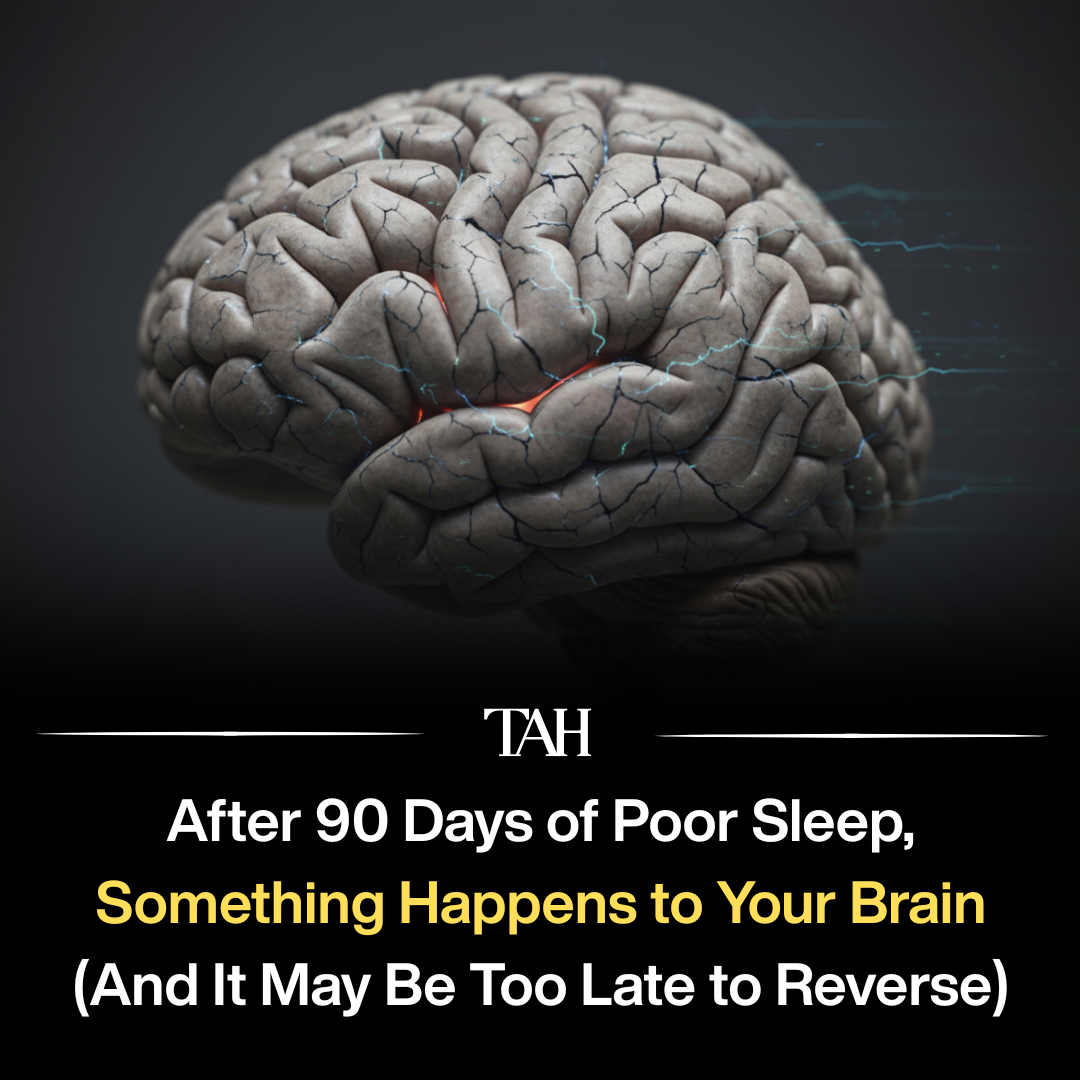
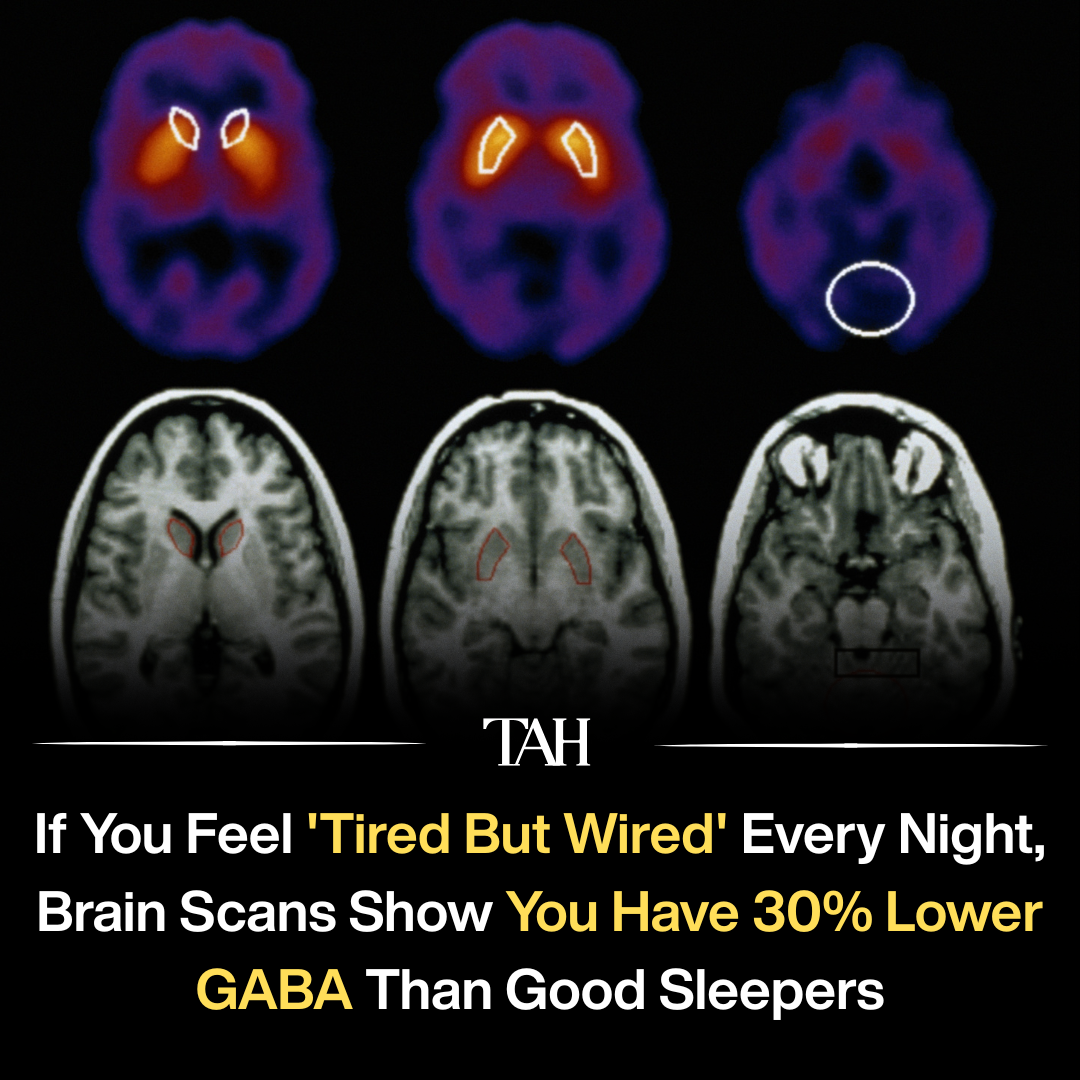
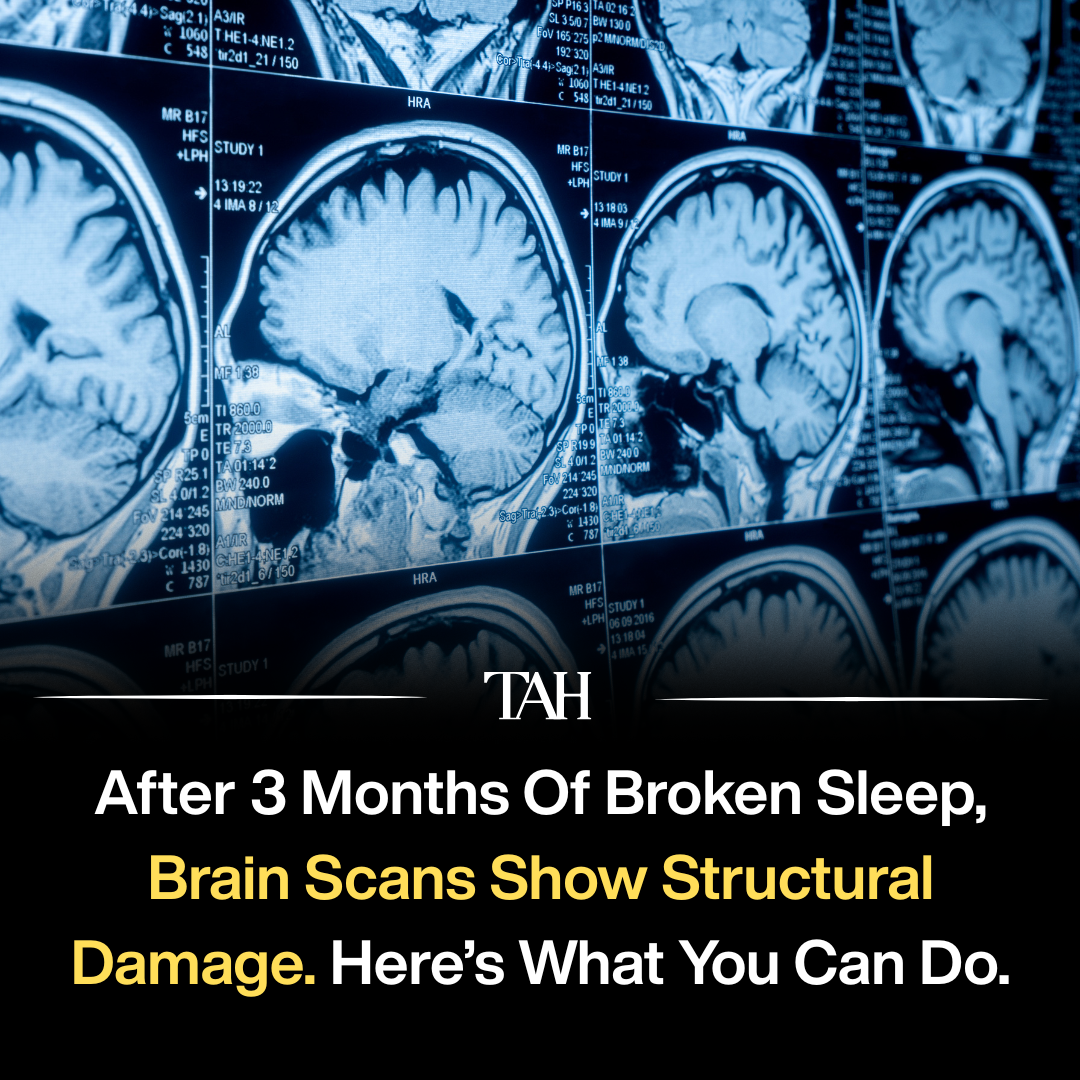
Three months of broken sleep isn't just making you tired. It's causing structural brain changes that researchers warn may be permanent. A groundbreaking study from the University of Pennsylvania School of Medicine made a discovery that should alarm anyone who's been struggling with sleep for months: chronic sleep loss doesn't just impair function—it kills brain cells. Researchers used mice models to study what happens during extended periods of inadequate sleep. What they found was disturbing. During short-term sleep loss (a few days), neurons in the locus coeruleus—a brain region critical for alertness and cognition—protected themselves by upregulating a protein called SirT3. This acts as a shield against damage. But after chronic sleep restriction (mimicking weeks to months of poor human sleep), this protective response disappeared entirely. Brain cells stopped defending themselves. The result? Up to 25% of these critical neurons died. And crucially, even after a full month of recovery sleep, the neuron loss did not reverse. Dr. Sigrid Veasey, the study's lead researcher, stated: "You can push the system a little bit, but you can't push it too hard and for too long or you'll have irreversible consequences." Human brain imaging studies have confirmed similar patterns. Research published in Translational Psychiatry found that after just 32 hours of sleep deprivation, MRI scans showed widespread alterations in cortical microstructure—changes in myelin levels and dendrite density across multiple brain regions. A pilot study in the journal Sleep examined people with chronic insomnia and found significantly reduced hippocampal volumes compared to good sleepers—actual structural shrinkage of a brain region critical for memory formation. Here's what this means if you've been struggling with sleep for 3+ months: Months 1-2: Your brain is actively trying to protect itself, but you're accumulating damage faster than it can repair Month 3+: The protective mechanisms begin failing, and permanent structural changes may begin—neuron death, reduced brain volume, altered connectivity Beyond 90 days: Research suggests you've crossed a threshold where some damage may be irreversible, even with perfect sleep restoration The good news? Intervention before this point can prevent permanent damage. But it requires addressing the root cause, not just treating symptoms. The research is clear on what's actually broken: 1. GABA depletion – Studies show people with chronic insomnia have up to 30% lower GABA levels. This neurotransmitter is essential for entering deep sleep where repair occurs. 2. Neuroinflammation – Chronic sleep loss triggers inflammatory cascades that directly damage brain tissue. Studies show increased inflammatory markers persist even after sleep improves. 3. Failed neuroprotection – The brain's natural protective responses (like SirT3 upregulation) become exhausted after prolonged sleep deprivation. Melatonin won't fix this. Sleep hygiene won't fix this. These aren't problems of sleep timing—they're problems of brain chemistry. Research on glycine (3 grams before bed) combined with GABA precursors and adaptogenic herbs has shown the ability to restore deep, slow-wave sleep by addressing the underlying neurochemical imbalances. The window for intervention is closing if you're already past the 90-day mark. But studies show that even chronically sleep-deprived brains can recover when given the right neurochemical support—before permanent structural changes set in. [Discover the research-backed formula specifically designed to restore deep sleep by replenishing GABA, calming neuroinflammation, and supporting neuroprotection—before irreversible changes occur.]
7 Neurochemical Deficiencies Destroying Your Sleep (And the Research-B
If you've been lying awake at 2 or 3 AM, increasing your melatonin dose and still getting nowhere — you're not doing anything wrong. And you're not alone. What researchers have now identified is that chronic insomnia almost never comes down to one problem. It comes down to seven — seven specific...
LEARN MORELike this ad? Make it yours.
Crush rebuilds this exact creative around your product — your brand, your colors, your offer — in about a minute.