
Active· since Dec 6, 2025
- 233
- days running
- 1
- relaunches
Ad copy
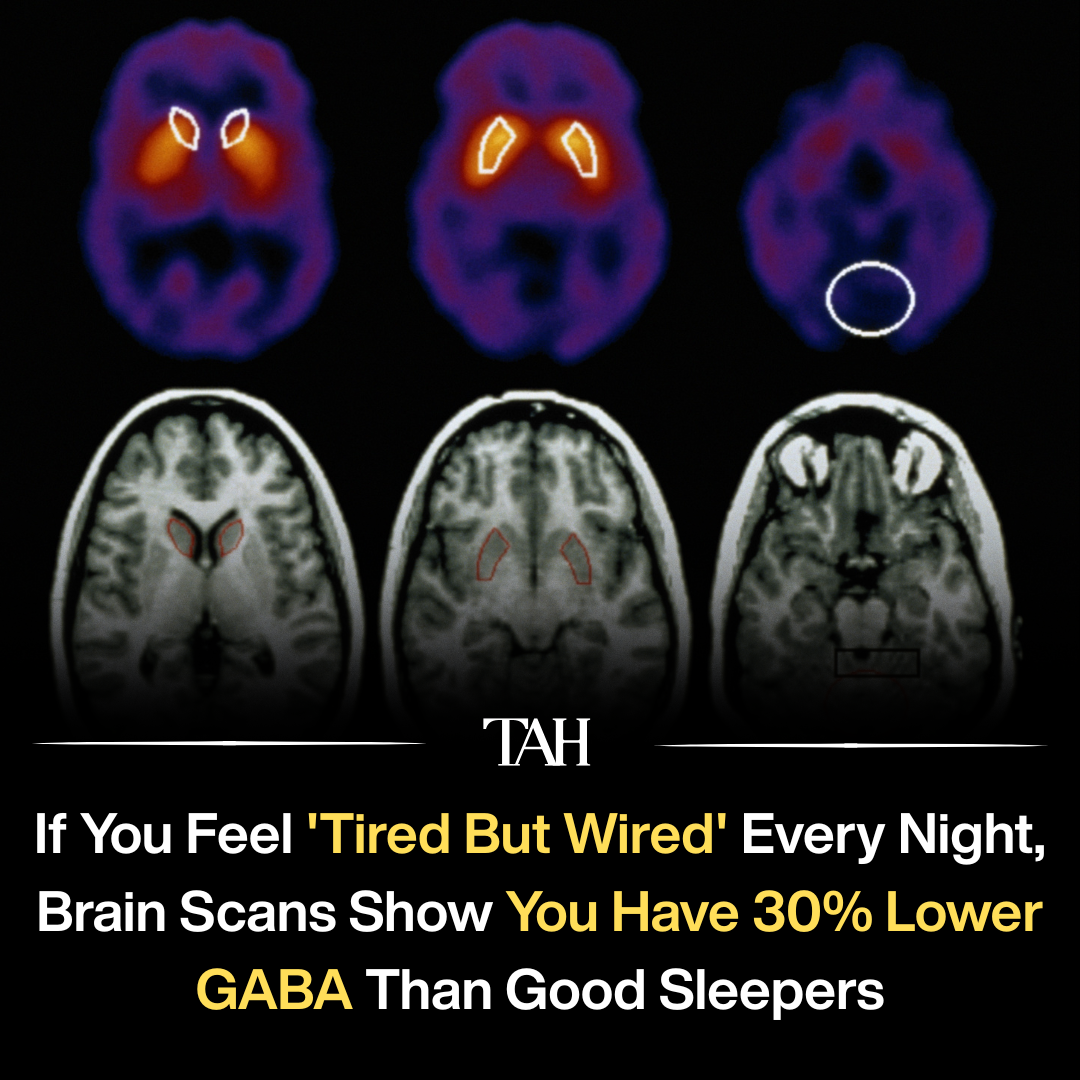
You know the pattern. Fall asleep around 10:30. Exhausted. Then your eyes snap open at 3:17 AM. Your mind immediately starts racing: Tomorrow’s presentation. That email you forgot. Revenue numbers. Team issues. Your kid’s school project. Your body is exhausted… but your brain is spinning like it’s the middle of the day. 30 minutes pass. Then 45. Sometimes you don’t fall back asleep until 5 AM. Right before your alarm. If this has been happening for months—or years—you need to understand something: This isn’t insomnia. It’s a cortisol spike. And it’s damaging your brain every single night. Let me explain. Your Stress System Is Stuck “On” Your body has a stress-response system called the HPA axis. It controls cortisol—your stress hormone. In a healthy person, cortisol follows a clean curve: ✔ High in the morning ✔ Drops through the day ✔ Lowest at night (so you sleep deep) But when you’ve spent years in chronic stress cycles— making decisions, solving fires, pushing through exhaustion— your HPA axis adapts. It keeps cortisol elevated… because that’s what you trained it to do. The problem? It forgets how to turn off. A study from the Journal of Clinical Endocrinology found high-achievers have cortisol dysregulation at 3x higher rates. And here’s the kicker: Between 2–4 AM, your body performs a “stress system check.” For healthy people, it’s tiny. You never notice it. But for people with HPA dysfunction? It’s a massive spike. Large enough to: → Pull you straight out of deep sleep → Activate fight-or-flight → Spike heart rate → Flood your brain with adrenaline Your brain thinks there’s danger. So it wakes you up and refuses to let you sleep again. There is no danger — your body just can’t tell anymore. Why Nothing You’ve Tried Has Worked Melatonin? Helps you fall asleep… does NOTHING for a cortisol spike. Melatonin is a timing signal. It can’t override “EMERGENCY.” Sleep hygiene? Cool room. Routine. No screens. Great habits — wrong tool. Your problem isn’t behavioral. It’s biochemical. Meditation? Helpful for daily stress. Useless against years of HPA damage. Prescription sleep meds? Knock you unconscious… destroy deep sleep… don’t touch cortisol… and build dependency. “Just stress less”? You’re building something. The stress isn’t optional. The reason nothing worked? You’re treating the symptom (the wake-up) instead of the cause (cortisol dysfunction). The Real Problem: 7 Neurochemical Deficiencies After analyzing 200+ sleep studies, researchers discovered: The 3 AM wake-up isn’t caused by one issue… but SEVEN neurochemical failures happening at the same time. Here are three: Deficiency #1: Cortisol Dysregulation Your nighttime cortisol spikes when it should be lowest. Stanford found elevated cortisol reduces deep sleep by 50%. Without deep sleep, your brain can’t: → Flush toxic proteins → Repair neural damage → Consolidate memories → Restore cognitive function No repair = daily decline. Deficiency #2: GABA Depletion GABA is your brain’s “off switch.” Poor sleepers have 30% lower GABA (MRI studies). Low GABA = your brain cannot slow down neural activity. This is the “wired but tired” state: Body exhausted. Brain firing uncontrollably. Deficiency #3: Overactive Nervous System Your nervous system should shift from “fight-or-flight” to “rest-and-digest.” But in people with chronic wake-ups? It stays stuck in alert mode. When the cortisol spike hits? Full emergency activation. Heart rate up. Breathing shallow. Adrenaline firing. You're not just awake. You're on high alert. And there are 4 more deficiencies making this even worse… What This Is Costing You Harvard research: One week of poor sleep = 25–40% drop in executive function. Meaning: → Slower decisions → Fewer insights → More errors → Worse creativity You’re operating at ~60% capacity. UC Berkeley found sleep deprivation makes the emotional brain 60% more reactive. That snap at your partner or your team? That wasn’t “you” — that was sleep-driven impulse loss. JAMA Neurology: Each 1% drop in deep sleep = 27% increased dementia risk. Chronic cortisol dysregulation is linked to: → Brain shrinkage → Memory decline → Accelerated aging → Metabolic dysfunction → Heart disease You're building success while silently destroying your brain’s performance. And it compounds: Poor sleep → Higher cortisol → Worse sleep → Higher cortisol… Unless you break the loop, it spirals for 10–15 years. What Actually Works You can’t fix a 7-deficiency problem with a 1-ingredient solution. Melatonin fixes zero. Magnesium fixes one. Ashwagandha fixes maybe two. The only proven solution? Address all 7 pathways simultaneously. For Cortisol: → Ashwagandha (400mg) → Rhodiola → Lemon Balm For GABA: → GABA (500mg) → L-Theanine (250mg) → Glycine (3000mg) For Nervous System: → Magnesium Glycinate → Passionflower → Taurine (1000mg) For Deep Sleep: → Glycine (3000mg) The key? All of these, together, at clinical doses. Not a handful. Not “one ingredient that went viral on TikTok.” All. Seven. Pathways. 1,000+ High-Performers Fixed This Marcus, 38, tech founder. Woke at 3:17 AM every night for 3 years. After fixing all 7 deficiencies: Night 1: Felt calm, not sedated. Day 5: Slept through the night for the first time in years. Week 2: Consistent 7–8 hours. Team asked if he’d been on vacation. Month 2: Closed two major deals. Six months later: Normal cortisol. High energy. Best sleep in a decade. He’s not unique. Thousands saw the same transformation. Not by “trying harder.” Not by melatonin. Not by hacks. But by fixing the root neurochemical imbalances causing the 3 AM wake-up. See All 7 Deficiencies & the Research-Backed Fix You've seen 3 of the 7 deficiencies. The remaining four are just as critical — and just as fixable. If you're tired of waking up at 3 AM… Tired of performing at 60%… Tired of feeling wired, tired, and mentally drained… Here’s where to see the full breakdown and the solution high-performers are using: 👉 See All 7 Neurochemical Deficiencies & the Research-Backed Formula →
Like this ad? Make it yours.
Crush rebuilds this exact creative around your product — your brand, your colors, your offer — in about a minute.