
Inactive· since Dec 6, 2025
- 177
- days it ran
- 1
- relaunches
Ad copy
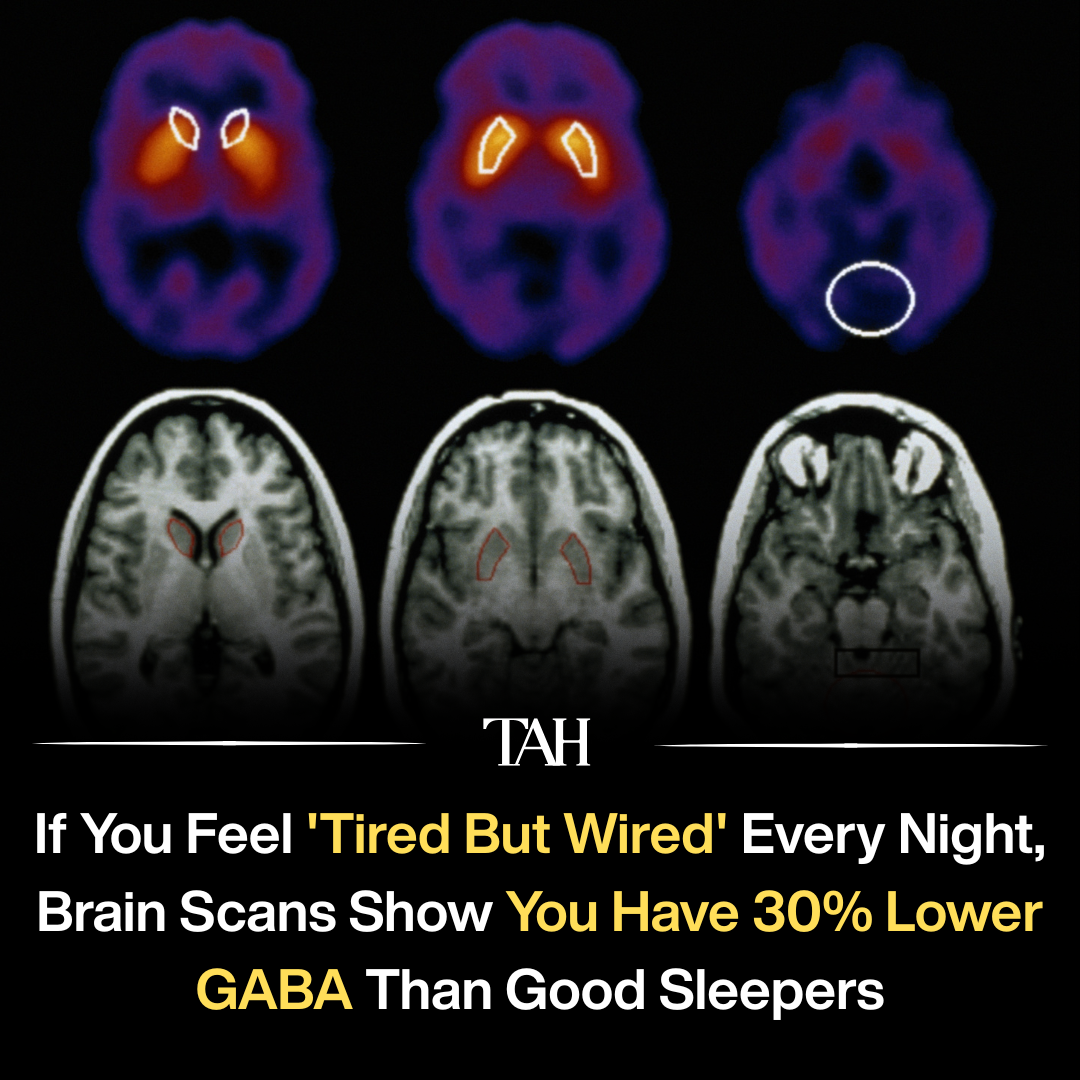
Let me guess what's in your bathroom cabinet. Melatonin. Multiple bottles. Different doses. Magnesium. Maybe glycinate. Maybe citrate. Valerian root. Chamomile tea. Lavender everything. Maybe CBD. Maybe prescription sleep meds you're afraid to rely on. Sleep mask. White noise machine. Blackout curtains. You've read all the sleep hygiene articles. Tried all the meditation apps. Downloaded sleep trackers. Adjusted your temperature. Your mattress. Your pillow. And you still can't sleep. Or you sleep, but wake up exhausted. Or you fall asleep fine, then wake at 3 AM. Or you lie there for 2 hours before sleep finally comes. After years of trying "everything," you're starting to believe: "Maybe I'm just someone who can't sleep." "Maybe this is just how my life will be." "Maybe there's something fundamentally broken in me." Let me stop you right there. You're not broken. You've just been treating the wrong problem. Let me explain. Why "Everything" Didn't Work Here's what happened: Every solution you tried addressed ONE thing. Maybe two things if you were lucky. Melatonin? Timing signal. That's it. Magnesium? Helps with muscle relaxation and nervous system calming. One pathway. Sleep hygiene? Assumes your problem is behavioural. Meditation? Helps manage stress. Doesn't fix neurochemistry. Prescription meds? Force sedation. Don't address root causes. The problem? Chronic insomnia isn't caused by one deficiency. It's caused by 7 interconnected neurochemical failures happening simultaneously. And until you address ALL 7? Nothing will work long-term. The Research That Changed Everything Dr. Rachel Morrison was in your exact position. Physician. 41 years old. Chronic insomnia for 8 years. And she had access to EVERY solution available. She tried them all. Nothing worked for more than a few weeks. "I felt like a failure. I'm a DOCTOR treating sleep disorders in patients. And I couldn't fix my own sleep." Then she discovered research that changed everything: A comprehensive analysis of 200+ sleep studies revealed: Chronic insomnia is rarely about sleep mechanisms failing. It's about the HPA axis (your stress response system) being stuck in overdrive. Your brain isn't failing to sleep. Your brain is being actively prevented from sleeping by 7 neurochemical imbalances. Let me show you three of them: Deficiency #1: HPA Axis Dysfunction (Cortisol Dysregulation) Your stress response system should regulate cortisol in a daily rhythm: → High in morning (wake you up) → Low at night (let you sleep) In chronic insomniacs? Cortisol stays elevated 24/7. Or spikes randomly at 2-4 AM. Research in Journal of Clinical Endocrinology: Chronic insomniacs have significantly higher 24-hour cortisol levels. Especially at night. When cortisol is high: → Your sympathetic nervous system stays activated → Your brain thinks there's danger → Sleep is physiologically impossible No amount of sleep hygiene can override a broken stress response. Deficiency #2: Severe GABA Depletion GABA is your brain's "off switch." It's what allows your brain to downregulate. To transition from "alert" to "relaxed" to "asleep." MRI studies show chronic insomniacs have 30% lower GABA than good sleepers. When GABA is depleted: → Your brain can't slow down neural activity → Thoughts race even when you're exhausted → "Tired but wired" becomes your default state Melatonin doesn't increase GABA. Magnesium helps a little. But not enough for severe depletion. Sleep meds hijack GABA receptors temporarily. But don't restore natural levels. Deficiency #3: Chronic Neuroinflammation Years of poor sleep trigger inflammatory changes in your brain. Microglia (brain immune cells) become overactivated. They release inflammatory cytokines: IL-6, TNF-alpha, CRP. This neuroinflammation: → Impairs emotional regulation (amygdala hyperactivity) → Reduces impulse control (prefrontal cortex dysfunction) → Worsens sleep quality → Creates anxiety and irritability UC Berkeley brain scans: After sleep deprivation, the amygdala showed 60% more reactivity. You become more anxious. More reactive. Less able to cope. Which makes sleep worse. Vicious cycle. And there are 4 more deficiencies making this worse... Why You Got Trapped In This It started gradually. Maybe with a stressful period. Job change. Relationship issues. New baby. Health scare. Your sleep got disrupted. Normal stress response. But then it didn't resolve. Because the sleep disruption triggered neurochemical changes: Poor sleep → Lower GABA → Worse sleep → Even lower GABA... Poor sleep → Higher cortisol → Worse sleep → Even higher cortisol... Poor sleep → Inflammation → Worse sleep → More inflammation... Each night of poor sleep made the next night harder. After months? Your HPA axis was completely dysregulated. Your GABA reserves were depleted. Your nervous system was stuck in sympathetic overdrive. Your brain was inflamed. At that point: Melatonin couldn't help (wrong mechanism). Sleep hygiene couldn't help (biochemical problem, not behavioural). Magnesium alone couldn't help (only addresses one pathway). You needed comprehensive neurochemical restoration. But nobody told you that. So you kept trying single-pathway solutions. And kept failing. And started believing you were the problem. You weren't. You just didn't have the right information. The Hopelessness Trap After years of failed attempts, something happens: You start to believe this is just who you are now. "I'm just a bad sleeper." "This is my life." "I've tried everything. Nothing works for me." This hopelessness is dangerous. Not just emotionally. Physically. Because chronic insomnia compounds: Every year of poor sleep: → Increases dementia risk (JAMA Neurology: 27% per 1% deep sleep decrease) → Accelerates cognitive aging → Weakens immune function → Increases cardiovascular disease risk → Worsens metabolic health UC Berkeley longitudinal study: Chronic poor sleep = measurable hippocampal shrinkage in 3-4 years. Your memory centre is literally shrinking. The longer you wait to fix the root cause: The more damage accumulates. The harder it becomes to reverse. But here's the critical thing: It IS reversible. If you address all 7 deficiencies. What Actually Works: HPA Axis Restoration Dr. Morrison—the physician I mentioned—finally tried a different approach. Instead of treating sleep. She treated her HPA axis dysfunction. Multi-pathway neurochemical restoration: For HPA Axis & Cortisol Regulation: Ashwagandha (400mg, KSM-66®) — Clinical trials show: → Reduces cortisol by up to 28% → Improves sleep quality by 72% → Reduces stress and anxiety Rhodiola & Lemon Balm — Reset cortisol circadian patterns For GABA Restoration: GABA (500mg) — Direct supplementation increases brain levels L-Theanine (250mg) — Boosts natural GABA production Glycine (3000mg) — Enhances GABA activity + lowers body temp (critical sleep signal) For Neuroinflammation: Passionflower (400mg) — Anti-inflammatory + GABA-enhancing Magnesium Glycinate — Reduces inflammatory markers For Deep Sleep Architecture: Glycine (3000mg) — One of few compounds proven to increase slow-wave sleep Taurine — Activates deep-sleep GABA receptors For Nervous System Rebalancing: Valerian, Chamomile — Facilitate parasympathetic activation L-Tryptophan — Supports serotonin/sleep architecture The key? All of these. Together. In clinical doses. Not one or two ingredients. All 7 pathways addressed simultaneously. Dr. Morrison's Transformation "The first night, I felt something I hadn't felt in 8 years: actual calm. Not sedation. Just... calm." Week 1: Fell asleep within 30 minutes. First time in years. Week 3: Sleeping 7+ hours straight most nights. Month 2: "I forgot what it felt like to wake up refreshed. To think clearly. To have patience with difficult patients." Month 6: Got her cortisol levels retested. Normal. For the first time in nearly a decade. "I'd tried 17 different solutions over 8 years. SEVENTEEN. None of them worked because none of them addressed the HPA axis. Once I fixed that—fixed all 7 deficiencies—everything changed." She now recommends this approach to her patients. She's one of 1,000+ people who discovered: They didn't have a sleep problem. They had an HPA axis problem. And when you fix that—everything else fixes itself. The Pattern You Need To See Look at what you've tried: Melatonin → Addresses: timing signal → Deficiencies fixed: 0/7 Magnesium → Addresses: muscle relaxation, some GABA support → Deficiencies fixed: 1/7 (partial) Sleep hygiene → Addresses: environmental factors → Deficiencies fixed: 0/7 Meditation → Addresses: daily stress management → Deficiencies fixed: 0.5/7 (helps but doesn't fix) Prescription meds → Addresses: forces sedation → Deficiencies fixed: 0/7 (actually worsens some) See the pattern? Nothing you tried addressed the comprehensive neurochemical picture. That's why nothing worked. Not because you failed. Not because you're broken. Because you were using the wrong tools. You're Not Alone In This Studies show 10–30% of adults worldwide suffer from chronic insomnia. Most have tried multiple solutions. Most have failed. Most feel hopeless. But over 1,000 people have discovered the truth: When you address all 7 neurochemical deficiencies simultaneously? When you restore your HPA axis instead of just treating symptoms? The insomnia resolves. Not in 5 years. Not in 1 year. Usually within 2-4 weeks. This Could Be The Last Sleep Solution You Ever Need I've shown you 3 of the 7 neurochemical deficiencies. The other 4 are just as critical. If you're exhausted from trying "everything"... If you're ready to address the actual root cause... If you want to see the comprehensive formula that's worked for thousands who'd given up hope... [Discover All 7 Deficiencies & The Formula That Finally Works →] You deserve to sleep again. This is how.
Like this ad? Make it yours.
Crush rebuilds this exact creative around your product — your brand, your colors, your offer — in about a minute.