
Inactive· since Apr 3, 2026
- 91
- days it ran
- 0
- relaunches
Ad copy
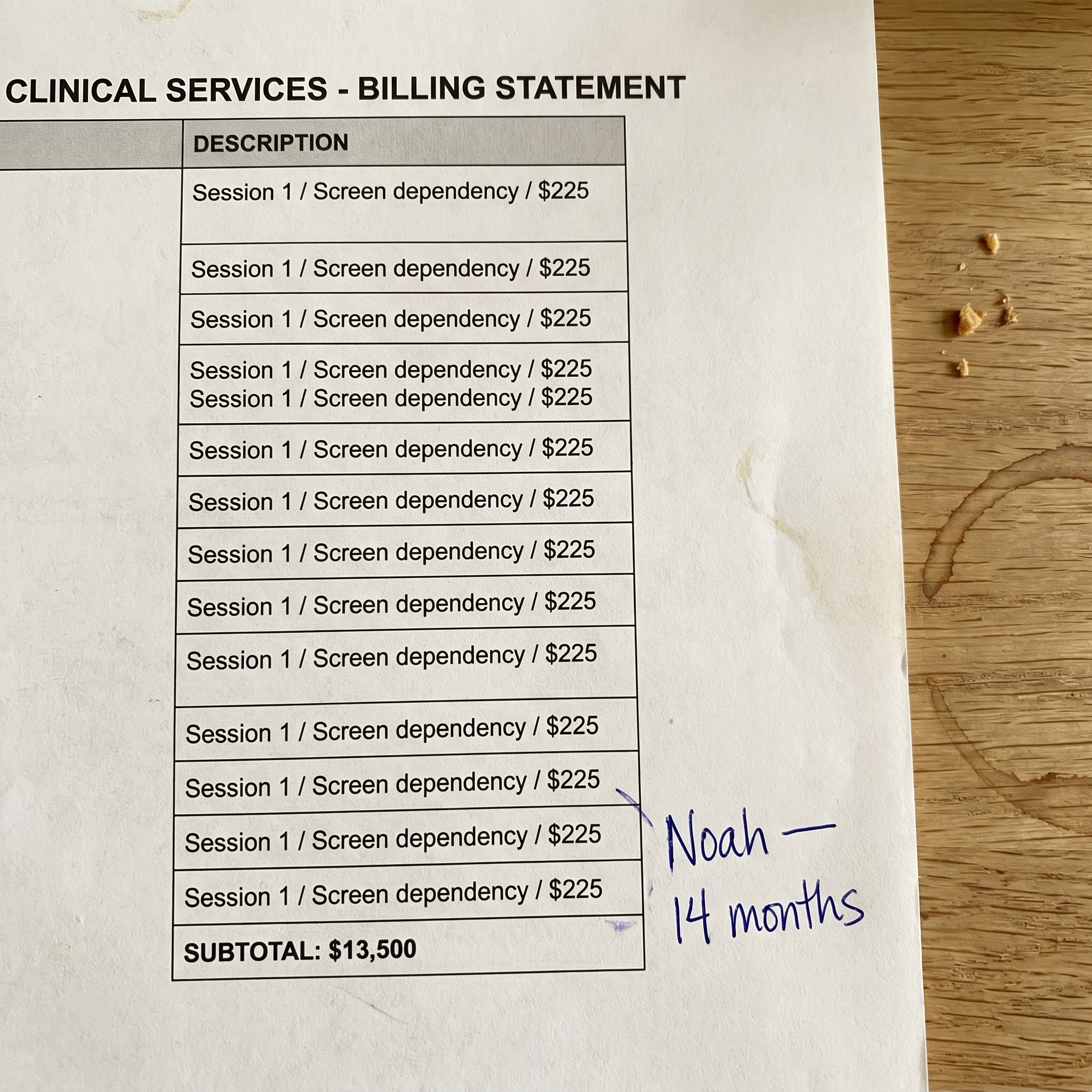
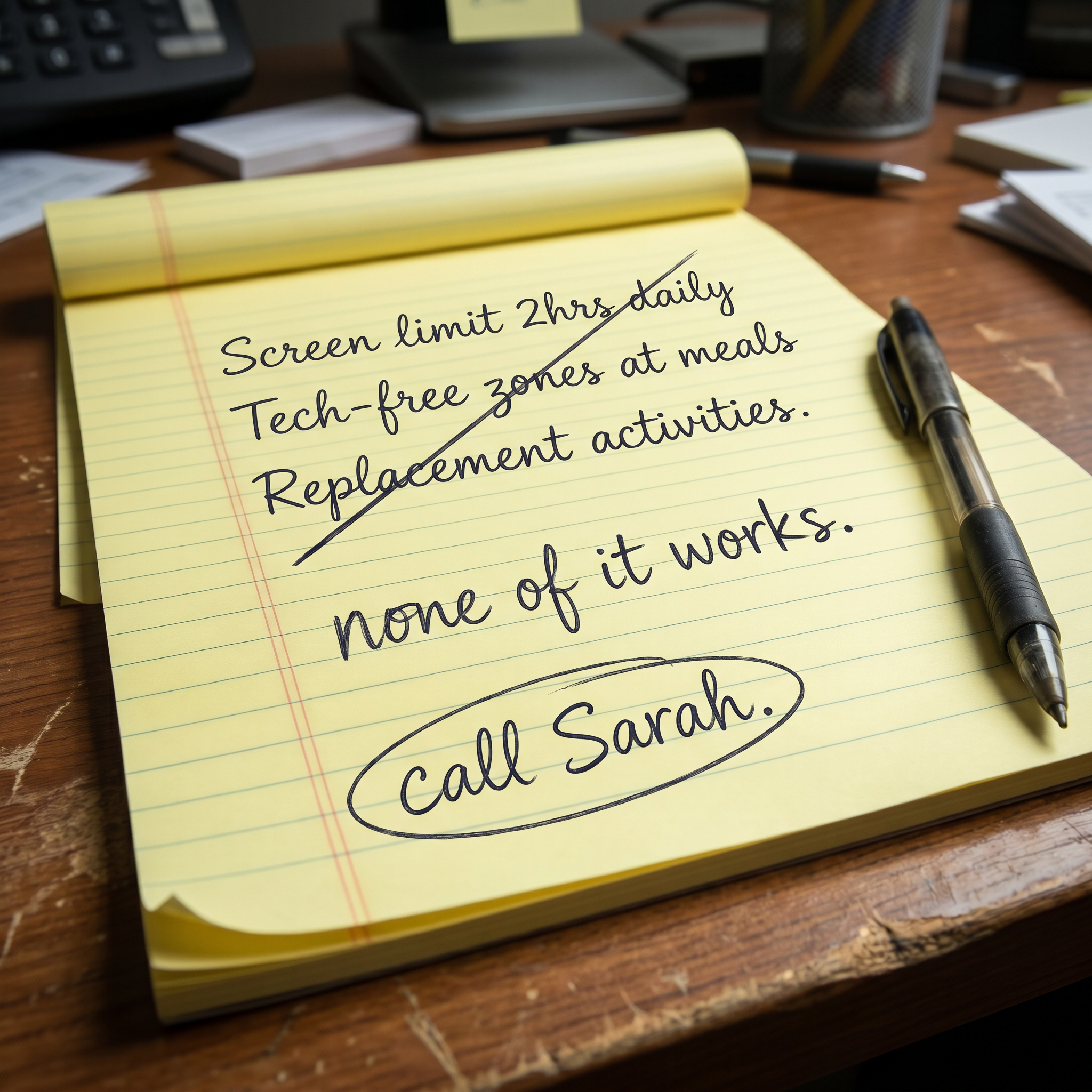
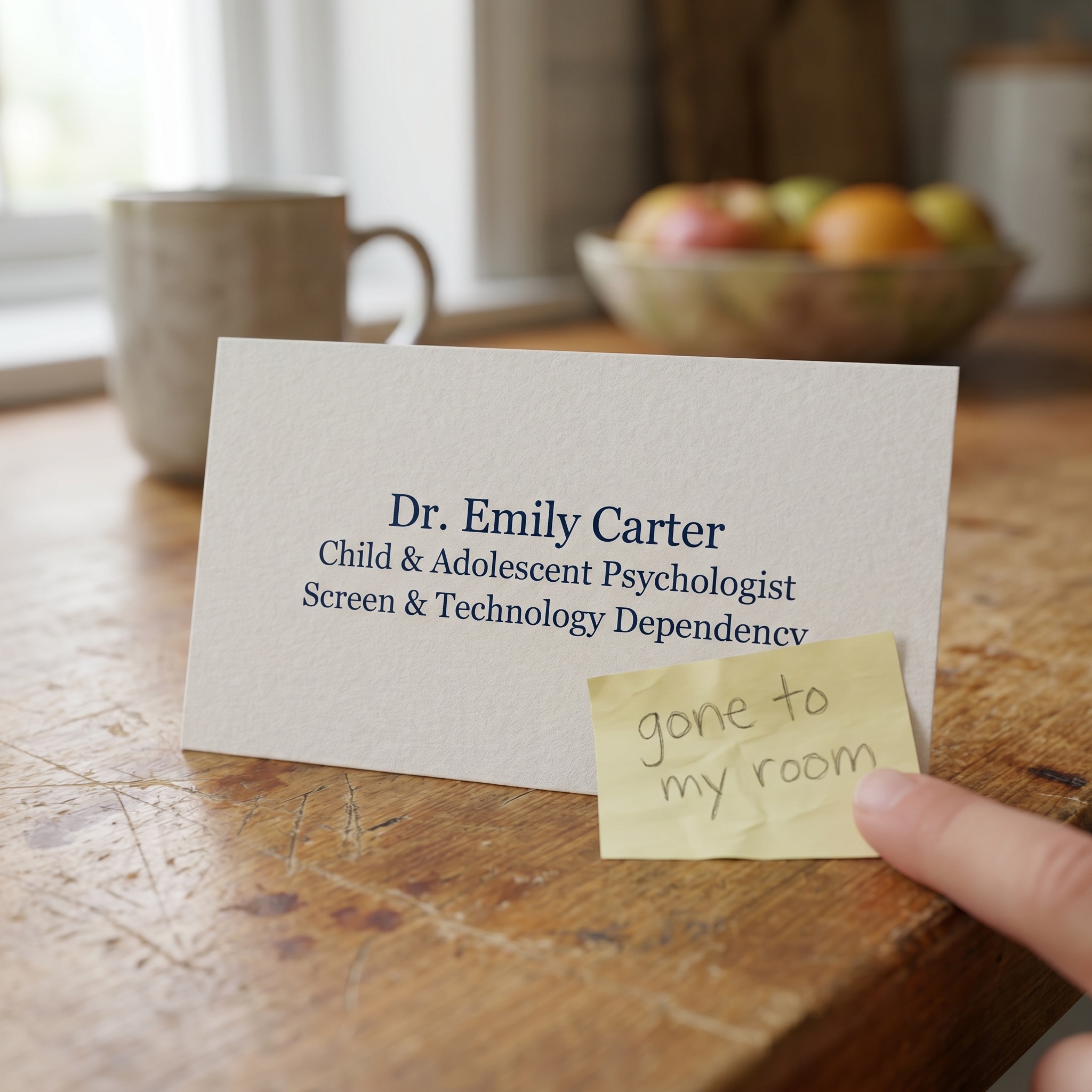
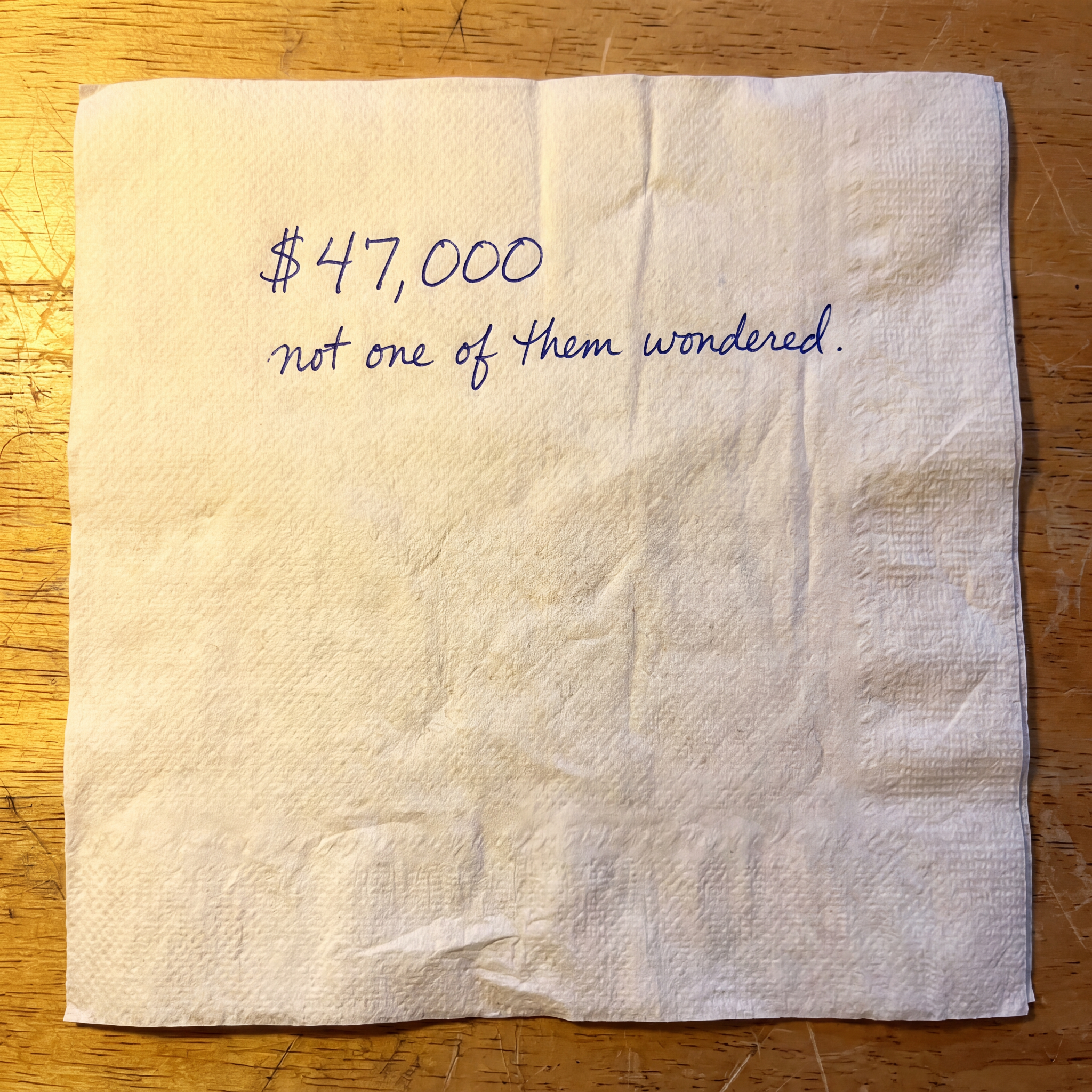
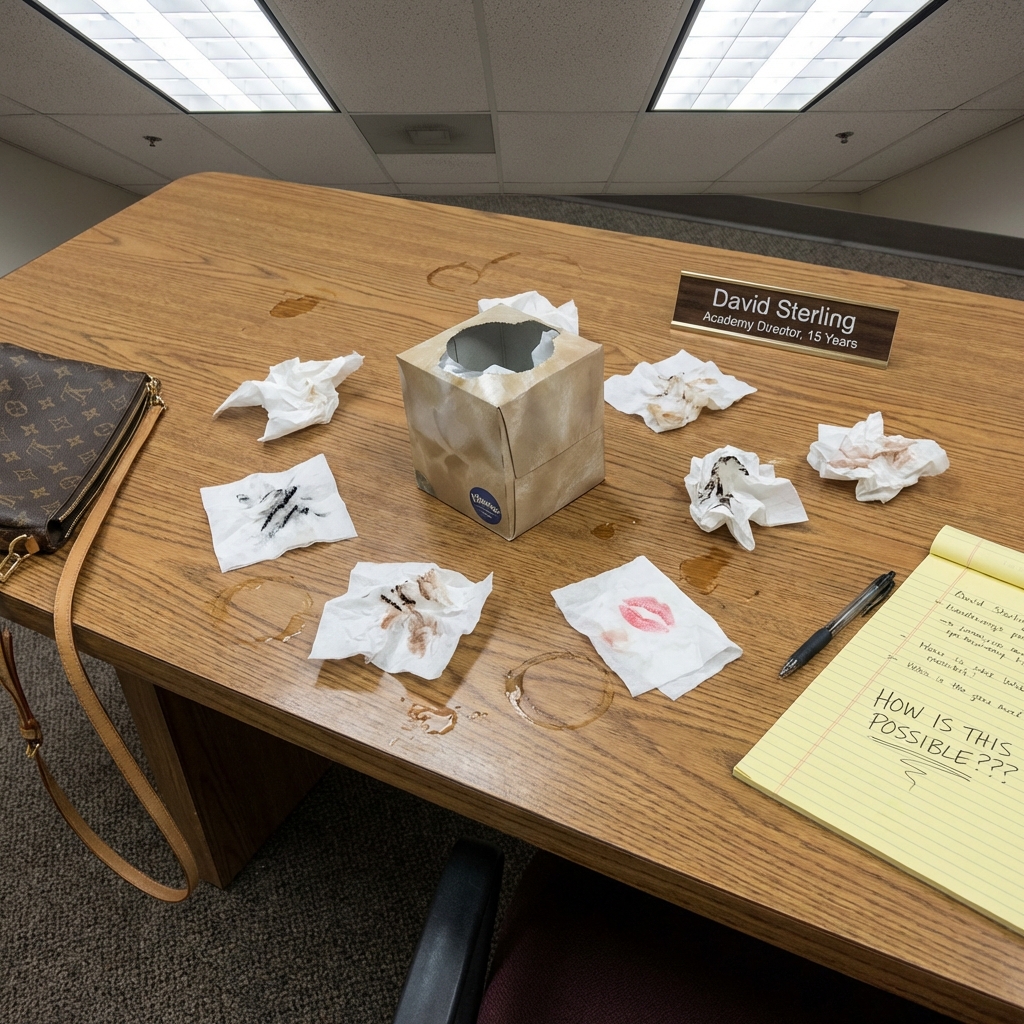
Last Tuesday at 2:47 PM, 24 honor students failed one quiz question. That night, my own son—$105K in tuition—looked at his shoes and whispered "I stopped asking those kinds of questions three years ago, Dad." I killed his curiosity and didn't even notice. Three years. And I didn't know. I've been teaching at one of the most prestigious private academies in the country for 15 years. Parents trust me with their children's intellectual futures. They pay $15,000 a year because they want the smartest kids in the room. Last Tuesday at 2:47 PM, I gave my sixth-graders a Curiosity Quiz. No grades. Just three questions: If the Earth is spinning at 1,000 miles per hour, why don't we fly off? Why is the ocean blue, but the water in your glass is clear? Why does the moon seem to follow your car when you drive? Twenty-four straight-A students stared at their papers. Frozen. After ten minutes, I collected them. Emma wrote: "Because that's just how it is." Marcus wrote: "Because of gravity????" (three question marks—he wasn't confident, he was guessing) Sophia wrote: "God made it that way." Ethan's paper was completely blank. These kids have 4.0 GPAs. They can recite the periodic table. They ace every standardized test. But not one could think through a simple question for thirty seconds. I sat at my desk during lunch. My hands were shaking. I couldn't eat. These parents are paying $15,000 a year. They think we're building the ultimate brains. We're not. We're teaching them how to pass tests. We're raising a generation of kids who can find an answer on Google but can't think through a problem for five minutes. That night at dinner, I couldn't stop thinking about those blank papers. I looked at my own son, Leo. He's eleven years old. Seven years at this academy. $105,000 in tuition so far. If anyone should have a world-class education, it's him. "Leo, quick question. Why is grass green and not orange?" He looked up from his phone. "Because of chlorophyll, Dad." "Right. But WHY is chlorophyll green? Why does it reflect that specific color instead of red or blue?" Seven seconds of silence. He stared at me. Then he looked down at his shoes. "I don't know." "It's okay, buddy. Just think about it for a second. Why do you think—" "Dad, I stopped asking those kinds of questions three years ago." The room went silent. My wife's fork stopped halfway to her mouth. I felt like I'd been hit in the chest. "What do you mean you stopped asking?" He wouldn't look at me. "I used to ask you why all the time. Remember? When I was little?" "Yeah, of course." "You always said 'Google it' or 'I don't know, buddy' or 'we'll look it up later.' But we never did. So I just... stopped." My wife looked at me. She didn't say anything. She didn't have to. Her eyes said: You did this to him. I excused myself from the table. Went to the bathroom. Looked at myself in the mirror. Fifteen years as an education director. A Master's degree. Awards. Recognition. And I'd killed my son's curiosity three years ago. And I didn't even notice it happening. I thought about Leo at age 8. The endless "why" questions. "Dad, why do birds fly in a V?" "Dad, why is the sky blue?" "Dad, how do planes stay up?" And my endless responses: "Google it." "I don't know, buddy." "That's just how it works." "We'll look it up later." (We never did.) Death by a thousand "I don't knows." I hadn't murdered his curiosity in one moment. I'd starved it slowly over three years until it just... stopped breathing. And he'd learned the lesson perfectly: Wondering about the world is a burden. Questions annoy people. Just accept what you're told. That Sunday, I drove to my brother's house feeling like a complete failure. My brother Mark is a public school teacher. His son Toby is six years old. Public school. Hand-me-down clothes. No tutors. No enrichment programs. My wife used to whisper at family gatherings: "Poor Toby. He's going to struggle his whole life." She stopped whispering after what happened that afternoon. We were walking to the car when Toby looked up at the moon. "Uncle David, do you know why the moon follows your car even when you turn?" I was about to say "I don't know, buddy." But Toby didn't wait for my answer. "It's an optical illusion called parallax." I stopped walking. "The moon is so far away that the angle barely changes when you move. But the trees are close, so they move past you at different speeds. So your brain thinks the moon is following you, but really it's just geometry." He was six years old. And he just explained relative motion better than my eleven-year-old at a $15,000-per-year academy. Better than I could. My wife stopped walking. The air felt heavy. I looked at Leo. He was staring at the ground. "Leo, did you know that?" Silence. "Marcus?" "I used to wonder about that. When I was little." "Used to?" "Yeah. Before I stopped asking." My wife's hand found mine. She squeezed it. Not in comfort. In grief. We'd spent $105,000 on our son's education. And he'd learned that curiosity was something you grow out of. The drive home was completely silent. I looked at Mark before we left. My voice was shaking. "Mark. How? How does Toby know all that? Did you hire someone I don't know about?" He laughed. "A tutor? On a teacher's salary? David, I can barely afford groceries." Silence. "A year ago, Toby was exactly like Leo." I felt my stomach drop. "What?" "He was an iPad zombie. Couldn't answer a single why question. I thought he just wasn't that bright." He paused. "I was wrong. He wasn't dumb. He just didn't have the tools to think. Nobody had ever taught him that the world made sense. That questions had real answers." He went inside and came back with a book. Thick. Colorful. Worn from use. "100,000 Whys. Two pages every night. Fifteen minutes. That's it." "A book?" "Not just a book. It's organized by questions kids actually ask. Why is the sky blue. How do airplanes fly. Why do we dream. Toby reads it before bed. We talk about it. And now he sees the world differently. Everything is interesting to him again." Again. That word gutted me. "Mark..." "Yeah?" "Leo used to be like that. Before I killed it." Mark looked at me. "David, Toby is six. Leo is eleven. You've got maybe two years left." "What do you mean?" "The research says curiosity window closes around thirteen. After that..." He trailed off. After that, it's permanent. I ordered the set that night. At 2:33 AM, I couldn't sleep. I sat at the kitchen table searching. "When do kids stop asking why?" What I found made my blood run cold. A Stanford study tracking 1,200 children from ages 5-18. At age 5: Average 73 questions per day At age 8: Average 32 questions per day At age 10: Average 7 questions per day At age 14: Less than 1 question per day The researchers wrote: "This decline isn't natural cognitive development. It's learned helplessness. Children stop asking when they learn their questions are burdens. The window for building epistemological curiosity—the drive to understand how we know what we know—closes around age 13. After that, children either have the habit of investigating the world, or they've learned to accept what they're told without question." Leo just turned 11. I had two years left. I'd already wasted three. The study continued: "By age 14, most children have internalized one of two beliefs: The world makes sense and I can figure it out. The world is random and I should just accept what adults tell me." Leo had learned belief #2. At age 8. Because of me. Week 1: The First Question When the encyclopedia arrived Thursday, I didn't give it to Leo like homework. I didn't want him to resist. Instead, I sat on the couch Friday evening and just opened Volume 1. Leo walked by on his way to get his iPad. "What's that?" "Oh, just something I'm reading. About why dreams feel so real even though they're not." He sat down next to me. Not because I asked. Because for the first time in three years, something sparked. The iPad stayed off. Monday morning, Leo came downstairs for breakfast. "Dad, I was thinking about what we read last night." I looked up from my coffee. My heart was pounding. "If our brains create dreams using memories, does that mean we can only dream about things we've already seen?" He was asking why again. For the first time in three years. I wanted to cry. Instead, I said: "What do you think?" He thought about it. "I don't know. But maybe that's why babies don't dream much? They haven't seen enough stuff yet?" "Let's look it up together after school." He smiled. I hadn't seen that smile in three years. Week 3: The Breakthrough Leo was struggling with fractions in math class. His tutor had drilled him on the process: find common denominator, add, reduce. He could do it. But he didn't understand why it worked. One night, we read about "Why do we need fractions instead of just using whole numbers?" The next day, Leo came home excited. Excited. I hadn't seen him excited about learning in years. "Dad, I get it now. Fractions aren't numbers. They're relationships. Like, 1/2 isn't a thing. It's describing how one thing relates to another thing." His tutor called me that week. "Mr. Sterling, what happened? Leo is explaining fraction concepts to me now. He's not just computing. He's understanding." Week 6: I Was Learning Too Here's what I didn't expect. I was learning alongside him. At 43 years old, with a Master's in Education, I finally understood: Why thunder comes after lightning Why ice floats instead of sinking Why leaves change color in fall Things I should have learned in school but never did. Because I'd been taught the same way I taught Leo: Memorize the answer. Don't ask why. Marcus and I were discovering the world together. And for the first time since he was eight years old, I felt like I was actually present in his childhood. Not managing it. Living it. Week 10: The Redemption My company had another event. Same CEO. Same estate. Leo saw Toby by the pool again. Toby was looking at the clouds. "Why are some clouds flat on the bottom?" he asked no one in particular. Leo—without hesitation—said: "Because warm air rises until it hits cooler air at the same altitude. That's where it stops rising and spreads out sideways. So all the clouds form at the same height, making them flat on the bottom." Toby's eyes went wide. "How do you know that?!" "My dad and I read about it." Mark walked over. He looked at Leo. Then at me. "What changed?" I smiled. "I stopped killing his questions." Week 12: The Conversation I'd Been Avoiding One night, Leo asked me something I wasn't ready for. "Dad, why did you stop answering my questions when I was little?" I put the book down. "I don't know, buddy. I think... I think I was tired. And I didn't actually know the answers. And it felt easier to just say 'Google it' than to admit I didn't know." He was quiet for a long time. "Dad?" "Yeah?" "I'm glad we do this now. I thought I was stupid for three years. Because I had questions but everyone acted like they didn't matter." My throat closed up. "You're not stupid, Leo. You never were. I just... I didn't give you the tools." "I know that now." Week 14: My Classroom Monday morning, I brought the encyclopedia to my academy classroom. I didn't make an announcement. I just started using it. When Emma asked "Mr. Sterling, why does this matter? It's not on the state test," I almost quit. I thought: Maybe memorization IS enough. Maybe I'm wrong. But then Ethan—the kid who usually checks out after ten minutes—raised his hand. "Wait. If the Earth is spinning so fast, why doesn't the water in the ocean fly off?" It was just one question. But it was the first time Ethan had ever asked WHY instead of WHAT. Week 18: They Started Reasoning We were reading about why the ocean is blue. Ethan sat forward in his chair. "Wait. So water molecules absorb red light but reflect blue light? And you need billions of molecules stacked up for it to work? That's why a cup is clear but the ocean is blue?" "Exactly." "That's actually really cool." Sophia raised her hand. "So if you filled a swimming pool the size of the ocean, would it turn blue too?" "What do you think?" She worked through it out loud. "Yeah. Because it's not about being the ocean. It's about how many molecules are stacked together." She wasn't reciting a textbook. She was thinking. The Call The principal pulled me aside. "David, I've had five parents call this week asking what you're doing." My stomach dropped. "Am I in trouble?" "Trouble? No. They're asking why their kids suddenly won't stop asking questions at dinner. Emma's mother said her daughter spent twenty minutes explaining wavelength scattering last night." She paused. "These parents pay $15,000 a year expecting their kids to be impressive. This week, they actually were." What I Tell Parents Now If you're paying for private school and assuming good grades mean deep thinking... If your child gets straight A's but can't explain why grass is green... If you've ever watched your kid Google an answer instead of thinking for five seconds... If you've ever said "I don't know" without adding "let's find out together"... If your child used to ask "why" constantly but doesn't anymore... If you didn't notice when they stopped... I need you to know: they're not broken. We broke them. Not on purpose. But we did it. Every "I don't know" without a "let's find out together." Every "Google it" instead of "what do you think?" Every question we treated as an interruption instead of an invitation. We taught them that wondering wasn't worth it. The Stanford study haunts me: Between ages 6-14, children either develop reasoning skills or they don't. After 14, the window closes. Not "gets harder." Closes. Leo turns 13 in eighteen months. I wasted three years. I have eighteen months left to undo the damage. The encyclopedia that brought my son back—that's changing my classroom—is called 100,000 Whys. Over 200 topics. More than 1,000 illustrated entries organized by questions kids actually ask. Why is the sky blue. How do airplanes fly. Why do we dream. Two pages a day. Fifteen minutes. You and your kid. Together. It's not about making them smarter. It's about not killing what makes them smart. I almost lost Leo at age 8 and didn't realize it until he was 11. Three years gone. Eighteen months left. How much time do you have?
read this if you have kids or grandkids 👆
INTELLECTUAL ADVANTAGE DAILY Children's Encyclopedia ➡ Children's Intellectual Development Report Top Educator Exposes the "Cognitive Window": Why Most 8-Year-Olds Lose Their Intellectual Edge (And the "Elite Secret" to Getting It Back) By David Sterling, Retired Academy Director April 01, 2026 at...
SHOP NOWLike this ad? Make it yours.
Crush rebuilds this exact creative around your product — your brand, your colors, your offer — in about a minute.