
Inactive· since Aug 13, 2026
- 27
- days it ran
- 0
- relaunches
Ad copy
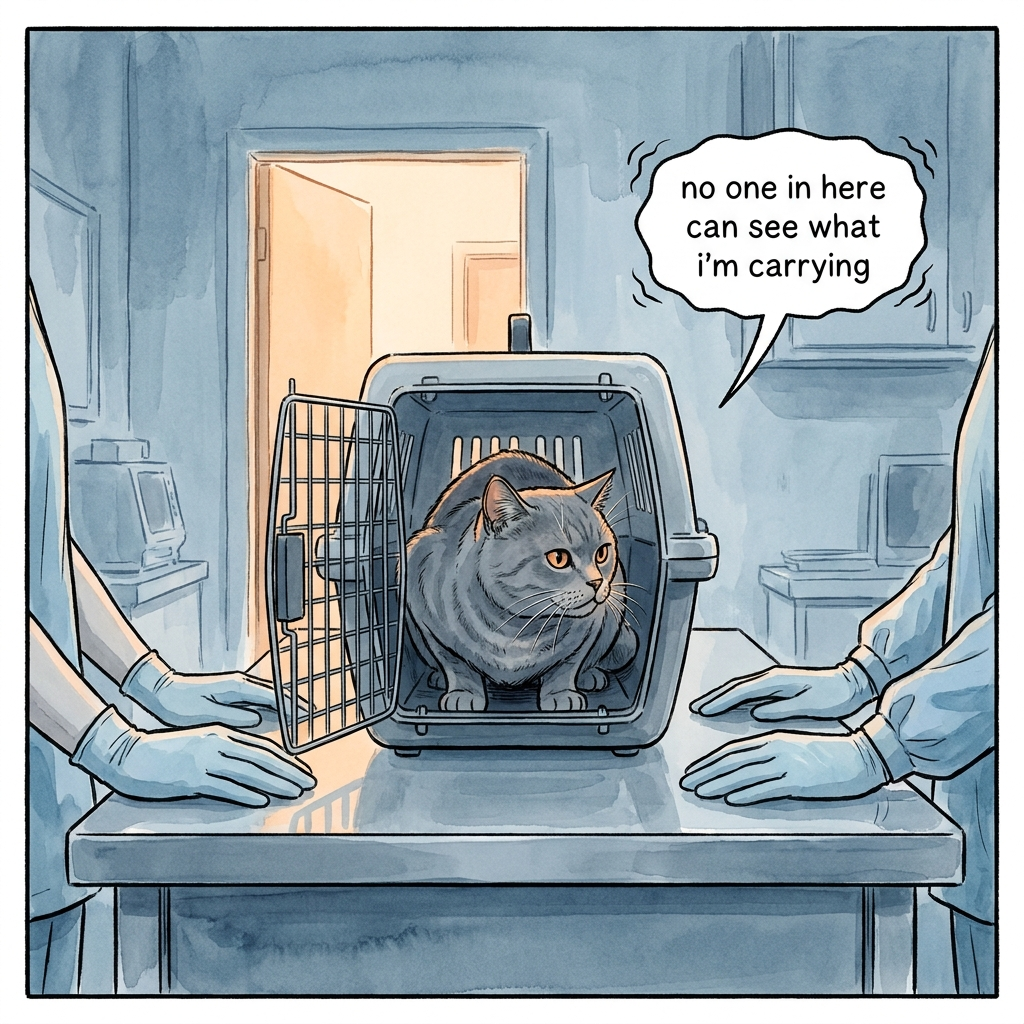
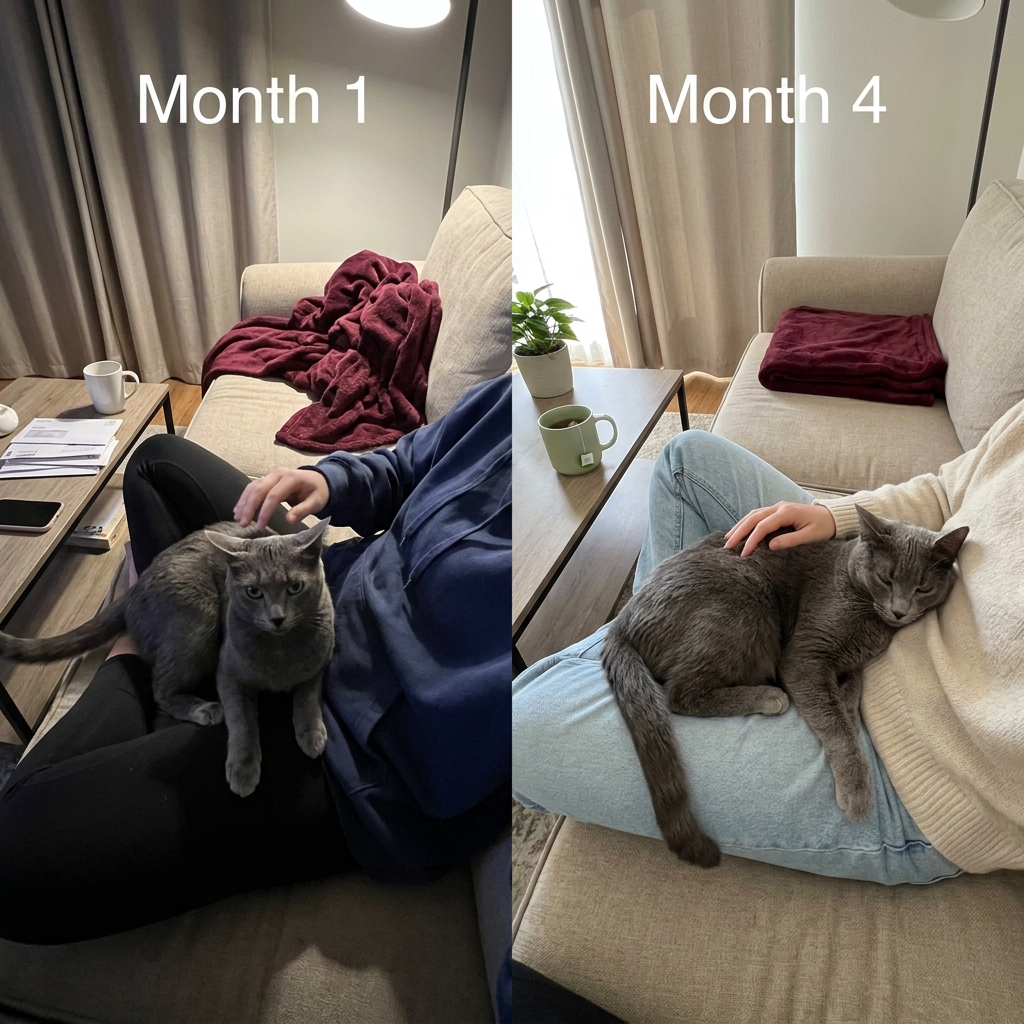
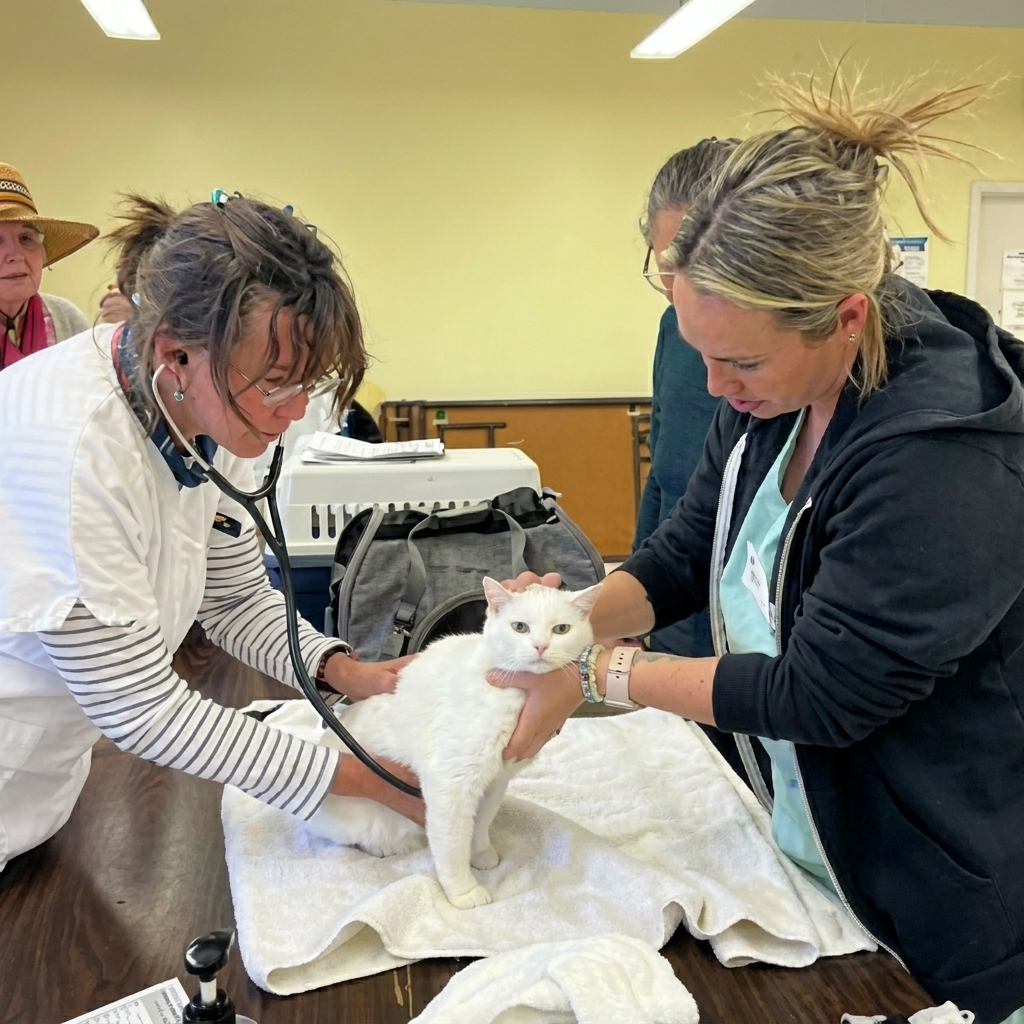
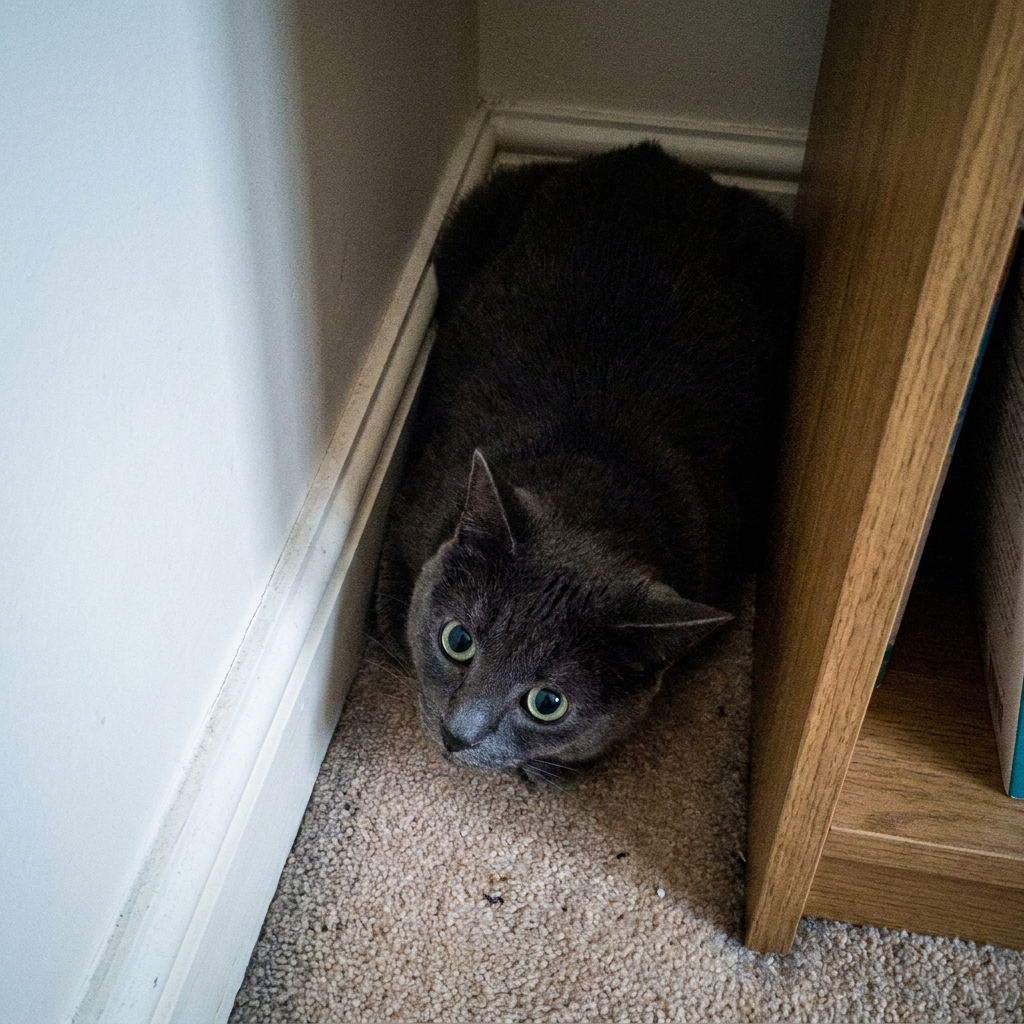
I'm going to lose my f*cking mind if one more person posts "my cat purrs and then bites me for no reason, is she just mean?" and gets forty replies saying some cats are just like that and she's asserting dominance and mine does it too, it's a love bite. SHE IS NOT MEAN. AND IT IS NOT RANDOM. She warned you. Every single time. Her tail started flicking, the skin along her back rippled, one ear rotated back, and the purr changed pitch about four seconds before it happened. That's a cat saying stop in the only language she has, and nobody ever taught you to read it. My name is Dr. Demitro. I've been a small-animal veterinarian for twenty-two years, northern Colorado. And I need to tell you something about petting aggression that's going to change what you do tonight. Because for twelve years, I watched the same conversation repeat. Someone brings in a cat. Not sick. Nothing wrong on exam. "She bites me. Out of nowhere. She'll be purring in my lap and then she just goes for my hand." And I'd say: "It's petting-induced overstimulation. Very common. Try shorter sessions. Stick to the head and cheeks, avoid the belly and the base of the tail. Stop before she's had enough." They'd go away and try it. Two weeks later: still biting. "Try even shorter. Thirty seconds, then stop." Still biting. "Watch for the tail flick. Stop when you see it." Still biting — and now she's flicking almost immediately. "Some cats just have a low tolerance for handling. She may always be like this." That conversation happened so many times I stopped hearing myself have it. And every single piece of advice I gave was about managing the threshold. Not one thing I said in that room went anywhere near why the threshold had moved. Four years ago I went back through my own records. Not a study. I want to be precise about that, because I'm about to tell you what I found and you should know exactly what it is and isn't. I pulled every petting-aggression case I'd seen where the physical exam was clean, and I looked at what was actually in the notes. And the pattern was uncomfortable, because it wasn't in the complaint. It was in the rest of the file. Almost every one of those cats had something else going on. Overgrooming. Night vocalising. Hiding. Litter box issues. Spraying. A second cat they didn't get on with. Different presentations, same file, over and over — and I had been treating the biting as a standalone handling problem in cats who were visibly loaded in three other directions. So I started phoning owners and asking a question I'd never once asked in an exam room. Not how long can you pet her. When did it start? And every single one of them could answer immediately. Nobody had to think about it. "After we moved." "When we got the second cat." "About a year ago. She used to sit on me for an hour." "Since the baby." "After the building work next door." Not one of them said she's always been like this. Not one. They all described a cat who used to be fine — and a point where that changed. That's not a temperament. Temperament doesn't have a start date. Here's what's actually happening. Petting a cat is not neutral. It's a repeated tactile signal, and every stroke adds to a running total of sensory input she has to process. Every cat has a ceiling on that total. Hit it and the pleasant sensation flips — genuinely flips — to something closer to irritation or overload. Then she does the only thing available to an animal who can't say that's enough: she makes it stop. That ceiling isn't a personality trait. It's a number, and it moves. Because that stroke count doesn't start from zero. She's already carrying whatever the day put on her. A stress system that spikes and never quite comes back down. A night with no real sleep. Hours of scanning a room where nothing is happening. Another cat in the hallway she has to keep track of. She arrives in your lap already partway up the meter. So the same eight strokes that used to be nothing now land at the top of a tank that started three-quarters full. Nothing changed about how she feels about you. Everything changed about where she starts from. And that's why "shorter sessions" only ever half-works. You're rationing input against a ceiling that keeps dropping. It buys you a few weeks. Then it doesn't, and you ration harder, and eventually you're getting thirty seconds with a cat who used to sleep on your chest. You are managing the last four inches of the problem. Now — the two things I told people for years that I'd take back. "She's asserting dominance." I never said that one, but the internet says it constantly and it's rubbish. There's no dominance in it. She isn't making a point. She's ending an input. "Just stop before she's had enough." That one is mine, and it's not wrong, it's insufficient. It's real advice for a normal cat with a normal ceiling. Given to a cat whose ceiling has collapsed, it turns you into someone who touches their own pet on a timer, flinching, waiting for the tail. Which is a miserable way to live with an animal, and I sent people home to do it for years. And here's the part that actually gets me. When it goes on long enough, people stop. Not consciously. You just start reaching for her less. You pet her twice instead of for ten minutes. You don't let her get comfortable in your lap because you know how it ends. Which is, from her side, the withdrawal of the one thing she was still getting. She's overloaded, and now she's overloaded and touched half as much, by someone who's tense the whole time — and cats read tension in a room the way you read a headline. Nobody in that loop is doing anything wrong. It just quietly gets worse. I know what you're thinking, because I've heard it a thousand times. My vet said some cats are just like this. Mine did too, when it happened in my own house. And she wasn't being lazy — that's the honest end of the road, because there's no test for this. Nothing on a panel measures a cat's tolerance threshold or tells you how loaded she was when she walked into the room. There's no number to hand you. So the exam is clean, which is genuinely good news that doesn't feel like good news, and you get handling advice you've already tried. You did not fail her. You shortened the sessions. You learned the tail flick. You stopped touching her belly. You have probably apologised out loud to a cat in an empty room. And you've been carrying something that nobody has said to you, which is that it feels personal. It isn't. There is no version of this where she's rejecting you. She has a ceiling, the ceiling came down, and the thing you're doing when you touch her is the same thing you always did. So the question stops being how do I pet her without getting bitten and becomes how do I get her ceiling back. Which is what I spent two years building, after it happened to my own cat and I couldn't fix her either. The stroke count is the top of the meter. Everything else in her day is the bottom. You can't do much about the top — but the bottom is four things, and all four are movable. Ashwagandha, KSM-66 extract, the form with the most published research behind it. Works on the underlying stress load — the thing that's been climbing since whatever your start date was. That's the biggest single contributor to where she starts from. It's slow, deliberately. It took a year to build. L-theanine, the green tea molecule. Takes the edge off hypervigilance without sedating. She stops answering every small change in the room, which means less input accumulating before she ever reaches you. Valerian root, which supports the transition from alert into actual rest. Melatonin, low and daily, restoring the light-dark rhythm indoor living quietly flattens. Those two together are the sleep half — and a cat who doesn't sleep starts tomorrow with today's arousal still in the tank, which is exactly how a ceiling collapses over months. Four ingredients, gentle doses, daily rather than before a trigger. I'll be straight about what I can't tell you. Most of the mechanistic work on these compounds comes from human and rodent research. It's solid science, but the feline-specific literature is thinner than I'd like and thinnest of all for ashwagandha. That's why the doses sit well below any threshold associated with reported adverse effects in companion animals, and why the full dosing rationale ships in the booklet. Email us and we'll send the formulation document to your vet's office directly. And it's drops, not a chew. My own cat wouldn't eat a chew and a great many won't — a formula she refuses is a formula at zero dose. These go into the food she already eats, suspended in MCT oil that's nearly odourless to a cat. She tastes her dinner. Not the drops. Here's what to watch for, and it is not what you'd expect. Sleep first. Usually week one. That's the tank starting to drain overnight instead of carrying over. Then the warnings arrive earlier and last longer. This is the one people misread completely. You'll get more tail flick before a bite, not less — a longer runway, more time to stop. That looks like nothing changing. It's the single best early sign you'll get, because it means the gap between approaching the ceiling and hitting it is opening back up. Then the sessions get longer. Not dramatically. Twelve strokes instead of eight. Two minutes instead of thirty seconds. Then she starts it. She comes to you. Gets into your lap without being invited. That's the one people email us about, and it usually lands somewhere around week four. Full effect on the underlying load is about week four. That's how long the ashwagandha needs. Anyone promising you faster doesn't understand what's being moved. In a survey of 1,283 verified customers after 30 days of daily use: 89% showed less stress behaviour by week four. 82% reported their cat sleeping through the night by week three. 94% stopped considering a prescription. I read the posts every week. These are close to verbatim. "She purrs, then bites. Vet says nothing's wrong. Is she just mean?" "I've got scratches up both arms and I've stopped picking her up." "She used to sleep on my chest for hours. Now I get about thirty seconds." "Everyone says love bite but it isn't. It's hard, and she means it, and then she runs." "I've started flinching when she jumps up and I hate that about myself." You are not doing anything wrong. Neither is she. If she's biting and she hasn't had an exam, do that first. Pain is a real cause — arthritis, dental disease, a sore spot you can't see — and a cat who hurts when touched will bite when touched, and that is a completely different problem with a completely different fix. And if the aggression is severe, escalating, or directed at children, that's a veterinary behaviourist, today. Not a supplement. I'm not going to pretend otherwise. But if she's had the workup, and it's clean, and you've been told some cats are just like this — you are not dealing with a temperament. You're dealing with a ceiling that came down, and it came down for reasons, and the reasons move. One dropper. Into the food she already eats. Once or twice a day. That's the entire change. Nothing else moves. Give it 90 days. If she isn't calmer, sleeping better, more herself — email [email protected] and we send every dollar back. No returning the bottle. No form. No proving anything. Within 48 hours. $34.95. Less than the exam. Not Amazon, not Chewy. We don't license third-party sellers, so anything on those platforms claiming to be Kitly wasn't formulated by me and wasn't tested in our facility. P.S. Two things about the biting itself, and do both regardless of whether you buy anything. Never punish it. Not a tap on the nose, not a raised voice, not a spray bottle. She bit because she was overwhelmed. Adding fear to overwhelmed produces a cat who skips the warnings and goes straight to the bite, and that's how a manageable problem becomes a dangerous one. I've seen it happen and it is almost always fixable right up until someone starts punishing. And stop being still. When it happens, don't jerk your hand back — that's prey movement and it can extend the grip. Go completely limp and wait. She'll let go faster than you think. Then leave her alone. Not as a punishment. She's flooded and she needs the room to come down. P.P.S. Here's the question, and it takes about ten seconds. Not how long can you pet her. When did it start? If you can name a month — the move, the second cat, the baby, the building work, the year she turned seven — then you already have your answer and you've had it the whole time. Temperament doesn't have a start date. A ceiling does. I asked hundreds of owners that question after twelve years of never once asking it, and almost all of them answered before I'd finished the sentence. Ask yourself tonight. — Dr. Demitro, DVM
Like this ad? Make it yours.
Crush rebuilds this exact creative around your product — your brand, your colors, your offer — in about a minute.