
Inactive· since May 29, 2026
- 5
- days it ran
- 0
- relaunches
Ad copy
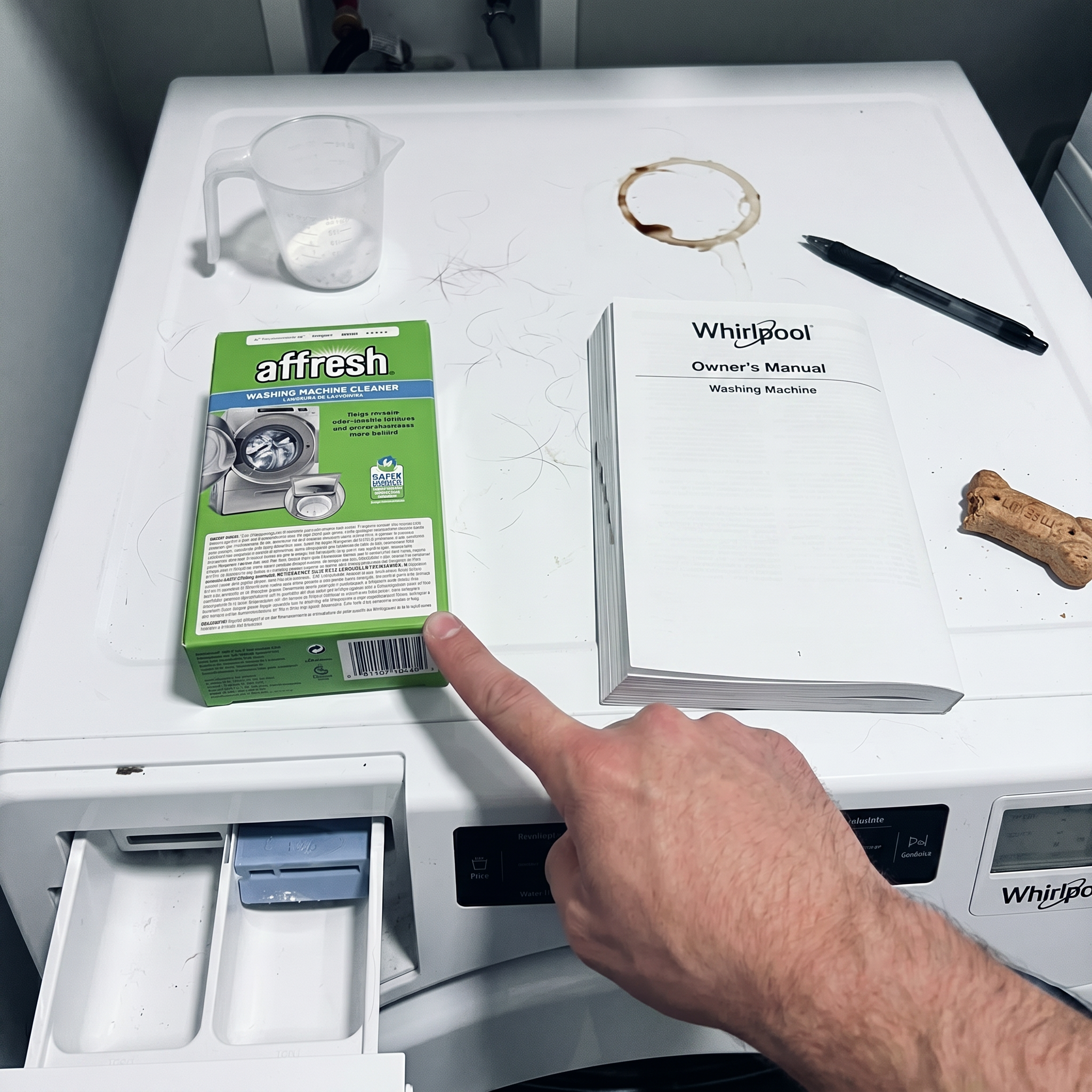
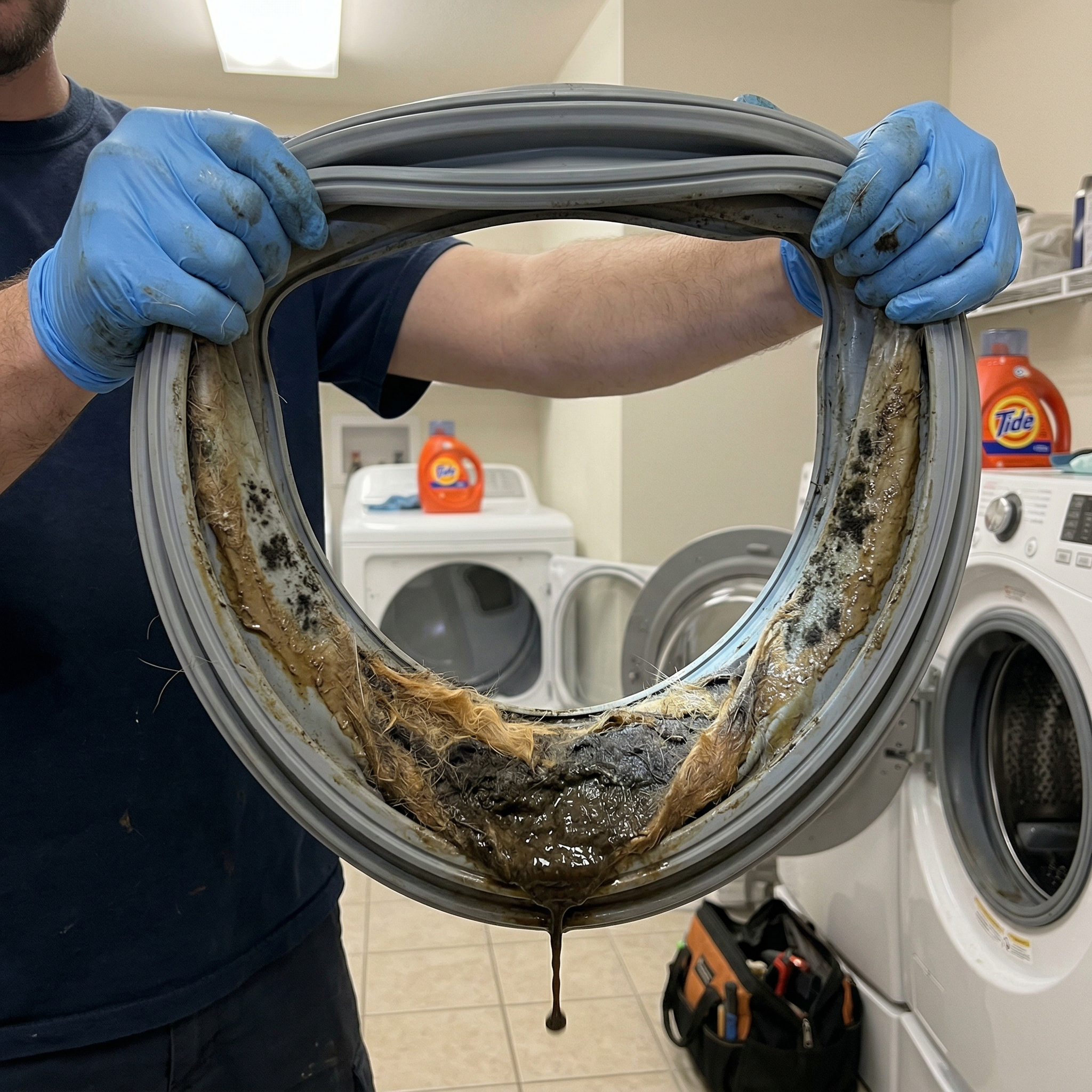
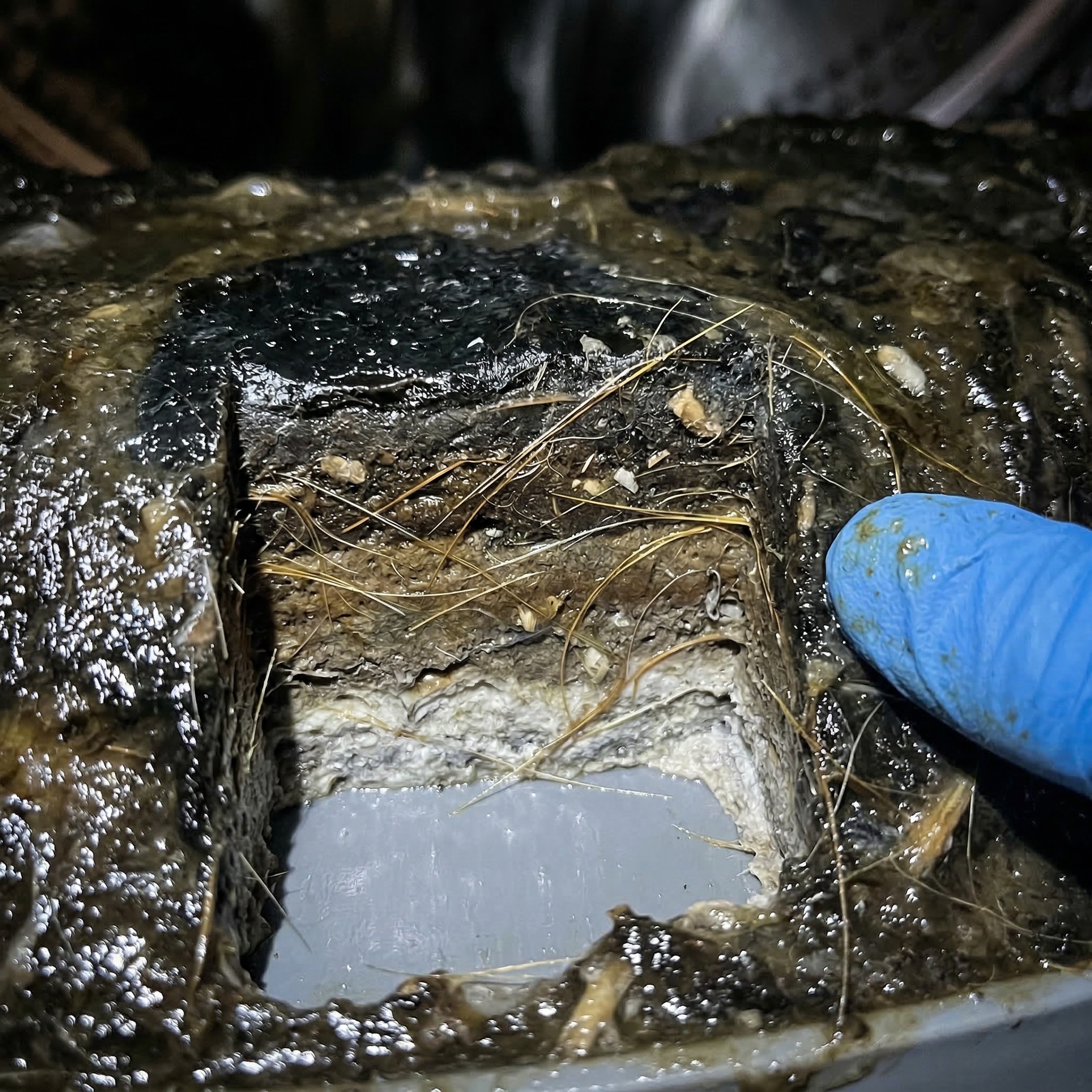
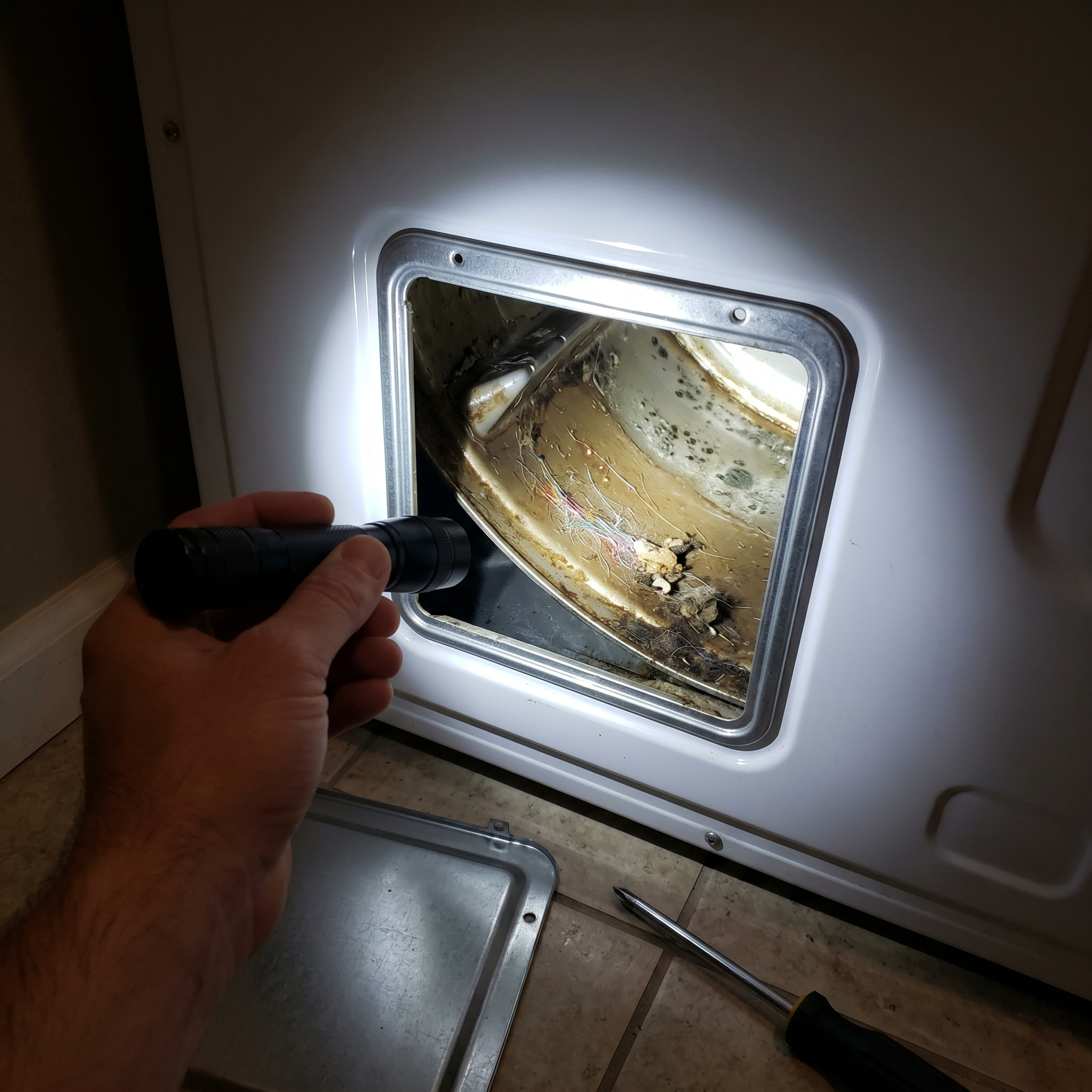
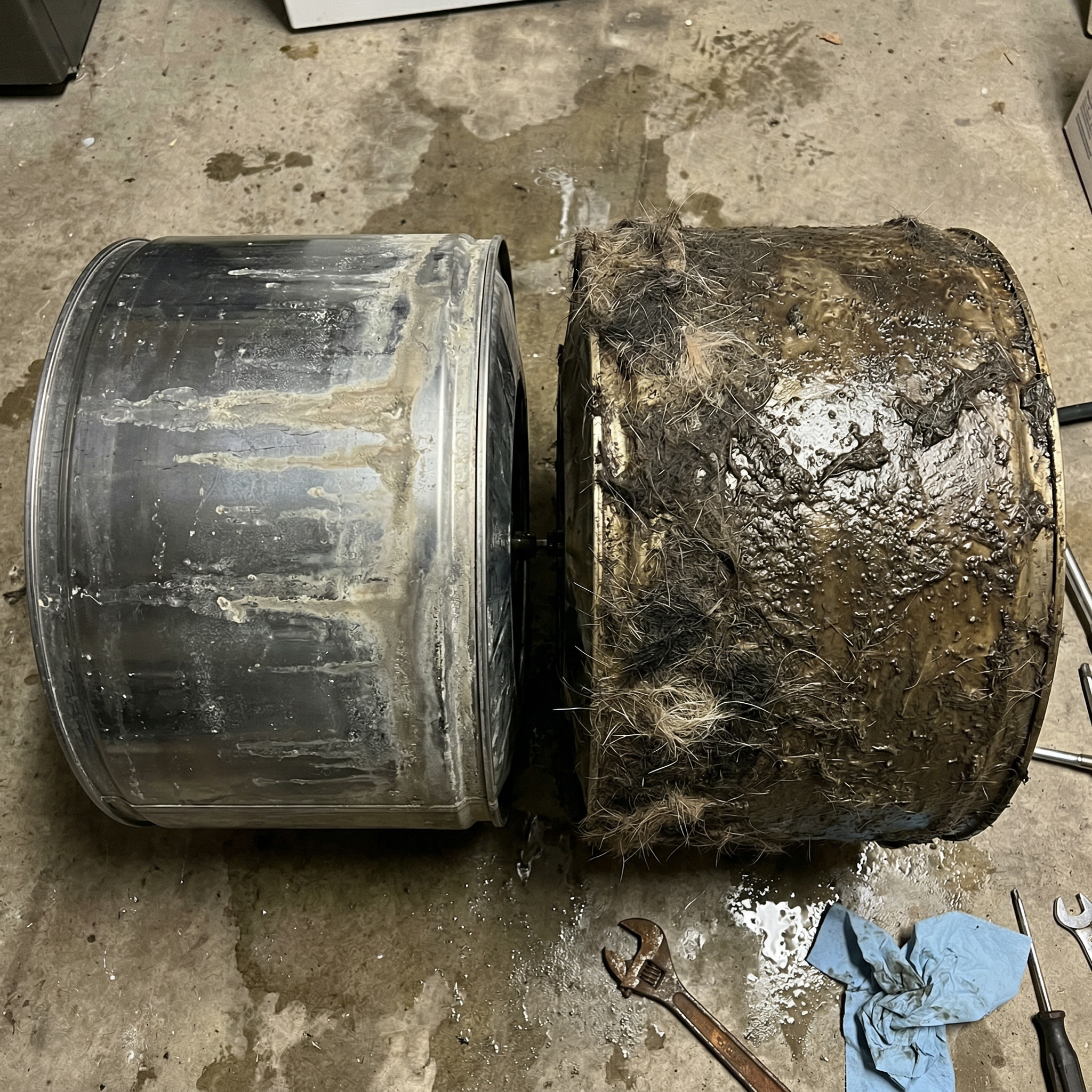
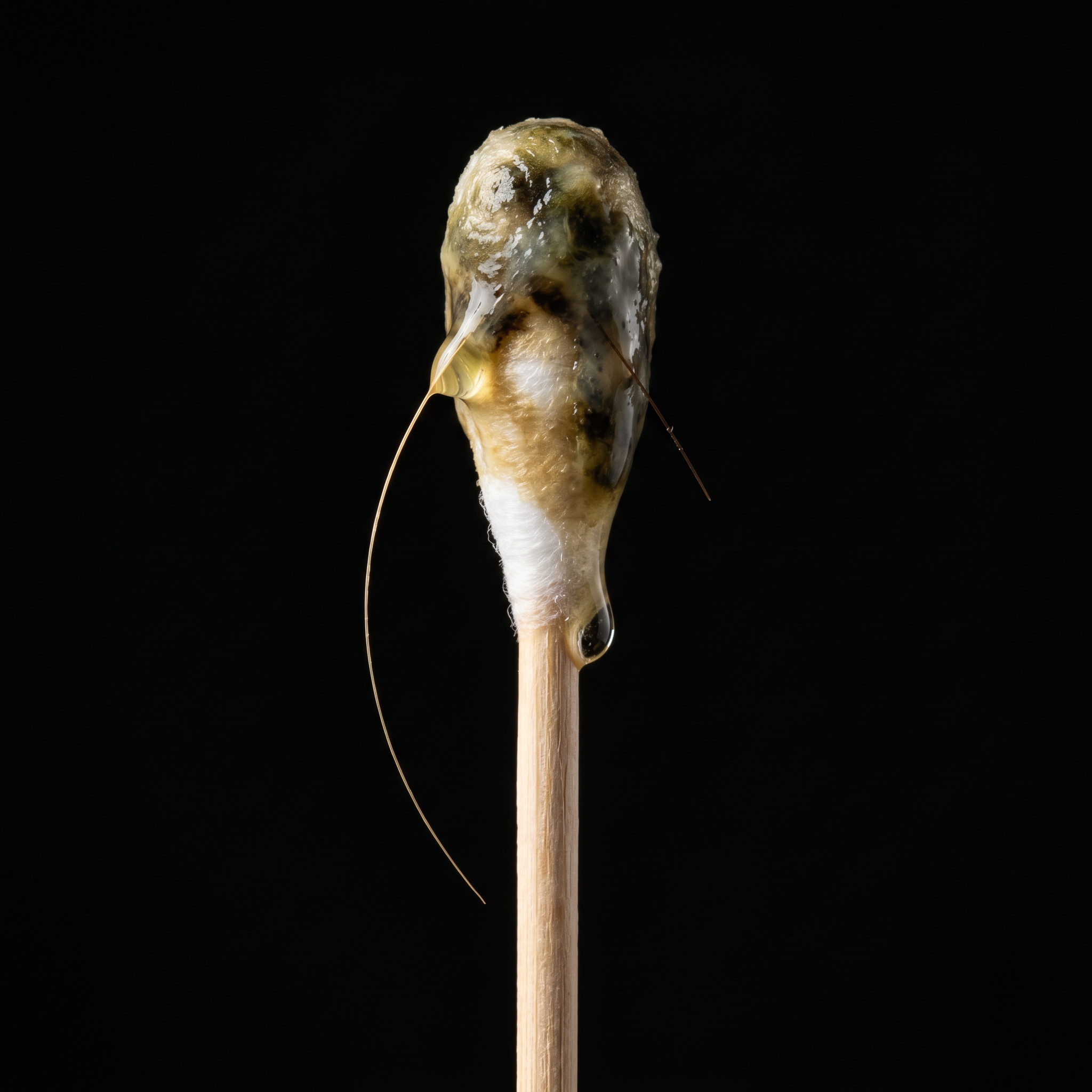
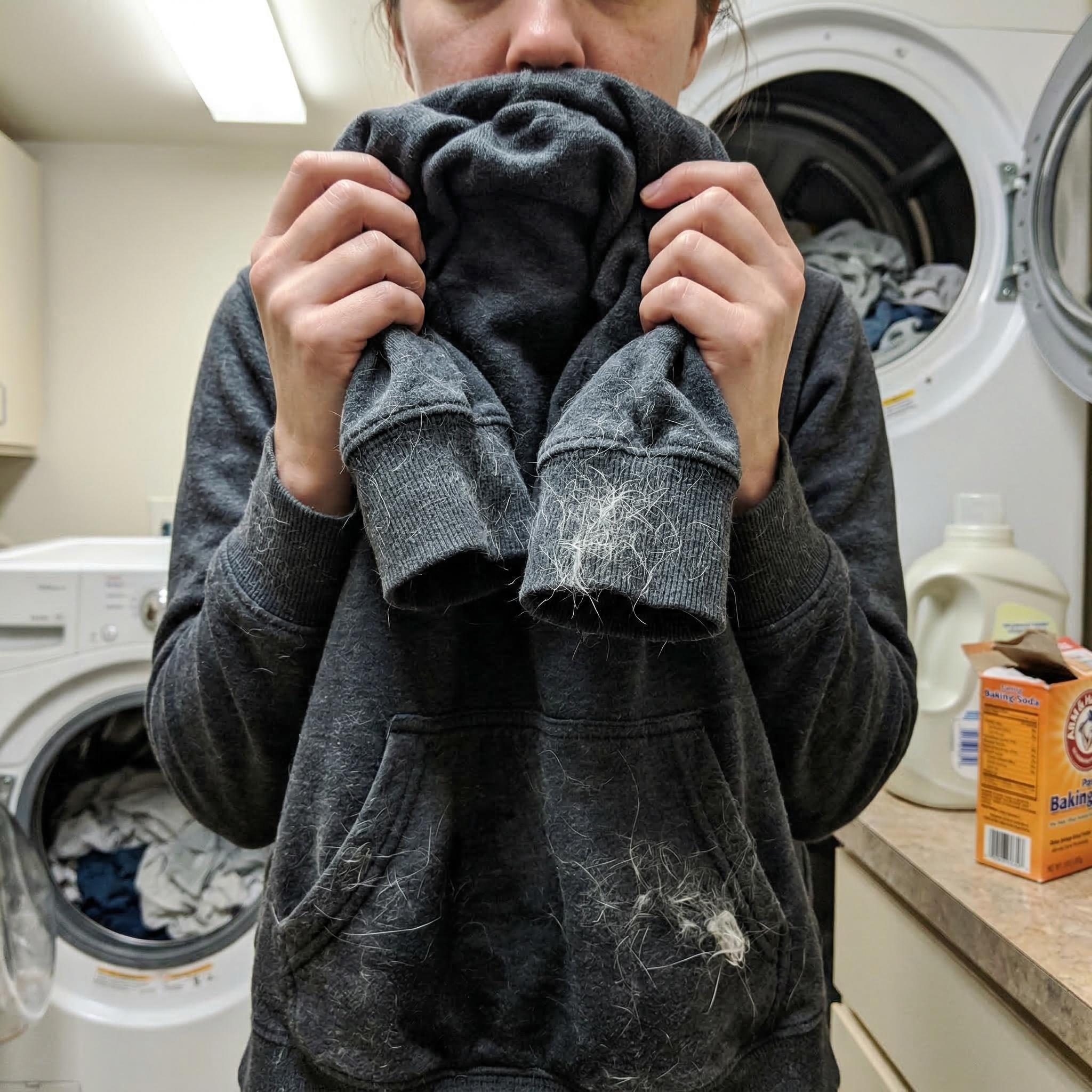
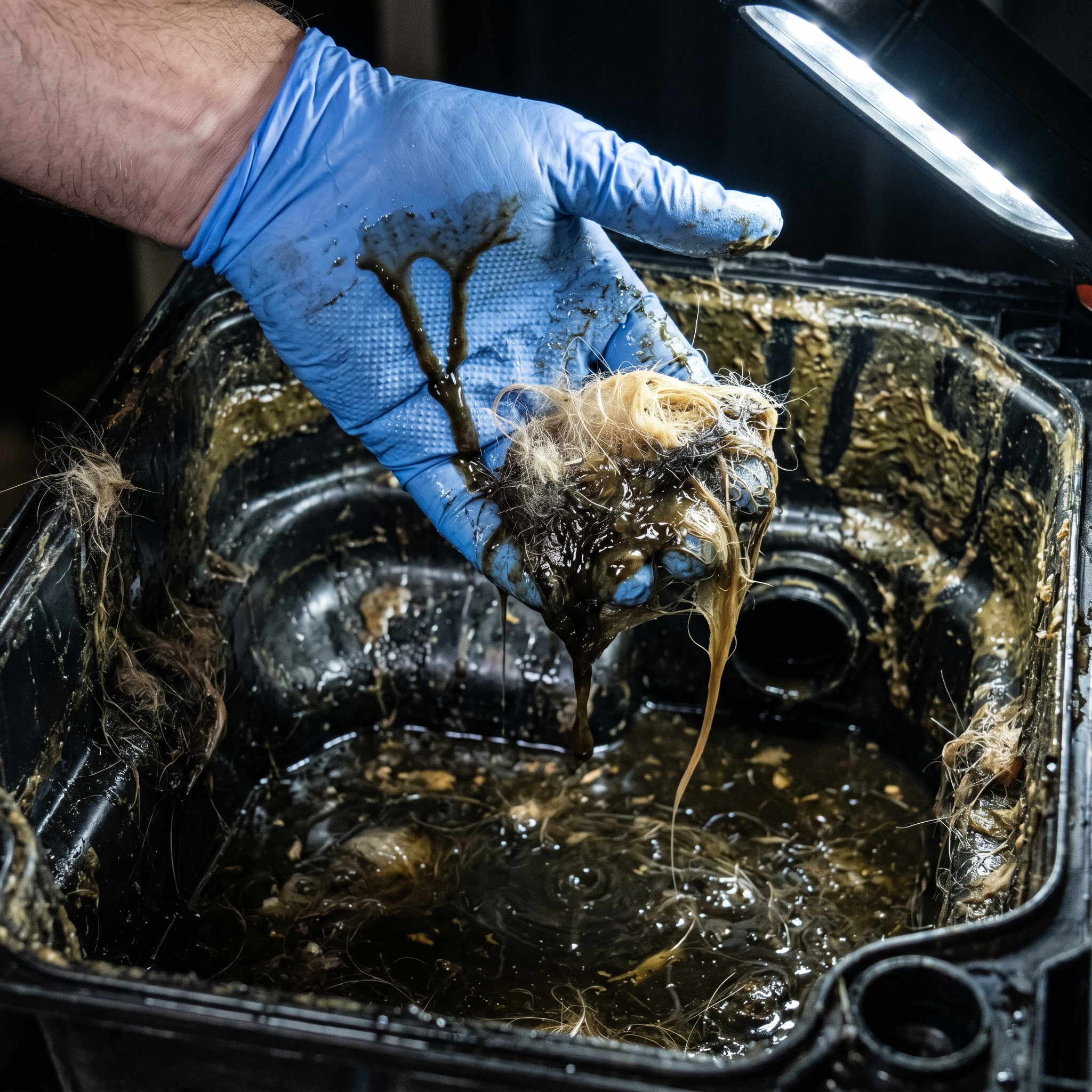
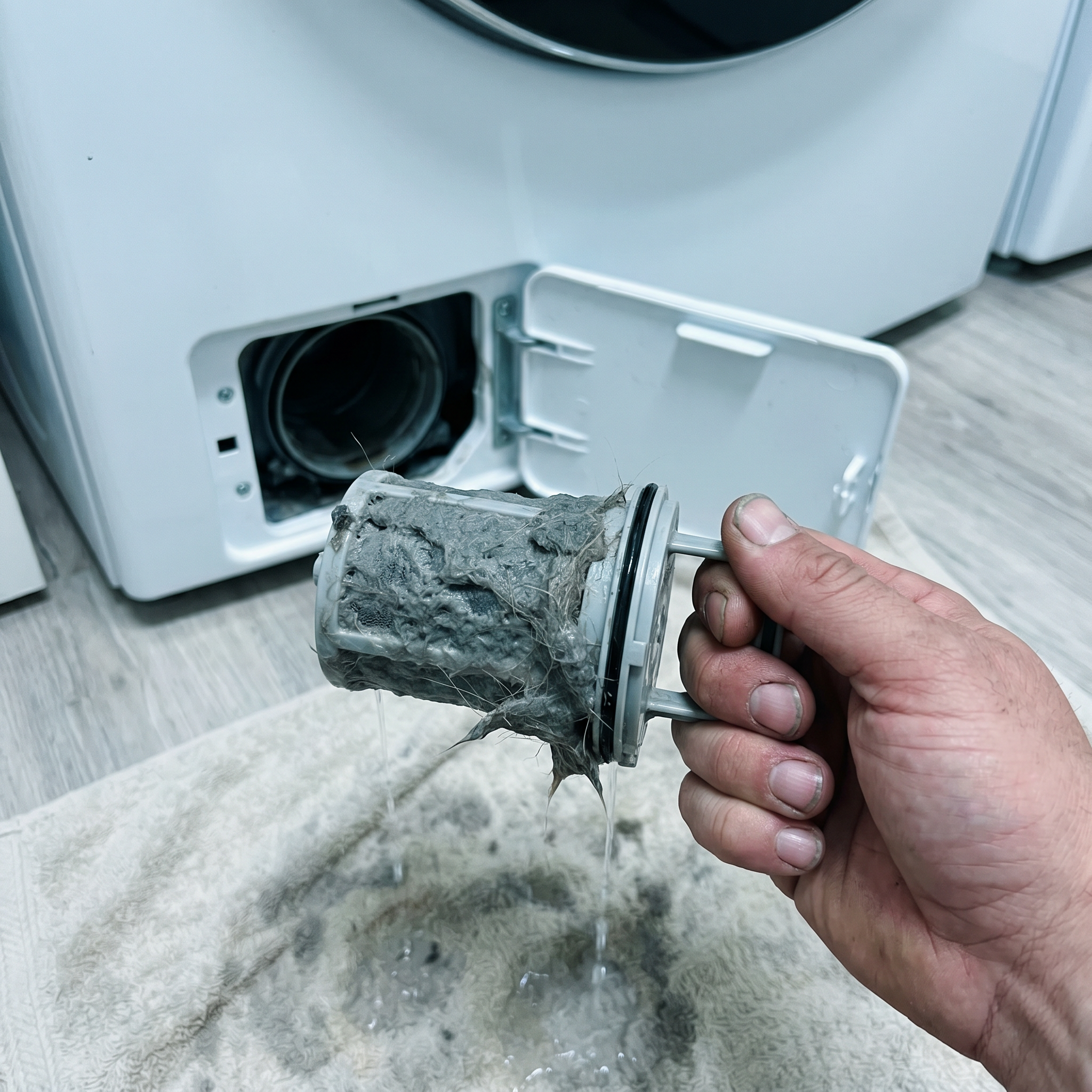
I fix washing machines for a living, and my own washer smelled like wet dog. I want you to sit with that for a second, because I did. I've been repairing washers in the Charlotte area for 14 years. I've pulled apart Whirlpools, Samsungs, LGs, Maytags, GEs - every brand, every model, front-load and top-load. I've seen things inside machines that would make you sell yours on Facebook Marketplace and go back to a washboard. And for most of that time, I thought I had my own laundry situation completely handled. I have a yellow Lab named Hank. 90 pounds of fur and enthusiasm. He sleeps on the couch, he sleeps on our bed when my wife lets him, and he sheds like it's a competitive sport. We wash his blankets, his bed cover, our couch throws, our sheets, towels - all of it goes through the same LG front-loader in our laundry room. We probably do seven or eight loads a week, and at least three of those have dog hair on them. About 2 years ago, my wife started saying the towels smelled "off." I told her they were fine. Because I'm a washing machine technician, and if my towels smelled off, that would mean I don't know what I'm doing. She didn't push it. But she started sniffing towels before she put them in the bathroom. I noticed. I didn't say anything. Then one morning, I pulled a hoodie out of my dresser drawer - clean, folded, hadn't been worn since it was washed 4 days earlier, and when I pulled it over my head, I caught it. That faint, damp, sour undertone. Not strong. Not obvious. But there. It smelled like the inside of every machine I've ever opened for a pet owner. And that's the moment I couldn't ignore it anymore. Here's what I knew from 14 years of pulling machines apart, because I want you to understand - I already knew the science. I just didn't have the answer. Inside your washing machine, there's a space between the drum you load your clothes into and the outer tub that holds the water. On a front-loader, it wraps all the way around. You can't see it when the door is open. You can't reach it with your hand. But every cycle, water flows through it, and everything dissolved in that water touches those surfaces. In a normal household, you get soap residue, body oil, lint, skin cells — all the regular stuff that builds up over time. In a pet household, you get all of that plus something much worse. Dog hair doesn't just float around in the water and rinse away. It breaks apart. The individual fibers splinter into microscopic pieces. And dog hair carries something human hair doesn't carry nearly as much of - a thick, waxy oil from the skin called sebum. That oil doesn't dissolve in water. It doesn't dissolve in detergent, either, not the way people think. It separates in the wash and coats every surface the water touches. Then you've got dander. Saliva residue from anything the dog has licked or drooled on. Proteins from their skin. All of it goes into the water, and all of it gets pulled into that sealed space behind the drum. And here's what happens in there. Bacteria find it, they colonize it, and build what's called a biofilm - a living layer that anchors itself to the wet surfaces using a glue-like matrix made of proteins, fats, and sugars. That biofilm is not "dirt" the way most people think of dirt. It's a structured colony of organisms that has literally evolved to resist being washed away. And one specific bacterium that thrives in that biofilm - Moraxella osloensis - produces a chemical compound called 4-methyl-3-hexenoic acid. That compound is the musty smell. The "wet rag" smell. The "sour towel" smell. The "wet dog coming off clean laundry" smell. It's not a vibe. It's a molecule. And your machine is manufacturing it. I knew all of this. I'd explain it to customers while I was standing in their laundry room with their machine pulled away from the wall. I could point to the buildup. I could show them the biofilm on the gasket, behind the spider arm, inside the drain hose. But here's the thing nobody in my line of work likes to admit. I didn't have a product that could actually fix it. I'd tell customers to run Affresh once a month. I'd tell them to leave the door open. I'd tell them to wipe the gasket. And I meant it - those are all good practices. But I knew, from pulling apart the same customers' machines 12 months later, that the buildup was always still there. Affresh has sodium percarbonate - that's oxygen bleach -and a surfactant. That's it. It dissolves in the water, flows through the sealed space, touches the buildup, and cannot break it down. Because the buildup is biological. It's proteins. It's fats. It's a living bacterial matrix, and oxygen bleach was never formulated to digest proteins and fats. It's like pressure-washing a grease stain on your driveway. The water hits it, flows over it, and the grease is still there when you're done. You need a degreaser. You need something that breaks the molecular bonds in the grease itself. Inside your washing machine, that "degreaser" equivalent is enzymes. Proteases to break down protein. Lipases to break down fat. And amylases to break down starch. Without enzymes, you're just rinsing the buildup and leaving the structure intact. Affresh has no enzymes. Tide Washing Machine Cleaner has no enzymes. OxiClean has no enzymes. Vinegar has no enzymes. Bleach has no enzymes. Not a single mainstream washing machine cleaner on the American market contains enzymes. I didn't fully appreciate how big of a gap that was until last spring. I was texting with another tech I know - a guy named Ray who works on machines in the Raleigh area. We'd been going back and forth about a front-loader issue, and at some point, he said something like, "Hey, have you tried those Uproot tablets in your own machine?" I said no. I said I'd tried every washer tablet on the market, and they're all basically the same thing in different packaging. He said this one isn't. He said it has enzymes. I didn't respond for a while because, honestly, I thought he was being sold by marketing. We see these "revolutionary" cleaning products come and go, and most of them are repackaged sodium percarbonate with a new label. But Ray sent me a photo. He'd been running the tablets in his own machine - he has two mutts and a beagle - and he pulled his gasket back after three weeks of using them every other week. It was clean. Not "cleaner than before" clean. Clean. The surface behind the boot was smooth. No film. No residue. No buildup. I asked him what was in them. He sent me the ingredient list. Sodium percarbonate - okay, standard. Surfactant - standard. Citric acid - standard. But then: alkali protease, protease, lipase, amylase. 4 enzymes. Plus tea polyphenols, which are a natural antimicrobial. Plus an anti-redeposition polymer, which keeps dissolved gunk suspended in the water so it goes down the drain instead of resettling on the drum. I sat in my van for ten minutes reading that ingredient list. 14 years I've been fixing these machines. Telling people that the buildup is protein, fat, and biological residue. And in 14 years, I never once asked the question: why doesn't anyone put enzymes in a washer cleaner? Because that's the answer. That's always been the answer. You need enzymes to digest biological buildup, the same way your stomach needs enzymes to digest food. Without them, you're just pouring liquid over a surface and hoping for the best. I ordered a box that night. I ran the first tablet on a Sunday morning. Empty drum, hottest cycle, tub clean setting. Hank was asleep on the couch, which felt appropriate since he was the reason I needed it. I checked the drain filter after the cycle. There was a gray, foul-smelling sludge caught in the filter screen. Fibrous. Thick. Some of it was clearly old dog hair that had been trapped in the sealed space behind the drum for god knows how long. Some of it was just... film. Broken-down biofilm that had finally been digested and flushed out. I ran a second tablet the following weekend. The filter was cleaner this time. Less sludge. But still some. Third weekend. Almost nothing in the filter. And here's when I noticed it. My wife pulled a stack of towels out of the dryer on a Wednesday night. She didn't say anything. She just held one up to her face for a second. Then she folded it and put it in the cabinet. She hadn't done that - the sniff test - in months. Because she'd given up. The towels always smelled the same, and checking just made her feel worse. But that night, she checked. And she didn't re-wash them. She didn't pull them aside. She just folded them and put them away. I asked her about it later. She said, "They smell like towels. Not like anything. Just towels." That was it. That was the whole sentence. And it was more than enough. Hank's blanket - the big fleece one he sleeps on every night - used to come out of the wash smelling vaguely like warm dog, no matter what we did. We'd gotten so used to it that we stopped noticing until company came over and sat on the couch. After three weeks on the tablets, the blanket came out smelling like nothing. My wife put her face in it. Nothing. I pulled the gasket back about a month in, because I had to see it for myself. I've pulled back thousands of gaskets. In 14 years, I have never pulled back my own gasket and seen what I saw. The surface behind the rubber boot - the part that's normally coated in a thin, slimy film in any pet household - was clean. Not "mostly clean." Not "better than before." Clean. Smooth stainless steel with no residue on it. I actually took a photo and sent it to Ray. He responded with a thumbs-up emoji. Which, for a 52-year-old appliance technician, is basically a standing ovation. The product is called Uproot Washing Machine Cleaner. It's made by the same company that makes those pet hair removal tools. They built a tablet specifically for pet households, specifically targeting the biological residue that no other washer cleaner is formulated to break down. I don't sell it. Nobody's paying me to talk about it. I fix washing machines, and I will continue to fix washing machines until my knees give out, and none of that is changing. But I spent 14 years knowing exactly what was wrong inside these machines and not having a product that could fix it. And now I do. And it's the one I use in my own house, on my own machine, with my own dog's hair running through it every week. If you've been dealing with musty laundry and you have a dog or cat in the house, I know exactly where you are right now. You've tried vinegar. You've tried Affresh. You've tried the self-clean cycle, leaving the door open and wiping the gasket, using less detergent, and using more detergent, and maybe even thought about replacing the machine entirely. None of that worked because none of it was ever built to break down what's actually growing in there. This is what's built to break it down. You don't need my permission to try one more thing. But if you've been burned before and you're sitting there thinking, "I've heard this speech already" - I hear you. I've been the guy giving that speech for 14 years. The difference is that this time, the product has the one ingredient category that actually matters, and I'm using it in my own home with my own washer and my own 90-pound Labrador. If it works for my machine, it'll work for yours. https://uprootclean.com/products/uproot-washing-machine-cleaner-pro P.S. They offer a 60-day money-back guarantee. So if you try it and nothing changes, you're out nothing. I've been recommending it to every customer I visit, and not one has asked for their money back. Not one.
Like this ad? Make it yours.
Crush rebuilds this exact creative around your product — your brand, your colors, your offer — in about a minute.