
Inactive· since May 29, 2026
- 24
- days it ran
- 0
- relaunches
Ad copy
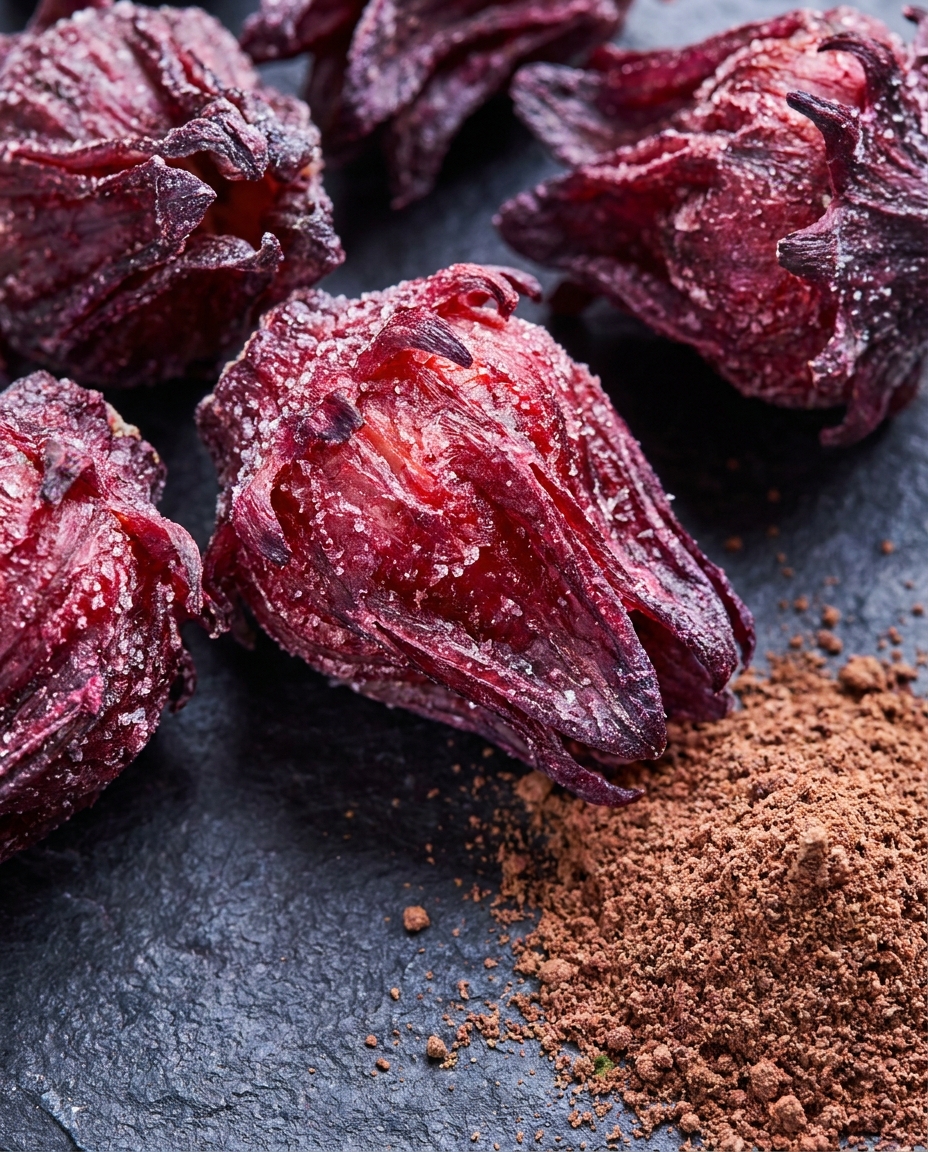
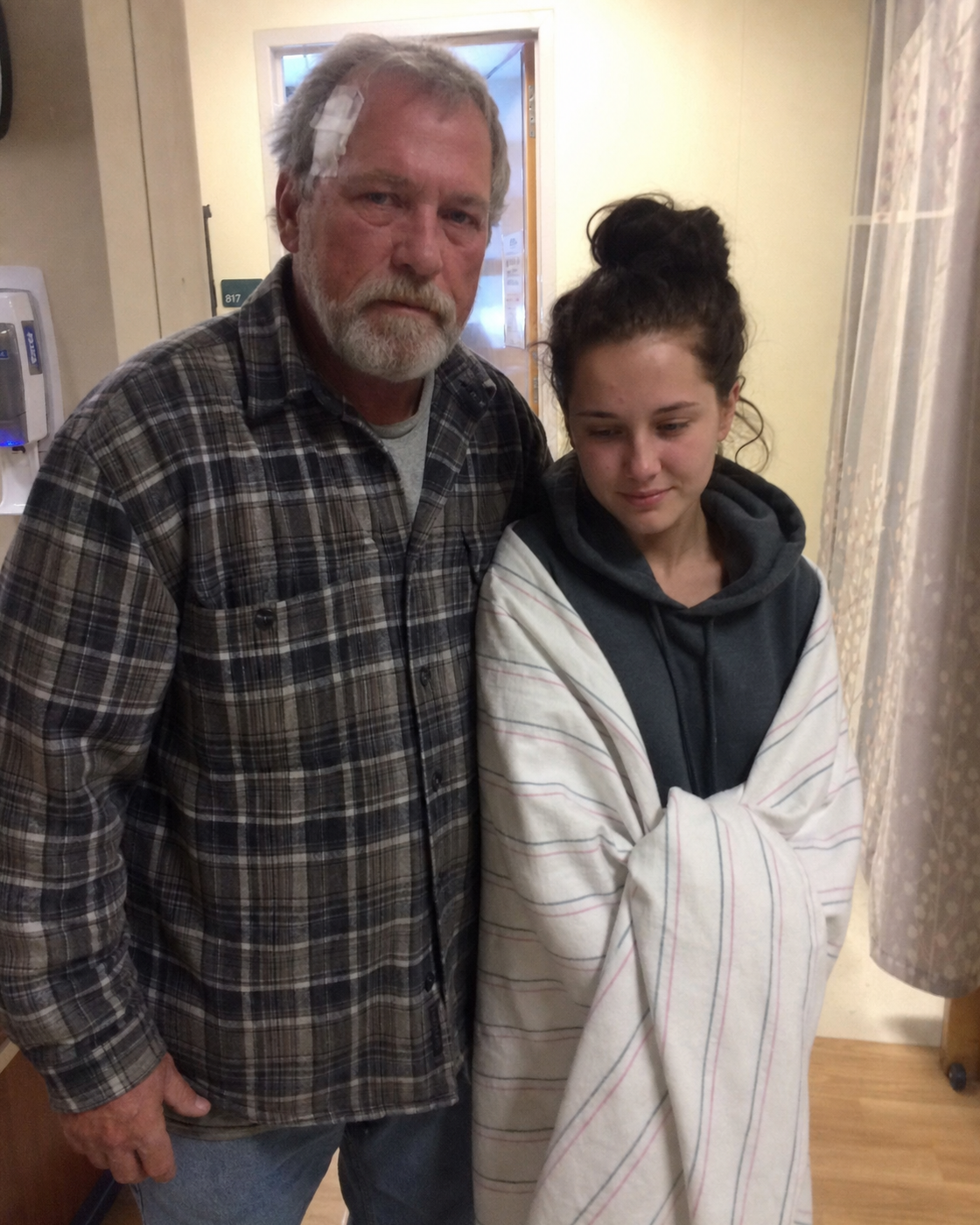
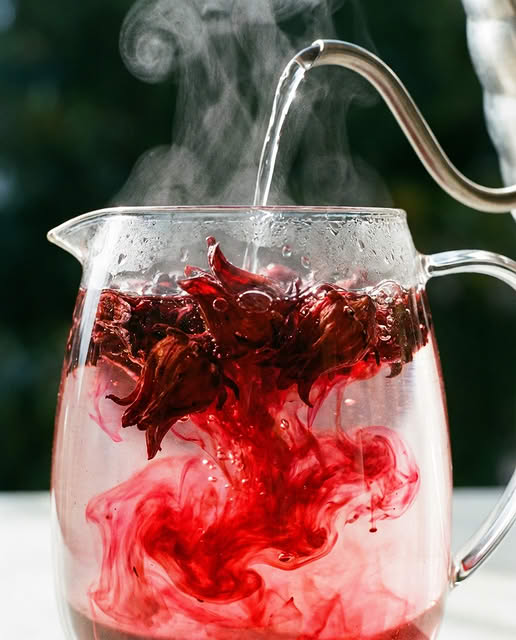
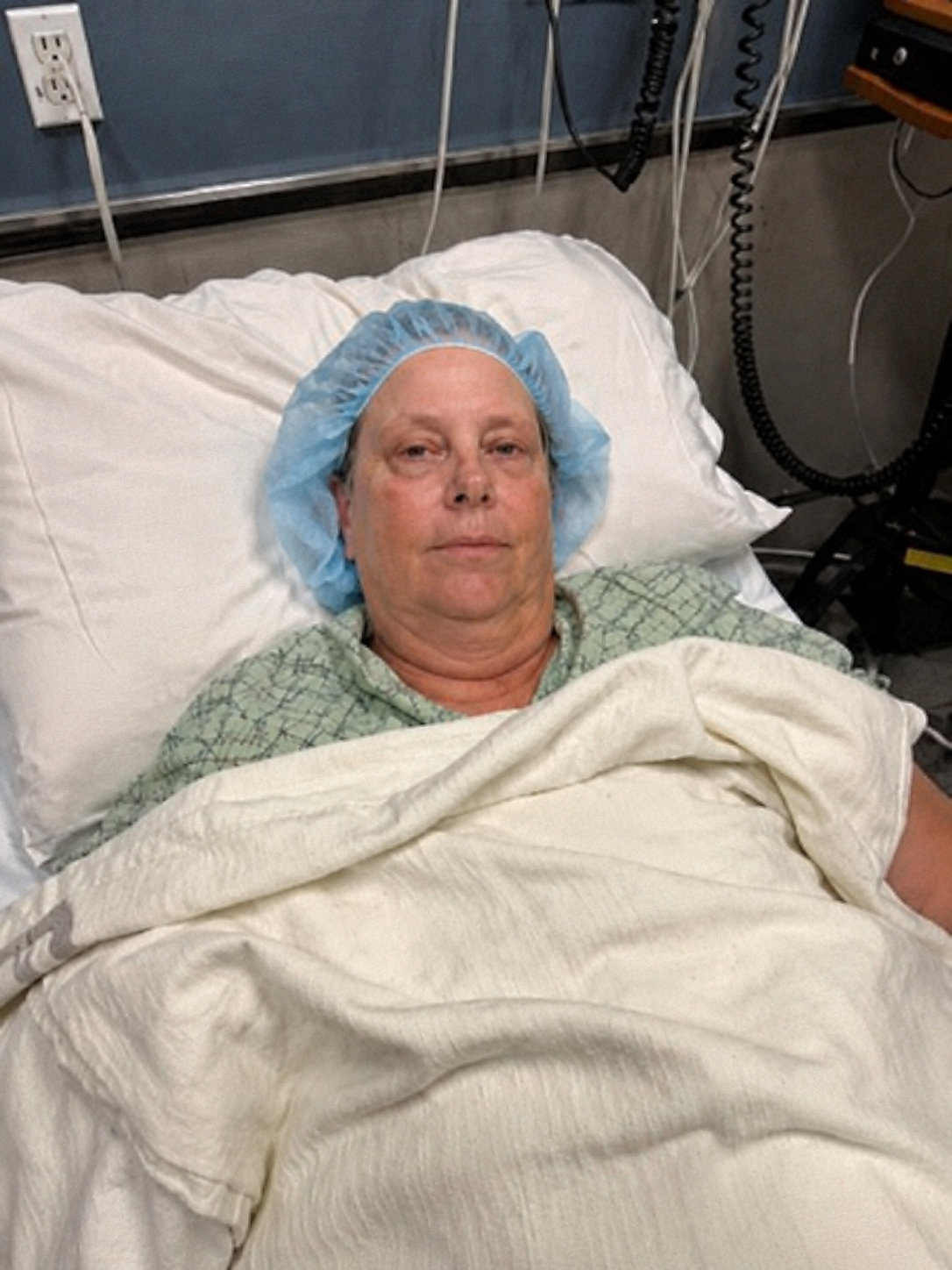
This isn't the best picture, but I wasn't planning to post anything at all. It's my discharge paperwork from the nephrology clinic, sitting on the kitchen table next to a cup of tea. I wanted to remember the date the number stopped going down. My kids already know. My sister already knows. My husband Dale has known since June. So I figured I'd say it here too, because there are women my age reading this who have a lab report in a drawer they haven't looked at in three months, and I was one of them eighteen months ago. I'm 64. I live in Marion, Indiana. I'm okay. I want to say that first because the rest of this is going to sound scarier than it is — I'm home, I'm fine, I'm sitting in my own kitchen writing this. But I almost wasn't. I need to tell you what happened because I'm reading the comments on the kidney articles people are sharing online and I'm seeing what people say. "My numbers are fine." "I'd know if my kidneys were failing." "I drink plenty of water." "That only happens to diabetics." "My doctor would have caught it." That's what I was saying two years ago. Before the lab report that came back at 54, and the nurse who said "the doctor wants to recheck in three months," and what I found out in the eighteen months after I said okay. If you're over 55, or someone you love is, please read this whole thing. I know it's long. I know you're scrolling. I know you have things to do. Two years ago I would have given anything for someone to tell me what I'm about to tell you. Two years ago I had my annual physical. I was 62. I felt fine. I'd been on lisinopril since my mid-fifties — every morning with my coffee, salt cut to about 1,500 milligrams a day, no soda, walked the dog every evening with Dale. I checked my blood pressure at home twice a week and wrote it on the calendar magnet on the fridge. In 41 years of marriage, I was the one who reminded Dale to make HIS appointments. The lab work came back on a Thursday. My eGFR was 54. The nurse called and said "the doctor wants to recheck this in three months." I asked what an eGFR of 54 meant. She said "your doctor will go over it with you." I asked if I should come in sooner. She said "the doctor recommended three months." I asked if it was serious. She said "you'll talk to him about it then." So I waited. Three months later: 51. Three months after that: 49. And again: 47. Four quarters of "monitor and watch." Four quarters of me sitting at the kitchen table with a new lab printout, and Dale putting his hand on my shoulder, and neither of us saying much. Four quarters of asking my doctor "what do you want me to DO," and him saying "keep doing what you're doing, your numbers are not bad enough for medication changes yet." Not bad enough yet. I'll never forget the way he said it. Like a verdict held in reserve. Then one Tuesday morning I sat across from a nephrologist. A new doctor. The PCP had finally sent me. The nephrologist was kind. He pulled up my labs on the screen and turned the monitor so Dale and I could both see. He said: "We should start talking about access placement. Not today. But it's a conversation we need to begin." I didn't know what that meant. Dale didn't either. A fistula. They wanted to begin preparing my body for dialysis. Not soon. But begin. The nephrologist was very calm. He said: "We can slow this. We can manage it. We can put you on the transplant list when the time comes. But we don't reverse this. The nephrons that are gone are gone. We protect what's left." That sentence has lived in my head every day since. "The nephrons that are gone are gone." Dale drove home. I don't remember the drive. That night I sat at the kitchen table with the appointment card the nurse had given me — a pre-surgical consult, six weeks out — and I tried to picture what was coming. I'd seen dialysis up close — my aunt had been on it before she passed. I knew what those rooms looked like. I knew what the turnover looked like. My aunt's chair didn't wait for anything. It had someone else in it by that Tuesday. The machine kept running. And now I was sitting at my own kitchen table trying to picture myself in one of those chairs. Three days a week at a clinic in Marion. Four hours a session. Dale driving me, or me driving myself if I could stand it. Mondays, Wednesdays, Fridays — every plan, every trip, every grandkid visit organized around a chair. The renal diet on top of everything else. Bananas out. Tomatoes out. Beans out. Most cheese out. The list of forbidden foods getting longer at every appointment. And my sister is diabetic — her diet rules contradict mine, and we've been cooking together every Sunday for forty years. A fistula in my forearm I'd have to keep clean and protect from bumps for the rest of my life. EPO injections. A weight log every morning. Sodium counted in milligrams. Fluid restrictions in cups. And the part I couldn't even let myself think about — the survival rate. I knew enough to know it wasn't good. I just didn't want to say the number out loud. That night I went to bed at 8:30. I didn't cry. I just lay there in the dark and stared at the ceiling. I was on the road to dialysis. The nephrologist hadn't said it like that — he said "begin the conversation" — but I knew what *beginning* meant. I'd done everything they told me to do. Lisinopril every morning for ten years. Salt down. Walks. Hydration. Annual physicals. Quarterly bloodwork. I was the patient the system says it wants. And my eGFR had gone from 54 to 47 in twelve months while I was being *monitored*. There were things I'd stopped doing without admitting it to myself or to Dale. The stairs — I'd been going around to the longer hallway so I didn't have to climb them. The Saturday morning garden, the one I'd kept up every year since we moved in, had mostly gone to weeds. The last time I'd kept up with the grandkids at the park without needing to sit down on a bench and watch was more than a year ago. I'd told myself these were just getting older. I hadn't told myself the truth, which was that I was losing the version of myself I'd always assumed I'd still be. So I started researching. Not because I wanted to. Because I had to. Because if I just sat in this kitchen and watched the next number come back at 44, and then 41, and then 39, and then a pre-surgical consult became a surgical date, I couldn't live with myself. I spent days reading. Medical journals I barely understood. The USRDS reports. Everything I could find about chronic kidney disease and what happens next. The numbers are not the ones you'll hear from your doctor's office. Five-year survival on dialysis is roughly 40%. Not 90%. Not 70%. Four in ten people make it five years once they start. Cardiovascular disease kills roughly half of all dialysis patients before kidney failure does. The strain on the heart is enormous. And the number that made me put the laptop down: Nine in ten people with chronic kidney disease don't know they have it. Most of them are walking around right now with declining nephron counts and a normal-feeling body and no idea. They'll find out the way I found out — through a lab report from a routine physical. By the time the number shows up, the damage has been happening quietly for years. And I kept reading one thing over and over, in study after study: It's not the diagnosis that takes your kidneys. It's the quiet oxidative damage that compounds every day between the moment you find out and the moment dialysis stops being optional. Every nephron you lose, you don't get back. The window isn't three months. It isn't six months. It's everything between right now and the day they tell you it's time to talk about access placement. That's what was happening to me. I wasn't being scarred because my eGFR was 47. I was being scarred — slowly, quietly, quarterly — while I waited for the next blood draw. While I did "monitor and watch." And no medication was ever going to give me back what was already gone. So I started asking a different question. Not "how do I manage CKD?" "How do I actually protect the nephrons I have left?" The first thing I did was open my own kitchen cabinet. I'd been a believer in trying things. The shelf was a graveyard. Cranberry capsules — I'd taken them on and off for years because someone had once told me cranberry was "good for the kidneys." A bottle of "kidney detox tea" from the health-food store on Adams Street that smelled like cut grass and tasted worse. Apple cider vinegar — I'd read about it on a forum. A box of baking soda with a piece of masking tape on the side that said "1/2 tsp morning." CoQ10. A $42 Amazon "kidney support" blend with a picture of a kidney on the label and 14 ingredients I couldn't pronounce. A bottle of magnesium citrate. I lined them up on the kitchen table and I looked at them. I'd taken all of these. Some of them for years. The cranberry capsules every morning since my late fifties. The "kidney support" blend for the last six months — twice a day, with food, like the label said. I'd taken every single one of them and my eGFR had still gone from 54 to 47. I read the back of the Amazon blend. Magnesium. B vitamins. A list of herbs — buchu, juniper, dandelion. The "proprietary blend" disclosure that means nobody has to tell you how much of anything is actually in it. $42. The "kidney detox tea" was just dandelion and uva ursi. The same things in the Amazon blend. I was double-dosing the same useless ingredients in two different products. The apple cider vinegar was just vinegar. The baking soda did one thing — slightly adjusted my urine acidity — but it didn't slow anything that actually mattered. The cranberry capsules were for urinary tract infections. They had nothing to do with chronic kidney disease. After 40 minutes lining up the bottles on my kitchen table, I was exactly where I'd been before I started buying them. Nothing was actually addressing what destroys nephrons. Nothing was reducing oxidative load. Nothing was supporting my vessel walls. Nothing was helping my blood pressure stay stable enough to take pressure off my kidneys. And I was furious. Because why is there an entire aisle of "kidney cleanse" products at every health-food store, and not a single one of them actually addresses what destroys nephrons — pressure, oxidation, inflammation? They all just sprinkle minerals and weeds at a problem that requires a real intervention. It's like handing somebody a watering can and telling them they're ready to put out a fire. That's when I found something different. I was still on those Stage 3 CKD forums I'd joined right after the nephrologist appointment — mostly just reading, not posting — when a woman wrote something I almost scrolled past. She was a registered nurse. She worked the dialysis floor of a hospital in the upper Midwest. Twelve years on the floor. She said she'd seen what kidney decline actually looks like up close — every day, every patient, every conversation about access placement and transplant lists. She said: "I drink high-anthocyanin hibiscus every morning. Started three years ago. My BP is 118/76. My labs hold steady. Three of the nurses on my floor do the same thing. We talk about it a lot." I almost scrolled past it. Hibiscus? Tea? That sounded like something on a wellness blog next to a smoothie recipe. Because I know hibiscus tea. I've had hibiscus tea. The Celestial Seasonings boxes at the grocery store. The "Red Zinger" with the cartoon on the front. It tastes fine. It's tea. It's not medicine. In what world does TEA do anything for chronic kidney disease? But I couldn't stop thinking about it. Because that woman worked on a dialysis floor. She was surrounded — every single day — by exactly the disease progression I was now facing. And she wasn't on a dialysis chair herself. Three of her colleagues weren't either. They were watching what happens, and they were doing something different. I'd taken every supplement on that kitchen cabinet shelf and my eGFR had still slid quarter after quarter for a year before they said the words "access placement." What was she doing differently? So I kept reading. And what I found made me put the laptop down and sit at the kitchen table for a long time. Turns out, the antioxidants in hibiscus tea — anthocyanins, polyphenols, flavonoids, and organic acids — help restore your kidney cells' ability to filter properly. It doesn't force your kidneys to work harder. It reduces inflammation and supports your nephrons naturally. The science actually made sense. But here's the part that made me have to stand up and walk around the kitchen. By 60, you've already lost about 40% of your nephron reserve. Your kidneys don't regenerate. You're born with a finite number of filtering units — nephrons — and that's it. By the time you're 60, almost half of them are already gone or scarred from a lifetime of pressure, the years of high salt, the medications, the occasional infection, the things you didn't even know were stressing them. The ones you have left are the only filtration capacity you'll ever have. Think of it like a kitchen strainer that's been catching debris for sixty years — some of the holes are sealed over now, and you can't open them back up. Whatever's still clear is all you have left to work with. And the oxidative damage that destroys what's left compounds quietly, quarter after quarter, while doctors say "monitor and watch." My nephrons were being scarred while I waited for the next blood draw. And nobody had told me. I sat down at the kitchen table when I read that. I was shaking. Not from cold. From anger. Because my own body was supposed to protect what was left, and it couldn't, because nothing I was taking was helping reduce the load on it. And that's just what happens, and nobody had thought to mention it. So I drove to the grocery store the next morning. I'm not someone who buys things off the internet at midnight. I'm 64. I'm Midwestern. I needed to do something simple and small to start. The tea aisle at Kroger had four kinds of hibiscus. Celestial Seasonings "Red Zinger" — the one with the cartoon dancing flower on the front, $3.79 for twenty bags. A Bigelow hibiscus blend. The store brand. And a fancier loose-leaf tin in the wellness section for $14.99. I bought the Red Zinger because Dale and I had drunk it on and off for years. It was familiar. It was cheap. The nurse on Facebook said hibiscus. This was hibiscus. $3.79. I started drinking two cups a day. One in the morning. One after dinner. I checked my home BP cuff every morning the way I always had. Week one: 138/86, 138/85, 137/87. Week two: 136/85, 137/84, 136/86. Week three: 135/85, 134/86, 134/84. Something was happening. But not very much. And not where it counted — I was still tired at 3 PM. The morning fog hadn't moved. I was still going to bed at 8:30. I wanted to believe. I wanted it to be enough. I'd been on the Red Zinger for six weeks when I went in for my October bloodwork. The nephrologist called on a Thursday. He said the words I'd been bracing for: "Your eGFR came in at 46. Down one point from last quarter. Your blood pressure has improved a little, but not enough — if it's still in the 130s by the next visit we should talk about adding a second medication." I said okay. I hung up. I sat at the kitchen table for an hour with the lab printout in one hand and an empty cup of Red Zinger in the other. One more point. The same slide. Just slower. I'd been doing something. But not enough of the something to matter. I went back to the laptop that night and I read the research differently than I'd read it the first time. Slower. With the printout next to me. I started reading the actual studies — the ones the wellness blogs were quoting from. Methods sections. Preparation protocols. Dosing. That's when I realized the hibiscus the research was studying wasn't anything like what was in the Red Zinger box. The clinical trials used standardized whole-flower preparations. The anthocyanin content per cup was measured in the hundreds of milligrams. The Red Zinger I'd been drinking had hibiscus blended with rosehips, lemongrass, peppermint, and "natural flavor." When I looked up what tea-bag hibiscus actually delivers, the estimates were a small fraction — maybe a tenth — of what the studies were using. I'd been giving myself a teaspoon of what the research was using a cup of. I read the back of the Red Zinger box one more time. "Hibiscus, rosehips, lemongrass, peppermint, citric acid, natural flavor." The hibiscus was the third or fourth ingredient by weight. I'd been drinking peppermint-and-rosehip tea with a little hibiscus in it and wondering why my numbers weren't moving. Then I went back to the Facebook post. The nurse on the dialysis floor. I'd glossed over a word the first time I read it. She hadn't just said "hibiscus." She'd said "high-anthocyanin hibiscus." I'd ignored the qualifier because I didn't know what it meant. Now I did. That's when the rest of it started to make sense. Most hibiscus on the American market is broken petals and dust. The leftovers after the whole flowers get sold to specialty buyers. Harvested from low-altitude flatland farms because that's where the volume is. Machine-stripped before peak harvest so the timing works for the buyers. Processed industrially in big batches. And grown with the same pesticides that already burden kidneys. The active compounds — the anthocyanins that actually do the work — are concentrated in the whole flower at peak harvest, when the plant has had the longest time to produce them. They degrade fast when the flower is broken up and exposed to air. By the time the dust and petal fragments make it into a grocery tea bag and sit on a shelf for nine months, the anthocyanin content has fallen off a cliff. The hibiscus in the research — the kind that actually moves blood pressure and protects vessel walls in clinical studies — meets five criteria: Whole flower, not broken petals. Hand-picked at peak harvest, not machine-stripped. Grown at altitude — 4,500 feet and above, where the plant produces more anthocyanins as protection against UV stress. Traditionally processed, not industrially. And organic, because the pesticides commercial hibiscus is often sprayed with are themselves a load on the kidneys. Five things. Almost no commercial brand on the American market satisfies all five. Not the Red Zinger I'd been drinking. Not the Bigelow. Not the store brand. Not the $14.99 wellness-section loose-leaf — I'd called the company and asked, and they were machine-stripped from a Yemen farm at sea level. And the research isn't new. Ancient cultures have been drinking daily whole-flower hibiscus for centuries. Egypt has karkadeh — they serve it hot in winter and iced in summer, and they've been doing it for thousands of years. Sudan. Mexico has agua de jamaica. These are cultures that don't show the same modern hypertension and kidney-decline curves the United States shows. They've been drinking the whole flower. We've been drinking the dust. I was furious. I'm still furious. But I wasn't going to just buy fancier hibiscus off Amazon and hope this time it was the right one. I'd already done that with the Red Zinger version of "fancier" — and the $14.99 wellness tin had failed two of the five criteria. I knew enough now to know that the package on a shelf doesn't tell you what's actually inside it. So I kept researching. And what I found is that almost every hibiscus product in the United States fails at least one of the five criteria. Most fail two or three. The ones that meet all five are almost impossible to find on a normal grocery shelf. I found a company. PiPi Tea. And I was skeptical. God, I was skeptical. After my cabinet full of useless products. After the Red Zinger that moved my BP a few points but couldn't stop the slide. After every product I'd tried over the years had either been the wrong target, the wrong quality, or just decorative. I wanted to be careful, not desperate. I was not about to trust something new just because the internet said so. So I called my nephrologist. The doctor who had said "access placement" to me four months earlier. The one who had drawn the line in the sand. I told him what I'd found. I told him about the six weeks on Red Zinger and the eGFR slipping one point anyway. I asked him straight: "Is the form really that different? Or am I grasping at straws because I don't want to be the next conversation about a fistula?" He was quiet for a long time. Then he said: "The research on hibiscus anthocyanins and kidney function is some of the most promising work in the last decade. The blood pressure data is robust. The oxidative protection mechanism is documented. There are no contraindications for daily use at normal consumption, and no interactions with your current medications. And the form matters. The clinical studies used preparations with the active compounds intact. A grocery tea blend with a fraction of the anthocyanin content shouldn't be expected to do what those studies showed. You weren't grasping. You were just using the wrong tool." Then he paused. "If your oxidative burden comes down, and your pressure stabilizes, there's a real possibility your progression could be slower than the trajectory we've been on. I can't promise that. But the trajectory we've been on is not the only trajectory available to you." I had to put the phone down on the counter. I sat at the kitchen table and I cried. Dale came in from the garage and I just shook my head and pointed at the phone, and he sat down next to me and didn't say anything, which is what I needed. Because a doctor — my own doctor, the one who'd said the words *access placement* — had just told me there was a different trajectory available. If I'd known about this a year ago. If anyone had told me at eGFR 54. I ordered PiPi Tea that night. Sitting at the kitchen table with my laptop open and the empty Red Zinger box still on the counter. It came on a Friday. I made my first cup of hibiscus on the same counter where I'd lined up the supplement bottles two months earlier. One tablespoon. Hot water. Steep eight minutes. The color is a deep, vivid crimson — not the brownish-red of grocery store hibiscus bags. Tart, with a slight floral note. Easier to drink than I expected. Nothing like the "kidney detox" stuff from the health-food store. Nothing like the Red Zinger. Less time than it takes me to make breakfast. I've been drinking it every morning — one cup, first thing — ever since. Three weeks in, something I hadn't expected. I woke up at six in the morning on a Tuesday and walked the dog by myself. I hadn't walked the dog at 6 AM since the year my eGFR first dropped below 50. Most mornings I'd been waiting until Dale could come with me at eight, because I didn't trust my own energy. I stood on the sidewalk in front of the house at 6:15 with the leash in my hand and I started crying because I felt like myself for the first time in over a year. I stayed skeptical. Skepticism is the most loyal thing I have. But I bought a new home blood pressure cuff and I started checking it every morning right after the hibiscus. Through August, September, October, November — 132/82. 130/82. 128/84. 130/82. It just sat there. In December I went in for my quarterly bloodwork — the one after the October that told me Red Zinger wasn't enough. eGFR 48. Up two points from October. Well within day-to-day variation, the nephrologist said, but for the first time in 18 months the number had moved in the wrong direction for the decline. He looked at the printout. He looked at me. He said: "Whatever you're doing, keep doing it. Your slide has stopped." I didn't say anything for about ten seconds because I couldn't talk. In March it was 48 again. In June — the appointment Dale photographed the paperwork from — it was 49. I'm not telling you my kidneys healed. They didn't. The nephrons I've already lost are still gone. That's not how this works. What I'm telling you is that the slide stopped. The access-placement conversation got moved from "begin preparing" to "we'll see where you are in six months." The pre-surgical consult got cancelled. For me, after eighteen months of watching my own numbers slide quarter after quarter, the slide stopping was the entire ballgame. I called my daughter the night the June labs came back. She said: "Mom? Are you okay?" I said: "I think this is helping." And then we both just cried. Because she'd been the one driving up from Indianapolis every other weekend, and she'd been carrying it too. I've told everyone I know. My sister — she's 62, diabetic for nine years, on blood pressure medication and a statin, can't take most supplements because they interact with her prescriptions — she asked her pharmacist about hibiscus and he checked her medication list and said it was fine, no interactions, no potassium concerns at normal consumption. She's been drinking PiPi Tea every morning for two months now. She called me last Thursday and said: "My home BP cuff has been under 130 every morning for three weeks. I haven't seen those numbers since I was 50." My neighbor Helen — her husband died of kidney complications two years ago. She started drinking it the day I told her. She grabbed my hand last week and said: "It's the first time since George died that I feel like I'm doing something for myself instead of waiting." My daughter is a nurse on a renal floor in Indianapolis. She started drinking it the day she watched me cry on the phone. Her husband — my son-in-law — is prediabetic, and his doctor has been warning him about kidney risk for three years. He started too. He called me a month later and said his fasting glucose had dropped from 112 to 104 and he didn't know if it was the tea or finally taking it seriously, but something had changed. Dale's brother in Arizona — 68, diabetic, Stage 3 CKD himself, eGFR 51 the last time we talked — he ordered it the week after I told him my December labs. He emailed me last month: "My eGFR came back at 52. First time in three years it's gone up instead of down." I had to close my laptop when I read that. I'm not a doctor. I'm not a scientist. I'm not selling anything. I'm a 64-year-old woman whose eGFR was 47 a year ago and is 49 today, and whose nephrologist used the words "access placement" in the same room as my husband, and I'm trying to tell you what worked for me before you become the next quarterly slide on someone's chart. Here's what I know because I lived it: The five-year survival rate on dialysis is roughly 40%. That number hasn't improved meaningfully in years. Cardiovascular disease kills about half of all long-term dialysis patients before their kidneys do. Nine in ten people with chronic kidney disease don't know they have it. Most will find out the way I found out — through a routine lab report. By then, the damage has been quietly compounding for years. Your kidneys don't regenerate. By 60, you've already lost about 40% of your nephron reserve. What you have left is what you have. Doctors will monitor your decline. They will not reverse it. They will tell you to come back in three months. And in those three months, the oxidative damage that destroys nephrons will continue — quietly, invisibly — until one day the doctor says the words "access placement." Your kidneys' ability to keep filtering depends on reducing the load on them every day. There's a compound — actually a family of compounds, anthocyanins — consumed daily by millions of people in cultures with the lowest rates of modern kidney disease, that supports the exact filtration capacity your body is trying to preserve. Not all hibiscus delivers it. Most doesn't. The five criteria above are what separate the kind that does from the kind that's just colored water. I wish someone had told me this at eGFR 54. Before the first "come back in three months." Before all four quarters of "monitor and watch" while my nephrons were being scarred. Before a nephrologist looked at my husband and me across a desk and said "we should start talking about access placement." I can't go back. I can't undo the nephrons I already lost between 54 and 47. They're gone. But you can still go forward. The article that explains what I just told you — the anthocyanin research, the five criteria, why most hibiscus on the market doesn't qualify, what daily support of the filtration pathway actually looks like — it's the reason I found PiPi Tea. It's the reason my slide stopped. I want you to read it. Not for me. For whoever you'd leave behind. Or for yourself, if you're sitting where I was the night I got my own lab back at 47. It's also backed by a 90-day money-back guarantee — drink it for three months and if your numbers don't stabilize, if your blood pressure doesn't trend better, if you don't feel a difference, you get every dollar back. 👇 https://shop.pipitea.com/hbt/kd/sp-nm My dad used to say: "The best time to fix the roof is before it rains." It's raining. — Linda, age 64 Marion, IN P.S. The discharge paperwork in the picture is from my June appointment — the one where the pre-surgical consult got cancelled. I keep it on the kitchen table because Dale and I sat there a year ago after the first time the nephrologist said "access placement," and I want to remember what almost happened. A pre-surgical consult I didn't end up needing. Dialysis at roughly $89,000 a year — a number I now understand very concretely — that I am not going to spend. A fistula in my forearm that isn't there. And a daily cup of tea that costs about two dollars — a tea my own nephrologist said belonged in the conversation. Backed by a 90-day money-back guarantee. Please. Don't end up where I almost did. 👇 https://shop.pipitea.com/hbt/kd/sp-nm P.P.S. I don't work for PiPi Tea. I don't get a penny from this. I'm writing this because I have a friend from church — her name is Janet — and last Sunday she told me her eGFR came back at 52 and her doctor said "let's recheck in three months." She said it the same way I used to say it. Like it was nothing. Like three months was a neutral length of time. I sat in my car in the parking lot after the service and I thought, Janet has no idea what those three months are. And neither do most of the women reading this. If putting this on the internet saves one person from sitting across a desk and hearing the words "access placement" — just one — then it was worth the embarrassment of posting a picture of my own discharge papers on the internet. P.P.P.S. Share this with anyone you love over 55. Please. 👇 https://shop.pipitea.com/hbt/kd/sp-nm
Natural Relief in Weeks
LEARN MORELike this ad? Make it yours.
Crush rebuilds this exact creative around your product — your brand, your colors, your offer — in about a minute.