
Inactive· since May 23, 2026
- 84
- days it ran
- 0
- relaunches
Ad copy
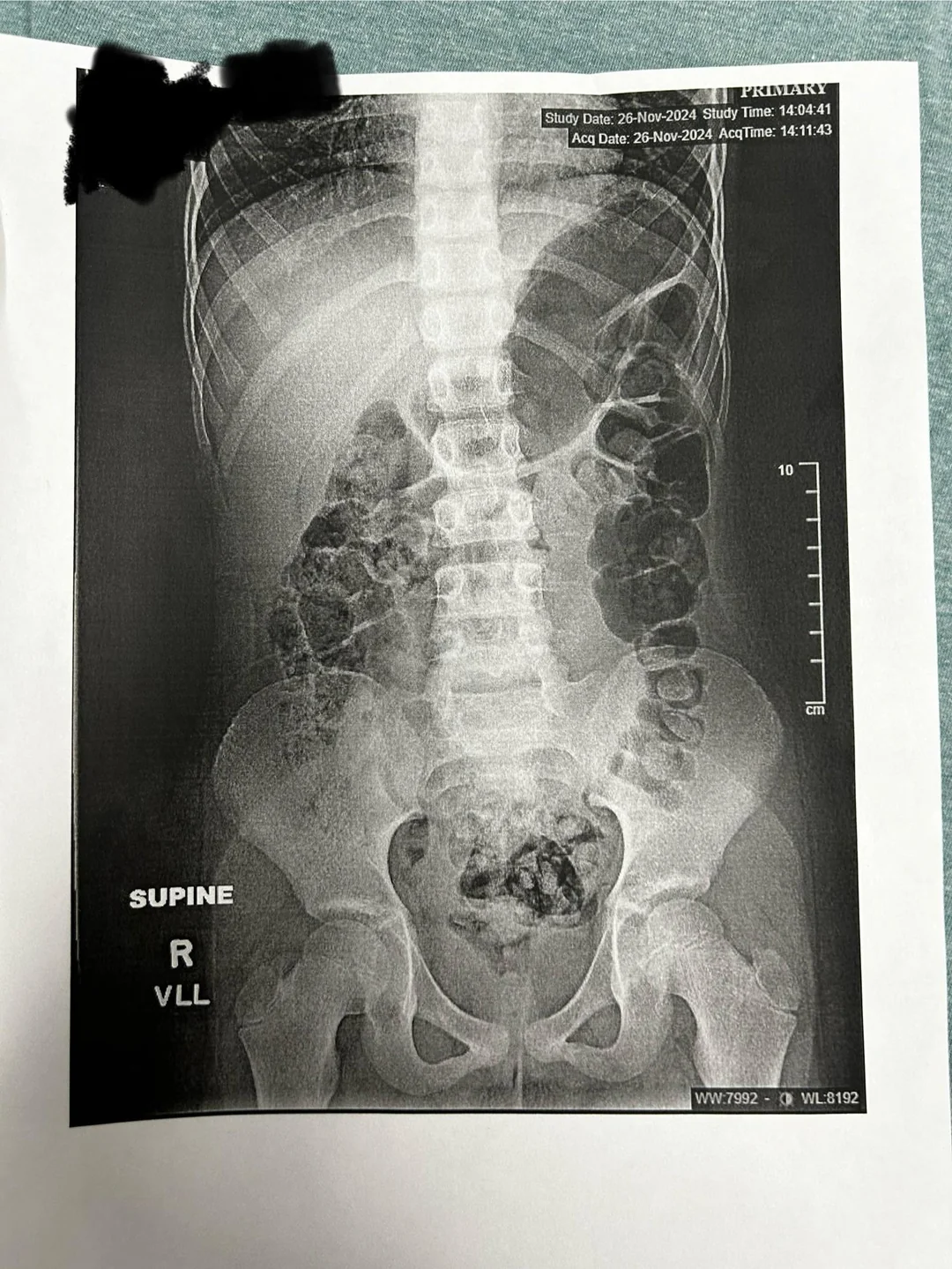
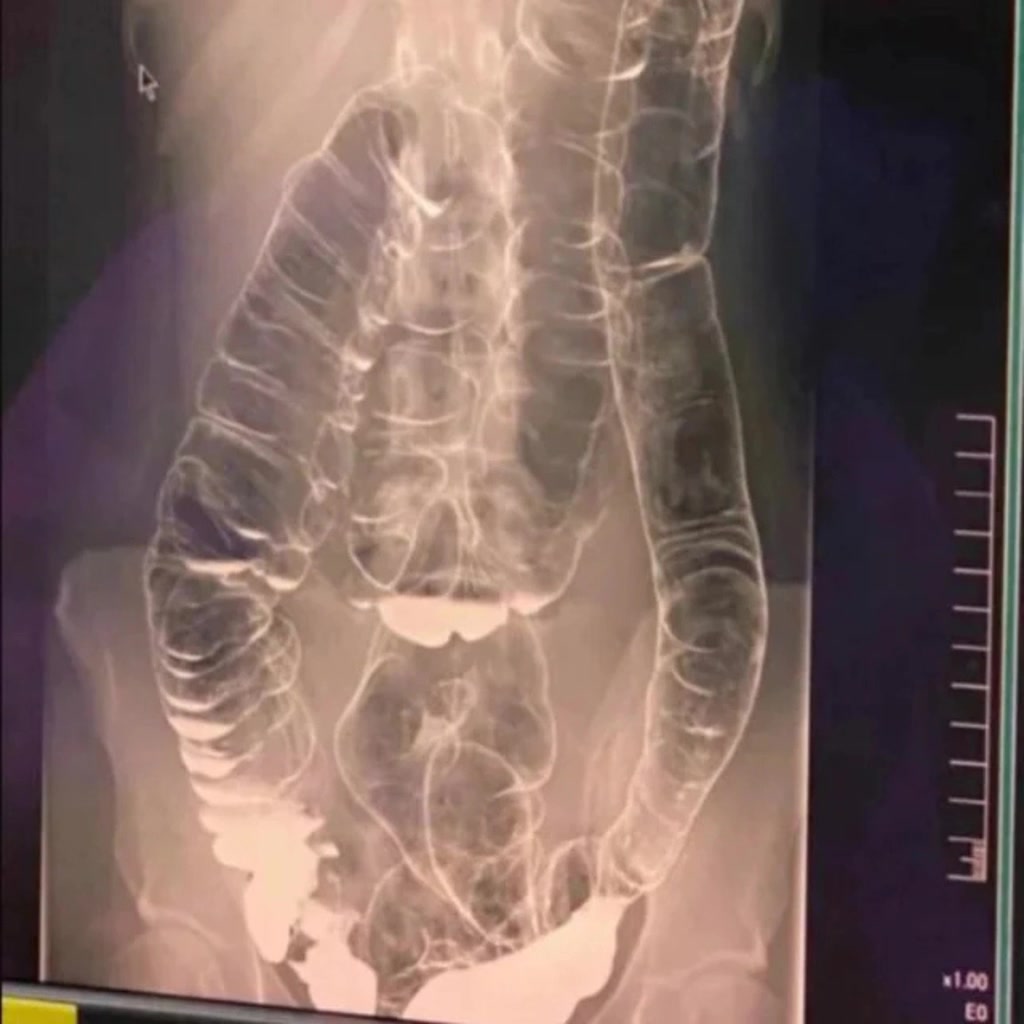
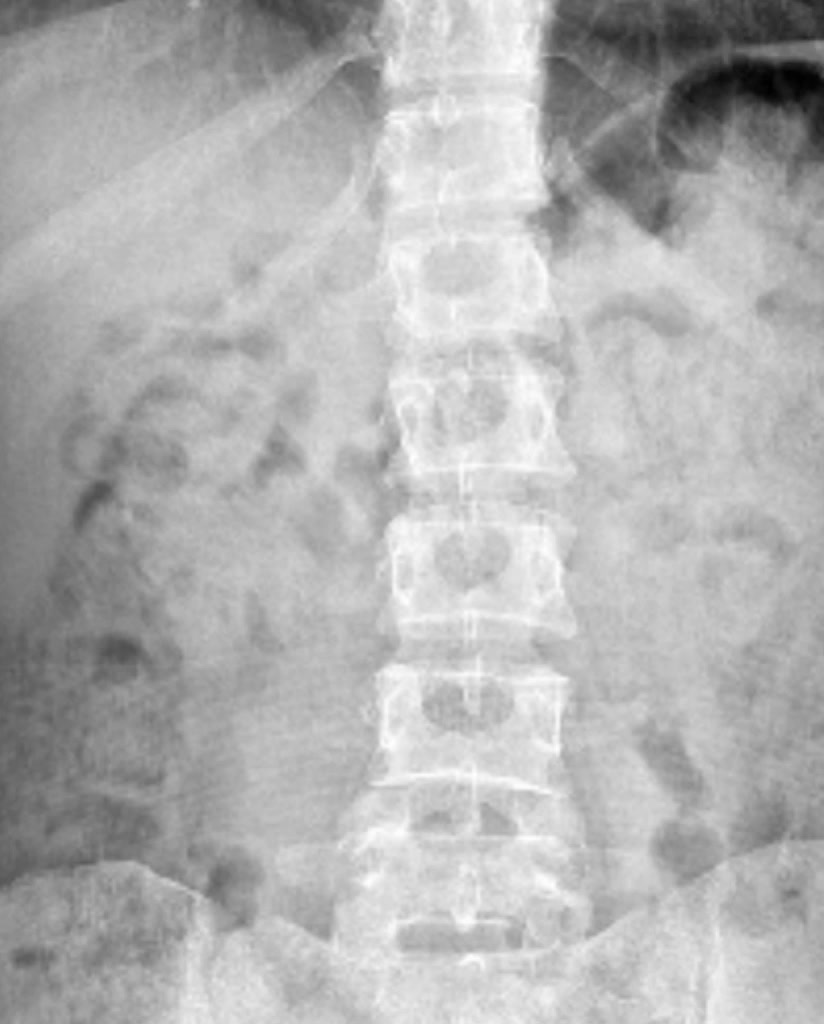
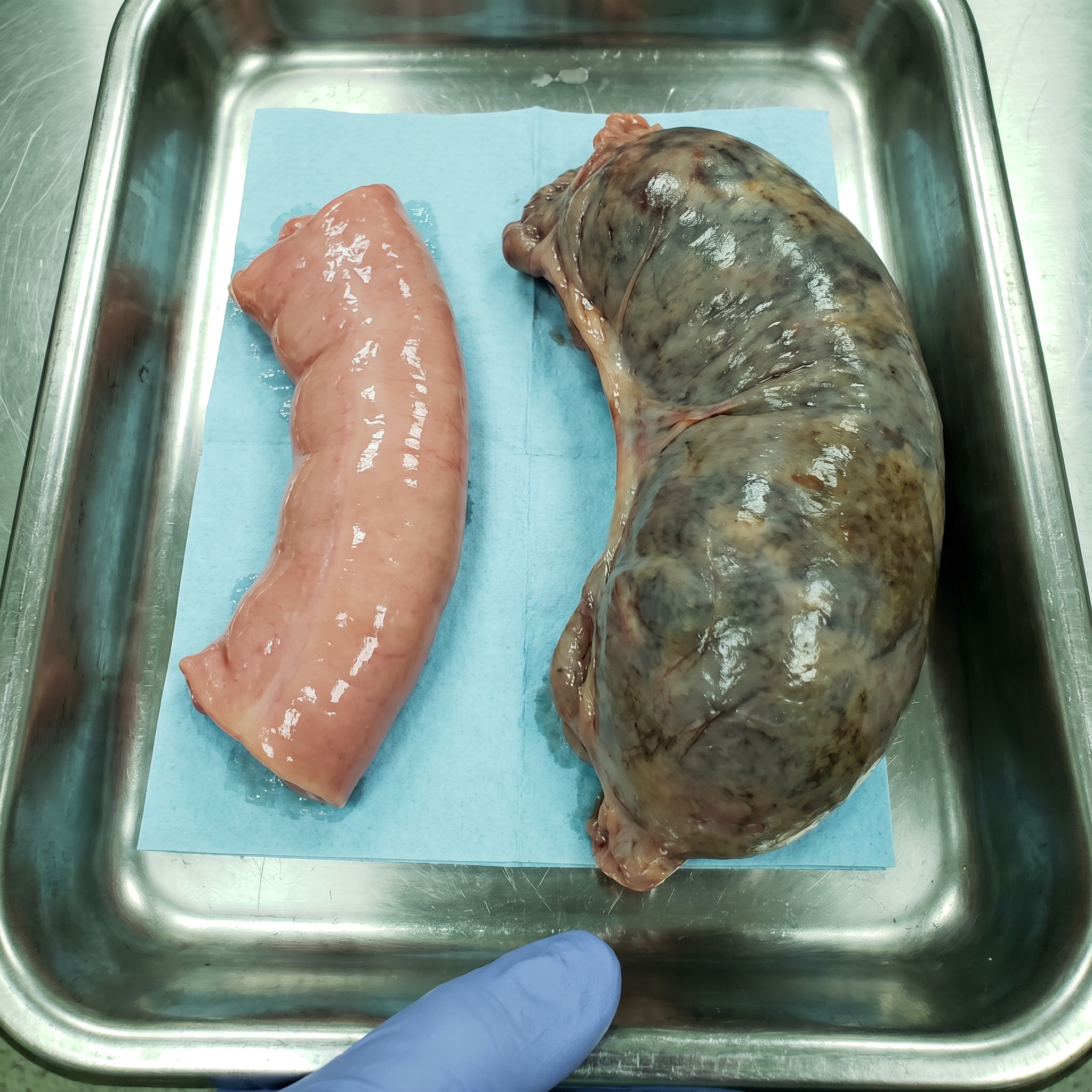
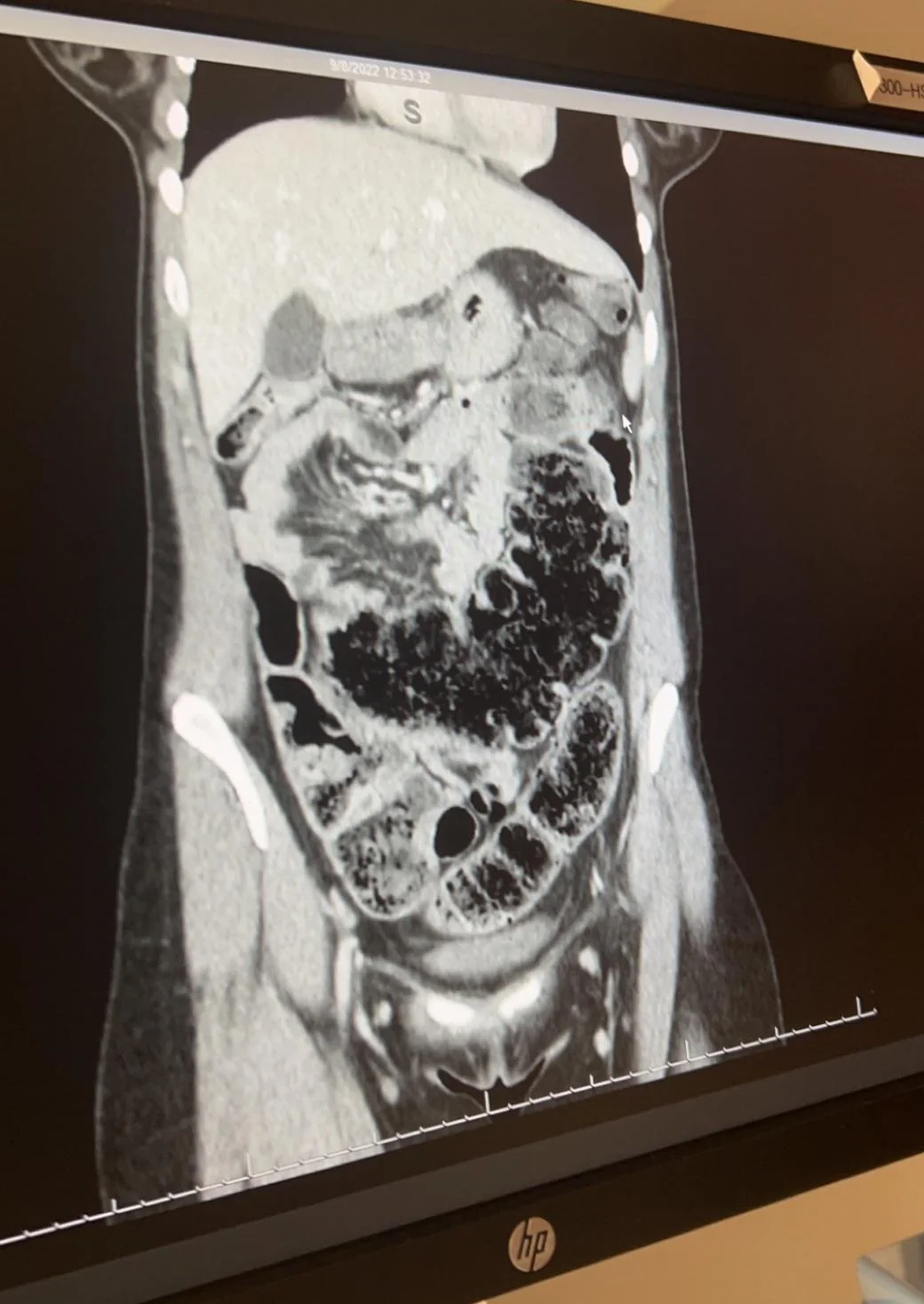
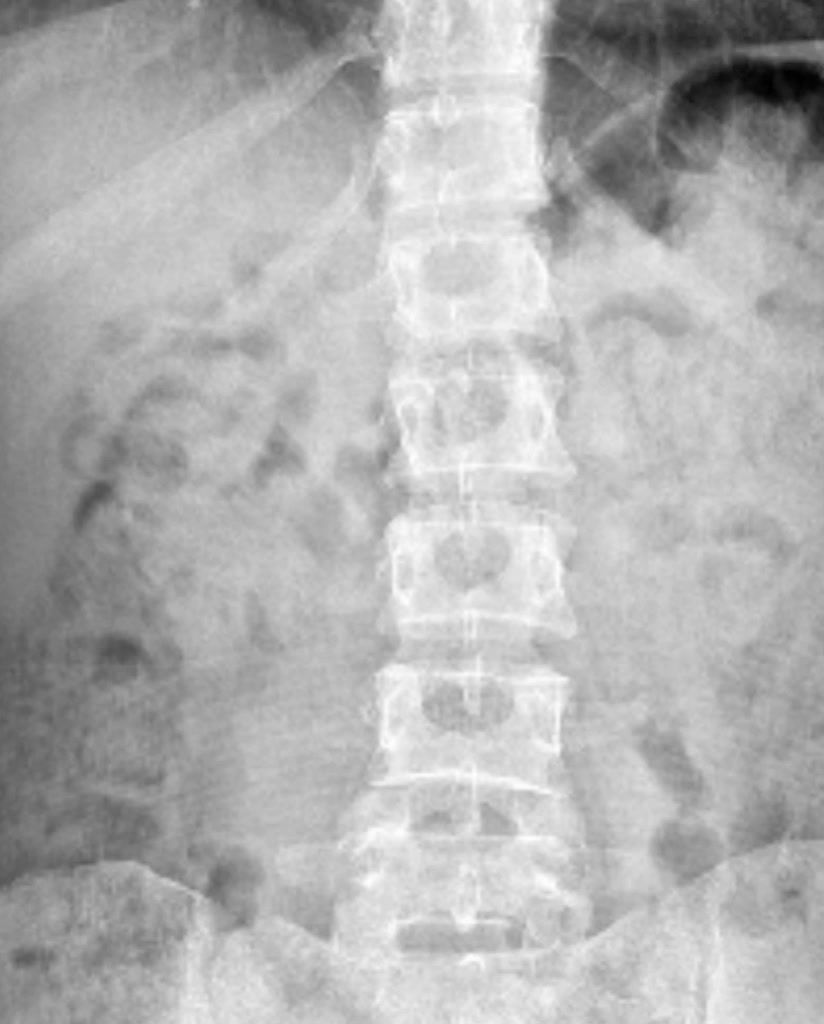
She started her GLP-1 medication at 47. Within six weeks, the woman who danced in our kitchen every Sunday morning stopped coming out of the bathroom. I'm not exaggerating. Rachel had fought her weight since our youngest was born. Twelve years of calorie counting. Weight Watchers. Keto. Two rounds of Whole30. A gym membership she used five days a week for eight months straight. Nothing worked. Not long enough. When her doctor started her on a GLP-1 medication, it felt like a miracle. The food noise went quiet. The scale moved. She was happy for the first time in years. Then the constipation started. At first it was two or three days. She'd mention it casually. "Probably just adjusting." Then it was five days. She bought Miralax. Then a week. She added fiber gummies, stool softeners, prune juice. Then it was ten days. I found her on the bathroom floor at 11 PM on a Tuesday, knees pulled to her chest, tears running down her face. "I can't do this," she whispered. "It feels like cement inside me. Nothing will move." That was the moment I stopped trusting what we had been told. The Doctor Who Didn't Listen I went with her to her next appointment. Dr. Sheehan had been her primary care physician for nine years. Good doctor. Thorough. But when Rachel described what was happening, his response made my blood pressure spike. "Constipation is a common side effect of GLP-1 medications," he said, typing on his laptop. "Are you drinking enough water?" "She drinks eighty ounces a day," I said. "Fiber?" "She's taking fiber gummies and Metamucil. They're making her MORE bloated." He nodded. "Some patients find that fiber can bulk up in a slowed digestive system. Try scaling it back. Add some movement. Walking after meals." Rachel stared at him. "I walk three miles every morning." "Give it time," he said. "Most patients adjust." "It's been two months," I said. He looked at me with that practiced patience doctors use when a spouse gets involved. "The medication is working. She's lost fourteen pounds. We need to stay the course." He scribbled on his notepad. "If it gets severe, we can try a prescription laxative. But I'd rather not add another medication." We left with nothing. Rachel was quiet the whole drive home. "He didn't even examine me," she said, staring out the window. I gripped the steering wheel and didn't answer. Because she was right. What I Found at 2 AM That night I couldn't sleep. I sat in the living room with my laptop and started searching. Not the forums. Not the Facebook groups where everyone tells you to drink more water and eat more fiber. I wanted to understand what was actually happening inside her body. I searched: "why does GLP-1 cause constipation" and "why fiber makes GLP-1 constipation worse." Most results were the usual advice. Drink more water. Add fiber. Exercise. Everything she was already doing. Then I found a video from a gastroenterologist who explained something nobody had mentioned. It wasn't about fiber. It wasn't about water intake. It was about fuel. He said your colon doesn't just move on its own. It needs fuel. Specific molecules called short-chain fatty acids, or SCFAs. He compared it to a car engine. Your colon runs on SCFAs the way a car runs on gas. Normally, the bacteria in your gut produce this fuel all day long by fermenting fiber in your colon. That fuel tells your colon to contract and push things through. It feeds the cells that line your colon wall. Without it, your colon sits idle. Like a car with an empty gas tank. I paused the video. Stared at the screen. Then he explained the part that made me want to throw my laptop: GLP-1 medications slow everything down. That's the point. Slower digestion means you feel full longer, eat less, lose weight. But the slowdown doesn't just affect your stomach. It reaches your colon. When transit slows, the bacteria in your gut get less material to ferment. Less fermentation means less SCFA production. Less fuel for your colon. And then it spirals. Slower colon means even less fermentation. Even less fermentation means even less fuel. Even less fuel means an even slower colon. Every day the cycle tightens. That's why Rachel's constipation was getting WORSE over time. Not better. The cycle couldn't break itself because the medication kept the initial slowdown in place. I sat there in the dark and felt my chest tighten. Because suddenly every failed remedy made sense: Fiber doesn't fix this. Fiber is raw material for the bacteria to ferment. But in a gut that's barely moving, fiber just SITS there. It piles up. It bloats. The factory is shut down. Dumping more raw materials at the door doesn't restart the factory. Probiotics don't fix this. Probiotics add more bacteria. But those bacteria need to ferment fiber to produce SCFAs. In a slowed gut, they can't do their job. You're hiring workers for a factory with no power. Laxatives don't fix this. Laxatives force ONE bowel movement by overriding the system. They don't restore fuel production. They push the car downhill once. The tank is still empty tomorrow. Every single thing Rachel had tried was targeting the wrong problem. I looked at the bedroom door. She was in there, probably awake, probably bloated, probably wondering if she'd have to quit the medication that finally silenced the food noise. And I thought: somebody has to be delivering this fuel directly instead of hoping the gut will produce it. Because that's what she needed. Not more bacteria. Not more fiber. Not more chemical laxatives. She needed the fuel itself. The Research That Changed Everything I kept reading. I found a clinical study showing that the primary organic acid in fermented kombucha culture is acetic acid. Acetic acid IS acetate. One of the three main SCFAs your colon uses as fuel. Kombucha doesn't wait for bacteria to ferment fiber into SCFAs. It delivers the fuel molecule directly. Like pouring gas into an empty tank instead of waiting for the gas station to reopen. Then I found another study. Controlled trial. People consuming kombucha showed improved stool consistency and reduced incomplete bowel evacuation. A third study showed that specific probiotic strains, L. plantarum and B. coagulans, could survive stomach acid and actually improve motility in constipated adults. B. coagulans reduced indigestion by 65% compared to placebo in a randomized trial. And then the piece that connected it all: Dandelion root contains 40% inulin by dry weight. Inulin is a prebiotic that specifically feeds butyrate-producing bacteria. Butyrate provides 70 to 80% of the energy your colon cells need to function. Slippery elm produces SCFAs during its own breakdown AND coats the gut lining with a protective mucilage. I sat back and stared at the screen. The immediate problem: her colon was starving for fuel. Kombucha delivers that fuel directly. The long-term problem: her gut bacteria couldn't produce their own fuel. Prebiotics and targeted probiotics rebuild that production line. Both problems. One approach. Fuel delivery now. Factory rebuild over time. I woke Rachel up. "I found something," I said. She looked at me with that tired, hollowed-out expression I'd been seeing for weeks. "Nate," she said. "Please. I can't handle another thing that doesn't work." "This is different. Everything you've tried was targeting the wrong problem. Your colon is starving for a specific fuel. And there's one thing that delivers it directly." She didn't say anything for a long time. Then: "What do we have to lose?" What Happened When She Tried It The next morning I started researching. I needed something that combined kombucha culture with prebiotics and the right probiotic strains. Not just a basic probiotic capsule. Not just kombucha in a bottle. Most gut supplements for people on GLP-1 medications are garbage. Standard probiotics use strains that die in the stomach, especially with the delayed emptying from a GLP-1. The bacteria sit in acid for hours and never reach the colon alive. Fiber supplements dump more bulk into an already stalled system. Cheap kombucha drinks are mostly sugar water with trace amounts of culture. I found one company that combined the right things: Kombucha powder delivering direct SCFAs. L. plantarum and B. coagulans, both proven to survive stomach acid and improve motility. Dandelion root and slippery elm for prebiotic support and gut lining protection. It was called Jevawell. USDA Organic. Third-party tested. They published their Certificate of Analysis right on the site. I almost scrolled past it. The website didn't look like the big supplement brands. But the formulation matched exactly what the research said her colon needed. I ordered a bottle. I didn't tell Rachel. I didn't want to get her hopes up again. When it arrived three days later, I waited until evening. She was sitting on the couch, heating pad on her stomach, looking miserable. She'd skipped dinner because eating made the bloating worse. "Try these," I said, handing her the bottle. She looked at me. Then at the bottle. "What is it?" "Kombucha gummies. With prebiotics and probiotics designed for people on GLP-1 medications." That tired, skeptical look. The one that said: We've been through this before. "Two gummies," I said. "That's it. If nothing happens in two weeks, we stop." She took two gummies. Chewed them. Made a face that said "not bad." Went back to her heating pad. I didn't expect much that night. Week One: "Something Feels Different" The first three days, nothing. Day four, Rachel said something at breakfast that made me look up from my coffee. "I feel less... stuck." "What do you mean?" "I don't know. Like things are moving. A little." Day five, she had a bowel movement. Not dramatic. Not the explosive Miralax-driven kind that left her cramping for hours. Just... normal. Quiet. She came out of the bathroom and looked at me. "That's the first time in three weeks it didn't hurt," she said. I didn't say anything. Too early. Could be coincidence. Day six. Another one. No straining. No pain. Day seven. Same. I was paying attention now. Week Two: "I Forgot About My Stomach" By the end of the second week, the change was undeniable. Rachel was eating dinner with me again. Full portions. No heating pad afterward. The bloating that had made her look six months pregnant since starting the medication was visibly reduced. She put on a pair of jeans she hadn't worn in two months. "They fit," she said, sounding confused. "They actually fit." But the thing that got me was what she said Thursday evening. We were watching TV. She turned to me. "I forgot about my stomach today." "What?" "I went through the whole day and didn't think about my stomach once. I didn't plan my meals around whether I'd bloat. I didn't avoid eating because I was scared of the pain. I just... ate. And was fine." She paused. "I can't remember the last time that happened." Week Four: "I Feel Like Myself Again" A month in, Rachel woke me up early on a Saturday. "Let's go to the farmers' market," she said. "I want to walk around. I want to eat something from one of the stands and not worry about it." We hadn't done that in four months. We spent the whole morning together. She tried a peach from a vendor and laughed when the juice ran down her chin. She bought herbs for a recipe she'd been too sick to make. Walking home, she looped her arm through mine. "I feel like myself again," she said. Then, quieter: "I didn't realize how bad it had gotten until it stopped." I didn't say anything. I just held her arm tighter. Week Six: Dr. Sheehan's Appointment Rachel had a routine follow-up with Dr. Sheehan. I went with her. When the nurse asked about her medications, Rachel mentioned the Jevawell gummies. Dr. Sheehan pulled up her chart. "How are the GI symptoms?" "Gone," Rachel said. "Daily bowel movements. No bloating. No pain." He looked up from his screen. "Gone?" "I've been taking a fermented kombucha supplement with prebiotics. My husband found research about how GLP-1 medications can starve the colon of the fuel it needs to move." Dr. Sheehan looked at his notes. Then back at Rachel. "Well," he said. "Your weight loss is continuing. You're tolerating the medication. And the constipation has resolved." Pause. "I'm not familiar with that particular connection. But your results speak for themselves. Continue what you're doing." That was the best we were going to get. And honestly? It was enough. Why Most Gut Supplements for GLP-1 Users Don't Work After Rachel's results, I told three women at her gym who were dealing with the same thing. Two of them tried generic probiotics from Amazon. Nothing changed. I wasn't surprised. Because I'd already learned this the hard way: Most probiotics do NOT work for people on GLP-1 medications. The delayed stomach emptying means bacteria sit in acid for hours. Most strains die before reaching the colon. You're swallowing dead bacteria. And even the ones that survive? They need to ferment fiber to produce SCFAs. In a slowed gut, that fermentation barely happens. The workers show up but the factory has no power. Jevawell is the only supplement I've found that delivers SCFAs directly through kombucha culture AND includes spore-forming probiotics that actually survive GLP-1 stomach conditions AND has the prebiotics to rebuild the gut's own fuel production over time. That's why it works. And that's why the cheap alternatives don't. If Your Wife, Partner, or Someone You Love Is on a GLP-1 Medication, Please Read This Ask yourself: Is she constipated most days, sometimes going five or more days without a bowel movement? Is she bloated so badly she looks pregnant by evening? Has she tried Miralax, fiber, stool softeners, and none of them really worked? Has she stopped eating meals because eating makes the discomfort worse? Is she talking about quitting the medication even though it's working for weight loss? If you said yes to even one of those, it's not "just adjusting." It's what happens when a GLP-1 medication slows the gut so much that the colon runs out of the fuel it needs to function. Every remedy she's tried targets the wrong problem. Fiber adds bulk to a stalled system. Probiotics add bacteria that can't produce fuel. Laxatives force one movement but leave the tank empty. Her colon needs the fuel itself. Delivered directly. That's what Jevawell does. Here's What You Can Do Right Now The company is called Jevawell. They make a fermented kombucha gummy with prebiotics and clinically studied probiotics designed specifically for gut support alongside GLP-1 medications. USDA Organic and third-party tested. They offer a 60-day money-back guarantee. No questions asked. If it doesn't work, you're out nothing. But if it does work. If she starts going to the bathroom without pain. If the bloating goes down. If she can eat a meal without dread. If she stops talking about quitting the medication that's changing her life. You'll wish you'd found this months ago. I know what it's like to watch someone you love suffer. To sit across the table from a doctor who says "give it time" while your partner is crying on the bathroom floor at midnight. To feel helpless. The GLP-1 medication gave Rachel her confidence back. It silenced the food noise. It let her fit into clothes she hadn't worn in years. But it was stealing her gut. And every day she suffered, I watched a little more of her disappear. Jevawell gave her gut back. And I got my wife back. Click below if you want to try what gave us our life back. -- Nathan Riggs P.S. -- We saw consistent improvement by day five. By week two, the bloating was noticeably reduced. By week four, Rachel said she felt like herself again. Your timeline may differ. But the 60-day guarantee means you risk nothing. P.P.S. -- Rachel's friend Debbie waited three weeks to order because she "wanted to think about it." During those three weeks, the constipation got so bad she ended up in urgent care with an impaction. She called Rachel from the waiting room and said, "I should have ordered it when you told me." Don't wait until it gets that bad. If it's in stock, get it now. Because GLP-1 constipation does NOT get better on its own. It gets worse. Every week your colon produces less fuel. Every week the cycle tightens. Your gut will not fix itself while the medication keeps the slowdown in place.
Constipation Due to GLP-1
A daily kombucha gummy designed for GLP-1 users. Helps get things moving, reduces bloating, and relieves constipation gently.
LEARN MORELike this ad? Make it yours.
Crush rebuilds this exact creative around your product — your brand, your colors, your offer — in about a minute.