
Active· since Jun 17, 2026
- 89
- days running
- 3
- relaunches
Ad copy
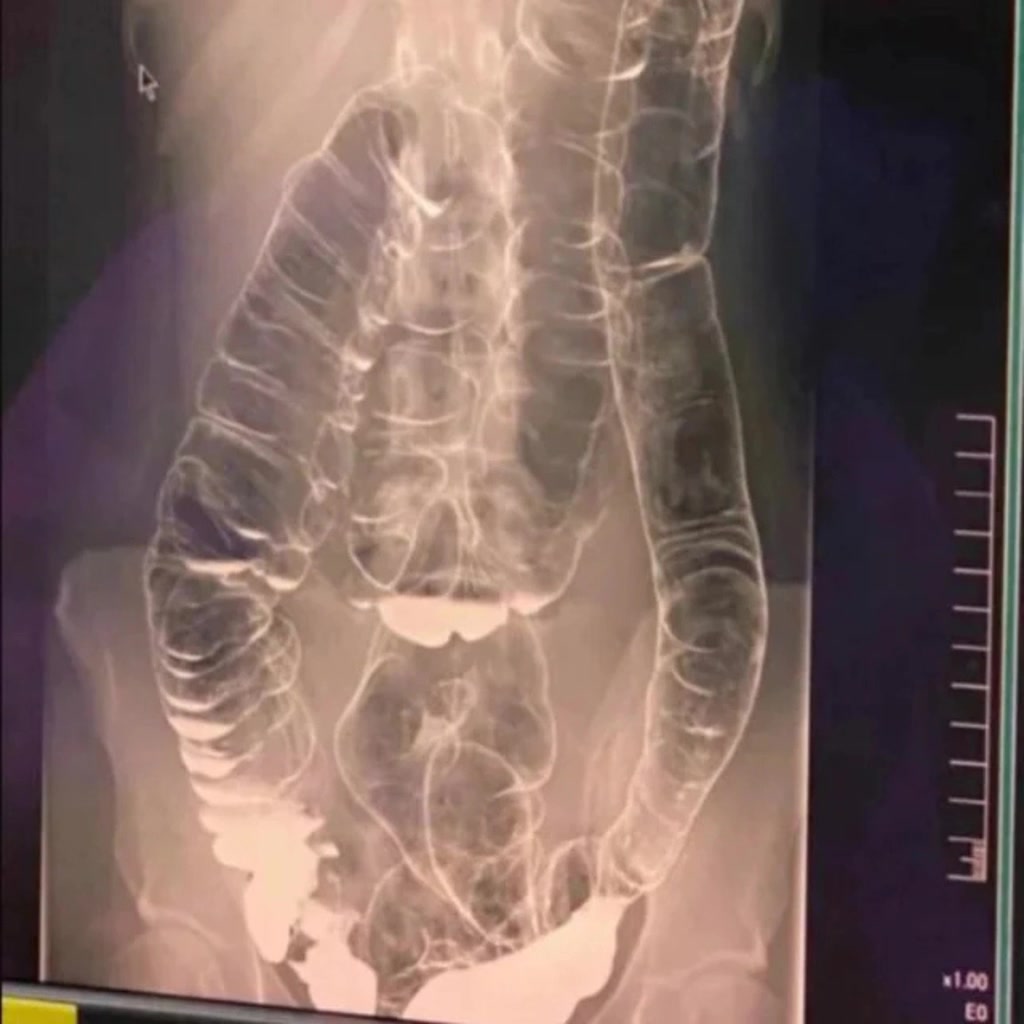
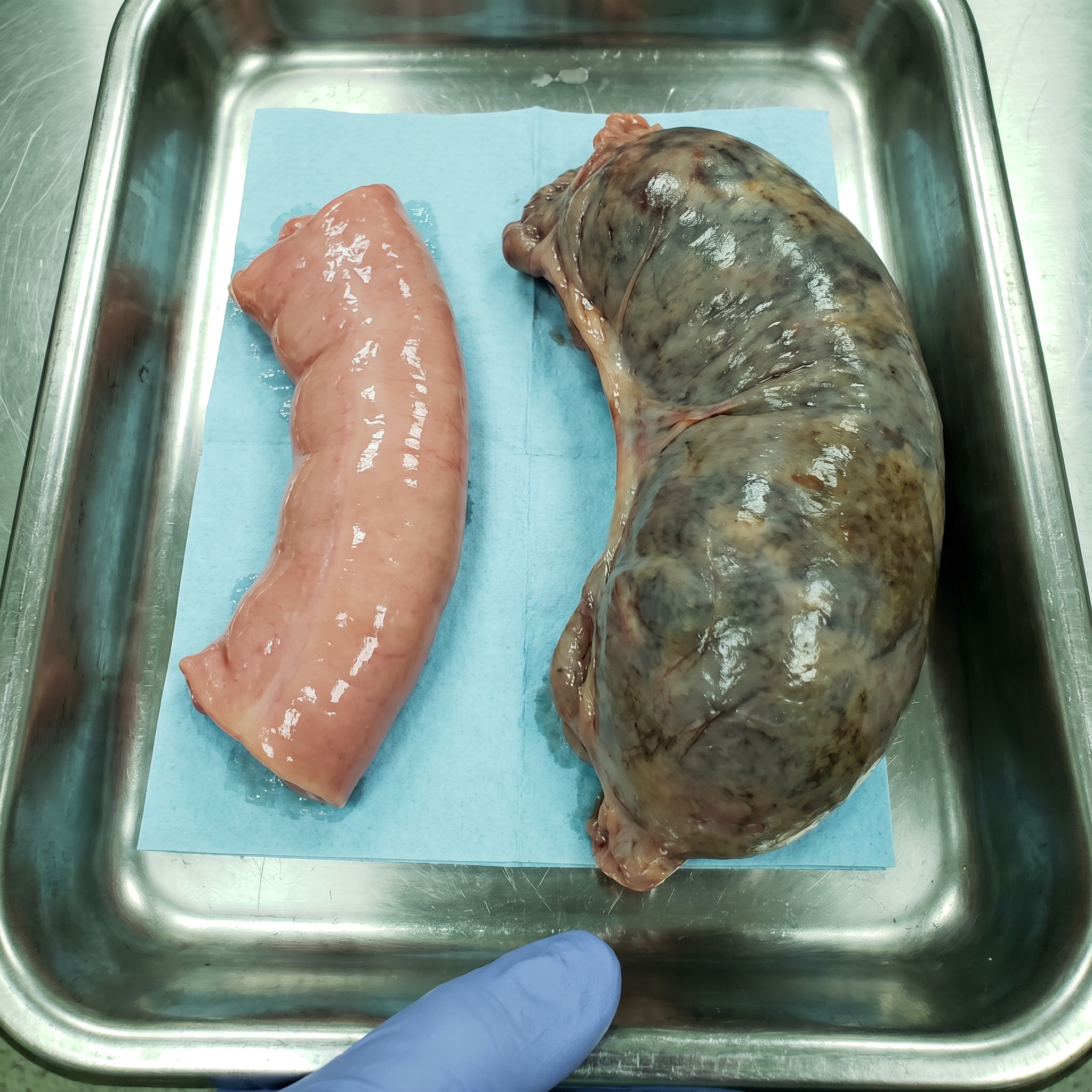
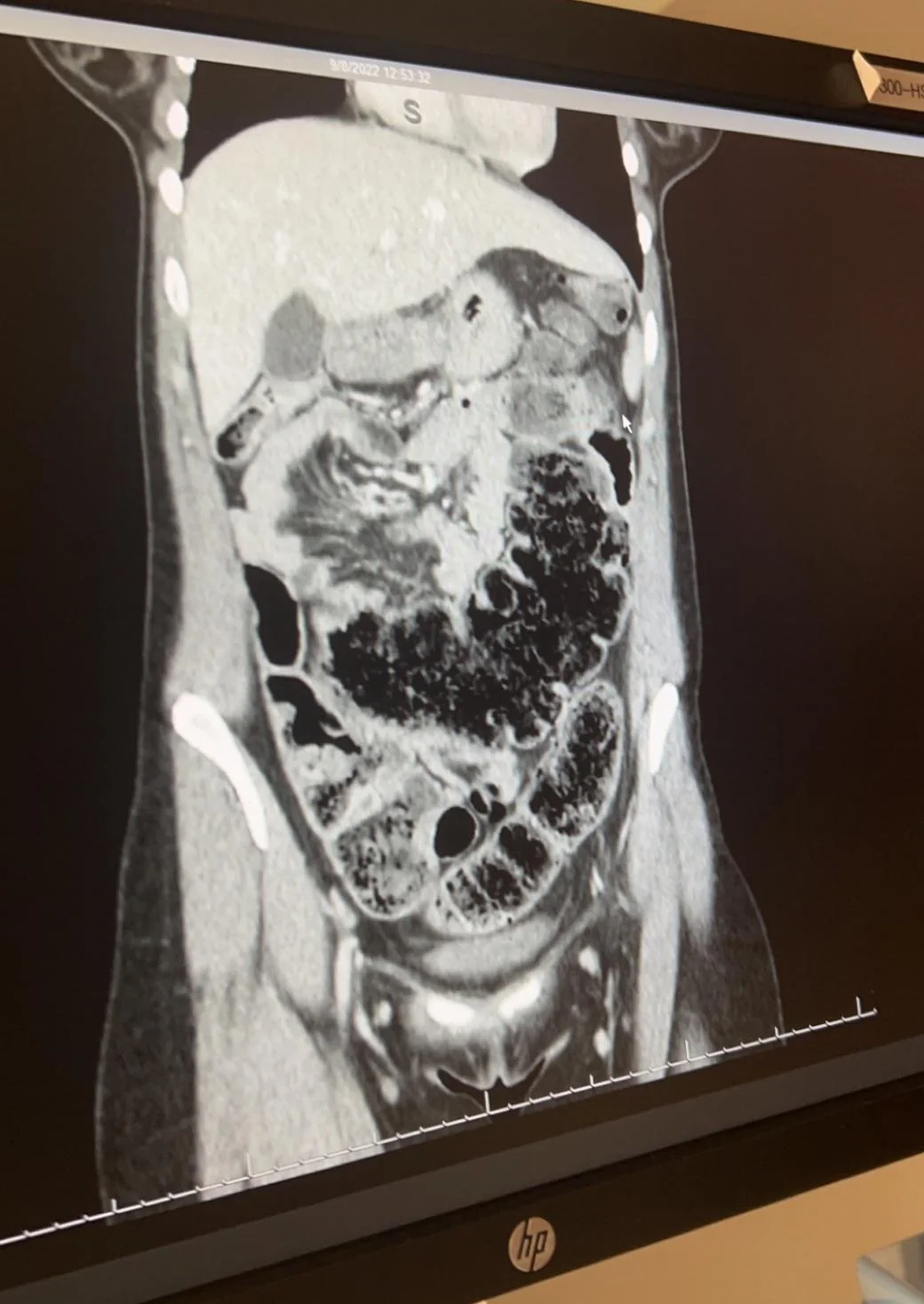
My father took MiraLAX for twelve years. His bowel movements were managed at every single checkup. When he died from complications of chronic constipation at 63, I asked his gastroenterologist how that was possible. What she told me changed everything I thought I knew about laxatives. Because three months ago, I was standing in the same spot my father stood. Same laxative on the counter. Same doctor pushing it. And I almost filled the prescription without asking the one question that would have saved my father's life. My constipation hit every 4-5 days between movements. My doctor didn't hesitate. "We've watched this long enough. I'm starting you on daily MiraLAX." Eight minutes. That's how long the appointment lasted. She heard "constipated," wrote it down, and told me to come back in three months. But my husband works in healthcare administration and he wouldn't let it go. "Your doctor checks whether you're going," he said. "That's output on a chart. A functional medicine specialist checks what's happening inside your gut. Those are two different things. Before you start that laxative, I want someone looking at what's actually broken." The specialist spent an hour with me. Not eight minutes. She ran tests my regular doctor had never ordered — gut microbiome panel, bacterial diversity analysis, short-chain fatty acid production capacity, inflammatory markers. She checked things my gastroenterologist had never checked in six years of appointments. When she came back with the results, she wasn't smiling. "Your bowel frequency says every 4-5 days. That tells me one thing — the output is slow. But these tests tell me something your bowel frequency can't." She turned the screen toward me. Graphs. Color-coded charts. Bacterial population data. "These are your short-chain fatty acid producers. Faecalibacterium. Bifidobacterium. The bacteria that ferment fiber into the chemical signals that tell your colon to contract." She pointed at a range on the chart. "A healthy woman your age should be here." She pointed at another range. Much lower. "You're here. I normally see this level of depletion in patients who've been on daily laxatives for years. You haven't started yet. Your bacteria collapsed from diet, stress, and aging alone." I stared at her. "But my doctor said the constipation was the problem. If we force a movement with MiraLAX—" "The constipation is the last thing to change," she said. "Your gut bacteria have been declining for years — probably more than a decade — before your bowel movements started slowing. The constipation your doctor is reacting to? That's the end of the process. Not the beginning." She let that settle. "Think about it. Your constipation didn't jump to every 5 days overnight. It crept. Every 2 days became 3. Then 4. Then 5. Over years. Your doctor watched it worsen and said 'eat more fiber' until it crossed a threshold. Then she reached for MiraLAX." "But what was happening inside your gut during those years? The bacterial collapse was already well underway. The depleted microbiome I'm measuring today didn't start when you hit 5 days. It started a decade before that." "Your bowel frequency is the surface," she said. "What I'm seeing underneath it is ten years ahead of what that number suggests." I felt sick. "So what does MiraLAX do?" She was direct. "MiraLAX pulls water into your colon through osmosis. Waste moves from bulk pressure — not because your muscles contracted. Your doctor sees you went and says 'working well, keep taking it.'" She paused. "But it doesn't restore your gut bacteria. It doesn't rebuild the fermentation that produces your signal. It doesn't address the reason your colon muscles lost the signal to contract on their own. The output improves. The bacterial ecosystem — what I'm seeing on these tests — continues to decline. And every dose flushes out more of the bacteria you need." She looked at me. "The laxative is like repainting a house with a crumbling foundation. From the outside, everything looks fine. You're going. But the structure underneath keeps collapsing." And that's when I understood what happened to my father. He'd been on MiraLAX for twelve years. Started at 62 — one capful daily. His doctor called it "the gold standard for chronic constipation." Said it was gentle. Non-habit forming. He'd probably need it long-term, but that was fine. The dependency came within the first year. Not dramatic. Gradual. He'd take it, go regularly. Miss a day, nothing moved. "I guess I just need it consistently now." By year three, one capful wasn't enough. His doctor increased to two. "Your body adjusted. Totally normal." By year five, they added magnesium citrate three times a week. "Just to keep things moving." And the bloating. God, the bloating. This was a man who used to build furniture in his garage. Who coached my brother's football team. Who grilled for the whole neighborhood on the Fourth of July. By 65, his stomach swelled up every afternoon like he was carrying a basketball. He stopped tucking in his shirts. Stopped wearing belts. Just loose pants and flannel shirts buttoned over that distended belly. The brain fog crept in around year four. Forgetting things. Losing conversations mid-sentence. Falling asleep at the table. My mother would cover him with a blanket on the couch at 7 PM and eat dinner alone. The exhaustion was relentless. Not tiredness — poisoning. His kidneys and liver working overtime to process toxins his gut should have eliminated but couldn't. He died at 63. Bowel obstruction. Impaction that had been building for months behind the managed output. Perforation. Sepsis. Twelve years of managed movements. Twelve years of escalating doses. Twelve years of his doctor saying "the MiraLAX is working." And he died of the thing they were managing. I told the specialist. She was quiet. "That's unfortunately common," she said. "The laxative managed his output for twelve years. But the bacterial collapse — the root cause — continued the entire time. His gut looked like it was working. The bacteria producing the signal were dying underneath. That's the gap the laxative can't close." There it was. The answer to the question I'd carried since I was 41 years old, standing in a hospital hallway being told my father was gone. His output was managed for twelve years. And he still died of the thing the laxative was supposed to prevent. Now a specialist was telling me why. "So what do I do?" I asked. "Is the laxative the only option?" She said I had two paths. Path one: start the MiraLAX. The output improves. Going more frequently at every checkup. "But the bacterial collapse continues underneath," she said. "And over time, the dose increases. Maybe magnesium added. Stimulant laxatives eventually. The output stays managed. The foundation keeps dying." Path two: actually address why my gut bacteria are depleted. "How?" I asked. She explained: Your colon doesn't move waste automatically. It relies on chemical signals — short-chain fatty acids, the molecules your gut bacteria make when they ferment fiber. When those bacteria are healthy, those acids bind the receptors on your colon wall and tell the muscles to contract. Waste moves through naturally. But when those bacteria are depleted, the signal dies. Your colon muscles sit there. Capable. But silent. "When that signal disappears," she said, "your colon stops contracting on its own. Waste doesn't move. That's what constipation IS — not a stool problem, but a signaling problem." "MiraLAX forces the output through water pressure," she said. "The frequency improves on paper. But it doesn't restore the bacteria, and it doesn't put those signaling molecules back. It flushes out more bacteria with every dose. Your gut becomes dependent on the chemical bypass instead of recovering its own function." "Your father was on that bypass for twelve years. His output was managed. His bacteria kept dying. The laxative was managing him. It wasn't healing him." Managing. Not healing. That's what my father was for twelve years. "Is there a way to actually restore the signal?" I asked. She said the problem isn't only the missing bacteria — it's the missing molecules they used to make. And the most direct way to put those molecules back isn't a fiber you hope your damaged gut can still ferment. It's a postbiotic. Something already fermented. "Like what?" I asked. "Kombucha," she said. "Properly concentrated. Not the bottled sugar-water at the grocery store." I almost laughed. "Kombucha? My doctor wants me on MiraLAX and you're telling me about kombucha?" She pulled up research on her screen. "Fiber asks your gut to make those short-chain fatty acids from scratch. But your bacteria are too depleted to do it — that's the whole problem. Kombucha is pre-fermented. The organic acids are already made. Acetic, lactic, gluconic — the same family of molecules your missing bacteria used to produce. They hit the same receptors on your colon wall. They send the same signal." "It's the same target the laxative aims at — getting your gut to move. But instead of chemically forcing your colon every 24 hours, the fermentation acids restore the signal naturally. And the live cultures rebuild the bacteria that make your own signal again. You're rebuilding the function, not replacing it." She showed me the studies. A 2024 human trial where kombucha consumption measurably enriched the short-chain-fatty-acid-producing bacteria — including the exact spore strain, Bacillus coagulans, that has its own constipation trials. Another where that strain cut colonic transit time in eight weeks. Another where Lactobacillus plantarum improved spontaneous bowel movements over six weeks. But — she held up a finger — most kombucha is useless for this. Bottled kombucha is mostly sugar, water, and carbonation. The live cultures are often killed in pasteurization and the active acids are present in trace amounts. Apple cider vinegar gummies have a single acid and nothing living. The fermentation matrix that actually does the work has to be concentrated, daily-dosed, and paired with the two strains that have real constipation trials behind them — L. plantarum and B. coagulans — plus a prebiotic to feed them and a soother for the gut wall. She said most "gut health" gummies on the market are the equivalent of a splash of vinegar in a sugar bath. Below the threshold. The math doesn't work. So I started looking. Most were garbage. Pasteurized. Underdosed. Wrong formulation. First brand — the bottled kombucha everyone drinks, from the grocery store. Six weeks, two bottles a day. Nothing changed except the bloating got worse. Checked the label: more sugar than a soda, cultures cooked out in pasteurization. Second brand — apple cider vinegar gummies, "gut reset." Eight weeks. Nothing. One acid, no live strains. Third brand — a "probiotic" gummy from the supplement store, most expensive on the shelf. Four weeks. Still going every 4-5 days. Single strain, no fermentation matrix at all. I was running out of time. My follow-up with my regular doctor was three weeks away. She was going to ask if I'd started the MiraLAX. After the third brand failed, I found Jevawell. A concentrated kombucha fermentation matrix in a single daily gummy — the finished organic acids, plus L. plantarum and B. coagulans (the two strains with constipation trials), dandelion root inulin to feed them, and slippery elm to soothe the gut wall. Third-party tested. Certificate of Analysis published. I started taking it daily. One gummy every morning. Never started the MiraLAX. First two weeks: I tracked everything. Still going every 4-5 days at first. But something was different — movements were easier. Less straining. More complete. A gentle signal underneath the silence. I wasn't trusting it yet. Week three: Went three times in seven days. No laxative. Just sat down and it happened. Naturally. This wasn't noise anymore. My husband noticed before I said anything. Not the frequency. The bloating. "Your stomach looks different," he said one evening. "Less swollen." He was right. The distension that had been my baseline was fading. Week four: Going every other day. Sometimes daily. Below the threshold of chronic constipation for the first time in two years. I sat at the kitchen table and put my head in my hands. Not from pain. From relief. Week five — the day before my follow-up. Went that morning. Naturally. Completely. My doctor asked about bowels. I told her. Going daily. Natural. No MiraLAX. She pulled up my chart. Previous visit: every 4-5 days, MiraLAX recommended. "You didn't start the MiraLAX?" "No." Her head came up. "No?" "I found something else. Concentrated kombucha. The fermented acids my gut stopped making — plus the strains to rebuild them." Long silence. "If this holds, we can revisit the MiraLAX conversation. Continue what you're doing. I want to see you in three months." I walked out. Sat in my car. Called my husband. "Daily movements. No MiraLAX. She said continue." He exhaled. "You did it." "I did it." Two weeks later I went back to the specialist. She ran the microbiome panel again. Bifidobacterium: up 49%. Faecalibacterium: up 38%. Short-chain fatty acid levels: rebuilding toward healthy range. She looked at the results. Then at me. "Your bacterial ecosystem is restoring in ways I didn't think possible after this level of depletion. Not just the output — the function. This is what restoration looks like. Not management." Not management. Restoration. That was four months ago. My gut this morning? Working perfectly. Every single day. Natural. Easy. No laxative. No bloating. No brain fog. No planning my day around whether my colon would cooperate. Latest microbiome panel: bacterial populations stable and improving. My specialist says my gut function is better than it's been in a decade. Last month my husband and I hiked a trail we used to do years ago. Seven miles. I wasn't bloated. Wasn't exhausted. Wasn't calculating bathroom locations. He took a photo at the overlook. Me smiling. Actually smiling. My specialist told me that if I'd started the MiraLAX — managing the output while the bacterial collapse continued — I'd be following the same trajectory she sees in most patients. "Your father's story isn't unusual," she said. "It's the standard outcome when you manage the output without addressing the cause." My father managed output for twelve years. His bacteria kept dying underneath. He died on the laxative. I fixed the cause. In four months my gut bacteria are healthier than they've been in a decade. If you're reading this, you're where I was. Your gut is slow. Your doctor wants you on MiraLAX. Maybe she's already written it. Maybe you've been putting off starting. Maybe you're already on it and watching the dose creep up. Here's what nobody told me until a specialist sat down for an hour and explained it: Your constipation isn't the disease. It's the last symptom of a bacterial collapse that started a decade before your bowel frequency changed. Your gut bacteria have been dying — losing the capacity to ferment fiber into short-chain fatty acids, the chemical signals your colon needs to contract. That collapse has been progressing silently for years. The constipation your doctor is reacting to is the end of that process, not the beginning. MiraLAX forces the output. It does not restore bacteria. It does not put the signal back. It manages a frequency while the foundation continues to die. My father proved where that path leads. Jevawell. A concentrated kombucha fermentation matrix in one daily gummy — the finished organic acids your bacteria stopped making, plus L. plantarum and B. coagulans, dandelion root inulin, and slippery elm. Third-party tested. Certificate of Analysis at jevawell.com/pages/list-cc-1. 30-day money-back guarantee. Track your movements. Same time every morning. When the frequency starts improving naturally — bring the results to your doctor. That's what I did. My doctor saw daily movements where she expected to see continued struggle. She didn't argue. She didn't push MiraLAX. She said "continue what you're doing." Movements don't argue. Don't wait until the managed output path is the only path left. Don't follow the same road my father followed for twelve years. He managed output. I fixed the cause. 👉 jevawell.com/pages/list-cc-1 — Diane Whitaker P.S. — I saw consistent improvement by week three. My doctor agreed to hold off on MiraLAX at week five. My specialist confirmed bacterial restoration at week seven. Your timeline may vary — but the 30-day guarantee means you risk nothing finding out. P.P.S. — My father spent twelve years on MiraLAX. Managed output. Declining gut function. Died at 63 from complications the laxative was supposed to prevent. A specialist showed me what the medication was doing — and what it wasn't doing. Four months later, my gut bacteria are healthier than they've been in a decade. No laxative. Just the fermented signal my colon was missing. 👉 jevawell.com/pages/list-cc-1
Haven't Gone in Days?
Helps get things moving, reduces bloating, and relieves constipation gently.
SEE DETAILSLike this ad? Make it yours.
Crush rebuilds this exact creative around your product — your brand, your colors, your offer — in about a minute.