
Active· since Jun 20, 2026
- 86
- days running
- 0
- relaunches
Ad copy
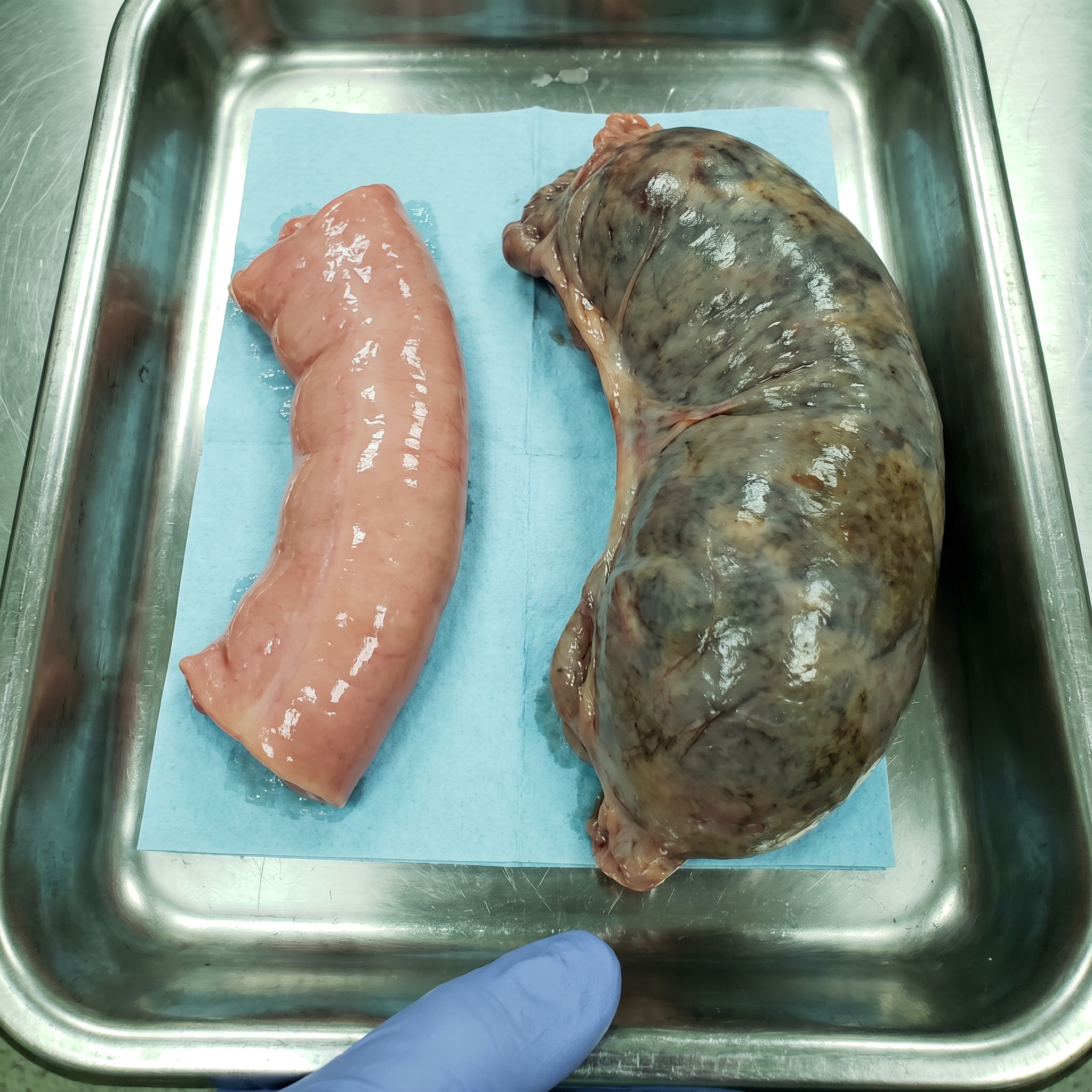
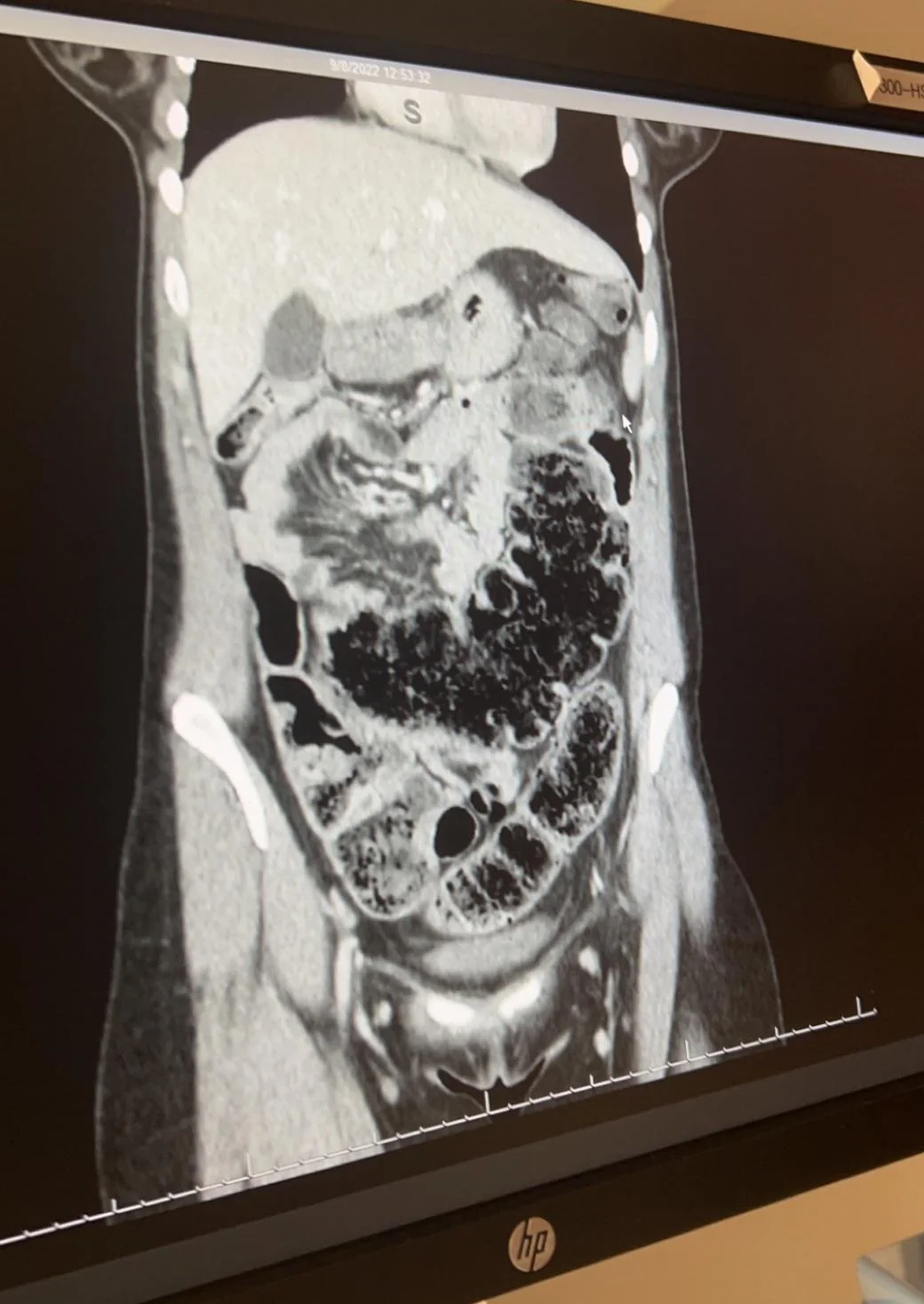
I'm a family doctor in Lancaster County, Pennsylvania, and I've practiced here for 25 years. Half my patients are Amish. Half are not. In 25 years of watching these two populations sit in the same exam chairs, eat off the same county, drink the same water, I have watched a difference grow between them that should not be possible. The Amish women in my practice still go to the bathroom like clockwork in their seventies. The English women in my practice stopped going on their own in their forties. I'm going to tell you why. Because nobody trained me to, and nobody is going to tell you either. — Let me walk you through two patient charts that come across my desk every single week. The first chart belongs to a 47-year-old American woman who has been a patient of mine for years. Her first visit was for bloating and a stomach that "looked six months pregnant" by every evening. I ran the panels, everything looked normal, and I diagnosed her with IBS, told her to eat more fiber, drink more water, and manage her stress. She came back a few months later because the fiber had made it worse. She was straining for an hour and nothing was coming. So I handed her MiraLAX and told her it was going to be her new best friend. She came back a year later, exhausted, not sleeping, waking at 3am bloated and uncomfortable. The MiraLAX had quit working. So I added magnesium on top of it, and told her perimenopause was a lot to handle. She came back having gained fourteen pounds she couldn't shift, and I told her about discipline. The last time she came in, she told me she didn't recognize herself anymore. That she hadn't had a real bowel movement in eleven days. That she'd started keeping a bulb syringe in her bathroom drawer for the mornings nothing else worked. And I added senna to the stack. Over five years, that one woman saw me five times, went home with a longer and longer list of laxatives that have collectively cost her thousands of dollars and not made her well. This is not a unique chart. This is the average chart of an English woman in my practice in her forties. — The second chart belongs to a 67-year-old Amish woman in the same town. She first came to see me for prenatal care. She delivered three children in eight years, all with her midwife, and I caught the second one when the midwife was at another birth. She has come in twice for stitches when she cut her hand on a butcher knife, and once when her son broke his arm. She has never been on a single laxative in her life. Not the MiraLAX, the magnesium, the senna, the fiber gummies, or the prescription drugs that fill the bathroom cabinets of women her age. She has never had a colonoscopy because she has never had a digestive symptom that warranted one. She goes every morning, on her own, the way the 47-year-old in the first chart hasn't in years. I have hundreds of these charts. The English charts grow longer every year. The Amish charts barely change. — For years I told myself it was the diet, until I actually looked at what the Amish eat. Full-fat dairy, bacon and eggs, white bread, pie at every meal, and pickled everything. They eat the exact foods mainstream nutrition has spent forty years telling Americans will clog them up for good. So I told myself it was lifestyle, the hard physical work and the time outdoors. Then I looked at the women specifically. The grandmothers in their 80s aren't out plowing fields. Many of them sit and quilt and tend the kitchen all day, the same as my English grandmothers in their 80s. Same activity, same diet of pies and full-fat dairy, and yet one set goes like clockwork and the other set hasn't gone on its own in a decade. So I told myself it was genetics, that the Amish must have some founder effect that makes their guts work. The genetic studies have been done. There isn't one. So I started asking. Patient by patient, visit by visit, what do you do that I don't see in any of my English patients? — A 78-year-old Amish woman finally answered me. She told me about something her family had made and eaten since she was a girl, the same as her mother and grandmother before her. A fermented drink, brewed in a crock in the kitchen, sipped every single day. Three generations of women in one kitchen, drinking the same sour-tasting thing for as long as anyone could remember. She told me her grandmother had brought the practice over from the old country, and that it had come to America with the early Anabaptist communities. Her grandmother used to say every grandmother in America used to keep a crock like this going, until the doctors told them they didn't need it anymore. I asked her when she thought that happened. She said her mother told her it was somewhere around the 1940s, when the drugstore started telling American women there was a pill for everything their grandmother's crock used to do. Her community didn't listen. The rest of the country did. That was the difference. The whole difference. It wasn't the diet, it wasn't the lifestyle, and it wasn't the genetics. It was that one population kept feeding their gut the thing it runs on, every day, and the other population threw it out and replaced it with a laxative. — I went home that night and read everything I could find on what she had told me. That fermented drink is loaded with organic acids — acetic, lactic, gluconic — the exact same molecules your own gut bacteria are supposed to make. And those acids are not a vitamin or a fiber. They are the chemical signal that tells your colon to contract. That's the part no one taught me. Your colon doesn't move on a schedule. It moves when it gets a signal. Specific bacteria in your gut ferment what you eat into those acids, the acids land on a receptor on your colon wall, the receptor switches on the squeeze that moves everything along. When years of antibiotics, processed food, stress, and laxatives starve those bacteria out, the acids stop getting made. The signal never gets sent. The colon never gets the message. So it sits there. That's why my English patients say "I've lost the urge" and "my body forgot how to go." Their bodies didn't forget. They stopped getting the text. — The average American medical school spends a handful of hours on the gut microbiome, out of four years of training and thousands of hours of clinical work. I had a handful of hours. And in all of it, not one professor taught me that chain. Not one taught me that a fermented food restores the signal. What they taught me — what the conferences and the drug reps and the free lunches taught me — was which laxative to reach for when a patient can't go. It isn't a conspiracy. It's economics. Nobody needs to hide the fermentation research from you. They just need to make sure your doctor was never trained to think about it, and the gap does the rest. You cannot patent a fermented food. You cannot patent your own gut making its own signal. There is no drug rep who flies in to teach a doctor how to put a customer out of business. There IS money in a laxative aisle that earns again every single month you keep buying. A doctor who understands the signal is a doctor who stops sending you back to that aisle. That isn't a healthcare failure. That's a business model. — Even when my English patients had figured out something deeper was wrong and tried to fix it themselves, the things they found never finished the job. I watched dozens of them work their way through the same drawer. MiraLAX. Metamucil. Magnesium citrate. Senna. Dulcolax. Smooth Move tea. Prune juice. Psyllium. Fiber gummies. They all followed the same pattern: a week or a month of relief, then it quit, and they were right back where they started, often worse than before. Because every one of those products shares the same three fatal limitations. They force the exit instead of restoring the signal. MiraLAX pulls a bucket of water into the colon to flush you out once. Magnesium does the same. Senna whips the colon wall to force one contraction. Not one of them writes a single signal molecule. They move you today and the next morning your body is just as silent as before. They bulk the stool, which only helps if your colon still squeezes. Fiber and psyllium assume there are bacteria home to ferment them and a working muscle to push the bigger mass along. In a gut that's lost the signal, there isn't. So the fiber just sits there and bloats you. That's why so many of my patients tell me fiber made them worse. And they teach your colon to lean on them. The more you force the exit from the outside, the less your body does from the inside. The stimulant works once, then the next morning is quieter than ever. That's the trap that turns a one-week fix into a ten-year dependency. Three failures, built into every laxative on the shelf, drugstore and natural alike. — The Amish crock addresses all three. The fermenting happens outside the body, in the crock, for days, before a single sip is taken. By the time it reaches you the organic acids are already finished — already made, already there. You're not asking a starved gut to ferment anything. You're handing it the signal it stopped being able to write. Those acids land on the same receptor the missing bacteria used to feed, and they switch the squeeze back on. Not forced from the outside. Sent from the inside, the way it's supposed to come. And taken every single day, the way three generations of Amish women took it, it keeps feeding the signal until the gut's own bacteria have a chance to recover and start making it again. After 25 years of practice, this was the only explanation that fit everything I had watched. — Now, before you go try to recreate what the Amish women do with a jar of grocery-store kombucha, let me save you the disappointment. I tried it myself. Bought the fanciest bottle on the cooler shelf and drank one a day for a month. All I got was a sugar headache and more bloat. When I actually sent a few bottles to be tested, I understood why. Store kombucha is mostly sugar water and carbonation, with a trace of the acids that matter and live cultures that are a coin toss once it's been pasteurized and sat on a truck for three weeks. What makes the Amish crock work isn't its age. It's that the fermentation is taken all the way to finished — the organic acids are concentrated and complete by the time anyone takes a sip, not a faint trace diluted in sugar water. That's the part you can't grab off a store shelf. So I started looking for a modern version that would actually work. I found a small company that makes one. It's a raspberry kombucha gummy. It's called Jevawell. Real fermented kombucha, concentrated — so the organic acids it delivers are already finished, already there, before it ever reaches you, in a dose you'd never get from a bottle off the cooler shelf — plus the two live strains that actually have published trials in constipation, L. plantarum and B. coagulans, plus a little dandelion-root inulin to feed the bacteria you still have, and slippery elm to settle the gut wall while it recovers. It doesn't try to be a generational crock. It does the one thing the crock did that matters: it hands your colon the finished acids it stopped being able to make, in a concentration that actually registers, with the two strains the research points to. That's the part the drugstore told American women to throw out — and the part nothing on the laxative shelf gives back. One small thing, once a day. There's no stack, no escalating dose, no laxative you have to buy again next month because this one quit. A 60-day money-back guarantee, so if your body doesn't start moving on its own you send the empty pouch back and pay nothing. — I started taking it myself two years ago. By the second week the bloating I'd been blaming on age was going down. By the third week I had a morning I will not forget — I stood in my kitchen and felt the urge come on its own, no chemical, no force, for the first time in longer than I want to admit. The third week is the week every laxative I'd ever leaned on had quit on me. This one didn't quit. It built. By week six I was going every morning, on my own, the way I had in my thirties. I hadn't opened the magnesium drawer in my locker in a month. Then I started recommending it to my patients. The first one I tried it with was the 47-year-old whose chart I described above, the one with five years of laxatives and nothing fixing anything. Within three weeks she walked into my office and I almost didn't recognize her. Flat stomach, bright eyes, sleeping through the night. She was off the senna within a month, off the magnesium within two, going on her own by three. I went through my roster and started recommending it to every chronic case I'd been managing for years. Within a few months, dozens of my patients had quietly dropped laxatives they'd been on for a decade. Not because I told them to, but because once the signal comes back, the thing those laxatives were forcing simply starts happening on its own. I added up once what the 47-year-old's stack had cost her. Better than a thousand dollars a year, every year, to stand in exactly the same place she started. The pouch that finally gave her mornings back is twenty-nine. Every laxative dropped is a customer the aisle loses for life. That is exactly the customer it was built never to lose. — If you've been bloated, exhausted, looking six months pregnant by evening, going eleven days without a real movement, straining until something tears, and your doctor keeps telling you it's stress, fiber, water, or your age — it's probably none of those. Your colon stopped getting the one signal it was built to run on, and it's been silent for years. The same aisle that profits from your silence is the one selling you another month of it. The gummy does what your body has been trying to do for itself and can't — because nobody ever gave it back the signal. This small company sells out constantly. If you click and they're out of stock, sign up for the restock notice. It's worth the wait. I have watched two populations age in the same county for 25 years. One still goes like clockwork. The other stopped years ago and was told that was normal. And I am tired of pretending nobody can see why. I have nothing to gain by telling you this. I just don't want one more 47-year-old in my exam room telling me she's lost herself to something I could have helped her with five years ago, if I'd known. Stop forcing the exit. Start sending the signal. Almost forgot the link. Here it is: jevawell.com/pages/list-cc-1
Haven't Gone in Days?
Helps get things moving, reduces bloating, and relieves constipation gently.
LEARN MORELike this ad? Make it yours.
Crush rebuilds this exact creative around your product — your brand, your colors, your offer — in about a minute.