
Active· since Jul 1, 2026
- 75
- days running
- 0
- relaunches
Ad copy
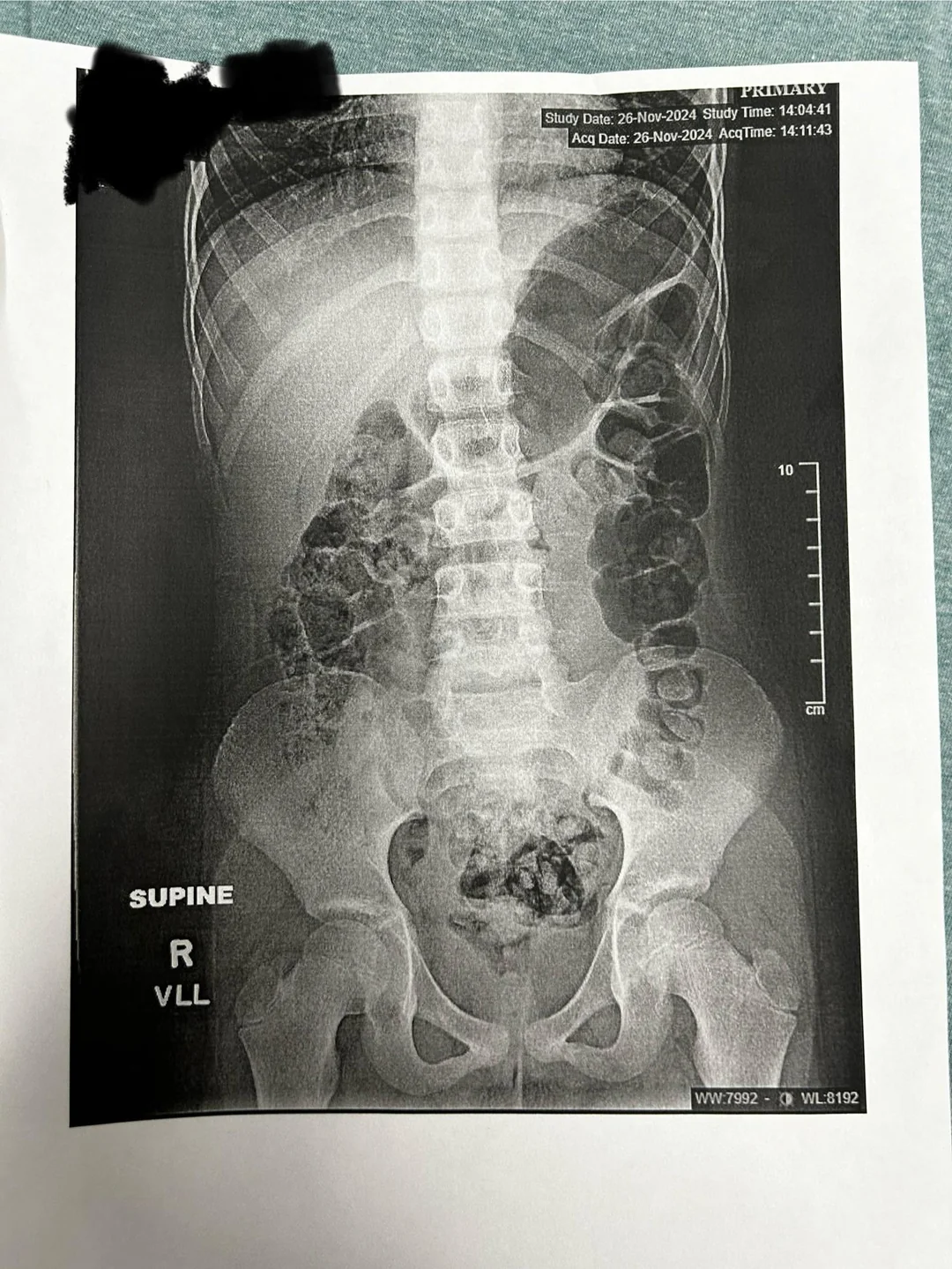
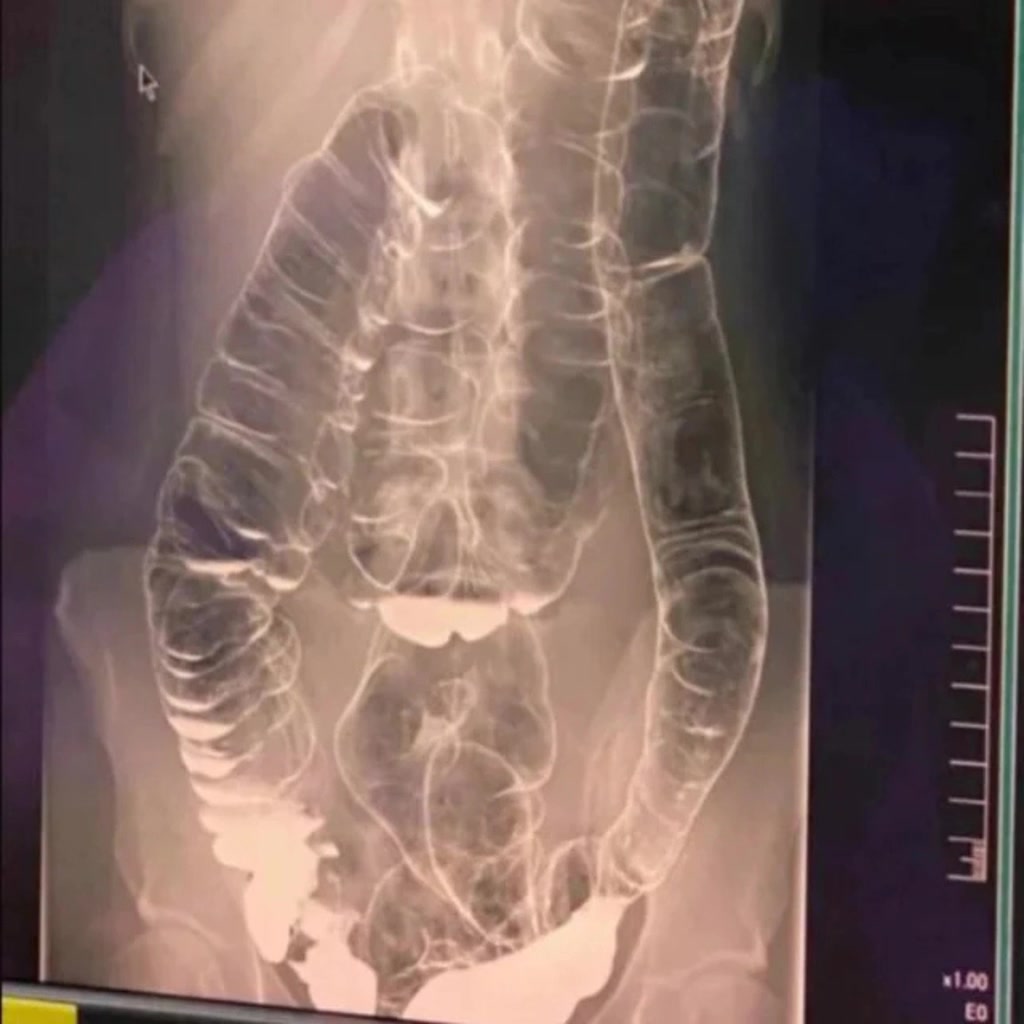
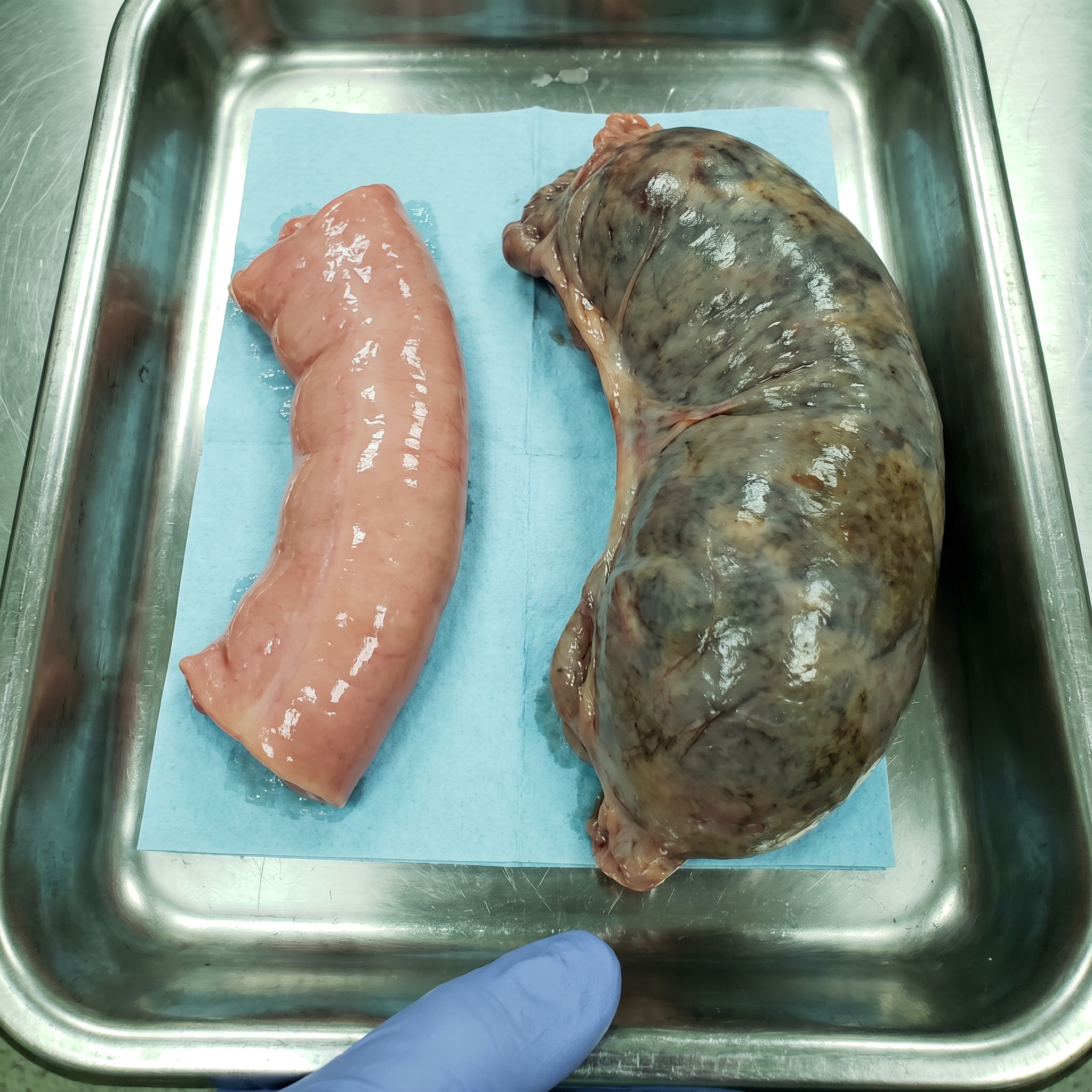
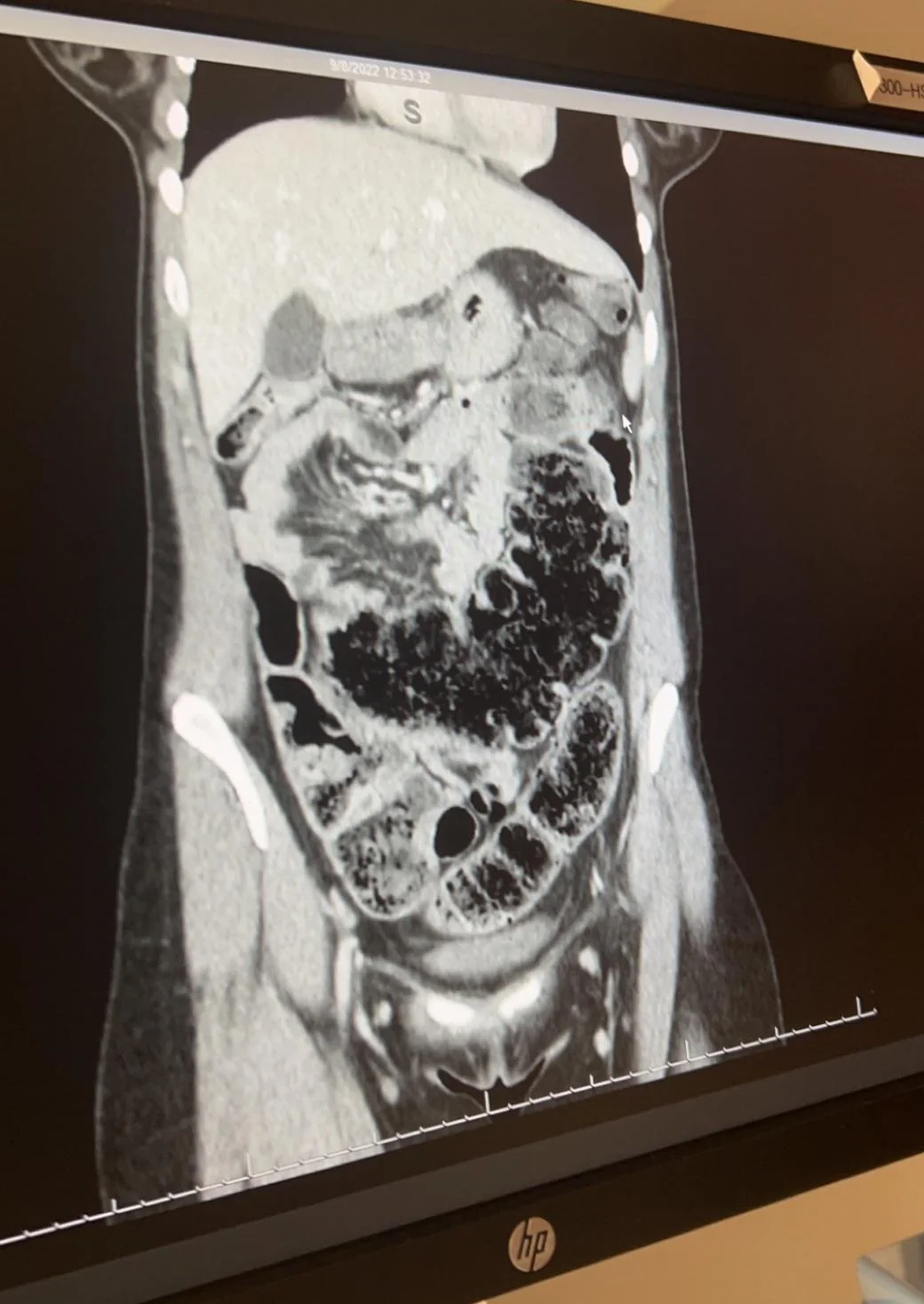
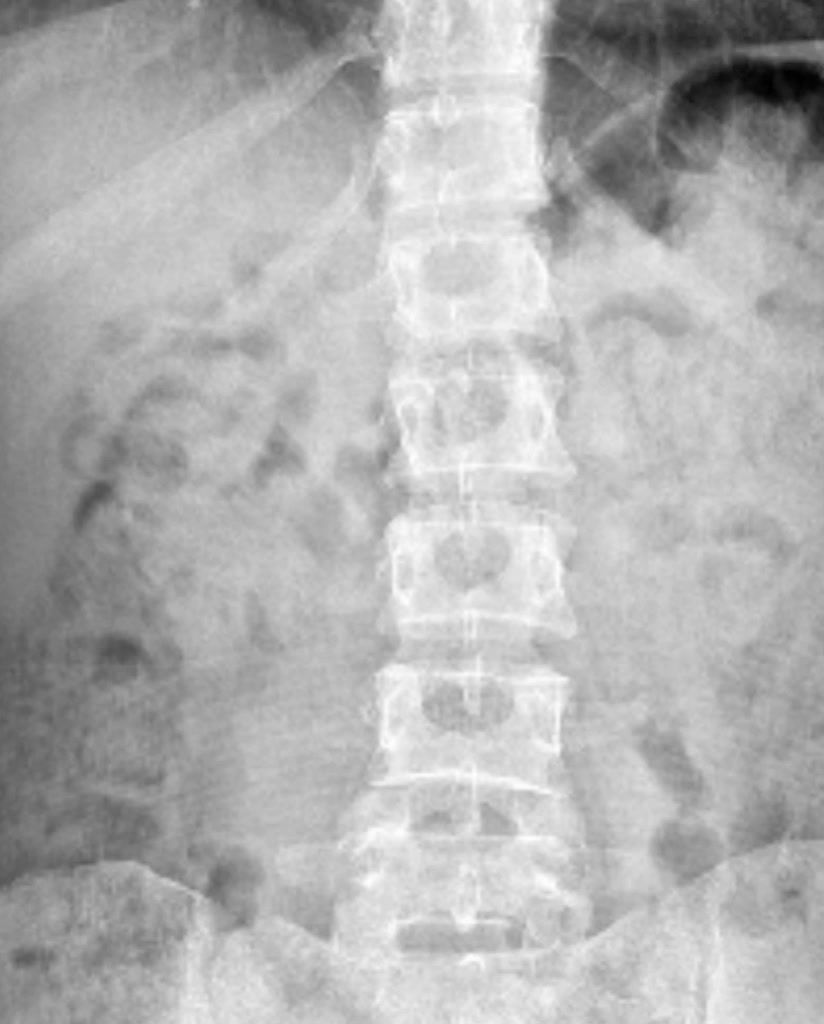
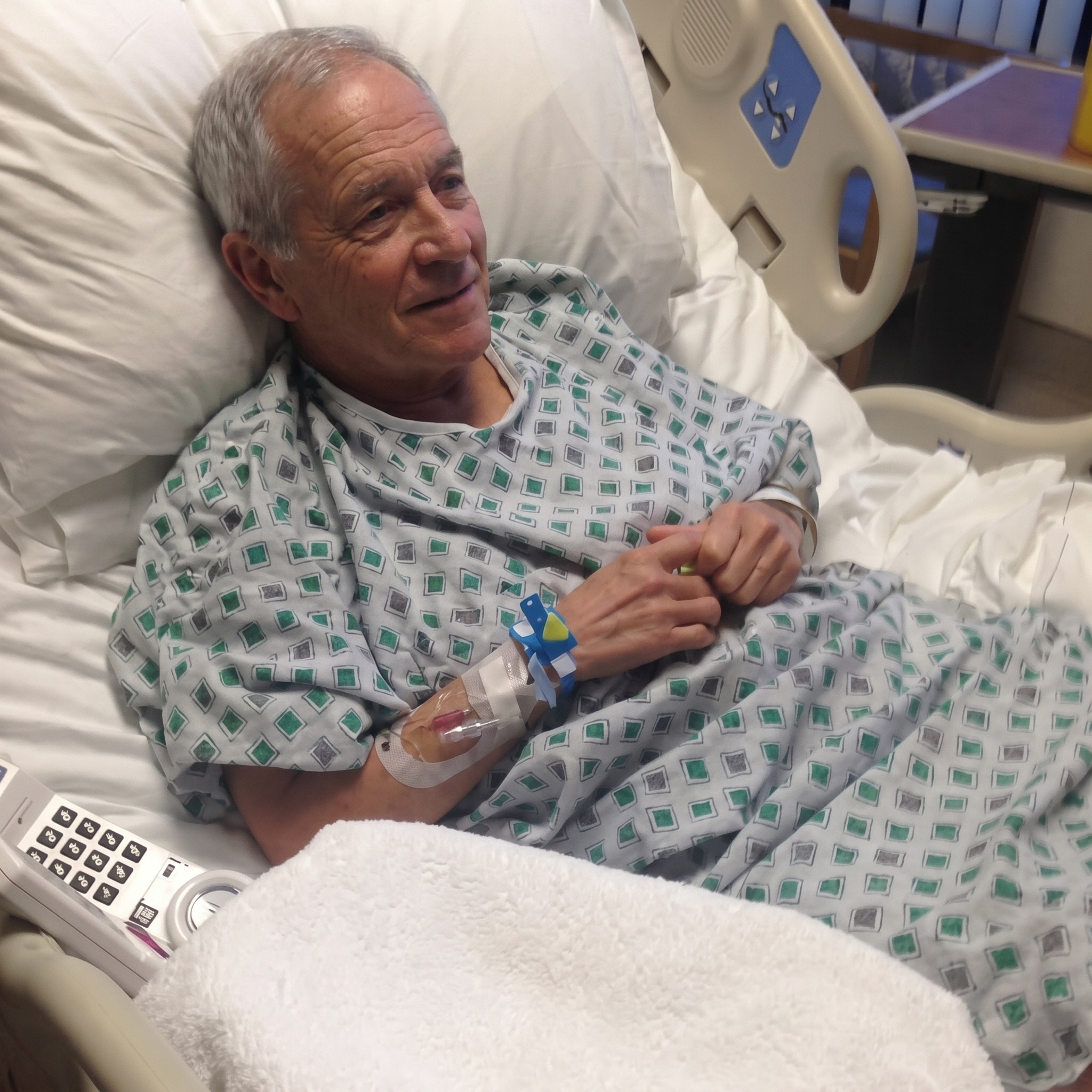
My father took MiraLAX every morning for twelve years. He died at 66 of complications from chronic constipation. Three months ago I sat in the same exam-room chair he sat in and my doctor reached for the same thing. I almost said yes — until my husband asked the one question no one ever asked my father. I'm 51. I'm not a doctor. I'm not a scientist. I'm a woman at her kitchen table who almost took the same pill her father did, and I need to tell you what I found out too late to tell him. My father has been gone for nine years. He died the spring our youngest started kindergarten. The year before, he'd started saying his belly felt tight. He was 65. His GP said keep up the MiraLAX, maybe add a little Metamucil. He did. He did exactly what they told him. The week he died, I didn't know how bad it had gotten. He hadn't told my mother. He hadn't told me. The death certificate said complications from chronic constipation. I didn't understand what that meant. On the flight home from the funeral I made myself read the discharge summary, word by word, until I did. A stool impaction had blocked his bowel. It sat there long enough that the wall tore. The infection went into his blood. Sepsis. He was 66. My father measured things for a living — thirty-six years a bridge engineer for the state DOT — and he died on a bathroom floor of constipation. I know how that sounds. I didn't believe it either, until I read it in a hospital's own words. Every test he ever took came back normal. He died of the thing they were managing. The MiraLAX had shown up on his counter the year I turned 30. His GP had a line for it. "This is your new best friend now." My father wrote it down on a Post-it inside the kitchen cabinet. His engineer's block letters. NEW BEST FRIEND. Underlined once. I found it years later, cleaning out the house. It's the one thing of his I kept. For twelve years he scooped white powder into orange juice at 6:15 in the morning. Same scoop. Same glass. "Regular as a clock," he'd say. Like a small joke. Like a man reporting in from a bridge inspection. I believed him. I want to tell you what happened to me before I tell you what I found out. Because if you're a woman around my age reading this, some of it is going to sound like the inside of your own house. It started for me a few years after he was gone. I was 45, maybe 46. Every other day. Then every third. Then every fourth. By 48 it was every four or five days at best. And somewhere in there the urge itself went quiet. I don't know how to describe that to someone who hasn't lived it. I used to at least feel it coming. By 48 I felt nothing. No signal. No warning. Like my body had forgotten how to go on its own. I only went when I made myself go. The bloat showed up at 8 PM like a guest who wouldn't leave. I stopped wearing the wrap dress because I looked six months pregnant by dinner. Stopped tucking shirts in. In every photo from those years, I'm pulling a sweater around my waist. The strain hour at 6 AM. Door locked. Knees pulled up to my chest. Sixty minutes with my eyes closed while the rest of the house slept. Pebble stools when I did go. Rabbit pellets. One morning there was blood on the paper and I cried in the bathroom for two minutes and then I went to work. I dread thinking about when I will poop. I stopped saying that out loud around the time it got bad, because I could hear my mother saying it about my father. The drawer. I stood in front of it one night, in the dark, and made myself list it out loud like naming the dead. MiraLAX. White powder. Orange juice in the morning. Metamucil. Three orange tubs stacked in the back. Magnesium citrate. The green-and-yellow soda bottle. Grapefruit lighter fluid. I'd chug it on Sunday nights. Senna. The brown tablets. The whip I took the night before a flight. Dulcolax suppositories. The box in the back. The emergency drawer. Milk of Magnesia. Four months of chalky nightly chugs. Quit working after three rounds. Castor oil. Once. Three hours of cramping for ten minutes of release. Never again. Align. Probiotics. Thirty dollars a month for six months. Three good weeks. Then nothing. Smooth Move tea. The kettle on at 9 PM every Sunday. Fiber gummies. Two brands. Made the bloat worse. The squatty potty under the sink. A colonoscopy at 41. Nothing remarkable. I closed the drawer. Stood there. Half of those were in my father's cabinet too. I'd been buying them my whole life and not seeing it. And one night it landed on me. I have two kids. Someday one of them is going to clean out my kitchen. I did not want them finding my Post-it. This past spring, around the anniversary of his death, I drove down to help my mother sort my father's old papers. We sat at the kitchen table I grew up at. In the back of the cabinet, behind the coffee mugs, I found an unopened MiraLAX packet. His. Nine years old. I held it. And I understood I was standing exactly where he'd stood. I drove home and booked an appointment with a new doctor — my old one had retired. I wasn't going for a refill. I think I wanted someone to look at me and tell me I wasn't turning into my father. I made a note in my phone: actually go this time. Three weeks later I was sitting in Exam Room 4 of the same medical-park complex my father had used for fifteen years. I didn't realize it at first. Then I saw the framed lithograph of a covered bridge on the wall. The same lithograph my father used to make fun of. A bridge engineer, making fun of a bridge lithograph, for fifteen years. The chair. The vinyl exam chair with the cracked armrest. The same chair. I sat down in it and I could feel my father sitting in it. My husband came with me because I'd been crying in the car for two weeks. He sat in the side chair with his hands on his knees. The doctor was kind. He was thorough. He listened for six minutes. Then he reached for his pad and started writing. "Let's start you on a daily MiraLAX. It'll be your new best friend." The same seven words. A different doctor said them to my father in a different room in this same building, twelve years before. And my hand was already moving toward that pad. I want you to understand that. After the flight home. After the discharge summary. After nine years. My hand was reaching for the same pill that killed him. That is how strong the pull is. That is how they get you. My husband leaned forward in the side chair. Quiet. Not aggressive. The way he asks the mechanic about the car. "Before she starts that — can somebody actually find out why this keeps happening? Her dad was on that stuff for twelve years." The doctor paused. Said he could refer me to a functional-medicine doctor if I wanted. Didn't push. Pulled a card out of a drawer and handed it to me. Dr. Aurelia Marchetti. Foundation Functional Medicine. On Maple Street. I took the card. Walked out without starting anything. Then sat in the parking lot for forty minutes before I could turn the key. I almost canceled the appointment with Dr. Aurelia twice — two hundred dollars for an intake form that asks about my father felt like grief tourism. I drove there anyway. It's a converted craftsman cottage at the end of Maple Street. Wood floors. A window seat with a wool throw on it. It used to be somebody's dining room and it smells like bergamot tea. The receptionist offered me a cup. I drank it. Dr. Aurelia came out herself. Not an assistant. Mid-fifties, gray bob, reading glasses on a beaded chain. She books one patient an hour. I was the patient. The intake form was six pages. One whole page about my father. She read all of it before she said a word. Then she read my colonoscopy from 41, the bloodwork, the years of nothing remarkable. She put it down. "I'm not going to send you for another scan. You've had them. They're normal." I started to say that was the whole problem. That everything was always normal. She nodded before I finished. "That's the cruel part of this. What's actually wrong doesn't show up on any of them. It didn't show up on your father's either." She had a little notepad, and she drew a slow line across it. "A few times a day, your colon is supposed to squeeze. Hard. One strong contraction that sweeps everything down and out. That squeeze is what you feel as the urge. It's run by a little band of cells in the wall of the colon — pacemaker cells, the same idea as the ones that keep a heart on beat." She tapped the line. "In someone like you, those cells have been wearing down. For years." I asked her how she could possibly know that. If no scan shows it. "Because I've watched it walk through that door a hundred times. Women exactly like you. Every test clean. A little worse every year. And when researchers look at colons like that under a microscope, the cells that fire the squeeze are worn down. What wears them down is oxidation." I asked her what that meant. "Rust." She saw my face. "It's the same thing that rusts a piece of steel. Only it's happening to the cells in the wall of your colon. Slowly. Over years." I asked her where it comes from. "Your own gut makes it." She said years of processed food. Years of stress. A course of antibiotics here and there. They wipe out the good bacteria and leave the lining raw and inflamed. And a raw, inflamed lining starts throwing off far too many of these corrosive little molecules. Free radicals, she called them. They don't switch off. Day and night, they wear on those pacemaker cells. The cells barely grow back. So the damage stacks up. Year after year. The squeeze gets weaker. Then it comes less often. Then it stops coming on its own at all. "And one day," she said, "you notice the urge is just gone." The urge. The thing I'd stopped feeling at 48. "You are not broken," she said. "You did not forget how. The cells that run it have been worn down. Quietly. The whole time your tests were coming back normal." She let that sit. "That is why your father's came back normal too. For twelve years." I put my hand over my mouth. Nine years. A death certificate. A discharge summary I made myself read on a plane. And the thing that killed him had been sitting there under every clean test the whole time, and no one ever went looking for it. She handed me a tissue from a wooden box on her desk and waited. I said, "But they kept telling him more fiber. They told me more fiber too." "Fiber is a raw ingredient. Your bacteria are supposed to ferment it — but the same diet that started all this wiped those bacteria out. So the fiber just sits there and turns to gas. That's why it made you more bloated, not less." She shrugged. "You can't eat your way out of cells that are worn down." I started to say something about the laxatives. She got there first. "A stimulant laxative — your senna, your Dulcolax — doesn't fix anything. It lashes your colon into one forced squeeze. That isn't your body doing the work. That's your body being whipped into it. It works once, then it quits, then it needs a bigger dose." She looked at me. "Your father proved his colon could be forced for twelve years. He never once got to find out if it could work on its own." I couldn't answer that. "And the MiraLAX," she said, "pulls water in so what's already sitting there slides out. You go, a little. Wet, loose, and still no real urge — because the squeeze still isn't happening. It clears out today. It does nothing about why your colon stopped doing this on its own." I looked at the wool throw on the window seat across the room and I didn't say anything for a while. She let me sit. Then she said the thing I typed into my phone in the parking lot afterward, the one I've read a hundred times since. "You are not your father. You're sitting here. He never got this conversation. You are." Near the end of the hour I asked her the only question left. So what do I actually do. She capped her pen. "That's the hard part. It isn't one job. To fix this, you have to do three things at the same time." She wrote them down the side of the page. "One. Stop the damage. That's an antioxidant's job — neutralize those free radicals so they quit wearing the cells down. Two. Calm the gut that's making them. Soothe that raw lining and put back the good bacteria the modern diet stripped out. Three. Give the colon back the finished acids it's supposed to make on its own — the ones that fire the squeeze — so the urge has a way to come back." She turned the page toward me. "Everything in that drawer of yours was working on what happens downstream. Not one of them stopped the damage, calmed the source, and brought the squeeze back. All three, together." She said it plainly. "The treatments failed you. You did not fail." Ten years I'd been calling myself broken. A woman I'd met forty minutes earlier was the first person to say out loud that it wasn't me. I asked her what does all three. "Stopping the damage is the antioxidant. And the strongest one I keep coming back to for this — the one that actually goes after these free radicals — is kombucha." I must have made a face, because she smiled. "Not the drink. The drink in the can is the worst version of it. Half the bottles they test in this country have no live acids left. The heat kills the very antioxidant you're after. You'd drink four a day and your whole sugar quota with them and still not get close." She shook her head. "What works is a concentrated kombucha extract. Far stronger than anything you'd sip." "That's the antioxidant. The part that stops the damage, and the part you feel first," she said. "But not on its own. You need the rest with it." She wrote them down as she went. Two bacterial strains — Lactobacillus plantarum and Bacillus coagulans — each with its own trial in people with chronic constipation. One for more complete movements. One for faster transit. To put back the bacteria the diet stripped out. Slippery elm, to settle the raw lining. Dandelion root — it works on the bile side — to help wake the urge back up. "That's the whole formula," she said. "The antioxidant to stop the damage. The bacteria and the elm to calm the source. The dandelion to bring the urge back. All three jobs, at once. Not a drink. A formula." Then she said, "And there's one I've watched actually hold up. It puts all of it in one place." She wrote the name on a Post-it and pushed it across the desk. "I've got no stake in it. I just keep seeing people start going on their own again. Some of them for the first time in years. You can look it up." Jevawell. I put the Post-it in my wallet, between the credit cards. I drove home with it there. I didn't go to the kitchen. I went to my father's old desk in the spare room — the one my mother gave me when she sold the house. Opened the bottom drawer. Pulled out a manila folder of his last year of doctor's notes. I'd kept them for nine years and never once opened them. I read them at the desk at 10:30 at night, with my husband asleep upstairs. Twelve years of "increase MiraLAX dose." Twelve years of "patient reports tightness, recommend stay the course." Twelve years of "labs unremarkable." Not one of them ever asked what the normal tests were missing. I closed the folder and sat with it on my lap. He didn't know. His doctor didn't know. I pulled out my phone and typed in Jevawell. Read the whole page twice. Everything she'd drawn for me was on it — the concentrated kombucha extract, the two strains and their trials, the slippery elm, the dandelion root. All of it, in one berry gummy. Sixty-day money-back guarantee. Then I almost closed the tab. In what world does a berry gummy fix a colon that stopped on its own? I've fallen for Align. I've fallen for Milk of Magnesia. I've fallen for castor oil. I've fallen for twelve years of MiraLAX through my father's kitchen window. What was a twenty-nine-dollar pouch of gummies going to do that thirty-dollar bottles of Align hadn't? I almost closed the tab. Then I pulled the Post-it out of my wallet and looked at her handwriting. I went back to the page and ordered one pouch. Then I changed it to two. One for now. One for when the first ran out. The pouch came on Thursday. Cream top, deep forest green, a small gold raspberry on the side. I set it on the counter next to my father's old coffee scoop and looked at the two of them for a long minute. Then I took one. Berry. The first week I didn't expect much. I'd stopped expecting much a long time ago. I took the one gummy every morning and waited for the letdown I knew by heart. Week two, on a Wednesday, I went. On my own. No powder, no pill, no bracing for it. I sat there afterward trying to remember the last time that had happened without a fight. I couldn't. I didn't tell anyone. I was afraid to say it out loud. Week three it happened more than once. And it wasn't the pebbles — not the rabbit-pellet thing I'd lived with for years. It was soft. Whole. Like my body had finished the job instead of quitting halfway. Week four the urge came back. The real one — the signal, my body telling me instead of me telling my body. I hadn't felt that since I was 48. And I hadn't touched the drawer in two weeks. I told my husband over coffee on Saturday. He didn't say anything. He reached across the table and held my hand, and I had to look at the window. Week five it was every morning. Easy. Twenty minutes, not sixty. I put on the wrap dress I hadn't worn in three years, and I stood in front of the mirror longer than I want to admit. Week twelve I went back to Dr. Aurelia. She didn't run a test. She asked how often I was going, and whether I was reaching for anything to make it happen. Every day, I told her. On my own. Nothing in the drawer touched since the parking lot. She wrote it down. "That's the only test that matters," she said. "You're not forcing it anymore. You're going because your colon is doing the work again. That's the one thing the laxatives could never give you back." It's been twelve weeks now. The Metamucil tubs are in the recycling. My own MiraLAX is still in the drawer, just in case — the scoop dry, the box unopened since the parking lot. The squatty potty got donated. Last Tuesday I tucked a shirt in and wore it to work and didn't think about my stomach once. This past Sunday I sat at my parents' old kitchen table with a cup of coffee. My mother makes it in my father's old pot. His orange juice glass is still on the counter where he left it. I drank the coffee. And I went — by myself, no powder, no help, nothing — sitting in that house, for the first time in longer than I can remember. I came back to the kitchen and sat down across from my mother. I didn't tell her about the gummy. I told her about Dr. Aurelia. I told her what every clean test had missed — the thing no one ever went looking for. She was quiet for a long time. Then she said, "I wish your father had heard that." I had to put the coffee down. I sat at that table and cried the way I hadn't cried since the day we buried him. My mother didn't say anything. She just moved her chair around next to mine. My father managed his output for twelve years. He still died of the thing they were managing. I went after the cause instead. Twelve weeks. That's how long it took to start going on my own again — something I hadn't done since before my kids were born. If you're reading this — and your drawer looks like my drawer, and your doctor sounds like my father's doctor, and every test you've ever had came back normal while you only got worse — it isn't in your head, and it isn't your fault. It's the cause no test was ever looking for. A concentrated kombucha antioxidant. One gummy a day. Sixty-day money-back guarantee — if it doesn't work, you send the pouch back. I'm not a doctor. I'm not selling anything. I'm the daughter of a man who took MiraLAX every morning for twelve years and died of the thing it was managing. He never got this conversation. You just did. jevawell.com/products/kgcc
Haven't Gone in Days?
Helps get things moving, reduces bloating, and relieves constipation gently.
LEARN MORELike this ad? Make it yours.
Crush rebuilds this exact creative around your product — your brand, your colors, your offer — in about a minute.