
Inactive· since May 6, 2026
- 4
- days it ran
- 0
- relaunches
Ad copy
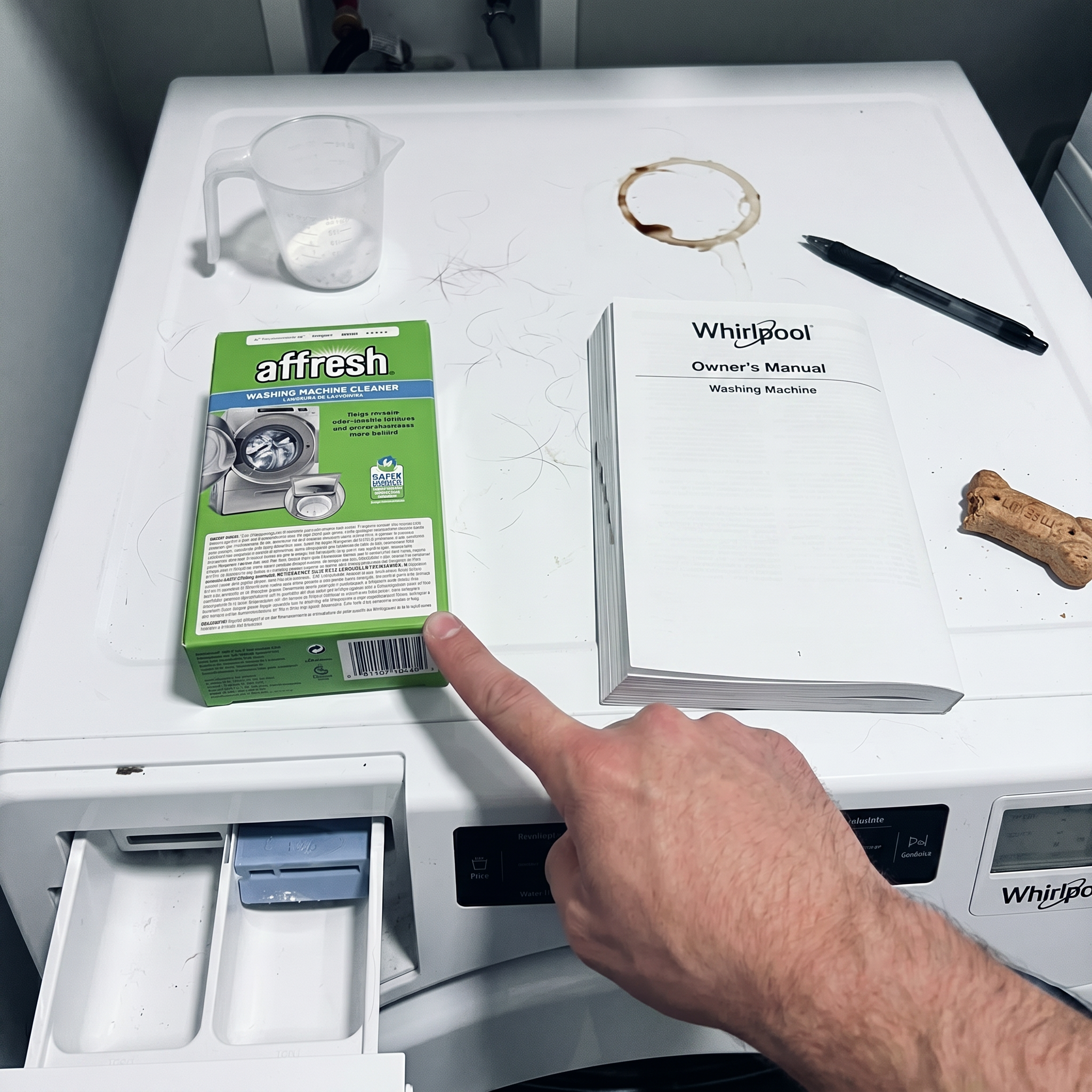
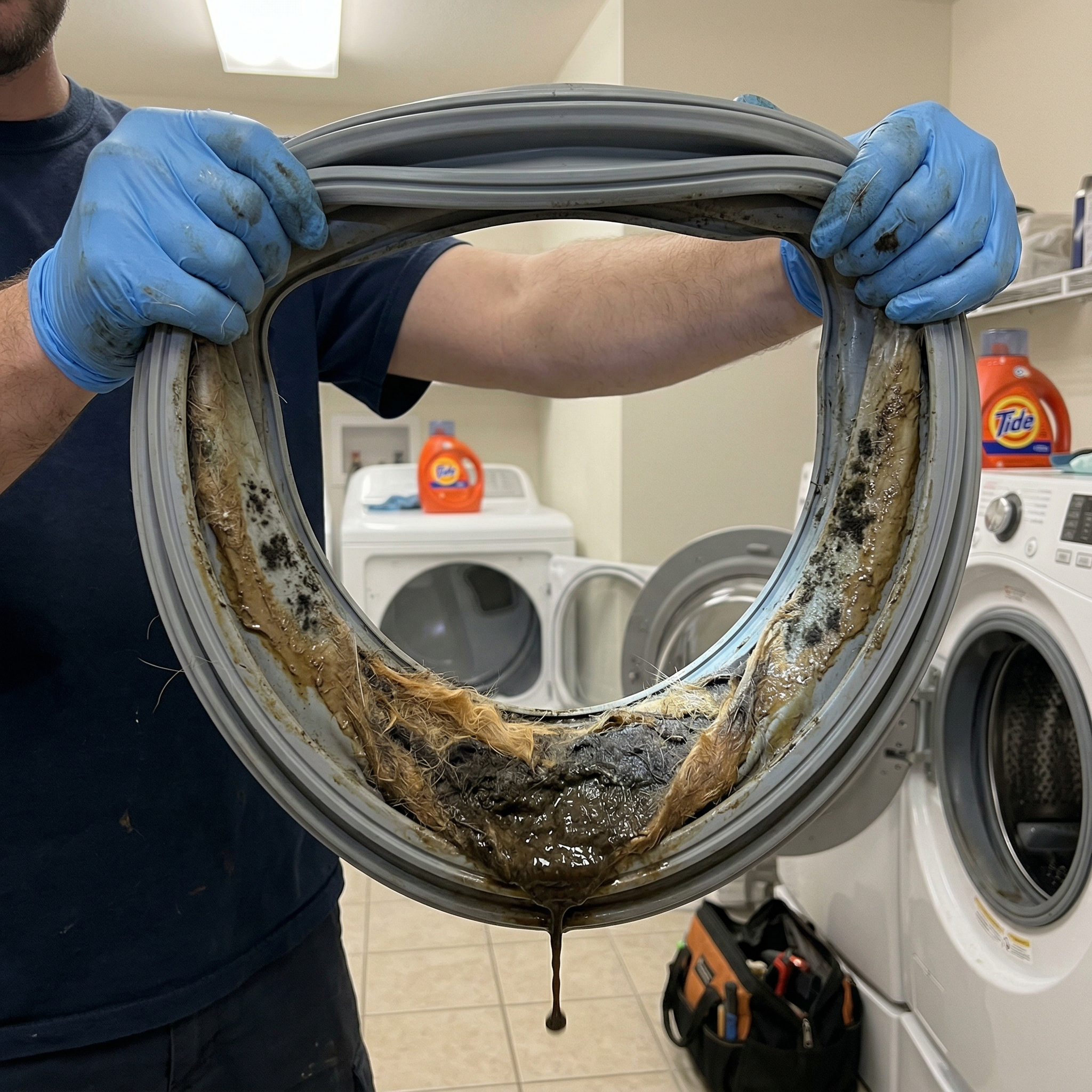
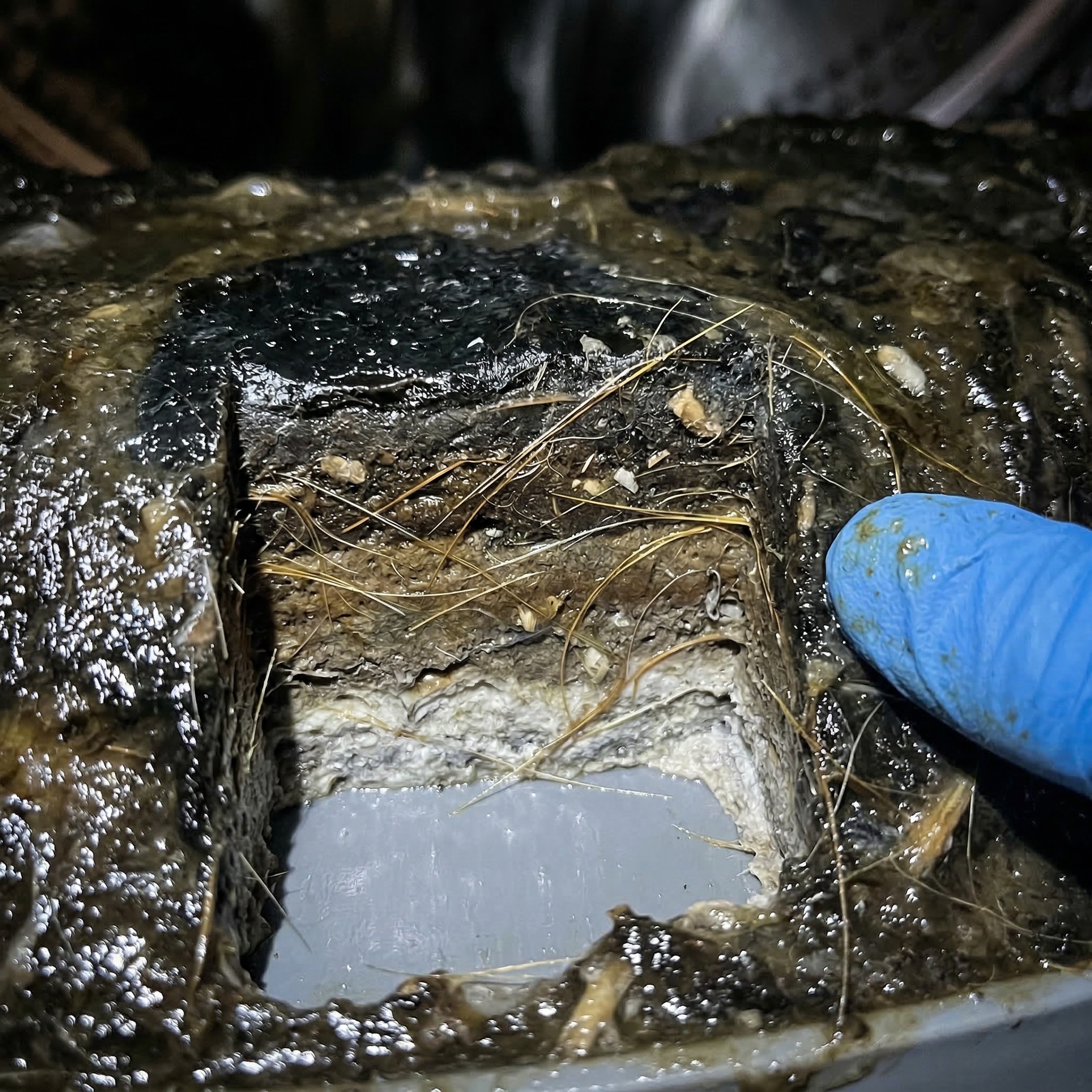
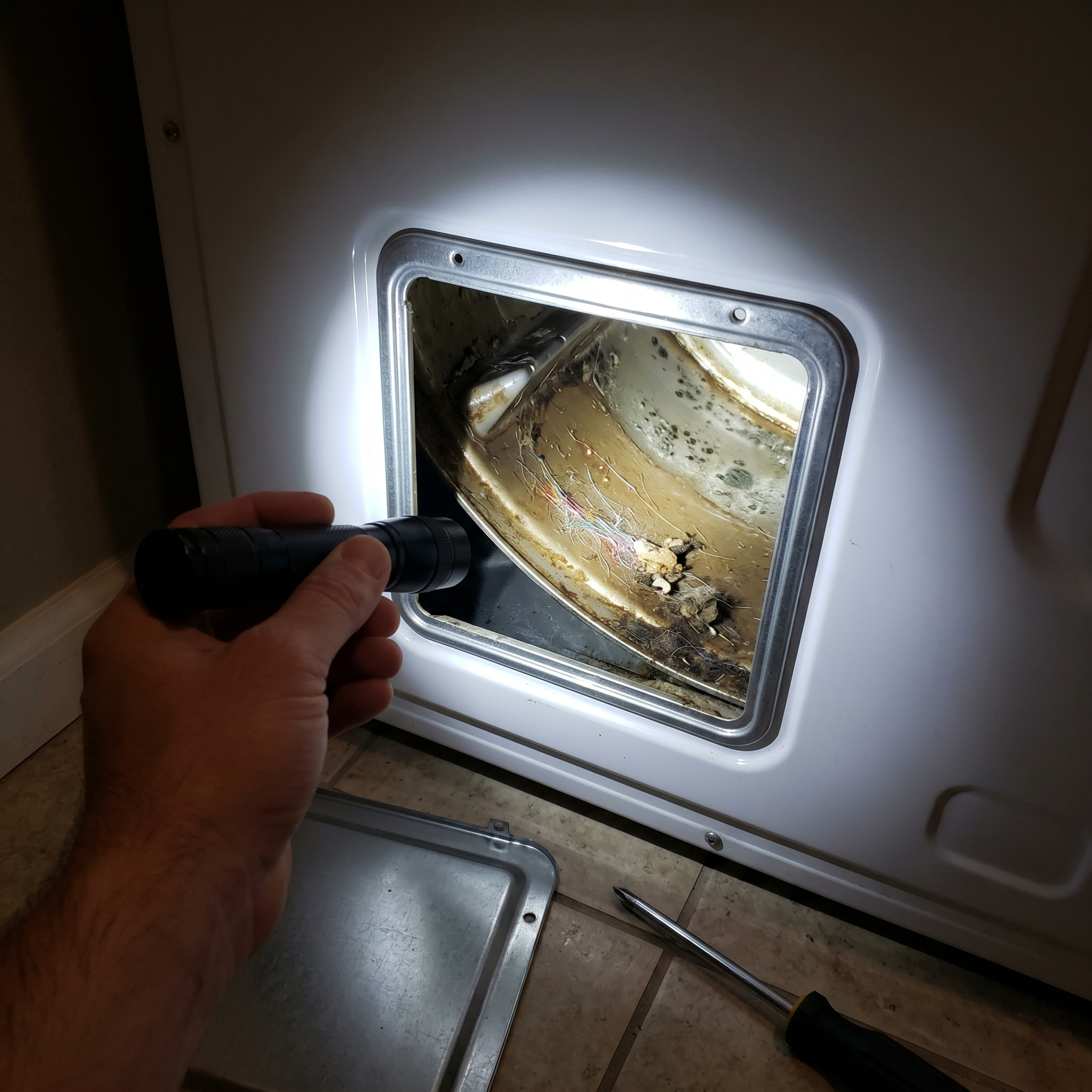
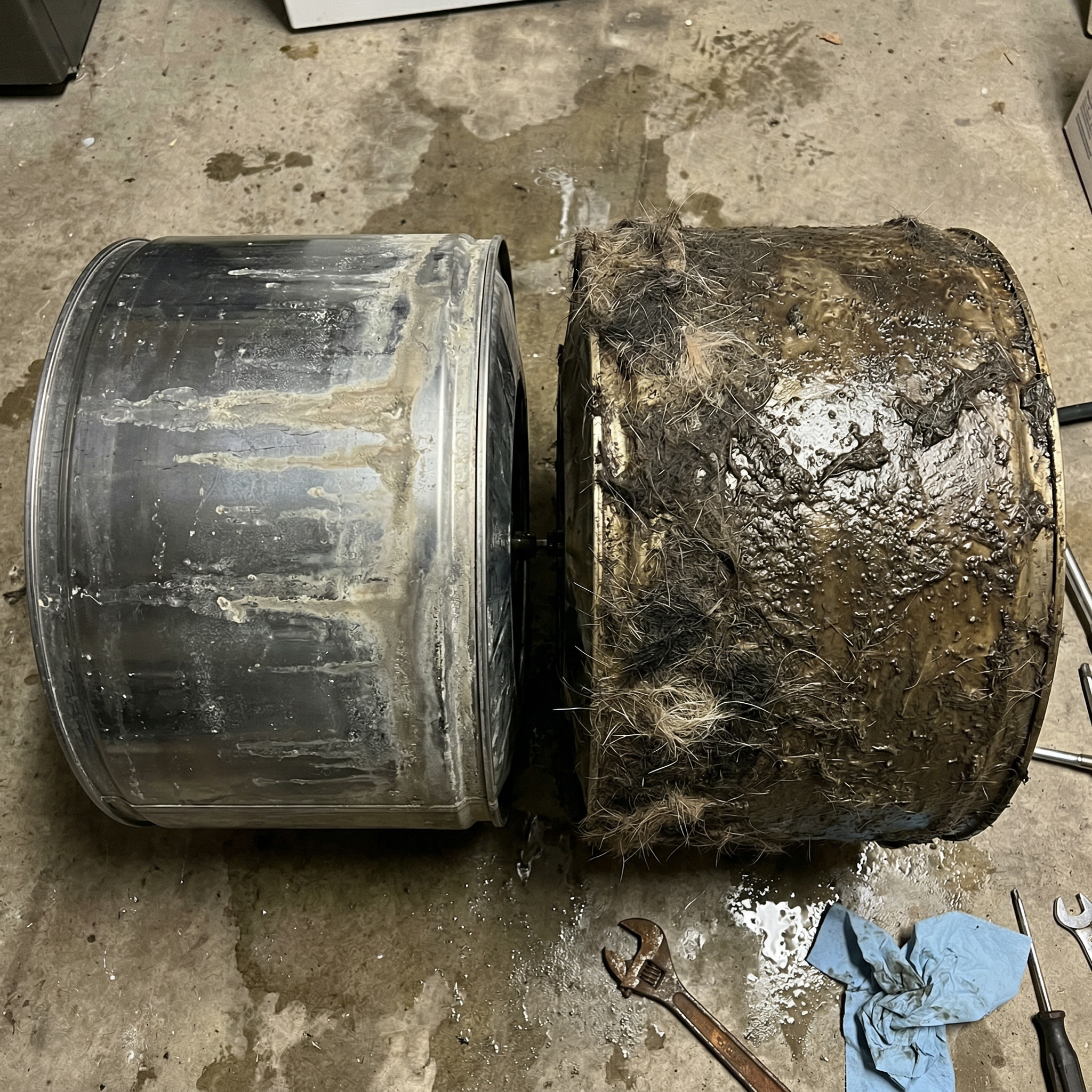
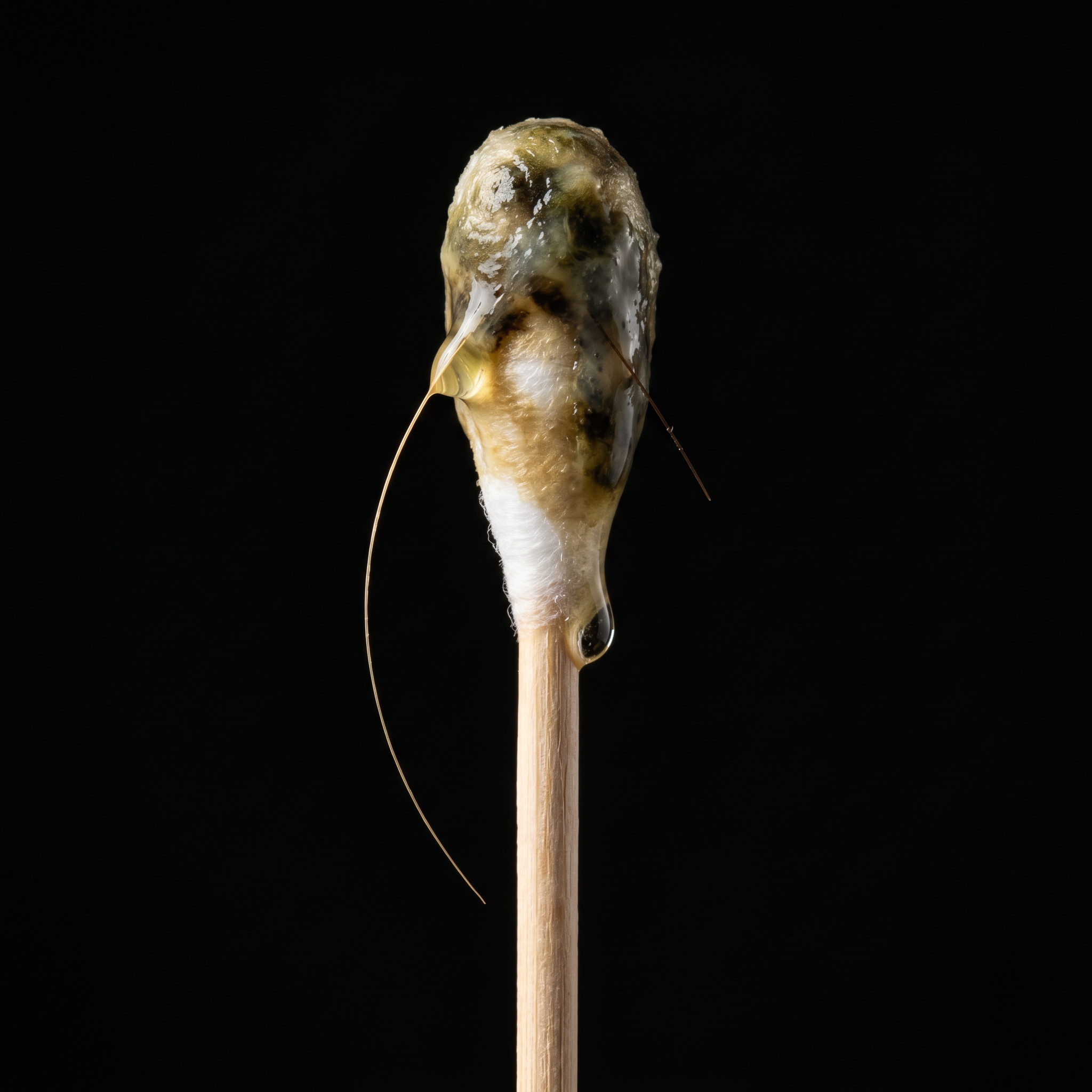
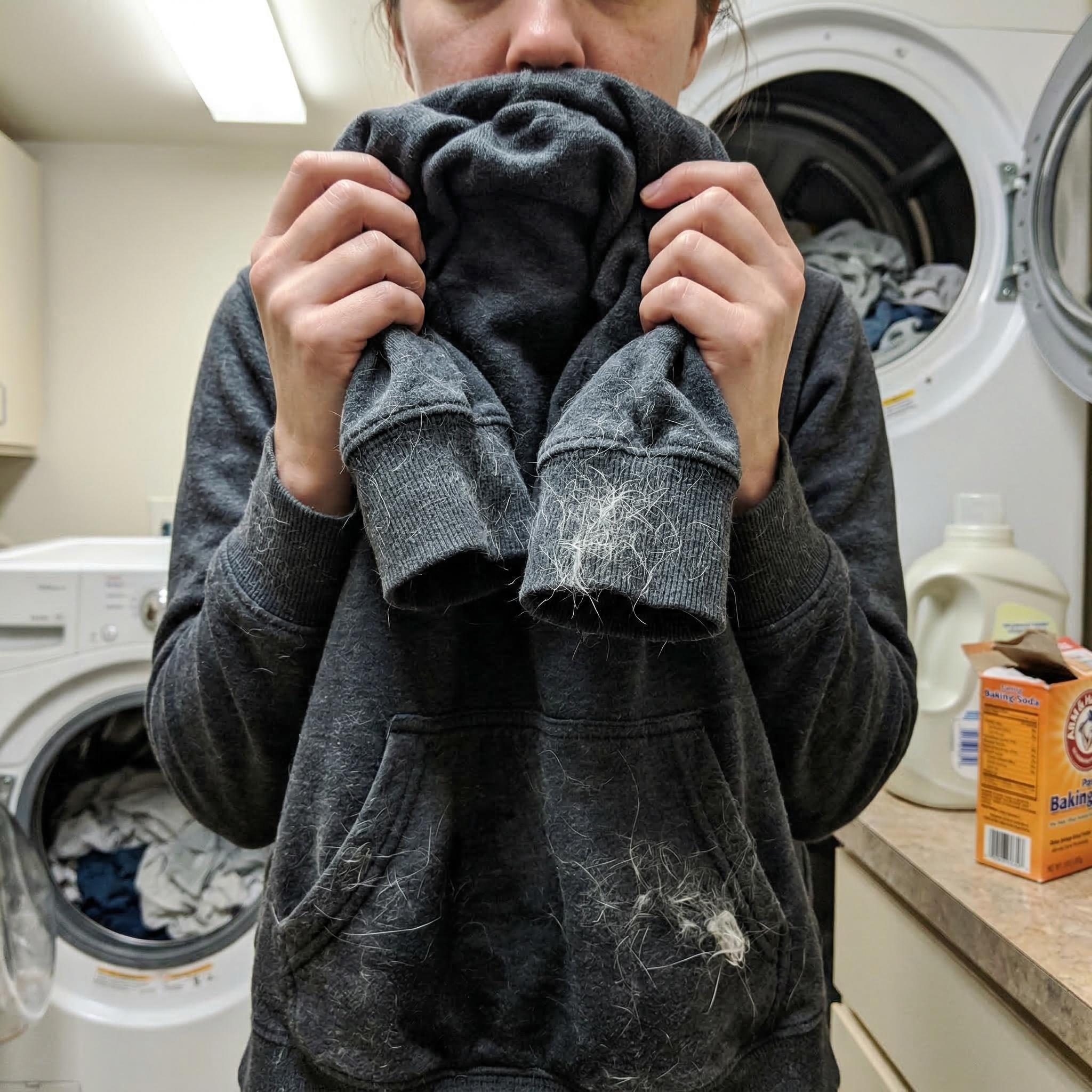
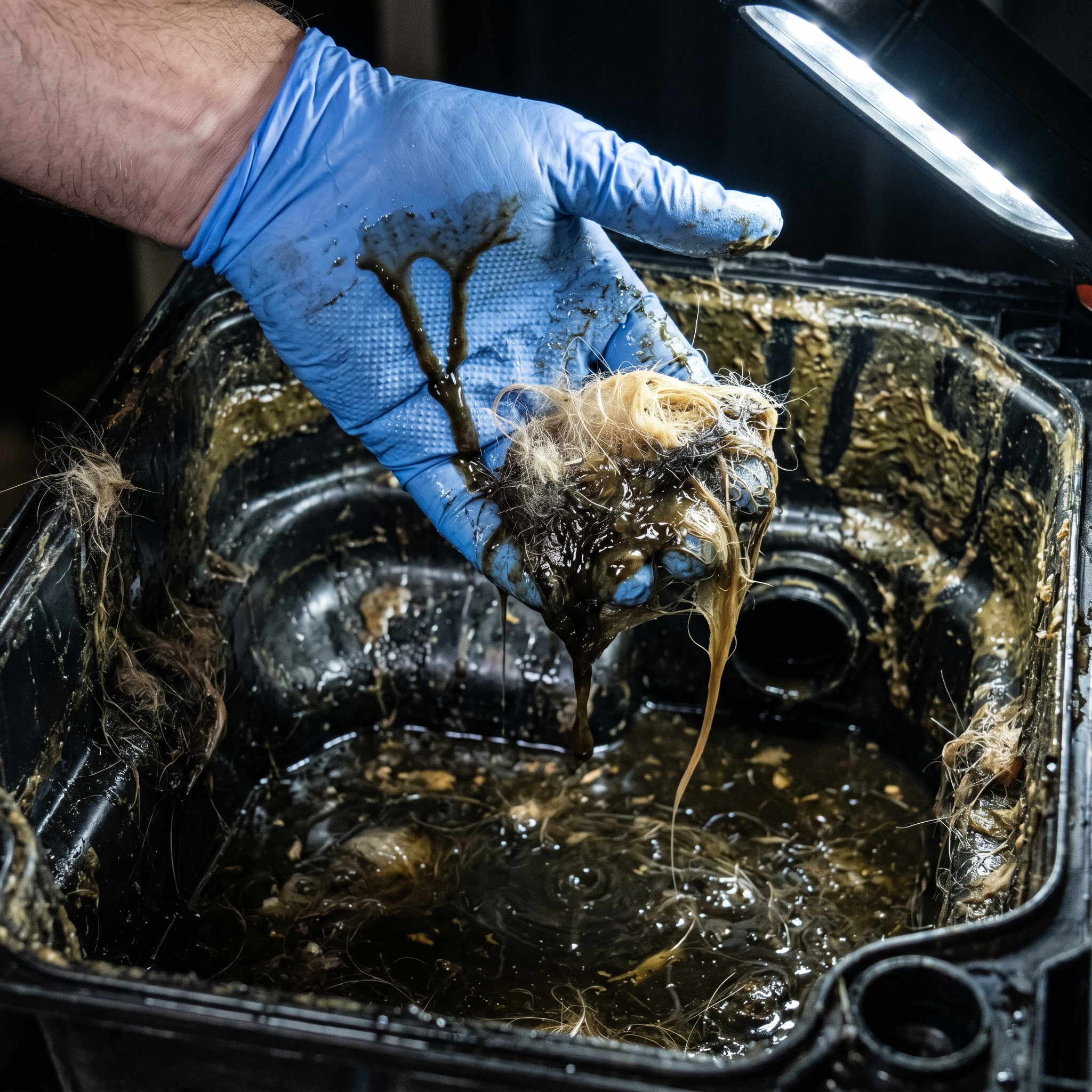
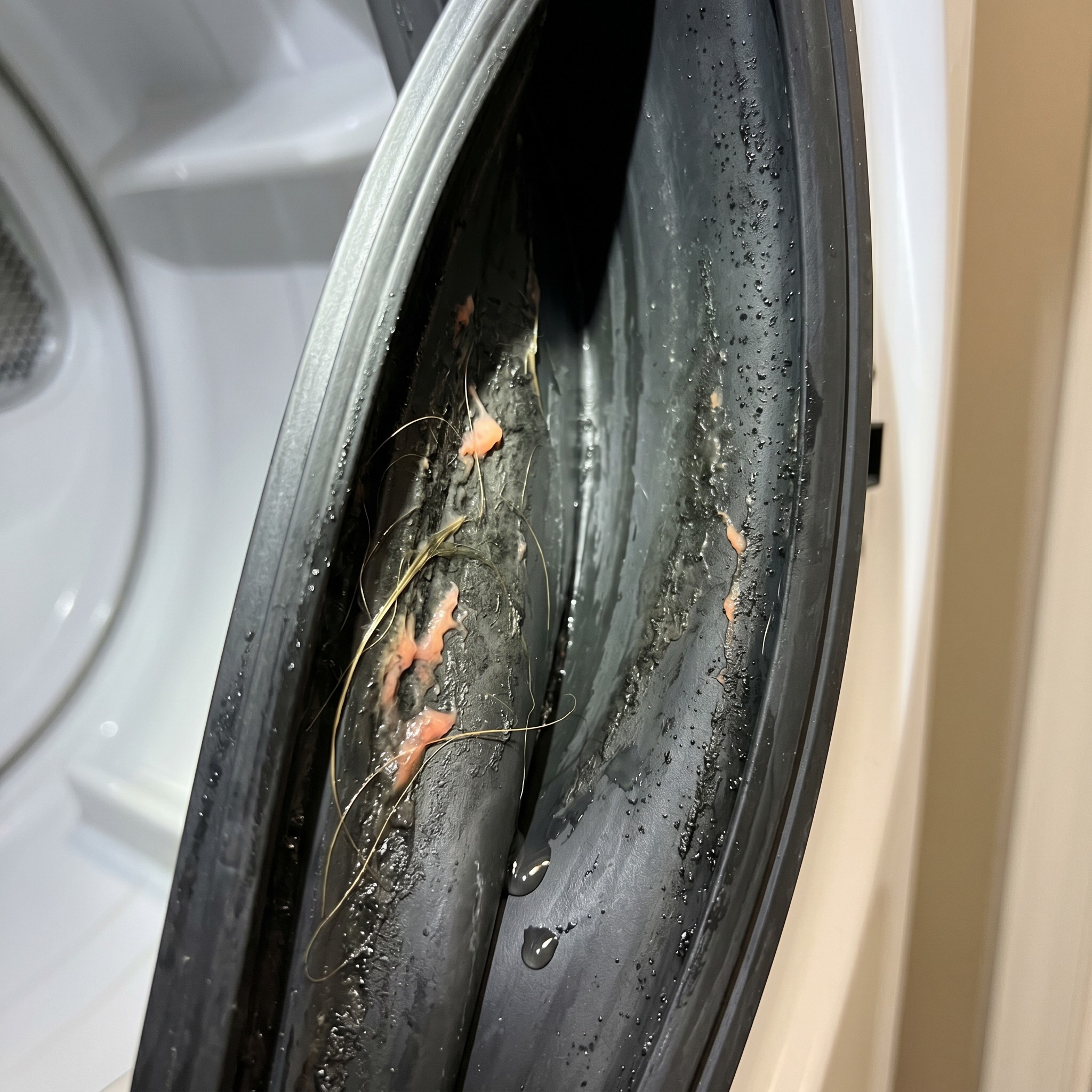
If you have dogs and your laundry comes out smelling musty no matter what you wash it with, I need you to read this before you run another cycle. I work in a microbiology lab. Have for 9 years. 6 months ago, my golden retriever started getting recurring ear infections. Four rounds of antibiotics. Two different vets. Special shampoo. A diet change. Nothing held. On the third vet visit, the tech mentioned something offhand. She said she'd been seeing more skin and ear issues in dogs from homes with front-loading washers. She didn't have proof - just a pattern she'd noticed. I went home that night and did something most people don't have the equipment to do. I took a sterile swab and ran it along the inside of my washing machine. Not the drum you can see. The hidden gap behind the rubber gasket - the sealed space between the inner drum and the outer housing where water flows during every cycle. Then I cultured it. 48 hours later, I looked at the slide. I won't describe everything I saw. I'll just say this: I threw out every cleaning tip I'd ever followed, and I have not looked at my laundry the same way since. Here's what you need to understand. The musty smell coming off your clothes isn't a smell problem. It's a biofilm problem. And biofilm isn't dirt. It isn't soap scum. It isn't mineral buildup. Biofilm is alive. It's a living colony of bacteria, yeast, and mold that anchors itself to wet surfaces and builds a protective matrix around itself. Think of it like a fortress. The outer layer shields the colony from anything trying to wash it away. Water flows over it. Detergent flows over it. Heat passes through it. The colony stays intact and keeps growing. Every washing machine on earth develops some level of biofilm. But pet households develop it faster, thicker, and more aggressively than any other home. And almost no one knows it's there. Here's why. Dog hair doesn't behave like human hair in water. It's coarser. It carries thick, waxy sebum oils from the coat and skin. Those oils don't dissolve - they separate and coat surfaces. Add the dander, add the microscopic skin cells your dog sheds, and you've created the perfect nutrient bath for a biological colony. That's what your washing machine is processing every time you wash a dog blanket, a hoodie covered in fur, or a couch cover. The pet hair, the oils, the dander - they all get pulled into that sealed space behind the gasket where you can't see and can't reach. They settle. They feed the biofilm. The colony grows. And every cycle after that, the water flowing back through that space picks up biofilm fragments and carries them onto your clean laundry. That's your musty smell. You're not smelling dirty clothes. You're smelling a living organism that's been quietly colonizing the inside of your machine for months. Sometimes years. Now here's why nothing you've tried has worked. And I mean nothing. Vinegar? Acetic acid is too weak to penetrate the biofilm matrix. The matrix is specifically designed to repel acidic and alkaline attacks. Vinegar washes over it. The colony doesn't even register the threat. Baking soda? Same problem from the opposite end of the pH scale. It's a mild base. The matrix shrugs it off. The self-clean cycle? This one is worse than useless. Heat triggers a defense response in many biofilm-forming organisms. The colony tightens its matrix and produces spores. You're not killing it. You're stress-testing it and making it more resilient. Affresh, Tide Washing Machine Cleaner, all the tablets at Target? I tested them in the lab. Every single one. They're formulated for soap scum and limescale - mineral deposits, not living organisms. They reach the biofilm. They just don't have the chemistry to break the matrix. Switching detergents? Doesn't matter what soap you use. The biofilm is downstream of your detergent. Your clothes pick up the contamination on the rinse, after the detergent has already drained. Scrubbing the gasket by hand? You're cleaning maybe 5% of the contaminated surface. The other 95% is in the sealed channels you cannot reach without disassembling the machine. I knew all of this within a week of looking at that first slide. (what first slide?) What I didn't know yet was what to do about it. I spent three months reading research on biofilm disruption. Most of the literature comes from industrial water treatment - cooling towers, hospital water lines, dental unit waterlines. Places where you can't take the system apart to scrub it, so the chemistry has to do the work. The active compounds that consistently break biofilm matrices are very specific. They're not the things sitting on the cleaning aisle at Target. I found a small company in Florida that had adapted that exact category of chemistry into a tablet form for home washing machines. Same mechanism used in industrial water systems, but reformulated for residential machines and a 90-minute cycle. I ordered a box. I'm a scientist - I wasn't going to take their word for it. I ran one tablet through my machine on a hot cycle. Then I waited three days, took another sterile swab from the same spot inside the gasket, and cultured it the same way. The slide was almost clean. Not less. Not thinned out. The colony was disrupted at the matrix level - exactly what the industrial research predicted. I ran a load of my golden's blankets that weekend. For the first time in I don't know how long, they didn't smell. Within four weeks, her ear infections stopped. They have not come back. I want to be careful here. I am not telling you a washing machine cleaner cured my dog's ear infections. Dogs get ear infections for many reasons. What I am telling you is that my dog was sleeping every night on bedding I was running through a contaminated machine, and when I cleaned the machine properly for the first time, a chronic issue we'd been chasing for months resolved. Make of that what you want. The product is called Uproot Washing Machine Cleaner. It's the same company that makes the pet hair removal tools a lot of you already own. They followed the actual research on biofilm in residential machines and built something to target it specifically. I don't work for them. I don't get paid to say this. I'm a microbiologist with a golden retriever who learned something about washing machines I think every pet parent deserves to know. If you have dogs, and your laundry smells musty, I'd read this before you spend another dollar on something that only cleans the drum. It explains exactly what's happening inside your machine, why pet households get hit the hardest, and how this tablet breaks down what nothing else is formulated to. https://order.uprootclean.com/wmt008-l4v2-mustyclothes
I work in a microbiology lab. This is what I found inside my washing machine
After reviewing university research, government sanitation reports, microbiology papers, and archived NASA data, one conclusion stood out:
SHOP NOWLike this ad? Make it yours.
Crush rebuilds this exact creative around your product — your brand, your colors, your offer — in about a minute.