
Active· since Jun 23, 2026
- 83
- days running
- 0
- relaunches
Ad copy
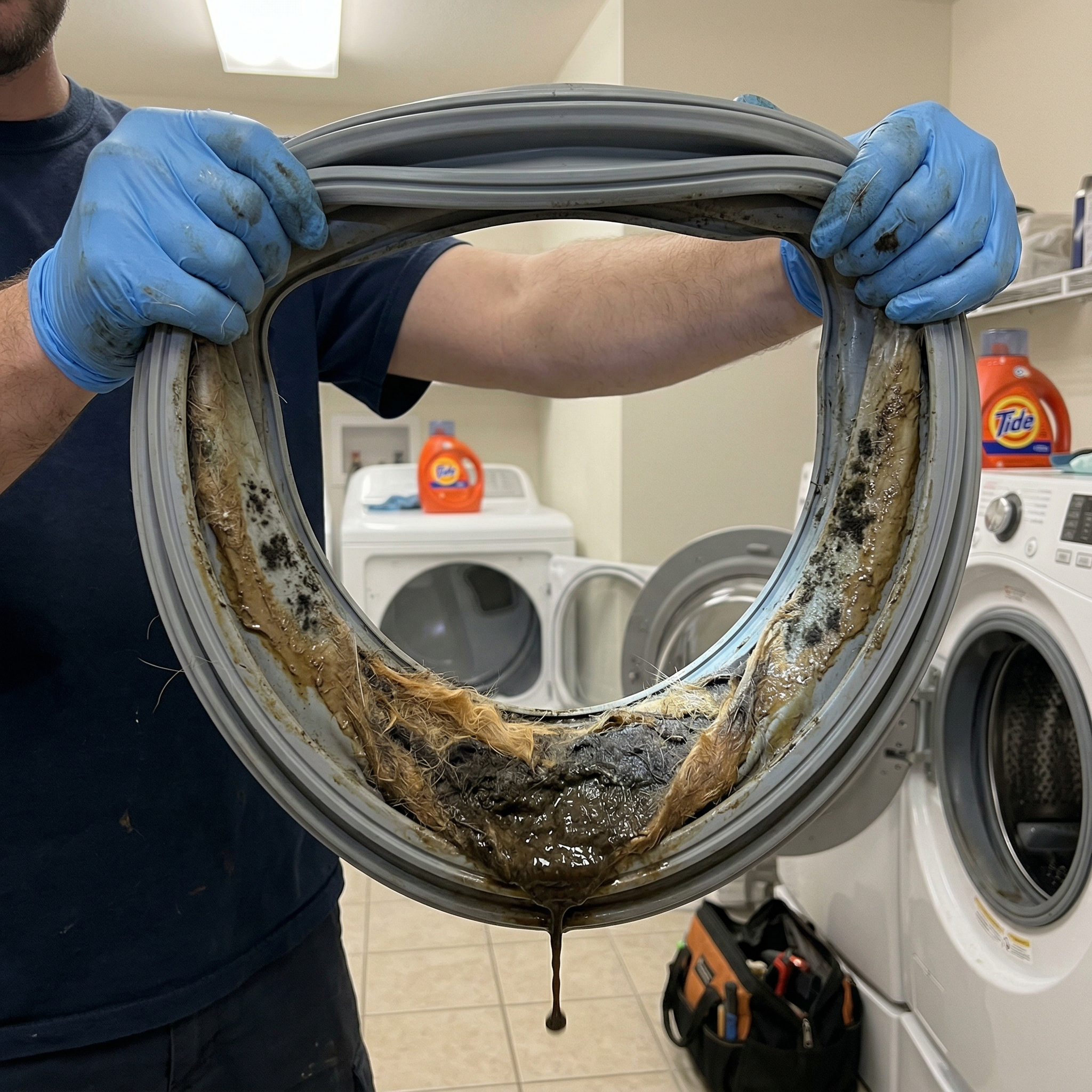
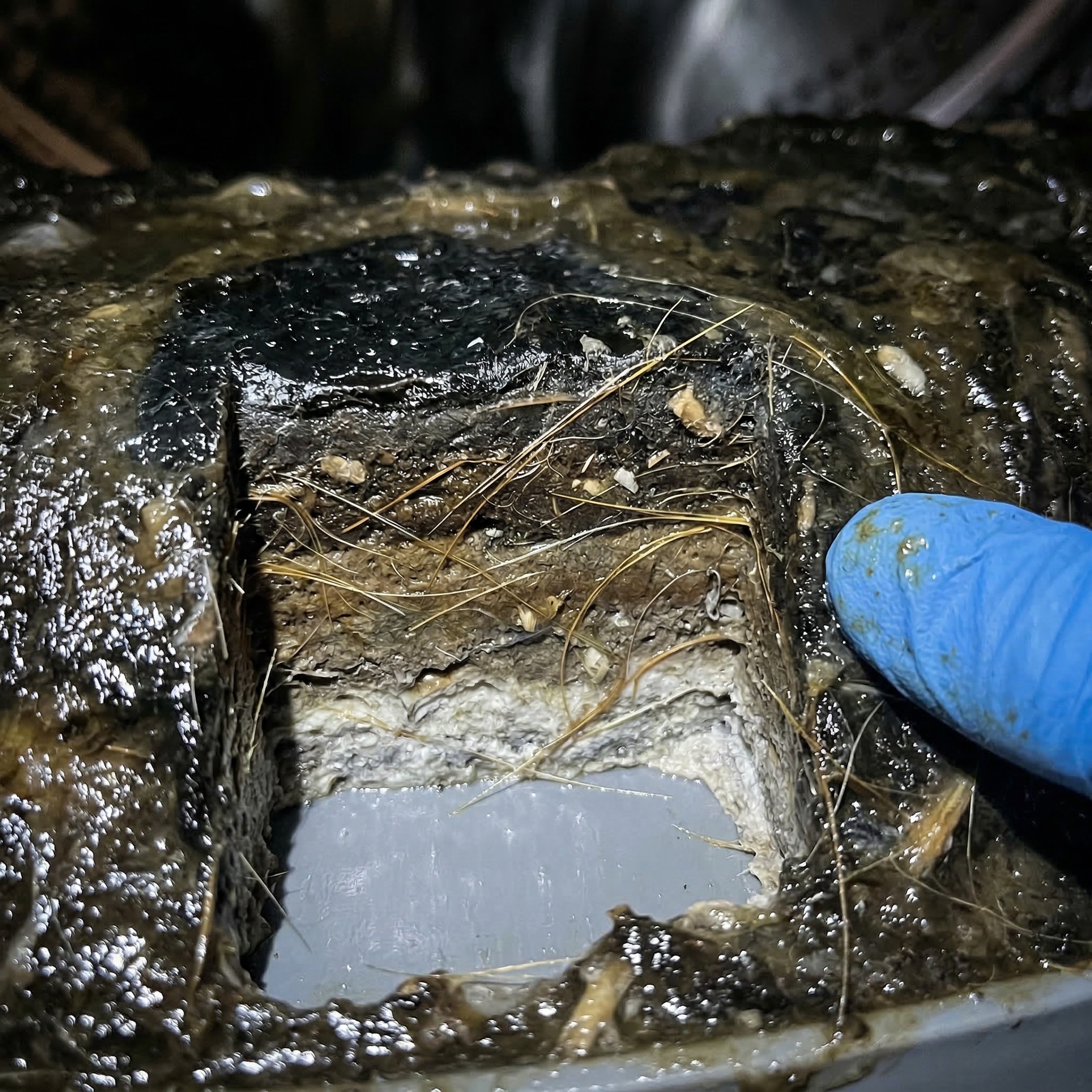
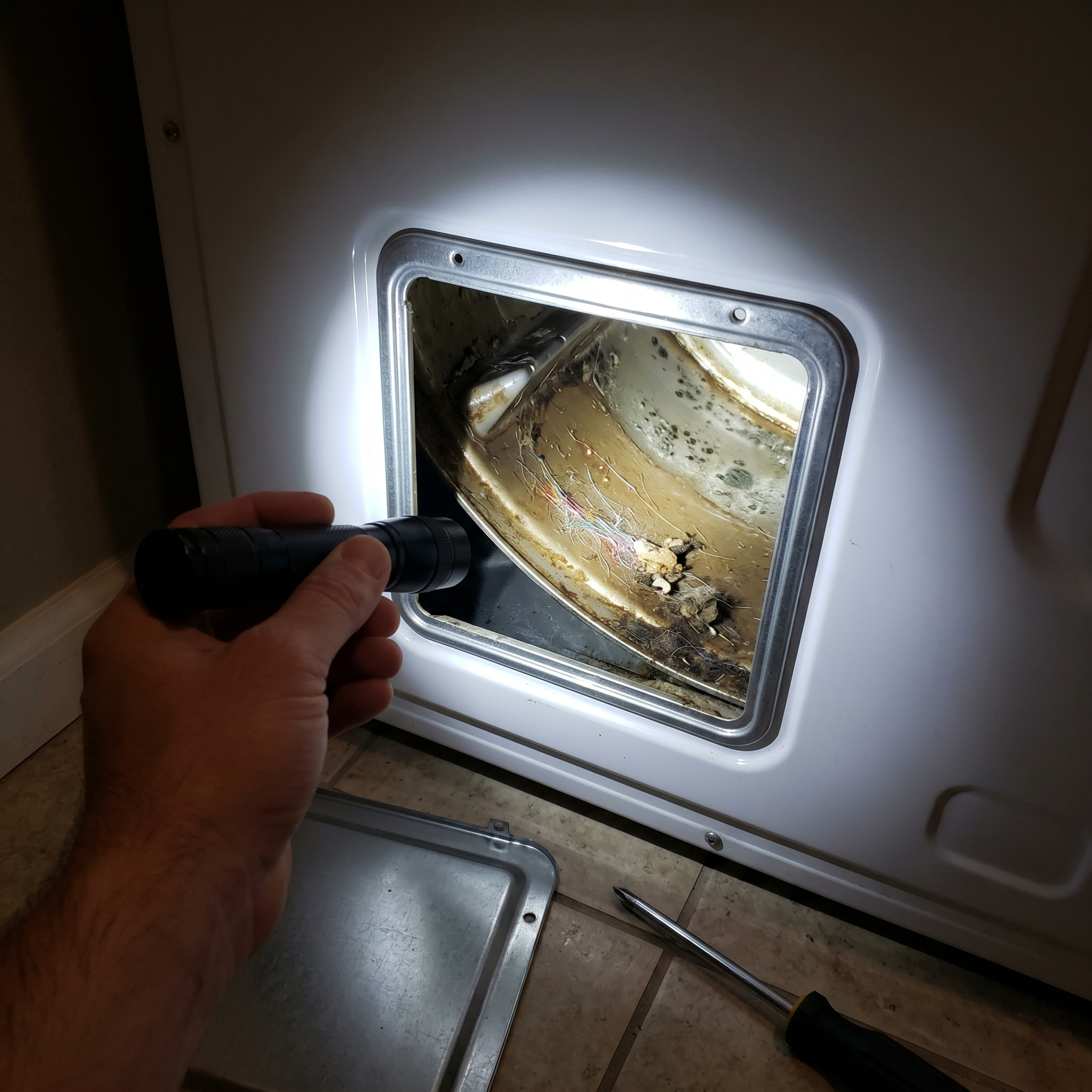
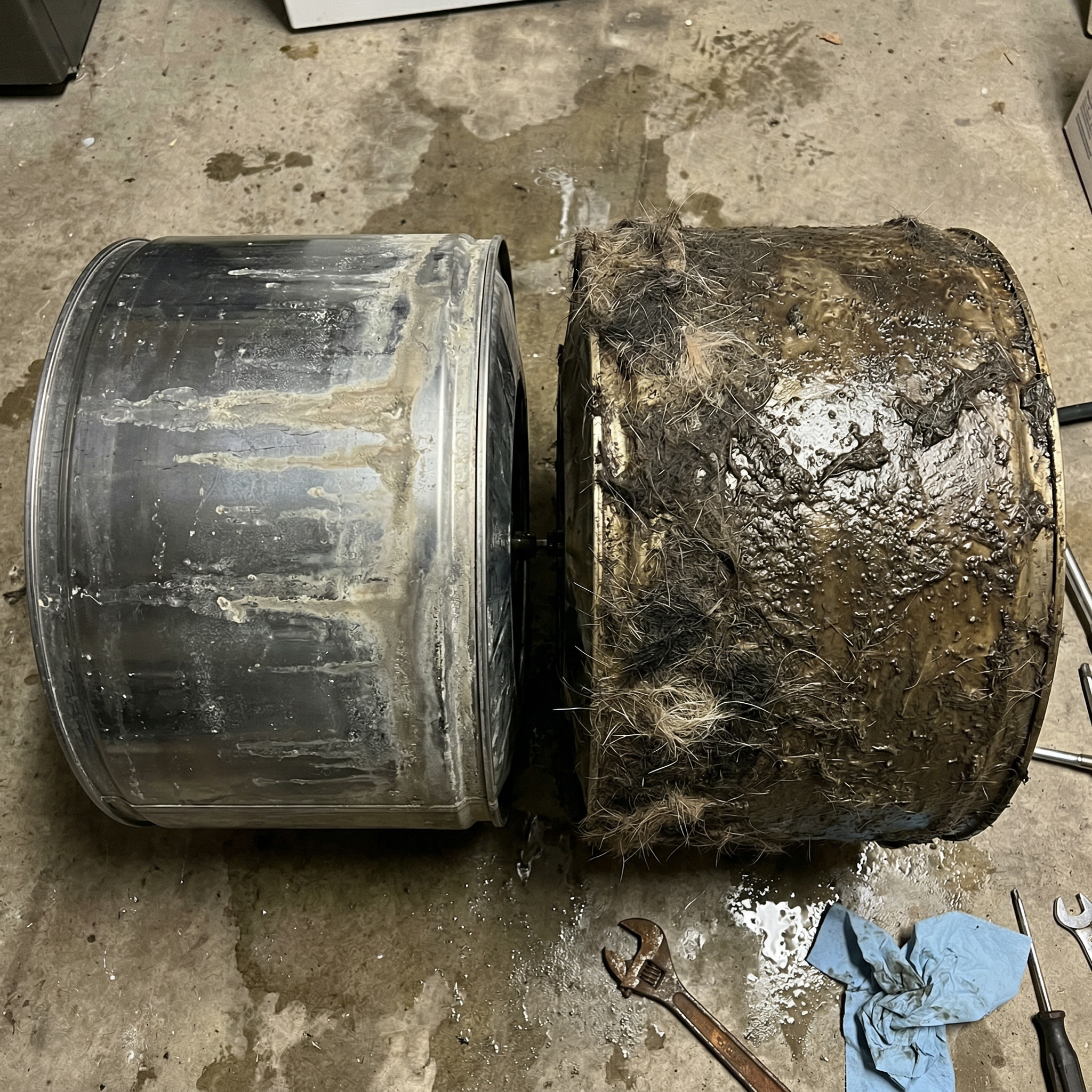
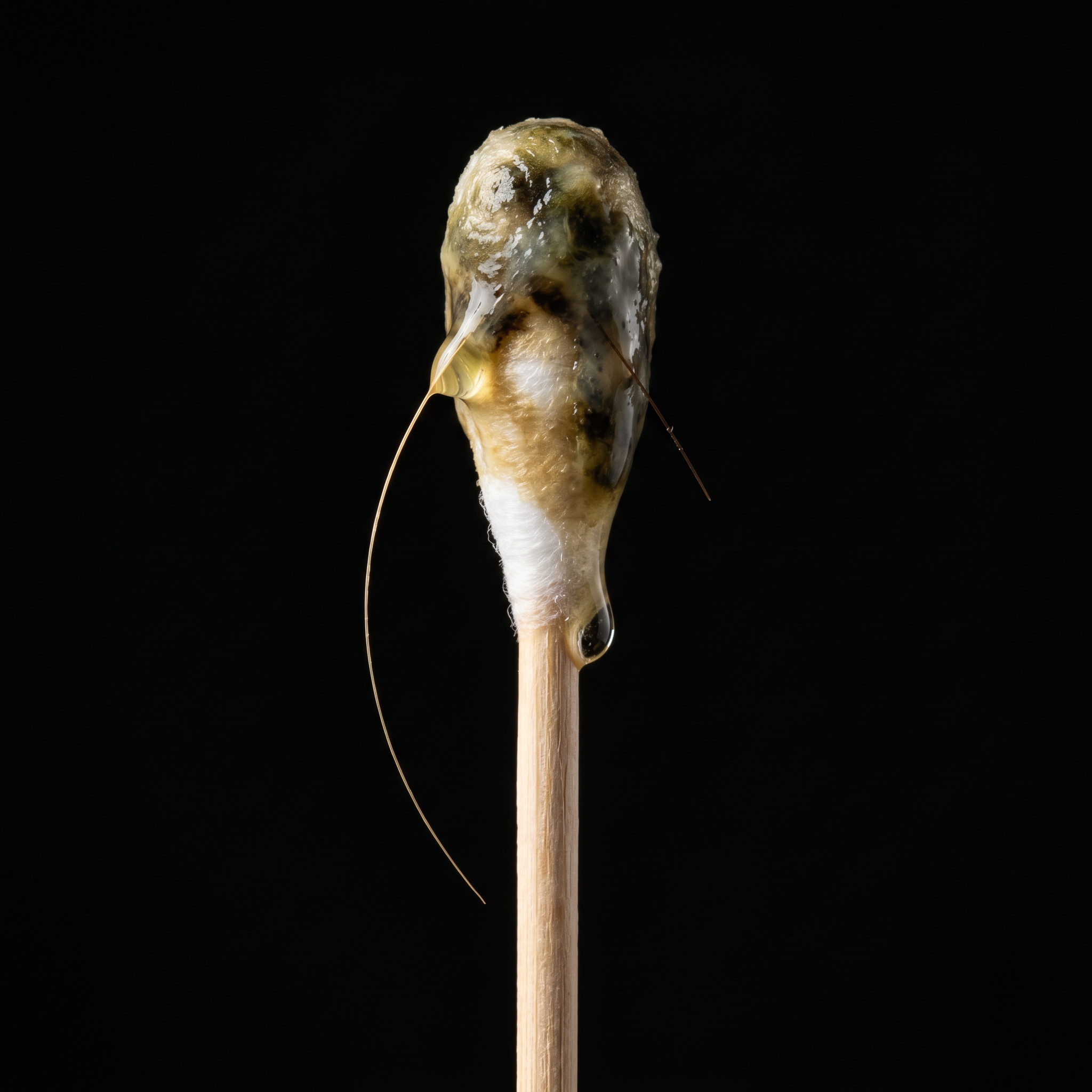
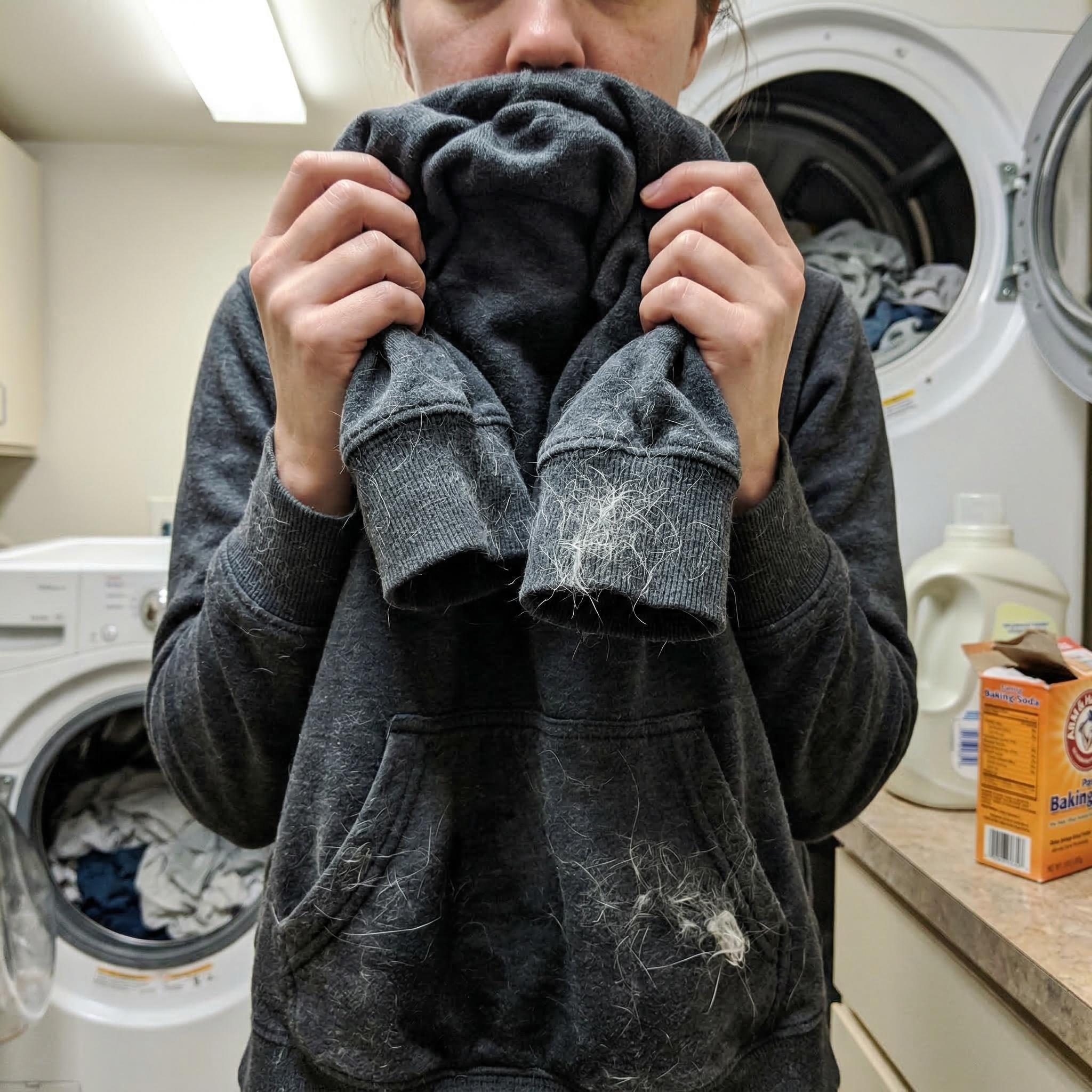
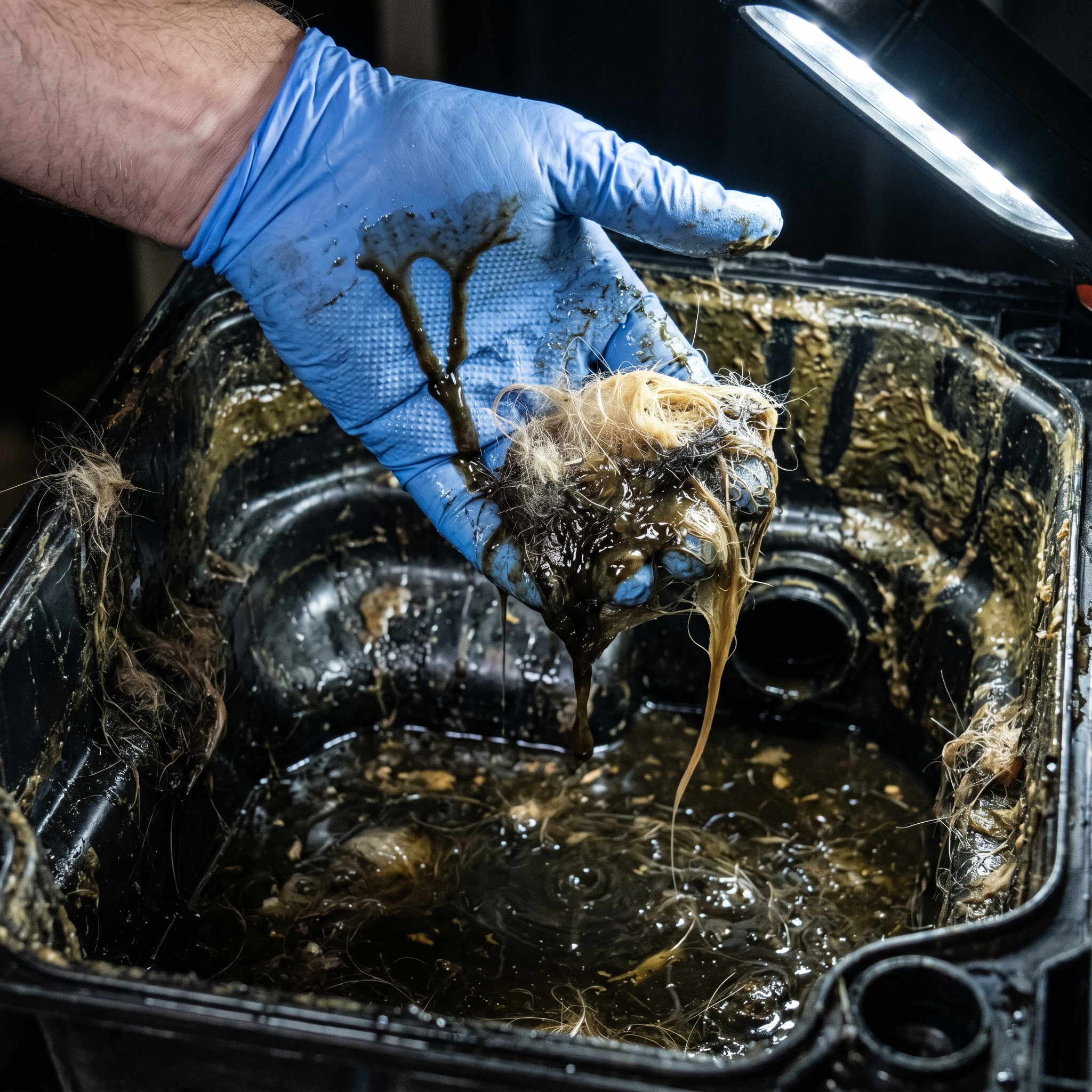
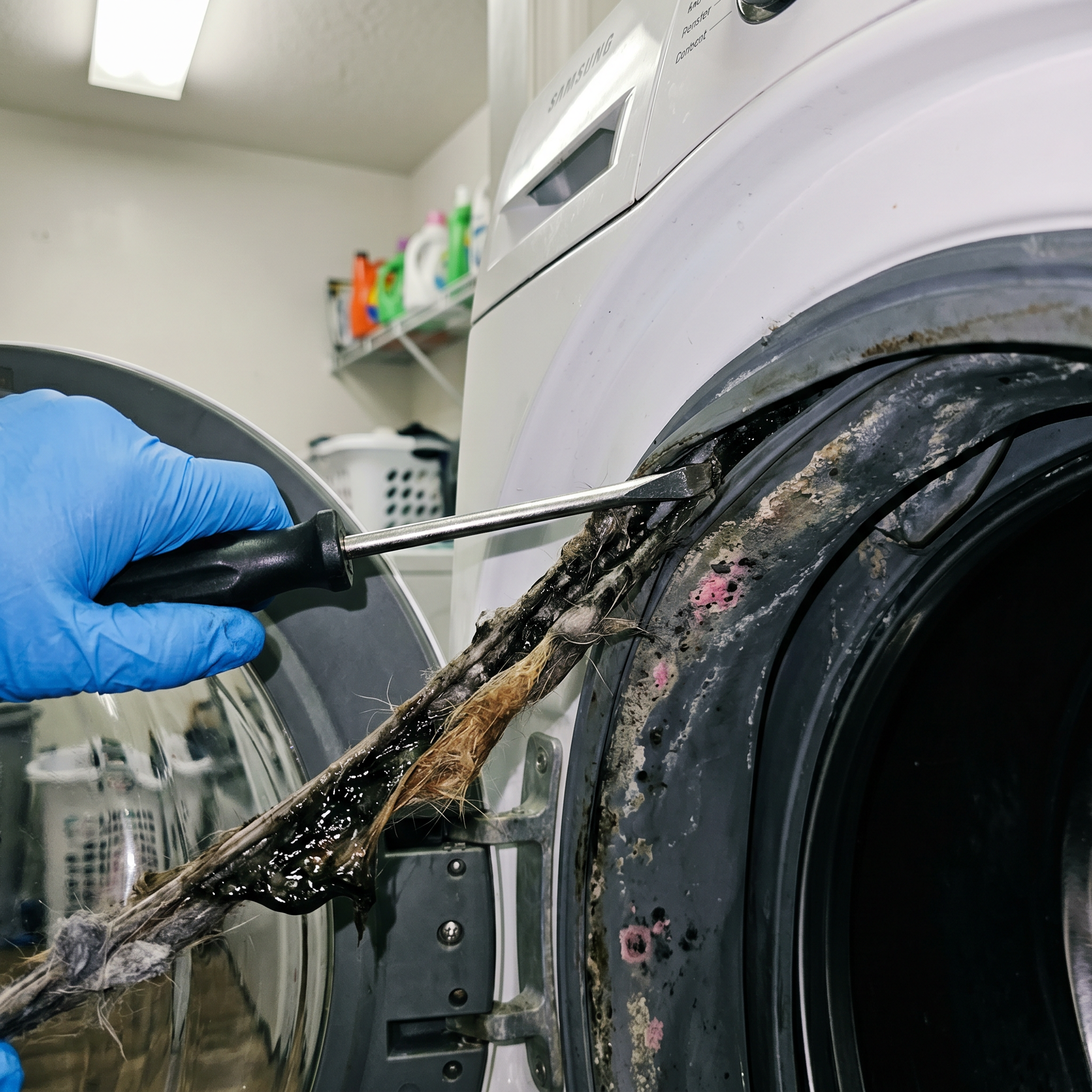
I've repaired washing machines for 19 years, and what I'm about to tell pet parents is going to make a lot of them furious at advice they've been following for years. Vinegar is not fixing your washing machine. Neither is baking soda. Neither is the self-clean cycle. Neither is switching to a different detergent. Neither are those cleaning pods from Target. I know that's not what the internet tells you. But I've been repairing washing machines for over 19 years, have pulled apart thousands of them, and I can tell you with absolute certainty that none of those things can break down what's actually causing your smell. Not even close. I'm not guessing. I've seen it with my own eyes more times than I can count. There's a sealed space inside your machine - between the inner drum you load your clothes into and the outer housing that holds the water during a cycle. Most people don't even know it exists. You can't see it with the door open. You can't reach it with your hands. But water reaches it every single cycle. And so does everything you dissolve in that water - vinegar, bleach, baking soda, detergent, all of it flows right through. So why does the smell keep coming back? Because none of those products are formulated to do anything about what's building up in there. They wash over it and leave it completely intact. And every cycle, the water flowing back through that space picks up whatever is growing on those surfaces and carries it right onto your laundry. That's your smell. And if you have pets, it's worse. A lot worse. Here's what pet hair actually does inside a washing machine. It doesn't just rinse off your clothes and flush down the drain. It breaks apart in the wash water. And dog hair isn't like human hair. It's coarser. It carries thick, waxy oils from the coat and skin that don't dissolve easily in water. So when you wash a load of dog blankets or fur-covered hoodies, those oils separate. The dander sheds off. Microscopic fibers splinter into pieces too small to catch in any filter. And all of it gets pulled into that sealed gap I just described. It doesn't rinse away. It settles. It sticks to the wet surfaces in there. And load after load, it builds up into a layer of residue that gets thicker and stronger every time you run your machine. You're not cleaning your clothes. You're running them through whatever's been collecting in that space for months. Sometimes years. Now here's why none of the common fixes work. And I mean none of them. Vinegar? It flows right through the sealed space along with the water. But vinegar is a simple acid. It wasn't formulated to break down a living biological layer. It washes over the buildup and leaves it completely intact. Baking soda? Dissolves in the water and passes through the same channels. But it's a mild alkaline. It was never designed to break down biological residue. It touches the buildup and does nothing to it. Self-clean cycle? Hot water flows through the sealed gap, but the buildup in there is biological. It's designed to survive heat, and running hotter water over it doesn't break it down. That's literally what this type of residue does - it holds on. And those store-bought cleaning pods and tablets? I've tested every brand I could find. They dissolve in the water and flow through the same channels everything else does. But they're formulated for mineral deposits and soap scum. Not the biological buildup that pet households create. They reach it. They just can't break it down. Every 'solution' pet parents try has the same fatal flaw: It wasn't formulated for what's actually growing in there. These products were built for soap scum and mineral deposits. Not the living biological layer that pet households produce. It cleans the surfaces you can see and ignores the ones you can't. I spent years knowing this and not having an answer. I could open a machine, point to the problem, explain exactly why it was there, and exactly why nothing they'd tried was built to break it down. But I couldn't hand them something that would actually fix it. Until about a year ago... I was scrolling through a private Facebook group I'm in. All repair techs. Guys who work on these machines every day, same as me. Someone posted a photo of a front-loader they'd opened up for a pet owner. Buildup all through the sealed gap. Typical case - nothing I hadn't seen a thousand times. But the comments weren't about the buildup. They were about what got rid of it. Three different techs in that thread were talking about a tablet they'd started recommending to customers. A product made by a small company out of Florida that was specifically formulated to break down the biological buildup inside sealed washing machine spaces. Not mask it or rinse over it... But actually break it apart. I was skeptical. I've tried every washing machine cleaner on the market. Affresh, Tide, Store brand pods, you name it. Every single one does the same thing - dissolves in the water, flows through the same channels, and doesn't have the formula to do anything about what's actually building up in there. But these guys were posting before-and-after photos from customers' machines. And what I was seeing didn't make sense based on everything I knew. The buildup in those sealed gaps was gone. Not loosened. Not thinned out. Gone. I asked how that was even possible. One of the techs explained it. The tablet doesn't just dissolve and sit in the drum like everything else. Something about the way it's formulated allows it to get carried into the sealed channels where water flows during a cycle. And once it reaches the buildup, it breaks it apart at a level that no amount of scrubbing by hand can match. He said the method behind it was originally developed for keeping water systems clean in environments where you couldn't open things up and scrub by hand. Someone figured out how to adapt it for home washing machines. I didn't fully understand the science - I still don't... I fix machines. I'm not a chemist. But I ordered a box that night and gave it to the worst case on my list. Megan, a pet parent with two Labradors and a Maytag front-loader, I'd already visited three times for the same smell. She called me five days later. "My towels don't smell. At all. Not even the dog towels." I went back and pulled the panel myself. The buildup in that sealed gap was almost completely broken down. Not loosened... Not thinned out... Broken down. Without me taking the machine apart. Without scrubbing anything by hand. One tablet reached what I couldn't reach in 19 years of doing this. I started recommending it to every pet parent I visited after that. Megan told her sister about it. Her sister Rachel had a Bernese mountain dog and a five-year-old LG that smelled so bad they'd stopped washing the dog beds in it entirely. A week later, she texted me a photo of her kids sleeping on freshly washed blankets with their Bernese mountain dog between them. Caption said, "First time these don't smell like wet dog. Thank you." A guy named Carlos with a Border collie told me his wife had been rewashing their daughter's school uniforms two and three times every Sunday night, trying to get the smell out. After one tablet, Sunday nights went from three washes to one. She told me her daughter actually asked why the uniforms smelled different. They didn't smell like anything. They were just clean. Every single one of them had tried the same list first: Vinegar. Baking soda. Self-clean. Detergent switch. Gasket scrub. The full internet checklist. But none of it worked. Because none of it was ever formulated to break down what's actually growing in there. The product is called Uproot Washing Machine Cleaner. It's the same company that makes those pet hair removal tools - but they followed the research on what's actually happening inside these machines and built something specifically to target it. I don't sell it. I don't have a code. I don't get a commission. I fix washing machines for a living, and that's not changing. But I stopped telling pet parents to run vinegar cycles. Because now I know that's the same as brushing your dog's topcoat when all the matting is underneath. You feel like you're doing something, but you're never reaching where the real problem is. If you've been dealing with musty laundry and you have dogs in the house, I'd read this before you spend another dollar on something that only cleans the drum. It explains exactly what's happening inside your machine, why pet households get hit the hardest, and how this tablet breaks down what nothing else is formulated to. https://order.uprootclean.com/wmt008-l4v2-mustyclothes
Why Your Washer Still Smells After You Clean It
After reviewing university research, government sanitation reports, microbiology papers, and archived NASA data, one conclusion stood out:
SHOP NOWLike this ad? Make it yours.
Crush rebuilds this exact creative around your product — your brand, your colors, your offer — in about a minute.