
Inactive· since Apr 18, 2026
- 87
- days it ran
- 0
- relaunches
Ad copy
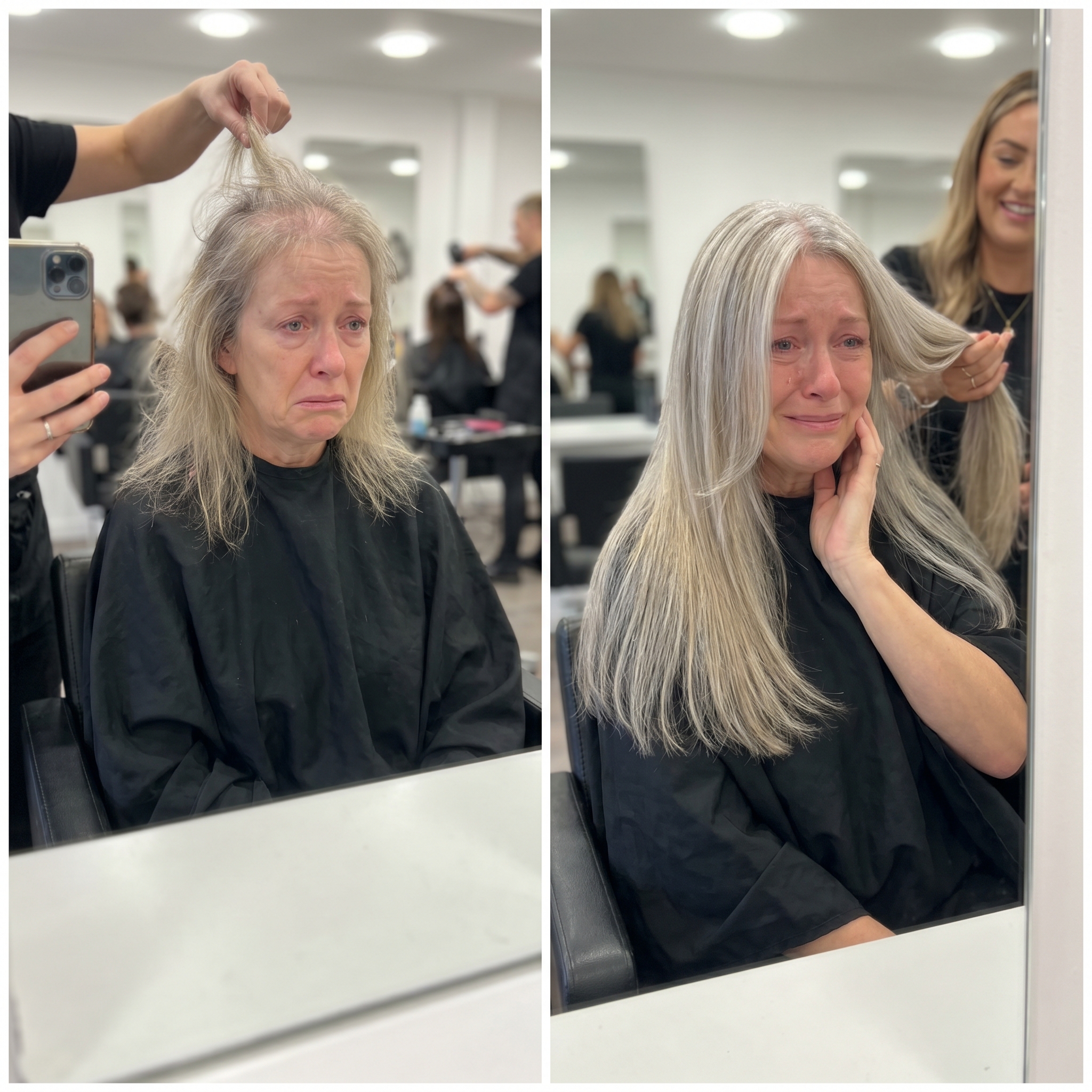
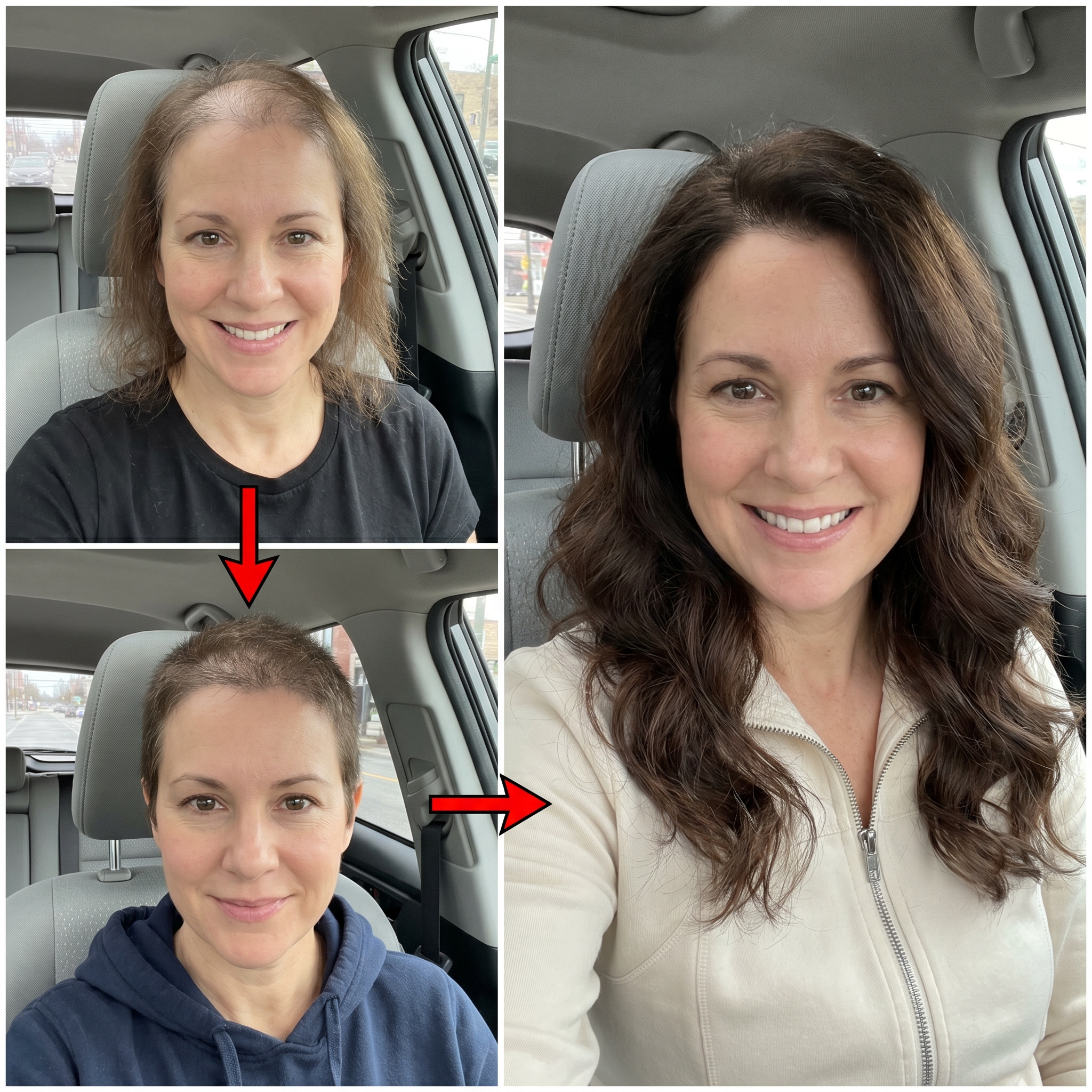
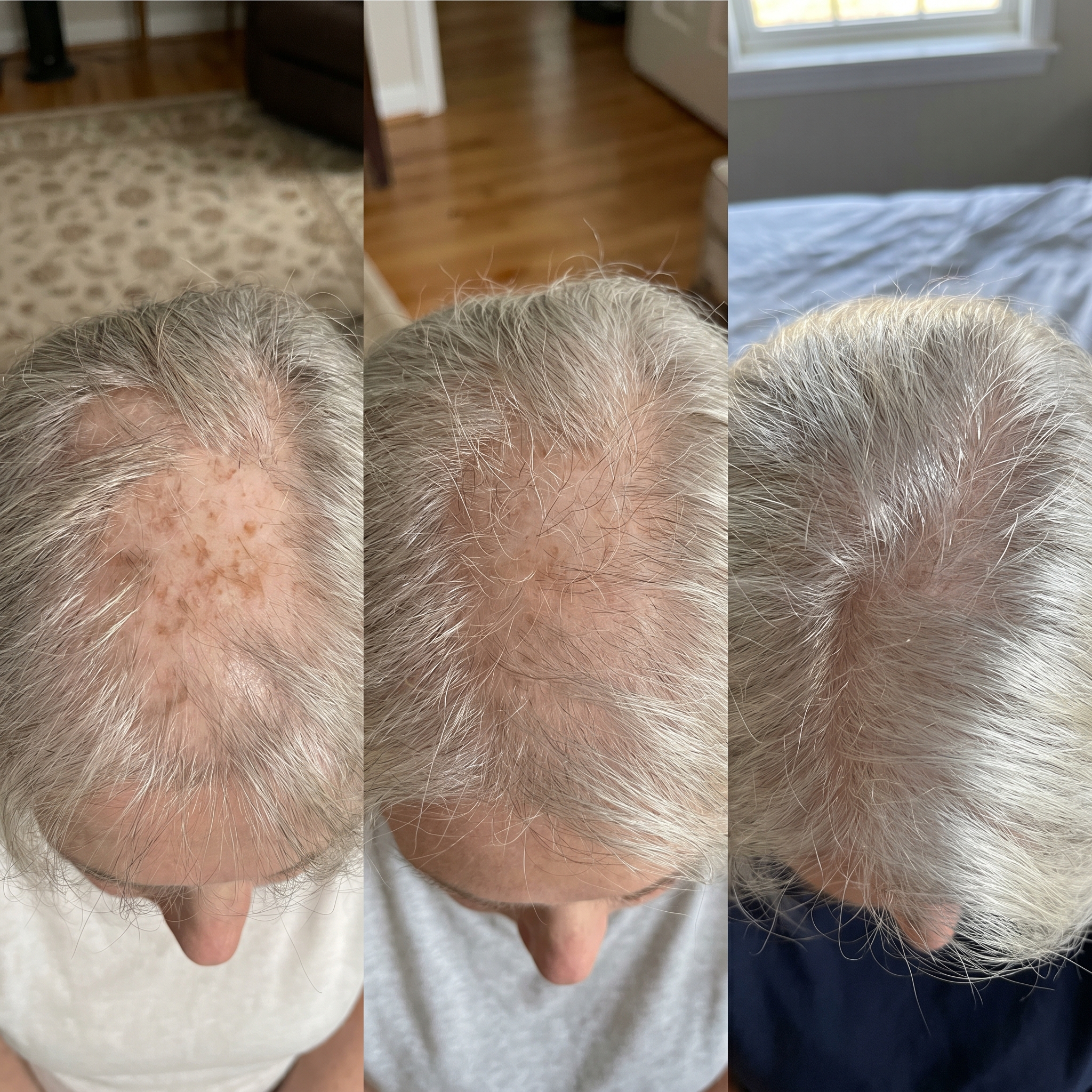
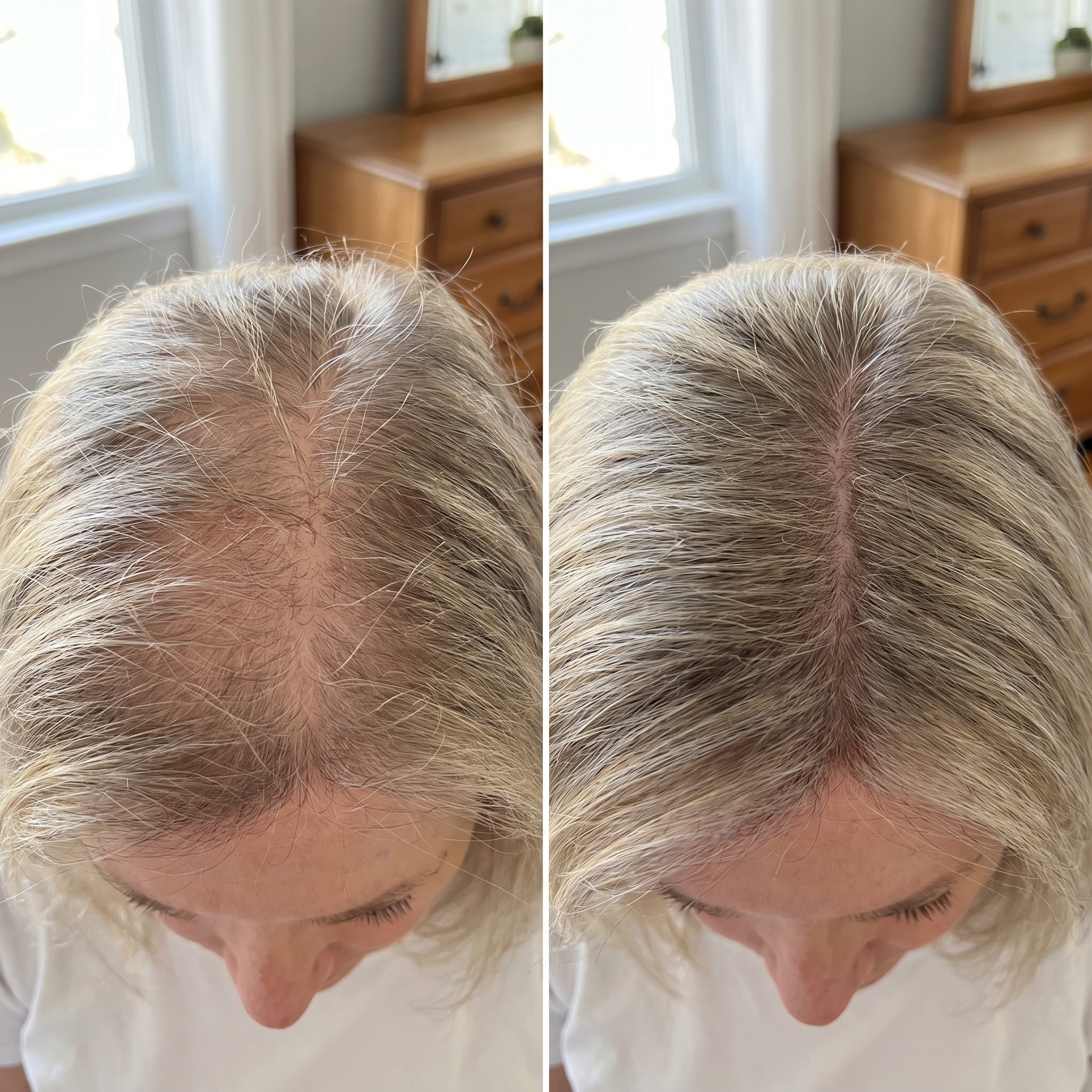
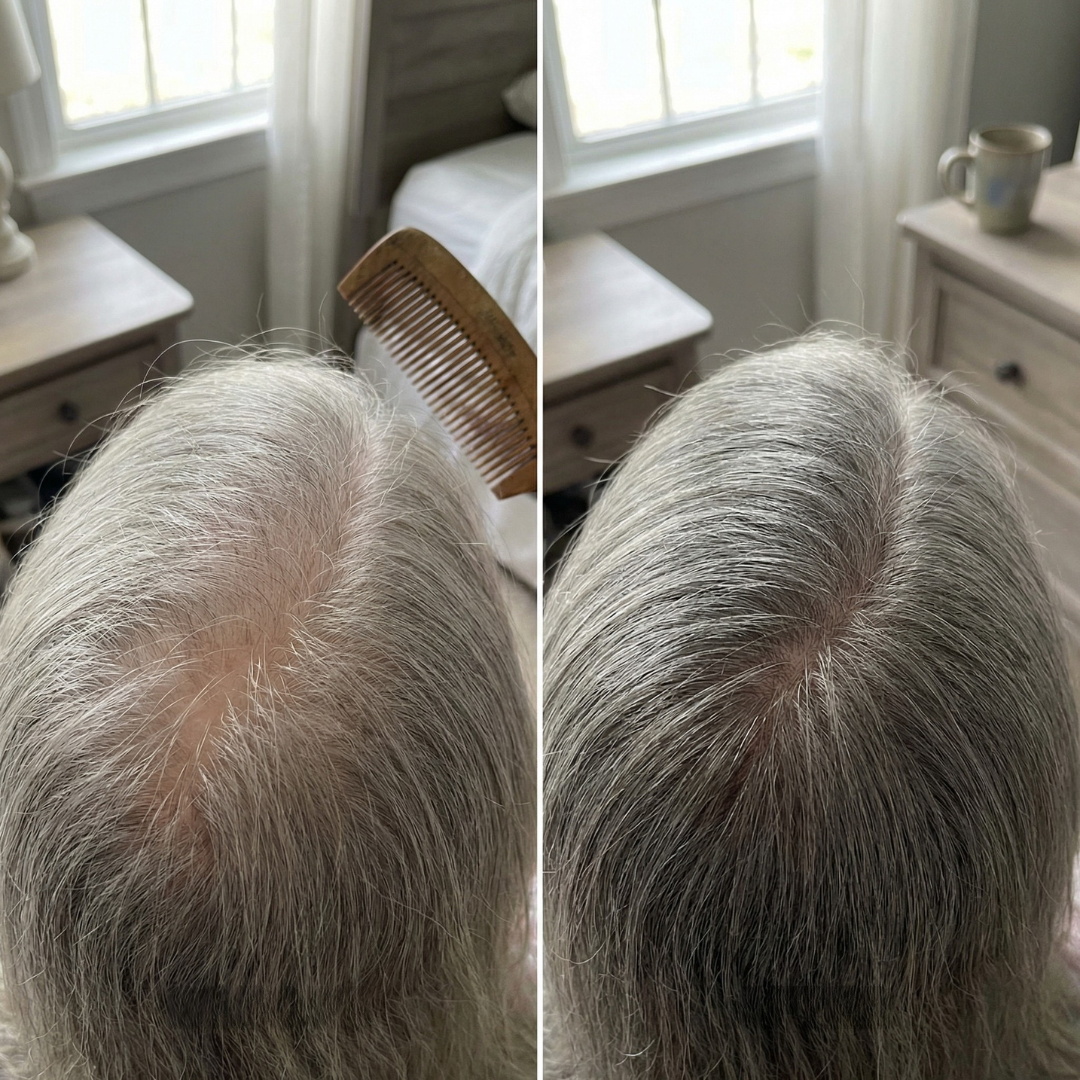
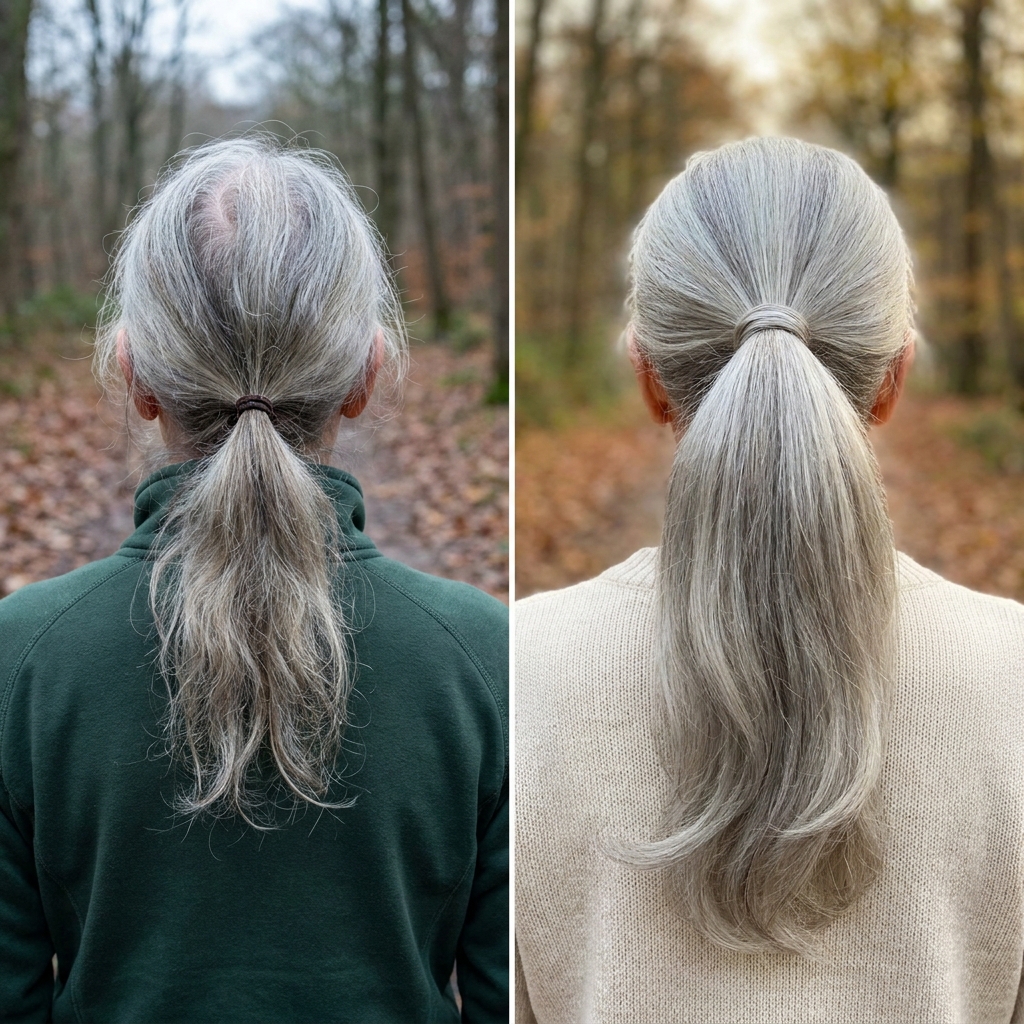
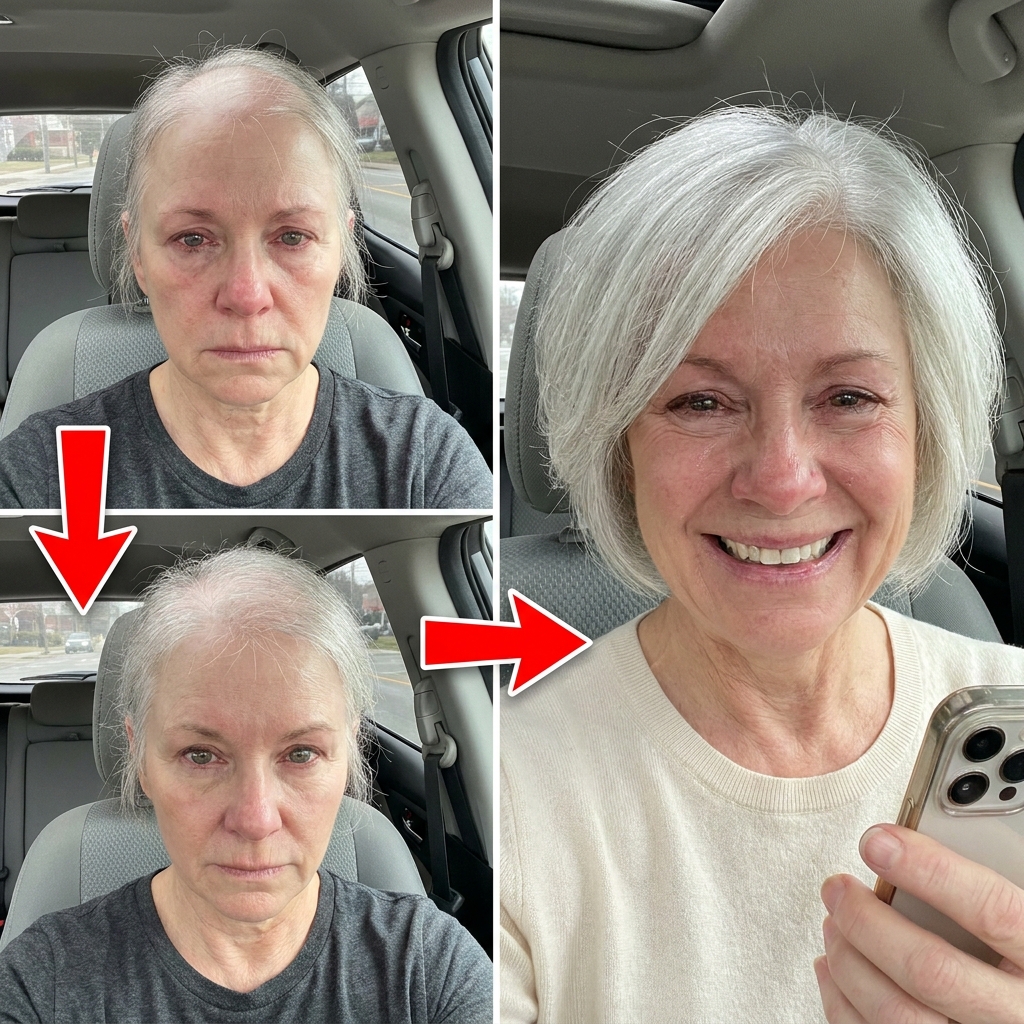
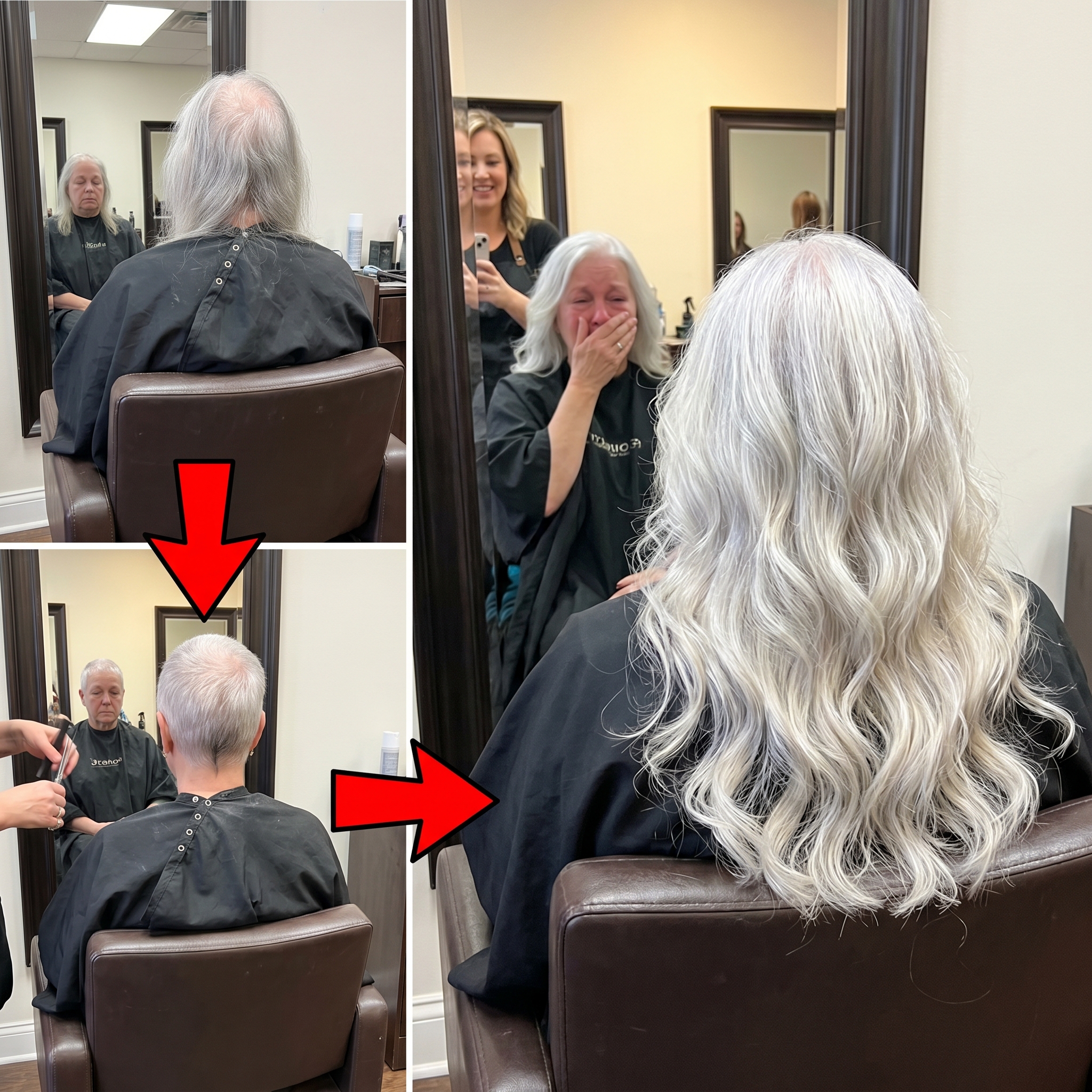
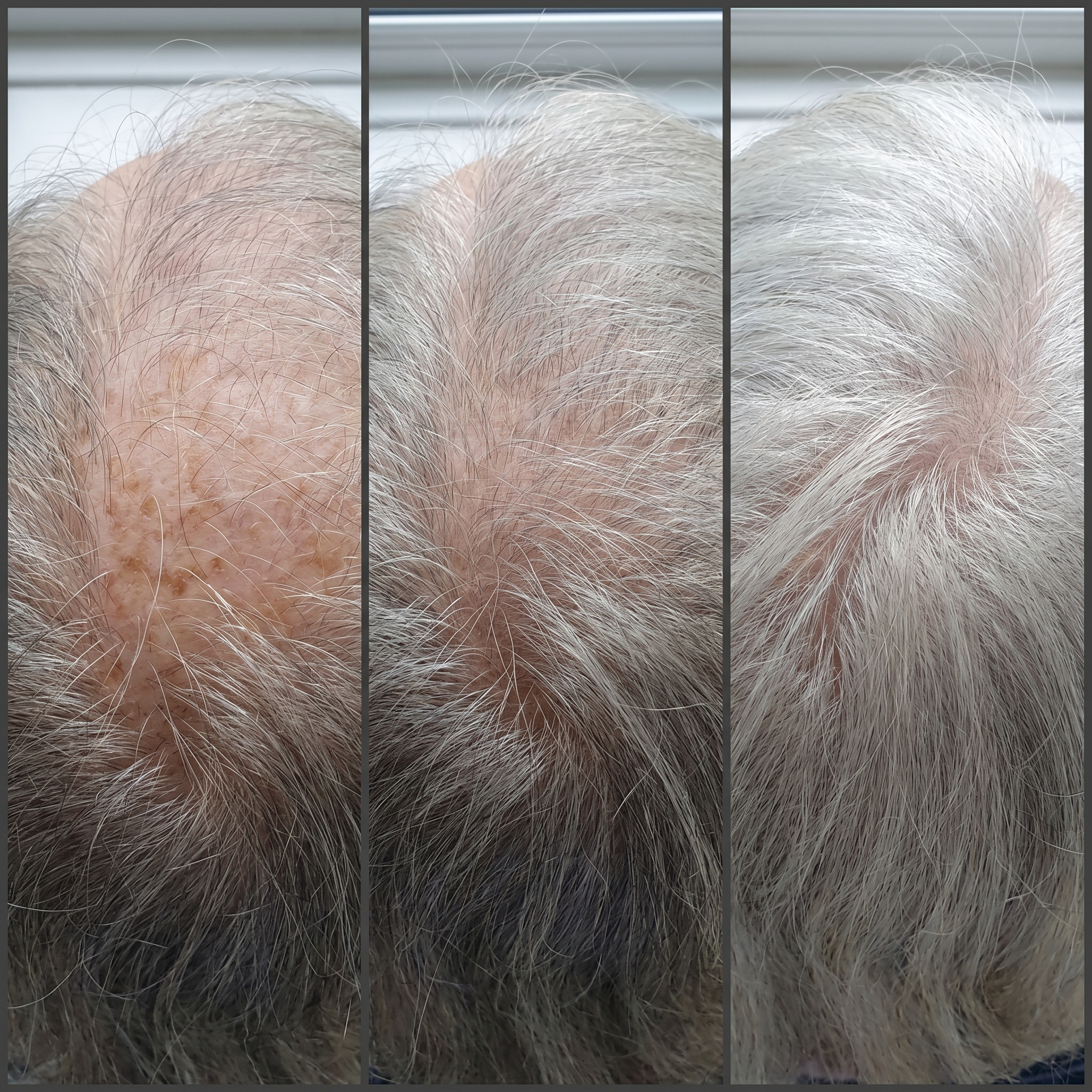
In 1999, a dermatology review paper synthesised a decade of research on hair loss interventions and drew a conclusion that has, in the intervening twenty-seven years, been almost entirely ignored by British primary care. For decades, the treatment of menopausal androgenic alopecia had defaulted to systemic approaches — oral supplements, hormone replacement therapy, prescription tablets. When topical interventions were mentioned, it was almost always in the form of minoxidil, which addresses follicular blood flow rather than DHT. The idea that topical delivery could directly interrupt the local DHT mechanism at the follicle, without any of the systemic side-effects of drugs like spironolactone or finasteride, was a research frontier that the pharmaceutical industry had little commercial reason to operationalise for women. What the 1999 review paper, and the follow-up trials extending through the 2000s and 2010s, demonstrated was this. The enzyme that manufactures DHT — 5-alpha-reductase — does not have to be blocked systemically to interrupt the process. It can be blocked locally, at the follicle itself, by compounds applied topically to the scalp. And when it is blocked that way, the local effect is comparable to systemic blockade while sparing the rest of the body from the side-effect burden that oral anti-androgens carry. The researchers knew this in 1999. Twenty-seven years later, the majority of women experiencing menopausal hair thinning are still being told their options are minoxidil, HRT, or oral supplements. The fourth option — topical DHT interruption at the follicle — almost never appears in the consultation. I know because I was one of them. And I spent two years on the first three options before I understood why the fourth one existed. My hair started thinning at 50. I noticed it the usual way — the brush, the drain, a photograph from above that I hadn't planned to take. The crown was sparse where it had never been sparse before. The part was widening week by week. The hair around it was thin and fragile in a way my hair had never been. I deleted the photo. I booked a GP appointment. My thyroid was fine. My iron was "within range." My B12 was normal. I was referred to a private dermatologist. She spent eleven minutes with me, noted the crown-and-part pattern, called it androgenetic alopecia, and prescribed minoxidil. When I asked what was causing it, she said my hormones. When I asked what I could do about that, she said HRT might help. When I asked whether there were any direct ways to target the DHT itself, she mentioned oral spironolactone but said it was not commonly prescribed in the UK for this and had side effects to consider. What she did not say — what I have since learned she almost certainly knew, because it has been in the dermatology literature since 1999 — was that the "oral spironolactone with side effects" choice was not the only DHT-blocking option. She did not say: "There is an entire lane of research on topical compounds — caffeine, polygonum multiflorum extract, and others — that interrupt DHT at the follicle when applied directly to the scalp. They don't enter the bloodstream in any meaningful amount. They don't have the systemic side-effect profile of spironolactone. They are not prescription drugs. They are cosmetic topicals built around the local mechanism." Instead I left with a minoxidil recommendation, a vague suggestion about HRT, and a warning about spironolactone that sounded like a closed door. Over the following eighteen months I tried what seemed credible. Minoxidil — which worked partially. Dread shed. Permanent commitment. HRT — which restored my sleep, my mood, my cognition, my joints, and everything except the thing I most wanted. My crown continued to thin at eight months, at ten, at a year. HRT raises systemic estrogen. It does not specifically block DHT at the follicle. Nutrafol, biotin, collagen, Nioxin, salon treatments. None of them addressed DHT at the follicle. None of them was ever going to, because none of them was applied at the follicle. Then I did the reading I should have done at month one. Here is the mechanism, explained the way it should have been explained. DHT does not travel to your follicle from somewhere else. It is manufactured there, by 5-alpha-reductase, an enzyme that sits in the follicle itself. The DHT then binds to the androgen receptor, which is also in the follicle. The damage — progressive miniaturisation of the follicle, finer hair, eventually no hair — happens locally. This has profound implications for how the damage can be addressed. If the DHT is produced locally, bound locally, and doing damage locally, then the most direct intervention is local. A compound that inhibits 5-alpha-reductase at the follicle, applied topically to the scalp, will interrupt the process without having to be absorbed, circulated, metabolised, and diluted across the entire body. The topical route has two advantages over the systemic route. The first is specificity — you are only affecting the tissue where the damage is happening. The second is safety — you avoid the side-effect burden that comes with systemic anti-androgens like spironolactone or finasteride, which affect androgen processes throughout the body. The research on topical DHT interruption has been accumulating for decades. Topical caffeine has been established as a 5-alpha-reductase inhibitor at the follicle that extends anagen. Korean researchers extended the findings with polygonum multiflorum. Arginine, applied topically, raises local nitric oxide and opens the small vessels around the follicle. Biotin, locally delivered, strengthens the mechanical integrity of new growth. Ginger extract supports anagen. The 1999 review knew the principle. The research since has identified the compounds. And still, in 2026, British menopausal women walk out of consultation rooms with prescriptions for minoxidil and very little else. Mellenza was the first product I found whose formulation was built around the topical principle. A scalp serum, not a capsule. Caffeine at meaningful concentration. Polygonum multiflorum root extract. Arginine. Biotin. Ginger. Applied nightly, massaged into the crown, the part, and the thinning areas at my temples. Not a shampoo. Not a volumiser. Not a supplement. A topical delivery system for the local problem. I committed to twelve weeks. Week 4: Less hair in the drain. I had been counting, as I had been counting for a year. Week 6: The hair texture began to change. The fragile, snapping quality softened into something with more weight. Week 9: I took the photo. Same bedroom. Same angle. Same overhead light. I compared it to the one I had saved in the hidden folder three months earlier. The part was narrower. The crown was less visible. Short, new growth had appeared along the edges of the part. I sat on the edge of my bed and, for the first time in two years, believed the direction had changed. Month 4: My hairdresser — who had been kindly silent about my thinning for nearly two years — held up the mirror at the end of my cut and said, without prompting, that she could see real regrowth at the crown. Month 5: I stopped managing the lighting in my own photographs. My hair is not what it was at 45. I don't know if it will be. What I know is that the part is narrower than it has been in three years, the crown is covered, and I am finally using a route of delivery that matches the geography of the damage. The researchers established, in 1999, that topical DHT blockade at the follicle could achieve local effects without systemic exposure. The compounds that do it have been researched for decades. The infrastructure of British menopausal hair care still largely operates as if none of this is true. You deserve to know it now. The link is below.
There are four treatment paths for menopausal hair loss. Your GP will only tell you about three.
Women's Health · Updated April 2026 Menopause · Hair Routine 7 Mistakes That Make Menopausal Hair Loss Worse, And the 30 Second Ritual 10,000 Women Used to See Regrowth in 8 Weeks Dr. Sarah Mitchell — Women's Health Writer. If you're standing in front of the mirror doing the 3-elastic ponytail t...
LEARN MORELike this ad? Make it yours.
Crush rebuilds this exact creative around your product — your brand, your colors, your offer — in about a minute.