
Inactive· since Aug 4, 2026
- 39
- days it ran
- 0
- relaunches
Ad copy
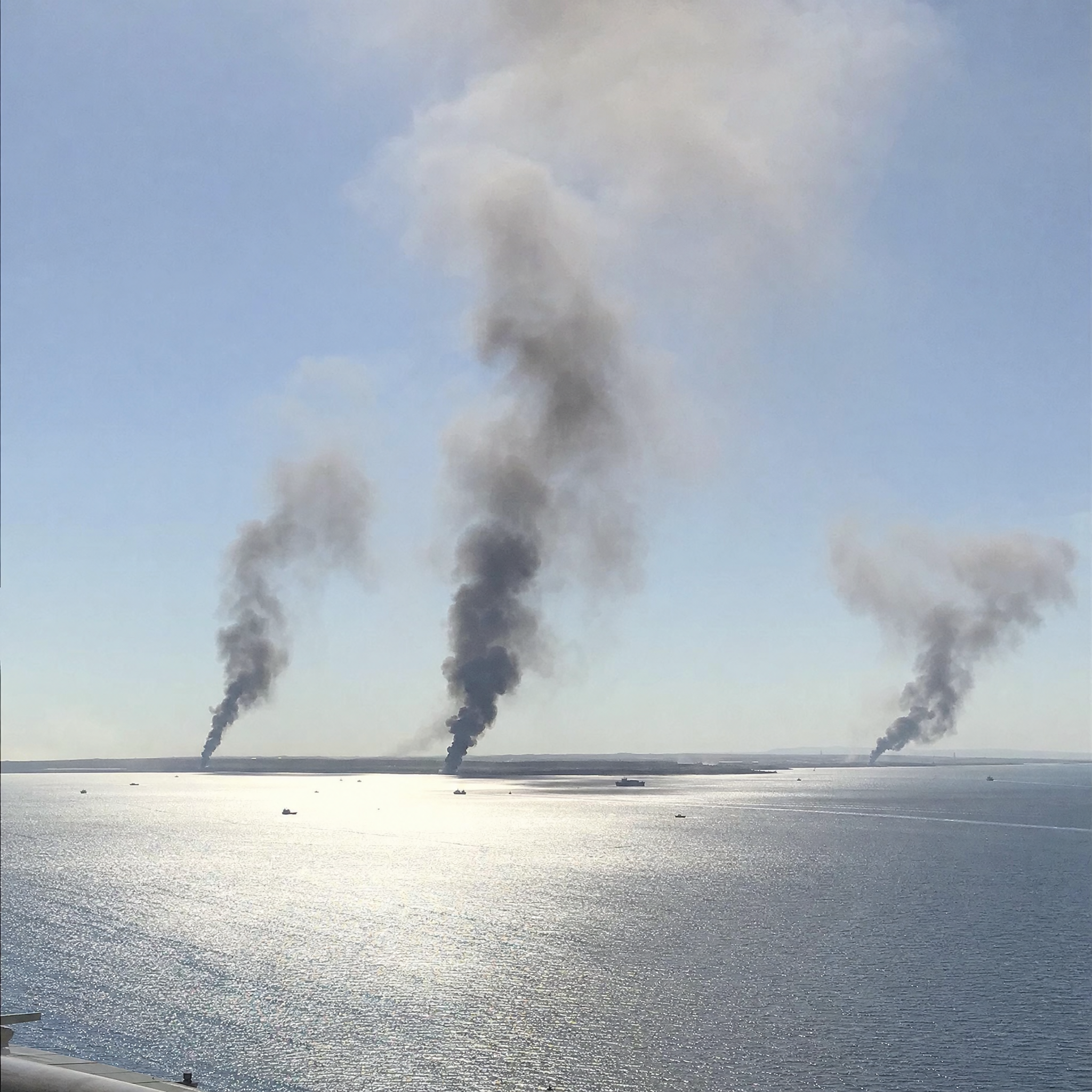
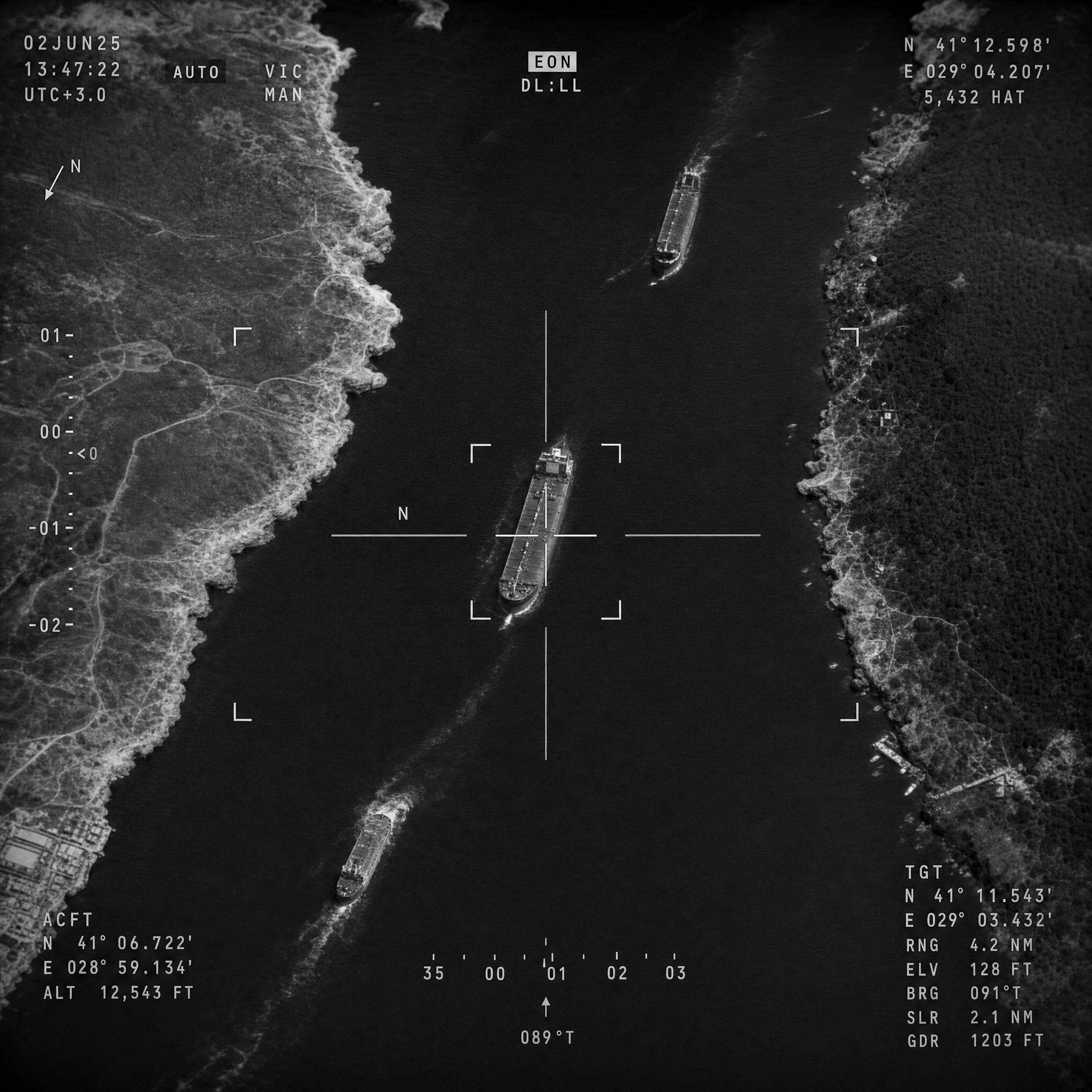
Yesterday morning I watched three heavily armed boats pull up alongside a tanker half a mile from my ship and open fire on it. The crew abandoned ship within the hour. The tanker is still out there right now, drifting, taking on water. I'm a Navy captain. I command a destroyer in a strait most Americans have never heard of. For the last five months that strait has been the only thing keeping oil flowing to the United States after the main route shut down. It was never on the news. Nobody told you it existed. It just got shut down. A DOE analyst was flown onto my ship three days before the attack. I overheard a phone call after his classified briefing. One sentence. That sentence is the reason I called my wife on a satellite phone that night and told her to start preparing for our family before the rest of the country finds out what's coming. I'm writing this from a warship on a personal device because what he said is something every American family needs to hear before it's too late. My name is James Harrell. Navy captain. 22 years. I run a warship in the Red Sea with 300 men on board. My wife and three kids are back home in Virginia Beach. My little girl just turned five. My boys are 8 and 11. I need to tell you what I've been watching happen out here for the last five months. Because I don't think anybody back home understands how bad this is about to get. Up until February, my job was boring. I mean that in a good way. You patrol. You run drills. You keep your guys sharp. You call your wife when you can. You look at a lot of ocean. Then the Iran thing kicked off and everything changed. You remember this part. It was all over the news. The US and Israel hit Iran. Iran hit back. And the Strait of Hormuz, the big oil chokepoint that sits between Iran and Oman, got shut down. About 20% of the world's oil was flowing through that narrow little passage. And just like that, it stopped. Gas shot up back home. Everybody was talking about it. Now here's the thing. I wasn't anywhere near Hormuz when that happened. I'm stationed in the Red Sea. That's a completely different body of water. Hormuz is over on the other side of the Middle East. The war felt close but it was happening across the map from me. And for the first couple weeks, nothing really changed in my area. The Red Sea was the same as it always was. Same patrols. Same quiet water. Then I started noticing something. Ships. More of them than usual. A few extra tankers one week. Then a few more the next. Then all of a sudden the Red Sea was packed. Tankers everywhere. Massive oil carriers riding low in the water. Cargo ships. Military escorts from countries I don't normally see out here. All of them heading in the same direction. South. Toward a narrow strait at the bottom of the Red Sea called the Bab el-Mandeb. If you've never heard that name, don't worry. Most people haven't. It's about twenty miles wide. Sits right off the coast of Yemen. Connects the Red Sea to the open ocean. It took me a couple weeks to fully piece together what was happening. When Hormuz shut down, the Saudis flipped a switch. They've got a pipeline that runs all the way across their country to a port on the Red Sea called Yanbu. Instead of sending oil out through Hormuz, they rerouted everything to Yanbu. And all of that oil was now coming through my stretch of water. Down the Red Sea. Out through the Bab el-Mandeb. Into the open ocean and on to refineries around the world. So my boring patrol route was suddenly the most important shipping lane on the planet. Every barrel of oil keeping American gas stations open, American power plants running, American water treatment working, all of it was passing right through the water outside my window. That was March, April, May. Busiest I've ever seen any waterway in my career. Ships lined up as far as you could see. And honestly? You probably didn't even notice. Because that's the whole point. When Hormuz shut down, gas went up. Yeah. But your lights stayed on. Your air conditioning worked. Your tap still ran. Nobody was rationing anything. Life kept going. Most people assumed America just handled it. We've got our own oil. We've got reserves. We figured it out. You didn't figure anything out. This strait figured it out for you. This little twenty-mile gap you've never heard of is the only reason your life didn't fall apart back in February. Anyway. For a while, things were tense but stable. The ships kept coming. The oil kept flowing. My job was just to sit out here and make sure nobody messed with the corridor. Then in June, the ceasefire happened. You probably saw that too. The US and Iran sat down and signed a deal. Everybody exhaled. The news moved on. People were hopeful. And I watched it happen in real time from my ship. The traffic started shifting. Ships that had been coming through my area were starting to head back toward Hormuz. The strait was opening back up. The tankers were thinning out. My area started to calm down. I'll be honest. I thought it was over. I figured maybe the worst had passed. Maybe things were going back to normal. Maybe my boring deployment would go back to being boring. That lasted about three weeks. Then the whole thing fell apart. Iran attacked a ship in Hormuz. The US said that violated the deal. Strikes started back up. Iran hit back. Then Trump went on TV around July 7th and basically said the deal was dead. Called it a test that Iran failed. And within days, the ships were flooding back into my area. All of them. Right back through the Red Sea. Right back through my strait. But this time it felt different. The first time around, back in March, it felt like a temporary thing. Like a detour. Everyone assumed Hormuz would reopen eventually and things would go back. This time there was no going back. The ceasefire was dead. The deal was dead. Hormuz was shut and everyone knew it was staying shut. The mood on the water was heavier. The tanker crews looked more stressed. The military escorts were bigger. More countries sending warships. You could feel the tension just standing on the deck. And that's when the Houthis started showing up. If you don't know who the Houthis are, they're a militia that controls a big chunk of Yemen. The coastline right next to the strait. Right next to my ship. They're backed by Iran. They've done this before. Back in 2023 and 2024, they were attacking ships in the Red Sea during the Gaza situation. Drones. Missiles. They nearly shut down this same strait two years ago. There'd been talk in our briefings that they might get pulled into this conflict too. Iran pressuring them. Intel about missile deployments along the coast. Drone positioning. But it was just talk. Nothing happening. And honestly? I didn't think they'd do it. The Saudis and the Houthis had a sort of truce going for the last four years. Neither side wanted to restart that fight. I figured the Houthis would sit this one out. But with the ceasefire collapsing and the strikes getting worse by the day and Iran pulling every lever it had, I guess nothing was off limits anymore. July 19th. I was standing on the bridge and one of my guys pointed at the radar screen. Three small contacts. Moving fast. Coming from the Yemeni coast. Heading straight into the shipping lane. I knew what they were the second I saw them. Houthi skiffs. If you've never seen one, picture a small fishing boat. Open top. Outboard motor. Except instead of fishing gear, there are men standing in them with machine guns mounted on the front and rocket launchers strapped to the deck. Three boats. Moving fast. Moving with purpose. They went straight for a massive Saudi oil tanker about a quarter mile from my ship. This thing was huge. Loaded with crude. Riding low in the water. Moving slow through the strait like every other tanker that had been coming through here for months. The three boats circled it. Twice. Close. I had my binoculars on them and I could see the men clearly. They were organized. This wasn't random. They knew exactly what they were doing. Then one of the boats pulled right up alongside the tanker. Right against the hull. And a man on the front of the boat stood up holding what looked like a rocket launcher. My guys were ready. We were tracking everything. But the boats weren't coming at us. They weren't there to fight us. They were sending a message. The radio crackled. Open broadcast. Arabic first. Then English. "All vessels heading to Saudi ports are no longer allowed safe passage through this strait. This is a maritime blockade. Effective immediately. Alter your course or face the consequences." The tanker slowed down. Then it stopped. Then it started turning around. I stood there and watched a ship carrying enough oil to power a small city do a slow U-turn half a mile from my warship. That oil was headed for an American refinery. It's not getting there. The next day it was three more. Then four. Then seven. One Chinese cargo ship turned around after getting an email. An email. A billion-dollar ship changed course because of a message from a militia. Ships that had been lining up to pass through this strait for five months were now either dead in the water or heading the long way around Africa. Adding over a month to every trip. Every day I stood on the bridge with my coffee and counted. 108 had been my high, back at the start of July. Then it was 87. Then 64. Then 41. Then 22. Then 11. Then almost nothing. The water around my ship, which three weeks ago was the busiest stretch of ocean I'd ever seen in my life, went dead quiet. Not peaceful quiet. Wrong quiet. The kind of quiet that sits in your chest. The strait that has been keeping America's lights on for five months is empty. And I need you to understand what that means. The main route, Hormuz, has been shut since February. This strait was the backup. The only backup. The only reason gas went up but life kept going. The only reason your power stayed on. The only reason your tap still worked. The only reason you were able to forget about Hormuz and get on with your life. And now this one is gone too. There is no third route. There is no other backup. The oil either comes through one of these two places or it doesn't come at all. And right now, both of them are shut. I understood the military side of what I was looking at. That's my job. I can read a map. I know what's open and what's closed and what's at risk. What I couldn't figure out was what this actually means for people back home. For my wife. For my kids. For your family. Then the analyst showed up. He came the day before the blockade. Friday, July 18th. Helicopter on my deck. One man. Civilian. Department of Energy. He had a government briefcase and a collared shirt and he nearly fell on his face getting off the helicopter because he'd never been on a ship before in his life. He briefed my officers for about ninety minutes. Standard stuff. Charts. Models. Oil flow projections. Then he asked if he could talk to me alone. We sat down in the small room off the bridge. Just me and him. He looked like he hadn't slept in a week. He asked me what I was seeing out here. So I told him. The traffic dropping off. 108 ships three weeks ago, down to 22. The Houthi boats showing up. The tension building every day. The feeling that this corridor was about to close. He nodded while I talked. Slowly. The kind of nod you do when someone is confirming something you were hoping wasn't true. When I finished, he rubbed his eyes and leaned back in his chair. "Captain, how much do you know about what's happening on the other end of this. Back in the states." "I know gas is up. I know people are paying more for everything." He did this little half-smile. Not a happy one. "Yeah. That's what it looks like from the outside. Can I show you what it actually looks like from where I'm sitting?" "Go ahead." "You already know this, but I need to say it out loud so the next part makes sense. The only reason life back home didn't fall apart when Hormuz closed was because the oil kept moving through here. Through this strait. Through your area. As long as this corridor stayed open, the refineries had enough. The power grid held. Gas went up but everything else stayed together." "Right." "This strait was the one thing keeping it all from breaking. That's it. That's the whole thing." "I know. I've been watching it." "Okay. So if this closes... and I think we both know it's about to..." He trailed off. Looked at the porthole. "There is nothing behind it. Nothing. There is no Plan C." "So what happens." He sat forward. Put his hands on the table. "I need to walk you through this in order. Because each thing I'm about to tell you causes the next thing. It's a chain. And the last link in the chain is the one nobody's talking about yet." "Okay." "Oil stops first. Not slows down. Stops. The millions of barrels coming through here every day to American refineries just don't show up. You can send ships around Africa but that adds a month and a half per trip. The numbers just don't work. Not at the volume America needs." "We produce our own oil. And we've got reserves." "American production covers about 60% of what we use. On a good day. The reserves are at their lowest point in 40 years. We've been draining them since last year. That 60% keeps some things running. It doesn't keep everything running." "And the other 40%?" "Gone. Just gone. There's no secret backup supply. The oil either gets here or it doesn't." "So what does that look like at home." "They're going to start rationing gas." It's a different thing hearing that word on a ship in the middle of the ocean with your family on the other side of the world. "Rationing." "A limit on how much you can buy. Per family. Per week. You pull up to the pump and there's a cap. That's your share. That's it." "That can't happen here." "Captain, it's already happening. The Philippines put their entire country under an energy emergency months ago. South Korea's president went on television and said it's worse than anyone expected. Italy's defense minister said on the record that he's forced to know things that no longer let him sleep. These are modern countries. Close allies. This isn't some far-off thing happening in places people can't find on a map." "And it's coming here." "When both routes are closed? Yeah. It's coming." I let that sit for a second. "What else." "Travel." "What about it." "Flights start getting cut. But nobody calls them cancellations. They call them schedule adjustments. Route optimizations. By fall, if this holds, you're going to need a reason on paper to drive between states." "You're saying Americans are going to need permission to drive." "Not exactly permission. More like... paperwork. A documented reason to be on the road. They'll call it a market correction. It'll feel like the DMV. Slow. Bureaucratic. Nobody to yell at. Just a system that slowly tightens and tightens." "This sounds like 2020." "It's the same playbook. Different crisis." "Okay. So rationing. Travel getting limited. What else." He leaned back. This was the part he didn't want to get to. I could see it in his body. "The power grid." "What about it." "About 40% of the electricity in this country comes from natural gas. And global natural gas just got choked from two directions at the same time. Both straits. And there's no other source big enough to make up the difference." "So the power starts going out." "Not all at once. It starts small. They ask people to cut back. Turn off the AC between two and seven. Please conserve. Very polite about it." "Yeah." "Then it stops being a request. Then they start scheduling it. Your power goes off from this time to this time. Then the windows get longer. Then it's not a few hours. It's a full day. Multiple days." "Days without power. In the United States." "Electricity is already at an all-time record price this year. Tenth year in a row it's gone up. And that was before any of this happened." "How long until it starts." He looked at me for a long time. "There's a phrase I need you to listen for." "What phrase." "Energy lockdown." Something cold went through my chest when he said that. "When you hear those words come out of someone official's mouth, out of a governor or a news anchor or a press secretary, it means it's already started. The plans are written. The documents exist. They've been sitting in binders for months. They're just waiting for the right moment to roll it out." "How long." "Six weeks. Maybe sooner." I got up. Walked to the porthole. Looked out at the water. There were still about 22 ships out there that day. Two days later there'd be almost nothing. "Okay. Gas rationing. Travel limits. Power going out for days. Anything else." Quiet. "Is there anything else." "Yeah. There's one more thing." "Tell me." He didn't answer right away. And I could tell it wasn't because he was thinking. He already knew what he was going to say. He was deciding whether to actually say it. "Everything I just told you, all of it, there are plans for. Thick binders in offices all over Washington. Rationing has been done before. Travel restrictions are ugly but survivable. Even the blackouts. There are contingency plans. It's miserable. But the country gets through it." "Okay." He leaned forward. Hands on his knees. "There is no plan for water." "Water?" "Every water treatment plant in this country runs on electricity. Every single one. The pumps that push clean water through the pipes to your house. The systems that treat it. The pressure that makes it come out when you turn the handle. All of it runs on the grid." "Okay." "When the power goes out, the water goes out with it. Not in a week. Not slowly. You turn the faucet and nothing comes out." I didn't say anything. "You remember Texas? 2021?" "The freeze. Yeah." "Three days. That's all it was. Three days without power. Not a war. Not a crisis. Just a cold snap. And 14 million people lost clean drinking water. Fourteen million. Hospitals ran out. Shelters ran out. People were scooping water out of ditches and boiling it on camping stoves. In America." "Fourteen million from a snowstorm." "From a snowstorm. In three days." "What you're talking about isn't a snowstorm." "No it isn't. And it isn't three days." The room got very quiet. I could hear the ship humming underneath us. "How many people are we talking about." "If the power goes down across a major region for more than a couple days? Tens of millions without clean water. No alternative. No backup." "People will buy bottled water." "They'll try. The water section at a grocery store clears out in about two days once people figure out what's happening. The big warehouse stores go in three. After that there is nothing left to buy. Anywhere. At any price." "What about the government. Emergency response." He almost laughed. Not a real laugh. "Emergency response requires trucks. Trucks require gas. There won't be gas. Coordination requires power. There won't be power. They can maybe cover one city. Maybe two. We're not talking about one city." "So what happens." "People turn on the faucet. Nothing comes out. Or what comes out is brown. And they don't have a plan." He looked at me. "Captain, I've been sitting in rooms full of very serious people for months now. You know what keeps them up at night? It's not the gas lines. It's not the power outages. It's not even the rationing." "What then." "It's a Tuesday morning. And a little kid walks into the kitchen and says Mommy I'm thirsty. And mom turns on the faucet and nothing comes out. And she opens the fridge and there's nothing in there either. And she looks at the shelf where the water bottles used to be and it's empty. And she's standing in her own kitchen looking at her child with nothing to give them." He stopped talking. "That's the moment. That's what everyone in those rooms is afraid of. Not the economics. Not the politics. That one moment. And there is nothing on anybody's desk anywhere in Washington that prevents it." I sat there for a while looking at him. This man from the Department of Energy had just drawn a straight line from the empty water outside my window to the power grid in Virginia to the kitchen faucet in my house. I have three kids. My little girl is five. She can barely reach the faucet on her tiptoes. She asks her mom for water about ten times a day. "So what is anybody doing about this." "There are plans. FEMA distribution. National Guard water delivery." "You just told me those plans don't work." "They cover some of it." "You said they cover one city. Maybe two." He didn't answer that. "So the government knows the water is going to fail and the plan to fix it doesn't actually fix it." "There are a lot of people working very hard on this, captain." "That's not what I asked you." He looked down at his hands. "No. It doesn't cover the gap." "Then what. Tens of millions of people without water and nobody does anything?" He shifted in his chair. "That's actually part of why I'm out here." "What do you mean." "My role shifted about two months ago. I was doing energy assessments. That's still part of it. But there's another side now. Preparedness outreach. I've been going to military installations, government facilities, talking to the families of people who serve. People who need to be ready before this hits." "Ready how." "There's a specific thing every family needs to have." "What thing." "A portable water filter. A specific kind. Doesn't need electricity. Doesn't need running water. Doesn't need anything except a natural freshwater source. A creek. A pond. Rainwater. A bathtub you fill up before the pumps go down." "A water filter." "Not a Brita, captain. Something you can carry in your pocket. You screw it onto any water bottle, fill the bottle from whatever freshwater source you can find, drink through it, and clean water comes out. Filters out bacteria and parasites. Military-grade. Lasts about 400 gallons. That's a year of clean drinking water for one person." "And this is what you're telling families to get." "This is what we've been quietly recommending across the board. My supervisor got six of them for his family back in March. Before any of this was in the news. FEMA started including them in every emergency bag they hand out. Two guys on my team, both former military, got them for their families in January. The people who understand the water situation aren't stockpiling water bottles. They're getting the thing that lets you make your own clean water from any creek or pond without needing power." He reached into the front pocket of his briefcase and pulled out a small tube. Light blue. About the size of a fat marker. Put it on the table. "This is it." I picked it up. Weighed almost nothing. No batteries. No electronics. Nothing to plug in or charge. "Take it. That's why I'm here." He pulled out a second one. "One for your wife. I'd recommend getting enough for your whole family and anyone you care about." He wrote a web address on the back of his boarding pass and slid it across the table. "That's where you get them. They run out of stock pretty regularly because they're not mass-produced." He shook my hand. The helicopter took him away about an hour later. The next morning the tanker turned around. The Houthis made their announcement. And the strait started dying. That night I locked my door. Called my wife. I told her to go to a website and order enough for our family. One for her. One for each kid. One for her mom. One for her sister. A couple for the cars. "James. What is going on." "I'll explain everything when I get home. Do this today." She didn't argue. She ordered them that night. My brother called me a few days later. Retired Marine. I'd had my wife drop a couple off at his house. "James. What is this thing." "Something you need to have." "Why." "Because if what I'm hearing out here is right, the water is going to be a problem back home. And I'd rather you have it and not need it than need it and not have it." He didn't push back. 20 years in the Marines taught him the same thing 22 years in the Navy taught me. When someone you trust tells you to prepare, you don't ask twice. Since then the blockade hit. The tankers turned around. The strait went dead. Everything the analyst told me is happening right now in real time and I am watching it from the bridge of my ship every single morning. I am writing this on a personal device from a warship. I am breaking the chain of command I have followed for 22 years. I have never done anything like this in my life. I'm doing it because my kids are 6,000 miles away and nobody is going to tell their mother what's coming. If you've been watching the news since February thinking the Hormuz thing was the whole story, it wasn't. Hormuz was the headline. The real story was this strait. The backup nobody told you about. The twenty-mile gap you never heard of that was quietly keeping your lights on, your water running, your life normal this whole time. That's gone now. I watched it go. There is no other route. The people who understand what's coming are already prepared. Their families are covered. Quietly. Before anyone else catches on. This is the same thing the DOE analyst handed me across the table in my wardroom. Same thing his boss ordered six of in March. Same thing FEMA puts in their emergency bags. I've linked it below. 👉 https://primitivelabsresearch.com/products/hydra-x1-portable-filtration-unit EDITED: Three days ago the Houthis fired missiles at a Saudi oil refinery on the coast. The Jizan facility caught fire. Same day they targeted Yanbu. The port the Saudis built a pipeline to. The one that was keeping the oil moving after Hormuz closed. Saudi Arabia suspended all crude shipments through the strait. The tankers that are still trying to get through are running dark. Switching off their transponders and sneaking through with no identification. Billion-dollar ships running like blockade runners because the corridor is too dangerous to cross with your lights on. I watched the daily count drop below ten. One day last week it hit zero. Yesterday the president said a deal was imminent. This morning the other side said they aren't even talking to us. They're talking to Oman. About a route they control. I've heard this before. In June they signed a deal. Sixty days of peace. It lasted three weeks. Everything that man told me in that little room on my ship is coming true. My wife checked the site this morning. They're already selling out. The page says they can't promise when they'll have more because of everything going on with supply chains right now. These aren't made in some giant factory. When they're gone, they're gone until the next batch. If you're reading this and they're still available, please don't wait. 👉 https://primitivelabsresearch.com/products/hydra-x1-portable-filtration-unit P.S. I told my second-in-command everything the analyst said. All of it. Including the part about the kid in the kitchen. He sat there and listened without saying a word. When I finished he pulled up the site on his phone, ordered six, and said one thing. "My daughter's pregnant. She's due in October." He didn't say anything after that. P.P.S. We also got their emergency bivvy and their solar charging kit. After what the analyst said about the power going out for days at a time, I'm not letting my family sit in the dark with no way to stay warm or charge a phone. But if you only get one thing, get the filter. You can get through the dark. You can get through the cold. You cannot get through three days without water. P.P.P.S. Each filter does 400 gallons of clean drinking water. That's a full year for one person from any creek, pond, rain barrel, or bathtub you filled before the water stopped. No batteries. No power. Nothing to charge. Nothing to refill. Lifetime warranty. 60-day money-back guarantee. Free shipping. A government analyst doesn't carry something like this in his briefcase and hand it to a Navy captain unless it works. P.P.P.P.S. If you're thinking you'll just buy a bunch of bottled water and be fine, think about what the analyst said. Bottled water runs out. Two weeks. Four weeks. However much you stack in the garage. Eventually it's gone. And when it is, the tap still doesn't work and the trucks still aren't coming. This filter doesn't run out. As long as there's a creek or a pond or rain falling somewhere you can walk to, you have clean water. That's the whole difference. Running out versus never running out. 👉 https://primitivelabsresearch.com/products/hydra-x1-portable-filtration-unit
Like this ad? Make it yours.
Crush rebuilds this exact creative around your product — your brand, your colors, your offer — in about a minute.