Dr. Eleanor Carter
 Facebook ad: “Ceylon Cinnamon 7200mg Equivalent with MCT Oil”
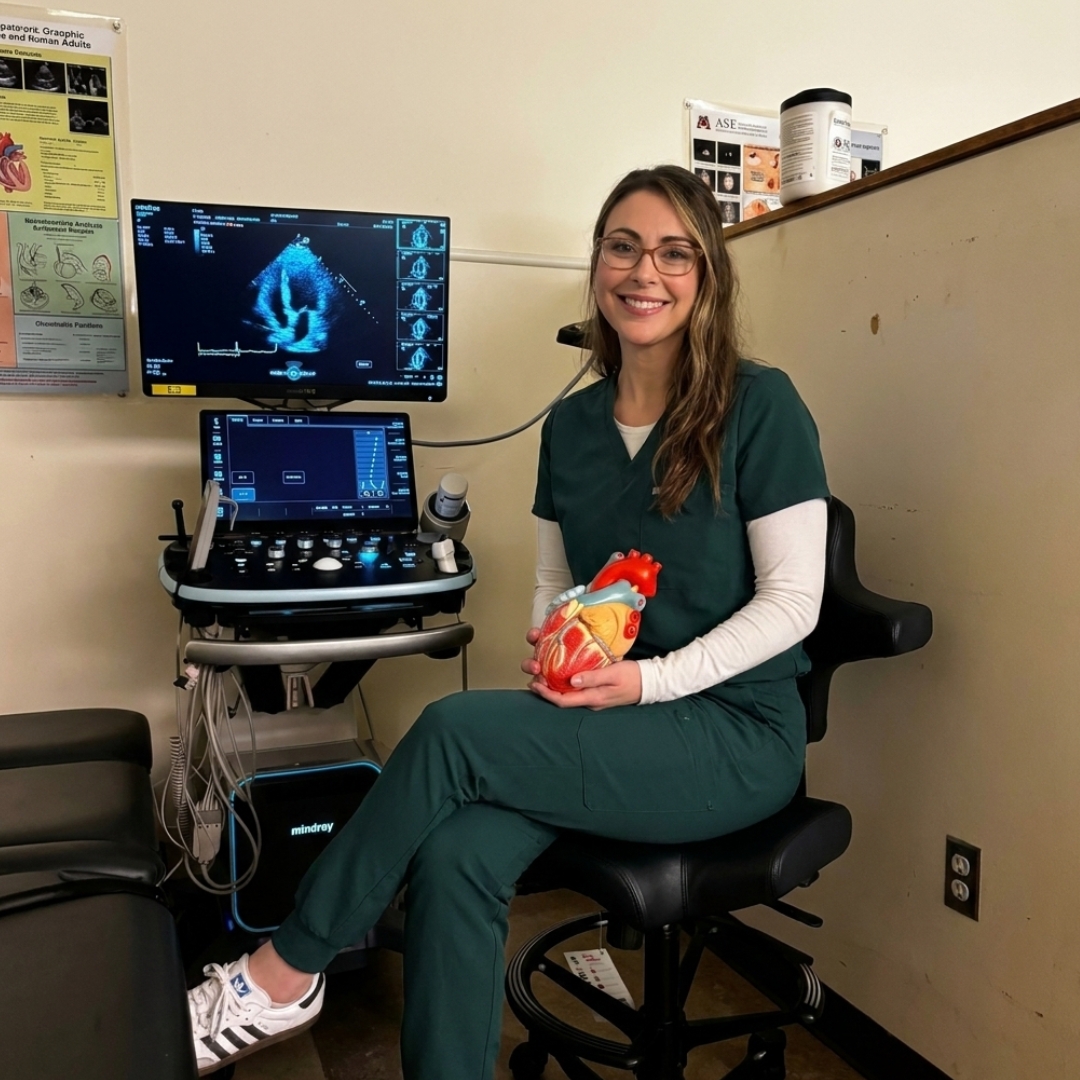
Ran for 5 days, from October 10 to October 15, 2026, the last day Crush saw it.
Run by Dr. Eleanor Carter on Facebook. Crush is not the advertiser and does not verify its claims. See this ad in Meta's Ad Library(opens in a new tab)
Make your own version of this ad
Crush makes it, launches it in your own Meta ad account, scales the winners and pauses the losers.
About this ad
- Meta Ad Library ID
- 1796183148096404
- Platforms
- Facebook, Instagram, Audience Network and Threads
- Relaunches
- 0
Ad text
If you've been diagnosed with high blood pressure or climbing cholesterol, your doctor put you on Lisinopril or statins, you're still feeling that crushing tightness in your chest when you take the stairs, and every cinnamon or 'heart health' supplement you've tried has done absolutely nothing. I'm about to tell you exactly what the medical industry is leaving out, and why the supplements will never give you the real answer. For three years, I watched my own life shrink around my failing heart. I was diagnosed with skyrocketing blood pressure and climbing cholesterol at 59. I put myself on Lisinopril and statins immediately. As a cardiologist, I told myself the medication would manage the pressure and I would be safe from a massive heart attack. I was completely wrong. My name is Dr. Eleanor Carter. I have been a Cardiologist for twenty-six years. I treat massive heart attacks for a living. And I know exactly how this scam operates, because when my own medications failed to stop my decline, I ran an 11-week experiment on myself and fell for the exact same trap. Three years into maximum-dose medication, my numbers were not moving. Fasting glucose: 145. LDL still climbing despite the statin. Blood pressure locked at 165 over 95 regardless of the Lisinopril. And something I should have caught the moment I saw it: my creatinine was rising. 0.9 two years earlier. 1.1 a year ago. Now 1.3 and still climbing with each quarterly draw. I pulled my own panel every three months and stared at the same progression. As the physician treating dozens of patients with identical cascading panels, I knew exactly what those numbers meant. As the patient sitting in front of those numbers, I told myself what my patients tell me. The medication needs more time. The statin is still calibrating. Give it another cycle. I was lying to myself the way my patients lie to me. Here is the biological reality that neither the pharmaceutical industry nor the supplement industry explains clearly, and I say this as someone who has spent twenty-six years on the pharmaceutical side of that equation. High blood sugar and oxidized LDL cholesterol do not stay separate in the bloodstream. They combine. They form a viscous, abrasive compound that flows continuously through your entire vascular system. This is not a metaphor. This is the direct biochemical consequence of sustained hyperglycemia combined with elevated oxidized lipids circulating under pressure day after day. That compound reaches your kidneys first, because your kidneys filter your entire blood volume dozens of times each day. Your kidneys contain millions of microscopic filters called glomeruli. These filters are extraordinarily precise. They distinguish proteins your body needs from waste it must eliminate. But when the toxic sludge passes through them hour after hour, those filters scar. Their surface area shrinks. Their capacity falls. Your creatinine climbs. Your GFR drops. And if the process continues long enough, your doctor begins using a phrase I use with my own patients when the conversation has to change completely. Here is what took me three years to fully connect in my own case, even as a cardiologist who treats this cascade in other people for a living. When the kidney filters scar and lose capacity, the fluid they cannot process does not disappear. It backs up into the vascular system. Pressure throughout the vascular bed increases. And that increased pressure drives directly into the cardiovascular load. Your heart has to pump harder. The left ventricle labors against resistance it was never designed to sustain for years at a time. The arterial walls, already being damaged continuously by the abrasive circulating compound, stiffen further with every pass. The chest tightness you feel on the stairs. The shortness of breath at the top. The afternoon fatigue that arrives whether you slept well or not. These are not separate symptoms requiring separate solutions. They are one cascade reporting damage from one upstream source to four different measurement points on your doctor's panel. Lisinopril forces the pressure reading down. The statin suppresses the LDL number. Neither drug touches the sludge circulating through your vessels. Neither drug addresses the glucose that drives the entire cascade at its source. The medications are managing the gauges on a machine running on corrupted fuel, while the fuel keeps corrupting. This is not a critique of my colleagues. This is an honest description of what pharmaceutical cardiovascular intervention was designed to do: hold the numbers to a manageable target, prevent acute events, extend measurable life. It was never designed to reverse the upstream source. That gap is what the industry does not advertise. In month nineteen of my medication protocol, I started looking for something upstream. I was looking for an intervention that could address glucose metabolism directly. If the glucose dropped before it combined with oxidized LDL and entered the vascular system as the abrasive compound, the cascade would slow at its origin rather than being managed at its endpoints. The published research on Ceylon cinnamon and insulin sensitivity was the most compelling evidence I found. Real studies in journals I respect. The mechanism was clear: Ceylon cinnamon activates GLUT4 transporters on cell surfaces, pulling glucose out of the bloodstream at the cellular level before it can begin the cascade that ends in my chest and my kidneys. The research showed measurable drops in fasting glucose, in blood pressure, in lipid profiles. If this mechanism was real, and the published evidence said it was, this was exactly the upstream intervention I needed. I ordered Ceylon cinnamon powder. Organic. A supplier I believed was reputable. I measured precise doses every morning and logged every reading. Week 1: Fasting glucose 145. Blood pressure 165 over 95. No movement. Week 2: Fasting glucose 144. Blood pressure 164 over 94. Within measurement noise. Week 4: Fasting glucose 145. Blood pressure still 165 over 93. Week 6: Fasting glucose 143. Blood pressure 163 over 92. Week 8: Fasting glucose 144. Week 11: Fasting glucose 144. Blood pressure 165 over 95. Eleven weeks. Seventy-seven consecutive mornings. Precise dosing. Careful logging. And not a single primary metric had moved in any meaningful direction. As a physician who had reviewed the mechanism research and understood the biochemical pathway, this required an explanation. The studies are real. I was missing something in the execution. I contacted a colleague who runs potency and species-authentication testing at a supplement verification laboratory. I described the eleven-week protocol exactly. She asked me three questions. The first: had I verified the species of my Ceylon cinnamon? I had assumed the label was accurate. She told me that in her laboratory's testing, over seventy percent of products labeled Ceylon cinnamon are partially or fully Cassia cinnamon. A different species. A fundamentally different chemical profile. Cassia contains almost none of the cinnamaldehyde and GLUT4-activating compounds the clinical research on Ceylon is built on. It also contains up to 250 times more coumarin than genuine Ceylon, a compound that stresses the liver at daily supplemental doses. I had been taking Ceylon cinnamon powder for eleven weeks with no way to verify whether a single morning's dose contained a single milligram of actual Ceylon. The second: what was my daily dose? Two teaspoons of powder. Approximately 2,500 milligrams. The clinical research showing measurable glycemic and cardiovascular results consistently uses doses equivalent to 6,000 to 7,200 milligrams of raw Ceylon bark per day. My dose was not close to a therapeutic amount. It was a decorative amount sitting far below the threshold every study that showed results had used. The third: how was I delivering it? Dry powder in water. Ceylon cinnamon's active compounds are fat-soluble. They require a lipid carrier to cross the intestinal wall and enter the bloodstream. Dry powder contains no lipid carrier. The compounds arrive at the gut wall, encounter no absorption mechanism, and pass through unused. I could take the right species at the correct dose in dry powder form and absorb almost none of the active compounds my cardiovascular system required. The clinical studies showing measurable results use standardized extracts. Verified species. Confirmed dose. A delivery medium that allows fat-soluble compounds to cross the intestinal wall. Remove any one of those three conditions and the mechanism cannot run. I had been running a protocol that failed on all three conditions simultaneously, every morning, for eleven weeks. My colleague had recently tested a product that satisfied all three conditions at once. Metabolae. A softgel delivering verified Sri Lankan Ceylon cinnamon, concentrated at a 12:1 extract equivalent to 7,200 milligrams of raw bark per serving, suspended in MCT oil from coconut as the built-in lipid carrier. Species verified by independent laboratory. Dose confirmed at the clinical threshold. Absorption solved by the MCT oil carrying the fat-soluble compounds across the intestinal wall and into the bloodstream where they belong. One softgel. Once a day. Certificate of Analysis published for every batch. I ordered it that afternoon and approached the first bag with the same skepticism I would apply to a Phase 2 trial. Full logging. No assumptions. Day 4: Fasting glucose 138. Down from 145. I tested the strip a second time. Blood pressure 160 over 88. Day 7: Fasting glucose 132. Blood pressure 157 over 85. The morning chest tightness on the stairs was shorter than the previous week. I noted it and kept logging. Week 2: Fasting glucose 126. Blood pressure 151 over 82. Week 3: Fasting glucose 119. Blood pressure 145 over 79. The afternoon fatigue that had been arriving by 3 PM daily was lighter. I was present in the late afternoon in a way I had not been in over a year. Week 4: Fasting glucose 114. Blood pressure 140 over 77. Creatinine at a midpoint draw: 1.1. It had been 1.3 at the start. Week 8: Fasting glucose 106. Blood pressure 138 over 74. LDL down measurably. Creatinine 1.0. GFR climbing. Week 11: Fasting glucose: 104. Blood pressure: 134 over 71. LDL: lowest reading in four years. Creatinine: 0.9. Eleven weeks of powder: no measurable movement in glucose, no movement in blood pressure, creatinine rising every quarter. Eleven weeks of Metabolae: fasting glucose dropped 41 points, blood pressure dropped 31 over 24, creatinine reversed, LDL improved. Same patient. Same timeframe. Same upstream cascade. The only variable was whether the active compound could reach the bloodstream. My cardiologist colleague reviewed the full eleven-week data set alongside the published Certificate of Analysis for each batch. Her assessment: the results are consistent with what a verified, properly dosed, fully absorbed Ceylon cinnamon extract should produce in a patient with my baseline numbers. The mechanism is sound. The form was the variable. You are reading this because you recognize your panel in what I described. Your medications are managing the output of the same cascade. The blood pressure reading is suppressed, but the sludge is still circulating. The LDL number is lower, but the glucose is still driving the damage upstream. And if your creatinine is moving in the wrong direction, the cascade is progressing faster than the medication can compensate. You tried a supplement and it did not work. It did not fail because Ceylon cinnamon does not work. It failed because the form you took could not guarantee the species, could not reach the clinical dose, and could not cross the intestinal wall. Two paths. Continue what you are doing. Medications managing the gauges while the source continues. Another drug on the table at your next appointment because the numbers keep moving. The chest tightness still present on the stairs. The cascade running upstream while the readings are held at a number that can be reported. Or address the source. Verified Sri Lankan Ceylon at the clinical dose, delivered in an MCT oil softgel that carries the fat-soluble compounds into the bloodstream where the GLUT4 mechanism can actually run. Try Metabolae for a full 90 days. Log your fasting glucose weekly. Track your blood pressure readings. Note when the chest tightness on the stairs changes. If your numbers do not move, if you are not satisfied for any reason at all, send back whatever remains in the bag. Every dollar returned. No conditions. For the full 90 days. You risk nothing except continuing the protocol that is not stopping the cascade. Eleven weeks of powder and my creatinine rose while my blood pressure held at 165 over 95. Eleven weeks of Metabolae and every number reversed direction. The science was correct the entire time. The form was wrong. Dr. Eleanor Carter Cardiologist, 26 Years
Where the ad sends people
metabolae.com
Ceylon Cinnamon 7200mg Equivalent with MCT Oil
Supports healthy blood sugar levels and metabolism with premium Ceylon cinnamon. Shop Metabolae's science-backed supplements. Free shipping available.
Learn more: metabolae.com(opens in a new tab)