Caroline Wells
Caroline Wells Facebook ad: “Nobody told me this about levo”
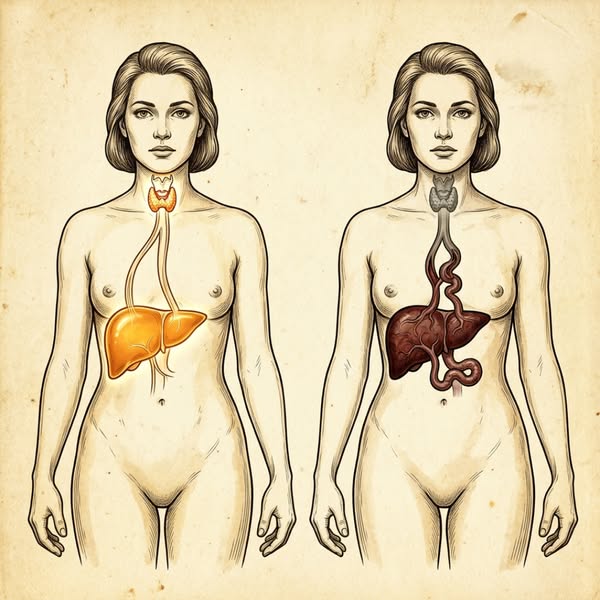
Ran for 5 days, from October 1 to October 6, 2026, the last day Crush saw it.
Run by Caroline Wells on Facebook. Crush is not the advertiser and does not verify its claims. See this ad in Meta's Ad Library(opens in a new tab)
Want an ad like this for your product?
Crush makes new ad images for your product from this ad: your logo, your product photo, your offer.
Trials from $19.95 USD, then $79.95 USD a month. Cancel anytime.
About this ad
- Meta Ad Library ID
- 1818965992447118
- Platforms
- Facebook, Instagram and Audience Network
- Relaunches
- 0
Ad text
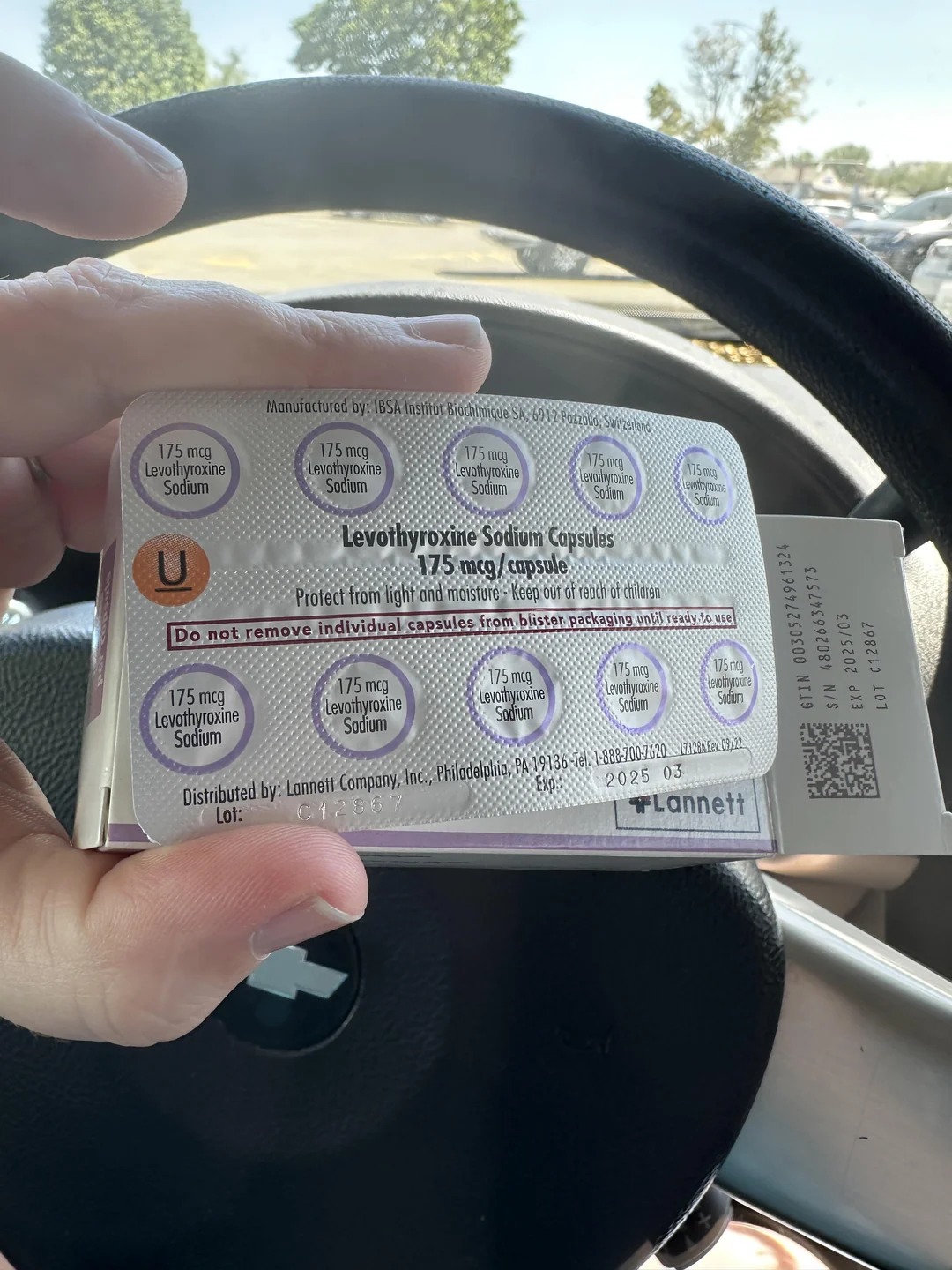
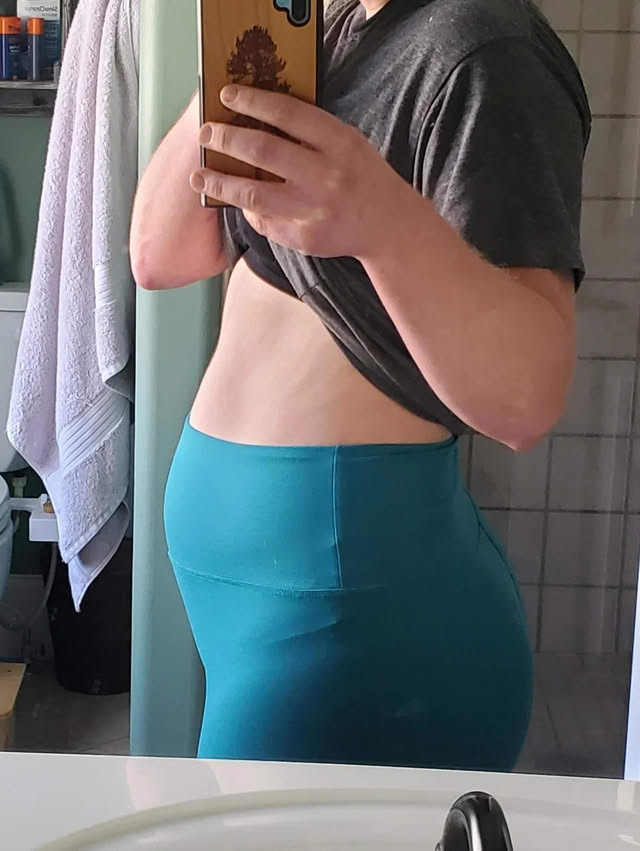
Your thyroid results came back "normal." So why are you exhausted all day, then wide awake at 3am with your heart going? After thirty-one years as a practice nurse, I finally understand why. And it isn't in the blood test they keep running. An underactive thyroid is one of the hardest things I've watched women carry. Not because it's dangerous. Because of how it's managed. You get your tablet. Your bloods come back fine. And you're sent on your way still feeling like a stranger in your own body. I know. Because it happened to me too. The one that haunted me most was a woman named Brenda. She was sixty-seven. On levothyroxine for eighteen years. "Optimal," her letter from the hospital said. Optimal. Brenda used to run the coffee morning at the church hall. Organised the lot. Raffle, urn, the whole thing. By the end she was too exhausted to go. Her daughter runs it now. Brenda sits by the window and watches. Every time she came in for her bloods, she'd say the same thing. "I don't feel right, love. But they tell me I'm fine." I heard that sentence for eighteen years. "They tell me I'm fine." About three years ago, it came for me. First it was the tiredness. Not ordinary tiredness. The sort where you sit in the car after the big shop because you haven't got it in you to carry the bags in yet. Then the nights turned on me. I'd be shattered all day. Then the second my head hit the pillow, my body flicked on like a switch. Wide awake at 3am. Heart going. Not worried about anything in particular. Just wired. Up all night, useless all day. Cold hands. Losing my words halfway through a sentence. And the weight. Just under two stone in five years, and I hadn't changed a thing I ate. My GP offered me a higher dose of levothyroxine. And a statin, because my cholesterol had crept up too. "It's the standard approach, Christine," he said. "The benefits outweigh the risks." I smiled and said I'd have a think. But I already knew I wasn't taking either one. Not yet. Because I'd watched too many women get the higher dose and the statin and still sit in front of me a year later saying, "They tell me I'm fine." I wasn't ready to be one of them. So I just got on with it. Cut my carbs in half. Walked the dog an hour every morning, rain or shine. Selenium. Then ashwagandha. Gluten-free for the best part of a year. Magnesium at night. Two Brazil nuts a day because someone in a group swore by it. No screens after nine. No coffee after two. A whole month with no coffee at all. Nothing touched the nights. Nothing shifted the weight. I lost four pounds and put six back on. Three years of that. Doing everything right, and going backwards. And it wasn't only me and Brenda. There was Jean, who'd been a childminder for thirty years. She used to get down on the floor and play with the little ones. By the end she couldn't get back up without holding the radiator. She gave it up at fifty-nine. Told me very quietly that she'd been doing it since she was twenty-two, and now she wasn't. When I asked her doctor about the exhaustion, he said, "She's getting older, Christine." I have heard that line more times than I can count. "She's just getting older." "It's her nerves." "Her bloods are normal." It's the thing they say when they don't want to say that something is quietly taking a woman apart while the tablet does nothing about it. Then about two months ago, one of my regulars came in. Margaret. Seventy-one. I'd been doing her thyroid bloods twice a year for twelve years. Heavy the whole time I'd known her. Nothing ever worked. But this time she was different. Lighter somehow. Sitting up straight. Chatting. I asked her what on earth she'd been doing. And she told me something I wasn't expecting. She said she'd got obsessed with the old herbals down at the library. The cloth-bound ones from before the war, back when every remedy came out of the ground instead of a packet. She'd been reading about a plant they called golden root. Arctic root. It grows up in the cold — the Nordic mountains, Siberia, even the Scottish Highlands. She said the Vikings took it before a long crossing. Later the Soviets gave it to their athletes and their cosmonauts, to hold them steady under punishing stress without burning them out. Not to wind them up like caffeine. To help the body cope. To let it settle. She'd found a brand doing it properly. One capsule a day with her breakfast. Ten weeks in. She'd slept through the night for the first time in years. Dropped a stab of weight. And her GP had just told her, for the first time in twelve years, that he wasn't putting her dose up. I'll be honest. I was doubtful. Thirty-one years on the job, I've heard every miracle under the sun. Cider vinegar. Copper bracelets. You name it. But Margaret isn't a miracle sort of woman. Margaret is a retired bookkeeper who has the same breakfast every day and irons her tea towels. When Margaret tells you something, it's because she read it three times and checked it twice. That night, I couldn't sleep. For once, that turned out to be useful. So at 2am I got the laptop out and started reading properly. And what I found rearranged thirty-one years of what I thought I knew. Here's the short of it. Your levothyroxine gives your body one thing. The storage form of thyroid hormone. Call it the raw material. Your body can't actually use the raw material as it is. It has to convert it into the active form — the one that reaches inside your cells and runs everything. Your energy. How you burn fat. How warm you are. How you sleep. And that conversion is one of the first jobs the body drops when it's stuck in stress. Because here's what years of pushing through does. Your stress hormone — cortisol — gets stuck on. Like a burglar alarm nobody switched off. And a body with the alarm screaming doesn't do its calm, everyday jobs. It doesn't convert hormone properly. It doesn't burn fat. It won't let you sleep, because as far as it's concerned there's a fire on. So the raw material sits there in your blood. Your blood test looks "normal", because the storage form is present and correct. But the active hormone never reaches your cells. They're running on empty. And your nervous system is stuck on high alert. Exhausted and wired. At the very same time. That is why Brenda felt wrong for eighteen years with "optimal" bloods. The blood test was the cover of the book. Nobody ever read what was inside. I sat at the kitchen table and the hair came up on my arms. Because it wasn't the tiredness of getting older. It never was. Jean couldn't get up off the floor because her cells were starving for the active hormone while her bloods came back fine. It wasn't her age. It wasn't her nerves. It wasn't in her head. And it wasn't mine either. So I sat there with the obvious question. If the alarm was the whole problem — the stress switch jammed on, starving my cells and keeping me wired at 3am — then what actually switches it off? Not another thyroid tablet. That just posts more raw material through a door that's bolted shut. I wanted to know what helps a body turn the alarm down on its own. And the reading kept dragging me back to one word. Adaptogens. Plants that help the body handle stress and come back to balance, instead of staying stuck on high. And there, near the top of every serious list, was the golden root Margaret had been on about. Turns out it has a proper name. Rhodiola rosea. And it isn't some fringe thing off a forum. It's the main adaptogen approved by Europe's own medicines regulator for the symptoms of stress. The compounds the researchers actually measure in it — rosavins and salidroside — have been studied for taking the edge off fatigue and helping the body make its own energy. It doesn't whip you up like caffeine. It helps the alarm switch off. And when the alarm finally goes quiet, the body can get back to its ordinary jobs. Settling at night. Converting the hormone. Burning what it's meant to. That was the one thing thirty-one years of selenium and gluten-free and magnesium had never once touched. I'd been treating everything except the alarm. So the next morning I ordered some rhodiola. The first lot I bought was a cheap tub off the internet. A couple of pounds. I took it for a fortnight and felt almost nothing. I was ready to write the whole thing off. Then I went back and read the labels properly. And I realised what I'd bought was mostly dust. Most rhodiola on the shelf is barely standardised. Underdosed. A little scoop of powder, no guarantee of the actives, no testing. The plant isn't the variable. The bottle is. The rhodiola that actually does anything has to be standardised to the compounds that matter — 3% rosavins and 1% salidroside — at a proper dose. And third-party tested, so what's on the label is what's in the capsule. The brand Margaret had found ticked every one of those boxes. It's called Rosewyn. Rhodiola rosea, standardised to 3% rosavins and 1% salidroside, at 400mg. Made here in the UK. Third-party tested, every batch, with the certificate to prove it. One capsule. Once a day. With your breakfast. That's the whole of it. I ordered it. It cost more than the tub of dust. At that point I didn't care. When it came, I took one with my breakfast and got on with my day. About twenty minutes later I noticed my hands were warm. My hands hadn't been warm in years. And something behind my eyes lifted. Like someone had wiped a windscreen I didn't know was dirty. That first week, I slept through the night. Twice. I hadn't done that in longer than I could remember. By week three the 3am waking had settled, and I was still standing at teatime instead of counting the minutes to bed. By week ten the waistband on my work trousers had gone loose, and I'd taken my wedding ring in to be tightened for the first time in three years. I've since mentioned Rosewyn to a few of my thyroid ladies. The properly standardised one, not the dust. Margaret's down another half a stone. A woman called Karen, sixty-four, whose GP had been pushing a dose increase for two years, had it cancelled at her last appointment. Doreen, sixty-eight — her husband stopped me in the chemist to say she's "back to herself." Last Sunday my husband looked up from his paper and said, "You're humming again. You haven't hummed in years." I hadn't even noticed I was doing it. And that's the part that stays with me. Not the weight. The humming. The bits of yourself that go so quietly you don't even clock they've gone. Until they come back. So here's what I wish I'd known three years ago. If your bloods keep coming back "normal" but you feel anything but — if you're exhausted all day and wired all night — if you're doing everything right and going backwards — you are not imagining it. And it is almost certainly not your age. Your levothyroxine has its job. Keep taking it. This isn't instead of it. But if your GP has just offered you a dose increase or a statin, and you're sitting on the fence the way I was — I'd try settling the alarm first. Give your body the chance to actually use the hormone it's already getting. And you're not risking anything to find out. Rosewyn comes with a 60-day money-back guarantee. Every penny back, even if the bottle's empty. The chemist doesn't do that with a statin. You won't need sixty days to get a feeling for it, mind. Most women know within the first couple of weeks — the first proper night's sleep, the warm hands, the afternoon you don't crawl through. The one thing I'd say is don't sit on it too long. It's made in small UK batches, and when a batch goes, it goes. Last time I reordered they were waiting on the next run. If it's in stock, I'd get it while it is. Because the door was shut for me for three years. Three years of Brenda's sentence. "They tell me I'm fine." It's open now. Every month you wait is another month of your own body quietly running down while a blood test tells everyone you're grand. You don't have to keep proving you're not imagining it. Try it. See what your own two weeks tell you. https://rosewynhealth.com/pages/thyroid ~ Christine H., practice nurse P.S. — The 60-day guarantee is the whole reason I'd say just try it. Every penny back, empty bottle and all, no questions. Worst case you're out nothing but a fortnight finding out. Best case you get yourself back. P.P.S. — For anyone who likes it in black and white: warm hands the first morning, two full nights' sleep in the first week, the 3am waking settled by week three, the trousers loose and the ring tightened by week ten. Slow, then all at once.
Where the ad sends people
rosewynhealth.com
Nobody told me this about levo
Rosewyn
Learn more: rosewynhealth.com(opens in a new tab)