
Inactive· since Jun 2, 2026
- 57
- days it ran
- 0
- relaunches
Ad copy
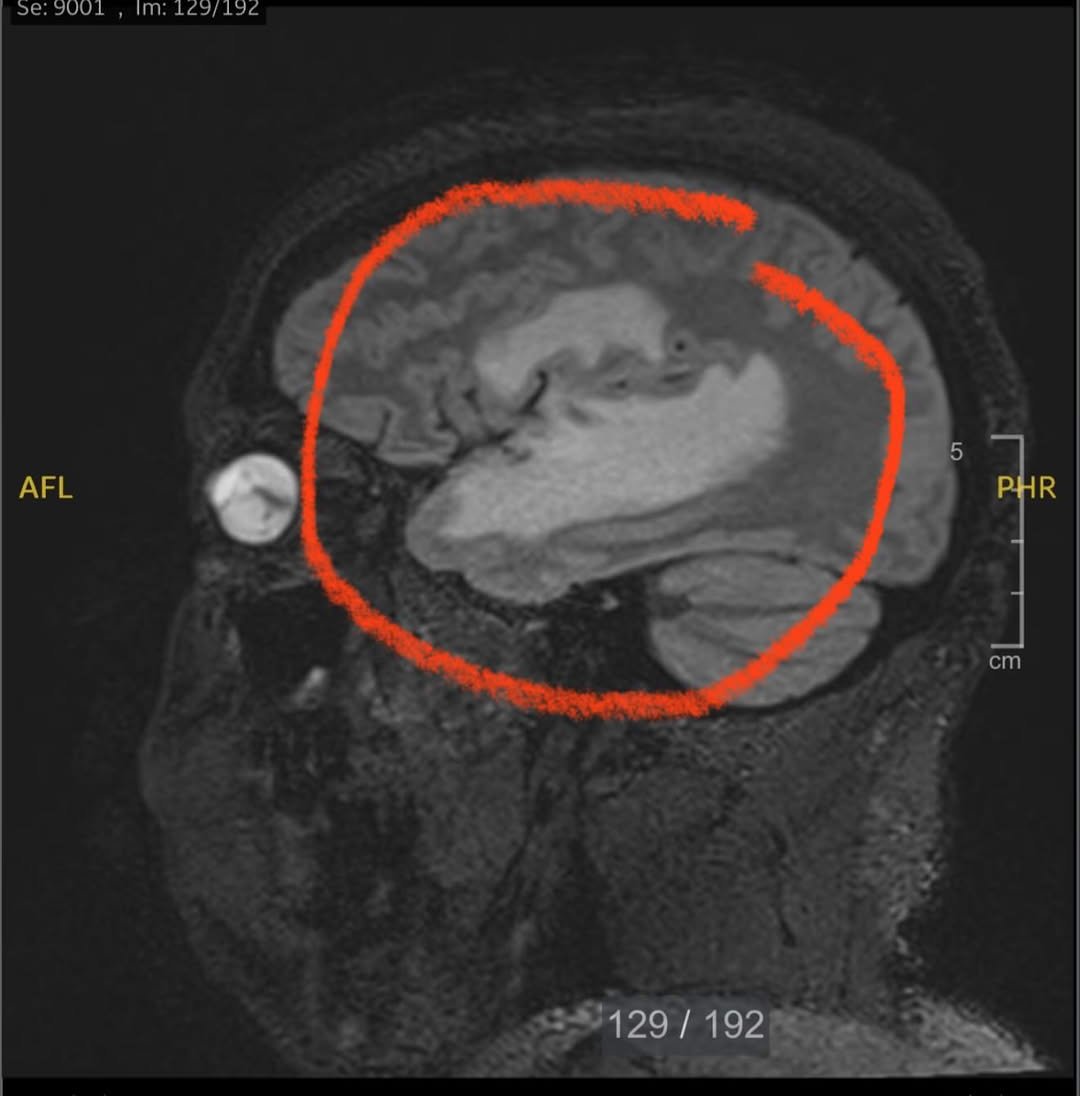
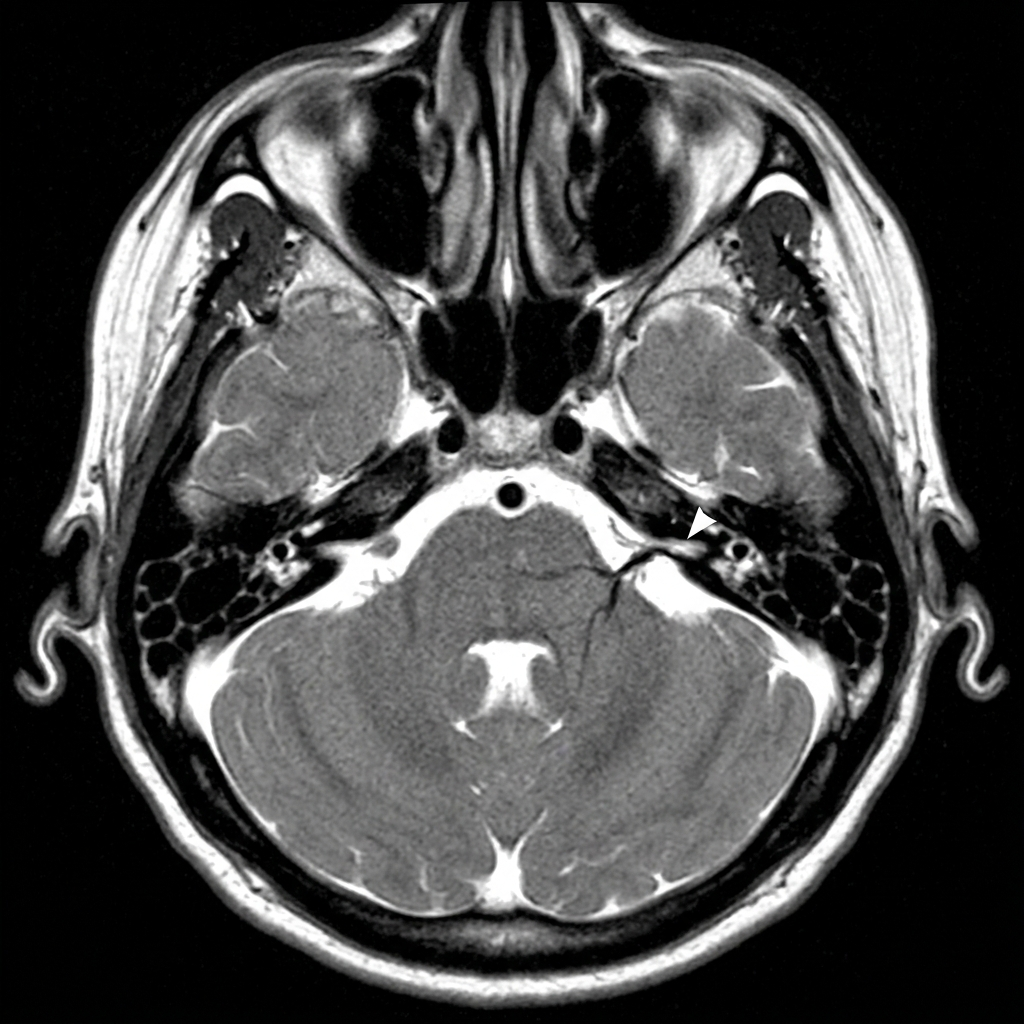
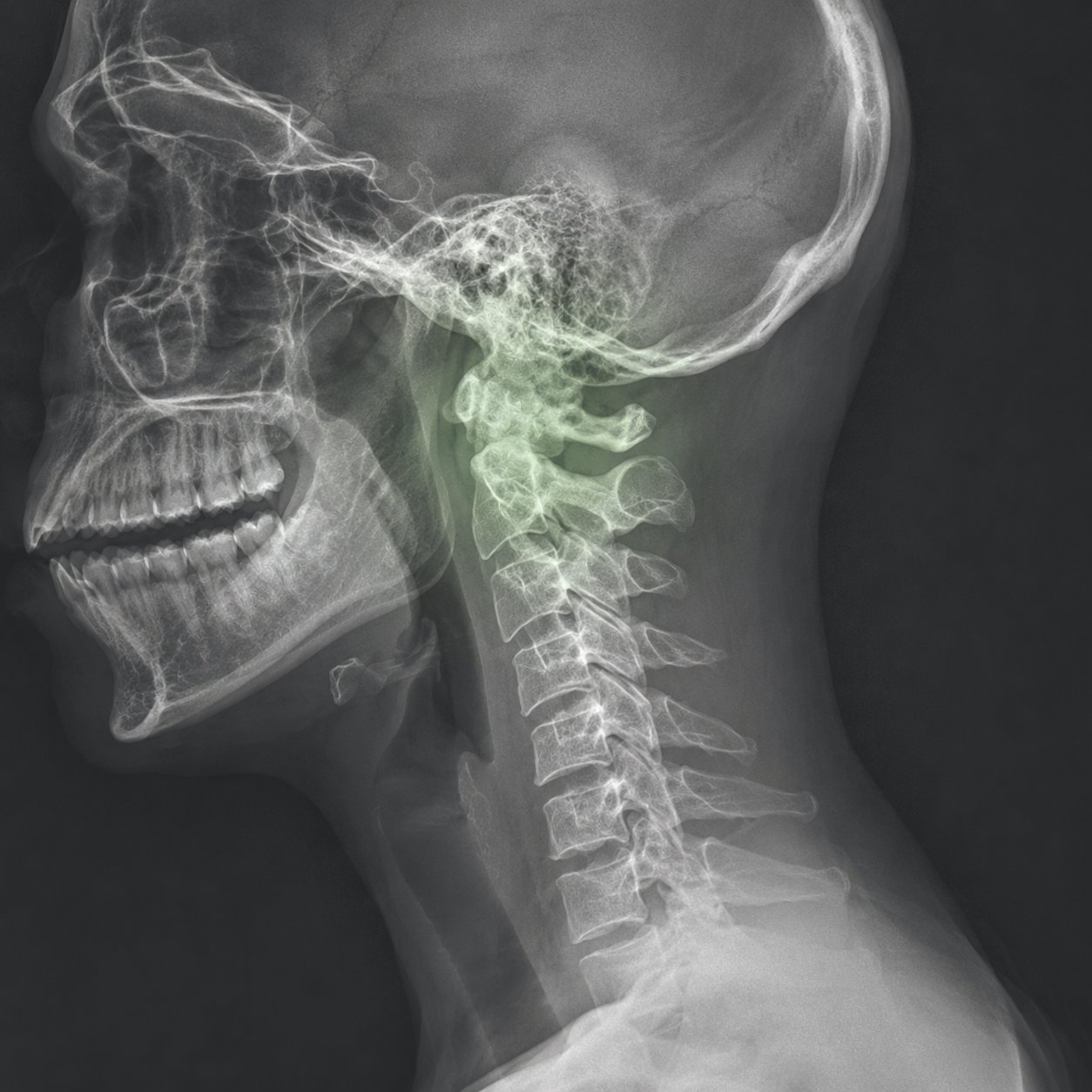
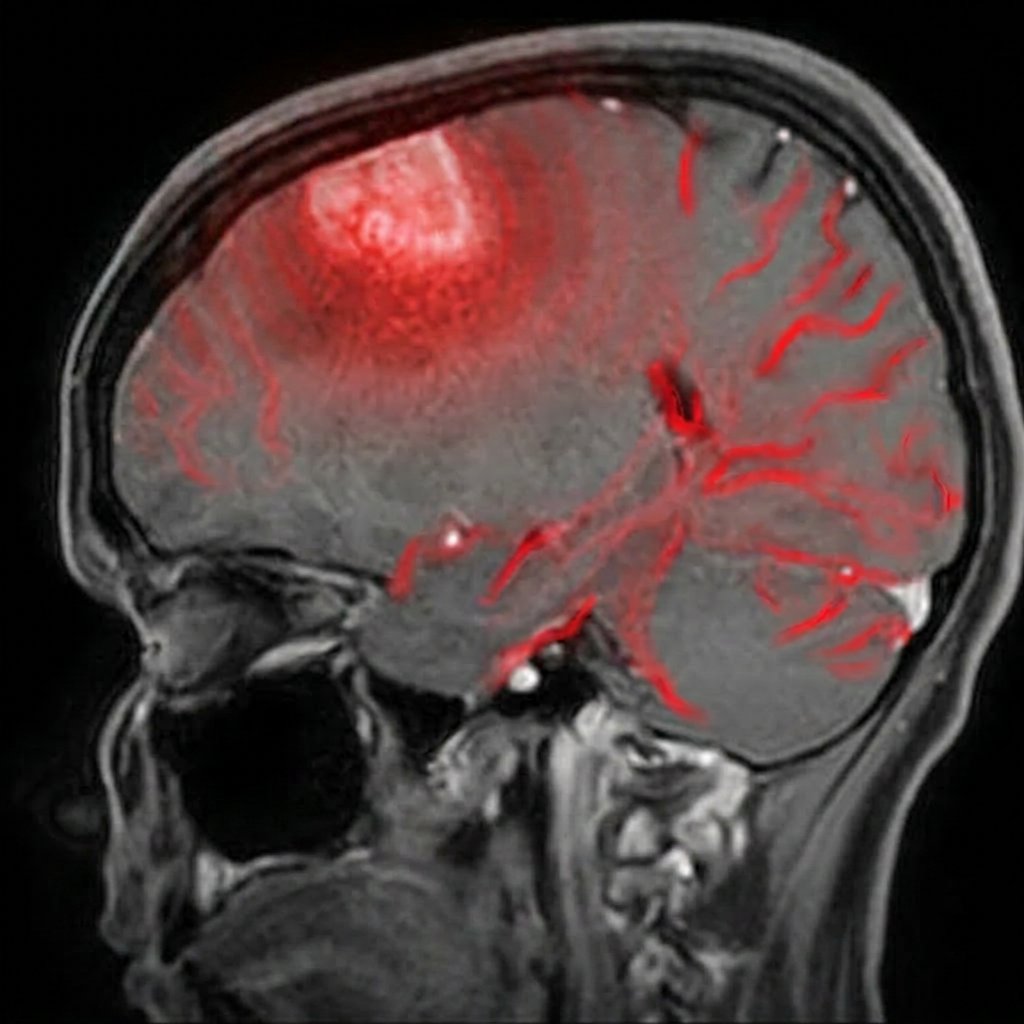
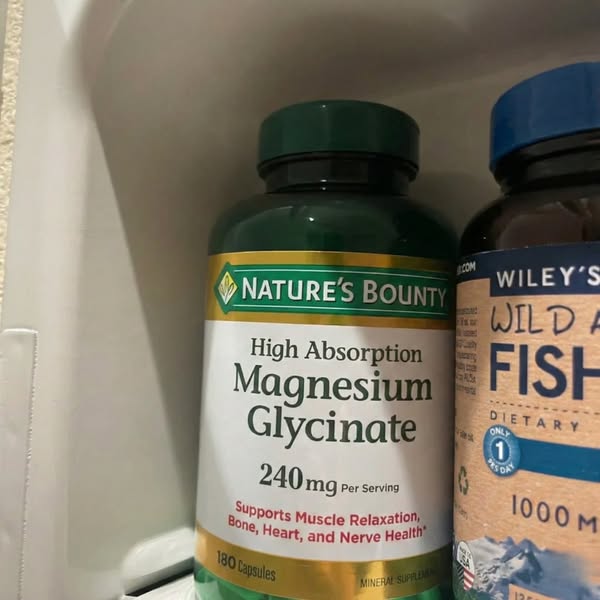
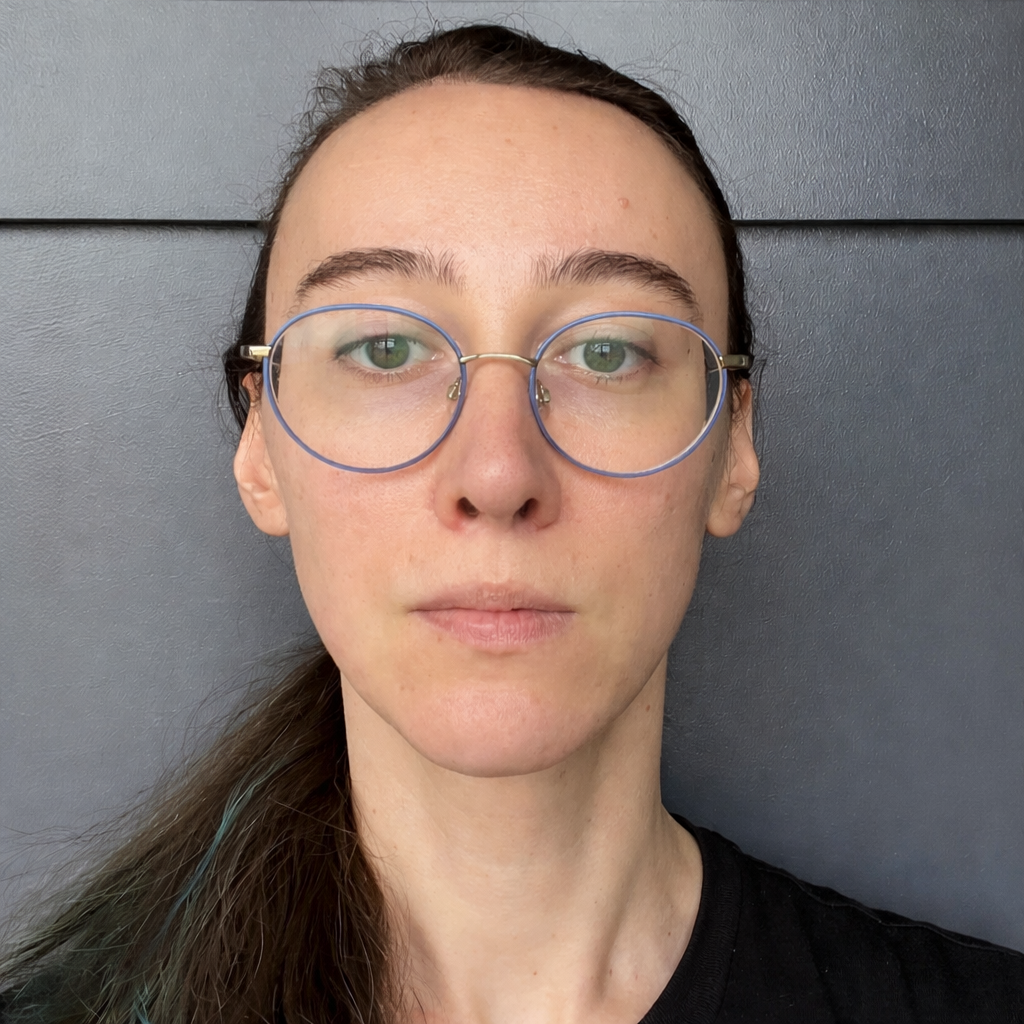
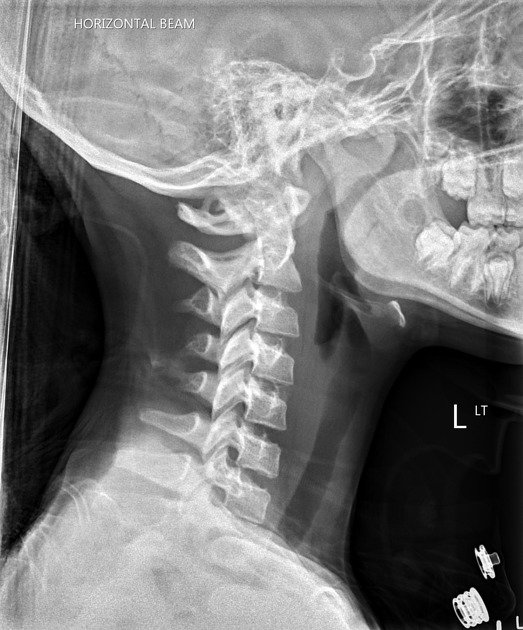
I almost killed a school bus full of kids on a Tuesday morning in March outside Phoenix and I have not said that out loud to anyone for 14 months. Not to my husband. Not to my sister. Not to the police officer who pulled into the same Walgreens parking lot 20 minutes later and asked through my window if I was okay. I told him I had vertigo. I let him think it was something temporary. He drove away. I am writing it down now because I have been carrying it alone and I do not think I am supposed to carry it alone anymore. I am 47. I teach AP Literature at a high school outside Phoenix. I have been doing this for 19 years. I have never had a traffic violation. I am the person at staff meetings who reminds the principal what was decided last semester. I am not someone who almost kills children. I woke up that morning at 4:47 AM and could not lift my left arm. The pillow on that side was wet. I thought I had been drooling. Then I realized I could not close my mouth all the way. I took my triptan anyway. I got dressed with one hand. I drove myself to work. I want you to sit with that because I have been sitting with it for 14 months. I drove to work with the left side of my body numb and one side of my face not working, and instead of calling 911 I took a pill I had been taking every morning for 11 years and got in my car like it was a Wednesday. That is what 11 years of being told my migraines were "treatment-resistant" and "common at your age" had done to me. It had taught me to drive through it. It had taught me that whatever was happening inside my own body was not serious enough to interrupt anyone for. Halfway through my commute, past the gas station with the broken neon sign on Mountain View, I lost three seconds. I do not know exactly how long. Two seconds. Maybe five. What I remember is my tire crossing the center line and the headlights of a yellow school bus coming at me from the opposite direction sixty feet ahead. I jerked the wheel right. The bus passed me on the left. I missed it by less than the width of my own door. I saw the driver's face. I saw the first three rows of kids. Backpacks. Lunch boxes. A little boy in the second row with his mouth open looking right at me. I drove another half mile. I pulled into the parking lot of a Walgreens. I sat in my car shaking for 18 minutes. I taught second period anyway. With the left side of my body still numb. At 11 AM I went into the supply closet behind my classroom and called my husband for the first time in 11 years and told him I thought something was actually wrong this time. The neurologist I saw that afternoon — my fourth in 11 years — looked at me for the first time in two years and said one sentence I have not been able to put down. "Karen — that wasn't a migraine. That was a mini-stroke." My mother had her first stroke at 68. She had chronic migraines for 43 years before that. She started losing words at 49. She was diagnosed with dementia at 72. I am 47. I was four years behind her timeline. And in 11 years not one neurologist had ever once examined the place where the damage was actually happening. Here is what I had spent before that Tuesday morning. $600 on the neurologist who ordered the MRI that came back "unremarkable for age." $1,800 on triptans that took the edge off until the pain came back, usually around 3 PM. $1,500 on three rounds of Botox. Round two paralyzed my left eyebrow for nine weeks. I have a photo from my niece's wedding that month. I look surprised in it. I am not surprised. I am exhausted. $1,200 on preventives. The Topamax took the word "protagonist" out of my mouth while I was teaching AP Lit in front of 32 students. I stood at the front of the room and the word was just gone. $400 on supplements. Magnesium. Riboflavin. CoQ10. All of them. $6,200 total. None of it worked. I want to admit something I have not said out loud to anyone. There were mornings in those 11 years where I would sit in my car in the school parking lot before first period and tell myself it was my fault. That my mother had been anxious too. That maybe I was one of those women who couldn't handle her own life. That maybe the headaches really were as much my own doing as the doctors kept implying. I am writing that down because I think there is a woman reading this who is doing the exact same thing in her exact same parking lot. And I want her to know that what we were telling ourselves was a lie that the people who were supposed to help us let us believe. For 4,015 mornings I woke up at 4:47 AM with my right thumb already pressing the base of my skull before my eyes were open. Not 4:30. Not 5. 4:47 every single morning. Like a circuit had been wired into me at 36 and nobody could find the switch. By year 8 I had stopped going to my own birthday dinners because restaurant lights triggered me within minutes. By year 9 my husband had stopped including me in weekend plans. Not out of anger. He had just adjusted. He had accepted that the woman he married was only sometimes available. By year 11 I was forgetting names of people I had known for a decade. I had started losing words 14 months before the school bus. Renaissance. Protagonist. My neighbor's name — the same neighbor since 2015. I would stand in my own kitchen and the word for what I was holding would be gone. I told my fourth neurologist about it. He told me it was "medication brain fog" and "common at my age." I sat in the medical building parking lot for 40 minutes after that appointment. I did not cry. I felt worse than crying. If you have been told for years that your migraines are "unmanageable" or "treatment-resistant" or "common at your age" — I want to say something to you directly before I tell you the rest. You are not weak. You are not making it worse than it is. You are not one of those women who can't handle her stress. Every word you have lost was real. Every morning you spent in a dark room was real. Every plan you canceled was real. You have not been failing at being a person. You have been navigating around damage that nobody bothered to look for. Three weeks after the school bus, I was sitting in a chiropractor's waiting room. There was another woman there. Mid-forties. Reading a paperback. About four minutes later she walked across the room and sat in the chair next to mine. She said: "How long has your right thumb been doing that?" I had not realized I was doing it. My thumb was at the base of my skull. The same place it had been every morning at 4:47 AM for 4,015 mornings. I started crying in front of a woman whose name I did not know. When I could speak I told her the whole thing. The migraines. The medications. The stroke. The school bus. The words I had been losing. That my mother had been on the same path and I had been watching myself follow her for years and pretending I was not. She listened to all of it. She did not interrupt me once. Then she said: "You need to see a cervical spine specialist. Not a neurologist. A cervical spine specialist. They look at completely different things. The neurologists missed it on my mother for 22 years." She wrote a name on the back of her chiropractor receipt. Dr. Rebecca Hartwell. Stanford trained. She said: "She is the reason my mother knows who I am right now." I called from the parking lot before I drove home. Dr. Hartwell was the first doctor in 11 years who didn't ask about my brain. She asked one question. "What is your neck doing for the eight hours every night while you are asleep?" Nobody had ever asked me that. She pulled up a 3D model on her tablet and pointed at three small bones at the base of the skull. C1. C2. C3. She said: "This is where every one of your migraines has started for 11 years. Not in your brain. Right here." Then she explained it the way you explain something to someone who has been told the wrong thing for so long they are having trouble hearing the right thing. Imagine putting your finger on a garden hose. Just enough to make the water slow down but not stop. Now imagine leaving your finger there for eight hours every night. The water is still trying to flow. It just cannot. By morning the pressure has built up so much that the second you turn the tap, it hits the wall. That is what is happening at the base of your skull every night. Three small bones sit where the nerves from your neck meet the nerve that runs across your face. They share the same wiring. When you sleep wrong on a regular pillow, those bones pinch the nerves underneath them. Pinched nerves do not go quiet. They fire all night long. By the time your alarm goes off, the migraine has already been building for six hours. You don't wake up with a migraine. You wake up at the end of one. For 4,015 mornings I had been waking up at the end of one. But that was just the surface. She kept going. The same compression also blocks your brain's drainage system. Your brain has only one way to clean itself out and it only runs in deep sleep. Its job is to wash out the waste your brain produces during the day. Including a protein called amyloid-beta. The same protein that builds up in Alzheimer's patients. If your neck is compressed, you cannot reach deep sleep. If you cannot reach deep sleep, the drainage does not run. If the drainage does not run, the protein builds up. Night after night. For years. In the hippocampus. In the memory centers. The fog thickens. The words start disappearing. That is why I had been losing words. It was not the Topamax. It was not stress. It was not my age. It was 11 years of blocked drainage at the base of my skull. The same drainage that had been blocked in my mother for 43 years before they called what happened to her dementia. I asked Dr. Hartwell what we were going to do about it. She did not write me a prescription. She did not send me for surgery. She said the answer was mechanical. She had a 30-day protocol she had been testing with women in my position. She showed me what had happened to 43 other women who had done it. I am not going to write the protocol here. She wrote the whole case study herself afterward. She does it better than I could. What I will tell you is what happened to me. Day 1: My pain was about 40% less. I did not reach for the Excedrin before my eyes opened. That had not happened in 11 years. Week 1: No more 4:47 AM. I slept until 6:30. Three weeks in, my niece had a piano recital. The auditorium had the bright overhead lights I had been avoiding for nine years. I sat in the third row for an hour and forty minutes. I did not go to the bathroom once. I did not put on my sunglasses. When she finished her piece, my sister leaned over and whispered: "You came." I just nodded. Because what I was actually thinking was: I have been here the whole time. You just couldn't see me. Day 30: Dr. Hartwell ran the full follow-up. My migraine severity score had gone from 9 out of 10 to a 2. The 43 other women she had run the same protocol on: 84% had significant pain reduction in the first week. 79% stopped reaching for the morning medication. 91% slept through the night for the first time in years. 73% reported measurable improvement in word recall and morning brain fog. She said that was not a coincidence. That was the drainage finally running. I want to be clear about something. I am not saying every chronic migraine is cervical compression. I know there are women whose migraines come from hormones. From food triggers. From genuine neurological conditions. What I am saying is that if you have tried everything they prescribed and nothing has worked — please at least check if it is this. Because in 11 years no neurologist ever once examined what was causing mine. And I almost killed a school bus full of kids before someone finally did. If you have been waking up at the same time every morning pressing the base of your skull — If your MRI keeps coming back "unremarkable for age" — If you have spent thousands on Botox and triptans that work for a few weeks and stop — If your mother or your aunt had migraines that turned into dementia — If you have started forgetting words and you are pretending you have not noticed — Your C1, C2, and C3 may have never been examined. The window to undo it is not infinite. Dr. Hartwell wrote the full case study on her practice's site. If anything I wrote sounded like your own story, hers explains the rest better than I can. The picture I look at now at red lights is not a brain scan. It is a photo of my mother at 47. The same age I am right now. She is standing on the porch of the house I grew up in. She does not know yet what is coming for her. I do. And for the first time in 11 years I am not following her there. — Karen, 47 Phoenix, AZ P.S. The school bus. I have never been able to find out who the driver was or which school it was going to. I think about that bus every single morning. The woman in the chiropractor's waiting room — I never got her name. She handed me the receipt with Dr. Hartwell's name on it and she left before I could ask. I owe both of them a debt I do not know how to pay back except by writing this down for the next woman who needs it.
Like this ad? Make it yours.
Crush rebuilds this exact creative around your product — your brand, your colors, your offer — in about a minute.