
Inactive· since Apr 9, 2026
- 4
- days it ran
- 0
- relaunches
Ad copy
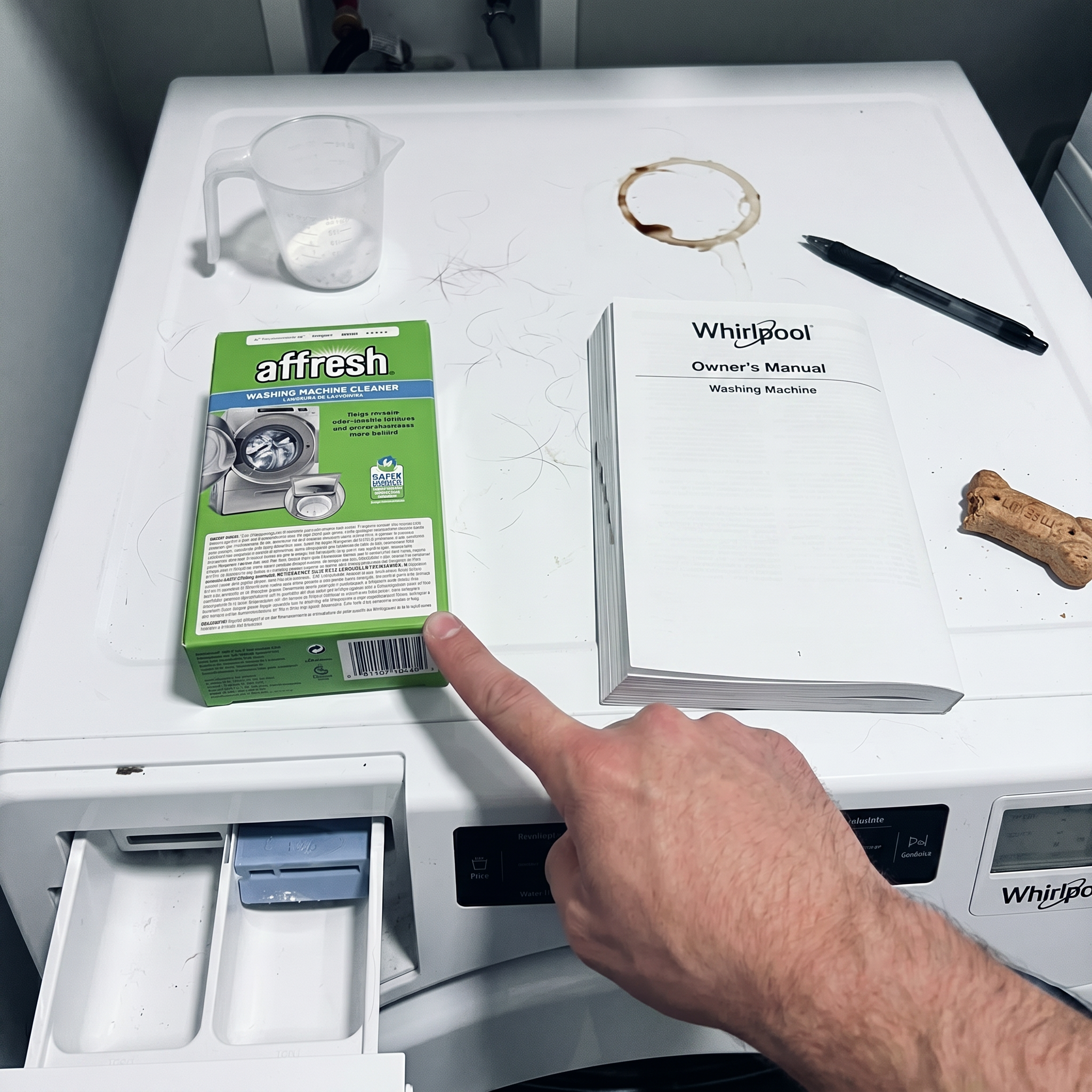
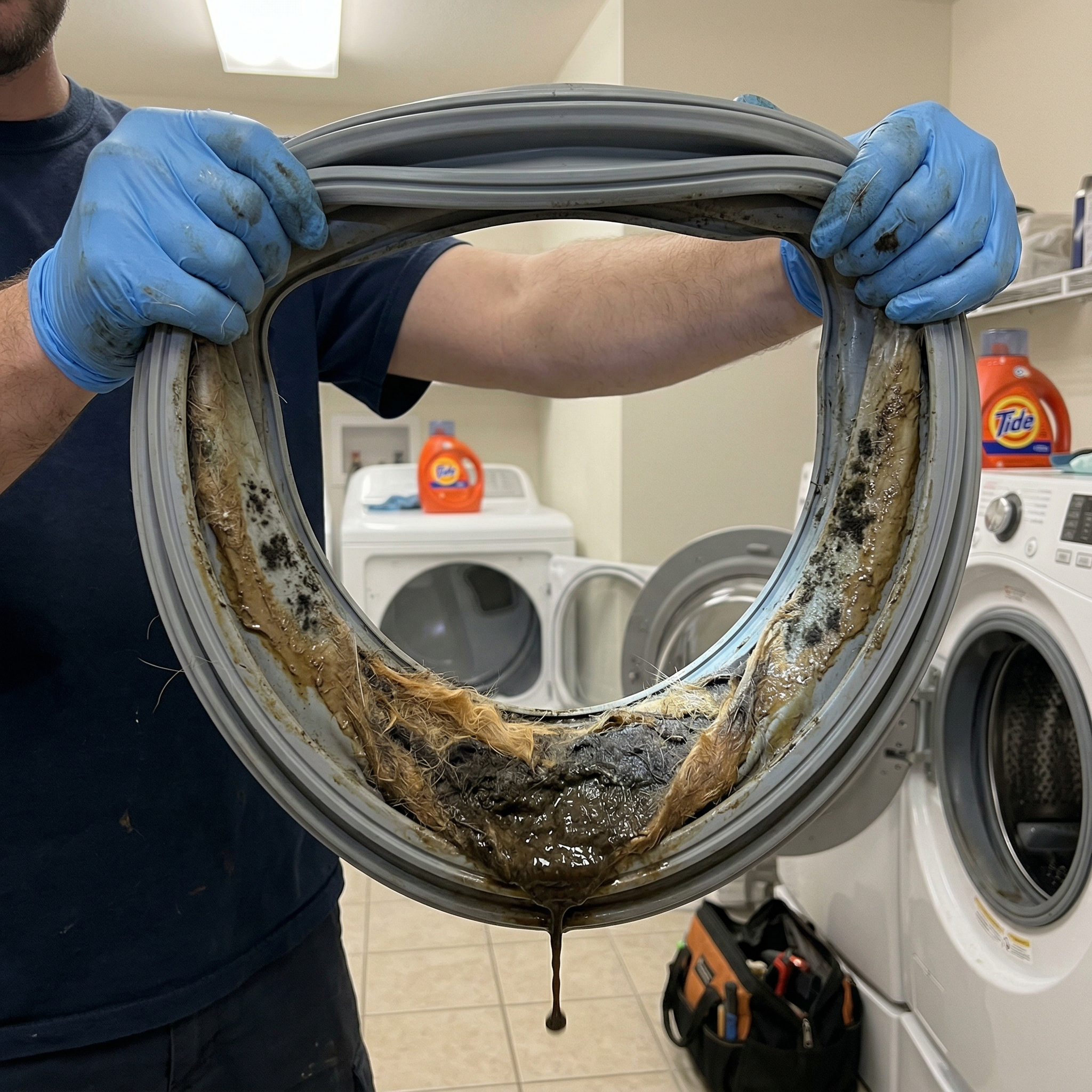
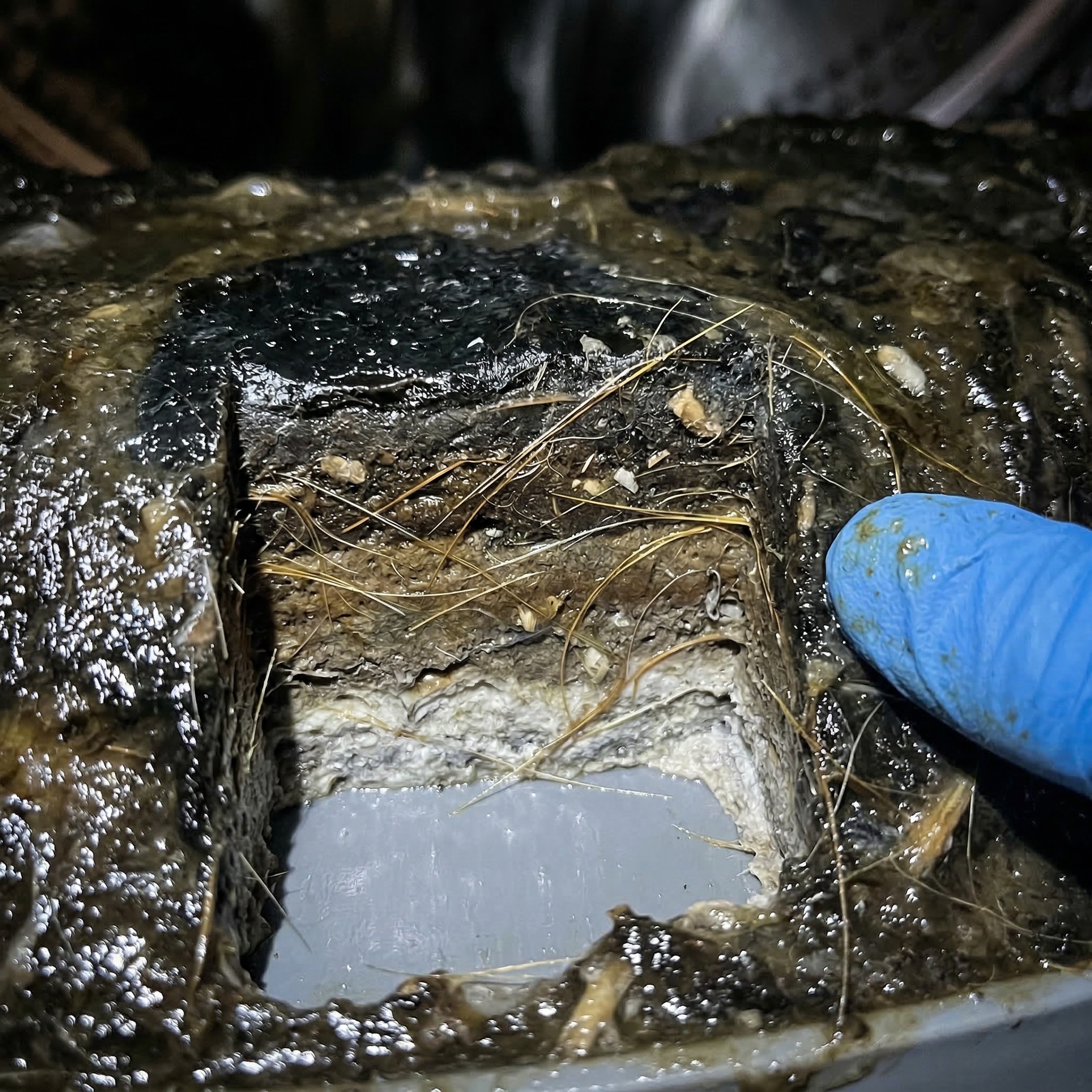
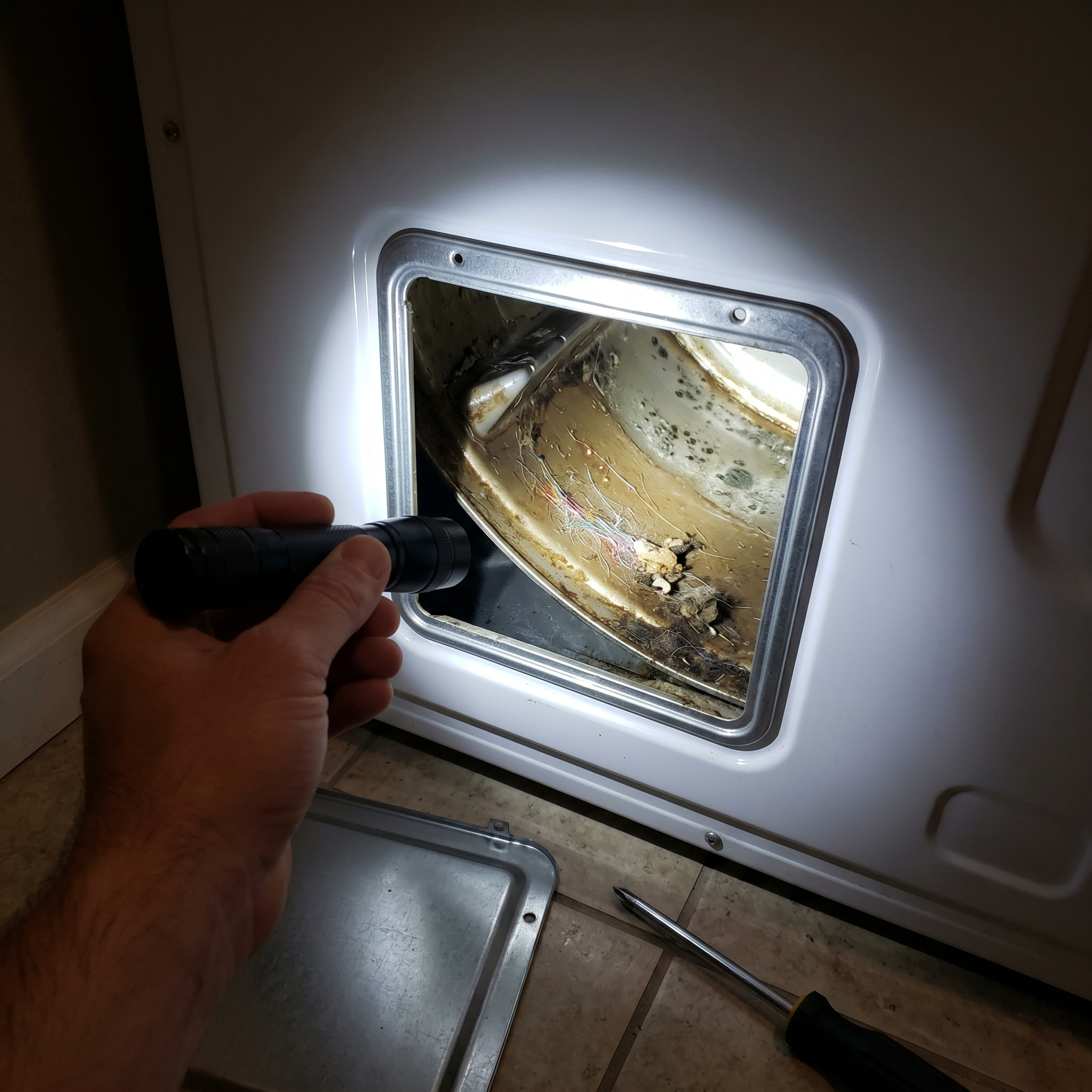
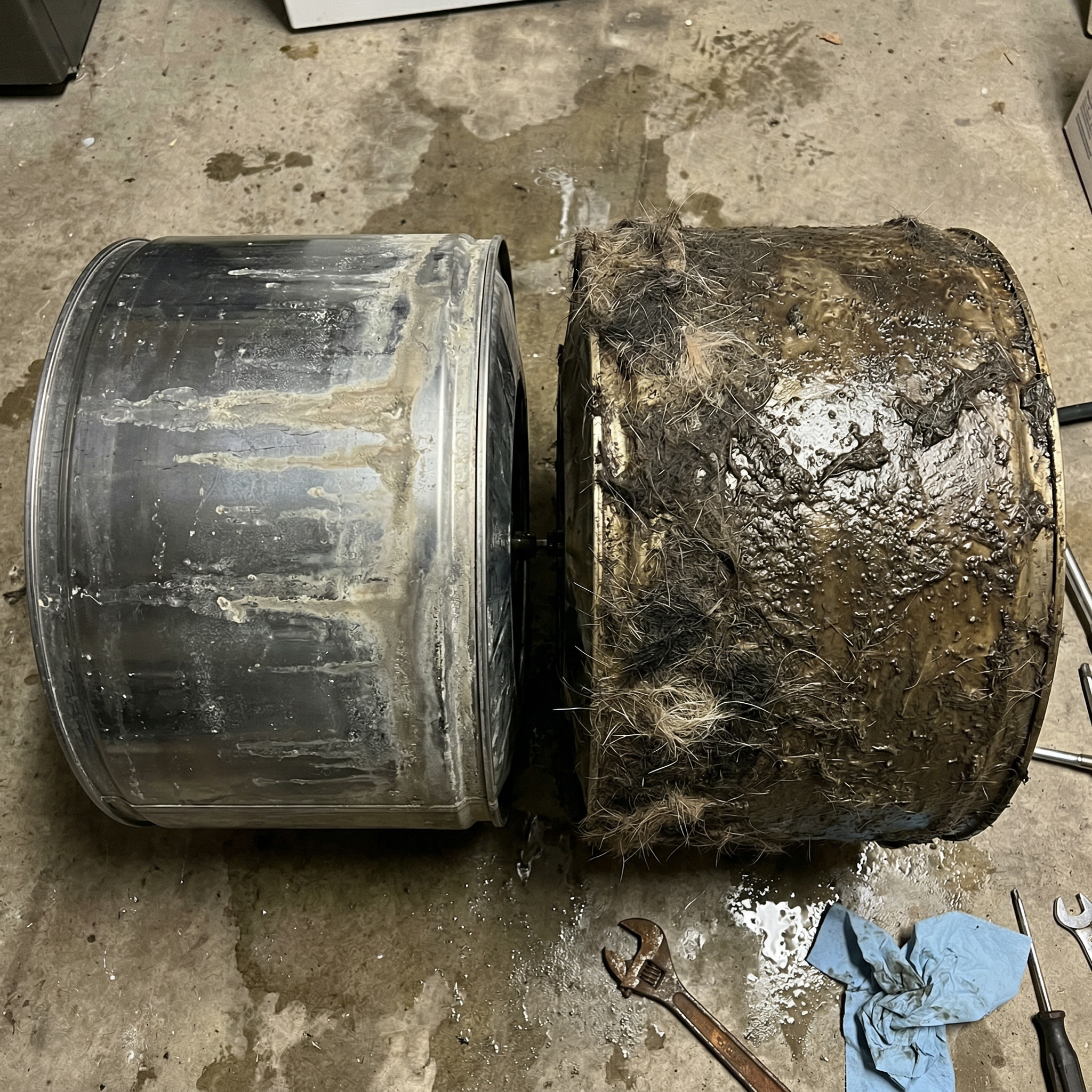
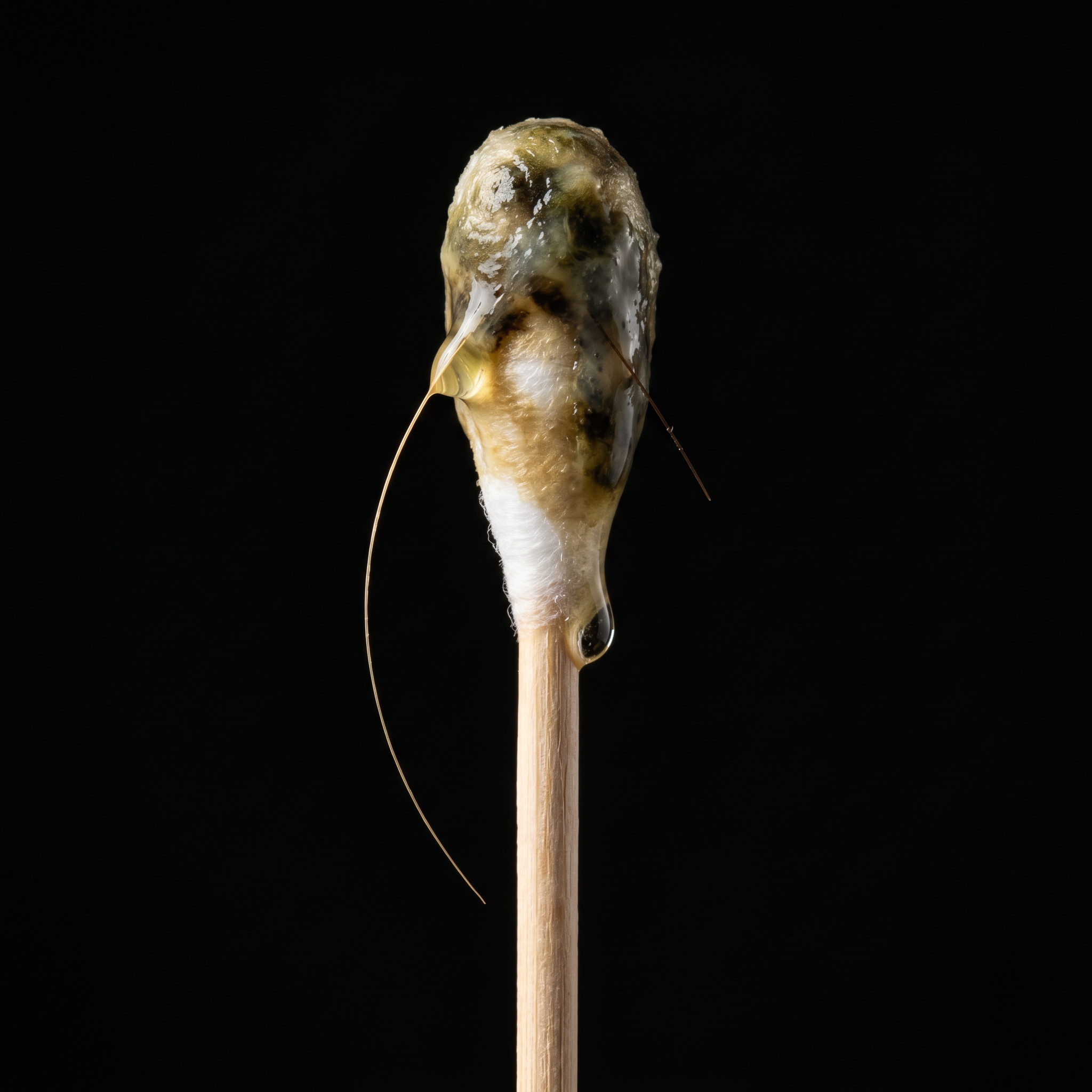
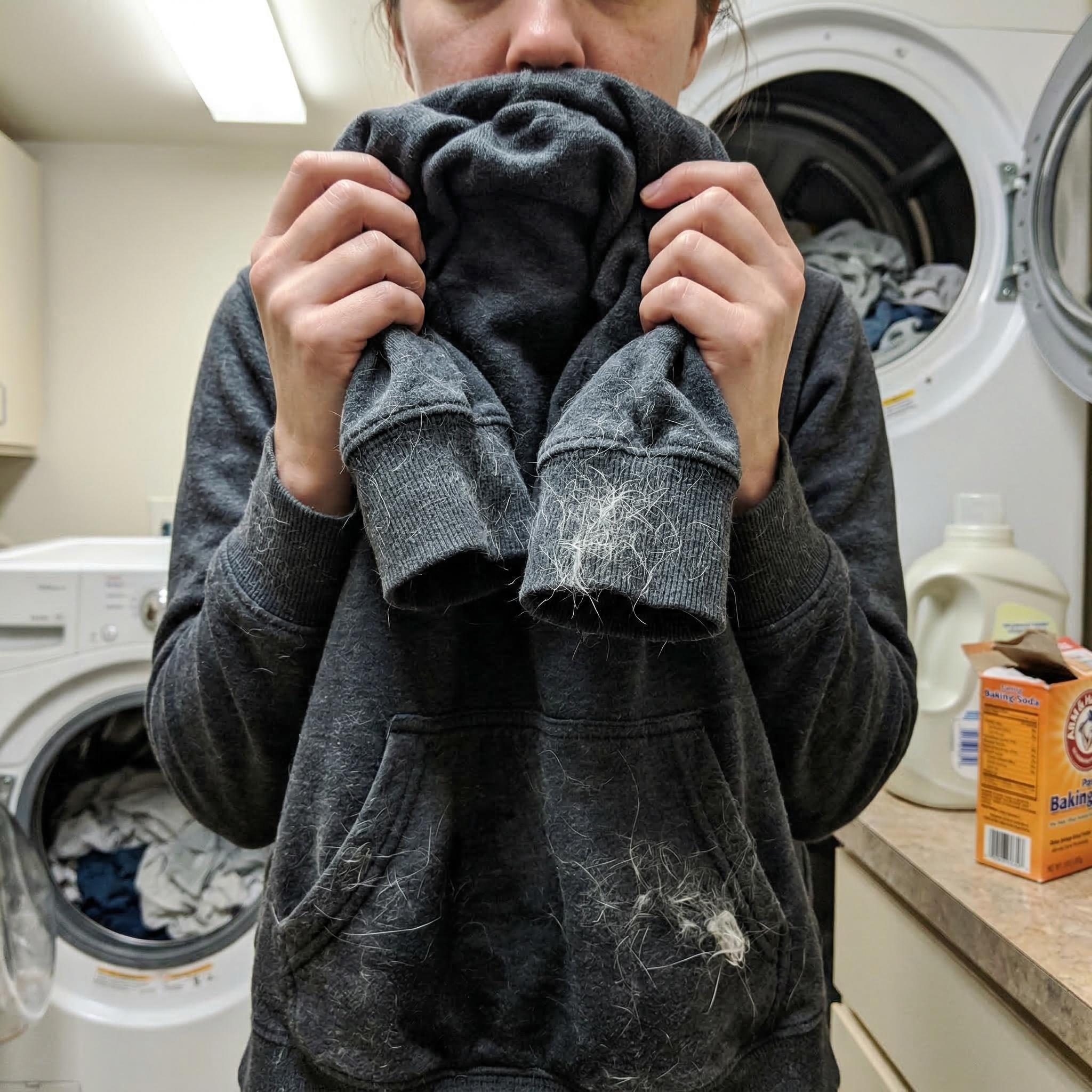
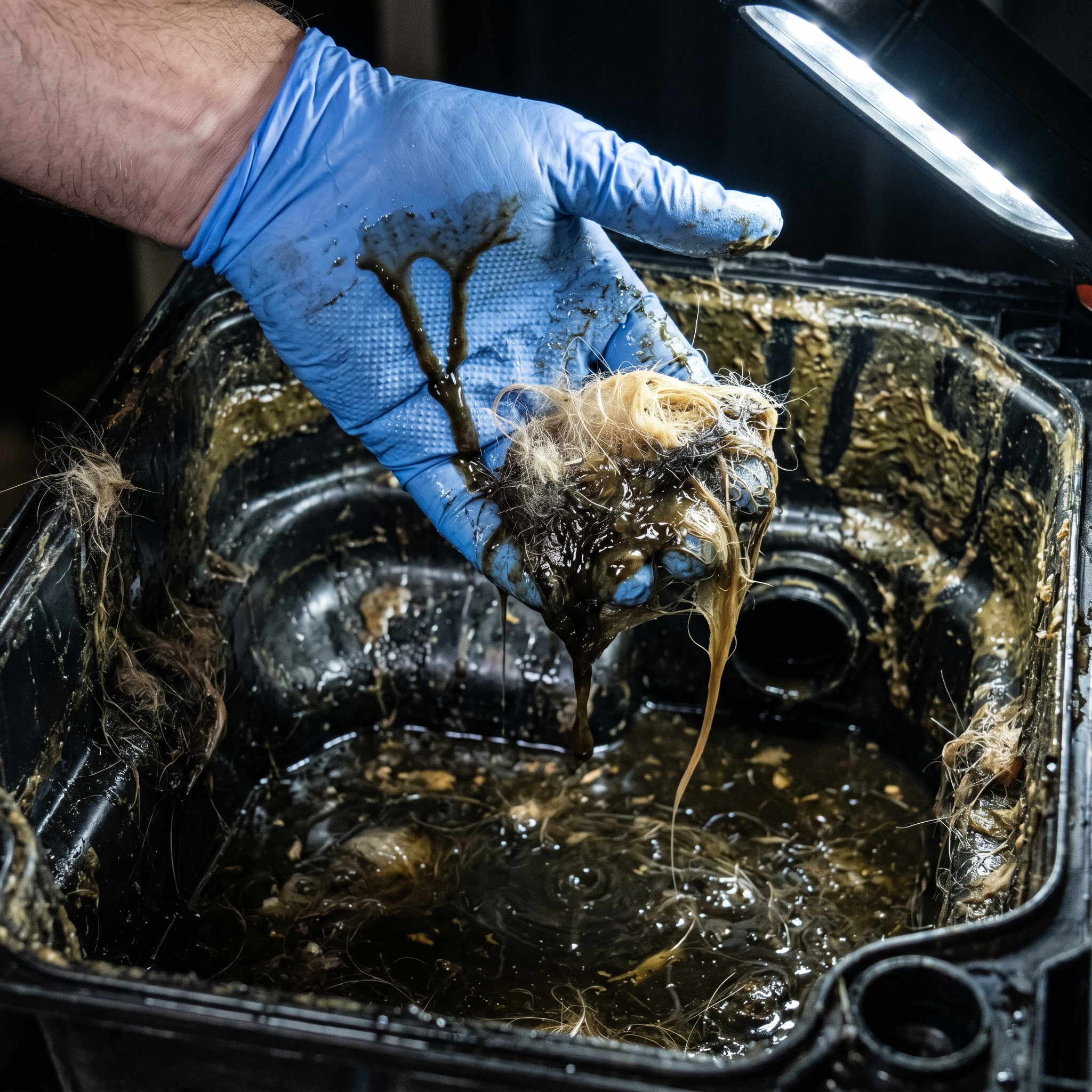
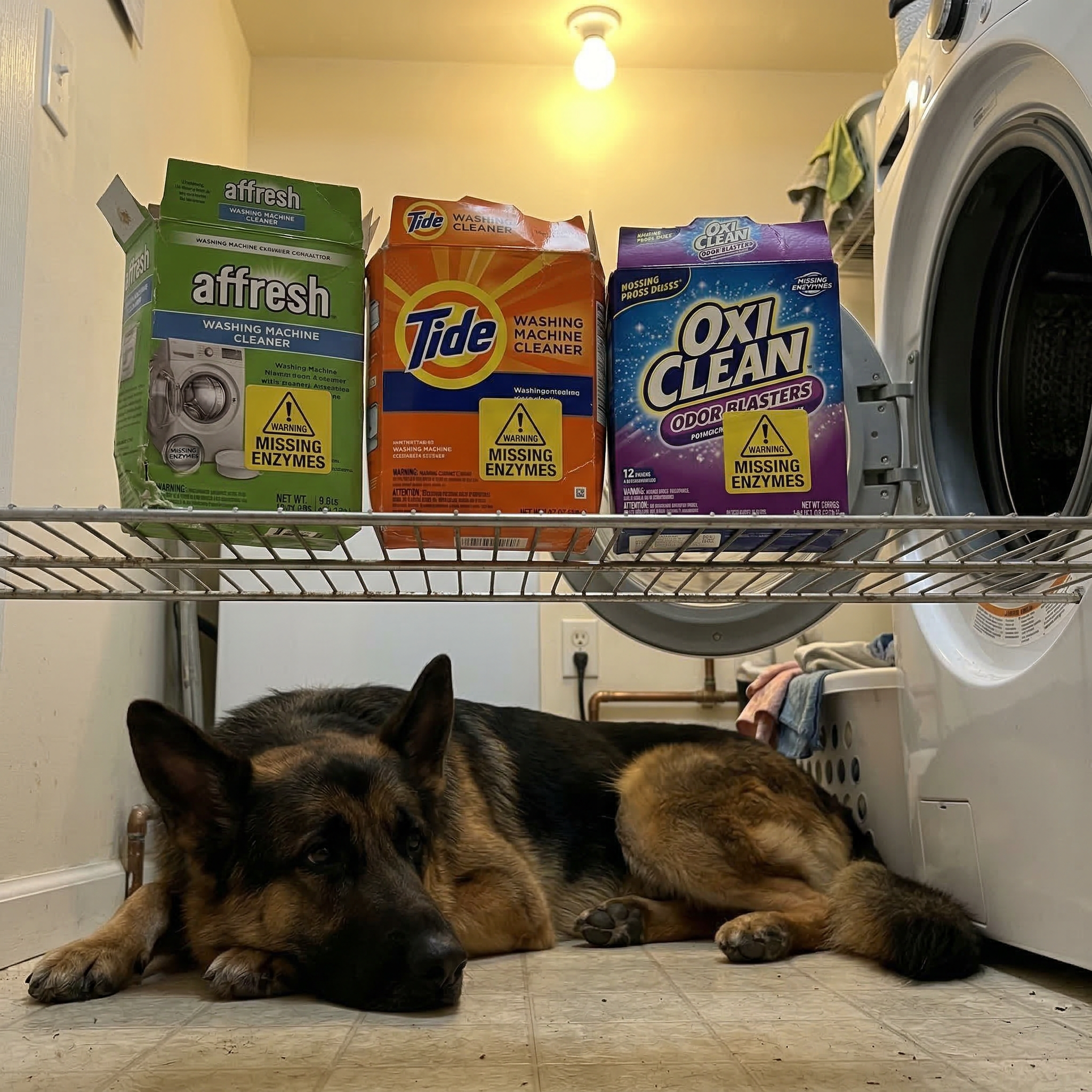
If you have pets and you're using Affresh, OxiClean, or Tide to clean your musty-smelling washing machine… You're running the same chemical through your washer that veterinary clinics stopped using on biological messes over a decade ago. There's a reason your clothes still smell. I've been a vet tech for six years. I love what I do, but there's one part of this job nobody warns you about. The smell. Not at the clinic - I can handle that. I'm talking about at home. At some point, it started to turn on me. At first, it was subtle. A damp, musty smell when I opened the lid. I figured I'd left a load sitting too long. Ran it again. Problem solved. Except it wasn't solved… Within a few weeks, that smell was baked into everything. My scrubs. My towels. Benny's bed covers. I'd pull a "clean" shirt out of the washer, hold it up to my nose, and just... sigh. It wasn't a dirty smell exactly. It was that wet dog, slightly sour, hard-to-place funk that clings to fabric and won't let go. My coworker Sarah made a joke one morning. "You smell like the clinic before you even clock in." She said, laughing. I laughed too. But I went home that night and changed my entire laundry routine. I started with Affresh. It seemed like the obvious choice - it's literally made for washing machines. I dropped one of those blue tablets in, ran the clean washer cycle on hot, and opened the lid an hour later. It smelled... fine. Clean, even. For about three days. By day four, the funk was back. Same musty, dog-ish smell bleeding into my scrubs before I even got to the clinic. So I switched to OxiClean Washing Machine Cleaner. Figured maybe I needed something stronger. I ran it twice in one week just to be safe. Same thing. A few days of "okay, this might be working," then right back to square one. I tried Tide's version. I tried running empty cycles with just hot water and white vinegar. I tried using MORE detergent. I tried using LESS detergent. I even pulled out the gasket and scrubbed it by hand one Saturday morning - which, if you've ever done that with a dog in the house, you know what I found in there. Hair, slime, and a smell that made me gag. I cleaned all of it out. Wiped every surface I could reach. Ran two back-to-back cleaning cycles with OxiClean. Two weeks later? Same smell. That's when I started telling myself the story I think a lot of pet people who live with pets tell themselves: "This is just what happens when you have a dog. Especially a German Shepherd who sheds enough to build a second dog every week." I stopped expecting my washing machine to actually work. I just... accepted it. I'd throw in an extra scoop of detergent, toss in a dryer sheet, and hope for the best. Some days were better than others. But I never pulled anything out of the dryer and thought, "This smells clean." Not once. Not in years. And the worst part? I thought I'd tried everything. I genuinely believed there was nothing left to try. I was stuck in this cycle for months. Running cleaning tablets that worked for three days, then accepting the smell was back. I'd convinced myself this was just life with pets. Until something changed my perspective completely. It happened on a random Tuesday. One of the dogs in recovery - a Boxer mix who'd had surgery that morning - had an accident in his kennel. Completely normal. Happens every day. Dr. Martinez walked over, grabbed the enzymatic cleaner we keep under every sink in the clinic, and started spraying down the kennel tray. I'd seen her do this a thousand times. But that day, for whatever reason, I asked a stupid question. "Why do we always use the enzyme stuff? Why not just bleach everything?" She didn't even look up. She kept doing her thing and said: "Bleach can't break down biological material. Not fully. Urine, blood, saliva - those are protein-based. You need enzymes to actually break apart the protein structure. Bleach just sanitizes the surface. The organic compounds underneath stay intact." She said it like she was telling me the weather. But something clicked in my head that I couldn't un-click. Protein-based. Organic compounds. Enzymes break them apart. Bleach doesn't. I stood there for a second and thought about my washing machine. Every load I put through that thing was covered in dog hair. Dander. Skin oils. Benny's slobber on his bed covers. Six years of working with animals meant six years of biological material running through every wash cycle. And what had I been throwing at it? Affresh. OxiClean. Tide. I pulled out my phone on my lunch break and looked up what's actually in those tablets. Every single one of them use the same primary cleaning agent. Oxygen bleach That's the active ingredient doing the work in every washing machine tablet I'd ever bought. Different brands, different packaging, different price points - same core chemistry. And oxygen bleach is fine for mineral deposits. Soap scum. Hard water buildup. The kind of stuff a normal washing machine deals with. But pet hair? Dander? Skin oils? Saliva residue? Those are protein-based biological compounds. And oxygen bleach rinses right over them like they're not even there. The same thing Dr. Martinez just told me doesn't work on biological material - that's exactly what I'd been putting in my washing machine for three years. I wasn't using the wrong brand. I was using the wrong type of cleaner entirely. That same night, I went down a rabbit hole. I started reading about what actually builds up inside a washing machine when you're running pet-covered laundry through it every day. And here's what I didn't know. Every strand of pet hair carries dander, skin oils, and saliva residue. All of it is protein-based, and when those proteins hit warm, damp environments - like the inside of a washing machine drum, the gasket, the hoses - they form a layered biofilm that bonds to the surfaces. Think of it like plaque on teeth. You can rinse your mouth with mouthwash all day. It'll kill bacteria on the surface. But the plaque underneath? That's a structured layer. You need something that physically breaks it apart. Here's exactly what oxygen bleach does: It hits the biofilm and oxidizes the surface bacteria - kills what's active right now. The water runs clear, and everything smells fresh for 48-72 hours. But those protein layers Dr. Martinez talked about? They're still bonded to every surface inside the drum. And as soon as moisture returns, new bacteria colonize the same protein foundation, and you're back to square one. What I needed wasn't a stronger version of the same thing. I needed enzymes. Specifically, three of them: Amylase - which breaks through the starchy outer layer that traps everything against the drum surface. Protease - which breaks apart the protein structure underneath. The dander. The keratin. The skin cells. The stuff oxygen bleach rinses right over. And Lipase, which dissolves the fatty oils that pets leave on everything they touch. That oily residue is what bacteria feed on. Remove it, and you starve the colony that's producing the smell. It was so obvious once I saw it. I use enzymatic cleaners at work every single day to break down biological material. That's standard protocol in any veterinary clinic. But at home, I'd been throwing oxygen bleach at an identical problem and wondering why it wasn't working. I started searching for enzymatic washing machine cleaners. Not another Affresh alternative. Not another oxygen bleach tablet with different branding. An actual enzyme-based cleaner designed for what pets leave behind. That's when I found it. A company that made a washing machine cleaning tablet using all three enzymes - amylase, protease, and lipase - specifically formulated for households with pets. I'll be honest. I almost didn't order it. I'd been burned so many times by Affresh and OxiClean promising "deep clean" and delivering three days of results that I figured this would be the same thing in different packaging. But the enzyme thing kept nagging at me. I literally watch enzymes break down biological material at the clinic five days a week. The science wasn't some marketing angle. It was the same principle we use in veterinary medicine. So I ordered a box. The first time I ran it, I didn't expect much. I dropped the tablet in, set the clean washer cycle on hot, and walked away. When I opened the lid an hour later, I just stood there… There was no smell. Not a "fresh" smell. Not a lavender smell. Not an "ocean breeze" chemical smell masking something underneath. Nothing. It smelled like nothing. I ran a load of laundry right after. Regular clothes - a couple of t-shirts, a hoodie, jeans. Pulled them out of the washer and held them up to my nose the way I always do - that little check I'd been doing for three years, bracing for the funk. Nothing. Just warm, clean fabric. I stood in my laundry room holding a pair of scrubs to my face and honestly got a little emotional. I know how that sounds ridiculous It's laundry. But when you've spent three years quietly accepting that your clothes will always carry that smell - that you'll always be the person your coworker jokes about - and then suddenly it's just... gone? It's not ridiculous. It's a relief. The product is called Uproot Clean Washing Machine Cleaner. I'd never heard of it before. It wasn't being marketed like those mainstream brands. It's not a brand you'd stumble across unless you were specifically looking for what I was looking for - an enzyme-based cleaner built for pet households. That's actually what made me trust it more, not less. It wasn't trying to be everything for everyone. It was built for one specific problem. My problem. I've been using it for about four months now. I run one tablet every two weeks, same schedule I used to run Affresh on. Except now, when I open the lid after a cleaning cycle, it stays clean. Not for three days, but for the full two weeks until I run the next one. My scrubs come out smelling like nothing. Benny's bed covers come out smelling like nothing. The towels I dry him off with after his walks come out smelling like nothing. That "nothing" is the whole point. And Sarah hasn't made that joke since. Look - if you have pets and your washing machine has that smell, I'm not going to tell you that you need to go buy this right now or your life will change overnight. But I will tell you this. I spent three years and probably $200 on Affresh, OxiClean, Tide tablets, vinegar, baking soda, and every other "solution" that promised to deep clean my machine. None of them worked for more than a few days. And the reason none of them worked is because none of them were built for what pets actually leave behind. Once I understood that - once I stopped blaming my dog and started looking at the actual chemistry - everything changed. If your laundry comes out with that faint sour smell straight out of the washer… if you've tried multiple brands and they all give you the same three-day window before the smell returns... It's not you. It's not your dog. It's not your washing machine. It's the cleaner. Uproot makes the only washing machine tablet I've found that uses all three enzymes - amylase, protease, and lipase - specifically for pet households. One tablet every two weeks. That's it. I don't sell this stuff. I don't work for them. I'm a vet tech who got tired of her coworker being right. Here's the link if you want to check it out for yourself ➡️https://uprootclean.com/products/uproot-washing-machine-cleaner-pro
Affresh Couldn't Fix the Dog Smell in My Washer - A Vet Clinic Trick Did
Uproot Washing Machine Cleaner Pro
SHOP NOWLike this ad? Make it yours.
Crush rebuilds this exact creative around your product — your brand, your colors, your offer — in about a minute.